

The Curious Case of Tomato Slices: A Journey from Kitchen Scrap to Sprout
As someone always game for a gardening challenge, the recent buzz around sprouting tomato slices piqued my interest. Across the digital garden forums and social media, there’s a divide—some gardeners swear by this method, while others deem it a quirk. It was high time I rolled up my sleeves and put this theory to the test.

Embarking on the Tomato Slice Challenge
I decided to take a scientific yet open-minded approach. To get a plant from a seed, it’s necessary for the seed’s protective layer to break down—a process usually kickstarted by the rotting fruit around it.
Selecting a Trio of Tomatoes
For this experiment, I opted for a variety trio: Roma, Beefsteak, and a sprightly cherry tomato. I nested the slices into their own pots and placed them in a makeshift greenhouse next to my clothes dryer for that extra touch of warmth.
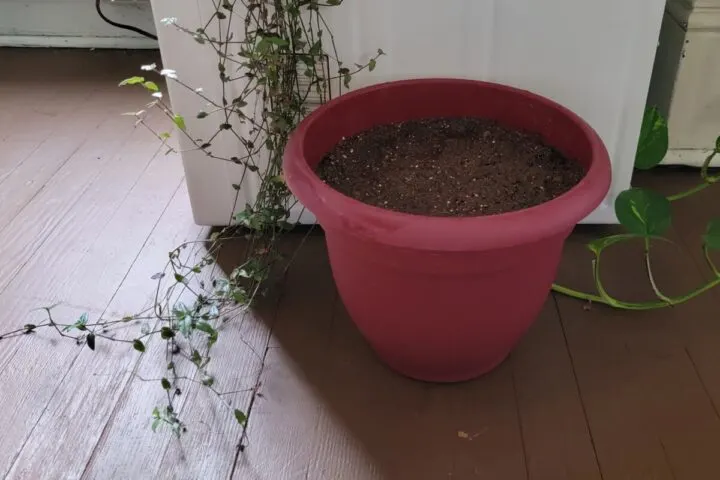
Week-by-Week Breakdown:
First Seven Days:
Initially, the pots mirrored a barren landscape. I kept the soil moist and waited for nature to take its course. By the week’s end, a film of mold blanketed the slices—an expected yet unsightly phase in the decomposition process.
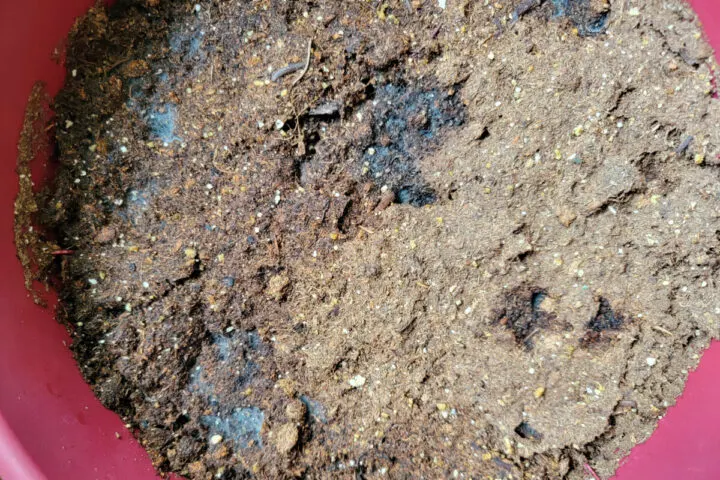
The Second Week’s Surprise:
Mold persisted, yet didn’t spread—an optimistic sign.
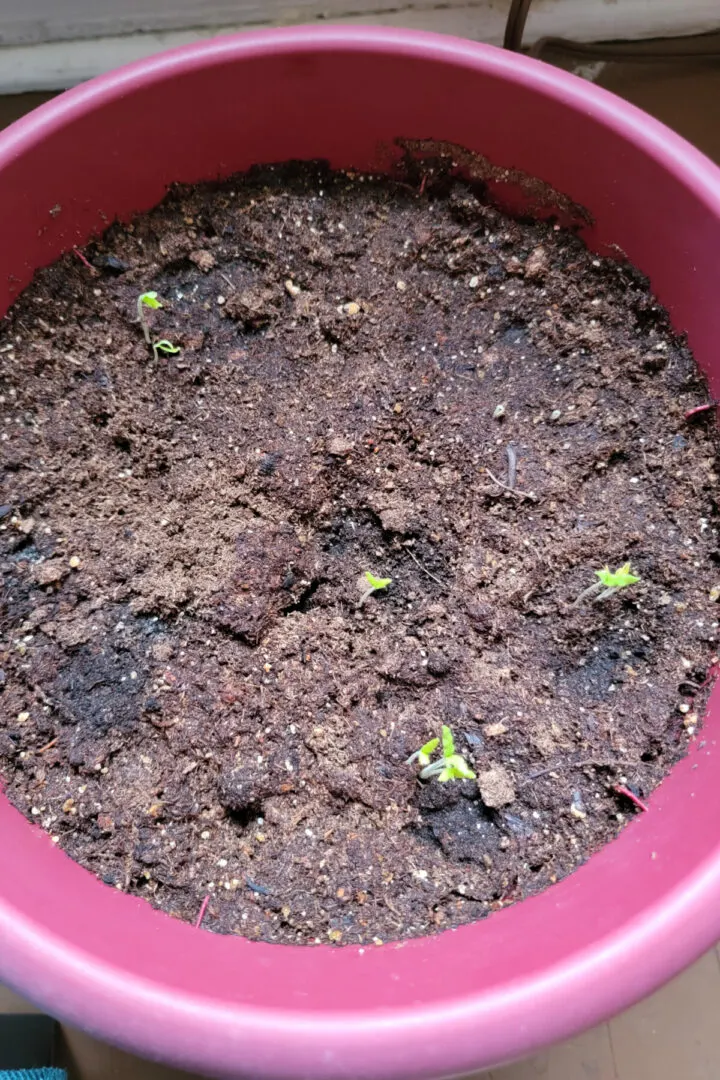
Post a short weekend hiatus, the first signs of life appeared—tiny green shoots breaking through the soil. The cherry tomato, however, seemed to be in a slumber.
The Third Week’s Green Delight:
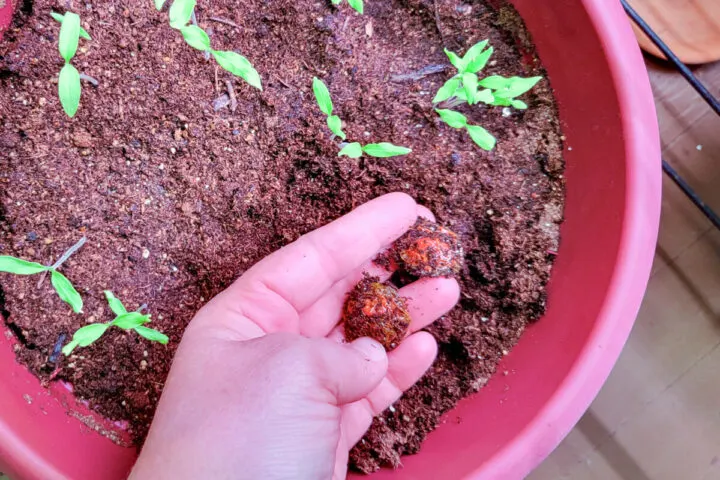
A relocation under the grow lights did wonders. More sprouts pushed their way up, reaching for the artificial sun. And at last, the cherry tomato slice decided to join the sprouting party.
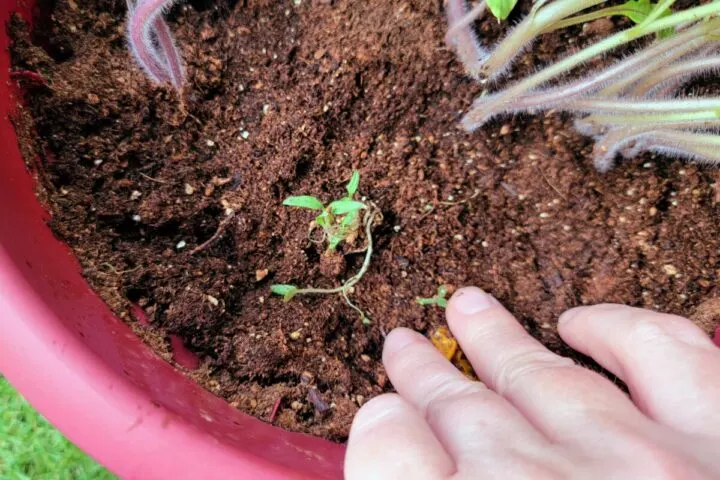
The Verdict: Success!
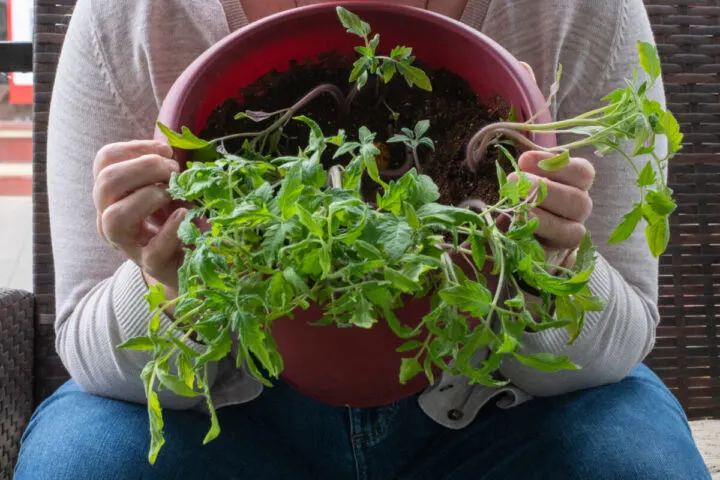
The experiment confirmed it: tomato slices can give life to seedlings. But, there’s a plot twist.
The Hybrid Factor:
The supermarket tomato slice experiment comes with its caveats. Commercially available tomatoes are often hybrids, bred for certain traits. This means the offspring of such seeds can be a mixed bag—like a botanical lottery.
If you desire predictability in your crop, this method may lead to unexpected results. If you’re in for a surprise, who knows what delightful variations you might grow?

Adventures in Tomato Germination:
Despite the unpredictability, the experiment was a triumph of growth. You may just stumble upon a unique strain with a tantalizing flavor profile.
Insider Advice:
Time your slice-planting for a good 10-12 weeks before the outdoor transplant date.
Keep the tomato environment cozy and humid—a DIY greenhouse effect with plastic might just do the trick.
Once sprouted, transplant your seedlings deeply to encourage a sturdy root system for their life in the garden.

Orchids, with their array of species and hybrids exceeding 25,000, stand as a testament to botanical beauty. Cultivators and hobbyists Read more

Caring for orchids, known for their exquisite and delicate nature, involves a precise approach to hydration. Orchids differ from typical Read more

Introducing 15 Health-Enhancing Indoor Plants for a Vibrant Home Oasis Embrace a selection of indoor plants that bring more than Read more

Neem oil is a completely natural product, derived from a plant native to India. It contains azadirachtin, a potent compound Read more

Self-Seeding Flowers: Effortless Beauty That Returns Every Year When I first fell in love with gardening, my mother came to Read more

For gardening enthusiasts, it's a known fact that many plants thrive in humid and warm climates conducive to their growth. Read more

Bananas are a delightful treat, but their peels can be a garden's treasure. Rather than discarding banana peels into compost, Read more

Turmeric is a staple ingredient in Asian cuisine. This vibrant yellow spice, often used to flavor curries and stews, is Read more

Indoor Plants: A Decorative Air Purifier Indoor plants have become an essential part of modern decor, increasingly sought-after to greenify Read more

Cultivating Zucchini in Containers: A Comprehensive Guide Zucchini is a popular vegetable for gardening aficionados and novices alike. It's simple Read more

Growing avocados can be a gratifying experience, especially when you cultivate them right in your backyard. While starting avocados from Read more
Indoor Plants and Their Benefits Indoor plants not only enhance the decor but also bring a touch of lush greenery. Read more

Tea, the staple of morning routines and afternoon breaks, may have a second life beyond the cup that's often ignored. Read more

Using Baking Soda for Plant Care To care for your plants or your vegetable garden, have you considered the DIY Read more

Navigating Aloe Vera Care: Bypassing Usual Oversights Aloe vera, celebrated for its therapeutic properties and eye-catching demeanor, is occasionally compromised Read more

Orchids, with a staggering 28,000 unique species, beautifully demonstrate nature's rich tapestry of diversity. Originating from the Orchidaceae lineage, these Read more

If you don't often get the chance to rejuvenate in the midst of nature, there's an alternative: introducing plants to Read more
Searching for a distinctive method to incorporate some foliage into your home or workplace? Try cultivating plants hydroponically! Not only Read more

Transforming Garlic Peels into Gold for Gardeners: In the rhythm of kitchen prep, garlic peels are often discarded without a Read more

Wild Medicinal Plants: Harnessing the Hidden Virtues of Earth’s Greenery In the wilderness of our environment—ranging from the expanse of Read more

Gardening: The Harmony of Craft and Nature Gardening brings out a dance between human creativity and the wonders of nature. Read more

The Wonders of Blueberries: A Guide to Growing and Enjoying This Nutrient-Rich Fruit Mildly sweet, the blueberry is a dark Read more

Cultivating an Avocado Plant Indoors: A Step-by-Step Guide Nurturing an avocado seed into a blossoming plant within the confines of Read more

Understanding Fertilizers for Plants Fertilizer is a product that can be spread or mixed into the soil to provide plants Read more
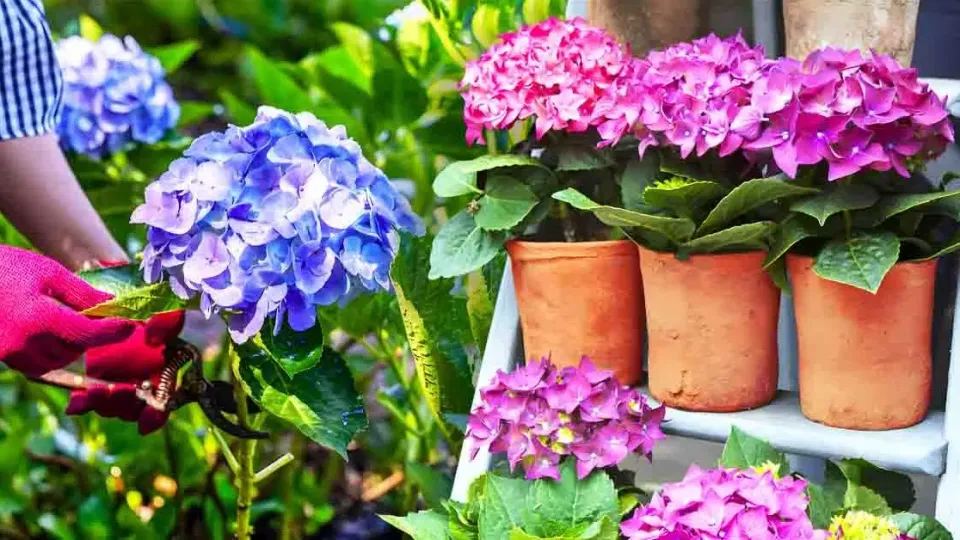
Hydrangeas, with their breathtaking blooms, stand out as one of the most enchanting deciduous flowering bushes. If you've wandered through Read more

In the culinary world, garlic is a staple ingredient that is hard to do without. Cultivating it benefits many plants Read more

Lavender, a charming addition to any garden, is known for its enchanting aroma and vibrant purple hues. This plant comes Read more

Orchids, celebrated for their intricate beauty and variety, need particular attention for optimal growth. In the realm of orchid care, Read more

How to Reuse Barbecue Ashes After enjoying a barbecue outdoors on a sunny day, the tendency is often to discard Read more

Excessive moisture within a house can arise due to capillary action, infiltration, or the phenomenon of condensation. The latter is Read more

The Importance and Care of House Plants House plants not only serve as a significant decorative element but also play Read more
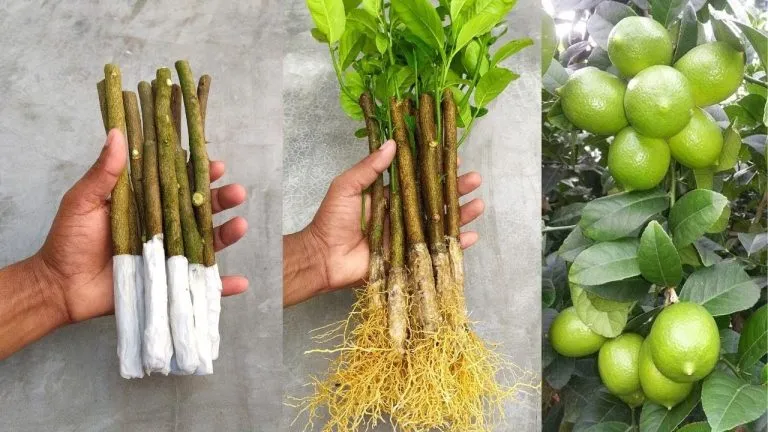
Cultivating lemon trees in your garden or home brings not only visual charm but also the practical advantage of homegrown Read more

Get a Head Start on Your Garden: Indoor Sowing for Colder Climates There's no need to wait for spring's embrace Read more
Easy Clove Growing: From Seed to Spice – A Beginner’s Guide Cloves are among the most treasured spices in the Read more

Using White Vinegar for Garden Maintenance Gardening is never an easy task. Planting, weeding, and watering plants and flowers require Read more

Orchids are renowned for their stunning blooms and are a favorite among indoor plant enthusiasts. However, getting these temperamental beauties Read more

Mastering Chilli Cultivation in Diverse Climates: A Detailed Guide It may seem unlikely, but growing chillies across different climates is Read more

Different perspectives exist on various aspects of nature, and this holds true for the dandelion, often dismissed as a mere Read more

Unlocking the Flowering Potential of Anthuriums Anthuriums are renowned for their stunning, heart-shaped blooms which, under ideal conditions, can grace Read more
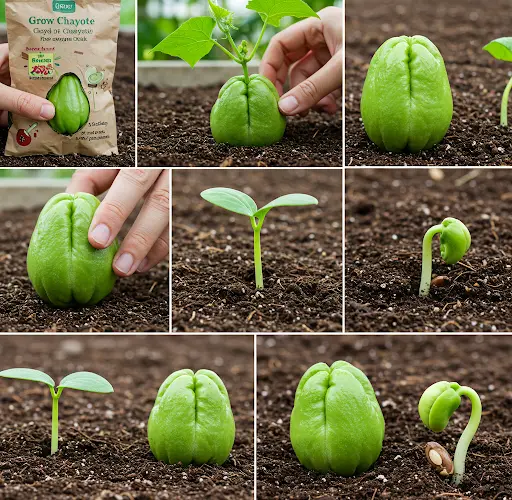
Growing Chayote from Supermarket Fruit: Abundant Harvests Made Easy If you've ever strolled through the produce aisle and spotted a Read more
