
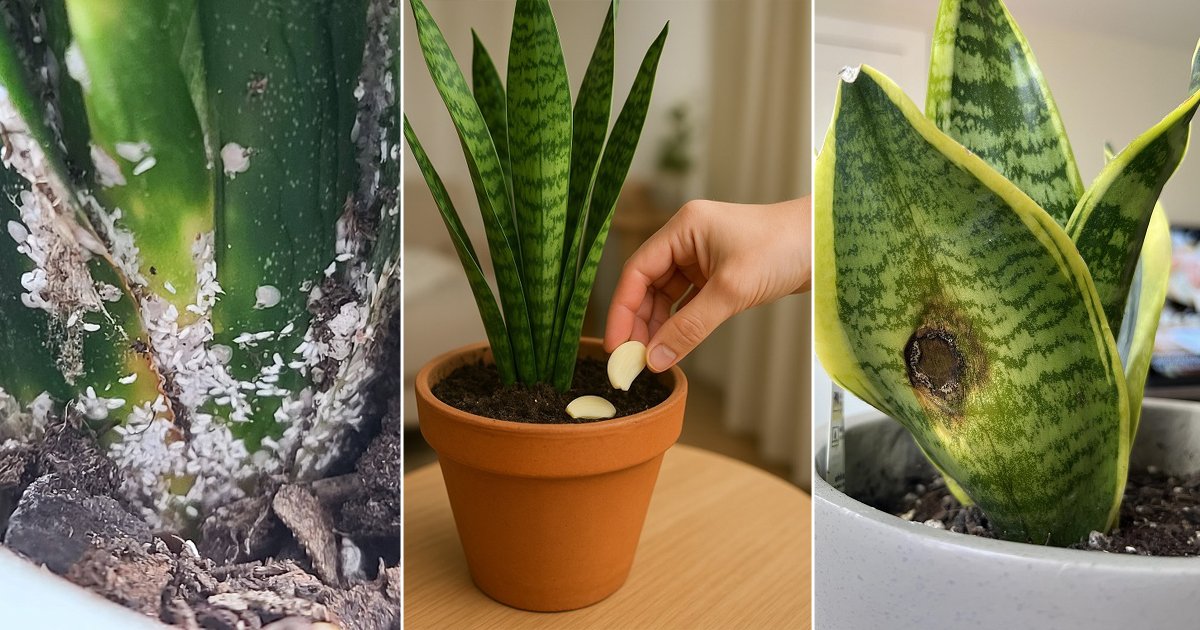
Discover how a simple kitchen ingredient can effectively repel pests, combat diseases, and promote healthier growth in your plants.

Snake plants (Sansevieria) are renowned for their resilience and near indestructibility. They thrive under low light conditions, tolerate irregular watering, and withstand general neglect better than most other houseplants. However, even these tough plants can encounter problems such as pest infestations, fungal diseases, or slow growth. Surprisingly, there is one commonplace ingredient that can address all these issues: garlic.
For centuries, garlic has been valued as a natural protector within gardens. When applied thoughtfully, it can enhance your snake plant’s resilience and health without the need for harsh chemical treatments.
Why Garlic Is Beneficial for Snake Plants
Garlic contains allicin, a sulfur-based compound famed for its antimicrobial and insect-repellent properties. This natural defense compound helps deter pests, inhibit fungal growth, and support the overall vitality of the plant when used in appropriate moderation.
1. Natural Pest Repellent

Common pests such as mealybugs, spider mites, and aphids often shelter within the tight leaf joints of snake plants, feeding on the sap and causing leaf discoloration or stunted growth. The potent aroma and natural oils present in garlic create an inhospitable environment that these pests tend to avoid.
To prepare a simple pest-repellent spray, crush two or three cloves of garlic and soak them in one liter of water overnight. After straining the liquid, lightly spray the snake plant’s leaves once a week to discourage and prevent pest infestations.
2. Helps Prevent Fungal Infections

Snake plants are susceptible to root rot and other fungal infections, especially when overwatered or grown in poorly draining soil. Garlic’s antifungal properties can help limit the proliferation of harmful fungi and microorganisms within the soil.
For this purpose, bury one crushed garlic clove just beneath the surface of the soil and replace it every four to six weeks. This technique allows the garlic’s protective compounds to be released gradually, while minimizing the risk of mold development.
3. Supports Soil Health

While snake plants do not demand heavy fertilization, they benefit greatly from a balanced and biologically active soil environment. Garlic contains trace minerals and compounds that support a healthy microbial ecosystem, encouraging stronger root development and enhancing the plant’s natural disease resistance.
Applying a very mild garlic-water solution once a month can enhance soil health, provided the mixture is well diluted to avoid stressing the roots due to excessive concentration.
4. Repels Indoor Insects

If your indoor snake plant attracts fungus gnats or other small flying insects, garlic can serve as a natural repellent. Simply place one sliced garlic clove on the soil’s surface to deter these unwanted visitors. Replace the garlic slice once its scent fades to maintain its effectiveness.
5. Use Garlic with Care

Despite being a natural remedy, garlic should be used thoughtfully to avoid negative effects on your plant. Overuse or using excessively concentrated garlic water can damage the roots or encourage mold growth. Using only one clove at a time is sufficient, and garlic should never be applied in soils that remain constantly wet.
After the initial garlic application, carefully observe your snake plant over the following days to ensure it responds positively without any adverse reactions.
Are you seeking a safe and chemical-free method to care for your snake plant? When used with care, garlic is an affordable and effective solution. Try incorporating garlic into your plant care routine and watch as your snake plant grows stronger, healthier, and more resilient.

Using White Vinegar for Garden Maintenance Gardening is never an easy task. Planting, weeding, and watering plants and flowers require Read more
Are you searching for an affordable and eco-friendly alternative to chemical fertilizers? An unexpectedly powerful solution might already be in Read more

How to Reuse Barbecue Ashes After enjoying a barbecue outdoors on a sunny day, the tendency is often to discard Read more
Hydrangeas, with their breathtaking blooms, stand out as one of the most enchanting deciduous flowering bushes. If you've wandered through Read more

Different perspectives exist on various aspects of nature, and this holds true for the dandelion, often dismissed as a mere Read more

Orchids, with their array of species and hybrids exceeding 25,000, stand as a testament to botanical beauty. Cultivators and hobbyists Read more
Orchids, admired for their exotic beauty and vast variety, demand specific care to flourish. While many growers rely on commercial Read more

Tea, the staple of morning routines and afternoon breaks, may have a second life beyond the cup that's often ignored. Read more

Neem oil is a completely natural product, derived from a plant native to India. It contains azadirachtin, a potent compound Read more

In the culinary world, garlic is a staple ingredient that is hard to do without. Cultivating it benefits many plants Read more

If you don't often get the chance to rejuvenate in the midst of nature, there's an alternative: introducing plants to Read more
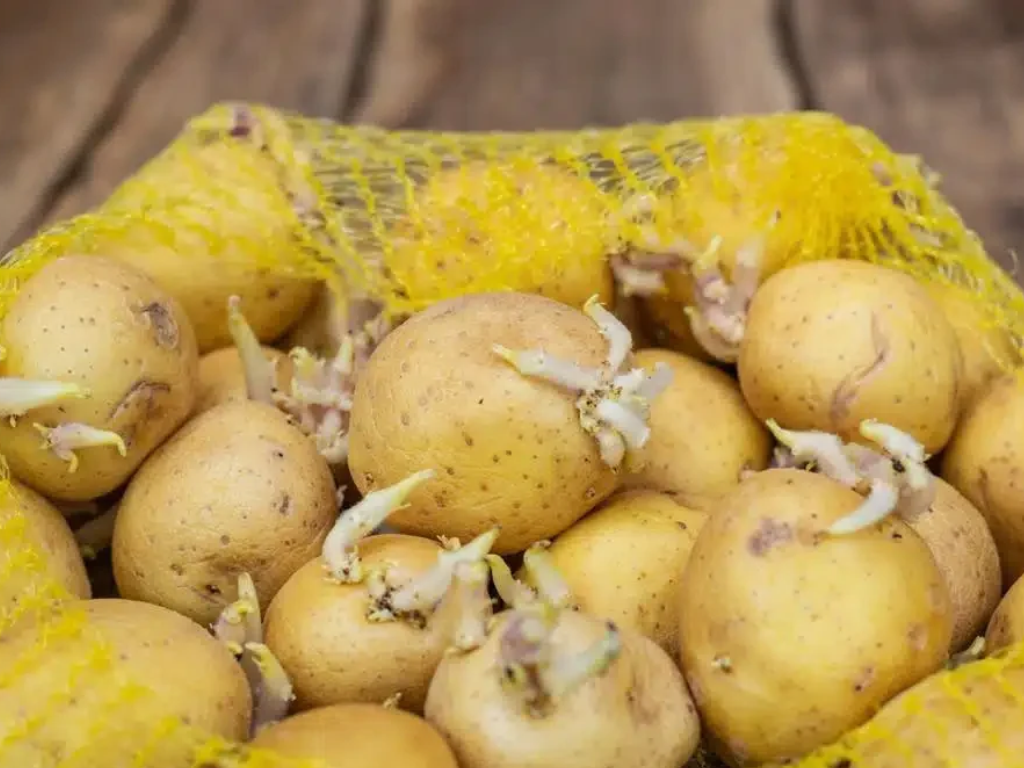
Three Little-Known Tips to Keep Your Potatoes in Perfect Condition Choosing the Right Location for Storage The way you store Read more
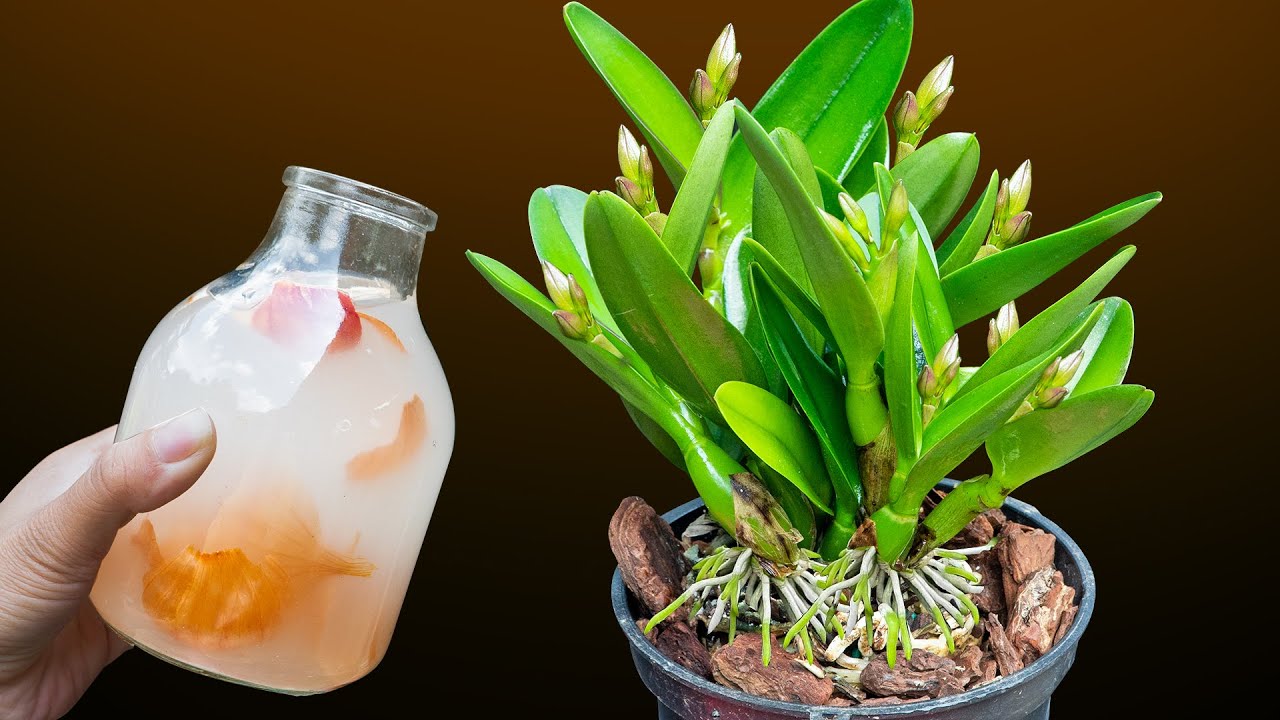
Orchids, celebrated for their exotic beauty and remarkable variety, require tailored care to flourish. While most growers rely on commercial Read more
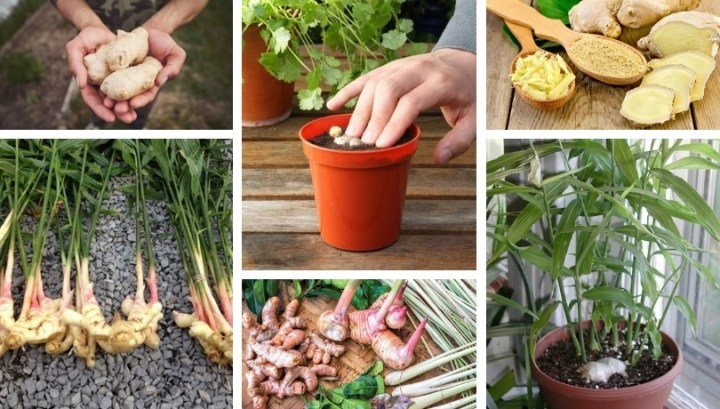
Ginger, renowned for its distinct flavor and numerous health advantages, is a fundamental ingredient in many culinary traditions around the Read more

Transforming Garlic Peels into Gold for Gardeners: In the rhythm of kitchen prep, garlic peels are often discarded without a Read more

Gardening: The Harmony of Craft and Nature Gardening brings out a dance between human creativity and the wonders of nature. Read more
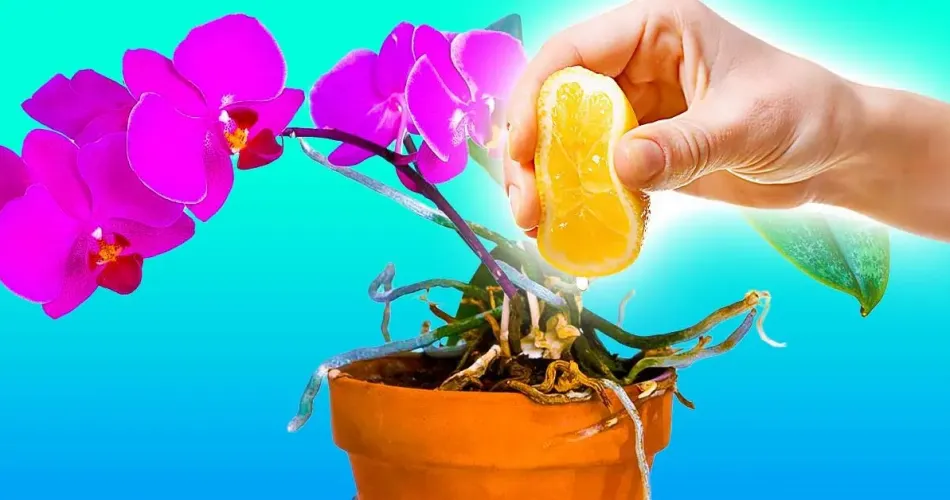
Orchids, with over 28,000 unique species, provide a fascinating insight into the immense diversity found in nature. Originating from the Read more

Excessive moisture within a house can arise due to capillary action, infiltration, or the phenomenon of condensation. The latter is Read more

Cultivating Zucchini in Containers: A Comprehensive Guide Zucchini is a popular vegetable for gardening aficionados and novices alike. It's simple Read more
Nature provides us with countless remedies in the form of wild medicinal plants, surrounding us everywhere we go. These healing Read more
Indoor Plants and Their Benefits Indoor plants not only enhance the decor but also bring a touch of lush greenery. Read more
Imagine spending a relaxing afternoon in your backyard, only to stumble upon an unexpected and unwelcome discovery—a cluster of tiny Read more

Insect-Repelling Greenery: Your Natural Home Defense Transform your home into a sanctuary free from the annoyance of insects such as Read more
Self-Seeding Flowers: Effortless Beauty That Returns Every Year When I first fell in love with gardening, my mother came to Read more
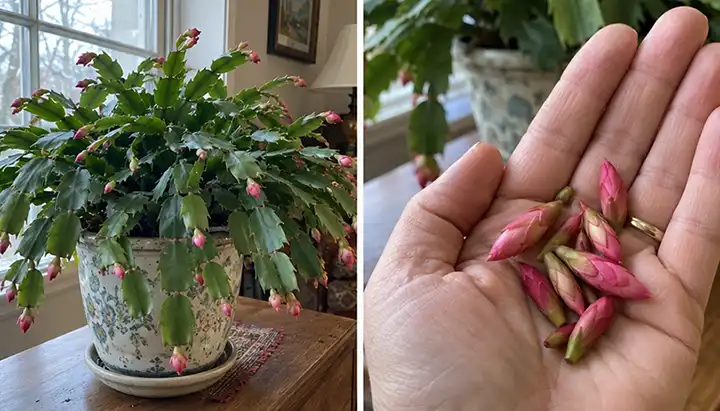
If your Christmas cactus has stayed healthy throughout the year but produced only a few flowers last winter, October might Read more

The Importance and Care of House Plants House plants not only serve as a significant decorative element but also play Read more

Have you ever noticed how a tomato freshly picked from your garden tastes far superior to one bought off a Read more
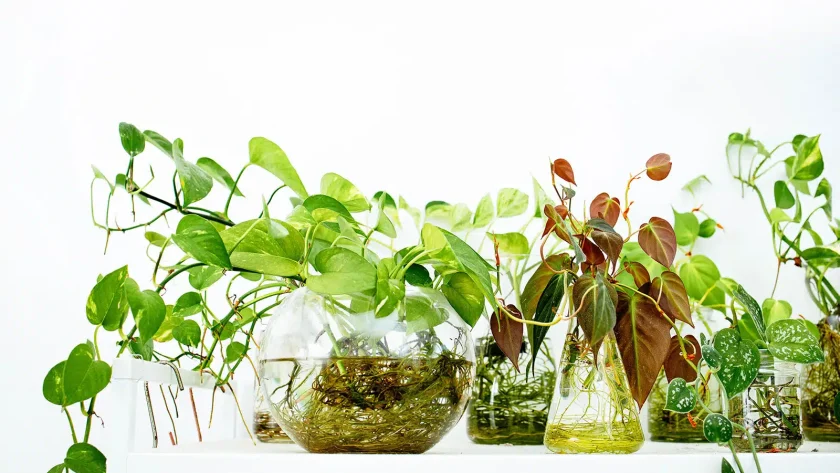
Searching for a distinctive method to incorporate some foliage into your home or workplace? Try cultivating plants hydroponically! Not only Read more
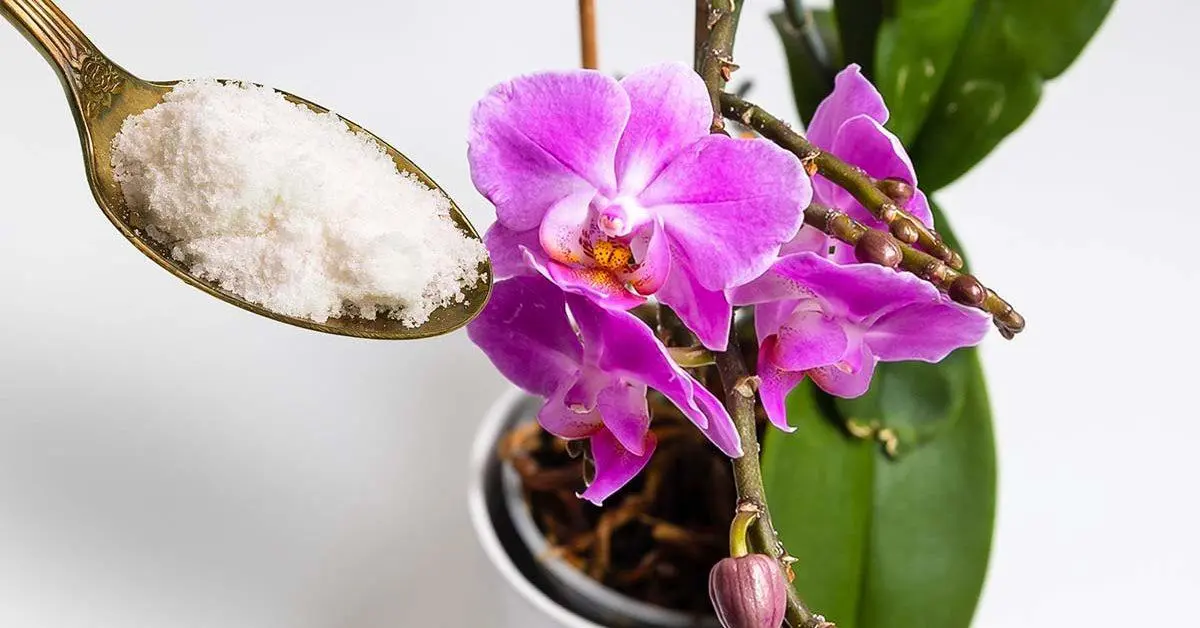
Do you have indoor plants? They have a unique ability to infuse life and color into any environment, whether it’s Read more

Deadly Nightshade (Atropa belladonna): The Mysterious and Dangerous Plant with a Dark Legacy At first glance, Deadly Nightshade (Atropa belladonna) Read more

Growing avocados can be a gratifying experience, especially when you cultivate them right in your backyard. While starting avocados from Read more

The Wonders of Blueberries: A Guide to Growing and Enjoying This Nutrient-Rich Fruit Mildly sweet, the blueberry is a dark Read more

Bananas are a delightful treat, but their peels can be a garden's treasure. Rather than discarding banana peels into compost, Read more
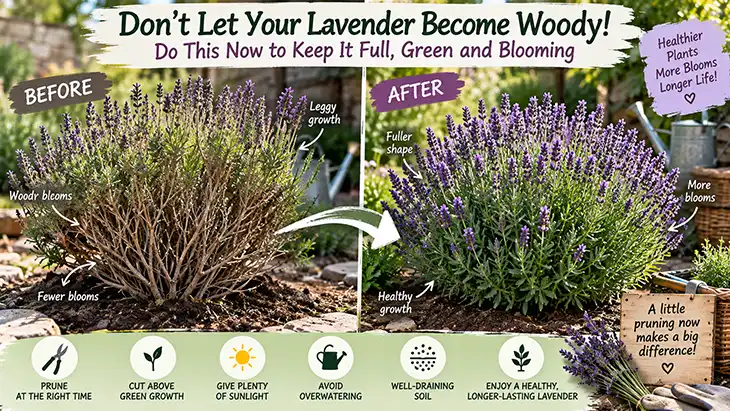
When lavender plants are young, they often present an almost perfect image: a compact shrub with silvery-green foliage, a delightful Read more
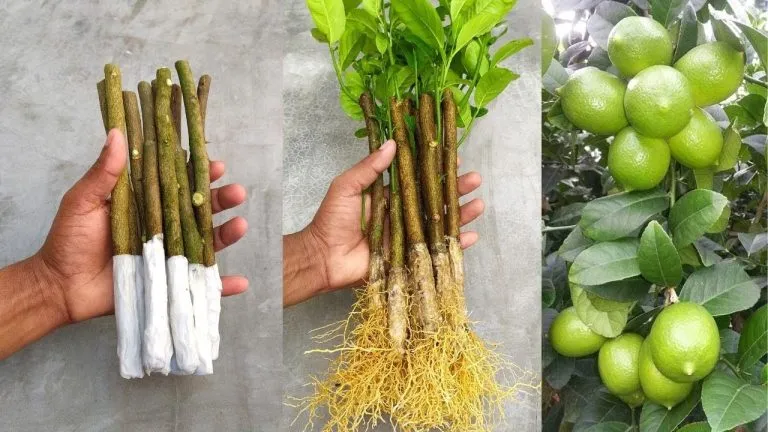
Cultivating lemon trees in your garden or home brings not only visual charm but also the practical advantage of homegrown Read more

For gardening enthusiasts, it's a known fact that many plants thrive in humid and warm climates conducive to their growth. Read more

Orchids, with a staggering 28,000 unique species, beautifully demonstrate nature's rich tapestry of diversity. Originating from the Orchidaceae lineage, these Read more

Get a Head Start on Your Garden: Indoor Sowing for Colder Climates There's no need to wait for spring's embrace Read more

In this exploration, we uncover eight homemade, natural solutions that act as effective rooting agents for plant propagation through cuttings. Read more
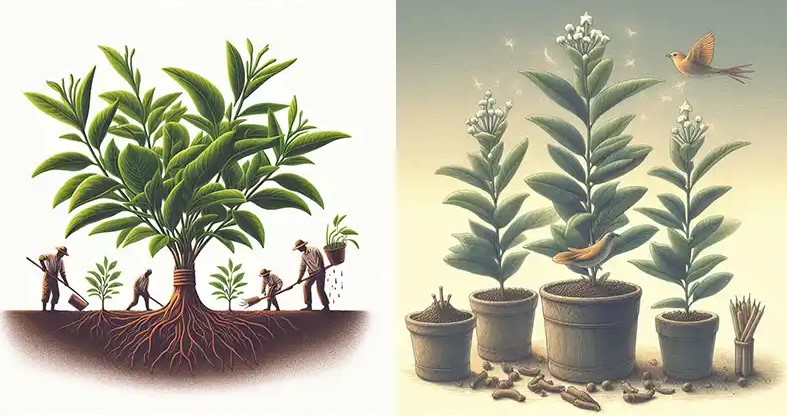
Easy Clove Growing: From Seed to Spice – A Beginner’s Guide Cloves are among the most treasured spices in the Read more
