

Get a Head Start on Your Garden: Indoor Sowing for Colder Climates
There’s no need to wait for spring’s embrace to commence your gardening adventure. In cooler regions, early indoor sowing can jumpstart your growing season, particularly for warmth-loving crops like tomatoes and peppers.
Embarking on Seedling Cultivation Indoors
Kickstarting the gardening year in colder zones often begins indoors, with the sowing of tomatoes and peppers being a seminal task.
Initiating seeds indoors not only prolongs the growing period but also poses its challenges. Without proper care, you might end up nurturing frail seedlings that struggle to catch up after transplanting. Follow these ten insights for robust tomato and pepper seedlings.
1. Climate-Smart Variety Selection
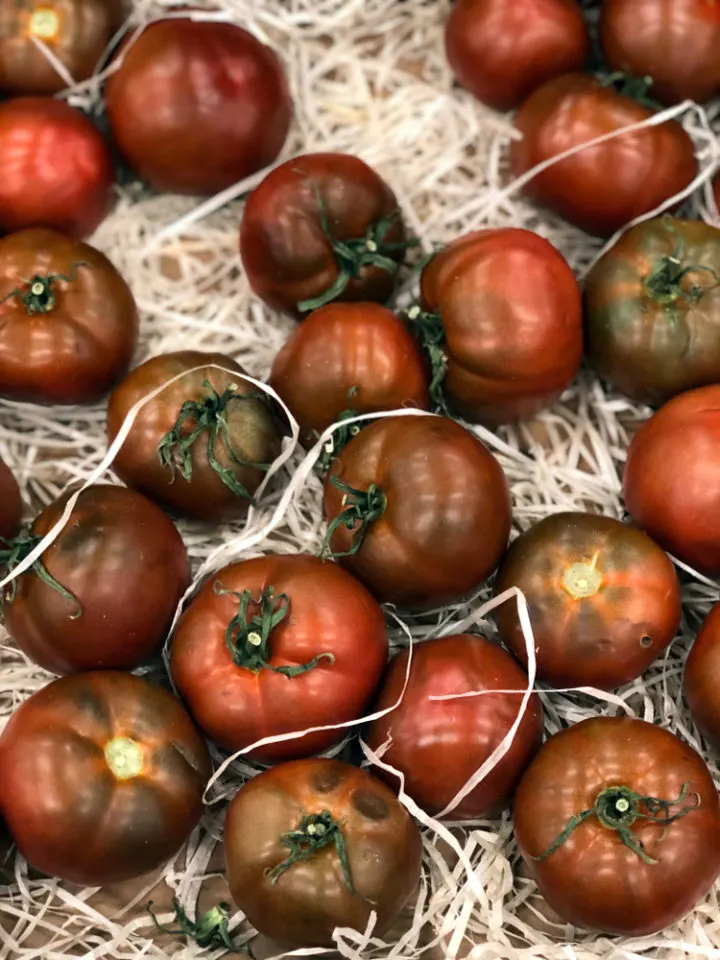
Select varieties suited to your climate, considering your region’s USDA hardiness zone and growing season length.
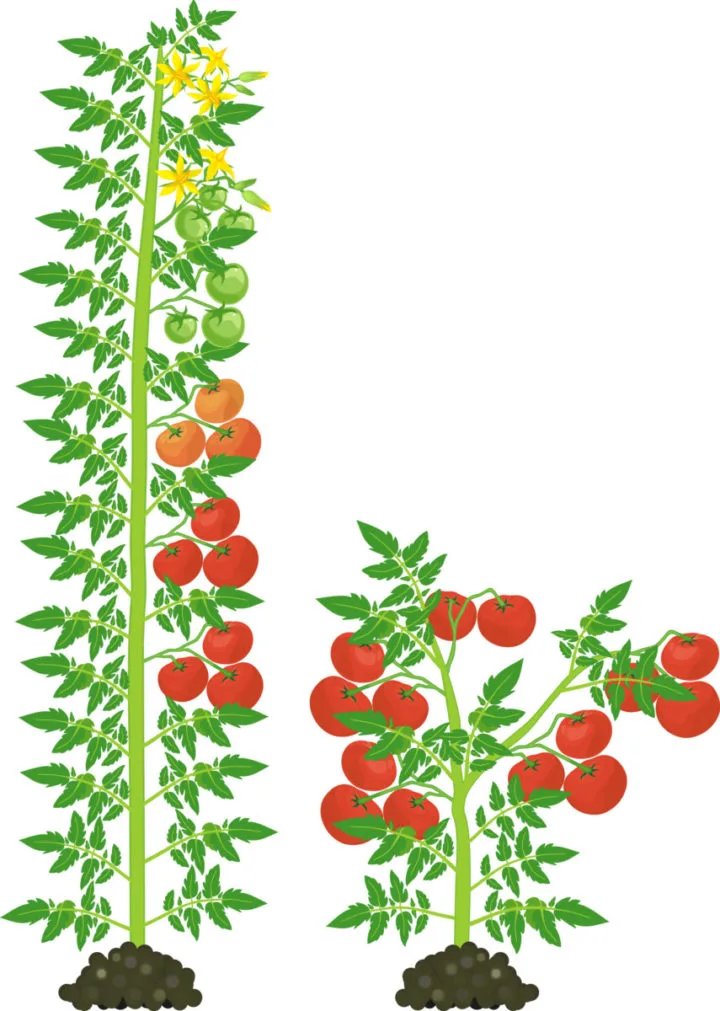
Opt for cultivars bred for shorter seasons, especially if your locale grapples with brisk, damp winters.
2. Timely Sowing
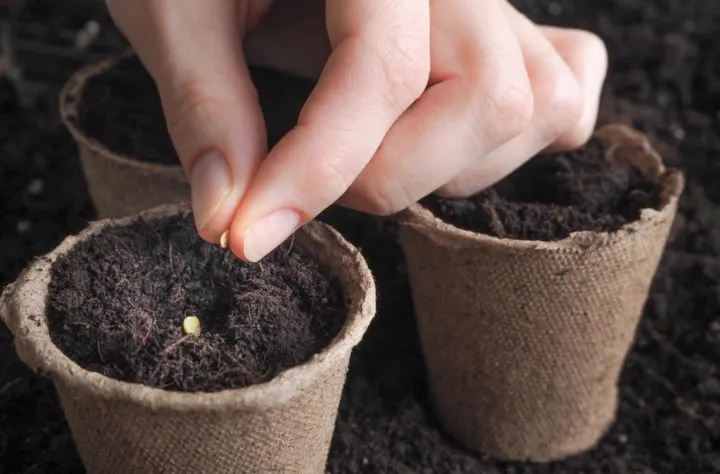
Kick off your indoor sowing at a time that reflects your locale. For brisker climates, seeds may be sown as early as January or February, with the younglings remaining indoors until the advent of milder spring or early summer months.
3. Savvy Container Choices
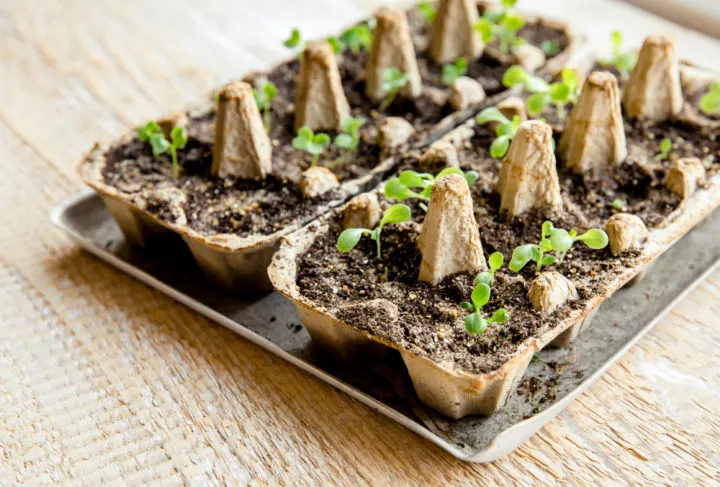
For seed germination, warmth and proper moisture are crucial, so select containers that cater to these needs. Utilize various reclaimed materials for your containers, but cleanliness is paramount to avoid disease.
4. Optimal Growing Medium
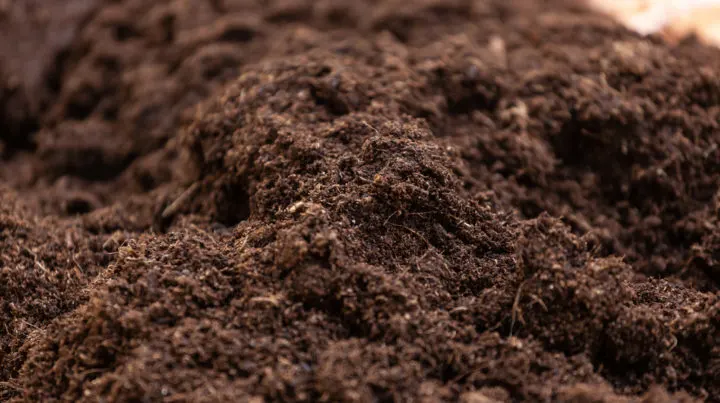
Select a sterile potting mix dedicated to seed starting, distinct from the mix used for nurturing the growing seedlings. Avoid garden soil to start your seedlings, as it may carry diseases harmful to young plants.
5. Ideal Seed and Seedling Environment
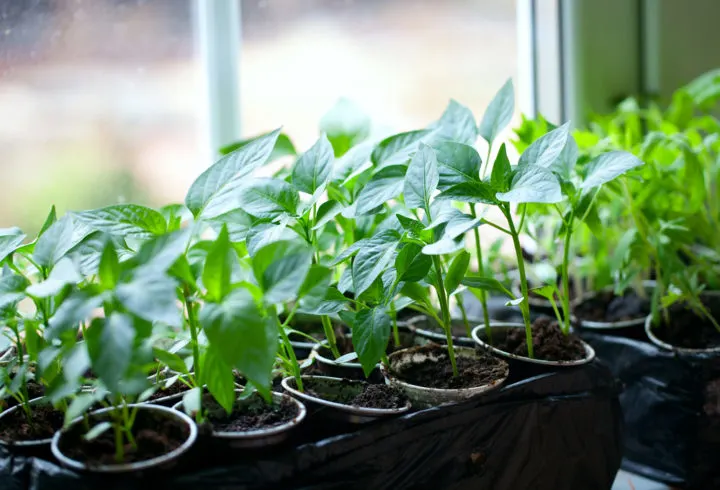
Place seed starting trays in a spot conducive to the temperature needs of your tomatoes and peppers. Utilize a seedling heat mat for optimal germination temperatures, then transition to a sunny, draft-free windowsill for growing.
By adhering to these guidelines, you’ll give your tomatoes and peppers a robust foundation for when they finally make their debut in the garden.
6. Combat Sparse Light with Artificial Illumination
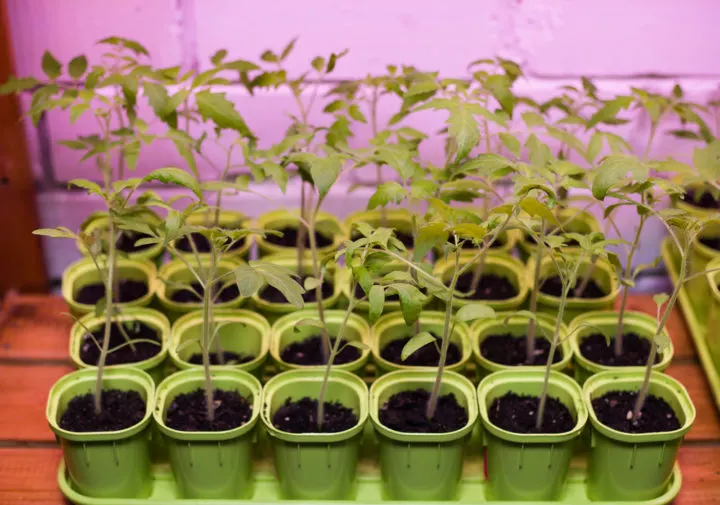
For those braving the dim light of winter’s embrace, seedlings may stretch languidly in search of more sunlight. Tomatoes and peppers are particularly prone to this legginess if deprived of sufficient rays. Weak and slender, these seedlings might lean dramatically towards the nearest light source.
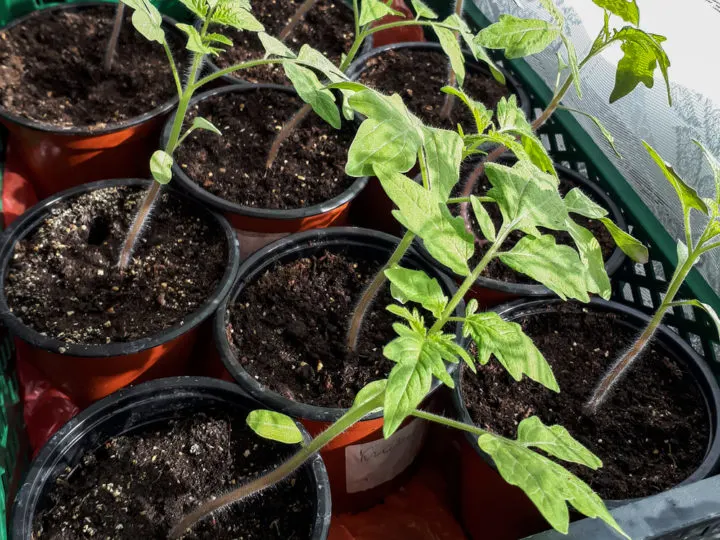
The antidote to this dilemma? Introducing grow lights. Affordable LED options on the market can bathe your seedlings in the necessary luminescence, encouraging compact, robust growth. However, if you’re hesitant to invest in grow lights, rotating your pots to deter one-sided growth and using reflective surfaces to amplify light exposure can also help.
7. Timely Thinning for Vigorous Growth
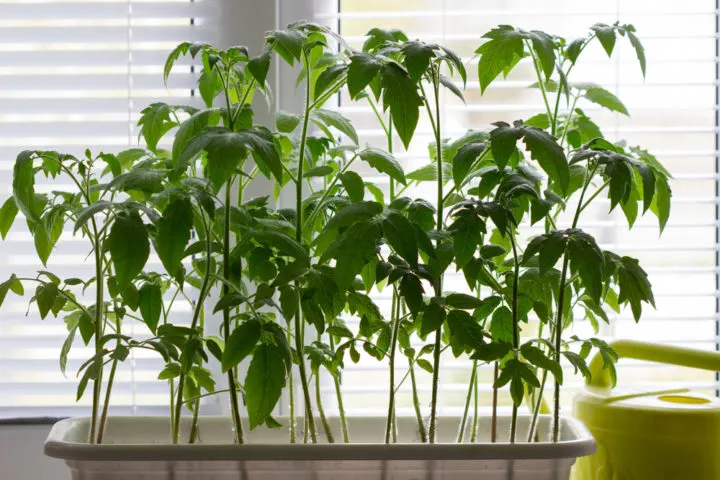
A common oversight is delaying the separation of seedlings, which can lead to unnecessary competition and subsequently weaker plants. As soon as the first true leaves emerge and the seedlings are manageable, it’s time to thin them out.
Weak or excess seedlings can be gently removed from the crowd, or entire trays can be transplanted into their individual havens. Swift action here ensures that each seedling has ample room to flourish.
8. Regular Repotting Regimen
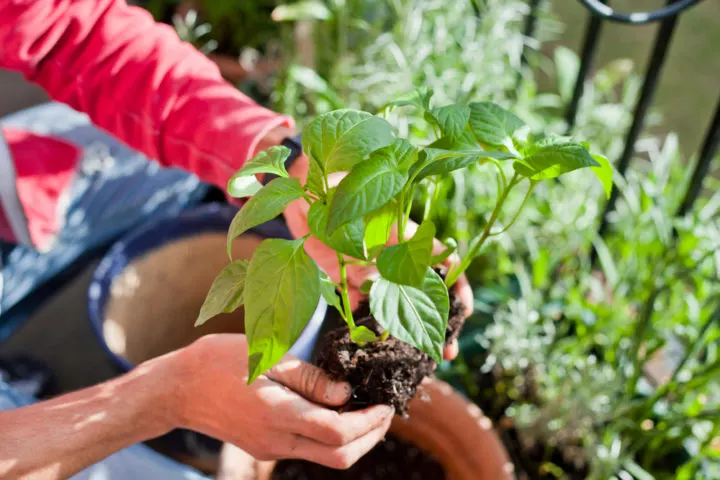
Neglecting to repot can stunt your plants’ growth or trigger premature blooming. Once the initial true leaves debut, transplant the seedlings into individual pots. As they grow, keep tabs on their root development—cramped or protruding roots signal the need for a larger home.
Buried Stems: A Path to Robust Roots
A lesser-known technique for tomatoes and peppers is to bury a portion of the stem with each repotting. This subterranean section will sprout new roots, leading to a sturdy, well-rooted plant ready for the transition to the garden.
9. Perfecting Watering Techniques
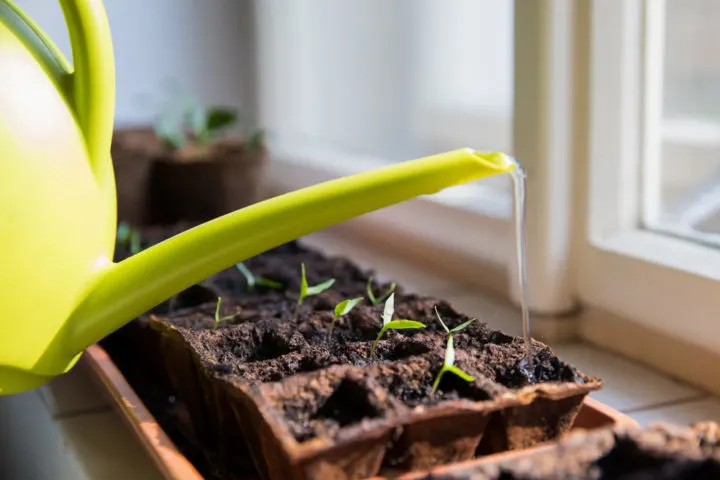
Watering missteps are all too common, particularly indoors where conditions differ from the garden. Over or under-watering can spell doom for seedlings, so attentive care is crucial. Check daily for moisture needs, and water deeply yet infrequently to foster deep root growth.
10. Acclimatization: From Indoors to Outdoors
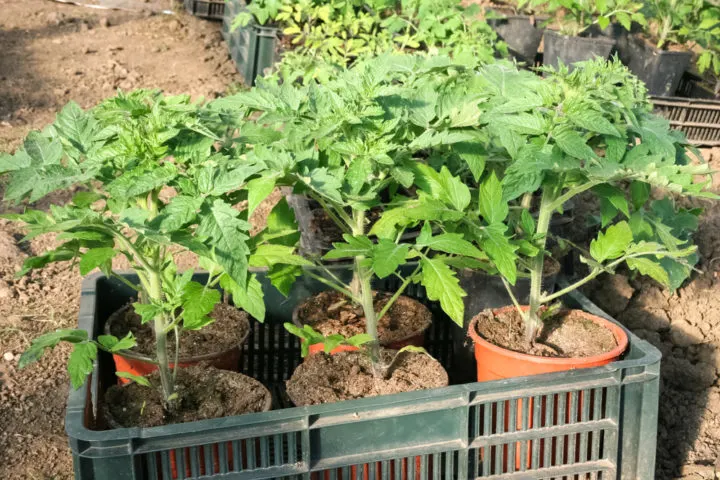
Transplanting your plants directly from the cozy indoors to the open garden without preparation is a recipe for shock. This gradual transition, known as hardening off, is critical, especially for tomatoes and peppers accustomed to indoor conditions.
Outdoor Adaptation Protocol
Start the hardening off process about a week before the planned transplant date. Ensure the plants are well-watered, then place them in a sheltered outdoor area. Begin with an hour on the first day, increasing their outdoor time by an hour each subsequent day.
Indoor Wind Training
If plants appear too delicate, extend the hardening off to ten days. Indoors, a gentle fan can mimic natural breezes, strengthening stems and preparing plants for the realities of their future environment.
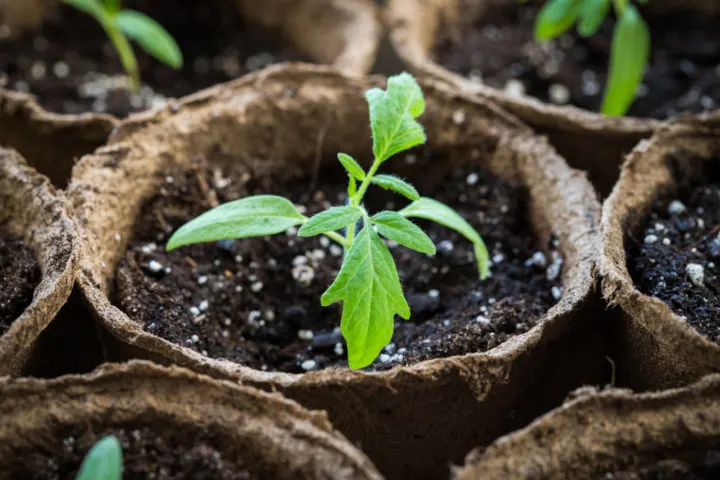
Employing these guidelines will not only help you navigate the early stages of growth but also increase the chances of a bountiful harvest. Remember, the emergence of tender green leaves is a harbinger of spring, even against the backdrop of winter’s lingering chill.

Caring for orchids, known for their exquisite and delicate nature, involves a precise approach to hydration. Orchids differ from typical Read more

Turmeric is a staple ingredient in Asian cuisine. This vibrant yellow spice, often used to flavor curries and stews, is Read more

Orchids are renowned for their stunning blooms and are a favorite among indoor plant enthusiasts. However, getting these temperamental beauties Read more

Indoor Plants: A Decorative Air Purifier Indoor plants have become an essential part of modern decor, increasingly sought-after to greenify Read more

Tea, the staple of morning routines and afternoon breaks, may have a second life beyond the cup that's often ignored. Read more
Deadly Nightshade (Atropa belladonna): The Mysterious and Dangerous Plant with a Dark Legacy At first glance, Deadly Nightshade (Atropa belladonna) Read more
Indoor Plants and Their Benefits Indoor plants not only enhance the decor but also bring a touch of lush greenery. Read more

In the culinary world, garlic is a staple ingredient that is hard to do without. Cultivating it benefits many plants Read more

Excessive moisture within a house can arise due to capillary action, infiltration, or the phenomenon of condensation. The latter is Read more
Easy Clove Growing: From Seed to Spice – A Beginner’s Guide Cloves are among the most treasured spices in the Read more
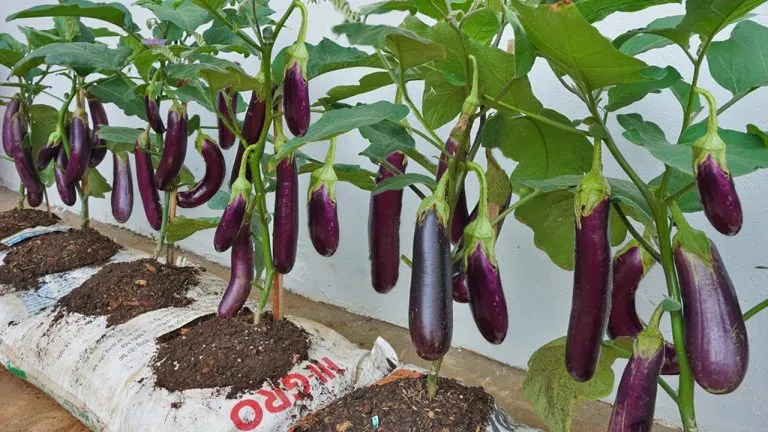
Exploring the World of Eggplants: A Gardener's Guide Eggplants, with their divisive nature, are often a subject of culinary debate. Read more

If you don't often get the chance to rejuvenate in the midst of nature, there's an alternative: introducing plants to Read more

Using Baking Soda for Plant Care To care for your plants or your vegetable garden, have you considered the DIY Read more

Unlocking the Flowering Potential of Anthuriums Anthuriums are renowned for their stunning, heart-shaped blooms which, under ideal conditions, can grace Read more

For gardening enthusiasts, it's a known fact that many plants thrive in humid and warm climates conducive to their growth. Read more

Transforming Garlic Peels into Gold for Gardeners: In the rhythm of kitchen prep, garlic peels are often discarded without a Read more

Growing avocados can be a gratifying experience, especially when you cultivate them right in your backyard. While starting avocados from Read more

Using White Vinegar for Garden Maintenance Gardening is never an easy task. Planting, weeding, and watering plants and flowers require Read more

Different perspectives exist on various aspects of nature, and this holds true for the dandelion, often dismissed as a mere Read more

Neem oil is a completely natural product, derived from a plant native to India. It contains azadirachtin, a potent compound Read more
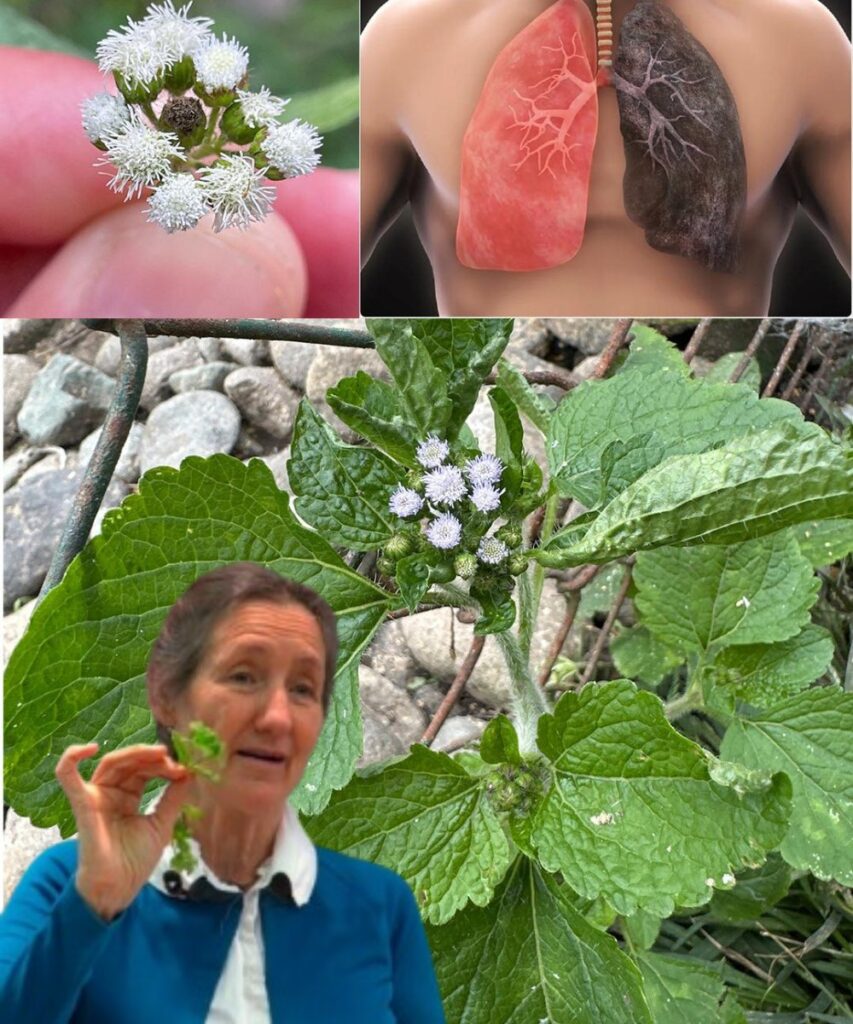
The Incredible Healing Power of Billygoat Weed (Ageratum conyzoides): 15 Health Benefits You Should Know About Billygoat weed, also known Read more

Gardening: The Harmony of Craft and Nature Gardening brings out a dance between human creativity and the wonders of nature. Read more

The Importance and Care of House Plants House plants not only serve as a significant decorative element but also play Read more

Orchids, with a staggering 28,000 unique species, beautifully demonstrate nature's rich tapestry of diversity. Originating from the Orchidaceae lineage, these Read more
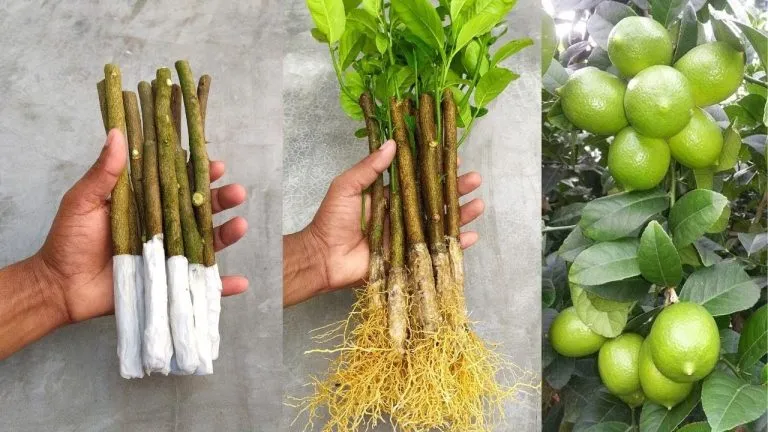
Cultivating lemon trees in your garden or home brings not only visual charm but also the practical advantage of homegrown Read more

Insect-Repelling Greenery: Your Natural Home Defense Transform your home into a sanctuary free from the annoyance of insects such as Read more

Introducing 15 Health-Enhancing Indoor Plants for a Vibrant Home Oasis Embrace a selection of indoor plants that bring more than Read more

Understanding Fertilizers for Plants Fertilizer is a product that can be spread or mixed into the soil to provide plants Read more
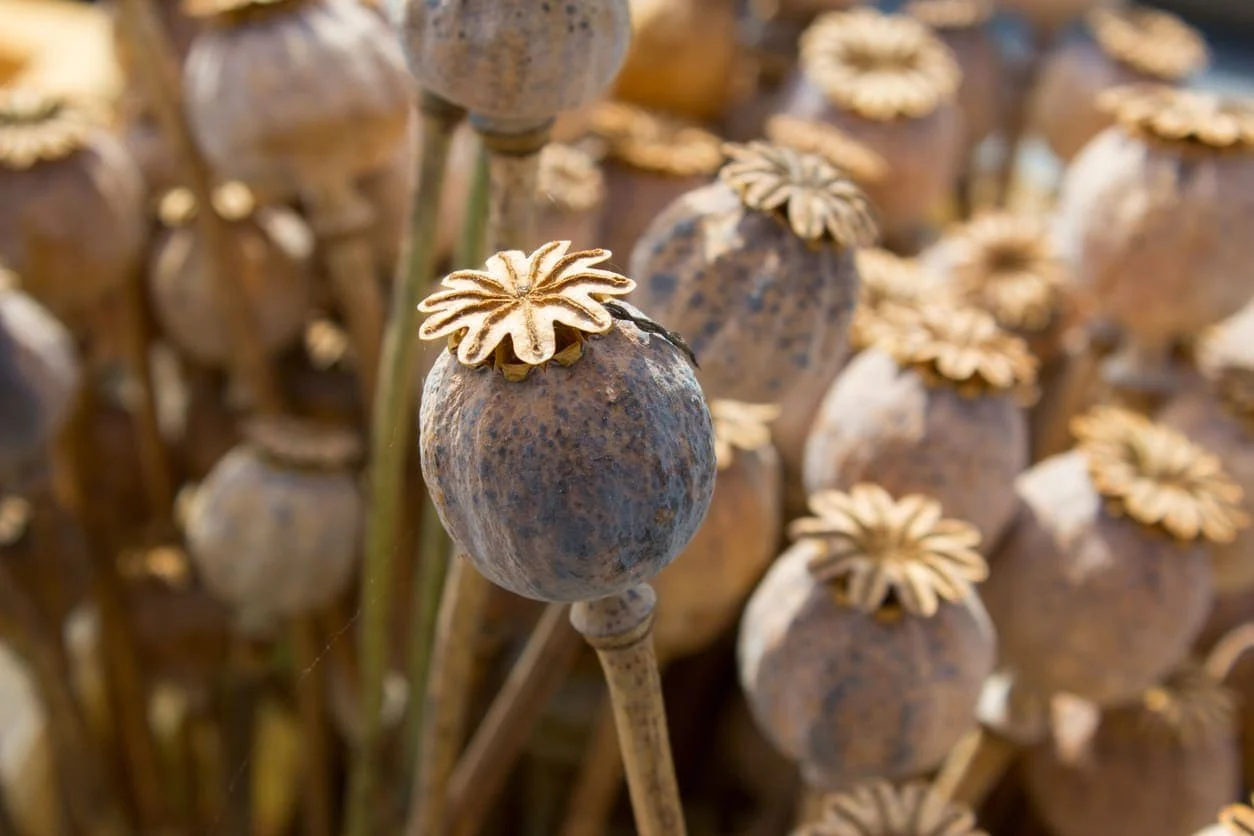
Self-Seeding Flowers: Effortless Beauty That Returns Every Year When I first fell in love with gardening, my mother came to Read more

Orchids, celebrated for their intricate beauty and variety, need particular attention for optimal growth. In the realm of orchid care, Read more

Mastering Chilli Cultivation in Diverse Climates: A Detailed Guide It may seem unlikely, but growing chillies across different climates is Read more

Bananas are a delightful treat, but their peels can be a garden's treasure. Rather than discarding banana peels into compost, Read more

How to Reuse Barbecue Ashes After enjoying a barbecue outdoors on a sunny day, the tendency is often to discard Read more
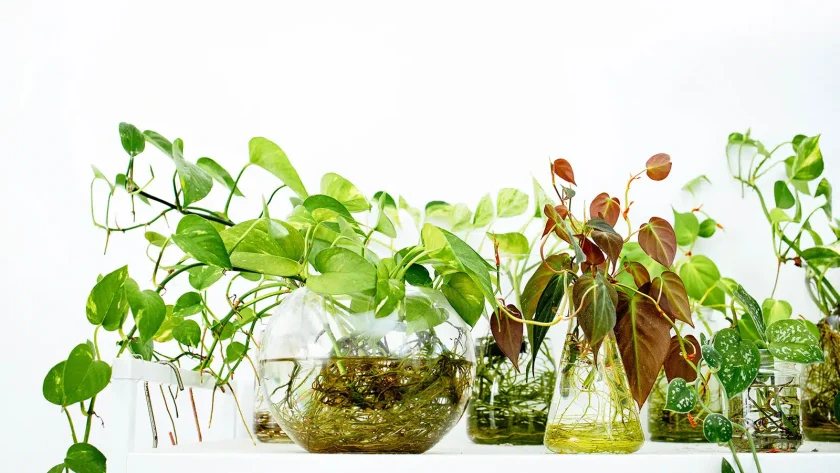
Searching for a distinctive method to incorporate some foliage into your home or workplace? Try cultivating plants hydroponically! Not only Read more

Orchids, with their array of species and hybrids exceeding 25,000, stand as a testament to botanical beauty. Cultivators and hobbyists Read more

Cultivating Zucchini in Containers: A Comprehensive Guide Zucchini is a popular vegetable for gardening aficionados and novices alike. It's simple Read more

Lavender, a charming addition to any garden, is known for its enchanting aroma and vibrant purple hues. This plant comes Read more

Cultivating an Avocado Plant Indoors: A Step-by-Step Guide Nurturing an avocado seed into a blossoming plant within the confines of Read more

Wild Medicinal Plants: Harnessing the Hidden Virtues of Earth’s Greenery In the wilderness of our environment—ranging from the expanse of Read more
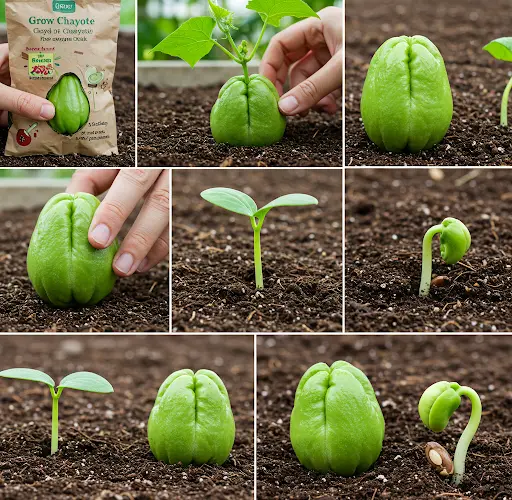
Growing Chayote from Supermarket Fruit: Abundant Harvests Made Easy If you've ever strolled through the produce aisle and spotted a Read more
