
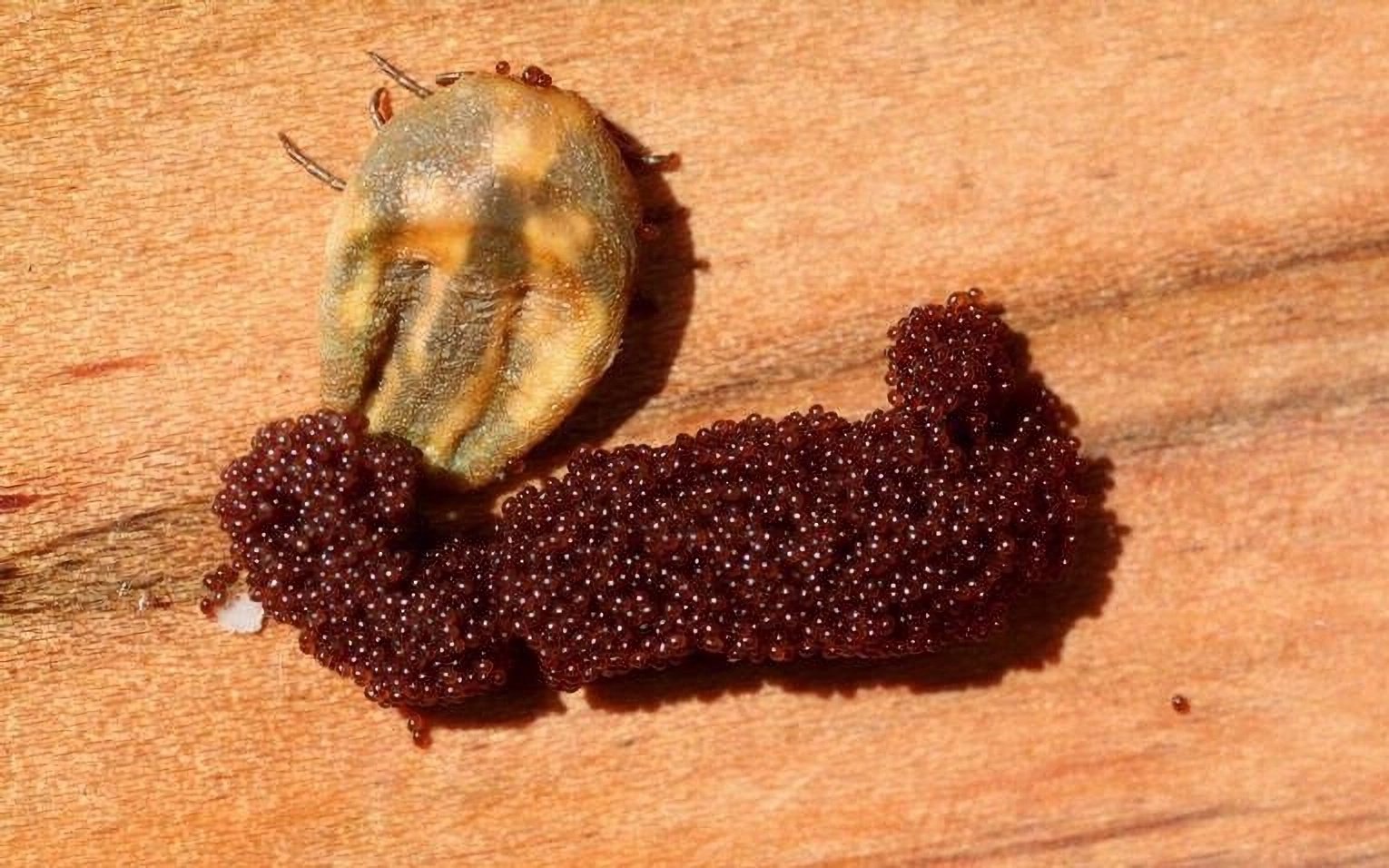
Imagine spending a relaxing afternoon in your backyard, only to stumble upon an unexpected and unwelcome discovery—a cluster of tiny tick eggs. Although these minute specks appear harmless, they pose a serious threat because ticks are known carriers of various diseases such as Lyme disease and Rocky Mountain Spotted Fever. However, do not worry! This detailed guide will provide you with the essential knowledge and practical tools needed to accurately identify, manage, and prevent tick eggs from infesting your yard, ensuring your outdoor sanctuary remains safe and enjoyable for everyone.
Identifying the Enemy: How to Recognize Tick Eggs
The crucial first step in tackling the issue of tick eggs is proper identification. These tiny enemies are incredibly small, measuring about 0.5 millimeters in diameter, roughly the size of a poppy seed. Their shape generally ranges from oval to pear-like, and they often exhibit a translucent or slightly whitish hue. The color can vary a bit depending on the tick species involved, sometimes becoming more opaque and adopting a shade closer to that of the adult tick as they mature. Picture tiny, smooth, and glossy pearls scattered across the ground, nestled in patches of vegetation, among leaf litter, or attached to other nearby surfaces. These scattered clusters are the unmistakable signs of a potential tick egg habitat.

The Dangers Posed by Tick Eggs: Why Prevention is Essential
Although tick eggs seem insignificant by themselves, they have the potential to hatch into larvae that carry diseases. These tiny parasites can latch onto unsuspecting humans or pets, transmitting a wide range of illnesses. One of the most common and concerning diseases is Lyme disease, which presents symptoms such as fatigue, fever, and a distinctive bulls-eye rash. Another severe illness spread by ticks is Rocky Mountain Spotted Fever, which can lead to high fever, muscle pain, and rash. These health risks underscore just how important it is to proactively manage and prevent the presence of tick eggs in your yard.

Safe Removal and Disposal of Tick Eggs: When to Seek Professional Help
While it might be tempting to address the problem immediately and on your own, it is vital to prioritize safety when handling suspected tick eggs. Because of their extremely small size and the possibility of misidentifying other harmless objects as eggs, it’s highly advisable to consult a professional pest control specialist or veterinarian. These experts can provide accurate identification and offer essential advice on safely removing the eggs and managing tick control overall.

Removing Individual Ticks Safely:
If you find a tick attached to your skin or your pet, follow this safe removal technique: Use fine-tipped tweezers to grasp the tick firmly as close to the skin’s surface as possible, targeting its head or mouthparts. Pull the tick straight outward with steady, gentle pressure, avoiding twisting or jerking motions that could cause the body to separate from the head, leaving behind potentially infectious parts. Once removed, securely discard the tick by placing it into a tightly sealed container filled with alcohol or flushing it down the toilet to ensure it cannot reattach or spread disease.
Protecting Your Yard: Effective Strategies to Prevent Tick Eggs
Having dealt with the immediate threat, it’s time to turn your focus towards cultivating a yard that discourages tick egg establishment. Below are numerous strategies designed to prevent ticks from making your outdoor space their breeding ground:
Reduce Deer Attraction: Deer ticks, which are well-known carriers of Lyme disease, are drawn to particular plants. Remove species such as tulips, hostas, and azaleas from your garden to make your yard less appealing to these vectors of disease.

Plant Tick-Repelling Vegetation: Harness the natural defensive properties of certain plants! Incorporate herbs such as mint and rosemary, as well as flowers like chrysanthemums, all known to repel ticks due to their potent scents.
Maintain a Well-Kept Lawn: Ticks flourish in tall grass and dense underbrush. Regularly mowing your lawn and keeping brush, along with ground cover, controlled will help eliminate potential tick habitats.
Manage Woodpiles and Yard Debris: Ticks favor dark, damp areas similar to vampire hideouts. Keep your firewood stacked off the ground and at a safe distance from your home to disrupt their favored breeding environments.
Deter Tick Hosts: Many ticks rely on rodents like mice for transportation. Maintain stone walls on your property and avoid setting up bird feeders that may attract these furry hosts to prevent offering ticks easy access to your yard.

Use Natural Tick Repellents: Explore the benefits of essential oils such as cedarwood, neem, or citronella, which serve as natural tick deterrents when applied properly around your yard. Diatomaceous earth, a fine powder derived from fossilized algae, can also be effective in controlling ticks if used according to safety instructions.
Try Tick Tubes: These innovative devices offer a non-chemical, non-spray method of tick control. Tick tubes release scents that attract ticks and help eliminate them, reducing the risk of disease transmission.
Create Unfriendly Terrain: Ticks find it difficult to maneuver across rough textures. Consider applying lava rock or pebble mulch in your garden beds to establish a less hospitable environment for these unwanted pests.
Incorporate Lawn-Free Zones: Design elements such as patios or stone walkways can reduce the areas suitable for tick habitation while simultaneously providing low-maintenance outdoor living spaces.
Use Insecticides Only as a Last Resort: In cases of severe tick infestations, you may choose to apply insecticides, but only after all other preventive strategies have been tried. Select products containing synthetic pyrethroids or natural options like cedar oil, and always prioritize safe use practices to protect your family, pets, and the environment.

Excessive moisture within a house can arise due to capillary action, infiltration, or the phenomenon of condensation. The latter is Read more

Orchids, celebrated for their intricate beauty and variety, need particular attention for optimal growth. In the realm of orchid care, Read more

Get a Head Start on Your Garden: Indoor Sowing for Colder Climates There's no need to wait for spring's embrace Read more
The Incredible Healing Power of Billygoat Weed (Ageratum conyzoides): 15 Health Benefits You Should Know About Billygoat weed, also known Read more

Neem oil is a completely natural product, derived from a plant native to India. It contains azadirachtin, a potent compound Read more

Cultivating Zucchini in Containers: A Comprehensive Guide Zucchini is a popular vegetable for gardening aficionados and novices alike. It's simple Read more

How to Reuse Barbecue Ashes After enjoying a barbecue outdoors on a sunny day, the tendency is often to discard Read more
Unlocking the Mystery of the Festive Cactus The festive cactuses often baffle indoor gardeners. There's a lingering myth that these Read more
Orchids are among the most cherished ornamental plants worldwide, admired for their exotic flowers, graceful forms, and blooms that last Read more

Understanding Fertilizers for Plants Fertilizer is a product that can be spread or mixed into the soil to provide plants Read more

Orchids are renowned for their stunning blooms and are a favorite among indoor plant enthusiasts. However, getting these temperamental beauties Read more
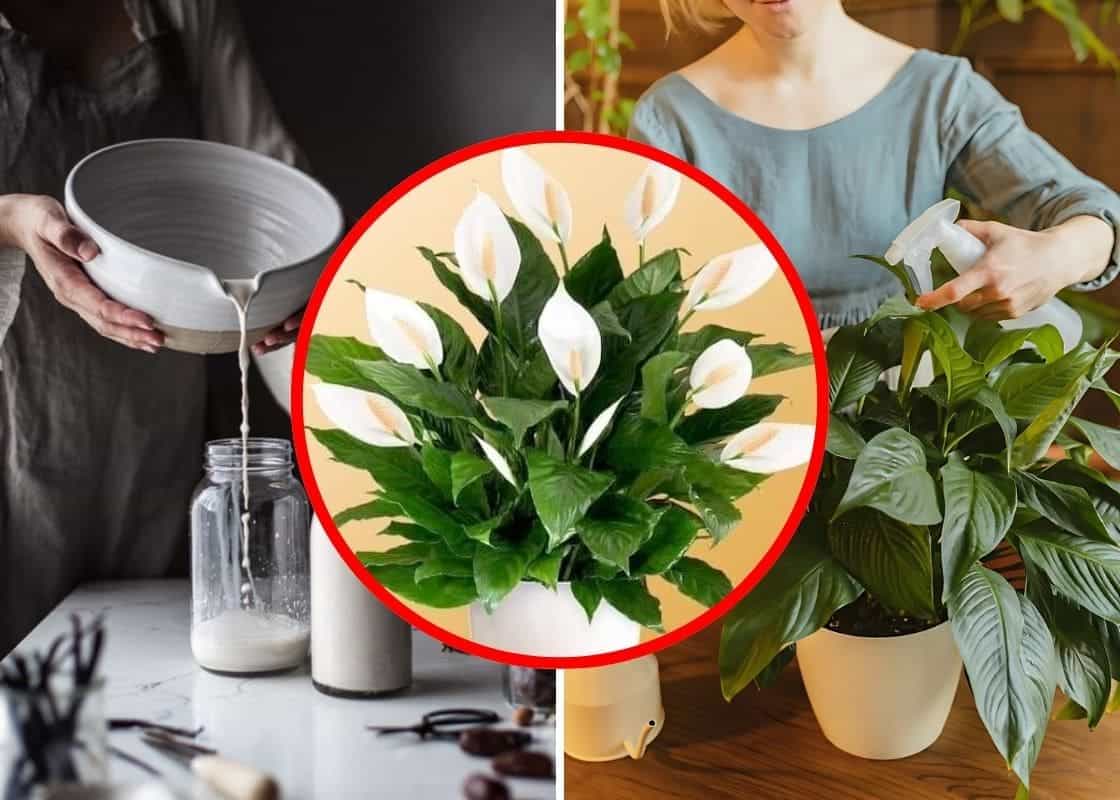
Peace lilies (Spathiphyllum) rank among the most cherished indoor plants, and it’s easy to understand why. Their shiny, deep green Read more
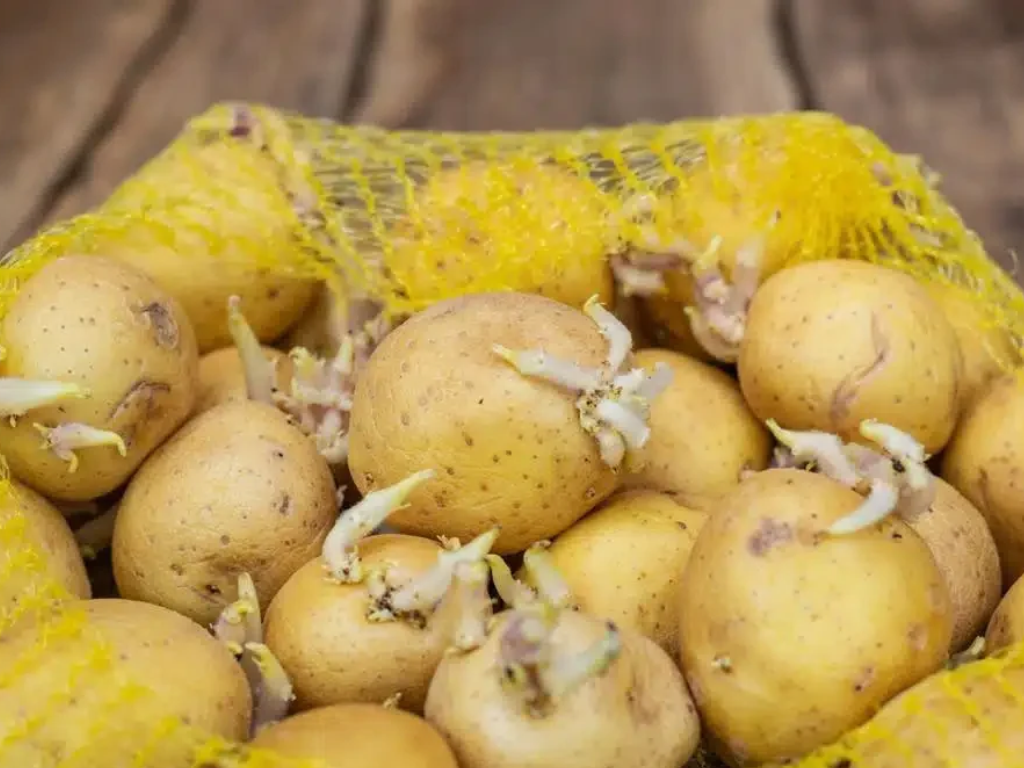
Three Little-Known Tips to Keep Your Potatoes in Perfect Condition Choosing the Right Location for Storage The way you store Read more

Orchids, with their array of species and hybrids exceeding 25,000, stand as a testament to botanical beauty. Cultivators and hobbyists Read more
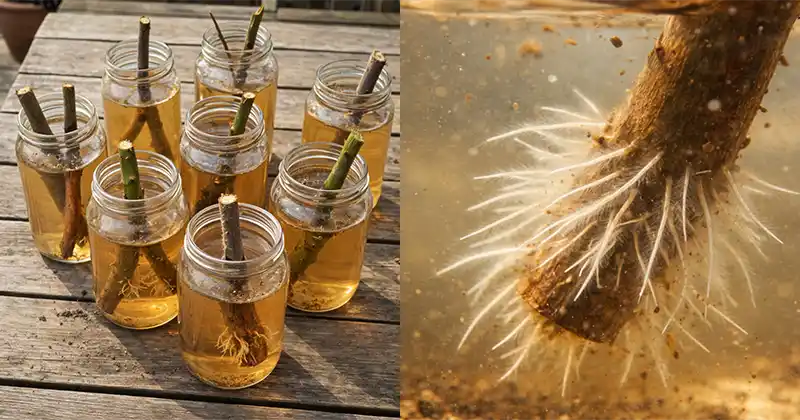
Growing new plants from root cuttings is like discovering a true shortcut in gardening. A single healthy parent plant can Read more

Bananas are a delightful treat, but their peels can be a garden's treasure. Rather than discarding banana peels into compost, Read more

Growing avocados can be a gratifying experience, especially when you cultivate them right in your backyard. While starting avocados from Read more
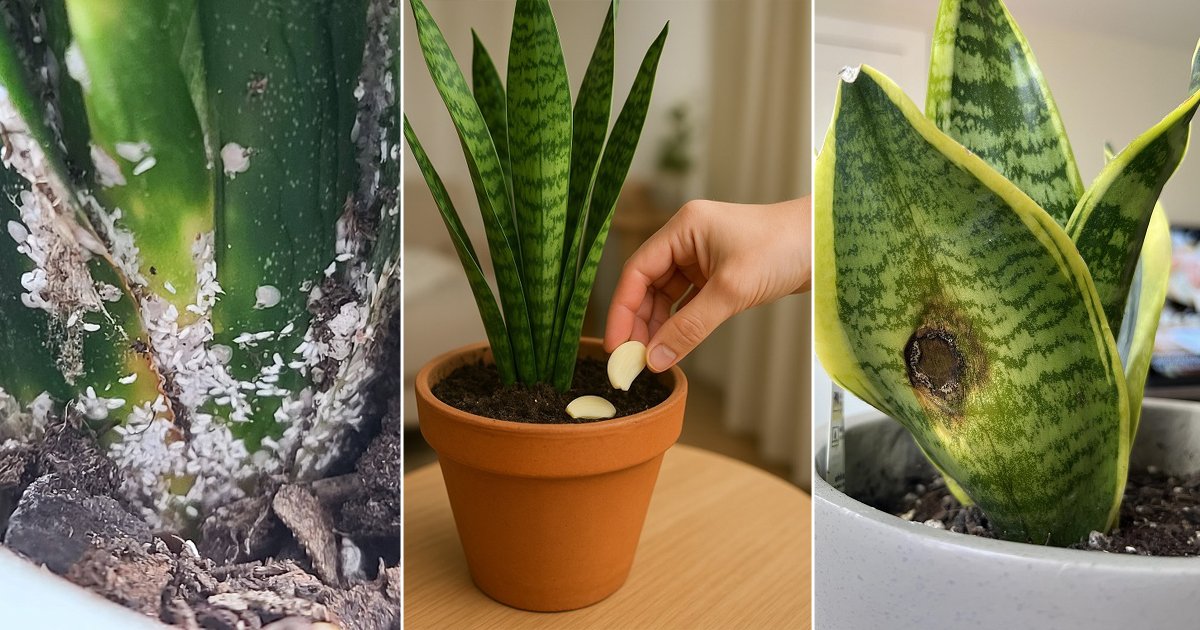
Discover how a simple kitchen ingredient can effectively repel pests, combat diseases, and promote healthier growth in your plants. Snake Read more
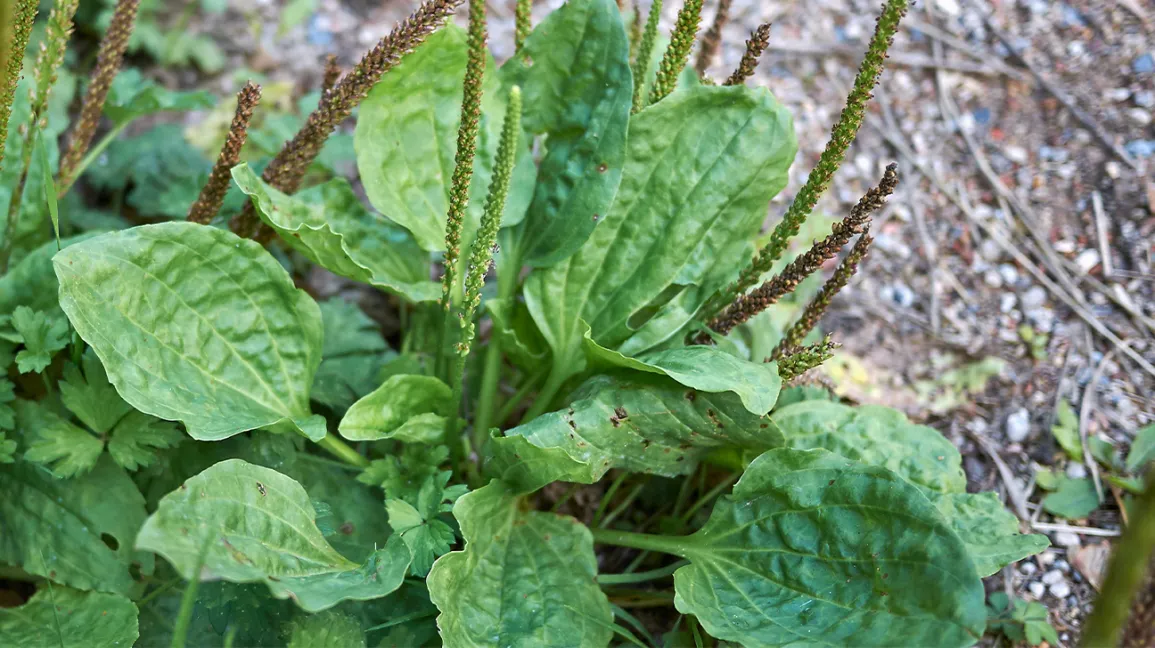
Nature provides us with countless remedies in the form of wild medicinal plants, surrounding us everywhere we go. These healing Read more

Transforming Garlic Peels into Gold for Gardeners: In the rhythm of kitchen prep, garlic peels are often discarded without a Read more
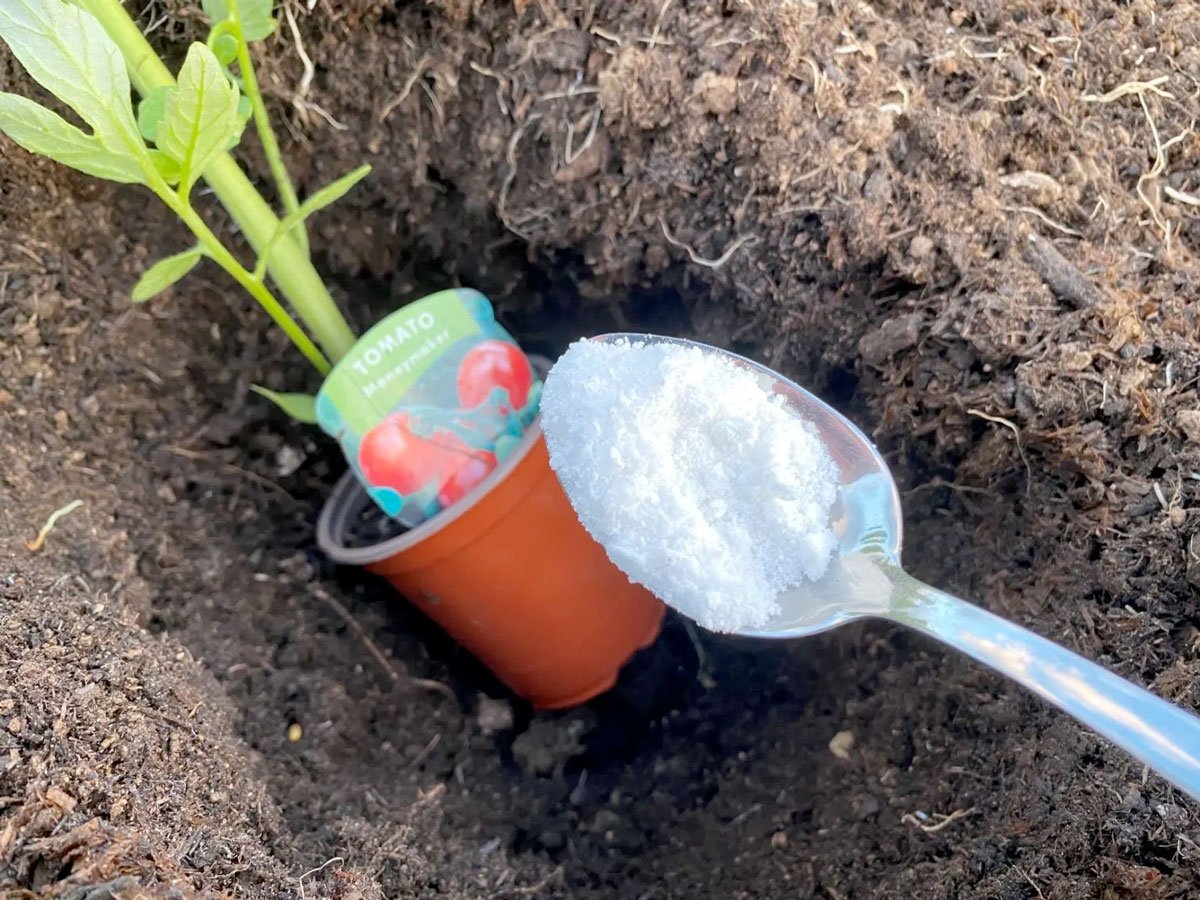
When it comes to gardening, enthusiasts are always eager to discover effective and affordable methods to boost plant growth and Read more

Insect-Repelling Greenery: Your Natural Home Defense Transform your home into a sanctuary free from the annoyance of insects such as Read more

Lavender, a charming addition to any garden, is known for its enchanting aroma and vibrant purple hues. This plant comes Read more

Indoor Plants: A Decorative Air Purifier Indoor plants have become an essential part of modern decor, increasingly sought-after to greenify Read more
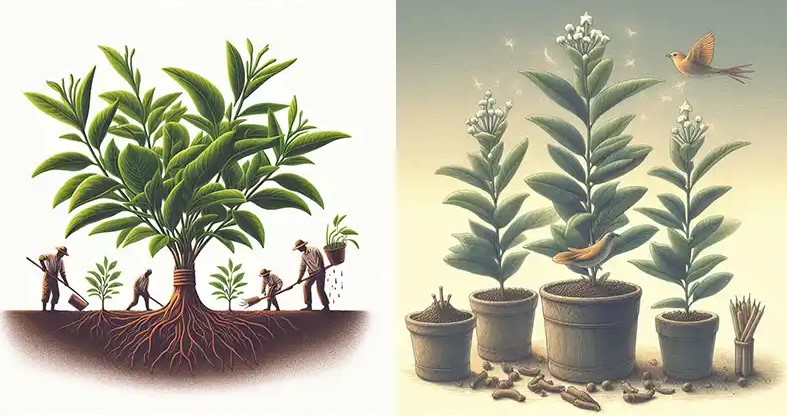
Easy Clove Growing: From Seed to Spice – A Beginner’s Guide Cloves are among the most treasured spices in the Read more
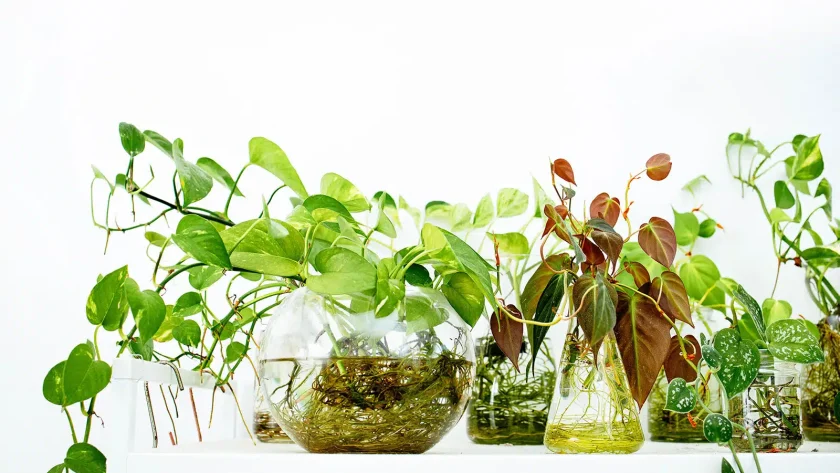
Searching for a distinctive method to incorporate some foliage into your home or workplace? Try cultivating plants hydroponically! Not only Read more

The Wonders of Blueberries: A Guide to Growing and Enjoying This Nutrient-Rich Fruit Mildly sweet, the blueberry is a dark Read more

Caring for orchids, known for their exquisite and delicate nature, involves a precise approach to hydration. Orchids differ from typical Read more

For gardening enthusiasts, it's a known fact that many plants thrive in humid and warm climates conducive to their growth. Read more

Different perspectives exist on various aspects of nature, and this holds true for the dandelion, often dismissed as a mere Read more
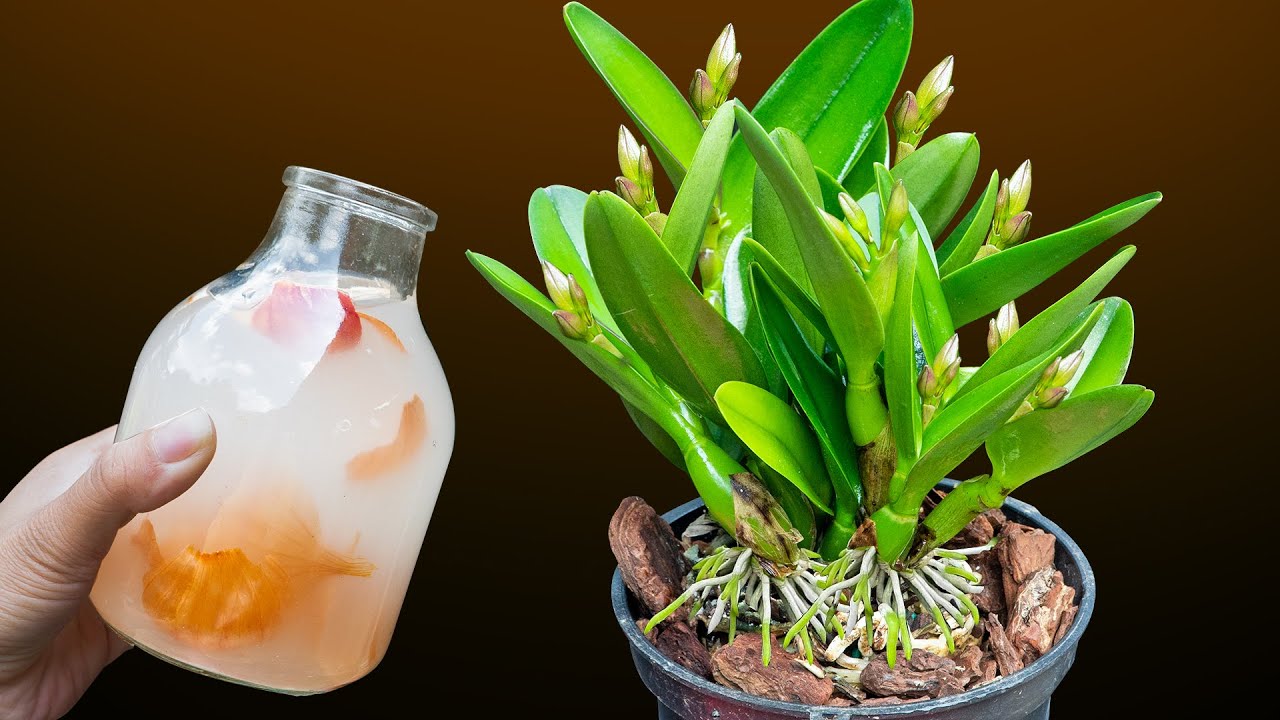
Orchids, celebrated for their exotic beauty and remarkable variety, require tailored care to flourish. While most growers rely on commercial Read more

The Importance and Care of House Plants House plants not only serve as a significant decorative element but also play Read more

Have you ever noticed how a tomato freshly picked from your garden tastes far superior to one bought off a Read more
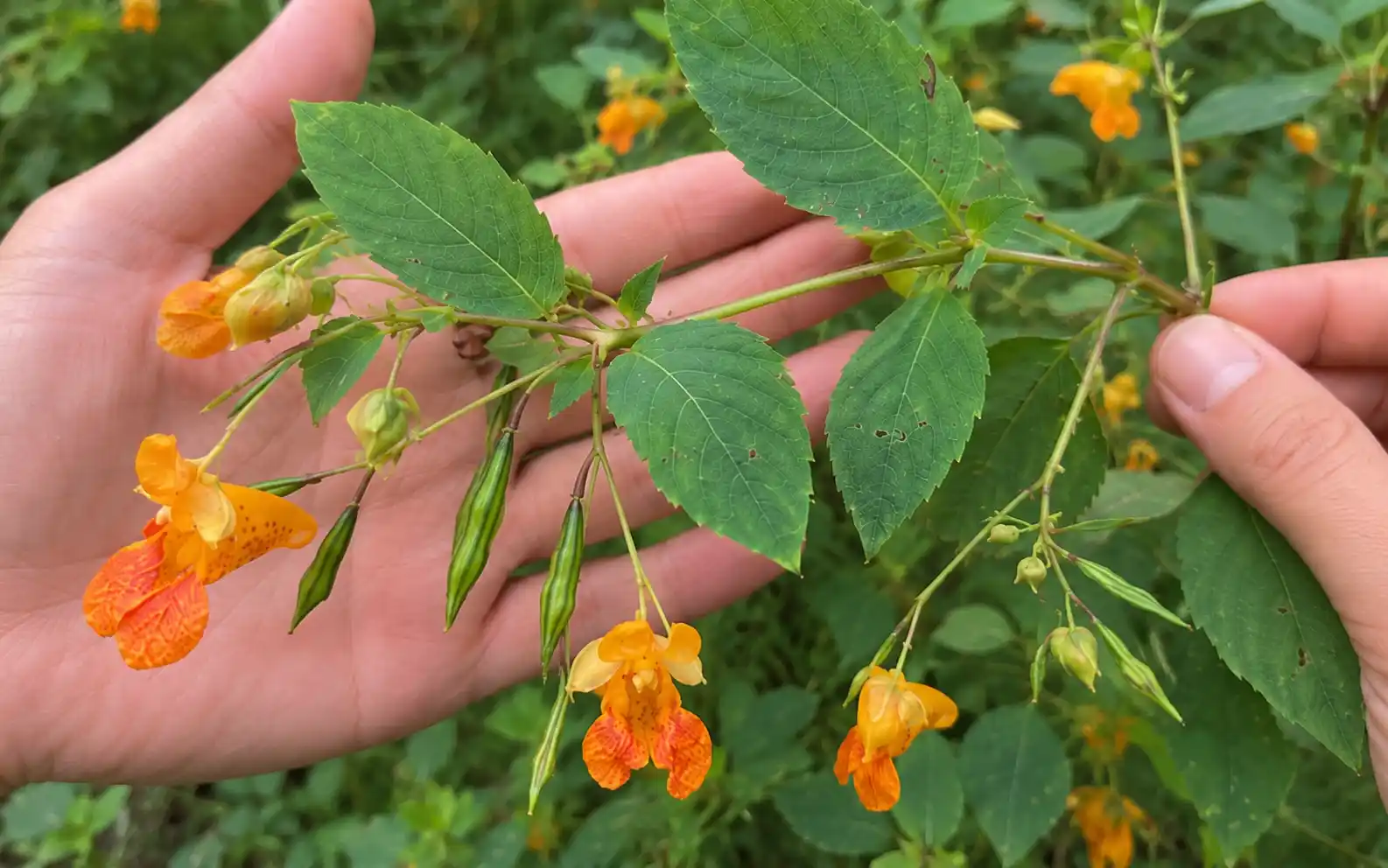
Safety and Medical Disclaimer: The information provided in this article is intended solely for educational and informational purposes. We disclaim Read more

Mastering Chilli Cultivation in Diverse Climates: A Detailed Guide It may seem unlikely, but growing chillies across different climates is Read more
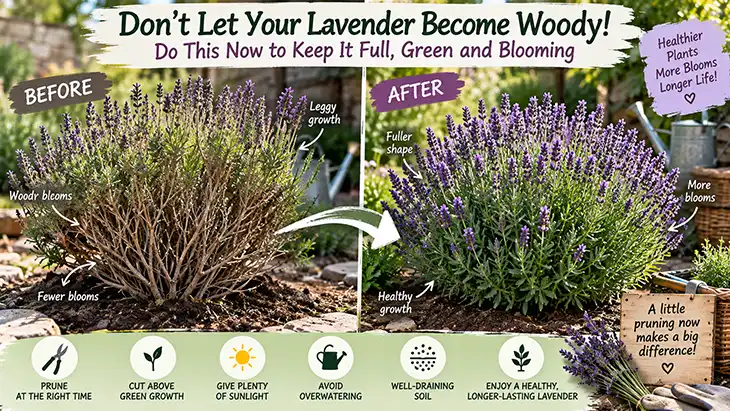
When lavender plants are young, they often present an almost perfect image: a compact shrub with silvery-green foliage, a delightful Read more

Unlocking the Flowering Potential of Anthuriums Anthuriums are renowned for their stunning, heart-shaped blooms which, under ideal conditions, can grace Read more

Ginger, renowned for its distinct flavor and numerous health advantages, is a fundamental ingredient in many culinary traditions around the Read more

Self-Seeding Flowers: Effortless Beauty That Returns Every Year When I first fell in love with gardening, my mother came to Read more

In the culinary world, garlic is a staple ingredient that is hard to do without. Cultivating it benefits many plants Read more
