

Navigating Aloe Vera Care: Bypassing Usual Oversights
Aloe vera, celebrated for its therapeutic properties and eye-catching demeanor, is occasionally compromised due to routine care oversights. In this piece, we dissect eight usual missteps that aloe vera caretakers might face and proffer remedies to maintain the plant’s vitality.
1. The Risk of Excessive Watering
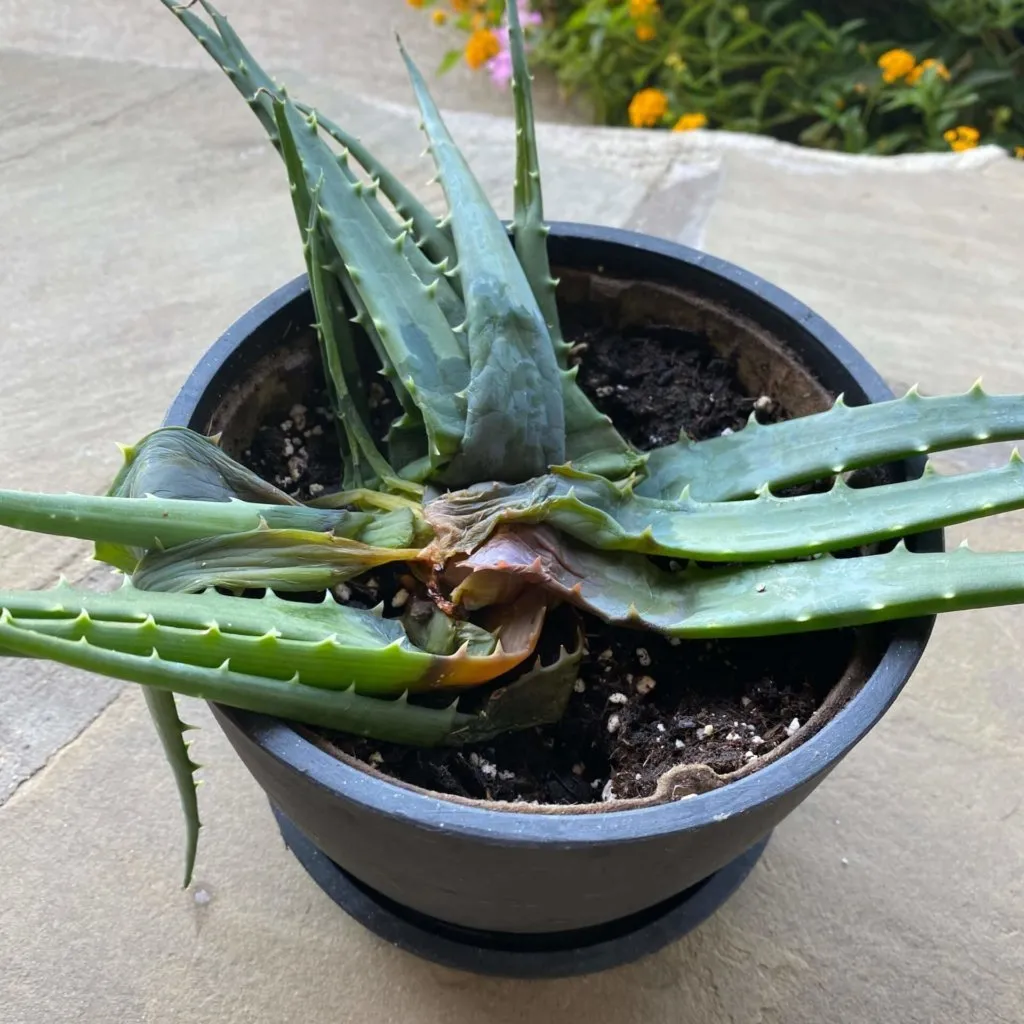
Being a succulent, aloe vera hoards water within its fleshy leaves. Overhydration is a prevalent blunder, potentially causing root decay. Ensure you water only once the soil is bone-dry. A three to four-week gap between watering is typically sufficient.
2. Hazards of Underattention
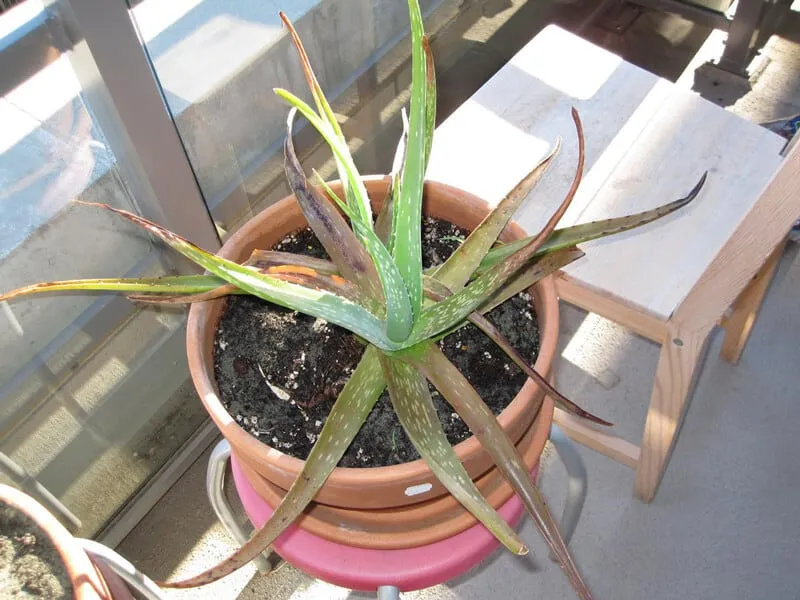
On the flip side, failing to hydrate your aloe vera can also be harmful. A plant starved of water may exhibit desiccated or discolored leaves. Aim for a consistent hydration rhythm.
3. Settling for Poor-Quality Soil
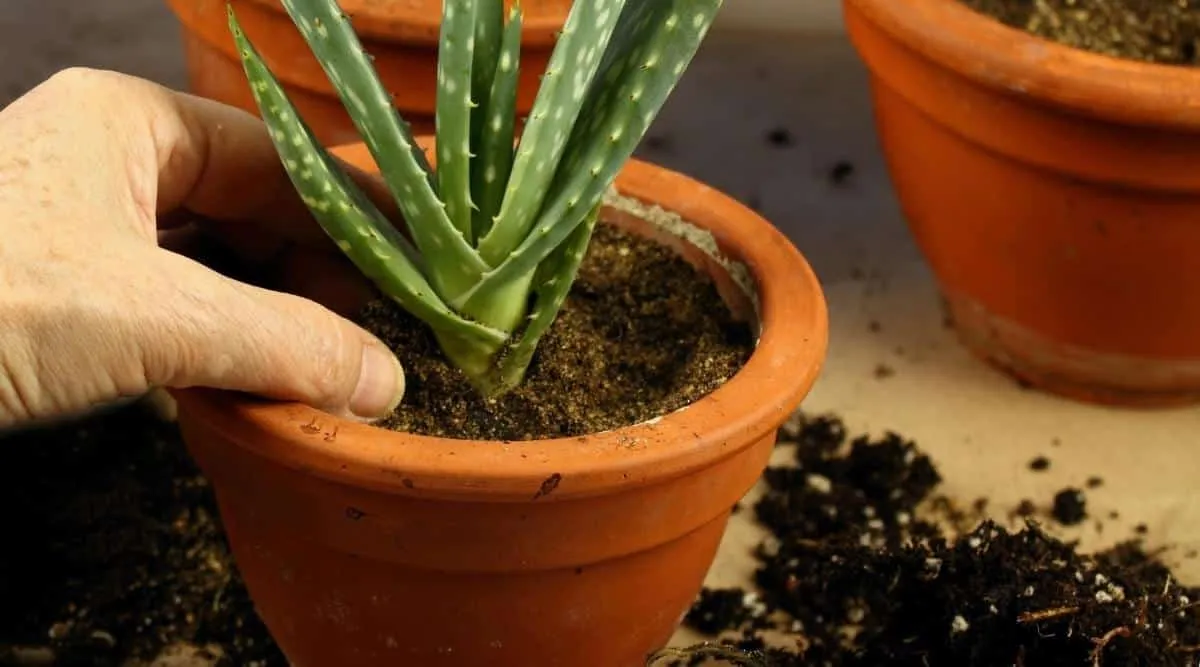
Aloe vera thrives in breathable soil. Steer clear of thick, water-retentive soils that can be detrimental. Instead, gravitate towards mixtures made for cacti and succulents or concoct your mix using sand, perlite, and peat moss.
4. Dim Lighting Woes
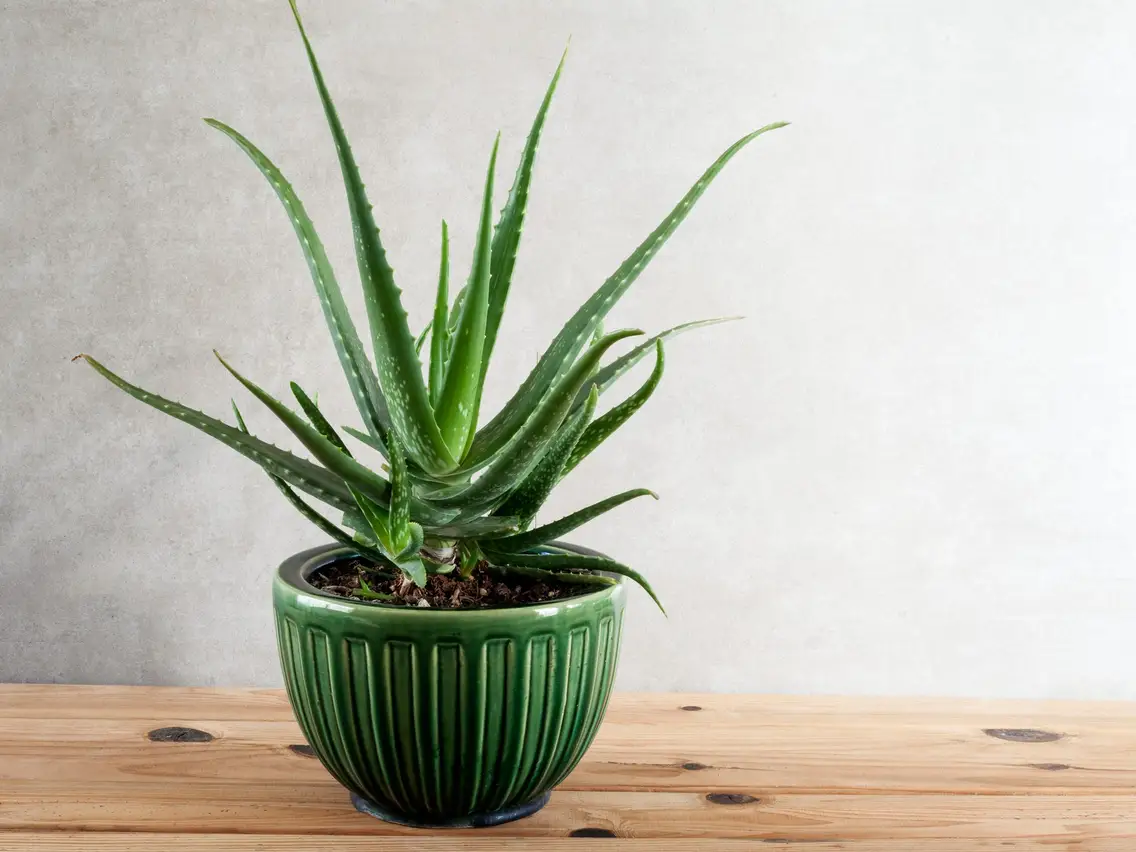
Aloe vera craves bright, indirect sunlight. Keeping it in a shadowy corner can curb its growth and cause the leaves to lose their vibrant hue. Ensure it’s placed where it can bask in abundant light but sidestep intense direct sunlight, which can singe its leaves.
5. Stifling its Potential
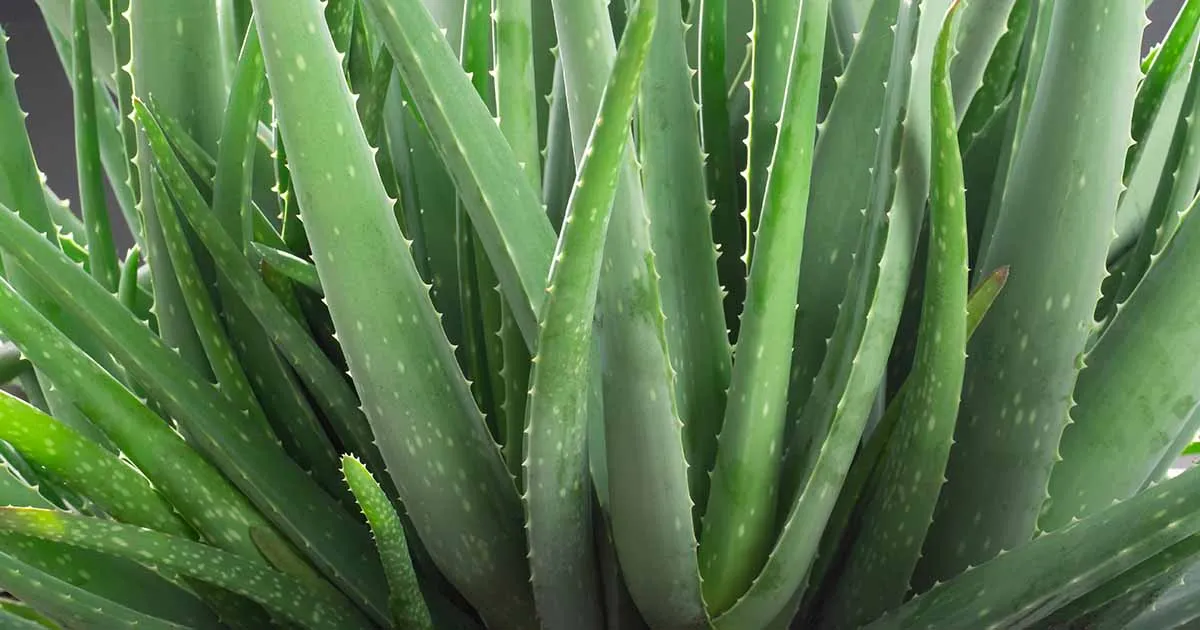
Aloe vera has the potential to expand significantly if given room. Housing it in a cramped pot can hinder this expansion. Ensure your selected vessel offers a few inches more than the plant’s present diameter.
6. Neglecting Tiny Invaders

Unwelcome visitors like mealybugs or spider mites can target aloe vera. Be on the lookout for symptoms, such as minuscule specks, and address any invasion promptly with treatments like neem oil. Also, quarantine the troubled plant to prevent pest spread.
7. Overlooking Feed Needs
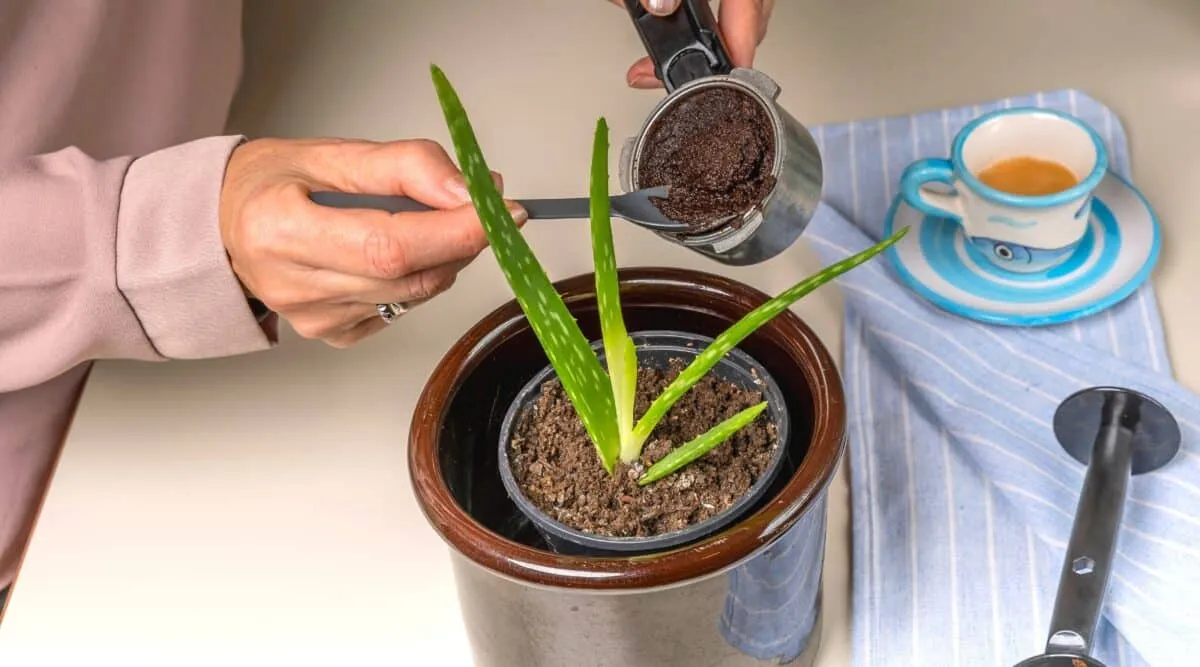
While aloe vera isn’t too fussy about its diet, sporadic nourishment can enrich its wellbeing. During active growth months, treat it with a mild, balanced fertilizer.
8. Repotting Missteps
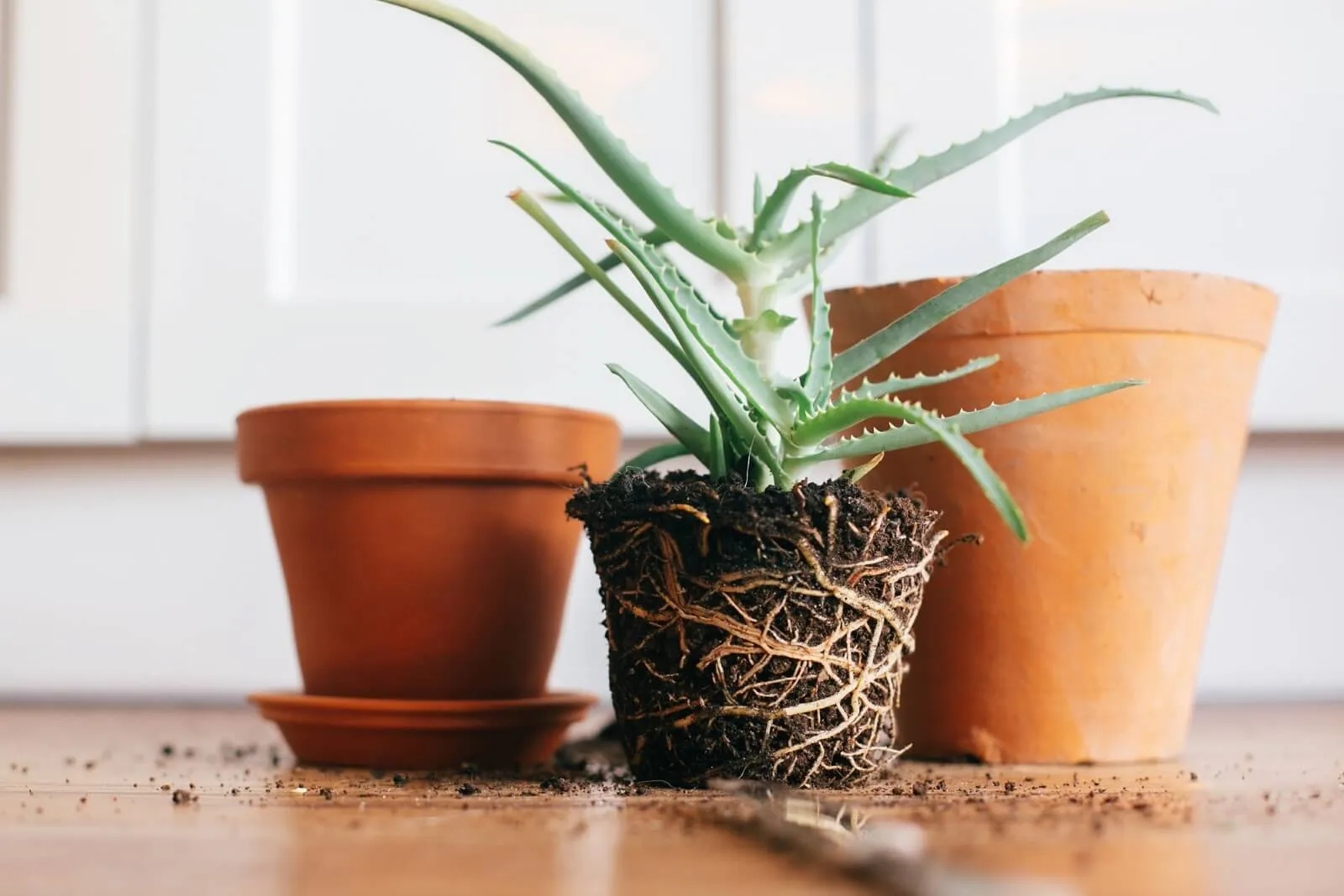
Aloe vera appreciates a new home every couple of years to avert root congestion. Choose your timing wisely; spring, when it’s gearing up for growth, is ideal. Repotting during dormant winter months, however, can stress the plant.
In sum, aloe vera’s needs are modest but vital. A bit of sunshine, the right amount of water, ample space, and suitable soil composition can make all the difference in ensuring its radiant health.
Unlocking the Mystery of the Festive Cactus The festive cactuses often baffle indoor gardeners. There's a lingering myth that these Read more

In the culinary world, garlic is a staple ingredient that is hard to do without. Cultivating it benefits many plants Read more

Lavender, a charming addition to any garden, is known for its enchanting aroma and vibrant purple hues. This plant comes Read more

Bananas are a delightful treat, but their peels can be a garden's treasure. Rather than discarding banana peels into compost, Read more
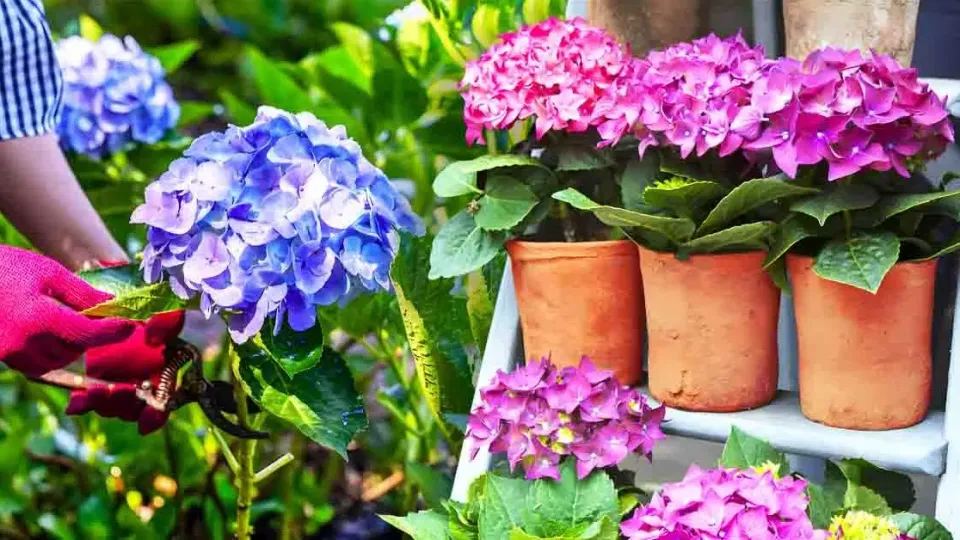
Hydrangeas, with their breathtaking blooms, stand out as one of the most enchanting deciduous flowering bushes. If you've wandered through Read more

Get a Head Start on Your Garden: Indoor Sowing for Colder Climates There's no need to wait for spring's embrace Read more

In this exploration, we uncover eight homemade, natural solutions that act as effective rooting agents for plant propagation through cuttings. Read more

Mastering Chilli Cultivation in Diverse Climates: A Detailed Guide It may seem unlikely, but growing chillies across different climates is Read more

Cultivating Zucchini in Containers: A Comprehensive Guide Zucchini is a popular vegetable for gardening aficionados and novices alike. It's simple Read more

Insect-Repelling Greenery: Your Natural Home Defense Transform your home into a sanctuary free from the annoyance of insects such as Read more

The Wonders of Blueberries: A Guide to Growing and Enjoying This Nutrient-Rich Fruit Mildly sweet, the blueberry is a dark Read more

Using Baking Soda for Plant Care To care for your plants or your vegetable garden, have you considered the DIY Read more
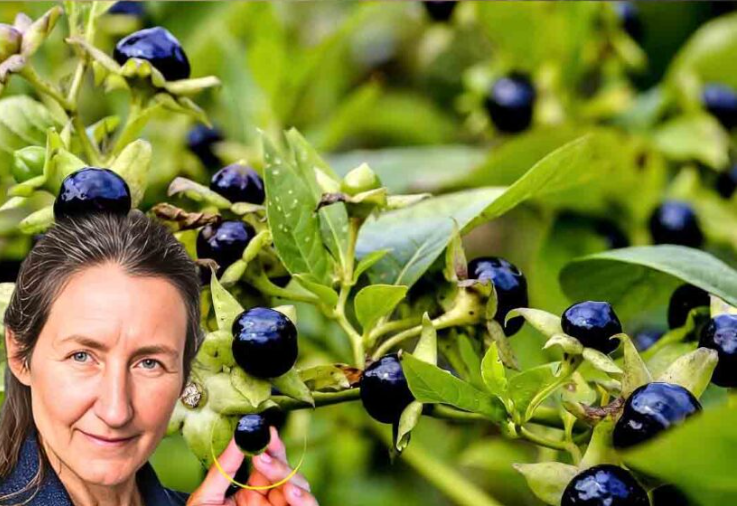
Deadly Nightshade (Atropa belladonna): The Mysterious and Dangerous Plant with a Dark Legacy At first glance, Deadly Nightshade (Atropa belladonna) Read more

Wild Medicinal Plants: Harnessing the Hidden Virtues of Earth’s Greenery In the wilderness of our environment—ranging from the expanse of Read more
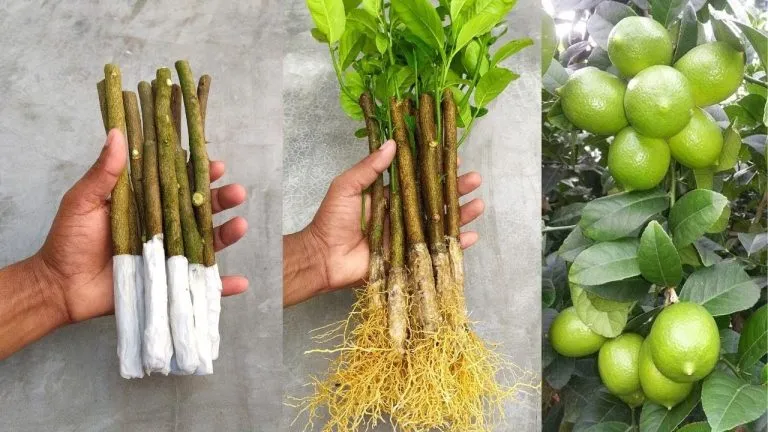
Cultivating lemon trees in your garden or home brings not only visual charm but also the practical advantage of homegrown Read more

Orchids, with a staggering 28,000 unique species, beautifully demonstrate nature's rich tapestry of diversity. Originating from the Orchidaceae lineage, these Read more

Cultivating an Avocado Plant Indoors: A Step-by-Step Guide Nurturing an avocado seed into a blossoming plant within the confines of Read more

Orchids are renowned for their stunning blooms and are a favorite among indoor plant enthusiasts. However, getting these temperamental beauties Read more
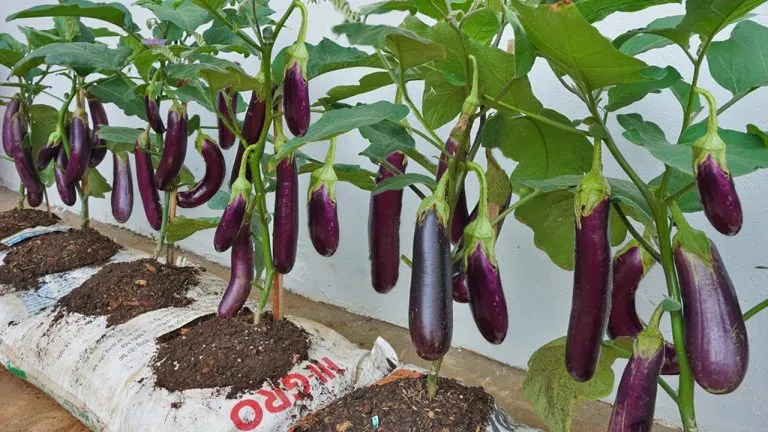
Exploring the World of Eggplants: A Gardener's Guide Eggplants, with their divisive nature, are often a subject of culinary debate. Read more

Different perspectives exist on various aspects of nature, and this holds true for the dandelion, often dismissed as a mere Read more

Growing avocados can be a gratifying experience, especially when you cultivate them right in your backyard. While starting avocados from Read more

Turmeric is a staple ingredient in Asian cuisine. This vibrant yellow spice, often used to flavor curries and stews, is Read more

Unlocking the Flowering Potential of Anthuriums Anthuriums are renowned for their stunning, heart-shaped blooms which, under ideal conditions, can grace Read more

Caring for orchids, known for their exquisite and delicate nature, involves a precise approach to hydration. Orchids differ from typical Read more
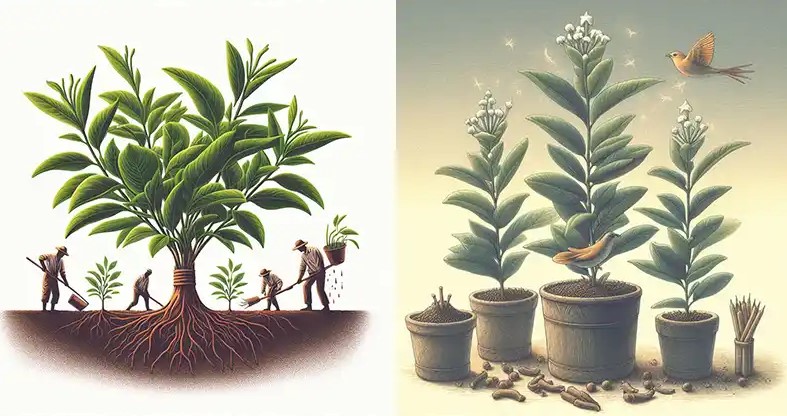
Easy Clove Growing: From Seed to Spice – A Beginner’s Guide Cloves are among the most treasured spices in the Read more

Transforming Garlic Peels into Gold for Gardeners: In the rhythm of kitchen prep, garlic peels are often discarded without a Read more

Introducing 15 Health-Enhancing Indoor Plants for a Vibrant Home Oasis Embrace a selection of indoor plants that bring more than Read more

Orchids, celebrated for their intricate beauty and variety, need particular attention for optimal growth. In the realm of orchid care, Read more
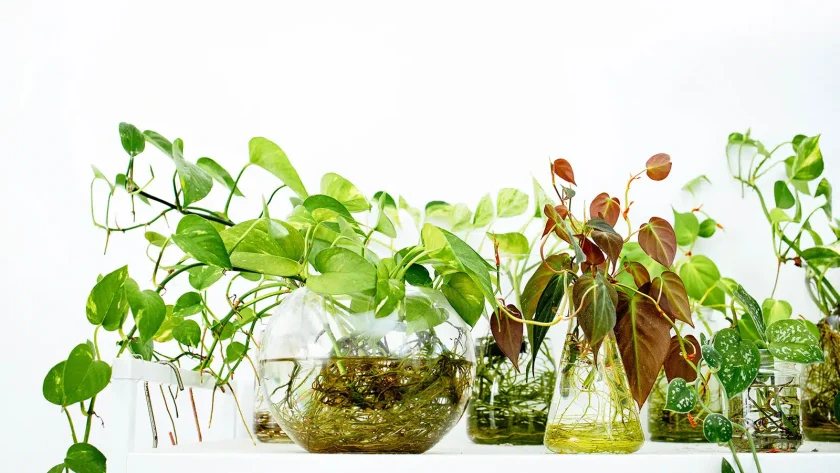
Searching for a distinctive method to incorporate some foliage into your home or workplace? Try cultivating plants hydroponically! Not only Read more

How to Reuse Barbecue Ashes After enjoying a barbecue outdoors on a sunny day, the tendency is often to discard Read more

The Curious Case of Tomato Slices: A Journey from Kitchen Scrap to Sprout As someone always game for a gardening Read more

Orchids, with their array of species and hybrids exceeding 25,000, stand as a testament to botanical beauty. Cultivators and hobbyists Read more

Gardening: The Harmony of Craft and Nature Gardening brings out a dance between human creativity and the wonders of nature. Read more
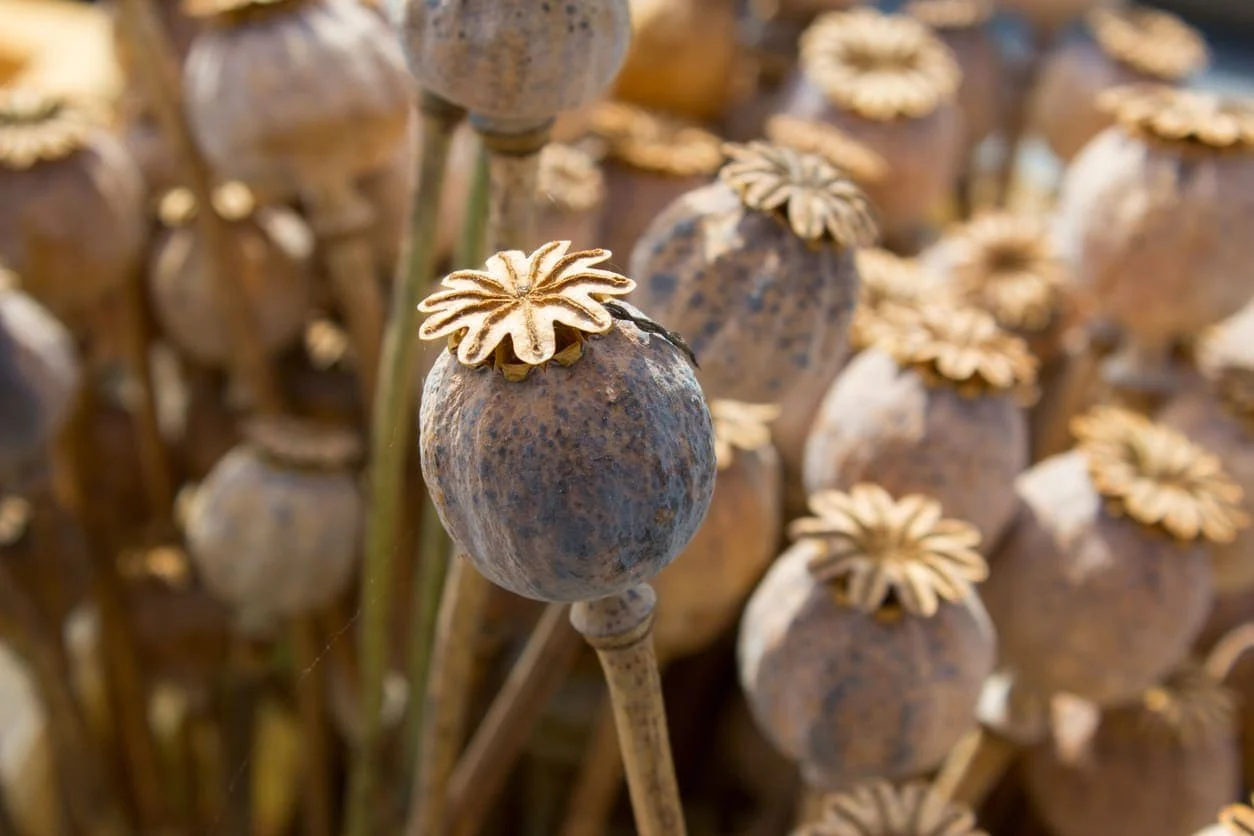
Self-Seeding Flowers: Effortless Beauty That Returns Every Year When I first fell in love with gardening, my mother came to Read more
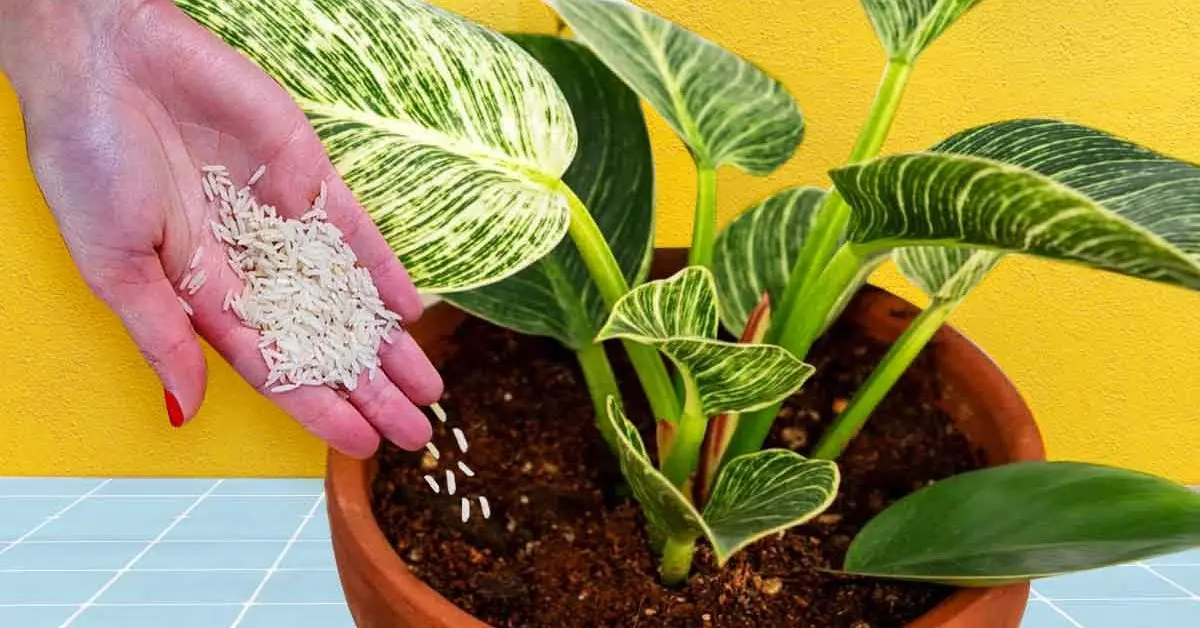
Indoor Plants and Their Benefits Indoor plants not only enhance the decor but also bring a touch of lush greenery. Read more

Using White Vinegar for Garden Maintenance Gardening is never an easy task. Planting, weeding, and watering plants and flowers require Read more

Tea, the staple of morning routines and afternoon breaks, may have a second life beyond the cup that's often ignored. Read more

Indoor Plants: A Decorative Air Purifier Indoor plants have become an essential part of modern decor, increasingly sought-after to greenify Read more

If you don't often get the chance to rejuvenate in the midst of nature, there's an alternative: introducing plants to Read more

Excessive moisture within a house can arise due to capillary action, infiltration, or the phenomenon of condensation. The latter is Read more
