

Cultivating Zucchini in Containers: A Comprehensive Guide
Zucchini is a popular vegetable for gardening aficionados and novices alike. It’s simple to grow, and ideal for those with space constraints, as it flourishes in containers too.
Yet, there are some nuances when moving zucchini to a pot. It demands a bit more care, but with the right knowledge, your plants will prosper.
Here are fifteen indispensable tips for flourishing container-grown zucchini:
1. Choosing the Right Zucchini Type
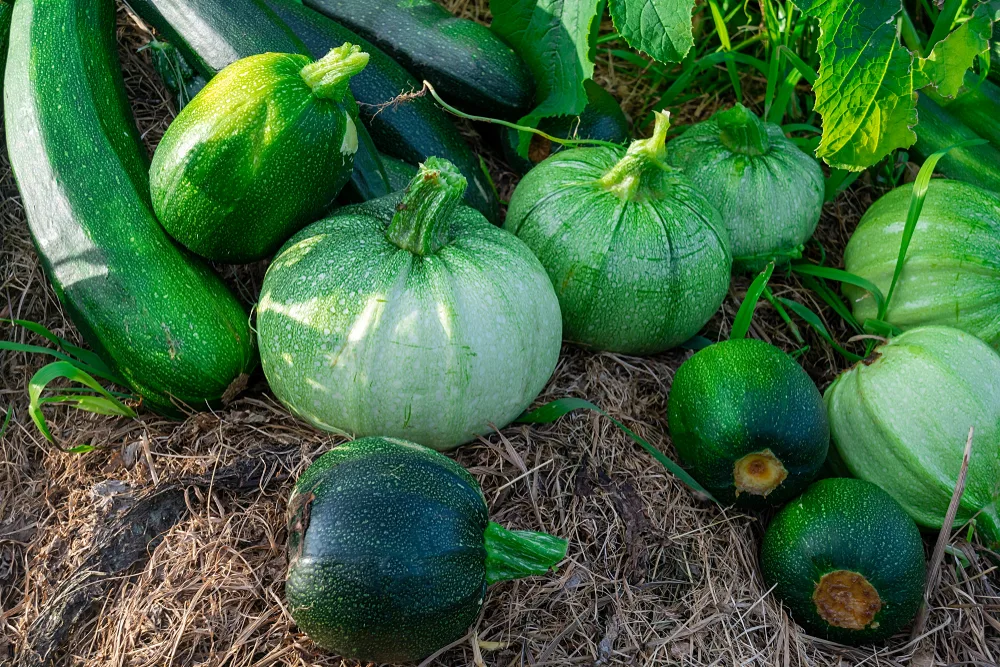
The success of your garden begins with the variety you select. Not all zucchinis fit the pot life; some tend to sprawl. Opt for varieties that are more compact, needing less room to grow.
Recommended zucchini types for container cultivation include:
- Astia
- Black Beauty
- Burpees Golden Zucchini
- Cube of Butter
- Emerald Delight
- Max’s Gold
- Raven
- Silver Bush
- Spacemiser
- Verde di Milano
While the above isn’t a complete list, remember to keep an eye out for terms like ‘bush’ or ‘patio’ when you’re seed or plant shopping. If you’re thinking ahead and want to save seeds, choose heirloom types.
2. Selecting a Suitable Container
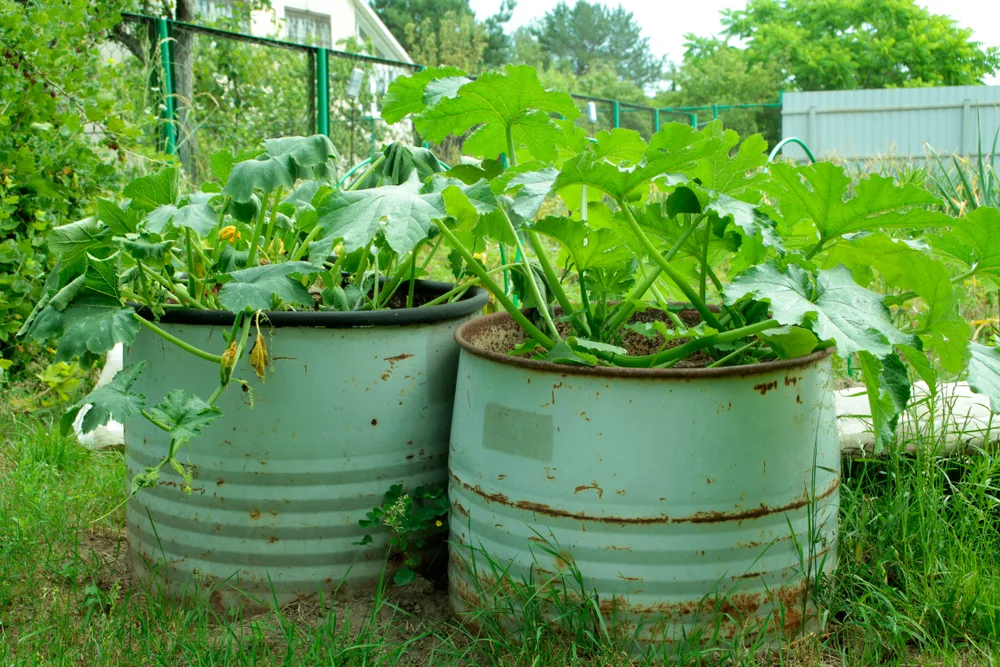
Given zucchini’s modest root depth, it’s a prime candidate for pot gardening. Here’s how to find its perfect home:
Depth: Aim for at least 12 inches, though a deeper container is beneficial for nutrient retention and less frequent watering.
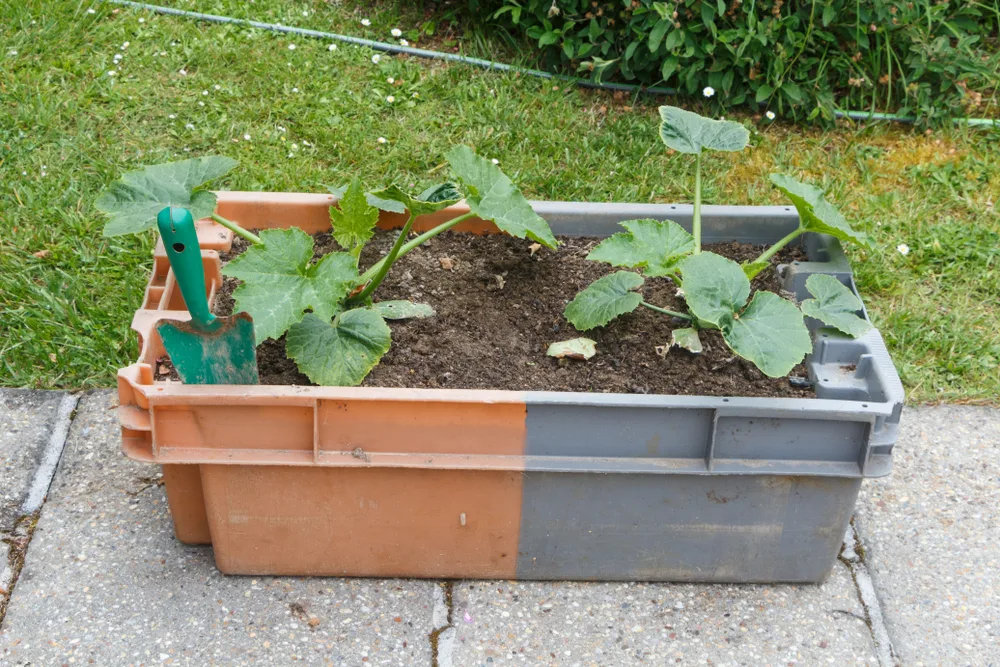
Width: Start at 12 inches but consider going up to 24 inches for more room to grow.
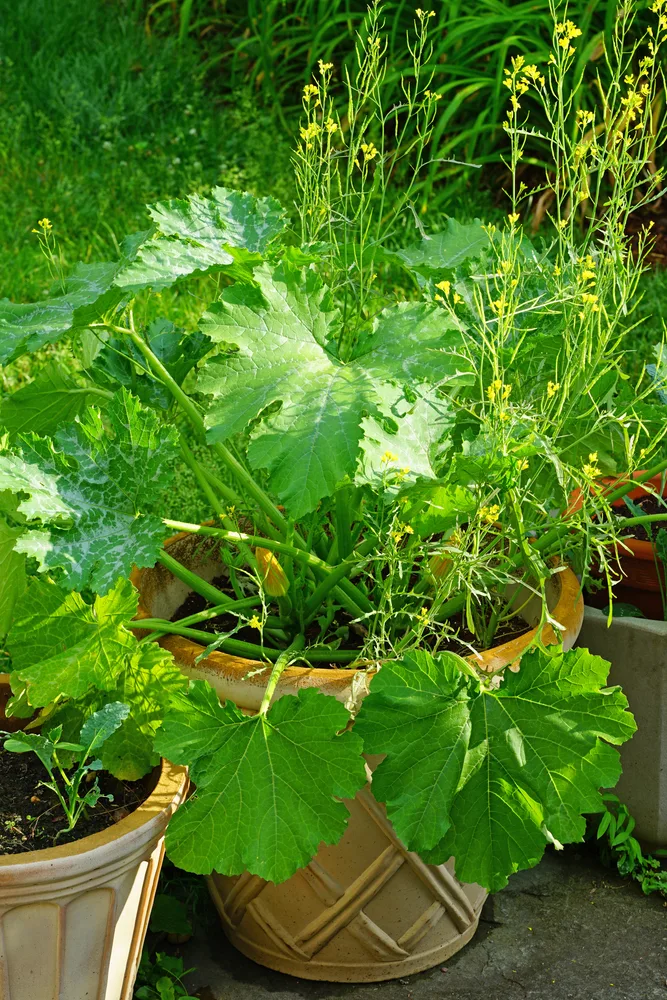
Volume: For multiple plants, consider large containers such as half of a 55-gallon drum.
Material: Rethink buying fresh plastic pots; repurposed plastic is greener. While terracotta is eco-friendly, it may not retain moisture well. Consider wooden or glazed ceramic options.
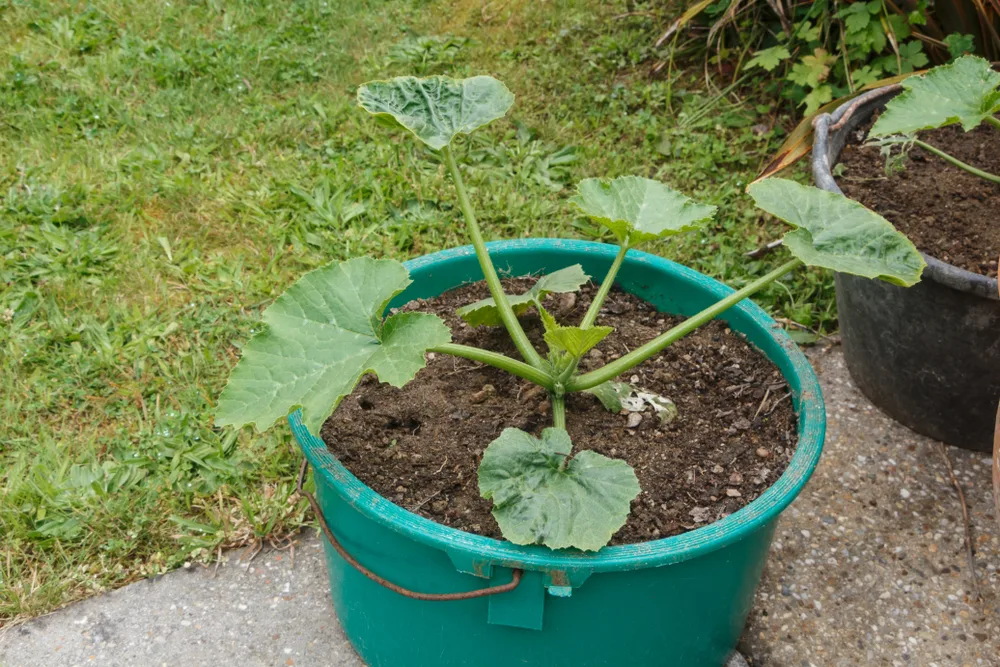
Drainage: Ensure the container has drainage holes. Zucchinis need moisture, not a swamp.
3. Opting for the Ideal Potting Mix

The soil mix is crucial for a thriving container-grown zucchini.
Characteristics: Look for a rich mix that also allows good drainage.
DIY Recipe: Consider a mix of 1/3 garden soil, 1/3 compost, and 1/3 leaf mold.
A Note on Garden Soil: It might bring in unwanted weed seeds or diseases, but many, including myself, find this a minor inconvenience.
Eco-Friendly Choices: Steer clear of peat-based composts. Making your mix can be both green and cost-saving.
Pre-made Options: There are plenty of eco-friendly mixes available if DIY isn’t your thing.
Remember, composting offers numerous advantages, including being an excellent mulch for your zucchinis.
4. Positioning the Container for Best Results
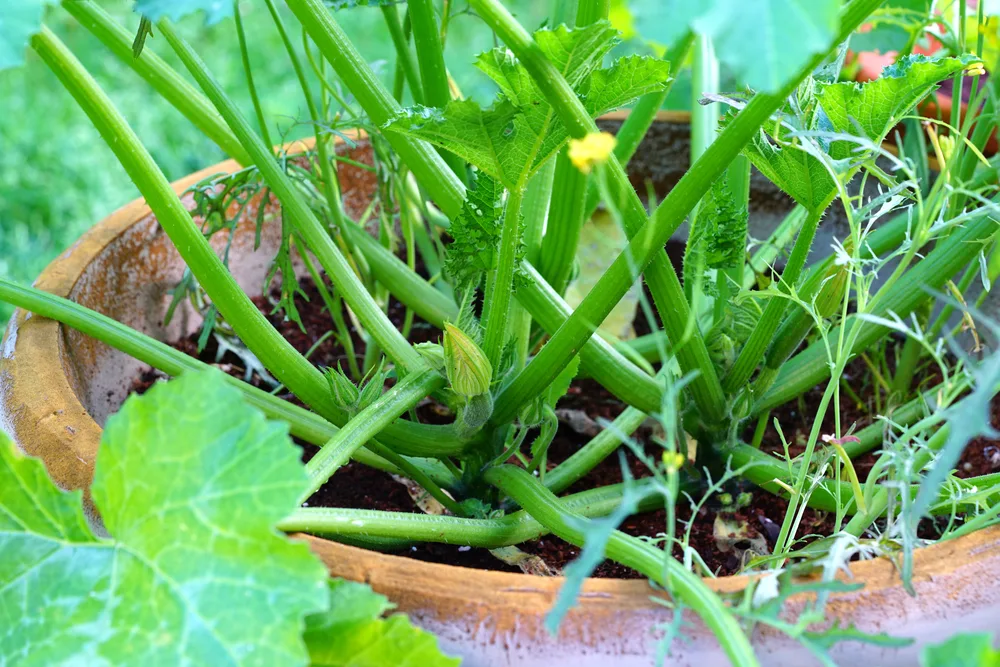
Sunlight: Zucchinis need at least six hours of sunlight each day – the more, the merrier.
Flexibility: The beauty of pots? You can shift them around to chase the sun.
Being Observant: Monitor sunlight exposure in your space across seasons to place your pots ideally.
Spacing: Zucchinis might stretch out a bit, so allow room for their leaves to spread, regardless of the variety.
5. Providing Support to Zucchini Plants
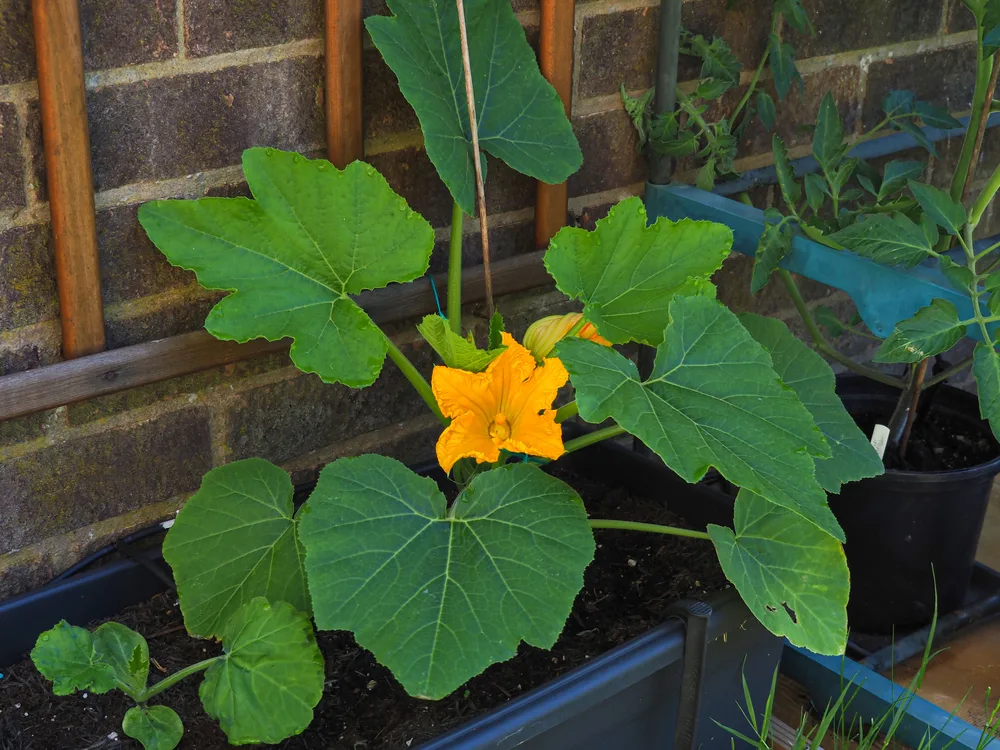
Importance: Even for compact types, support systems can help optimize space. For the climbers, it’s vital.
Options: Use items like trellises, stakes, or structures akin to tomato cages to give your plants the necessary structure and optimize your gardening space.
6. Key Moments for Seed Planting
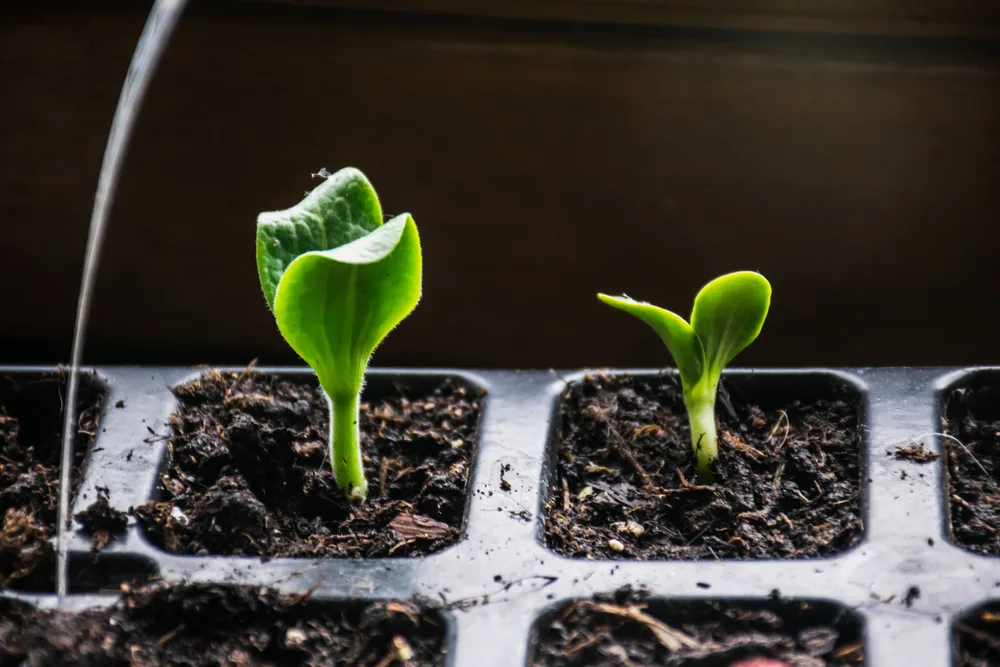
Optimal Conditions: To achieve the best germination rates, maintain a temperature of 70-90°F.
Starting Inside vs. Outside: Kick off by nurturing seeds inside about a month before the final frost, and shift them out later. Or, directly plant in pots a fortnight after the last frost.
Beware of Timing Errors: Planting too soon may suppress sprouting, and late planting might reduce yield—critical in regions with brief growing periods.
Seed Depth and Adaptation: Plant about an inch deep and calibrate the timing for your locale. If beginning indoors, prep the young plants for the outdoors before relocation.
7. Seedling Reduction: An Essential Task
The Need to Reduce: Direct planting often involves multiple seeds in one container due to variable sprouting rates.
Why Reduce?: Spacing out seedlings is necessary to prevent them from competing for resources.
Hesitation: Removing a seemingly healthy seedling might feel counterintuitive, but it’s essential for the well-being of its peers.
8. Perfecting Your Watering Regime
Zucchinis flourish when watered right but detest being waterlogged. Watering needs can vary depending on factors such as weather conditions. While some periods may call for daily watering, others might require it only sporadically.
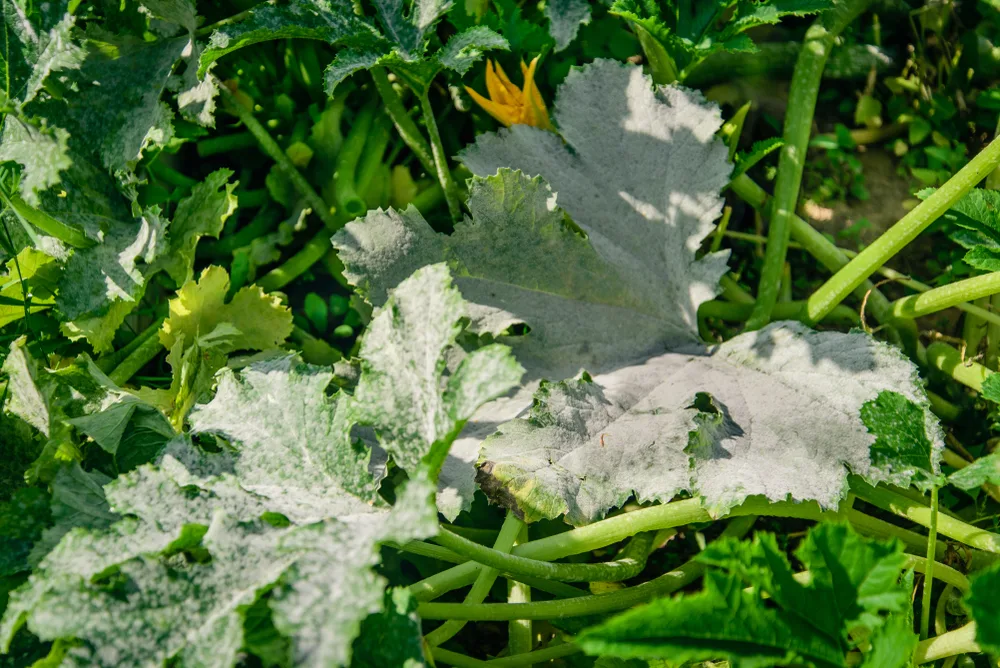
A simple rule: Touch the soil about 2 inches down. If it’s dry, water until you see it dripping out of the pot. Wait for the top layer to dry before the next watering. Water the soil, avoiding the leaves, as they might contract diseases when wet. A nifty hack? Embed a smaller pot in the soil and fill it with water.
9. The Power of Mulch in Container Gardens
Mulching can efficiently reduce water loss from pots. But it’s not just about conservation; quality organic mulch enriches the soil.
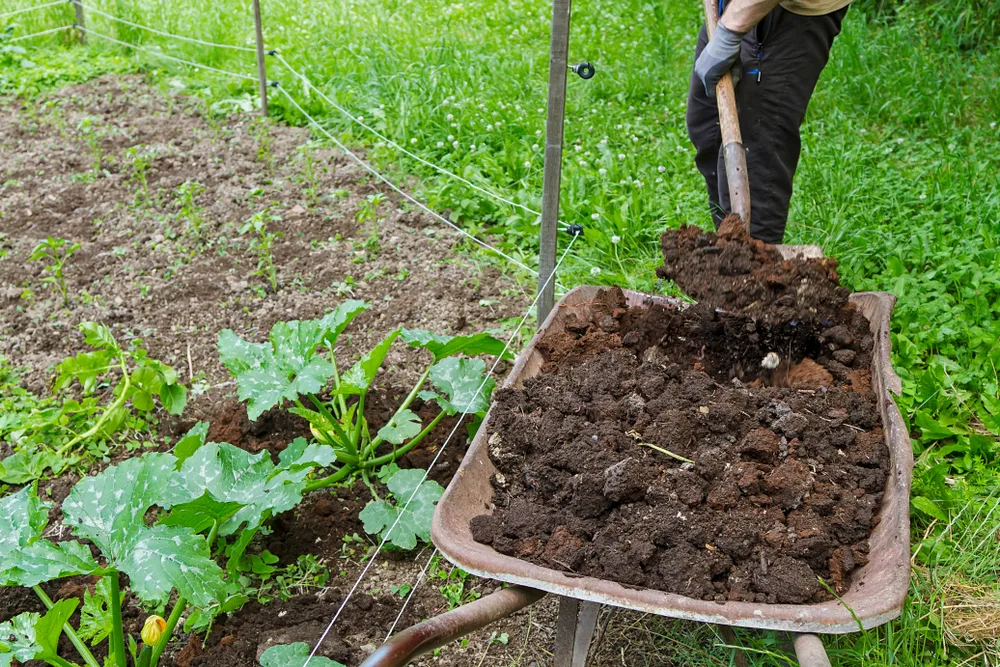
Mulching container zucchinis isn’t vastly different from traditional gardening. Utilizing your compost or leaf mold not only preserves moisture but slowly releases nutrients, ensuring vibrant growth and bountiful harvests.
10. Leveraging Companion Plants for a Lush Garden
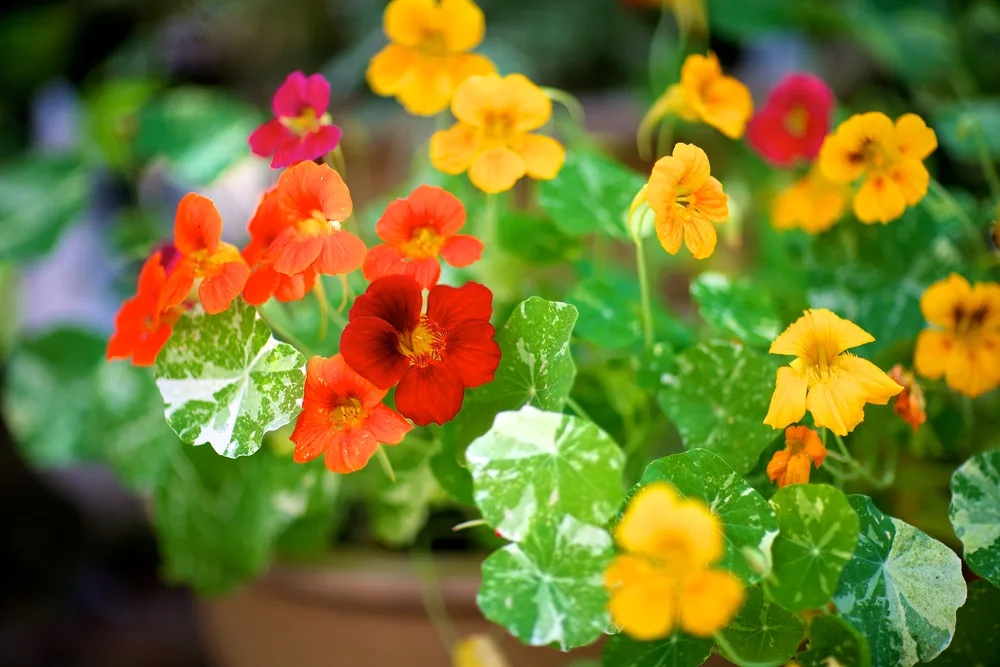
Although companion planting is usually associated with traditional gardening, containers benefit similarly. Introducing varied plants can:
- Improve pollination by inviting bees and other helpers.
- Attract beneficial insects that manage pests.
- Distract or naturally deter unwanted invaders.
Including plants like radishes, nasturtiums, borage, and fragrant herbs with zucchini can be a game-changer.
11. Regularly Feed Your Container Zucchinis
Unlike their in-ground counterparts that draw sustenance from the soil and decomposing materials, zucchinis in pots have limited access to nutrients due to their contained environment. This calls for added care in their nutrition. Make it a routine to pamper your zucchinis with top-quality organic fertilizer once every month during their growing period.
12. Smart Leaf Management (and Don’t Just Toss Them!)

Space is at a premium in container gardening. If you’ve clustered several zucchini pots together, it’s likely that some leaves might shade their neighboring plants.
For better spatial efficiency, occasional leaf trimming ensures adequate sunlight for fruit maturity. It also helps in facilitating airflow, crucial for averting fungal issues. And here’s a fun fact: zucchini leaves are a culinary treat! Both the leaves and the blossoms are edible additions to your meal, ensuring no part of your plant goes to waste.
13. Guard Your Zucchinis Against Sudden Cold Spells
Zucchini plants often continue to bear fruit as the days grow colder. In the event of an unexpected frost when your plant is still flourishing, it’s wise to shelter it, ensuring continued growth.
This might involve shifting your pot into a greenhouse or a similar setting. This precaution holds for unexpected cold snaps during spring too.
If you don’t have a designated growing shelter, get creative. Employ a cloche, a makeshift row cover, or even recycled materials to keep your zucchinis safe. Insulating the pot or covering the plant with sustainable cloths during cold nights can also do the trick.
14. Harvest Zucchinis When Young

Young zucchinis have a rich and less diluted flavor, making them a gourmet’s delight. Harvesting them early not only ensures tastier meals but also relieves the plant, fostering a longer fruit-bearing phase.
15. Savor the Fruits of Your Effort
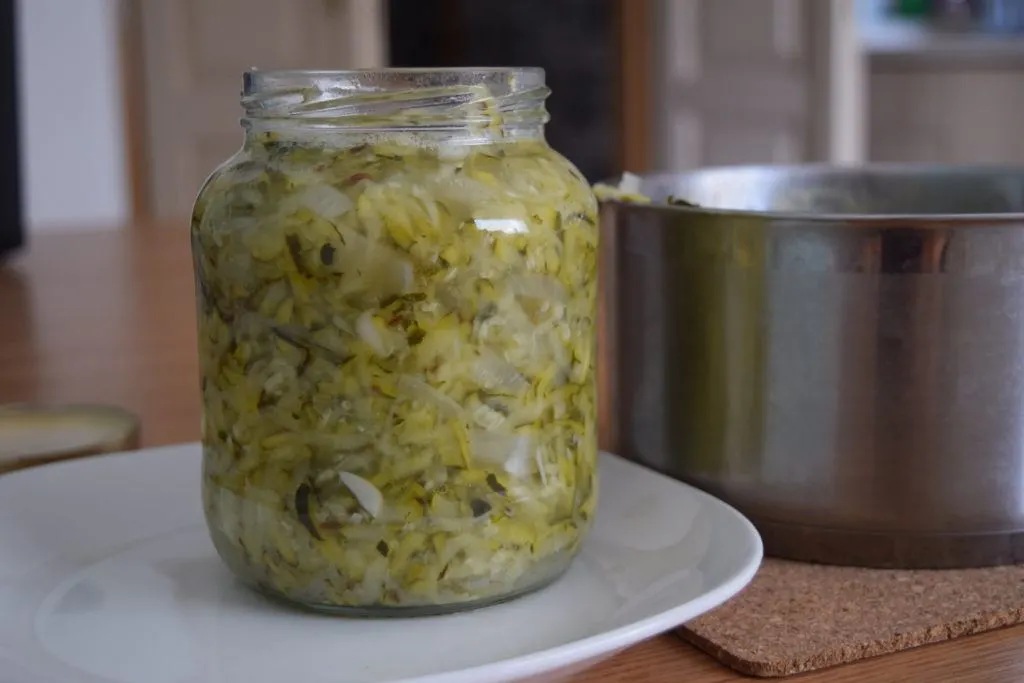
While pot gardening might pose unique challenges compared to traditional soil-based cultivation, the rewards are undoubtedly fulfilling. Zucchinis nurtured in containers can be surprisingly bountiful, even with space constraints.
With the guidelines laid out above, you can showcase that abundant gardening isn’t exclusive to vast open spaces. You too can enjoy a plentiful harvest right from your balcony or patio!
Exploring the World of Eggplants: A Gardener's Guide Eggplants, with their divisive nature, are often a subject of culinary debate. Read more

Lavender, a charming addition to any garden, is known for its enchanting aroma and vibrant purple hues. This plant comes Read more
The Incredible Healing Power of Billygoat Weed (Ageratum conyzoides): 15 Health Benefits You Should Know About Billygoat weed, also known Read more

Mastering Chilli Cultivation in Diverse Climates: A Detailed Guide It may seem unlikely, but growing chillies across different climates is Read more

In this exploration, we uncover eight homemade, natural solutions that act as effective rooting agents for plant propagation through cuttings. Read more

Neem oil is a completely natural product, derived from a plant native to India. It contains azadirachtin, a potent compound Read more

In the culinary world, garlic is a staple ingredient that is hard to do without. Cultivating it benefits many plants Read more
Easy Clove Growing: From Seed to Spice – A Beginner’s Guide Cloves are among the most treasured spices in the Read more

Tea, the staple of morning routines and afternoon breaks, may have a second life beyond the cup that's often ignored. Read more

Orchids are renowned for their stunning blooms and are a favorite among indoor plant enthusiasts. However, getting these temperamental beauties Read more
Hydrangeas, with their breathtaking blooms, stand out as one of the most enchanting deciduous flowering bushes. If you've wandered through Read more

Using Baking Soda for Plant Care To care for your plants or your vegetable garden, have you considered the DIY Read more

Growing avocados can be a gratifying experience, especially when you cultivate them right in your backyard. While starting avocados from Read more

Unlocking the Flowering Potential of Anthuriums Anthuriums are renowned for their stunning, heart-shaped blooms which, under ideal conditions, can grace Read more

Wild Medicinal Plants: Harnessing the Hidden Virtues of Earth’s Greenery In the wilderness of our environment—ranging from the expanse of Read more

Cultivating an Avocado Plant Indoors: A Step-by-Step Guide Nurturing an avocado seed into a blossoming plant within the confines of Read more

Navigating Aloe Vera Care: Bypassing Usual Oversights Aloe vera, celebrated for its therapeutic properties and eye-catching demeanor, is occasionally compromised Read more

The Importance and Care of House Plants House plants not only serve as a significant decorative element but also play Read more

The Wonders of Blueberries: A Guide to Growing and Enjoying This Nutrient-Rich Fruit Mildly sweet, the blueberry is a dark Read more

Indoor Plants: A Decorative Air Purifier Indoor plants have become an essential part of modern decor, increasingly sought-after to greenify Read more
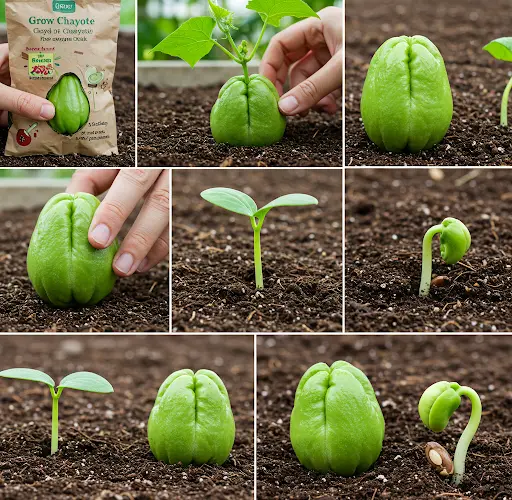
Growing Chayote from Supermarket Fruit: Abundant Harvests Made Easy If you've ever strolled through the produce aisle and spotted a Read more

Bananas are a delightful treat, but their peels can be a garden's treasure. Rather than discarding banana peels into compost, Read more

Orchids, celebrated for their intricate beauty and variety, need particular attention for optimal growth. In the realm of orchid care, Read more
Indoor Plants and Their Benefits Indoor plants not only enhance the decor but also bring a touch of lush greenery. Read more
Self-Seeding Flowers: Effortless Beauty That Returns Every Year When I first fell in love with gardening, my mother came to Read more

Get a Head Start on Your Garden: Indoor Sowing for Colder Climates There's no need to wait for spring's embrace Read more

Gardening: The Harmony of Craft and Nature Gardening brings out a dance between human creativity and the wonders of nature. Read more

Insect-Repelling Greenery: Your Natural Home Defense Transform your home into a sanctuary free from the annoyance of insects such as Read more

Different perspectives exist on various aspects of nature, and this holds true for the dandelion, often dismissed as a mere Read more

Orchids, with a staggering 28,000 unique species, beautifully demonstrate nature's rich tapestry of diversity. Originating from the Orchidaceae lineage, these Read more

Transforming Garlic Peels into Gold for Gardeners: In the rhythm of kitchen prep, garlic peels are often discarded without a Read more

Introducing 15 Health-Enhancing Indoor Plants for a Vibrant Home Oasis Embrace a selection of indoor plants that bring more than Read more

If you don't often get the chance to rejuvenate in the midst of nature, there's an alternative: introducing plants to Read more

How to Reuse Barbecue Ashes After enjoying a barbecue outdoors on a sunny day, the tendency is often to discard Read more

Caring for orchids, known for their exquisite and delicate nature, involves a precise approach to hydration. Orchids differ from typical Read more
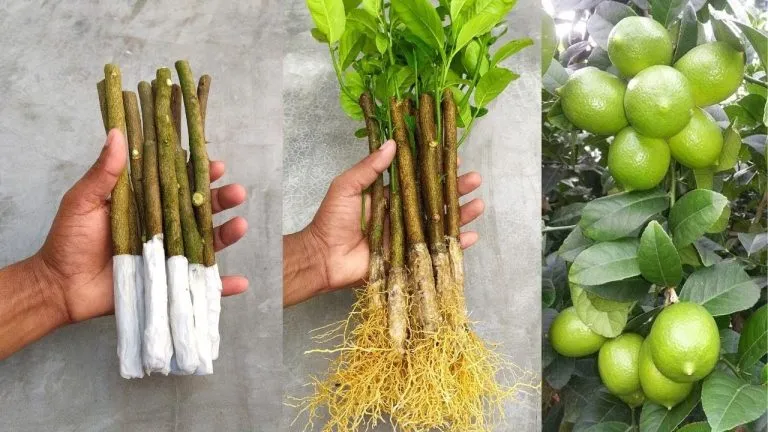
Cultivating lemon trees in your garden or home brings not only visual charm but also the practical advantage of homegrown Read more
Unlocking the Mystery of the Festive Cactus The festive cactuses often baffle indoor gardeners. There's a lingering myth that these Read more

Using White Vinegar for Garden Maintenance Gardening is never an easy task. Planting, weeding, and watering plants and flowers require Read more

Excessive moisture within a house can arise due to capillary action, infiltration, or the phenomenon of condensation. The latter is Read more

Understanding Fertilizers for Plants Fertilizer is a product that can be spread or mixed into the soil to provide plants Read more
