
Unlocking the Mystery of the Festive Cactus
The festive cactuses often baffle indoor gardeners. There’s a lingering myth that these plants are either fussy bloomers or seem to have their own calendar for blossoming.
Many people nostalgically recall a family member, often a grandmother, who had one of these plants that seemed to have been with the family for generations. It’s a cherished tradition to share cuttings from these beloved plants with loved ones. Yet, somehow, it appears that only Grandma had the magic touch to make it burst into bloom.
However, cracking the code to these plants is not as tough as it seems. Once you’re in the know, you’ll be treated to a spectacular show of flowers year after year. You might even find yourself sharing your own cuttings with loved ones. (And no, you don’t need to earn the title of ‘grandma’ first.)
A frequent grouse from festive cactus caregivers is the unpredictable or seemingly ‘off-schedule’ blooming.

The plot thickens when we realize that the so-called ‘Christmas cactus’ encompasses three distinct cacti, all hailing from the Schlumbergera lineage. They might seem identical to the untrained eye, but a closer look reveals subtle differences.
Based on their blooming patterns, they’ve earned their holiday-themed nicknames:
- Thanksgiving Cactus – Schlumbergera truncata
- Christmas Cactus – Schlumbergera buckleyi
- Easter Cactus – Schlumbergera gaertneri
The Thanksgiving cactus is the usual suspect you’ll spot in nurseries or home and garden stores come November. It’s simply because these plants align best with growers’ schedules to display buds around the holiday season.
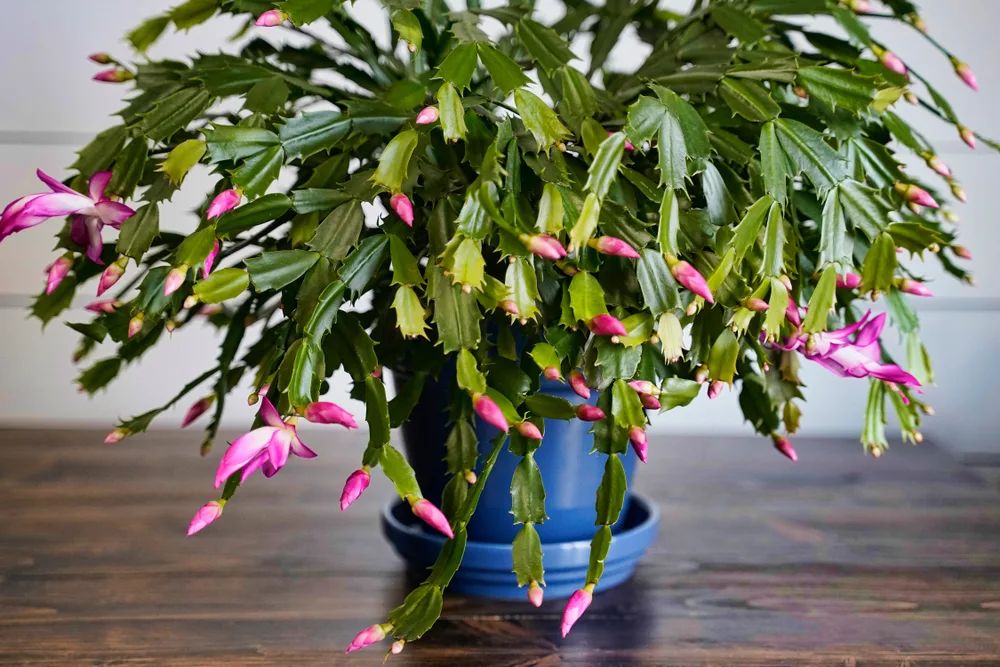
We’ll delve deeper into identifying each of these festive cacti shortly. But first, let’s unearth the secrets to keeping these plants thriving.
All the holiday cacti might have distinct identities, but their care guidelines are surprisingly consistent.
Contrary to their ‘cactus’ label, these plants lean more towards tropical inclinations. Originating from Brazil, they are often found nestled in tree nooks or perched on rugged terrains. These natural dwelling spots offer clues about their preferred environments.
Nurturing the Festive Cactuses: Tips for Lush Blooms and Vibrant Health
Positioning and Climate
A hallmark of festive cactuses is their affinity for bright, yet indirect, sunlight. Placing them by an east-facing window works wonders. They relish the warmth similar to our comfort zone, favoring temperatures of 60-75°F.
For those residing in regions where the mercury doesn’t dip below 50°F, these cactuses can thrive outdoors. Ideally, sheltered areas like porches or beneath trees, which shield them from the harsh sun, are best. When autumn hints at cooler days ahead, ensure you bring them indoors before temperatures plummet under 50°F to protect them from chill and frost.
Hydration Habits
Contrary to their desert counterparts, festive cactuses have tropical tastes. When hydrating them, soak the soil thoroughly and then let it dry out before the next watering session.
It’s vital to ensure their roots aren’t submerged in water as they can be susceptible to root rot. Should you have a saucer under the pot, discard any stagnant water that accumulates.
These holiday-loving plants have a penchant for humidity. If your locale doesn’t naturally provide it, you can simulate a moist environment by placing the pot on a tray filled with water and pebbles. The trick is to ensure the pot doesn’t touch the water while the evaporating moisture envelops the plant in its embrace.

Growing Medium
In the wild, these cactuses thrive not in typical soil, but in natural nooks cradling organic detritus. A potting mix specially formulated for cacti or succulents, which offers superior drainage, is ideal.
Despite their expansive growth, they appreciate a cozy space for their roots. Repotting is only necessary every few years, and even then, opt for a pot just a size up.
Nutritional Needs
Post-bloom, as the plant unfurls new leaf sections, nourish it with a quality houseplant fertilizer every two weeks. During its blooming phase, monthly feeding suffices.
The Blooming Conundrum
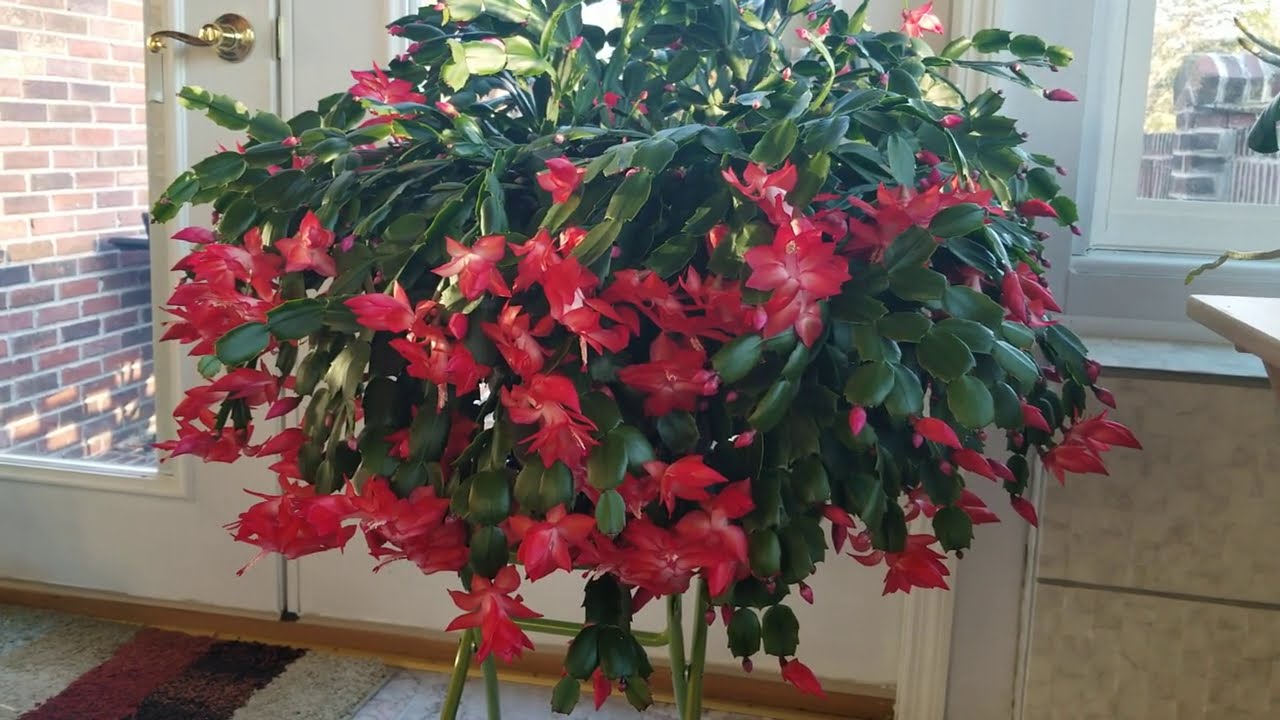
Their mesmerizing blossoms come in hues of pink, orange, white, and more. But inducing these blooms requires a bit of finesse.

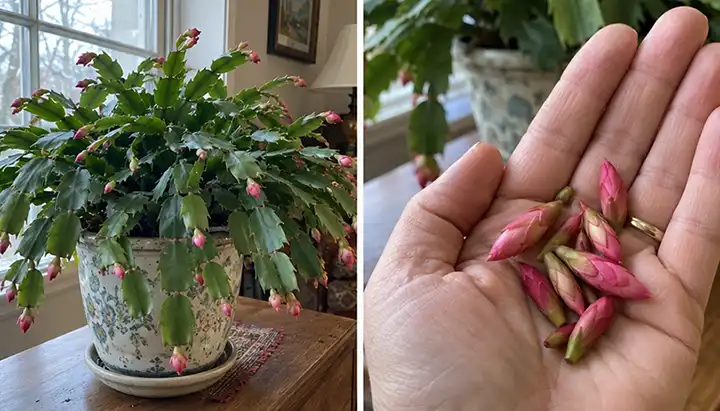
After a dormancy stretch roughly four weeks prior to their respective blooming seasons, these cactuses awaken to flower. Mimic natural conditions by ensuring longer, cooler nights. Shield them from light for 12-14 hours daily using a cloth or box if needed. Meanwhile, maintain temperatures of 50-55°F for bud formation.
Once the buds start peeking, return the cactus to its regular spot.

However, during the budding phase, it’s pivotal to offer consistent care, avoiding abrupt shifts in location, temperature, or hydration.

Propagation Prowess
Post-blooming, after a month or two of relaxation, you can shape the plant. Using sterilized scissors, snip at the leaf segment base to attain the desired form.
These clippings can become new plants! Let them dry for a few days and then nestle them about an inch deep into fresh soil. Water minimally until roots emerge, after which regular hydration resumes.

And of course, spreading the love by sharing these cuttings is always a cherished gesture.
Remember, especially if you have the elusive Christmas cactus, they’re gems worth treasuring and sharing!
Furry Friends, Troublesome Bugs, and Caring for Holiday Cacti
Holiday cacti are pet-friendly plants, posing no harm to cats or dogs.
Generally, these cacti stay untouched by pests, maintaining their vibrancy.
Excessive hydration can cause the roots to rot. If your cactus seems unwell and sheds entire sections, it’s time to halt the watering. Consider lightly unearthing the soil around the roots to let them breathe and dry.
Reddish-brown tinges on the cactus leaves indicate excessive sunlight exposure or inadequate water. Adjust its position to a shadier spot and ensure it’s receiving enough moisture.
Distinguishing Amongst the Festive Cacti
Wondering which festive cactus adorns your living space? Examine their leaf segments for clues.

The Thanksgiving cactus showcases pointy projections on the top and sides of its segments. Its structure is somewhat elongated with a box-like appearance.
In contrast, the Christmas cactus retains the boxy form but with gently scalloped sides.
The Easter cactus differs with its soft, rounded segments and subtle notches on its flanks.
Observe their blossoms for further distinctions. Both Thanksgiving and Christmas varieties flaunt tubular blooms, while the Easter cactus boasts a flower reminiscent of a daisy.
Upon inspection, you might realize your cherished plant isn’t a Christmas cactus after all!
With attentive care, these cacti can enchant you with their blooms year after year, potentially for generations. Their longevity, combined with their beauty, makes them perfect for sharing and cherishing.
Quick Victory: The Ultimate Homemade Insecticide to Say Goodbye to Ants Have you ever encountered an invading army of ants Read more
Clematis plants are fundamentally simple organisms, almost mechanical in nature, driven by basic principles of plant hydraulics and a kind Read more
Mother-in-law’s tongue, commonly known as Sansevieria, is renowned for its resilience and remarkable air-purifying qualities. It is an ideal choice Read more

Transforming Garlic Peels into Gold for Gardeners: In the rhythm of kitchen prep, garlic peels are often discarded without a Read more
Are you searching for an affordable and eco-friendly alternative to chemical fertilizers? An unexpectedly powerful solution might already be in Read more

Indoor Plants: A Decorative Air Purifier Indoor plants have become an essential part of modern decor, increasingly sought-after to greenify Read more
Three Little-Known Tips to Keep Your Potatoes in Perfect Condition Choosing the Right Location for Storage The way you store Read more
Self-Seeding Flowers: Effortless Beauty That Returns Every Year When I first fell in love with gardening, my mother came to Read more
Having geraniums adorned with vibrant blooms for months—sometimes lasting even longer than anticipated—is not a feat reserved solely for expert Read more
Christmas cacti don’t adhere to the typical “feed once a month and forget it” approach that many houseplants follow. Because Read more
If your Christmas cactus has stayed healthy throughout the year but produced only a few flowers last winter, October might Read more

Get a Head Start on Your Garden: Indoor Sowing for Colder Climates There's no need to wait for spring's embrace Read more

Orchids, celebrated for their intricate beauty and variety, need particular attention for optimal growth. In the realm of orchid care, Read more

Cultivating Zucchini in Containers: A Comprehensive Guide Zucchini is a popular vegetable for gardening aficionados and novices alike. It's simple Read more
Rosemary is incredibly resilient... truly very robust! If you have ever had the unfortunate experience of adding too much to Read more

The Curious Case of Tomato Slices: A Journey from Kitchen Scrap to Sprout As someone always game for a gardening Read more

Understanding Fertilizers for Plants Fertilizer is a product that can be spread or mixed into the soil to provide plants Read more

Gardening: The Harmony of Craft and Nature Gardening brings out a dance between human creativity and the wonders of nature. Read more
Indoor Plants and Their Benefits Indoor plants not only enhance the decor but also bring a touch of lush greenery. Read more

Insect-Repelling Greenery: Your Natural Home Defense Transform your home into a sanctuary free from the annoyance of insects such as Read more
Orchids, celebrated for their exotic beauty and remarkable variety, require tailored care to flourish. While most growers rely on commercial Read more
Growing new plants from root cuttings is like discovering a true shortcut in gardening. A single healthy parent plant can Read more
Growing Chayote from Supermarket Fruit: Abundant Harvests Made Easy If you've ever strolled through the produce aisle and spotted a Read more
Orchids are among the most cherished ornamental plants worldwide, admired for their exotic flowers, graceful forms, and blooms that last Read more
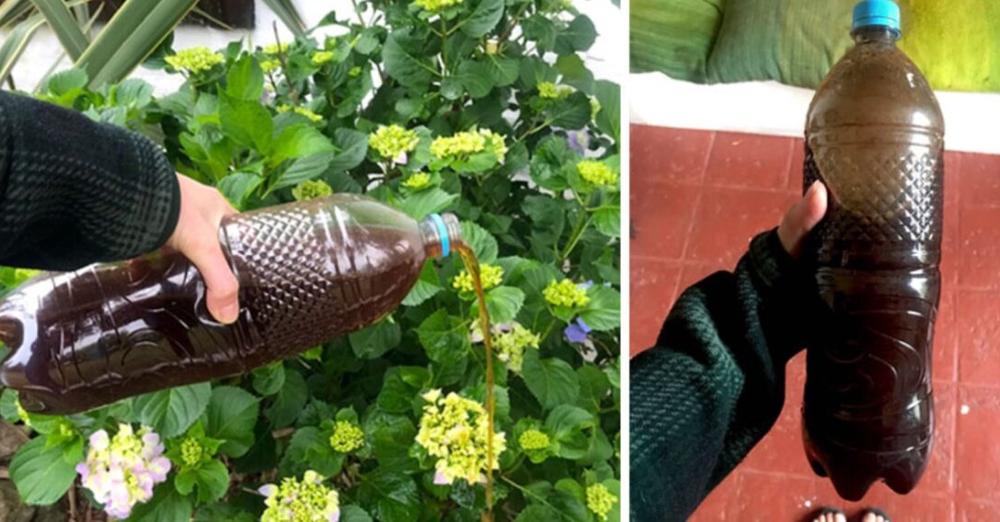
As sustainability and eco-consciousness continue to rise in importance in our daily lives, discovering alternative methods to fertilize our gardens Read more
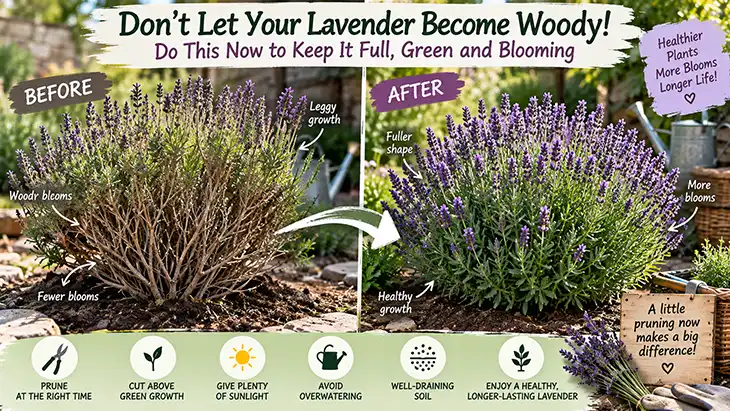
When lavender plants are young, they often present an almost perfect image: a compact shrub with silvery-green foliage, a delightful Read more

Navigating Aloe Vera Care: Bypassing Usual Oversights Aloe vera, celebrated for its therapeutic properties and eye-catching demeanor, is occasionally compromised Read more
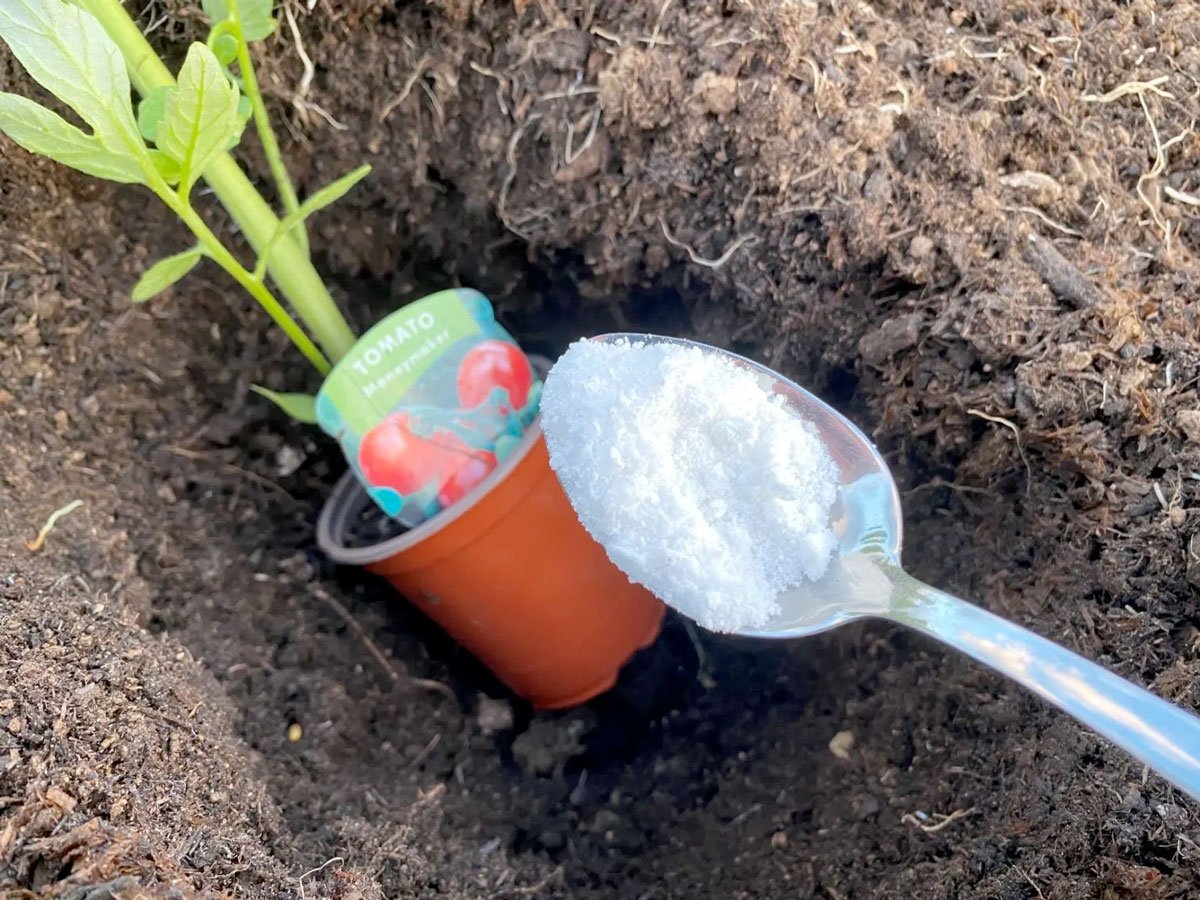
When it comes to gardening, enthusiasts are always eager to discover effective and affordable methods to boost plant growth and Read more
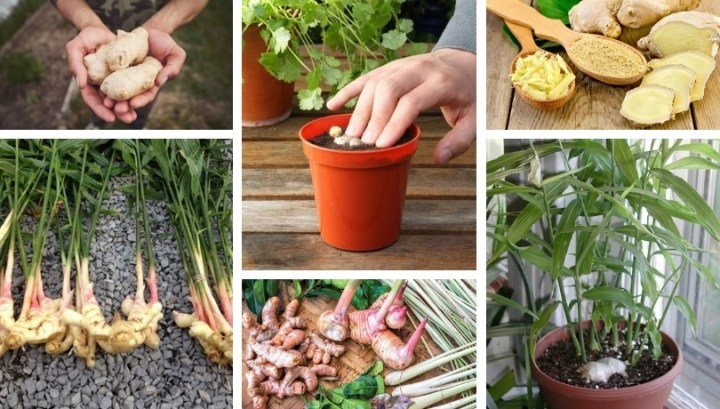
Ginger, renowned for its distinct flavor and numerous health advantages, is a fundamental ingredient in many culinary traditions around the Read more
Sleep is a vital component of our overall health, serving as the foundation for a productive and energized day. Yet, Read more
Safety and Medical Disclaimer: The information provided in this article is intended solely for educational and informational purposes. We disclaim Read more
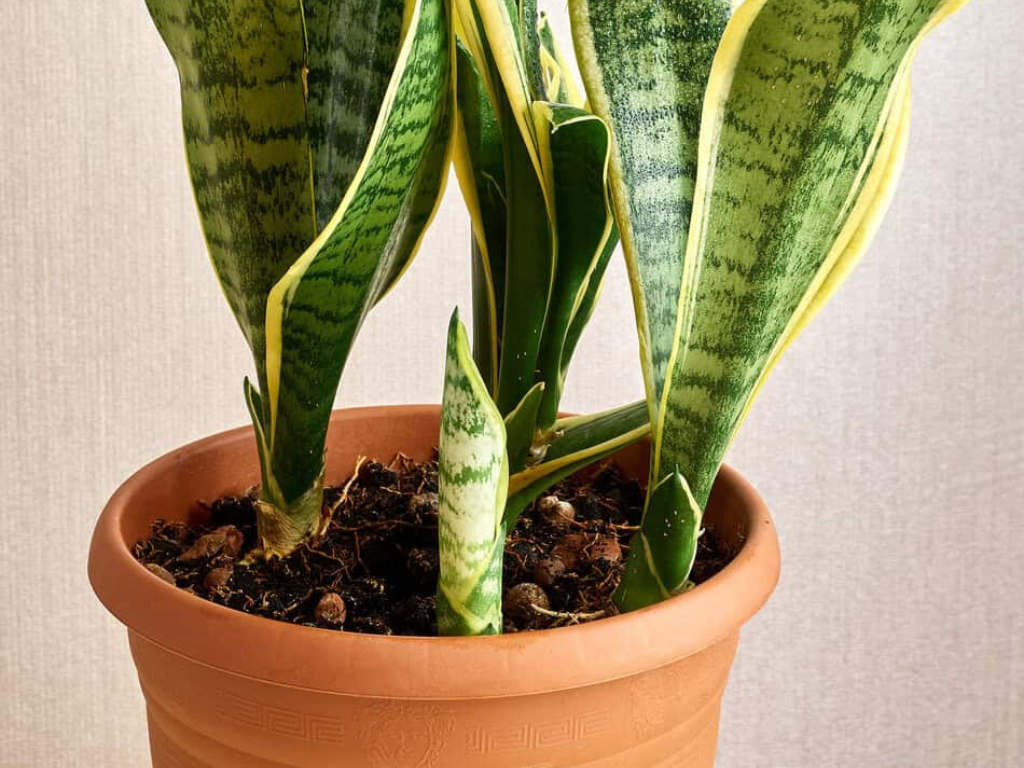
Snake plants (Dracaena trifasciata, formerly known as Sansevieria trifasciata) are renowned for their remarkable resilience. No matter if they receive Read more
Do you have indoor plants? They have a unique ability to infuse life and color into any environment, whether it’s Read more

Bananas are a delightful treat, but their peels can be a garden's treasure. Rather than discarding banana peels into compost, Read more

Tea, the staple of morning routines and afternoon breaks, may have a second life beyond the cup that's often ignored. Read more
Experienced gardeners are well-acquainted with the practice of turning kitchen scraps into valuable gardening resources. Among these scraps, potato peelings, Read more

In this exploration, we uncover eight homemade, natural solutions that act as effective rooting agents for plant propagation through cuttings. Read more
Nature provides us with countless remedies in the form of wild medicinal plants, surrounding us everywhere we go. These healing Read more

Using Baking Soda for Plant Care To care for your plants or your vegetable garden, have you considered the DIY Read more

Neem oil is a completely natural product, derived from a plant native to India. It contains azadirachtin, a potent compound Read more
