
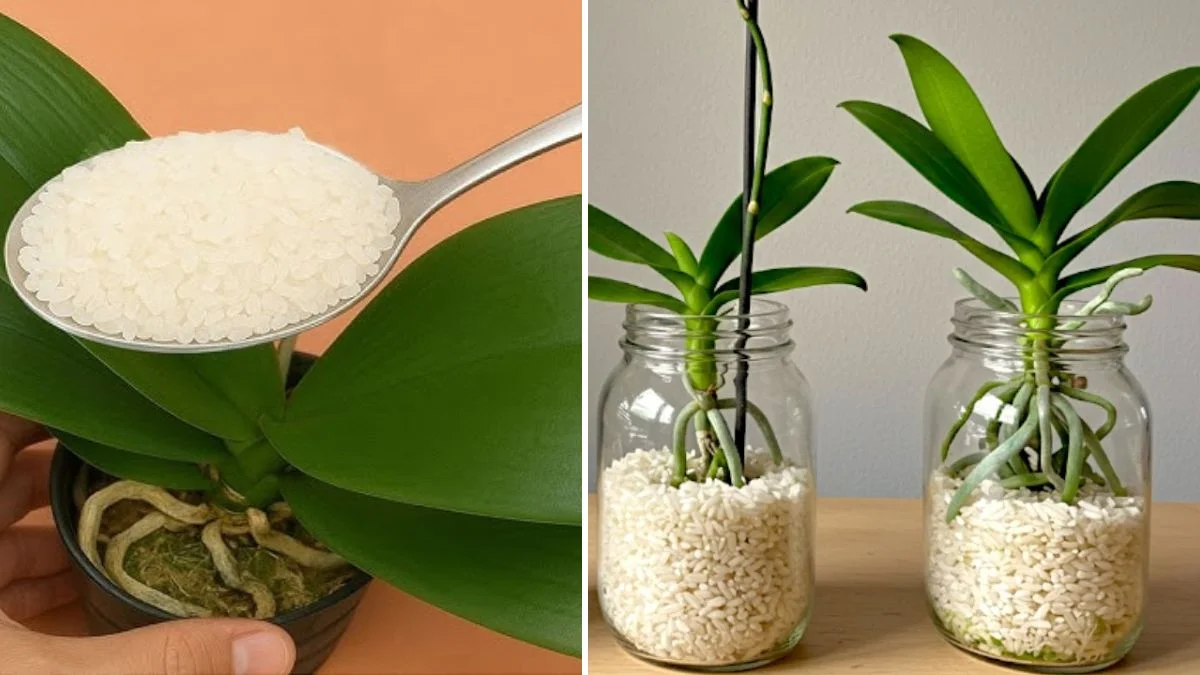
Orchids are among the most cherished ornamental plants worldwide, admired for their exotic flowers, graceful forms, and blooms that last for extended periods. Despite their beauty, many orchid growers face challenges such as weak root systems, sluggish growth, and irregular flowering patterns. Surprisingly, the answer to these common problems doesn’t always lie in costly fertilizers or intricate care routines.
A simple and often overlooked kitchen ingredient can make a profound difference: plain rice. When utilized properly, rice can promote accelerated root growth, stronger and healthier leaves, and more frequent blooming throughout the year. This comprehensive guide will explain why rice is effective, how to apply it safely, and how to integrate it with proper orchid care to achieve the best possible results.
Why Rice Functions as a Natural Growth Enhancer for Orchids

Although rice may seem like a simple grain, it contains valuable starches, carbohydrates, and trace minerals that offer gentle nourishment to orchids. These natural nutrients supply energy that fosters root development and boosts the overall vitality of the plant without the potential hazards linked to synthetic fertilizers.
Promotes Accelerated Root Growth
Orchid roots depend on a steady supply of energy to expand and efficiently absorb moisture. Rice water provides natural sugars that accelerate root growth, enhancing their strength and functionality.
Fortifies Leaves
Robust leaves are crucial for effective photosynthesis and flourishing blooms. Nutrients derived from rice help leaves develop thicker structures, deeper green tones, and increased resilience against environmental stress.
Enhances Year-Round Flowering
When the roots and leaves are well-nourished and healthy, orchids are better positioned to produce flowers consistently. The energy derived from rice starches plays an important role in fueling bud formation even beyond the orchid’s typical blooming seasons.
Safe and Organic
Unlike chemical fertilizers, rice is a natural and gentle option, making it safe and appropriate for all common orchid varieties.
Selecting the Appropriate Form of Rice
Rice can be applied in various easy-to-use forms depending on your convenience and preference:
Raw white rice: Best for soaking to extract beneficial nutrients.
Rice water: The nutrient-enriched liquid that remains after soaking or boiling rice.
Cooked rice: Can be used carefully as a slow-release source of nutrients for orchids.
Important: Always ensure the rice is plain, without any salt, oil, or seasoning added.
How to Prepare Rice Water for Your Orchids

Rice water is one of the simplest and most effective natural feeds you can provide to orchids.
Soaked Rice Water Method
Take two tablespoons of uncooked rice and rinse it thoroughly. Then, soak the rice in one cup of water for four to six hours. After soaking, strain the rice water and use it immediately on your orchids.
Boiled Rice Water Method
Boil two tablespoons of rice in one cup of water for approximately five minutes. Once boiled, strain the rice water and let it cool completely before applying it to your plants.
Tip: Use rice water fresh, or store it in the refrigerator and use within 24 hours to avoid fermentation.
The Correct Way to Apply Rice Water to Orchids
Application for Roots
Carefully pour rice water into the potting medium, ensuring it moistens the roots without allowing them to sit in standing water.
Application for Leaves
Lightly mist the orchid leaves with rice water. If you notice any residue on the leaf surface, gently wipe it off using a soft cloth to prevent buildup.
Recommended Frequency of Application
Apply rice water about once a week for most orchids. For plants showing signs of weak growth, you can increase applications to twice a week, while carefully monitoring the moisture level in the growing medium.
Using Cooked Rice as a Slow-Release Fertilizer

Cooked rice can also serve as a gentle, slow-release nutrient source that gradually nourishes orchids over time.
Simply place one to two tablespoons of cooked and cooled rice lightly on the surface of the growing medium. As the rice decomposes, it releases nutrients slowly, sustaining the plant’s nutrition.
Tip: This technique works best when used with porous, well-aerated growing media such as bark chips or orchid baskets that ensure excellent drainage.
Additional Care Recommendations for Robust Roots and Abundant Flowers
Provide Bright, Indirect Lighting
Orchids flourish best in filtered light conditions. Avoid exposing them to direct sunlight, which can cause leaf scorching and stress.
Maintain Proper Humidity Levels
Most orchid species prefer humidity levels ranging between 50% and 70%. You can help maintain these levels by using pebble trays, humidifiers, or gentle misting as needed.
Water Appropriately
Only water your orchids when the growing medium starts to dry out. Remember that rice water serves as a supplement to regular watering routines and should not replace them entirely.
Ensure Adequate Air Circulation
Proper airflow around your orchids helps minimize the risk of root rot and fungal diseases, promoting healthier growth overall.
Use a Well-Draining Growing Medium
Materials like bark, sphagnum moss, or coconut husk provide excellent aeration for orchid roots while efficiently draining excess moisture.
Prune Regularly
Remove any dead leaves and spent blooms promptly to allow the plant to redirect its energy towards fresh, vigorous growth.
How Rice Helps Orchids to Bloom More Consistently

When orchid roots are healthy and supplying ample energy, and the leaves effectively facilitate photosynthesis, the nutrients from rice provide an additional boost. This harmonious balance, combined with a stable environment, encourages orchids to bloom more frequently and with greater vitality.
Note: While some orchids naturally adhere to seasonal blooming cycles, using rice can help reduce the length of resting periods between flowerings.
Key Advantages of Using Rice for Orchid Care
Many growers observe quicker root growth, thicker foliage, more consistent flowering, and lower costs compared to conventional chemical fertilizers. Rice is safe for the environment and suitable for a wide variety of orchid species, including popular types such as Phalaenopsis, Dendrobium, and Cattleya.
Final Thoughts
Caring for orchids does not have to be complicated or expensive. By integrating plain rice as a natural supplement into your routine, you can foster healthier roots, stronger leaves, and year-round blooming with minimal effort.
When combined with adequate light, humidity, airflow, and proper watering, this straightforward method can transform your orchids into thriving plants that bloom beautifully throughout the year—all without depending on harsh chemical fertilizers.
Easy Clove Growing: From Seed to Spice – A Beginner’s Guide Cloves are among the most treasured spices in the Read more

Orchids, celebrated for their intricate beauty and variety, need particular attention for optimal growth. In the realm of orchid care, Read more
Growing Chayote from Supermarket Fruit: Abundant Harvests Made Easy If you've ever strolled through the produce aisle and spotted a Read more

Bananas are a delightful treat, but their peels can be a garden's treasure. Rather than discarding banana peels into compost, Read more

Deadly Nightshade (Atropa belladonna): The Mysterious and Dangerous Plant with a Dark Legacy At first glance, Deadly Nightshade (Atropa belladonna) Read more
Three Little-Known Tips to Keep Your Potatoes in Perfect Condition Choosing the Right Location for Storage The way you store Read more

The Curious Case of Tomato Slices: A Journey from Kitchen Scrap to Sprout As someone always game for a gardening Read more

Different perspectives exist on various aspects of nature, and this holds true for the dandelion, often dismissed as a mere Read more
Searching for a distinctive method to incorporate some foliage into your home or workplace? Try cultivating plants hydroponically! Not only Read more

Lavender, a charming addition to any garden, is known for its enchanting aroma and vibrant purple hues. This plant comes Read more

Neem oil is a completely natural product, derived from a plant native to India. It contains azadirachtin, a potent compound Read more

Orchids are renowned for their stunning blooms and are a favorite among indoor plant enthusiasts. However, getting these temperamental beauties Read more

Wild Medicinal Plants: Harnessing the Hidden Virtues of Earth’s Greenery In the wilderness of our environment—ranging from the expanse of Read more
Indoor Plants and Their Benefits Indoor plants not only enhance the decor but also bring a touch of lush greenery. Read more

Insect-Repelling Greenery: Your Natural Home Defense Transform your home into a sanctuary free from the annoyance of insects such as Read more

Orchids, with a staggering 28,000 unique species, beautifully demonstrate nature's rich tapestry of diversity. Originating from the Orchidaceae lineage, these Read more
Safety and Medical Disclaimer: The information provided in this article is intended solely for educational and informational purposes. We disclaim Read more

If you don't often get the chance to rejuvenate in the midst of nature, there's an alternative: introducing plants to Read more

In this exploration, we uncover eight homemade, natural solutions that act as effective rooting agents for plant propagation through cuttings. Read more

Cultivating Zucchini in Containers: A Comprehensive Guide Zucchini is a popular vegetable for gardening aficionados and novices alike. It's simple Read more
Do you have indoor plants? They have a unique ability to infuse life and color into any environment, whether it’s Read more
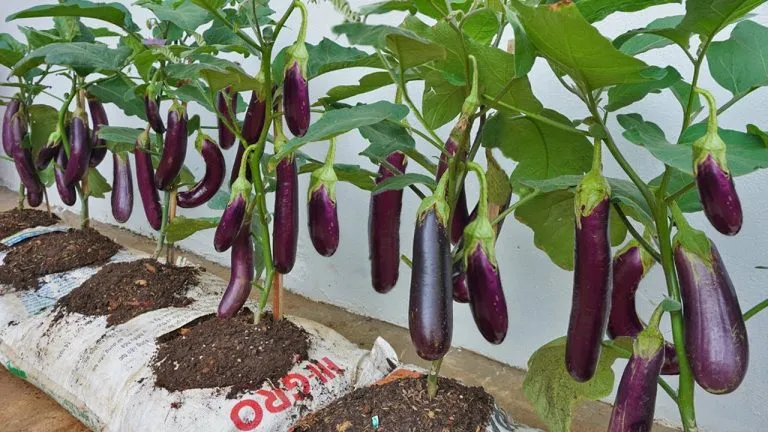
Exploring the World of Eggplants: A Gardener's Guide Eggplants, with their divisive nature, are often a subject of culinary debate. Read more
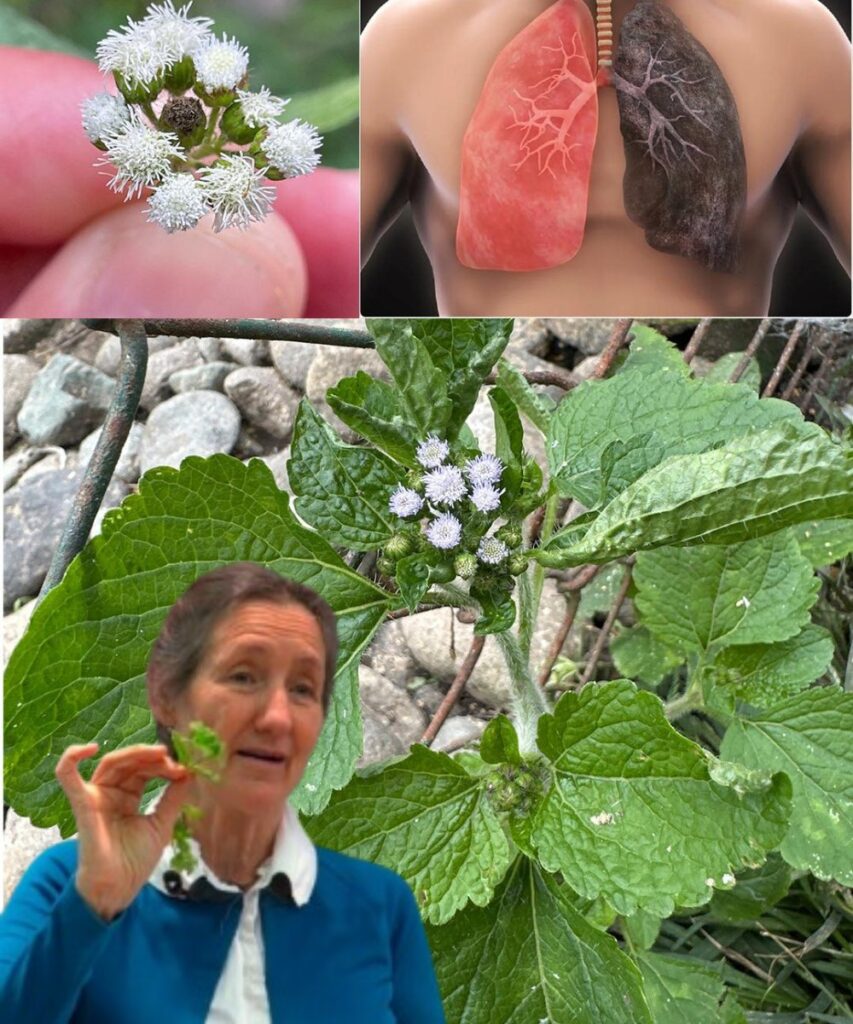
The Incredible Healing Power of Billygoat Weed (Ageratum conyzoides): 15 Health Benefits You Should Know About Billygoat weed, also known Read more

Using Baking Soda for Plant Care To care for your plants or your vegetable garden, have you considered the DIY Read more
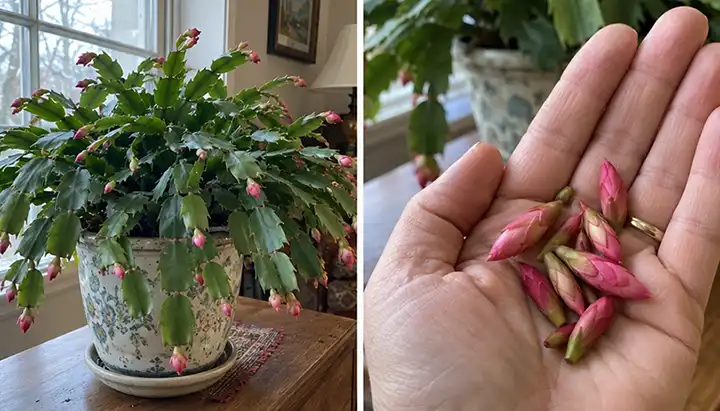
If your Christmas cactus has stayed healthy throughout the year but produced only a few flowers last winter, October might Read more

Turmeric is a staple ingredient in Asian cuisine. This vibrant yellow spice, often used to flavor curries and stews, is Read more
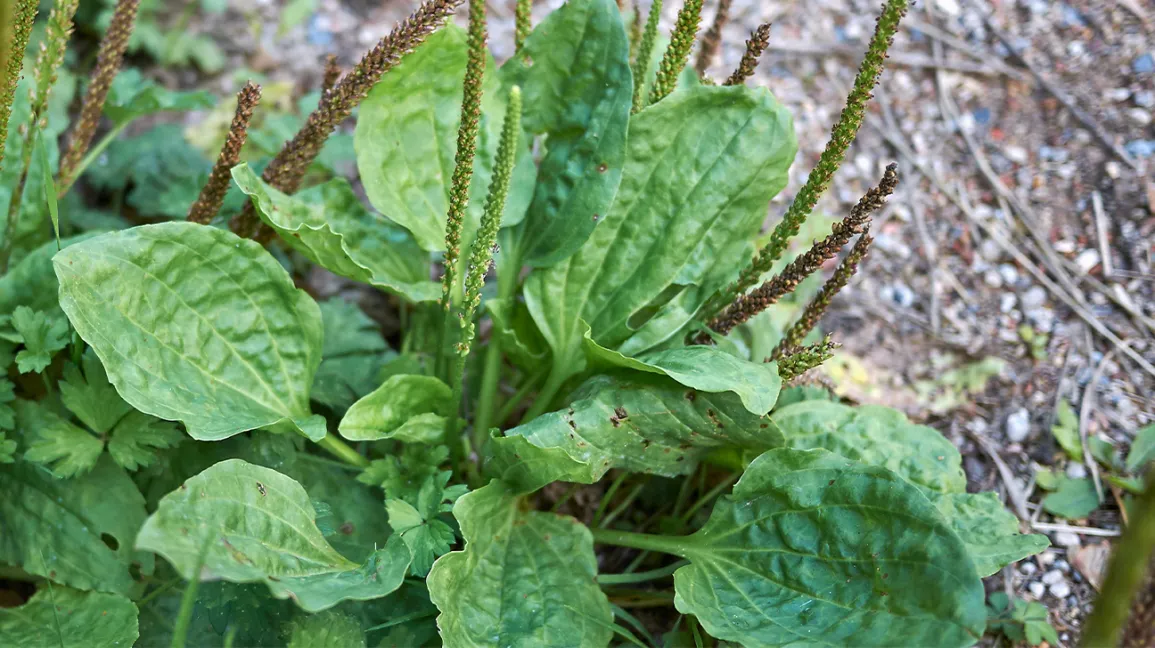
Nature provides us with countless remedies in the form of wild medicinal plants, surrounding us everywhere we go. These healing Read more

Cultivating an Avocado Plant Indoors: A Step-by-Step Guide Nurturing an avocado seed into a blossoming plant within the confines of Read more

Caring for orchids, known for their exquisite and delicate nature, involves a precise approach to hydration. Orchids differ from typical Read more
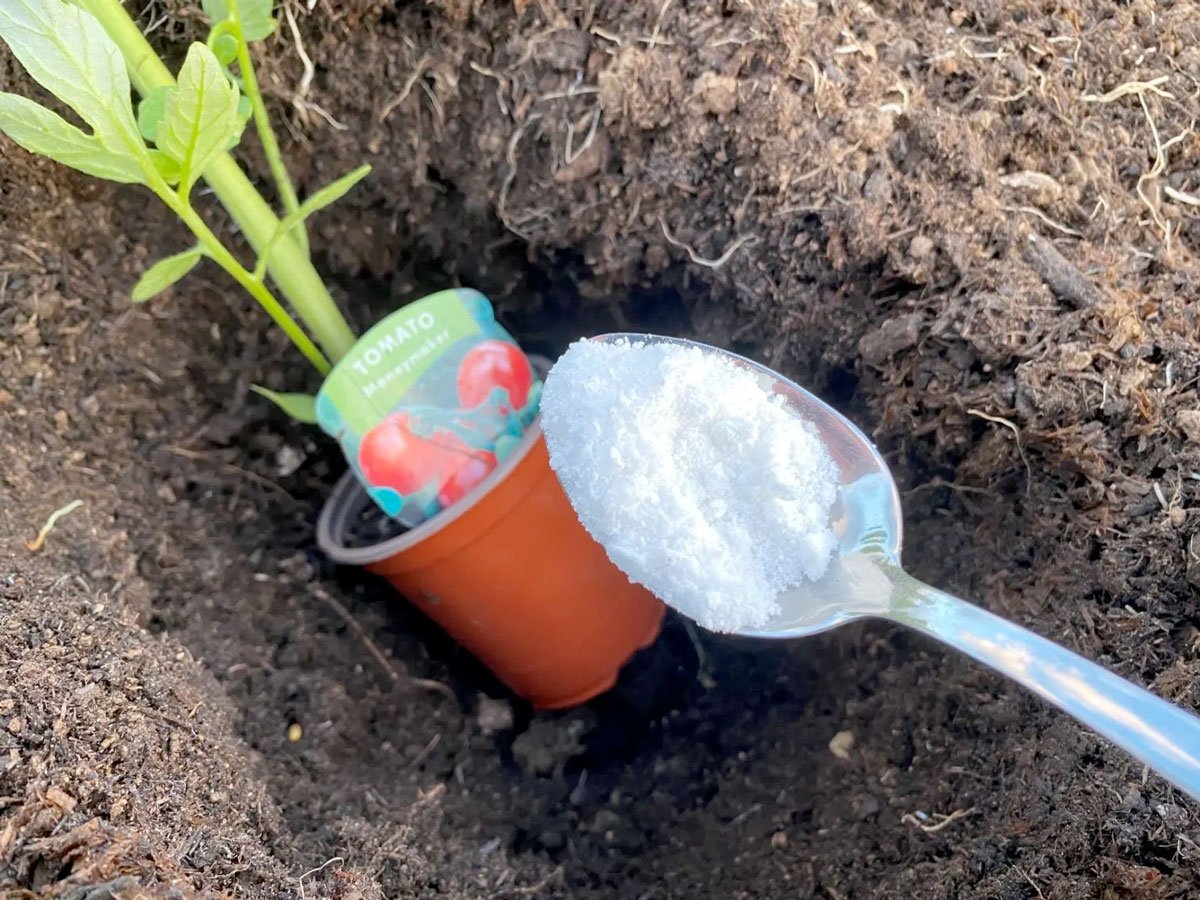
When it comes to gardening, enthusiasts are always eager to discover effective and affordable methods to boost plant growth and Read more

Transforming Garlic Peels into Gold for Gardeners: In the rhythm of kitchen prep, garlic peels are often discarded without a Read more

Introducing 15 Health-Enhancing Indoor Plants for a Vibrant Home Oasis Embrace a selection of indoor plants that bring more than Read more

Get a Head Start on Your Garden: Indoor Sowing for Colder Climates There's no need to wait for spring's embrace Read more

Mastering Chilli Cultivation in Diverse Climates: A Detailed Guide It may seem unlikely, but growing chillies across different climates is Read more
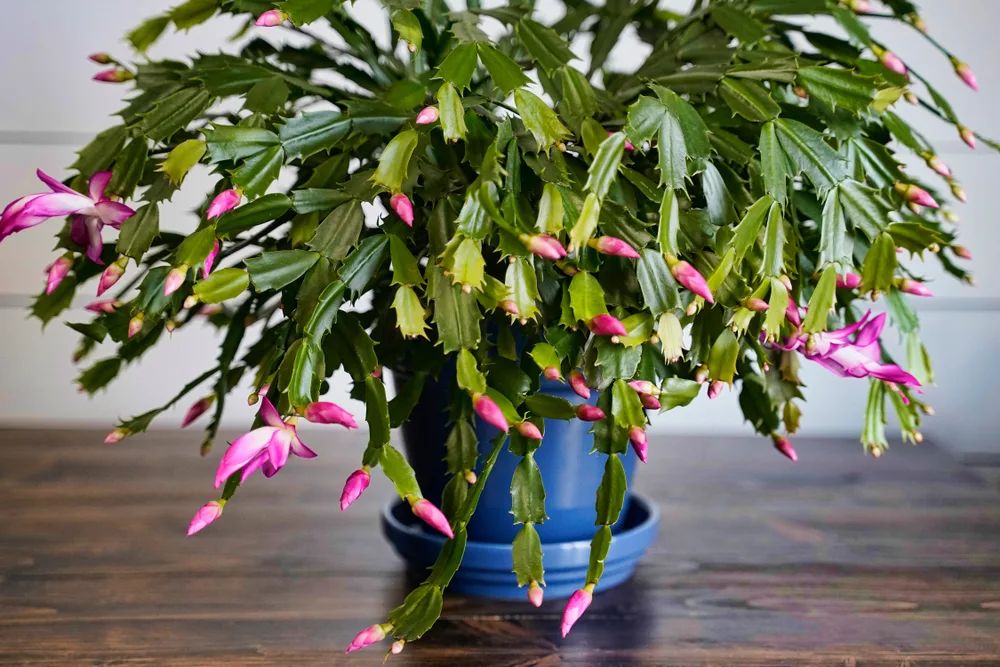
Unlocking the Mystery of the Festive Cactus The festive cactuses often baffle indoor gardeners. There's a lingering myth that these Read more

Tea, the staple of morning routines and afternoon breaks, may have a second life beyond the cup that's often ignored. Read more
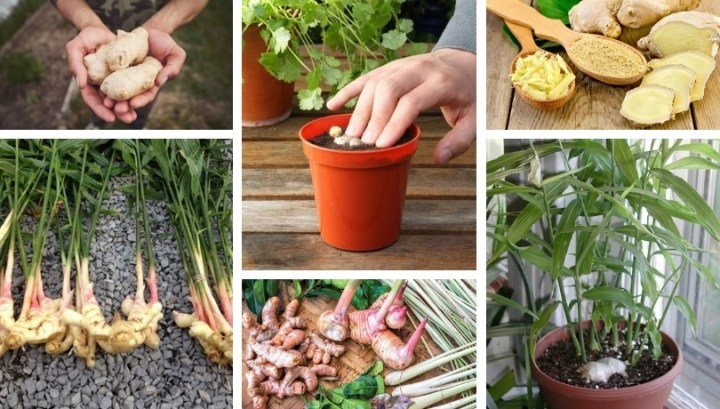
Ginger, renowned for its distinct flavor and numerous health advantages, is a fundamental ingredient in many culinary traditions around the Read more

In the culinary world, garlic is a staple ingredient that is hard to do without. Cultivating it benefits many plants Read more

The Importance and Care of House Plants House plants not only serve as a significant decorative element but also play Read more

Navigating Aloe Vera Care: Bypassing Usual Oversights Aloe vera, celebrated for its therapeutic properties and eye-catching demeanor, is occasionally compromised Read more
