
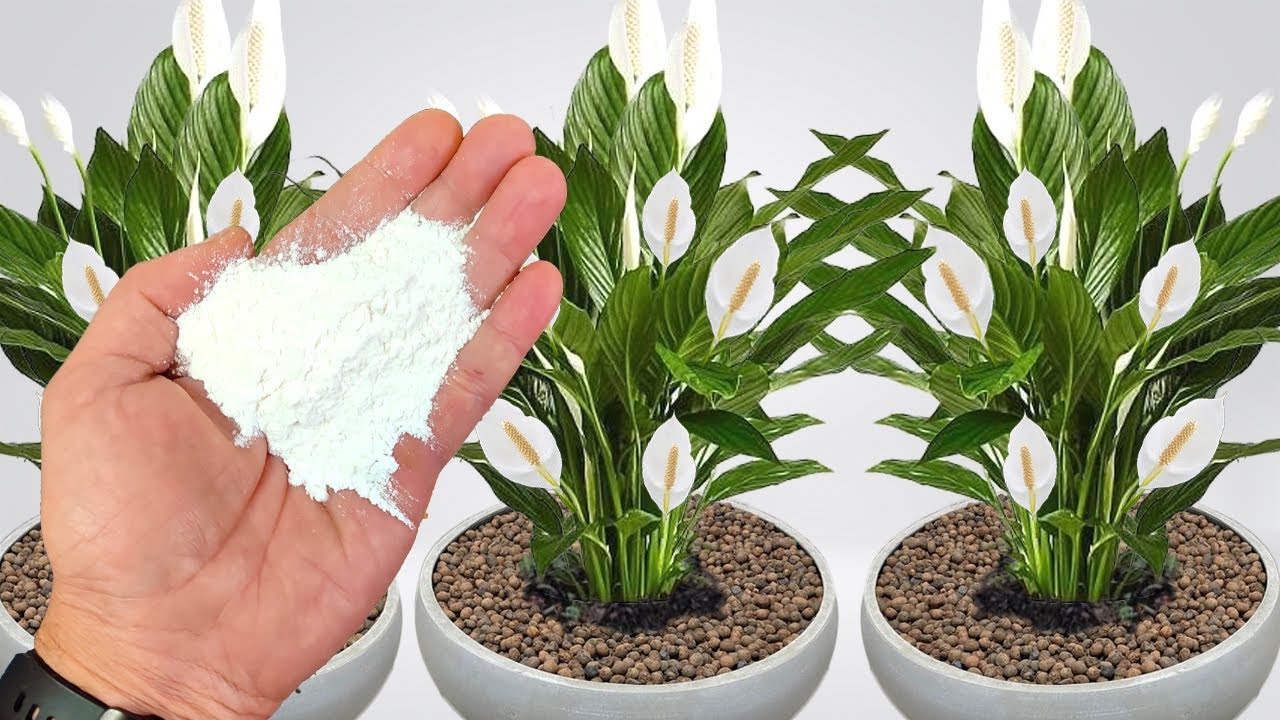
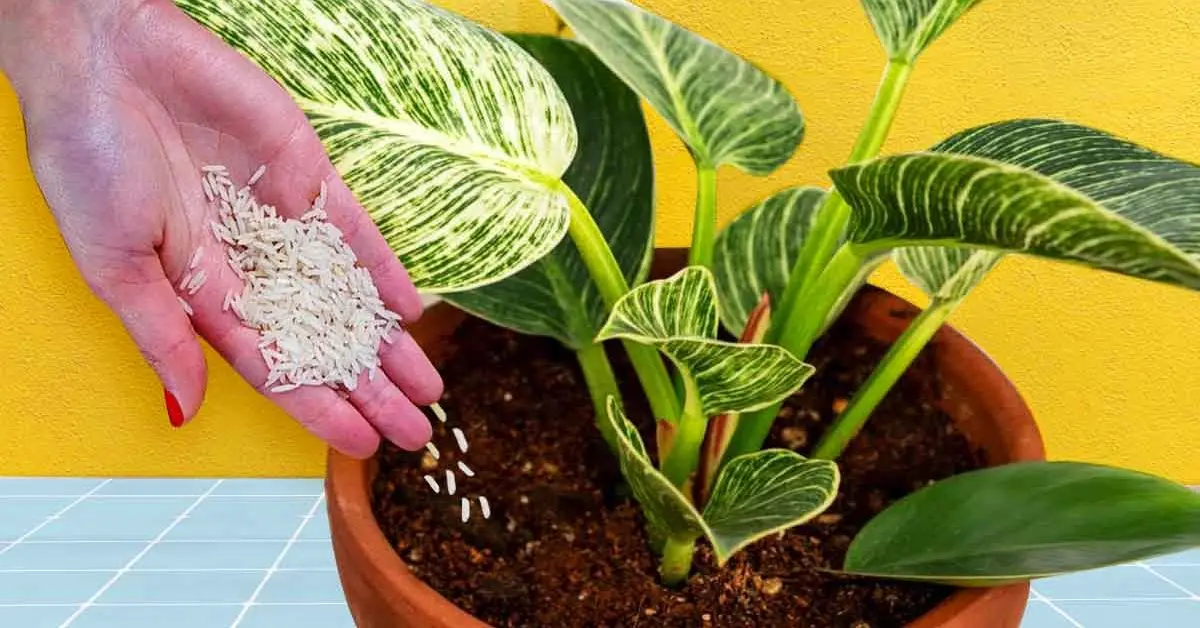
Are you searching for an affordable and eco-friendly alternative to chemical fertilizers? An unexpectedly powerful solution might already be in your kitchen. Rice fertilizer is a straightforward homemade plant food that can significantly enhance plant health, promote lush foliage, and encourage abundant, vibrant blossoms.
Unlike synthetic fertilizers, organic options nourish plants gently and sustainably. Fertilizer made from rice offers essential nutrients that support growth, improve leaf coloration, and help prevent common deficiencies such as chlorosis. It is well-suited for a wide variety of flowering and ornamental plants, including orchids, violets, geraniums, azaleas, begonias, ferns, and ficus.

Why Rice Serves as an Excellent Natural Fertilizer
Rice is much more than a staple food—it also stands as a valuable source of nutrition for plants. When processed into a fine flour, rice delivers a balanced blend of minerals, vitamins, and organic compounds that nourish both plants and soil.
Potassium reinforces stems and supports flower development. Phosphorus promotes strong root systems and efficient energy transfer. Calcium strengthens cell walls and helps prevent distorted growth. Iron assists in combating yellowing leaves caused by nutrient shortages.
Rice additionally contains trace elements such as copper, zinc, and manganese, which are essential for enzymatic activity and photosynthesis. B vitamins support metabolic functions, while starch nourishes beneficial soil microorganisms. Amino acids further enhance plant resilience and overall vitality.
How to Prepare Rice Fertilizer at Home
Making rice fertilizer is quick, inexpensive, and requires very little equipment. After preparation, it can be stored and used whenever your plants require nourishment.
What You Will Need
You will need uncooked rice, a dry pan, a grinder or blender, an airtight container, lukewarm water, and a spoon or watering can. One teaspoon of rice flour per feeding is sufficient.
Preparation Instructions
Dry roast the rice: Add one cup of uncooked rice to a dry pan and gently heat it, stirring constantly for about five minutes. This removes excess moisture and improves grindability.
Grind into flour: Let the rice cool thoroughly, then grind it into a fine, flour-like powder.
Store properly: Place the rice flour in an airtight container and keep it in a cool, dry location. When stored properly, it can remain usable for several months.
How to Use Rice Fertilizer on Your Plants
Rice flour is used by dissolving it in water to create a mild, nutrient-rich liquid fertilizer.
Preparing the Liquid Fertilizer
Combine one teaspoon of rice flour with one liter of lukewarm water. Stir well and let the mixture rest for several hours or overnight to allow the nutrients to infuse fully. Stir or shake again before using, then pour the liquid directly onto the soil around the plant’s base.

For optimal results, apply this fertilizer every 10 to 14 days.
Benefits of Rice Fertilizer
Rice fertilizer encourages strong, healthy growth by supporting sturdy stems and vibrant leaves. The potassium and phosphorus it contains help enhance flower size, coloration, and durability. Iron along with trace minerals prevents chlorosis and restores the vitality of leaves.
The natural starch provides nourishment for beneficial soil microbes, improving root health and nutrient uptake. Moreover, rice fertilizer is inexpensive, environmentally friendly, and mild enough for regular use without risking root damage or burn.
Precautions and Best Practices
Avoid over-application, as even natural fertilizers can cause nutrient imbalances if used excessively. Always use clean, lukewarm water and ensure that your pots have proper drainage to prevent root rot.
To achieve a broader nutrient profile, rice fertilizer can be alternated with other organic options such as compost tea or banana peel water. Keep rice flour sealed in a container to maintain its freshness and dryness.
Conclusion
Rice fertilizer is a practical and effective method to nourish flowering and ornamental plants naturally. With minimal effort, you can create a long-lasting organic fertilizer that enhances growth, boosts flowering, and enriches leaf color—without relying on harsh chemicals. Incorporate this simple technique into your plant care routine and enjoy healthier, more vibrant plants all year round.

Mastering Chilli Cultivation in Diverse Climates: A Detailed Guide It may seem unlikely, but growing chillies across different climates is Read more

The Importance and Care of House Plants House plants not only serve as a significant decorative element but also play Read more

Lavender, a charming addition to any garden, is known for its enchanting aroma and vibrant purple hues. This plant comes Read more

Gardening: The Harmony of Craft and Nature Gardening brings out a dance between human creativity and the wonders of nature. Read more
When it comes to gardening, enthusiasts are always eager to discover effective and affordable methods to boost plant growth and Read more

Orchids, with a staggering 28,000 unique species, beautifully demonstrate nature's rich tapestry of diversity. Originating from the Orchidaceae lineage, these Read more
Exploring the World of Eggplants: A Gardener's Guide Eggplants, with their divisive nature, are often a subject of culinary debate. Read more

Turmeric is a staple ingredient in Asian cuisine. This vibrant yellow spice, often used to flavor curries and stews, is Read more

Get a Head Start on Your Garden: Indoor Sowing for Colder Climates There's no need to wait for spring's embrace Read more
When lavender plants are young, they often present an almost perfect image: a compact shrub with silvery-green foliage, a delightful Read more

Caring for orchids, known for their exquisite and delicate nature, involves a precise approach to hydration. Orchids differ from typical Read more
Searching for a distinctive method to incorporate some foliage into your home or workplace? Try cultivating plants hydroponically! Not only Read more

Introducing 15 Health-Enhancing Indoor Plants for a Vibrant Home Oasis Embrace a selection of indoor plants that bring more than Read more

Using White Vinegar for Garden Maintenance Gardening is never an easy task. Planting, weeding, and watering plants and flowers require Read more

In the culinary world, garlic is a staple ingredient that is hard to do without. Cultivating it benefits many plants Read more

Orchids are renowned for their stunning blooms and are a favorite among indoor plant enthusiasts. However, getting these temperamental beauties Read more
Easy Clove Growing: From Seed to Spice – A Beginner’s Guide Cloves are among the most treasured spices in the Read more

Understanding Fertilizers for Plants Fertilizer is a product that can be spread or mixed into the soil to provide plants Read more

The Curious Case of Tomato Slices: A Journey from Kitchen Scrap to Sprout As someone always game for a gardening Read more

Transforming Garlic Peels into Gold for Gardeners: In the rhythm of kitchen prep, garlic peels are often discarded without a Read more
Safety and Medical Disclaimer: The information provided in this article is intended solely for educational and informational purposes. We disclaim Read more
Three Little-Known Tips to Keep Your Potatoes in Perfect Condition Choosing the Right Location for Storage The way you store Read more

Neem oil is a completely natural product, derived from a plant native to India. It contains azadirachtin, a potent compound Read more
Ginger, renowned for its distinct flavor and numerous health advantages, is a fundamental ingredient in many culinary traditions around the Read more

Bananas are a delightful treat, but their peels can be a garden's treasure. Rather than discarding banana peels into compost, Read more

Indoor Plants: A Decorative Air Purifier Indoor plants have become an essential part of modern decor, increasingly sought-after to greenify Read more

Navigating Aloe Vera Care: Bypassing Usual Oversights Aloe vera, celebrated for its therapeutic properties and eye-catching demeanor, is occasionally compromised Read more
Indoor Plants and Their Benefits Indoor plants not only enhance the decor but also bring a touch of lush greenery. Read more
If your Christmas cactus has stayed healthy throughout the year but produced only a few flowers last winter, October might Read more

Cultivating Zucchini in Containers: A Comprehensive Guide Zucchini is a popular vegetable for gardening aficionados and novices alike. It's simple Read more

Orchids, celebrated for their intricate beauty and variety, need particular attention for optimal growth. In the realm of orchid care, Read more
Orchids are among the most cherished ornamental plants worldwide, admired for their exotic flowers, graceful forms, and blooms that last Read more
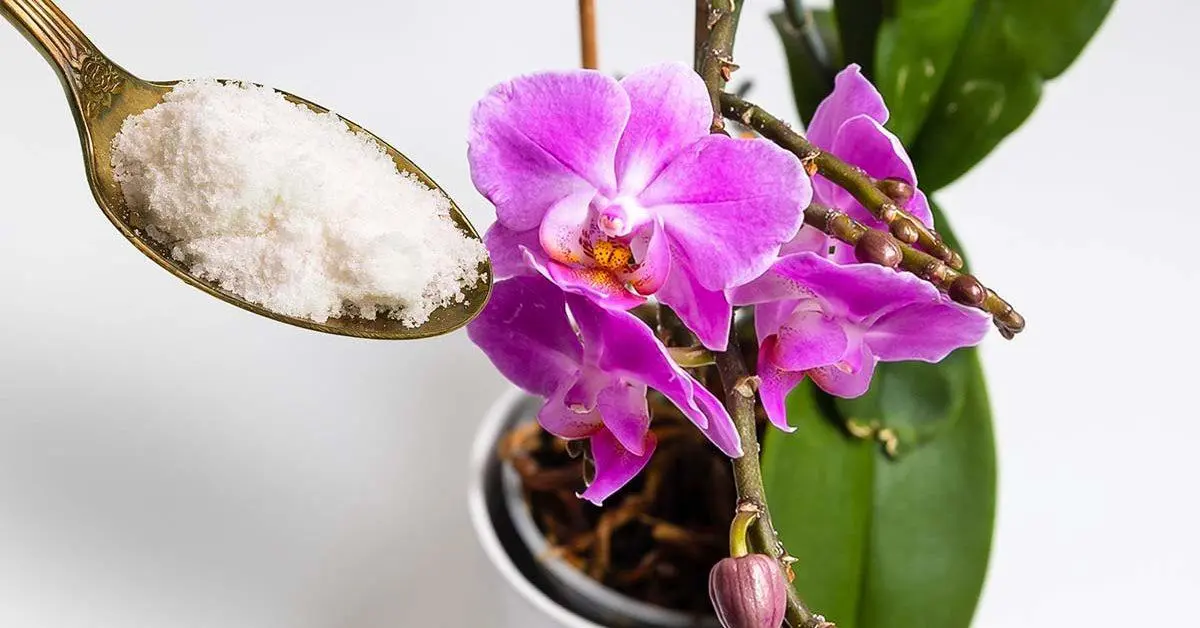
Do you have indoor plants? They have a unique ability to infuse life and color into any environment, whether it’s Read more
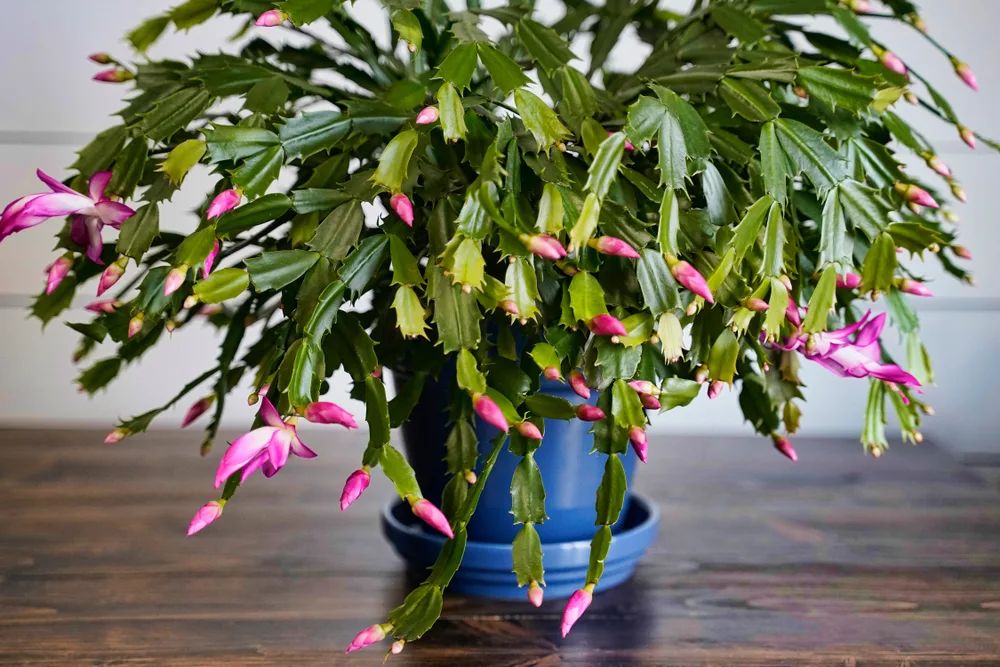
Unlocking the Mystery of the Festive Cactus The festive cactuses often baffle indoor gardeners. There's a lingering myth that these Read more

If you don't often get the chance to rejuvenate in the midst of nature, there's an alternative: introducing plants to Read more

The Wonders of Blueberries: A Guide to Growing and Enjoying This Nutrient-Rich Fruit Mildly sweet, the blueberry is a dark Read more
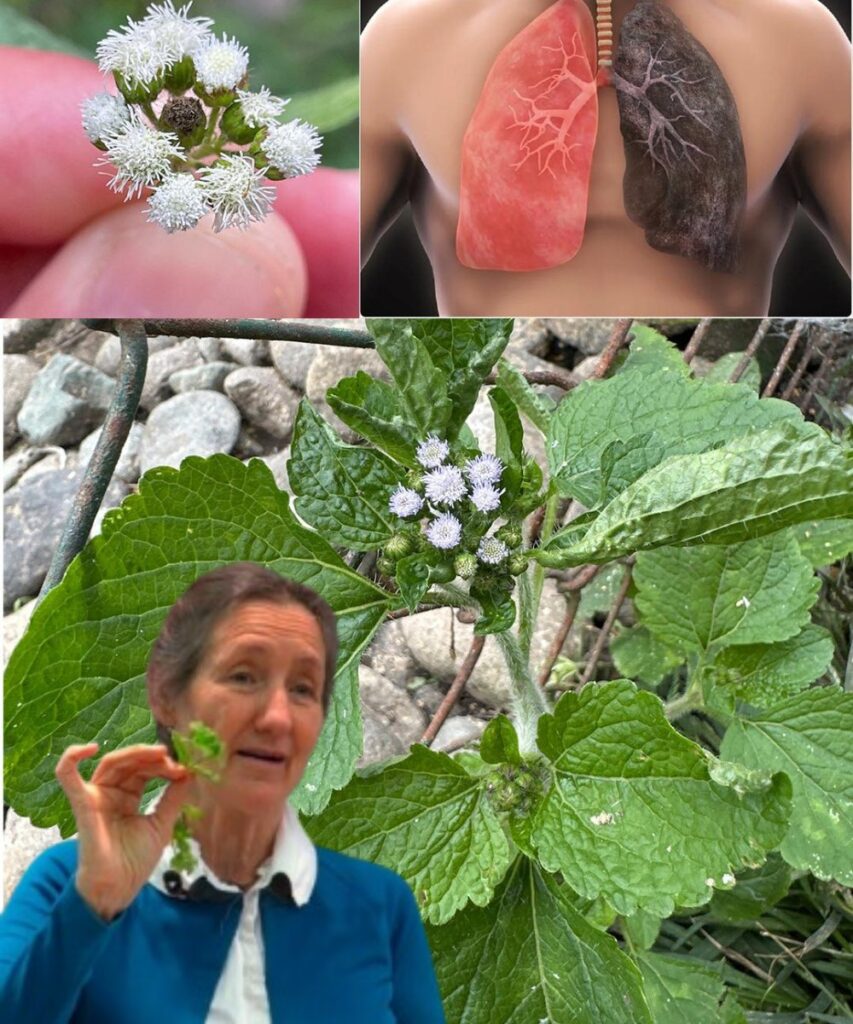
The Incredible Healing Power of Billygoat Weed (Ageratum conyzoides): 15 Health Benefits You Should Know About Billygoat weed, also known Read more

For gardening enthusiasts, it's a known fact that many plants thrive in humid and warm climates conducive to their growth. Read more

Using Baking Soda for Plant Care To care for your plants or your vegetable garden, have you considered the DIY Read more
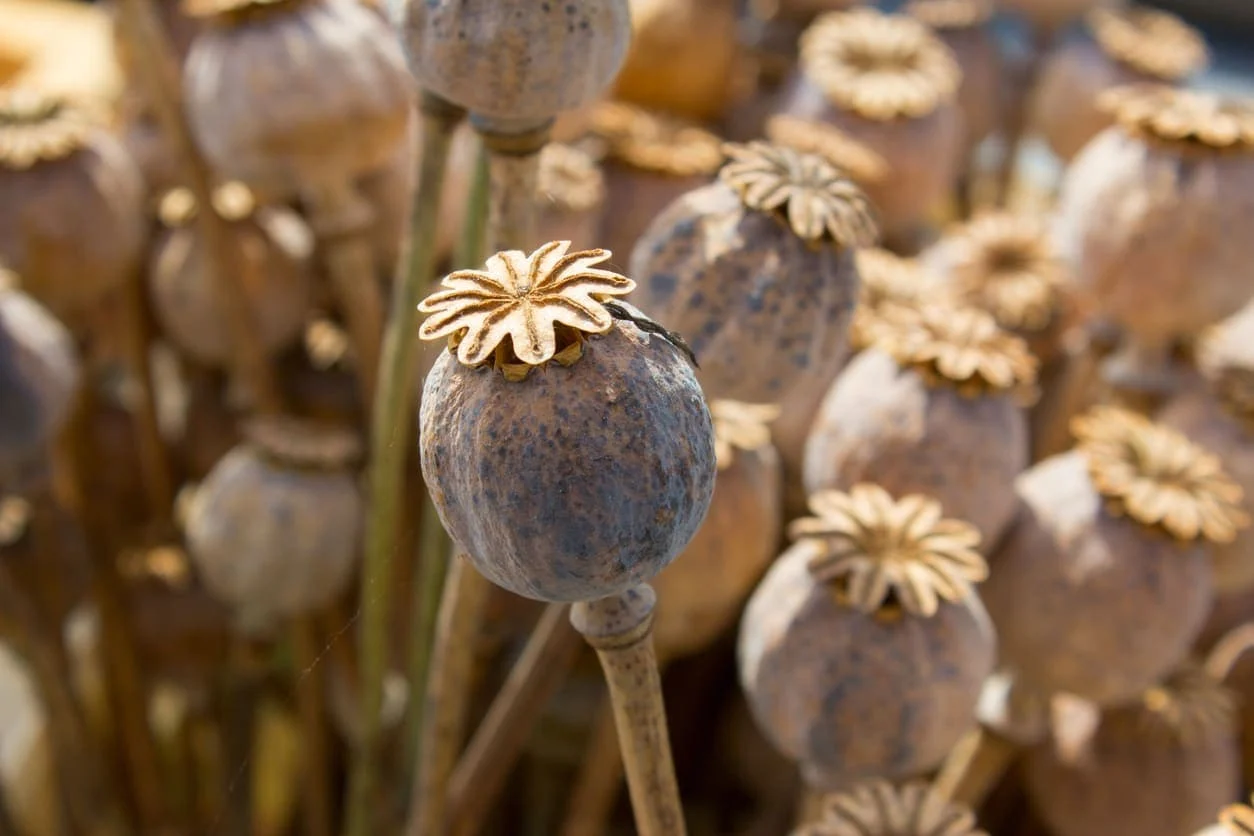
Self-Seeding Flowers: Effortless Beauty That Returns Every Year When I first fell in love with gardening, my mother came to Read more
