
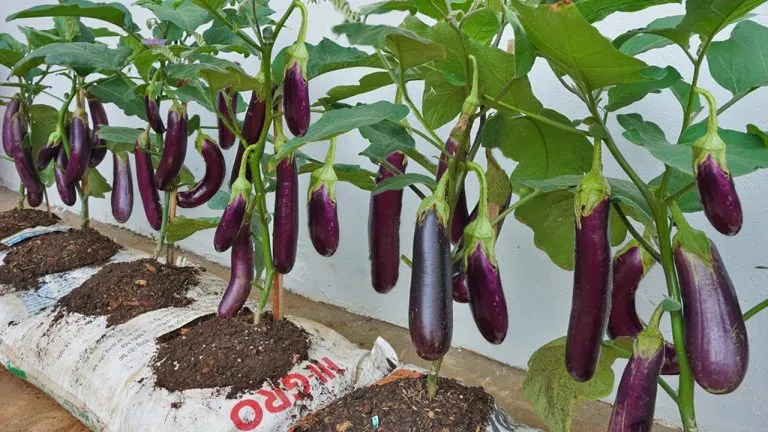
Exploring the World of Eggplants: A Gardener’s Guide
Eggplants, with their divisive nature, are often a subject of culinary debate. Some gardeners overlook them, while others can’t get enough of their unique, creamy texture when cooked just right.
These plants might have a reputation for being fickle, but a deeper understanding of their needs reveals a less daunting cultivation process. Perfect for garden beds or container gardening, eggplants bring a gourmet flair to your homegrown produce.
Originating from Asia and part of the nightshade family, which includes tomatoes and peppers, eggplants are actually fruits. Known globally as “aubergine” or “brinjal,” these plants are a favorite in many gardens around the world. If you haven’t tried growing them yet, this could be the year to start.
Thriving in Sun and Warmth
Eggplants love soaking up the sun. While they’re typically garden favorites, certain dwarf varieties are well-suited for pots. They flourish in long, sunny seasons, but shorter summers don’t necessarily spell disaster. Fast-maturing types, like the slender Japanese varieties, can produce an abundant harvest even in brief sunny periods.
Starting with Seeds
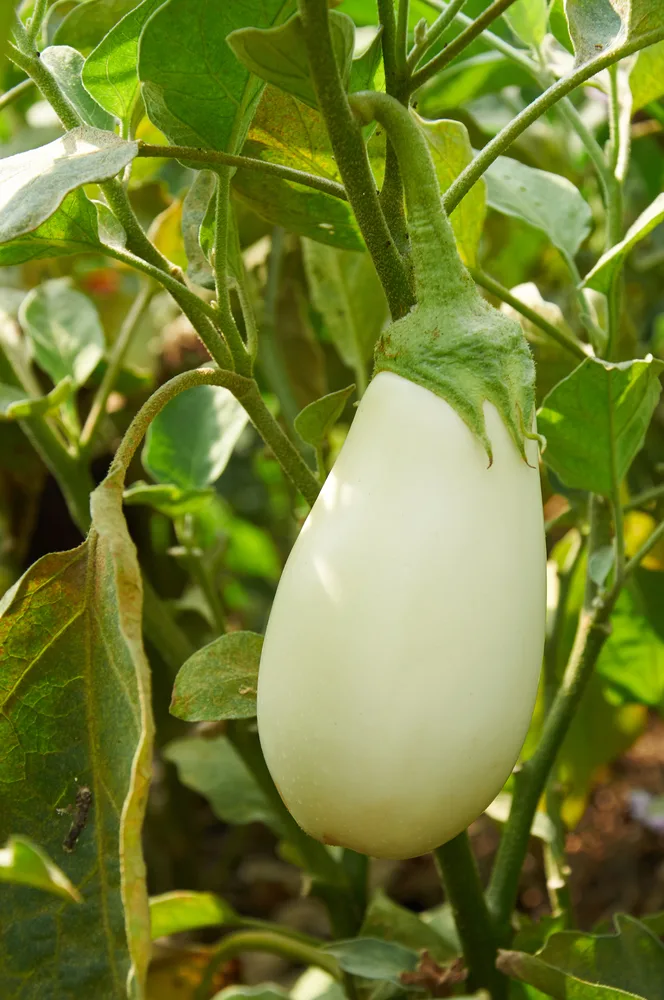
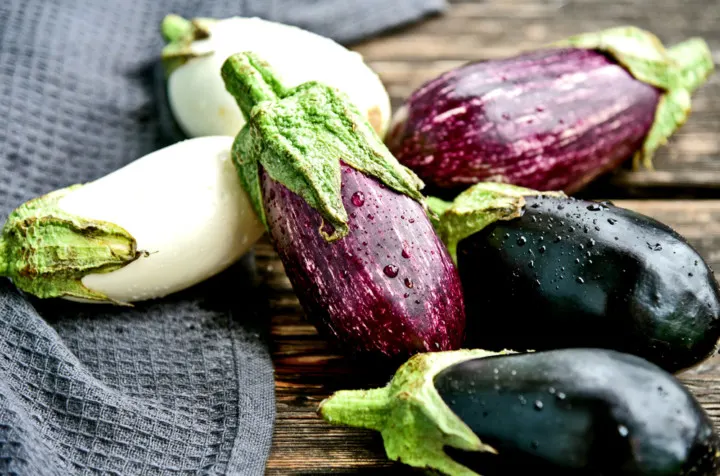
Venturing beyond the common Black Beauty variety opens a world of possibilities. Nurseries are increasingly stocking exotic and heirloom varieties, offering an exciting range for the curious gardener.
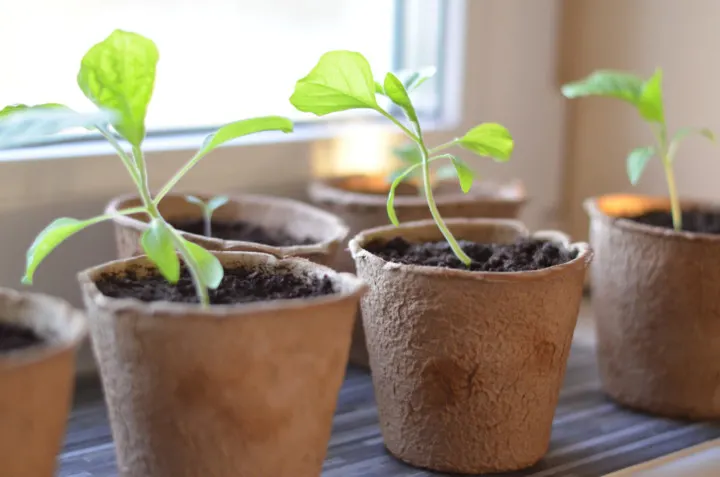
Begin by sowing seeds about 8-10 weeks before your planned outdoor transplanting time. Plant seeds a quarter-inch deep in individual pots, ensuring they receive 6-8 hours of sunlight daily, or use a grow light in darker environments.
Covering the pots with a dome helps maintain warmth and humidity until the seedlings grow to about 2 inches. Early staking can provide the necessary support for these young plants.
Timing the Transition
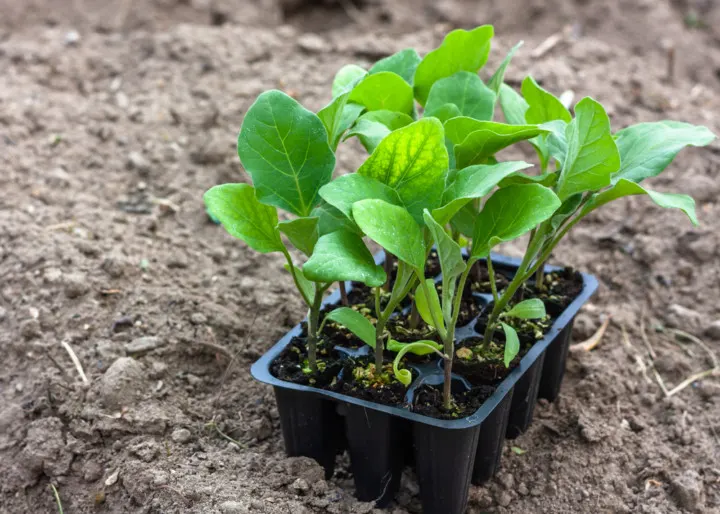
Wait until the threat of frost has passed and the soil has warmed up before transplanting eggplants outdoors. Use your local frost dates as a guide.
To jump-start the season, lay black landscape fabric on your garden soil to warm it up faster. Keep in mind, though, that planting a bit later can also help naturally control pests.
Before moving the plants outside permanently, they need to acclimate to outdoor conditions. Start by placing them indoors in a cooler, shaded spot, then gradually increase their outdoor exposure. Throughout this process, keep the soil moist to prevent drying out.
Soil Preferences and Nutrition
Eggplants prefer a neutral or slightly acidic soil, with pH levels between 5.5 and 7. Initially, feed the seedlings with a nitrogen-rich fertilizer. Once flowering begins, switch to a vegetable-specific fertilizer to encourage fruiting over foliage growth.
Eggplants also benefit from magnesium. A simple solution is to dissolve a tablespoon of Epsom salt in a gallon of water and use this mixture monthly. This is also beneficial for other nightshade plants like tomatoes and peppers.
Sunlight and Spacing
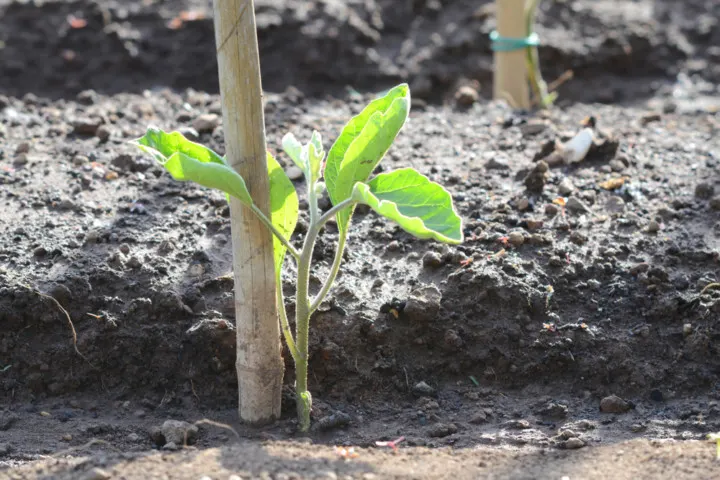
Eggplants need plenty of sunlight, so choose a location free from the shade of taller plants. Keep a distance of at least 18 inches between them and other plants.
While they get along with fellow nightshades, ensure they’re not overshadowed. Applying organic mulch around the base helps retain soil moisture. Dedicate a sunny spot in your garden exclusively for eggplants to see them flourish.
Container Gardening with Eggplants: A Guide for Small Spaces
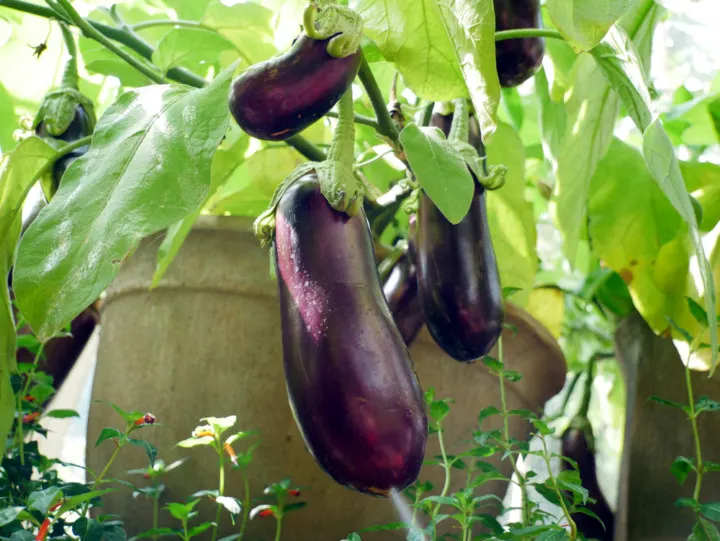
For those with limited garden space or a passion for container gardening, eggplants are an excellent choice. Varieties like Japanese or Asian eggplants are particularly well-suited for container life, offering rapid growth and disease resistance. Their thin-skinned, tender fruits are perfect for culinary uses, especially in stir-fries.
My gardening experience has shown that varieties like Fairytale, Bambino, and white eggplants are also great for container gardening. Opt for large containers – at least 5 gallons in size. A mixture of potting soil, sand, and compost creates the perfect growing medium. Ensure your container has good drainage.
Support structures are crucial for potted eggplants. Cages or stakes help support the growing plants and prevent branches from breaking. Regular fertilization and frequent watering, sometimes daily, are essential for the health of container-grown eggplants.
Hand-Pollinating for Better Yields
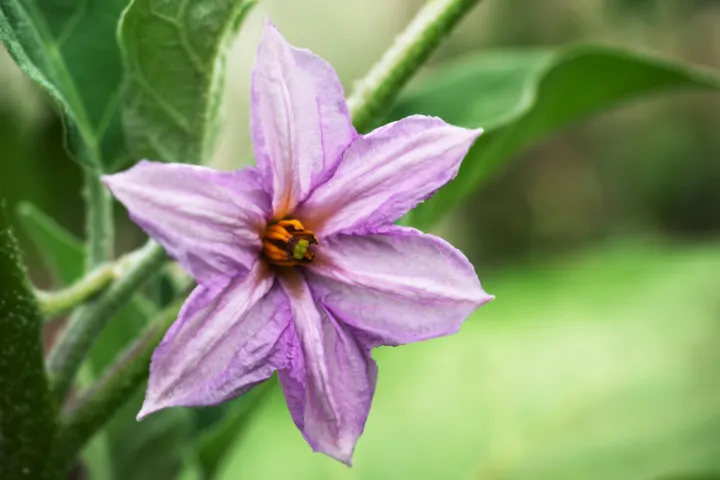
With the decline in bee populations, hand-pollination can become necessary. Use a soft brush to gently transfer pollen from the stamen, or use a battery-operated toothbrush to simulate the vibrations of a bee, encouraging pollen release.
Strategic Pruning for Healthier Plants
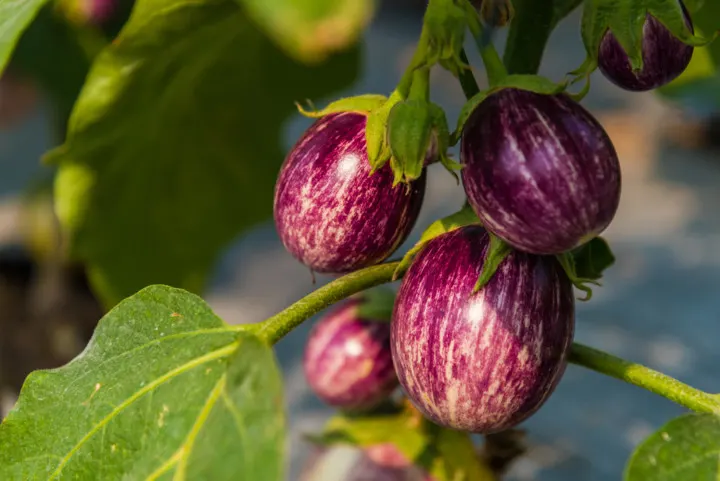
Pruning is key to a plentiful harvest. Start pruning once the first flower appears. Remove any growth below the branching point to focus the plant’s energy on upward growth.
Regularly prune emerging suckers and yellow leaves throughout the growing season to channel the plant’s resources into fruiting.
Overcoming Gardening Challenges
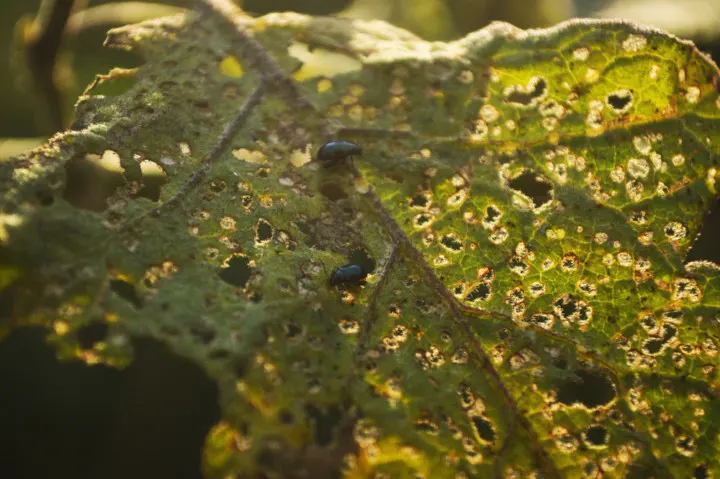
Consistent watering is vital to prevent yellow leaves and sparse fruiting, especially for eggplants in containers.
Flea beetles, common pests of eggplants, can be deterred by tilling the garden after the season ends and using landscape fabric to prevent larvae development. Planting radishes nearby can also distract these pests.
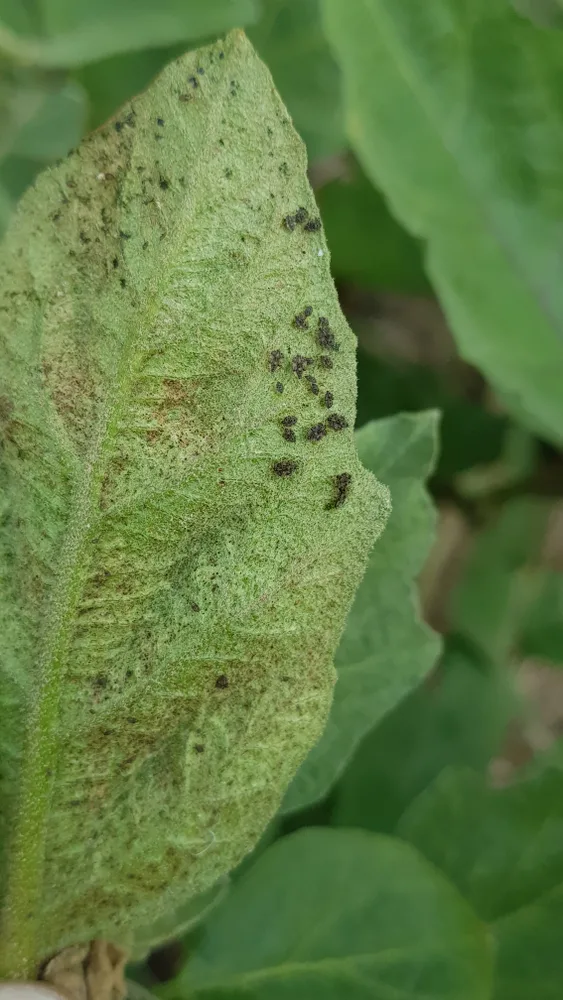
Lace bugs are another threat to eggplants. Removing leaves affected by these pests can help control their population.
Harvesting Your Eggplants
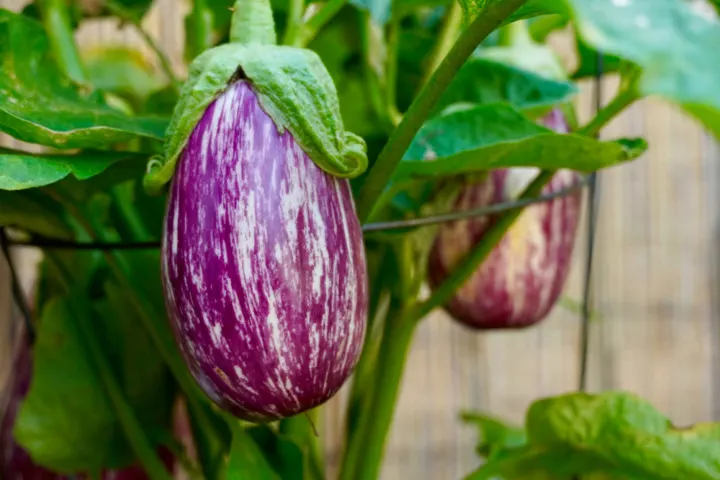
Eggplants are typically ready to harvest 65-80 days after transplantation. However, size is an important indicator of readiness – it’s best to harvest when they are about 4-6 inches long, as oversized eggplants can become bitter. For the best flavor, cook them soon after harvesting.
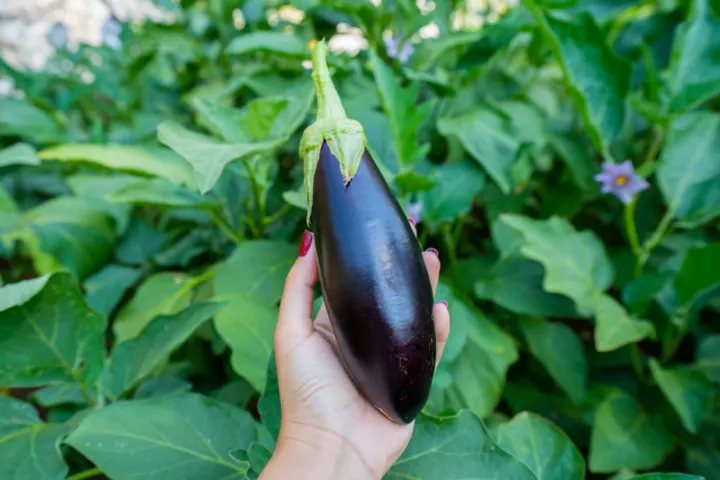
With proper care, your eggplants can continue producing fruits until the first frost.
While growing eggplants might require some extra attention, the reward of fresh, homegrown produce is definitely worth the effort. Their unique flavors and versatility in the kitchen make them a valuable addition to any container garden.

How to Reuse Barbecue Ashes After enjoying a barbecue outdoors on a sunny day, the tendency is often to discard Read more

Orchids, celebrated for their intricate beauty and variety, need particular attention for optimal growth. In the realm of orchid care, Read more

Growing avocados can be a gratifying experience, especially when you cultivate them right in your backyard. While starting avocados from Read more
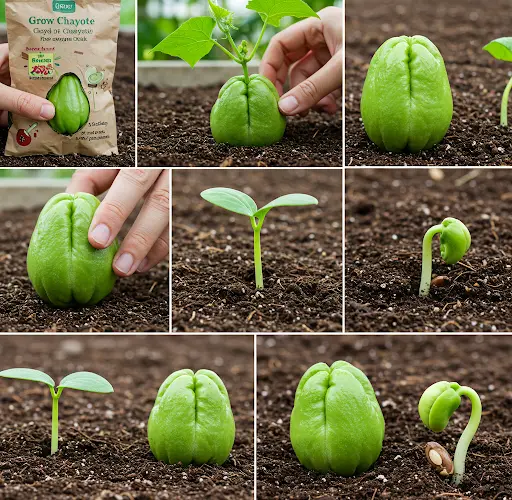
Growing Chayote from Supermarket Fruit: Abundant Harvests Made Easy If you've ever strolled through the produce aisle and spotted a Read more

Bananas are a delightful treat, but their peels can be a garden's treasure. Rather than discarding banana peels into compost, Read more

Introducing 15 Health-Enhancing Indoor Plants for a Vibrant Home Oasis Embrace a selection of indoor plants that bring more than Read more

Tea, the staple of morning routines and afternoon breaks, may have a second life beyond the cup that's often ignored. Read more

Wild Medicinal Plants: Harnessing the Hidden Virtues of Earth’s Greenery In the wilderness of our environment—ranging from the expanse of Read more

Understanding Fertilizers for Plants Fertilizer is a product that can be spread or mixed into the soil to provide plants Read more

Gardening: The Harmony of Craft and Nature Gardening brings out a dance between human creativity and the wonders of nature. Read more

If you don't often get the chance to rejuvenate in the midst of nature, there's an alternative: introducing plants to Read more

Insect-Repelling Greenery: Your Natural Home Defense Transform your home into a sanctuary free from the annoyance of insects such as Read more

In the culinary world, garlic is a staple ingredient that is hard to do without. Cultivating it benefits many plants Read more

Get a Head Start on Your Garden: Indoor Sowing for Colder Climates There's no need to wait for spring's embrace Read more
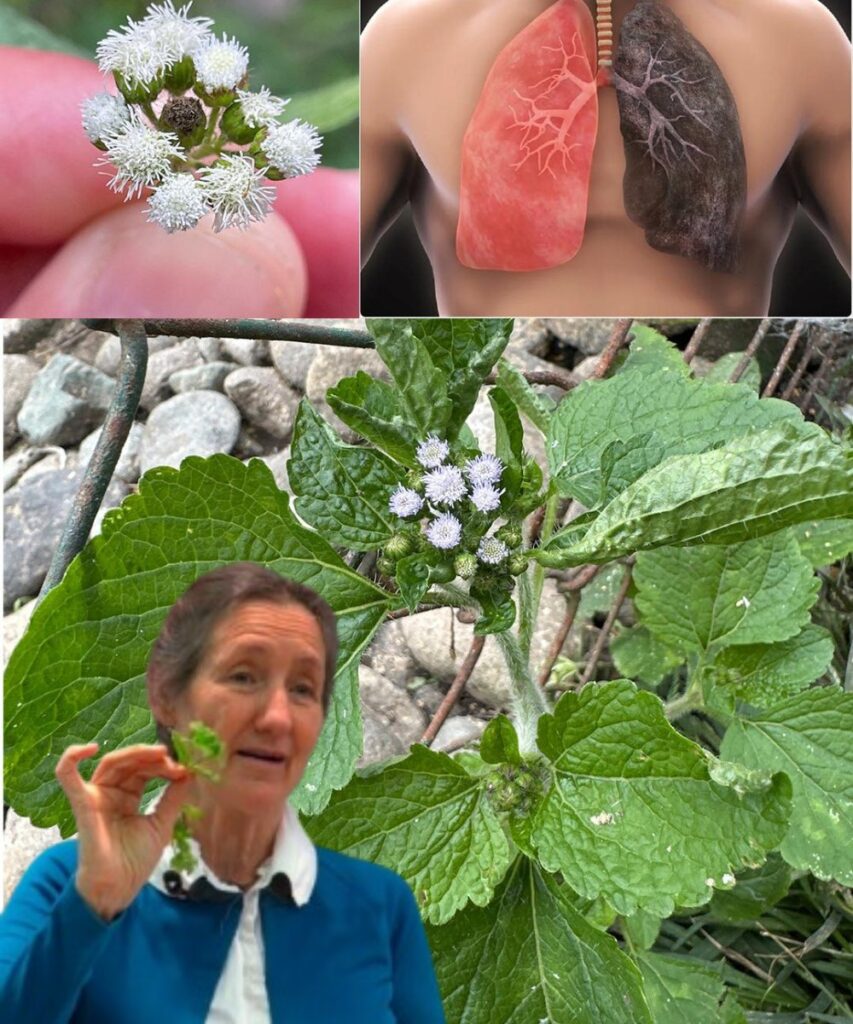
The Incredible Healing Power of Billygoat Weed (Ageratum conyzoides): 15 Health Benefits You Should Know About Billygoat weed, also known Read more

Transforming Garlic Peels into Gold for Gardeners: In the rhythm of kitchen prep, garlic peels are often discarded without a Read more

Orchids, with their array of species and hybrids exceeding 25,000, stand as a testament to botanical beauty. Cultivators and hobbyists Read more

Indoor Plants: A Decorative Air Purifier Indoor plants have become an essential part of modern decor, increasingly sought-after to greenify Read more
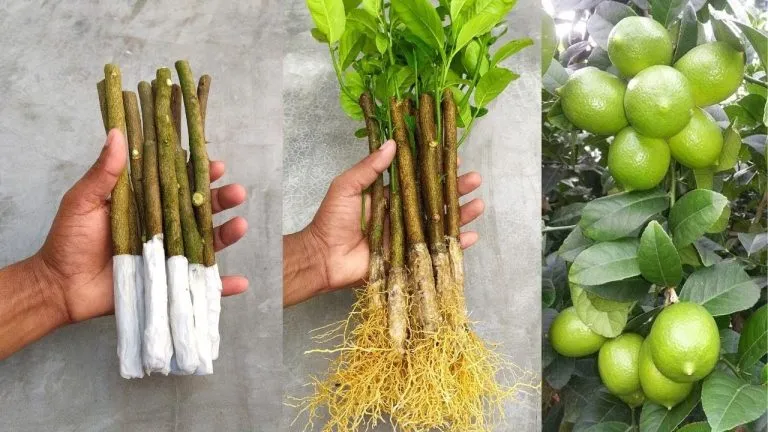
Cultivating lemon trees in your garden or home brings not only visual charm but also the practical advantage of homegrown Read more

Orchids are renowned for their stunning blooms and are a favorite among indoor plant enthusiasts. However, getting these temperamental beauties Read more

Navigating Aloe Vera Care: Bypassing Usual Oversights Aloe vera, celebrated for its therapeutic properties and eye-catching demeanor, is occasionally compromised Read more

Orchids, with a staggering 28,000 unique species, beautifully demonstrate nature's rich tapestry of diversity. Originating from the Orchidaceae lineage, these Read more
Self-Seeding Flowers: Effortless Beauty That Returns Every Year When I first fell in love with gardening, my mother came to Read more

Neem oil is a completely natural product, derived from a plant native to India. It contains azadirachtin, a potent compound Read more

Cultivating Zucchini in Containers: A Comprehensive Guide Zucchini is a popular vegetable for gardening aficionados and novices alike. It's simple Read more
Indoor Plants and Their Benefits Indoor plants not only enhance the decor but also bring a touch of lush greenery. Read more

Different perspectives exist on various aspects of nature, and this holds true for the dandelion, often dismissed as a mere Read more

Using White Vinegar for Garden Maintenance Gardening is never an easy task. Planting, weeding, and watering plants and flowers require Read more

In this exploration, we uncover eight homemade, natural solutions that act as effective rooting agents for plant propagation through cuttings. Read more

Turmeric is a staple ingredient in Asian cuisine. This vibrant yellow spice, often used to flavor curries and stews, is Read more

Excessive moisture within a house can arise due to capillary action, infiltration, or the phenomenon of condensation. The latter is Read more

Caring for orchids, known for their exquisite and delicate nature, involves a precise approach to hydration. Orchids differ from typical Read more

Mastering Chilli Cultivation in Diverse Climates: A Detailed Guide It may seem unlikely, but growing chillies across different climates is Read more

Unlocking the Flowering Potential of Anthuriums Anthuriums are renowned for their stunning, heart-shaped blooms which, under ideal conditions, can grace Read more
Unlocking the Mystery of the Festive Cactus The festive cactuses often baffle indoor gardeners. There's a lingering myth that these Read more
Easy Clove Growing: From Seed to Spice – A Beginner’s Guide Cloves are among the most treasured spices in the Read more
Deadly Nightshade (Atropa belladonna): The Mysterious and Dangerous Plant with a Dark Legacy At first glance, Deadly Nightshade (Atropa belladonna) Read more

Cultivating an Avocado Plant Indoors: A Step-by-Step Guide Nurturing an avocado seed into a blossoming plant within the confines of Read more

Using Baking Soda for Plant Care To care for your plants or your vegetable garden, have you considered the DIY Read more

Lavender, a charming addition to any garden, is known for its enchanting aroma and vibrant purple hues. This plant comes Read more
