

Excessive moisture within a house can arise due to capillary action, infiltration, or the phenomenon of condensation. The latter is the only aspect over which home dwellers can quickly act by modifying certain habits. Some plants are especially effective in combating this moisture. These plants absorb the humidity and prevent mold formation.
Humidity can manifest as fog on windows or damp walls. Besides wall damage, a very humid environment can lead to mold growth. However, certain indoor plants can reduce condensation and serve as a treatment against humidity.
Why Does Condensation Occur in Homes?
When the water vapor present in the surrounding air comes into contact with cold surfaces, condensation forms, turning the vapor into water. This results in fine droplets appearing on these surfaces. Condensation issues can arise in both new and old construction materials. Human activities, such as taking a hot shower, breathing, sweating, or cooking food in the kitchen, can raise the humidity level. This humidity level in the air is known as hygrometry. Consequently, water vapor ends up condensing, leading to moisture problems within living spaces.
What Factors Encourage Condensation Issues?
Several elements can promote the occurrence of condensation. Poor home ventilation, inadequate ventilation, a fault in the ventilation system, improper insulation, or a transition from warm to cold air are potential causes contributing to a house’s condensation problems.
Understanding the Impact of Condensation and How Indoor Plants Can Help
Consequences of Condensation Issues:
Condensation, resulting from the cooling of warm and moist air, can manifest as moisture marks on walls, ceilings, and mirrors. The repercussions? Mold spots appear on walls, paint begins to peel, and wallpaper loosens. Beyond its unsightly appearance, mold can pose health risks for the inhabitants. Indeed, these microscopic fungi multiply and can release spores and mycotoxins. These toxic substances can irritate respiratory pathways, leading to asthma, rhinitis, or bronchitis.
Indoor Plants for Air Dehumidification:
To regulate the humidity level in the air and combat mold, certain indoor plants are particularly effective. Operating like a dehumidifier, these green plants help sanitize damp rooms and fight against mold odors and stains.
1. Cacti:

Cacti can absorb ambient moisture and combat the presence of humidity in homes. These indoor plants are easy to care for and only need occasional watering.
2. Boston Fern:
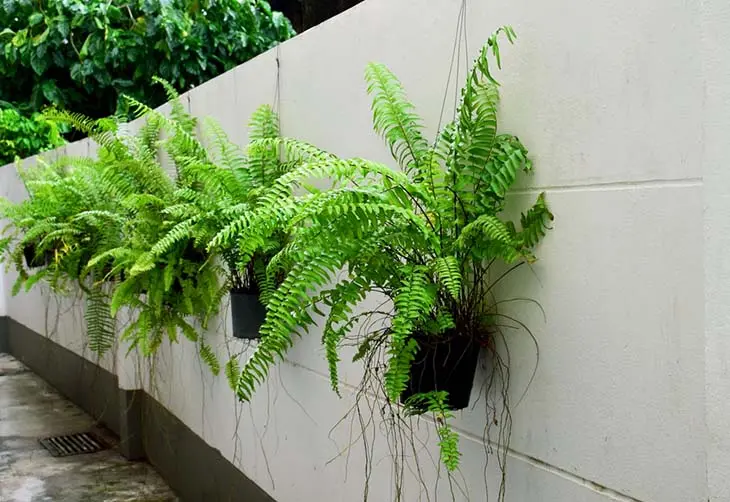
The Boston fern is a tropical plant that aids in eliminating airborne moisture. For its optimal growth, its soil should remain moist. Place this plant in a bright location but shielded from direct sunlight.
3. Orchids:
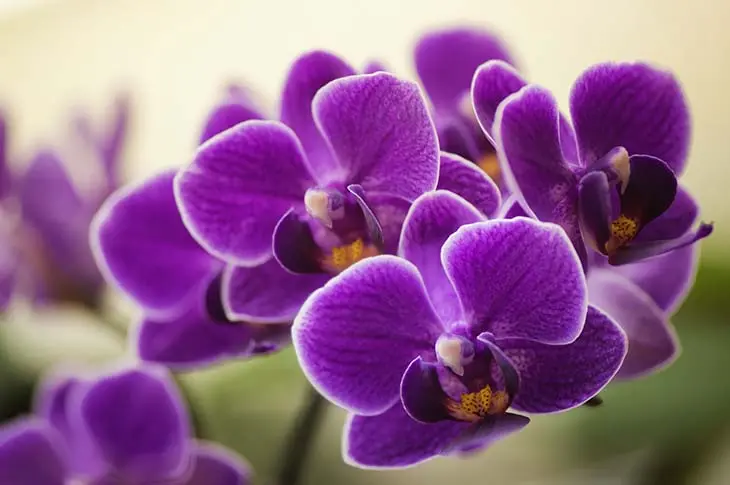
Widely loved, orchids have roots capable of capturing ambient humidity. Position your plant in a well-lit room away from direct sunlight and moisten it once a week.
4. Tillandsia:
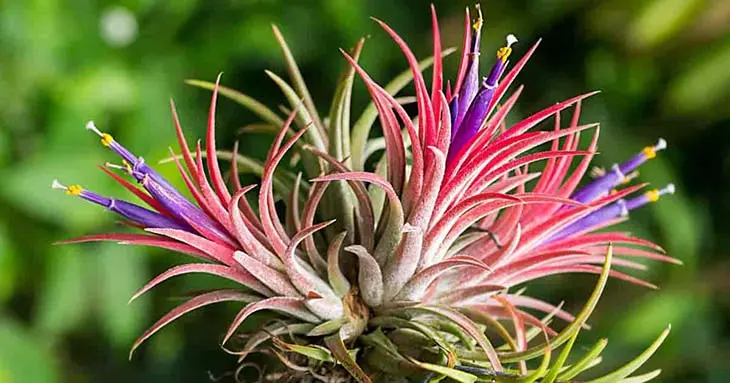
Also known as “air plant”, tillandsia traps moisture in its leaves. Place your plant in a bright room protected from sunlight and use lime-free water once a week to moisten it.
5. Spathiphyllum:

Spathiphyllum is a tropical plant that reduces a home’s humidity level with its leaves. To allow it to thrive, place the plant in a well-lit location without exposing it directly to sunlight. Regularly water it for maintenance.

The Importance and Care of House Plants House plants not only serve as a significant decorative element but also play Read more

Caring for orchids, known for their exquisite and delicate nature, involves a precise approach to hydration. Orchids differ from typical Read more

Unlocking the Flowering Potential of Anthuriums Anthuriums are renowned for their stunning, heart-shaped blooms which, under ideal conditions, can grace Read more

Cultivating Zucchini in Containers: A Comprehensive Guide Zucchini is a popular vegetable for gardening aficionados and novices alike. It's simple Read more

Lavender, a charming addition to any garden, is known for its enchanting aroma and vibrant purple hues. This plant comes Read more

Growing avocados can be a gratifying experience, especially when you cultivate them right in your backyard. While starting avocados from Read more
Deadly Nightshade (Atropa belladonna): The Mysterious and Dangerous Plant with a Dark Legacy At first glance, Deadly Nightshade (Atropa belladonna) Read more
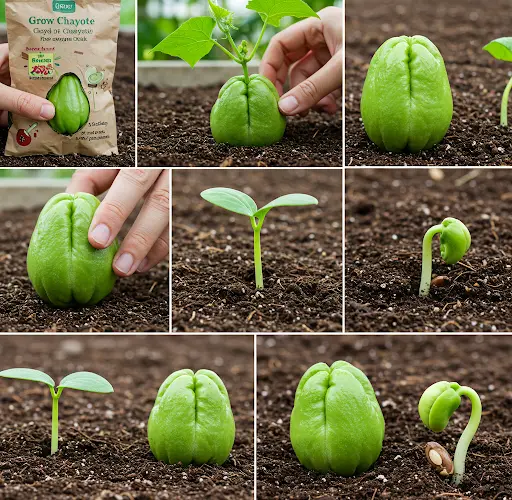
Growing Chayote from Supermarket Fruit: Abundant Harvests Made Easy If you've ever strolled through the produce aisle and spotted a Read more
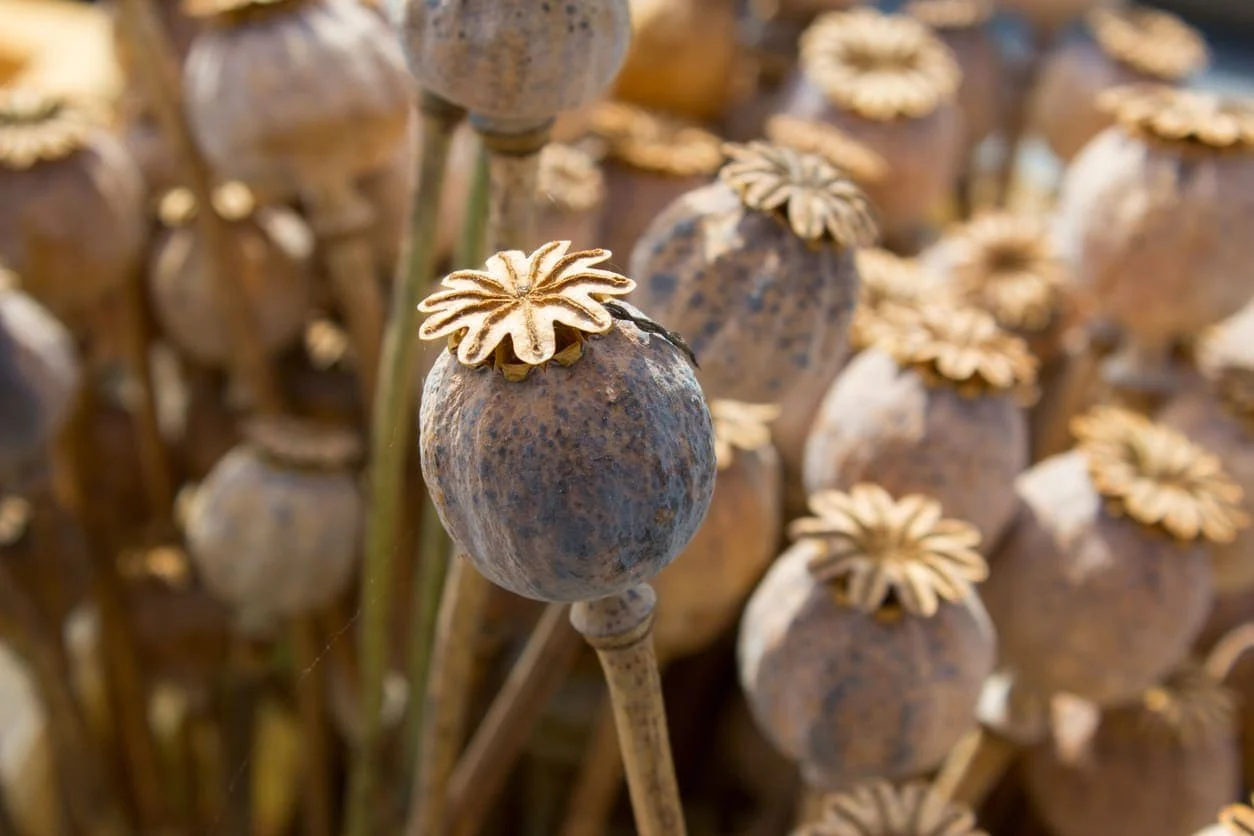
Self-Seeding Flowers: Effortless Beauty That Returns Every Year When I first fell in love with gardening, my mother came to Read more

For gardening enthusiasts, it's a known fact that many plants thrive in humid and warm climates conducive to their growth. Read more

Transforming Garlic Peels into Gold for Gardeners: In the rhythm of kitchen prep, garlic peels are often discarded without a Read more

Wild Medicinal Plants: Harnessing the Hidden Virtues of Earth’s Greenery In the wilderness of our environment—ranging from the expanse of Read more

Bananas are a delightful treat, but their peels can be a garden's treasure. Rather than discarding banana peels into compost, Read more

Orchids, celebrated for their intricate beauty and variety, need particular attention for optimal growth. In the realm of orchid care, Read more
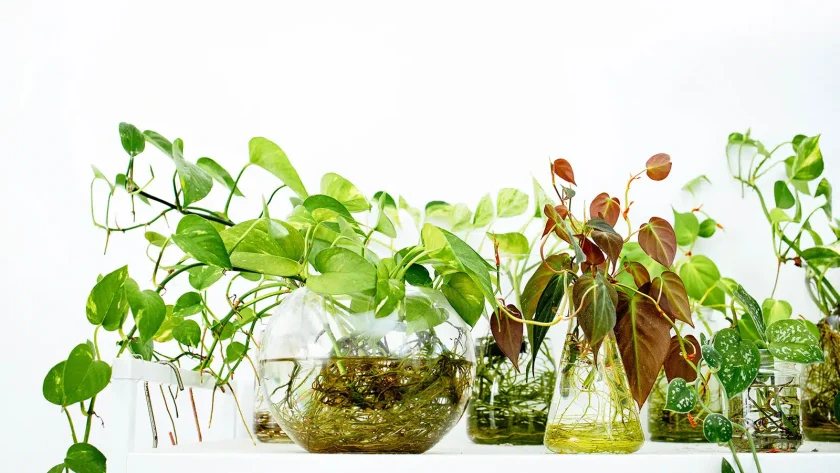
Searching for a distinctive method to incorporate some foliage into your home or workplace? Try cultivating plants hydroponically! Not only Read more

Navigating Aloe Vera Care: Bypassing Usual Oversights Aloe vera, celebrated for its therapeutic properties and eye-catching demeanor, is occasionally compromised Read more

How to Reuse Barbecue Ashes After enjoying a barbecue outdoors on a sunny day, the tendency is often to discard Read more

Turmeric is a staple ingredient in Asian cuisine. This vibrant yellow spice, often used to flavor curries and stews, is Read more

Neem oil is a completely natural product, derived from a plant native to India. It contains azadirachtin, a potent compound Read more
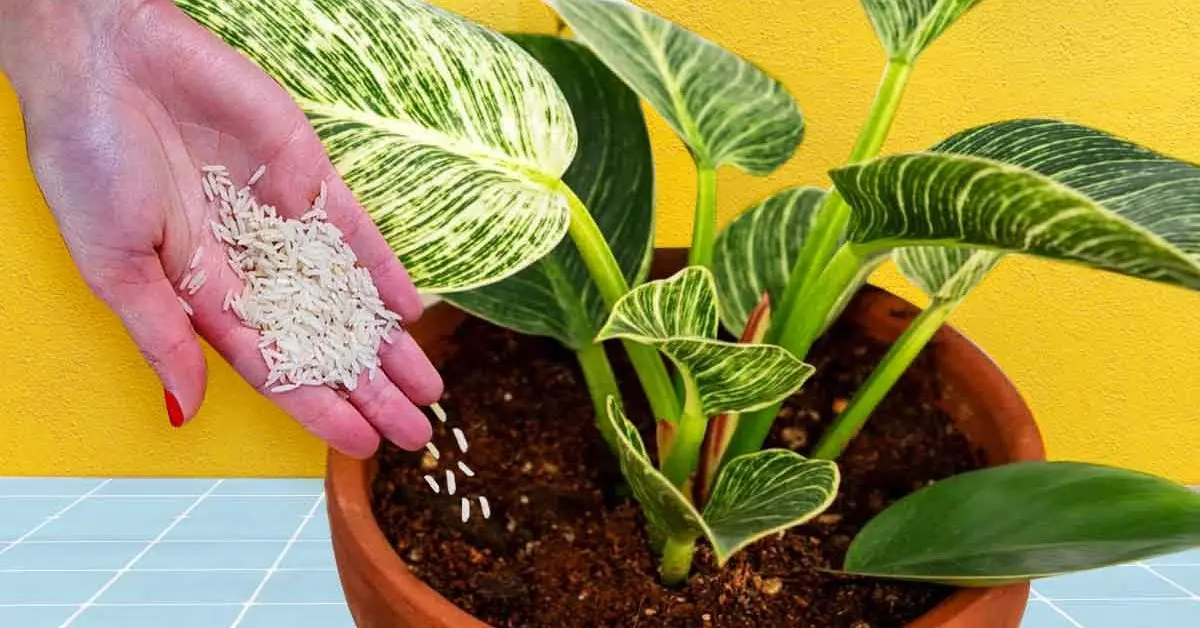
Indoor Plants and Their Benefits Indoor plants not only enhance the decor but also bring a touch of lush greenery. Read more
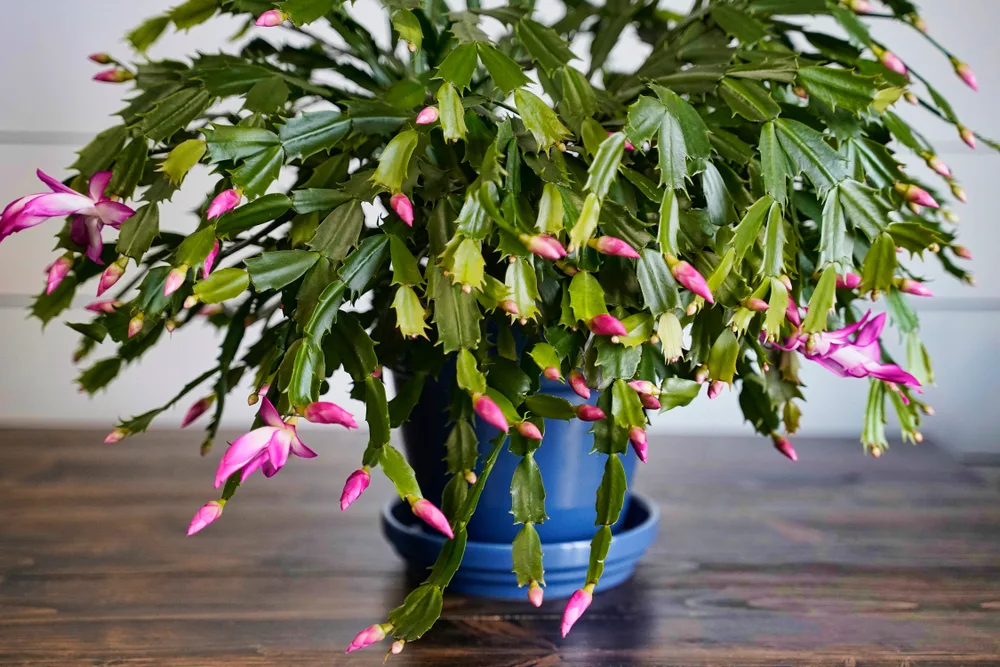
Unlocking the Mystery of the Festive Cactus The festive cactuses often baffle indoor gardeners. There's a lingering myth that these Read more
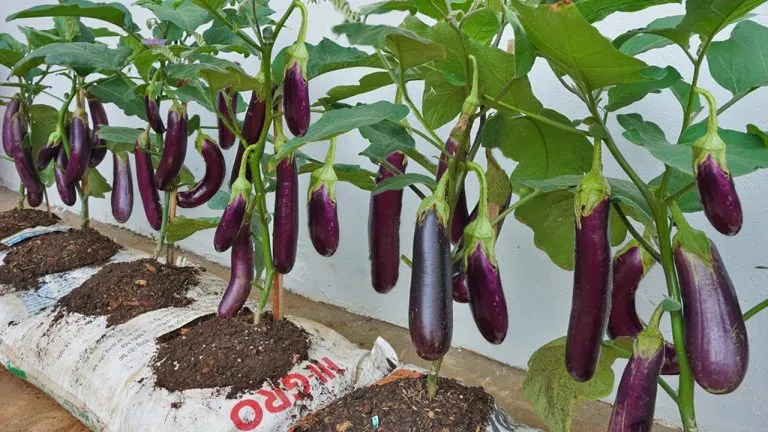
Exploring the World of Eggplants: A Gardener's Guide Eggplants, with their divisive nature, are often a subject of culinary debate. Read more

Mastering Chilli Cultivation in Diverse Climates: A Detailed Guide It may seem unlikely, but growing chillies across different climates is Read more

Introducing 15 Health-Enhancing Indoor Plants for a Vibrant Home Oasis Embrace a selection of indoor plants that bring more than Read more
Easy Clove Growing: From Seed to Spice – A Beginner’s Guide Cloves are among the most treasured spices in the Read more

Get a Head Start on Your Garden: Indoor Sowing for Colder Climates There's no need to wait for spring's embrace Read more

Using White Vinegar for Garden Maintenance Gardening is never an easy task. Planting, weeding, and watering plants and flowers require Read more
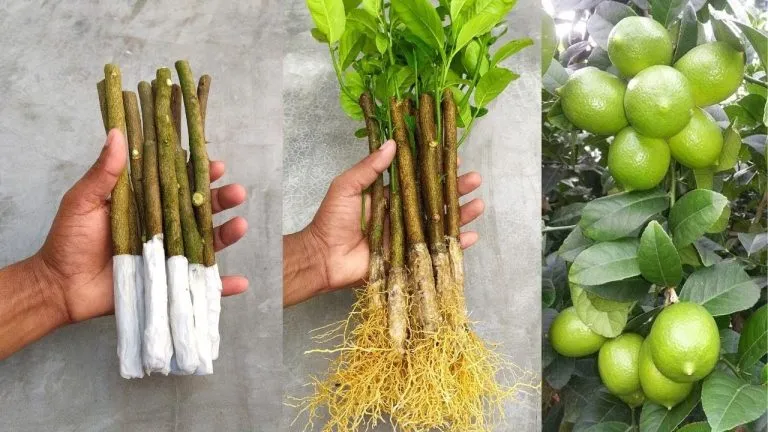
Cultivating lemon trees in your garden or home brings not only visual charm but also the practical advantage of homegrown Read more

Tea, the staple of morning routines and afternoon breaks, may have a second life beyond the cup that's often ignored. Read more

Orchids, with their array of species and hybrids exceeding 25,000, stand as a testament to botanical beauty. Cultivators and hobbyists Read more

Different perspectives exist on various aspects of nature, and this holds true for the dandelion, often dismissed as a mere Read more

In this exploration, we uncover eight homemade, natural solutions that act as effective rooting agents for plant propagation through cuttings. Read more

In the culinary world, garlic is a staple ingredient that is hard to do without. Cultivating it benefits many plants Read more

Using Baking Soda for Plant Care To care for your plants or your vegetable garden, have you considered the DIY Read more

Understanding Fertilizers for Plants Fertilizer is a product that can be spread or mixed into the soil to provide plants Read more

The Curious Case of Tomato Slices: A Journey from Kitchen Scrap to Sprout As someone always game for a gardening Read more

If you don't often get the chance to rejuvenate in the midst of nature, there's an alternative: introducing plants to Read more
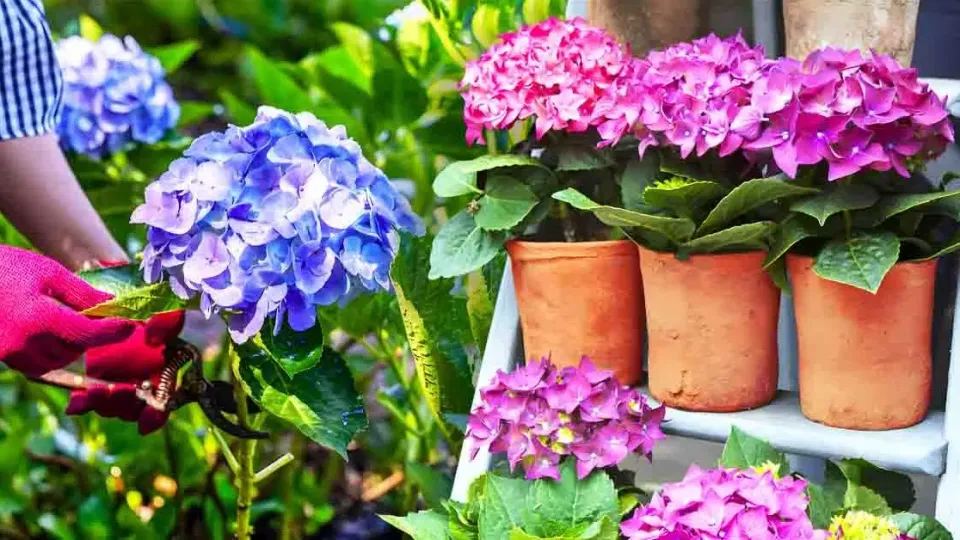
Hydrangeas, with their breathtaking blooms, stand out as one of the most enchanting deciduous flowering bushes. If you've wandered through Read more

Orchids are renowned for their stunning blooms and are a favorite among indoor plant enthusiasts. However, getting these temperamental beauties Read more

The Wonders of Blueberries: A Guide to Growing and Enjoying This Nutrient-Rich Fruit Mildly sweet, the blueberry is a dark Read more
