
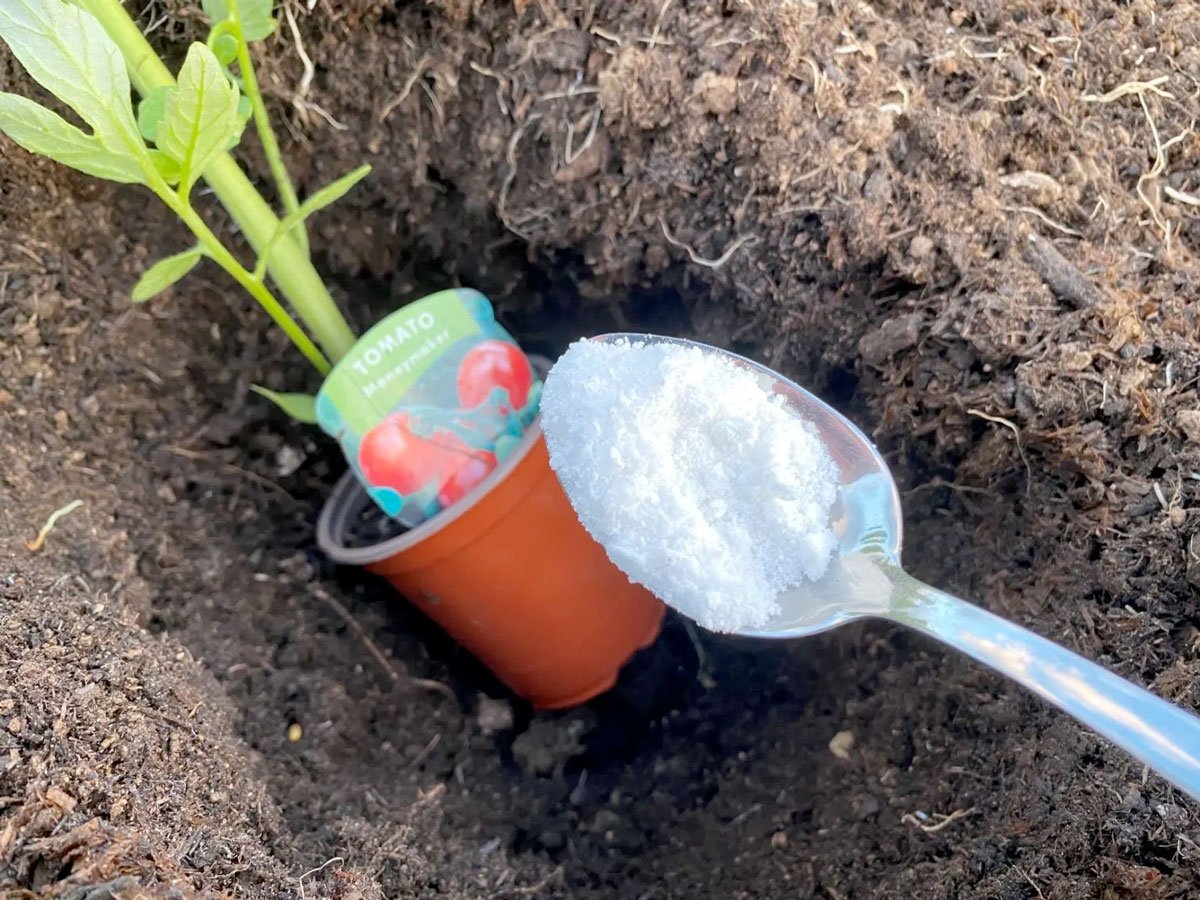
When it comes to gardening, enthusiasts are always eager to discover effective and affordable methods to boost plant growth and health. One remarkable and often overlooked substance gaining attention among gardeners is Epsom salt. Though commonly known for its use in relaxing baths, Epsom salt—chemically magnesium sulfate—offers many surprising benefits specifically for tomato plants. In this article, we will delve into the incredible effects Epsom salt has on tomato plants.
Promotes Nutrient Absorption:

Epsom salt is rich in magnesium, an essential nutrient critical for chlorophyll production. Chlorophyll is the pigment responsible for the lush green color in plants and plays an indispensable role in photosynthesis, the process through which plants convert sunlight into energy. By introducing Epsom salt to the soil, tomato plants can absorb magnesium more effectively, enhancing their capacity to harness sunlight and produce energy. This leads to healthier plants that are more vigorous and productive.
Enhances Nutrient Uptake:

Beyond supporting chlorophyll, magnesium facilitates the uptake of other essential nutrients such as nitrogen, phosphorus, and potassium. These elements are fundamental to various stages of plant development, including growth, flowering, and fruit formation. Acting as a natural fertilizer enhancer, Epsom salt ensures tomato plants receive sufficient amounts of these critical nutrients. The result is sturdier stems, larger and more robust leaves, and ultimately, a greater yield of flavorful tomatoes.
Prevents Nutrient Deficiencies:

Tomato plants often suffer from magnesium deficiency, which presents as yellowing leaves with green veins—a condition that can severely hamper plant health. Supplying magnesium through Epsom salt helps prevent and correct this deficiency, encouraging lush green foliage and optimal vitality. Magnesium shortages can also contribute to blossom end rot, a damaging disorder that results in dark, sunken spots at the bottoms of tomatoes. Regularly applying Epsom salt can reduce the incidence of this troublesome problem.
Improves Soil Quality:

Besides supporting the plants directly, Epsom salt enhances overall soil quality. It helps to loosen compacted soil, which facilitates better root penetration and improves water drainage. Additionally, Epsom salt works to balance the soil’s pH level, creating a more suitable environment that nurtures tomato plant growth. By enriching the soil’s structure and chemistry, Epsom salt fosters healthier root systems—crucial for efficient nutrient uptake and sustained plant development.
Increases Fruit Quality and Flavor:

Gardeners who seek to enhance the flavor and overall quality of their tomato harvest will find Epsom salt particularly beneficial. Magnesium facilitates the production of natural sugars within the plant, producing tomatoes that are sweeter and more flavorful. Moreover, the improved nutrient absorption fostered by Epsom salt often results in fruits that are plumper, juicier, and exhibit richer color and texture.

It is essential to remember that despite its many benefits, Epsom salt should be used judiciously. Over-application can disturb nutrient balances and potentially harm the plants. A practical recommendation is to dissolve one to two tablespoons of Epsom salt in a gallon of water and apply this solution at the base of the tomato plants every two to four weeks during the growing season.
Epsom salt is a remarkable natural supplement for tomato plants, offering a variety of benefits that support their growth, health, and productivity. From fostering the absorption and uptake of nutrients to preventing deficiencies and enhancing fruit quality, this humble mineral salt proves to be an invaluable ally for tomato gardeners. Incorporating this simple and cost-effective remedy into your gardening routine can help you achieve a bountiful harvest of delicious, vibrant tomatoes, while appreciating the wonders of nature’s own solutions.

Introducing 15 Health-Enhancing Indoor Plants for a Vibrant Home Oasis Embrace a selection of indoor plants that bring more than Read more

Turmeric is a staple ingredient in Asian cuisine. This vibrant yellow spice, often used to flavor curries and stews, is Read more

Neem oil is a completely natural product, derived from a plant native to India. It contains azadirachtin, a potent compound Read more
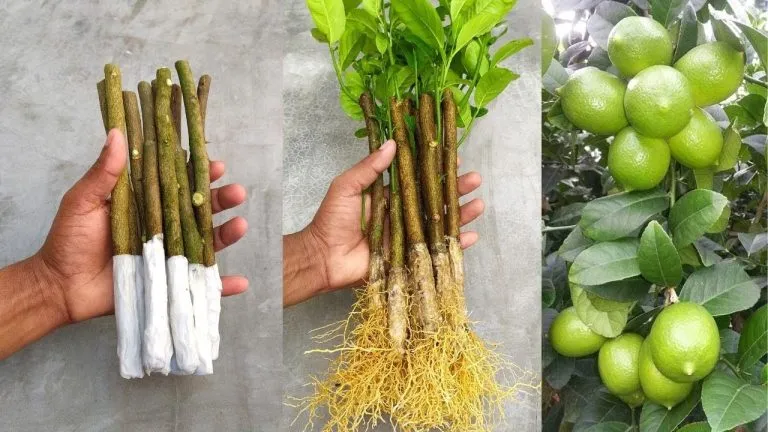
Cultivating lemon trees in your garden or home brings not only visual charm but also the practical advantage of homegrown Read more

Different perspectives exist on various aspects of nature, and this holds true for the dandelion, often dismissed as a mere Read more

Bananas are a delightful treat, but their peels can be a garden's treasure. Rather than discarding banana peels into compost, Read more
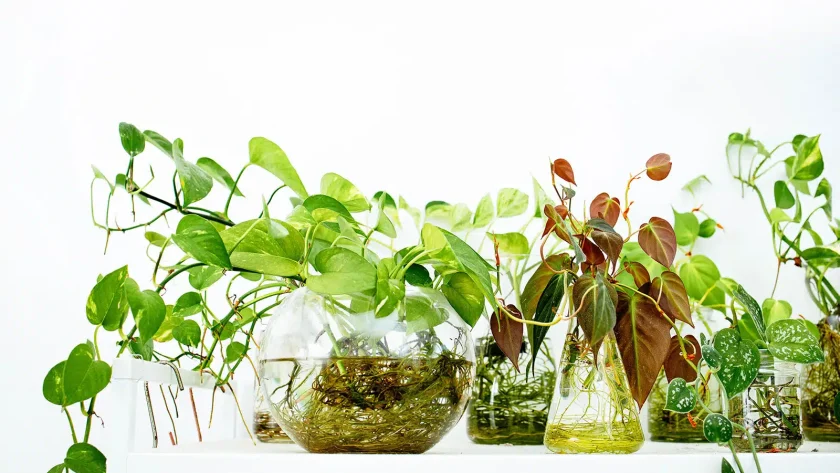
Searching for a distinctive method to incorporate some foliage into your home or workplace? Try cultivating plants hydroponically! Not only Read more
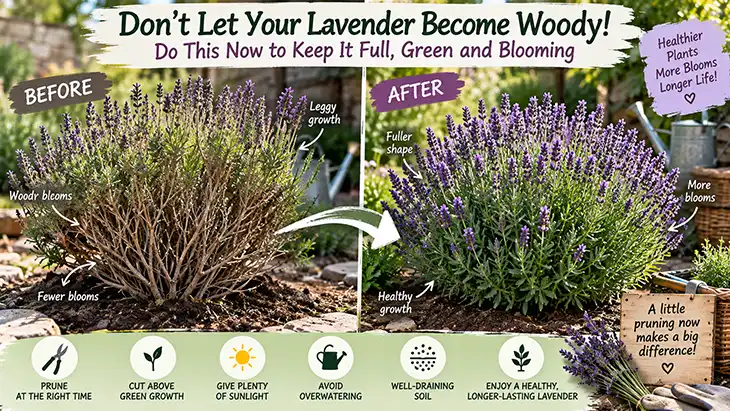
When lavender plants are young, they often present an almost perfect image: a compact shrub with silvery-green foliage, a delightful Read more
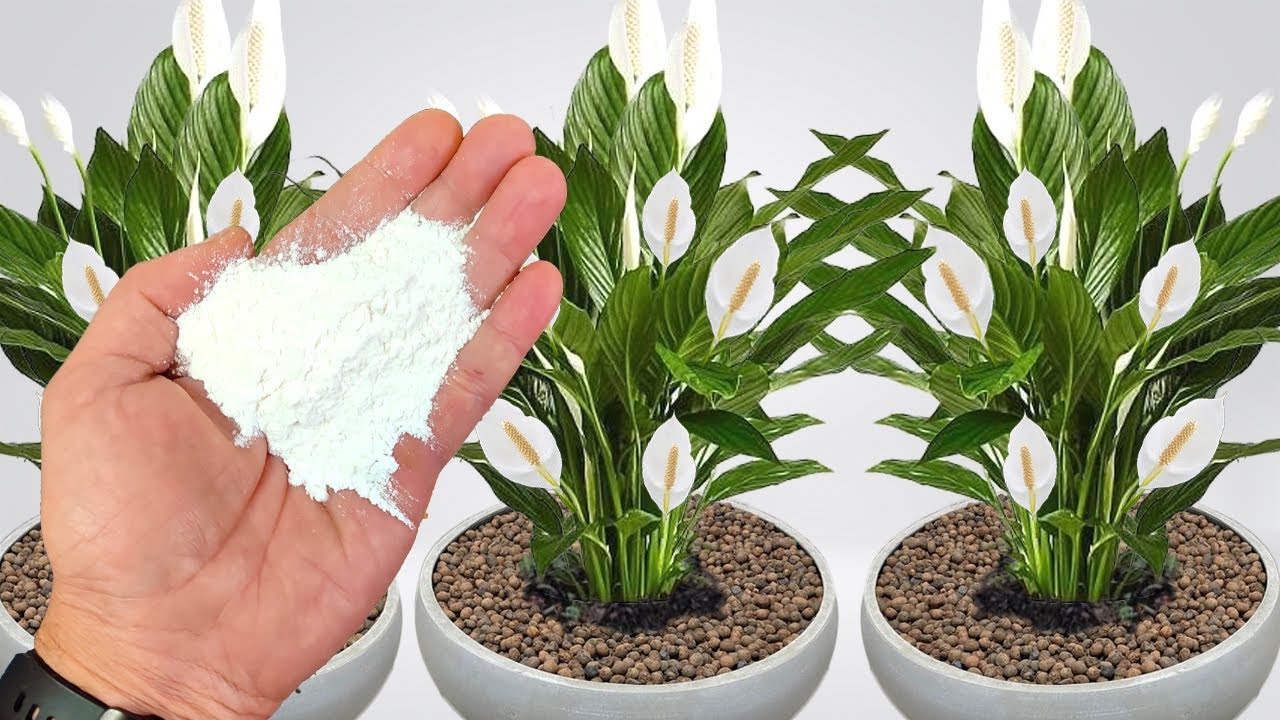
Are you searching for an affordable and eco-friendly alternative to chemical fertilizers? An unexpectedly powerful solution might already be in Read more

Excessive moisture within a house can arise due to capillary action, infiltration, or the phenomenon of condensation. The latter is Read more

Orchids, celebrated for their intricate beauty and variety, need particular attention for optimal growth. In the realm of orchid care, Read more

Understanding Fertilizers for Plants Fertilizer is a product that can be spread or mixed into the soil to provide plants Read more

Cultivating Zucchini in Containers: A Comprehensive Guide Zucchini is a popular vegetable for gardening aficionados and novices alike. It's simple Read more

Get a Head Start on Your Garden: Indoor Sowing for Colder Climates There's no need to wait for spring's embrace Read more
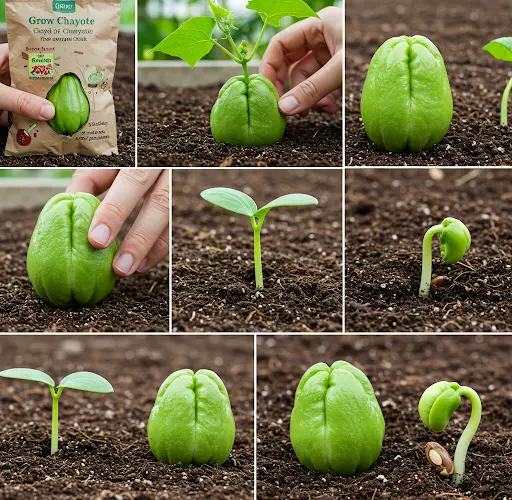
Growing Chayote from Supermarket Fruit: Abundant Harvests Made Easy If you've ever strolled through the produce aisle and spotted a Read more

In the culinary world, garlic is a staple ingredient that is hard to do without. Cultivating it benefits many plants Read more

Unlocking the Flowering Potential of Anthuriums Anthuriums are renowned for their stunning, heart-shaped blooms which, under ideal conditions, can grace Read more
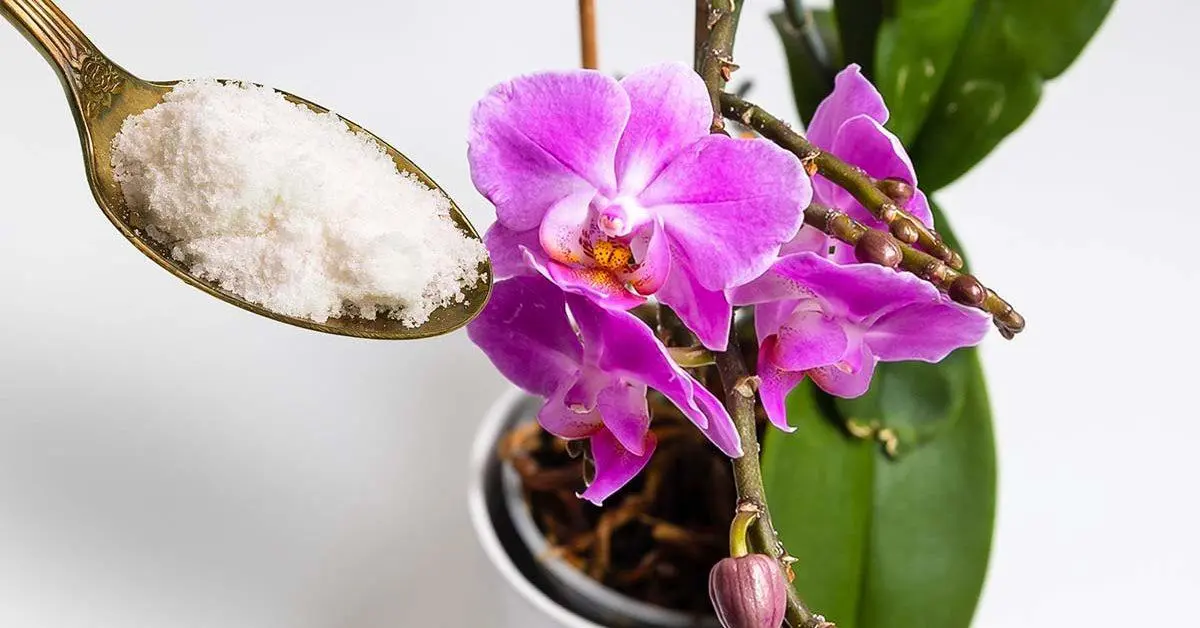
Do you have indoor plants? They have a unique ability to infuse life and color into any environment, whether it’s Read more

Using Baking Soda for Plant Care To care for your plants or your vegetable garden, have you considered the DIY Read more

How to Reuse Barbecue Ashes After enjoying a barbecue outdoors on a sunny day, the tendency is often to discard Read more

Gardening: The Harmony of Craft and Nature Gardening brings out a dance between human creativity and the wonders of nature. Read more

Transforming Garlic Peels into Gold for Gardeners: In the rhythm of kitchen prep, garlic peels are often discarded without a Read more

For gardening enthusiasts, it's a known fact that many plants thrive in humid and warm climates conducive to their growth. Read more
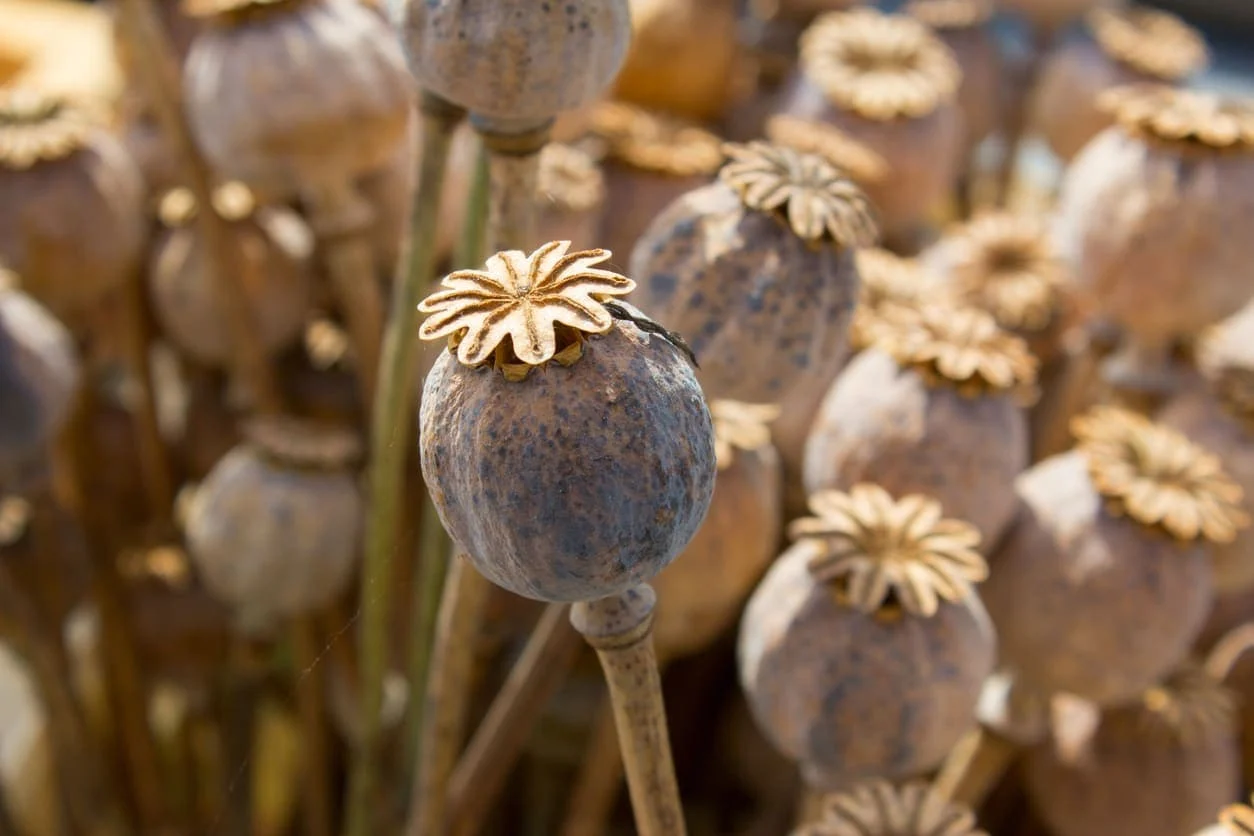
Self-Seeding Flowers: Effortless Beauty That Returns Every Year When I first fell in love with gardening, my mother came to Read more
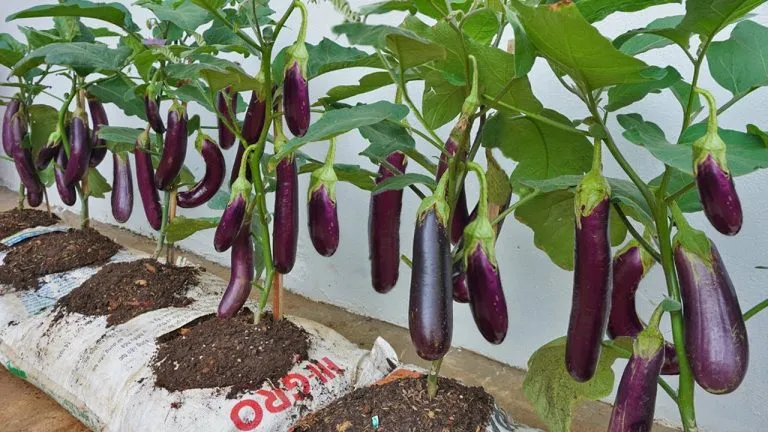
Exploring the World of Eggplants: A Gardener's Guide Eggplants, with their divisive nature, are often a subject of culinary debate. Read more

Orchids are renowned for their stunning blooms and are a favorite among indoor plant enthusiasts. However, getting these temperamental beauties Read more

Growing avocados can be a gratifying experience, especially when you cultivate them right in your backyard. While starting avocados from Read more

Wild Medicinal Plants: Harnessing the Hidden Virtues of Earth’s Greenery In the wilderness of our environment—ranging from the expanse of Read more
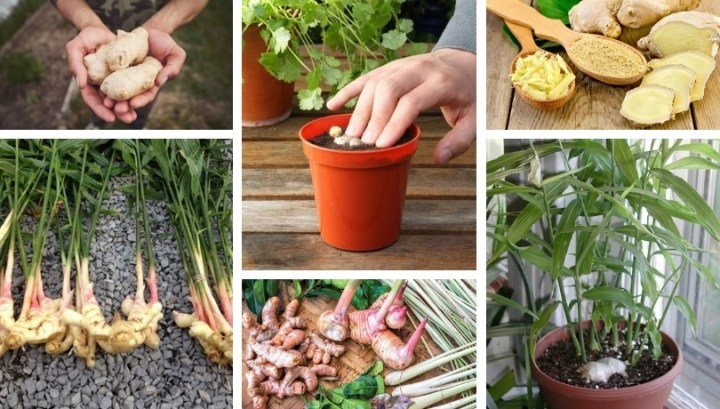
Ginger, renowned for its distinct flavor and numerous health advantages, is a fundamental ingredient in many culinary traditions around the Read more
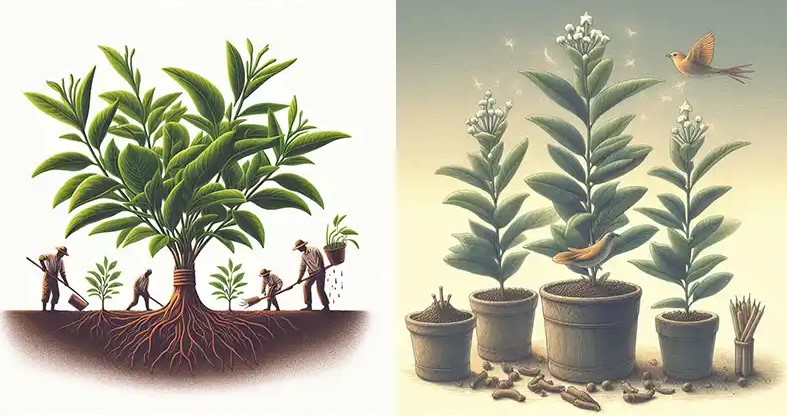
Easy Clove Growing: From Seed to Spice – A Beginner’s Guide Cloves are among the most treasured spices in the Read more
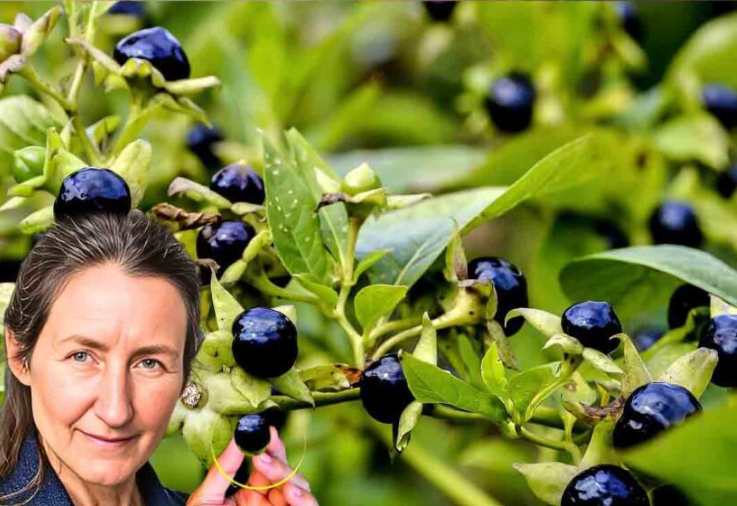
Deadly Nightshade (Atropa belladonna): The Mysterious and Dangerous Plant with a Dark Legacy At first glance, Deadly Nightshade (Atropa belladonna) Read more
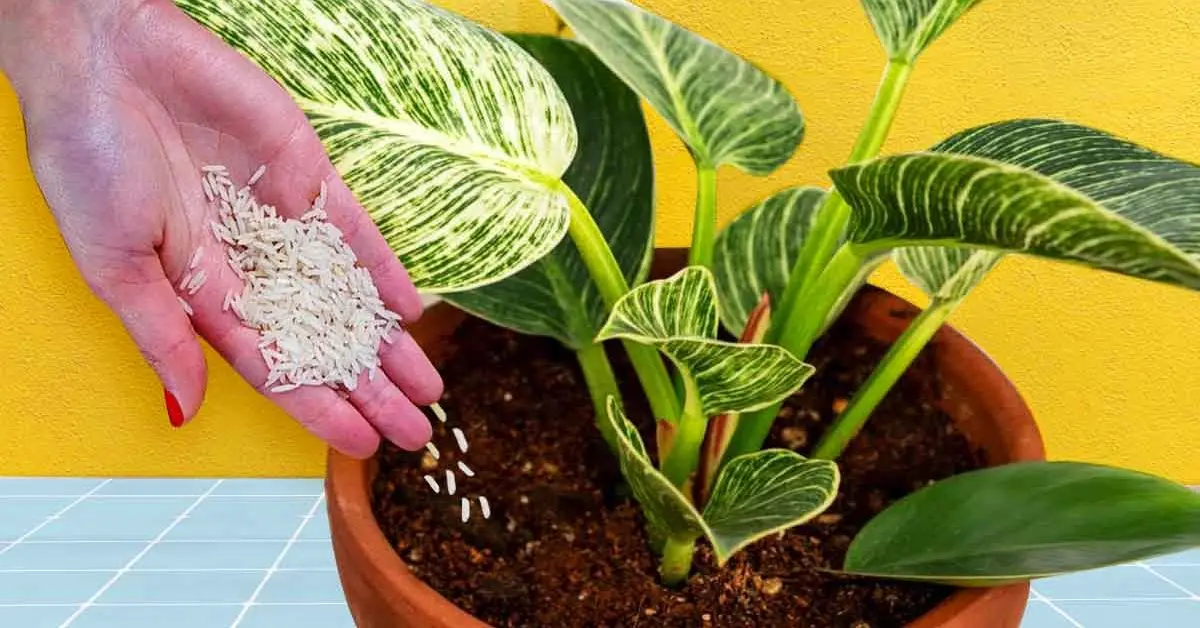
Indoor Plants and Their Benefits Indoor plants not only enhance the decor but also bring a touch of lush greenery. Read more

Orchids, with their array of species and hybrids exceeding 25,000, stand as a testament to botanical beauty. Cultivators and hobbyists Read more
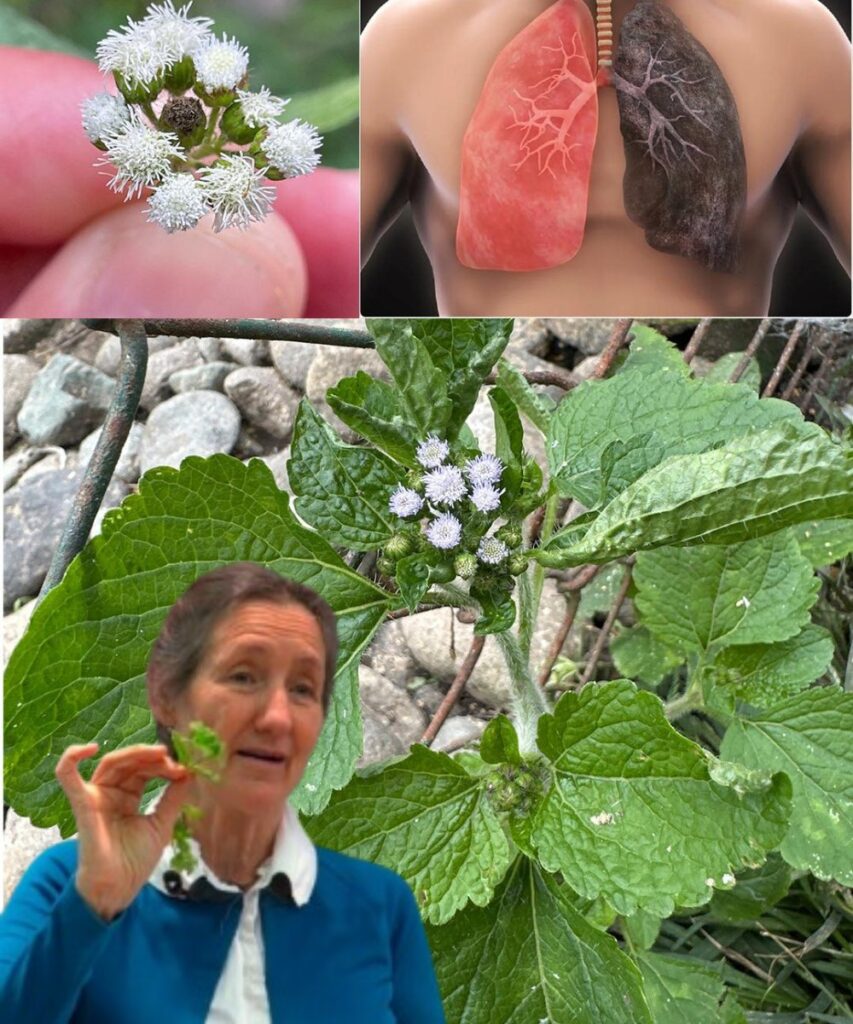
The Incredible Healing Power of Billygoat Weed (Ageratum conyzoides): 15 Health Benefits You Should Know About Billygoat weed, also known Read more

Cultivating an Avocado Plant Indoors: A Step-by-Step Guide Nurturing an avocado seed into a blossoming plant within the confines of Read more
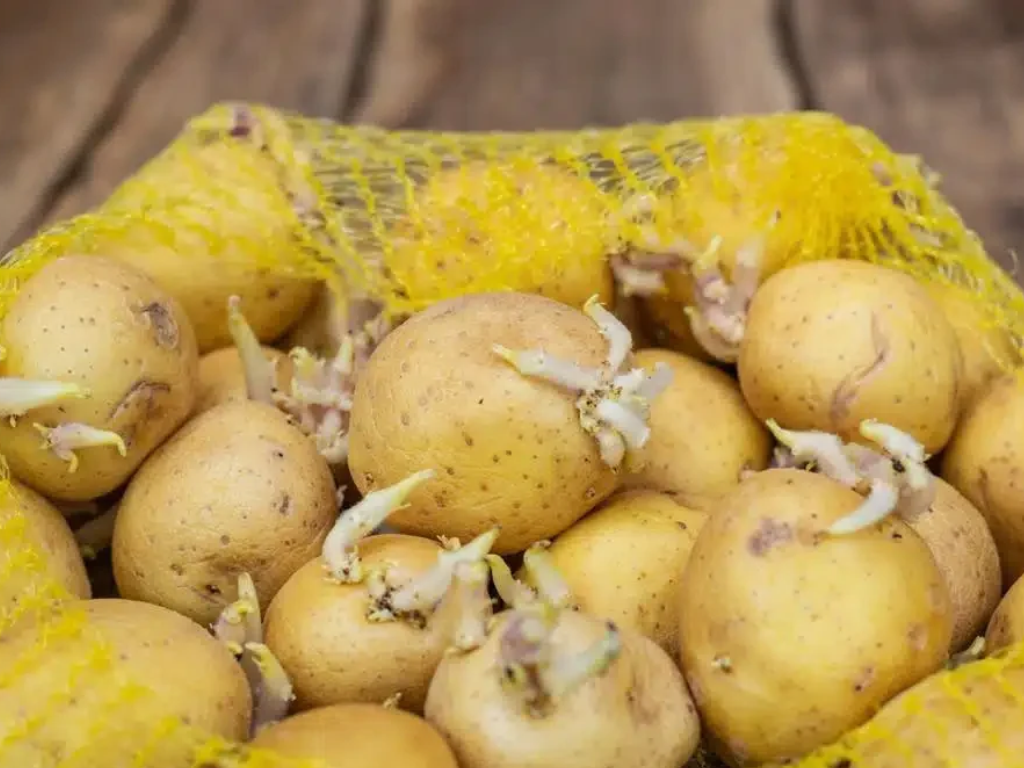
Three Little-Known Tips to Keep Your Potatoes in Perfect Condition Choosing the Right Location for Storage The way you store Read more

Caring for orchids, known for their exquisite and delicate nature, involves a precise approach to hydration. Orchids differ from typical Read more

If you don't often get the chance to rejuvenate in the midst of nature, there's an alternative: introducing plants to Read more

Lavender, a charming addition to any garden, is known for its enchanting aroma and vibrant purple hues. This plant comes Read more

The Curious Case of Tomato Slices: A Journey from Kitchen Scrap to Sprout As someone always game for a gardening Read more
