
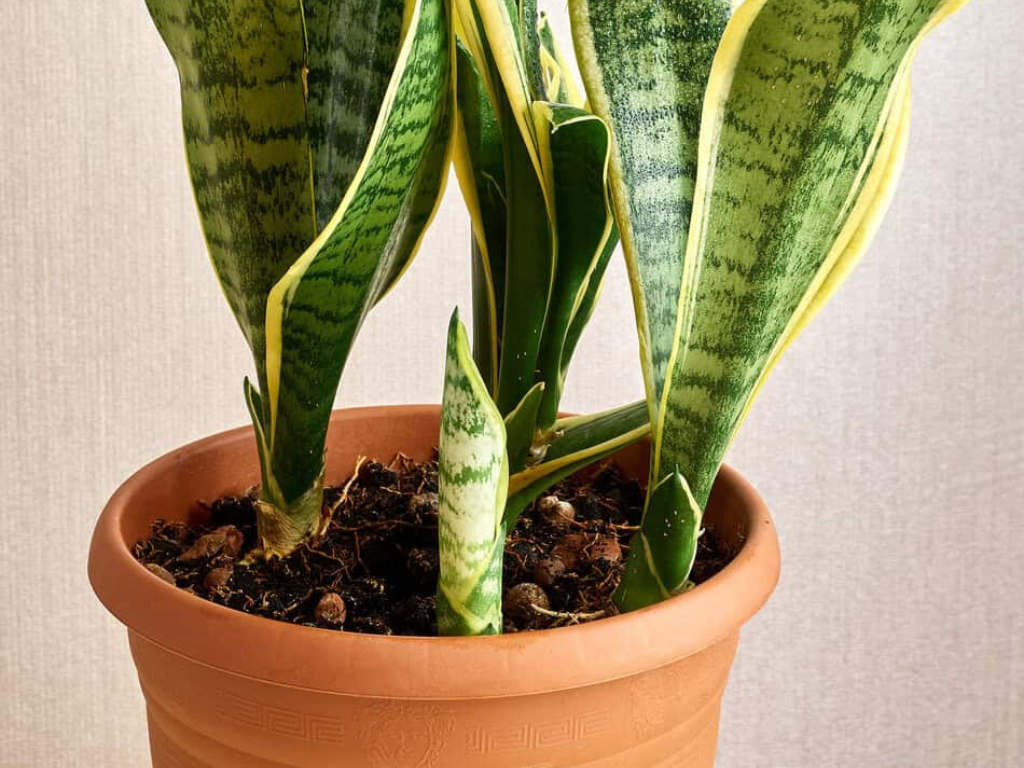
Snake plants (Dracaena trifasciata, formerly known as Sansevieria trifasciata) are renowned for their remarkable resilience. No matter if they receive little light—they adapt. Forgetting to water them for a while? They will likely forgive you. Neglecting a plant placed in a forgotten corner? Surprisingly, it still survives, silently observing you with a somewhat judging gaze.
However, surviving and thriving are two entirely different things. If your goal is to see your plant produce offsets, merely “surviving” will not suffice.
You want a truly flourishing plant, growing robustly. Let me warn you right away: there is no miracle method to make offsets appear overnight. You should neither torture the roots nor overuse fertilizer nor resort to esoteric practices.
On the other hand, there are some simple steps I apply to give my plant the best chance to multiply below ground.
What Exactly Is a Snake Plant Offset?
Before going further, let’s clearly define these “offsets” we aim to obtain. These are the small shoots that emerge from the soil beside the mother plant, often unnoticed by you.
Underground, the snake plant develops thick horizontal stems called rhizomes. New shoots sprout from these rhizomes, eventually breaking through the soil surface.
At that moment, you have a miniature copy of the original plant. One moment, you had just one plant; the next, a discreet family is starting to form.
Can You Really “Force” a Snake Plant to Produce Offsets?
Not really. I wish there was a button on the pot labeled MAKE OFFSETS NOW, but unfortunately, nature doesn’t operate that way.
What I can do is provide my plant with the ideal conditions to stay healthy and actively grow. When the plant is happy and growing, the underground rhizomes extend and gradually produce new offsets.
I focus on four essential factors: light, watering, nutrition, and root health. Without exaggerated artifices, without induced stress, and definitely without forcing the plant to cooperate.
Tip #1: Provide Sufficient Light

I know, light is a topic that seems boring. But of all the advice I’m about to give, this one is probably the most crucial.
When one of my plants seems stagnant, it’s the first thing I check. Yes, snake plants tolerate low light, but it is not their optimal condition for full development.
To encourage the emergence of new shoots, I make sure it receives about six hours of bright, indirect light each day. It’s not necessary to time it precisely; just place it somewhere genuinely bright.
If the expression “bright, indirect light” sounds vague, simply imagine a room that is well-lit during the day without the leaves being continuously exposed to strong, direct sunlight.
One small note: A few direct rays will not burn your plant. However, avoid suddenly moving a plant that has spent months in a dim corner into the full afternoon sun. You need to gradually acclimate it to increased light.
Tip #2: Manage Watering Carefully

I can hear you thinking already: “Seriously? Will watering make my snake plant produce offsets?” Not directly. But a plant with waterlogged, unhappy roots is not ready to multiply.
Snake plants are more often victims of overwatering than under-watering. I never water according to a strict schedule but assess the soil by inserting my finger a few centimeters deep:
If the soil is still moist, I wait.
If the substrate is dry, I water generously until water drains out of the bottom holes.
After watering, I make sure to empty the saucer beneath the pot to prevent roots from sitting in stagnant water. Then I leave the plant alone. Honestly, this is about half the work.
Because the plant stores water in its thick leaves, it tolerates dry periods between watering very well. Conversely, constantly moist soil almost always leads to root rot.
An important tip: If you find yourself thinking “Maybe I should water it just in case,” first check soil moisture. Snake plants forgive forgotten watering easier than untimely watering.
Tip #3: Feed With Moderation
Now let’s move on to the part many enjoy: fertilizing. But wait… don’t rush with the fertilizer! I see your hand reaching out already.
Yes, a little fertilizer can stimulate the growth of an actively growing snake plant, especially if the substrate hasn’t been replaced in a long time. However, more fertilizer doesn’t guarantee more offsets. Believe me, you cannot bribe a plant expecting to become a mother.
In spring and summer, I feed my plant about once a month with a basic houseplant fertilizer, following the manufacturer’s instructions. I have used both Miracle-Gro Indoor Plant Food and Espoma Organic Indoor, and both work perfectly.
Tip: After repotting into fresh substrate that’s already enriched, I refrain from adding fertilizer for a while.
Tip #4: Choose a Suitable Pot, Neither Too Large nor Too Small

Let’s now talk about the pot, another area where mistakes are often made.
It’s often said that snake plants “like to be root-bound.” They do enjoy being a bit snug, but this does not mean their roots should be cramped like in a crowded subway.
How do you know when it’s time to repot? Watch for these signs:
Roots growing out of the drainage holes.
A plastic pot deforming or bulging.
Roots so compacted that there is barely any soil left.
At the appearance of any of these symptoms, it’s time to repot. Don’t place the plant in a much larger pot hoping to stimulate offset formation: too much soil retains moisture too long, which is harmful to the plant.
I usually choose a pot just slightly bigger, about 1 to 2 inches (2.5 to 5 cm) wider in diameter.
Quick reminder: whatever pot you choose, it absolutely must have a drainage hole. This is a non-negotiable compromise for these plants.
Tip #5: Avoid Stressing Your Plant Unnecessarily

Some recommend letting the plant dry out completely, disturbing its roots, or subjecting it to other stressors to “force” offset production. I advise you to leave those tips exactly where you found them.
Wait, is that really advice? Absolutely. Imagine a coworker who stresses you so much you wish you could disappear when they arrive. That’s roughly how your plant feels when you continually torment it!
Snake plants are very stress-resistant, but surviving does not mean thriving.
If I want to multiply my plants quickly, I prefer propagation. Otherwise, I provide what they need and let them grow quietly.
You will also sometimes see recommendations to cut the rhizome. This technique is used when dividing plants to separate a mother plant into several new plants, as the rhizome connects the different segments underground. However, this method is propagation, not a trick to make more offsets directly appear on the mother plant.
What to Do When Your Plant Finally Produces an Offset?
Finally! After much patience, here is a little offset emerging from the soil.
First thing: no need to grab the knife right away! You don’t have to separate the offset immediately. I often leave it attached if I want a fuller pot.
But if you desire a separate new plant, wait until the offset is a few centimeters tall and has developed its own roots. Then:
I gently remove the entire plant from the pot to see what’s happening underground.
I carefully loosen the soil to find the rhizome linking the offset to the mother plant.
I separate the offset by cutting the rhizome with a clean, sharp knife if necessary, preserving as many roots as possible.
I repot the offset in a small pot with drainage holes, using fresh, well-draining substrate.
I water lightly, allowing water to drain fully, then place it somewhere bright but out of direct sunlight.
Afterward, it’s just a matter of letting the new plant acclimate. Congratulations: you have turned one plant into two. It’s often at this stage I wonder how many snake plants are just a bit too many.
My Plant Still Isn’t Producing Offsets: What Should I Do?
And if despite all precautions, your plant remains still? Don’t panic and don’t think you are doing everything wrong.
Snake plants can be slow, and sadly, they do not follow our personal timetable.
When mine is lagging, I review a checklist:
Is it receiving enough light? A dark corner usually slows growth.
Do I let the soil dry well before watering again?
Does the pot have good drainage?
Are the roots healthy? Soft roots or constantly soggy soil are warning signs.
Is there even the slightest new shoot?
Am I giving it enough time?
If anything looks off, I correct it promptly. I never resort to dubious tricks like stressing the plant, cutting its roots, or magical practices claiming to produce an offset “by Tuesday.”
Sometimes, the most frustrating answer is the right one: you simply need to be patient a bit longer.
Patience, Always Patience!
Getting offsets on a snake plant can seem complicated, especially when you wait and see nothing happen. Most of the time, it’s just a matter of providing good lighting, proper watering, healthy roots, and… a little patience.
Give your plant the environment it needs, then let nature take care of the rest beneath the soil’s surface.

Insect-Repelling Greenery: Your Natural Home Defense Transform your home into a sanctuary free from the annoyance of insects such as Read more
Christmas cacti don’t adhere to the typical “feed once a month and forget it” approach that many houseplants follow. Because Read more
If your Christmas cactus has stayed healthy throughout the year but produced only a few flowers last winter, October might Read more
Safety and Medical Disclaimer: The information provided in this article is intended solely for educational and informational purposes. We disclaim Read more
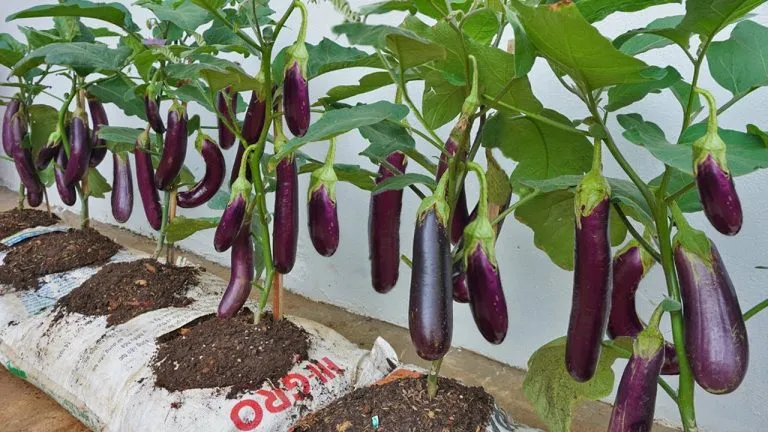
Exploring the World of Eggplants: A Gardener's Guide Eggplants, with their divisive nature, are often a subject of culinary debate. Read more
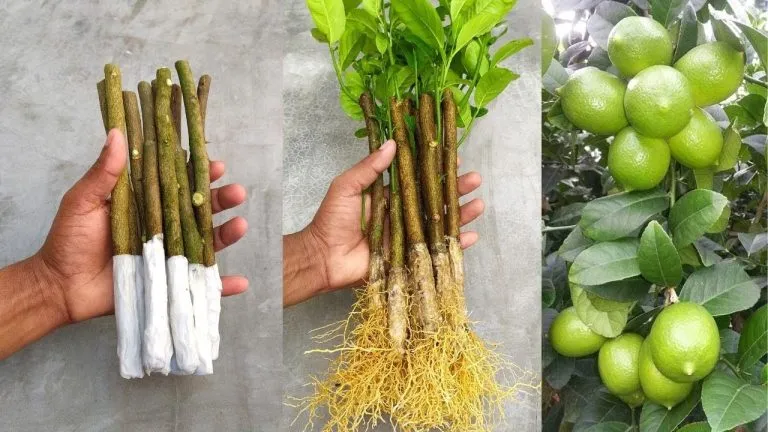
Cultivating lemon trees in your garden or home brings not only visual charm but also the practical advantage of homegrown Read more

Gardening: The Harmony of Craft and Nature Gardening brings out a dance between human creativity and the wonders of nature. Read more

Indoor Plants: A Decorative Air Purifier Indoor plants have become an essential part of modern decor, increasingly sought-after to greenify Read more
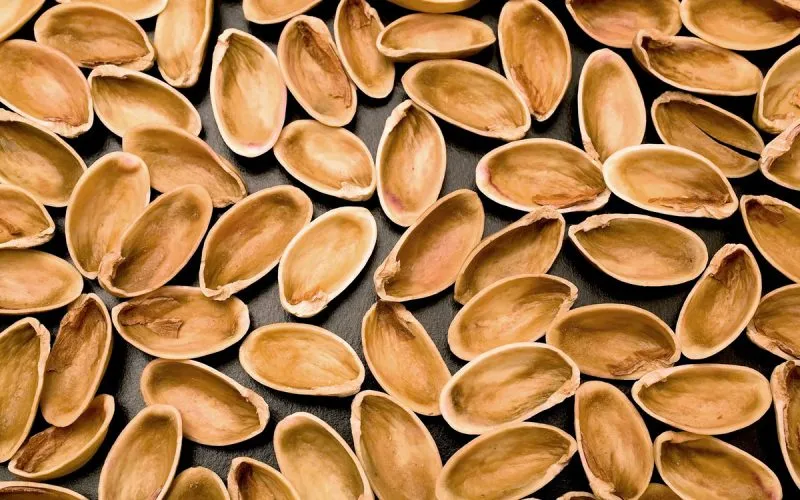
Originating from the arid regions of the Middle East, the pistachio tree (Pistacia vera) is a hardy desert plant celebrated Read more
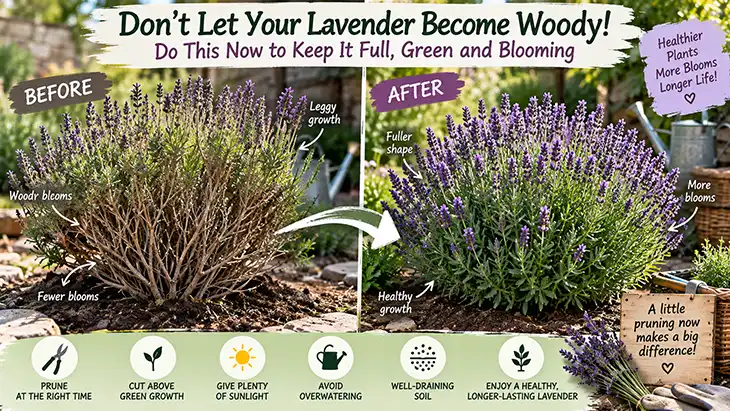
When lavender plants are young, they often present an almost perfect image: a compact shrub with silvery-green foliage, a delightful Read more
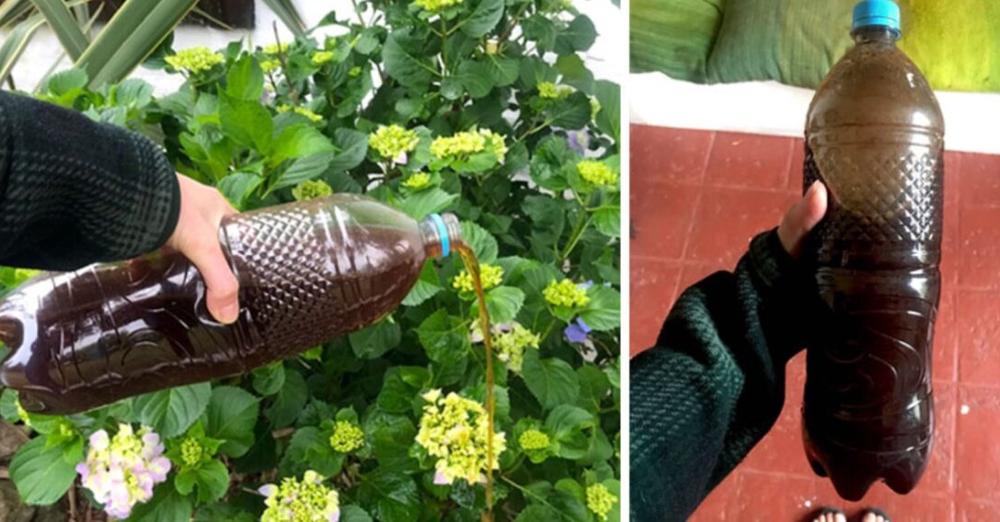
As sustainability and eco-consciousness continue to rise in importance in our daily lives, discovering alternative methods to fertilize our gardens Read more

Excessive moisture within a house can arise due to capillary action, infiltration, or the phenomenon of condensation. The latter is Read more

Different perspectives exist on various aspects of nature, and this holds true for the dandelion, often dismissed as a mere Read more
Easy Clove Growing: From Seed to Spice – A Beginner’s Guide Cloves are among the most treasured spices in the Read more

Neem oil is a completely natural product, derived from a plant native to India. It contains azadirachtin, a potent compound Read more
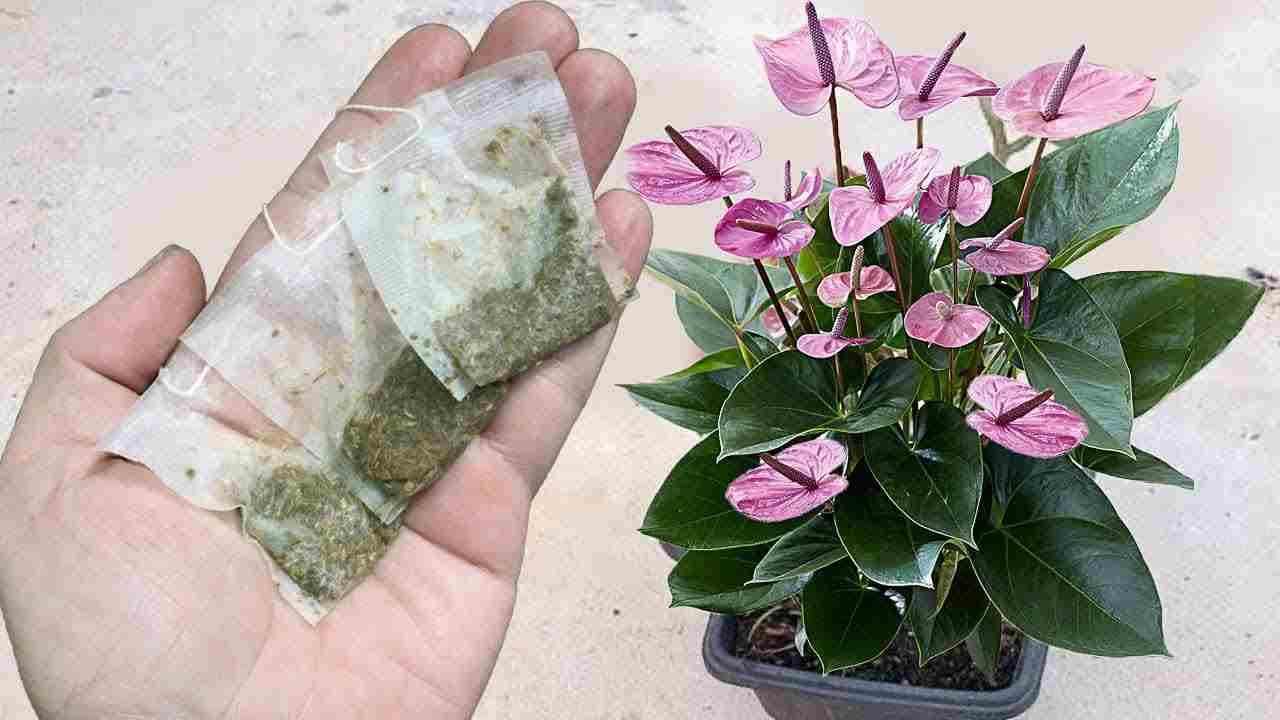
The ancient custom of drinking tea has been cherished by cultures around the world for centuries. Yet, surprisingly few people Read more

Lavender, a charming addition to any garden, is known for its enchanting aroma and vibrant purple hues. This plant comes Read more

Mastering Chilli Cultivation in Diverse Climates: A Detailed Guide It may seem unlikely, but growing chillies across different climates is Read more

Orchids are renowned for their stunning blooms and are a favorite among indoor plant enthusiasts. However, getting these temperamental beauties Read more
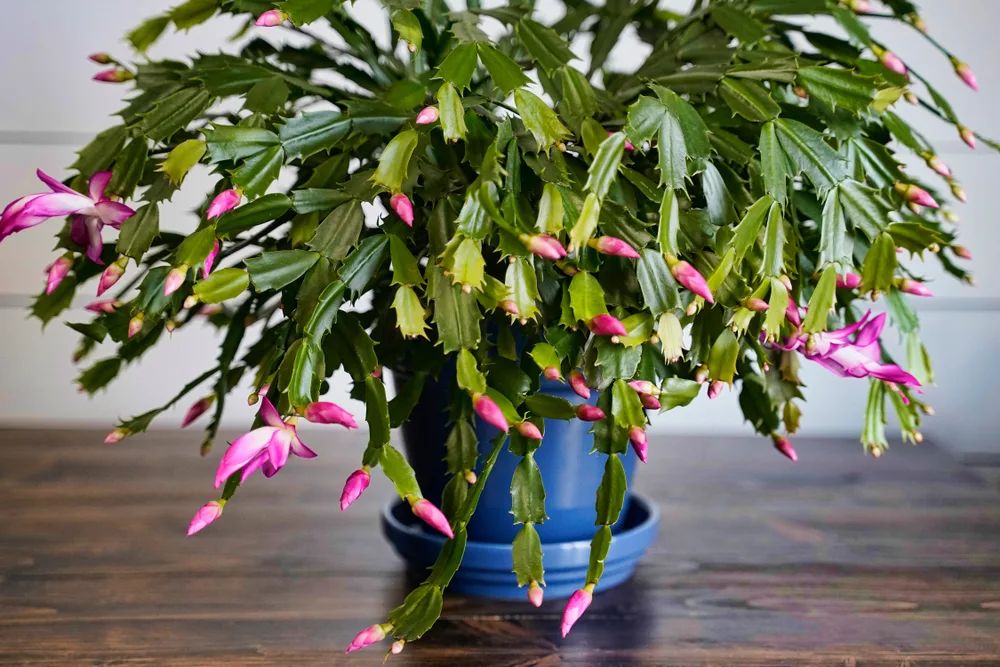
Unlocking the Mystery of the Festive Cactus The festive cactuses often baffle indoor gardeners. There's a lingering myth that these Read more

Transforming Garlic Peels into Gold for Gardeners: In the rhythm of kitchen prep, garlic peels are often discarded without a Read more
Orchids, admired for their exotic beauty and vast variety, demand specific care to flourish. While many growers rely on commercial Read more

Introducing 15 Health-Enhancing Indoor Plants for a Vibrant Home Oasis Embrace a selection of indoor plants that bring more than Read more
When it comes to gardening, enthusiasts are always eager to discover effective and affordable methods to boost plant growth and Read more
Self-Seeding Flowers: Effortless Beauty That Returns Every Year When I first fell in love with gardening, my mother came to Read more

How to Reuse Barbecue Ashes After enjoying a barbecue outdoors on a sunny day, the tendency is often to discard Read more

The Importance and Care of House Plants House plants not only serve as a significant decorative element but also play Read more
Mother-in-law’s tongue, commonly known as Sansevieria, is renowned for its resilience and remarkable air-purifying qualities. It is an ideal choice Read more

In this exploration, we uncover eight homemade, natural solutions that act as effective rooting agents for plant propagation through cuttings. Read more

Cultivating an Avocado Plant Indoors: A Step-by-Step Guide Nurturing an avocado seed into a blossoming plant within the confines of Read more

Bananas are a delightful treat, but their peels can be a garden's treasure. Rather than discarding banana peels into compost, Read more
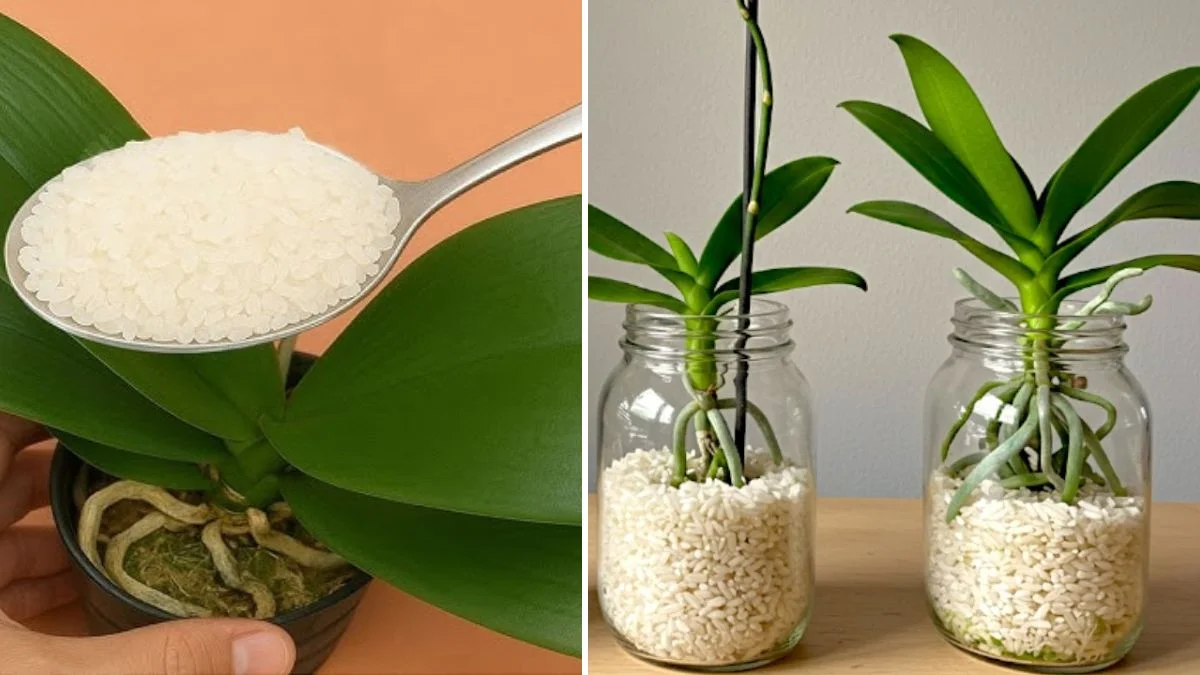
Orchids are among the most cherished ornamental plants worldwide, admired for their exotic flowers, graceful forms, and blooms that last Read more
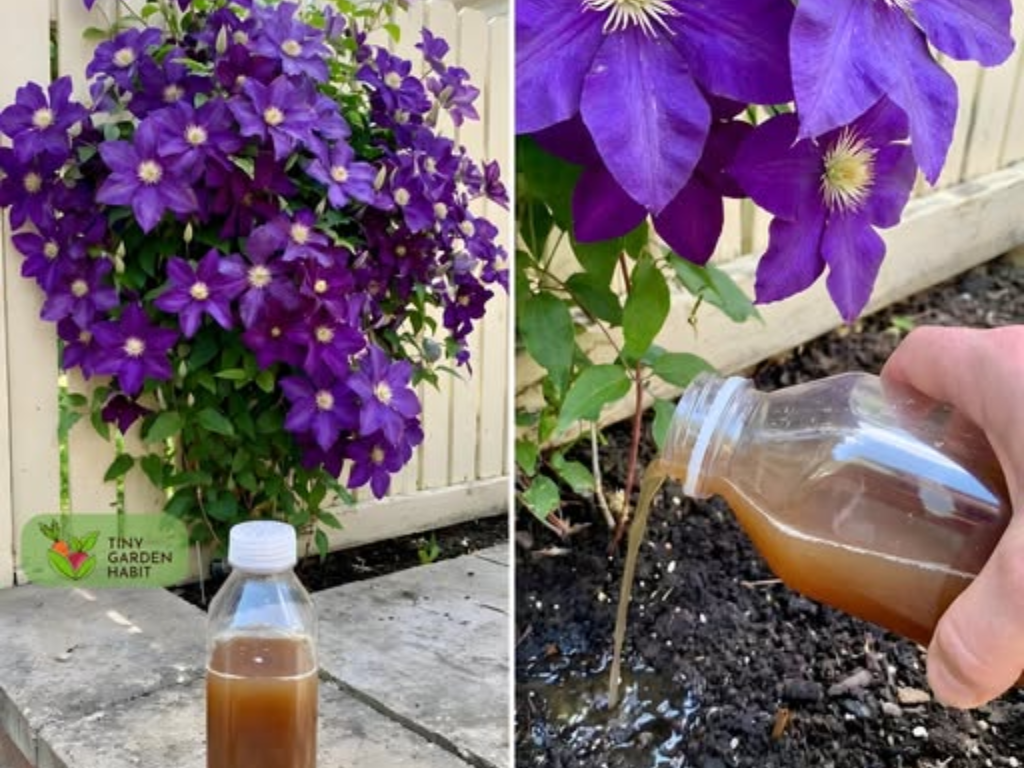
Clematis plants are fundamentally simple organisms, almost mechanical in nature, driven by basic principles of plant hydraulics and a kind Read more
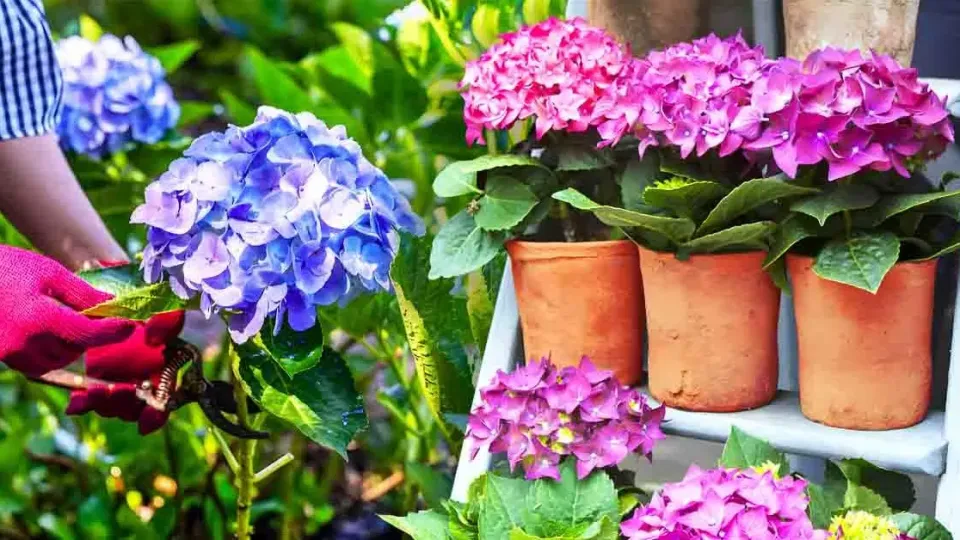
Hydrangeas, with their breathtaking blooms, stand out as one of the most enchanting deciduous flowering bushes. If you've wandered through Read more

Understanding Fertilizers for Plants Fertilizer is a product that can be spread or mixed into the soil to provide plants Read more
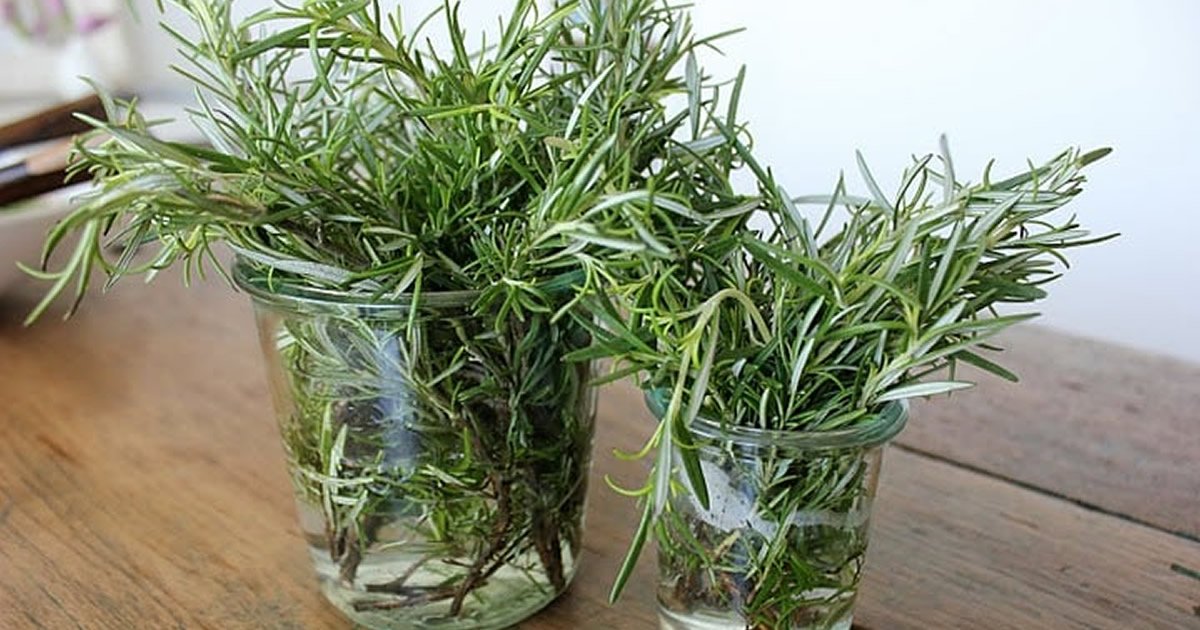
The wisdom and experience of our grandparents often provide invaluable tips and techniques that make our daily lives easier and Read more
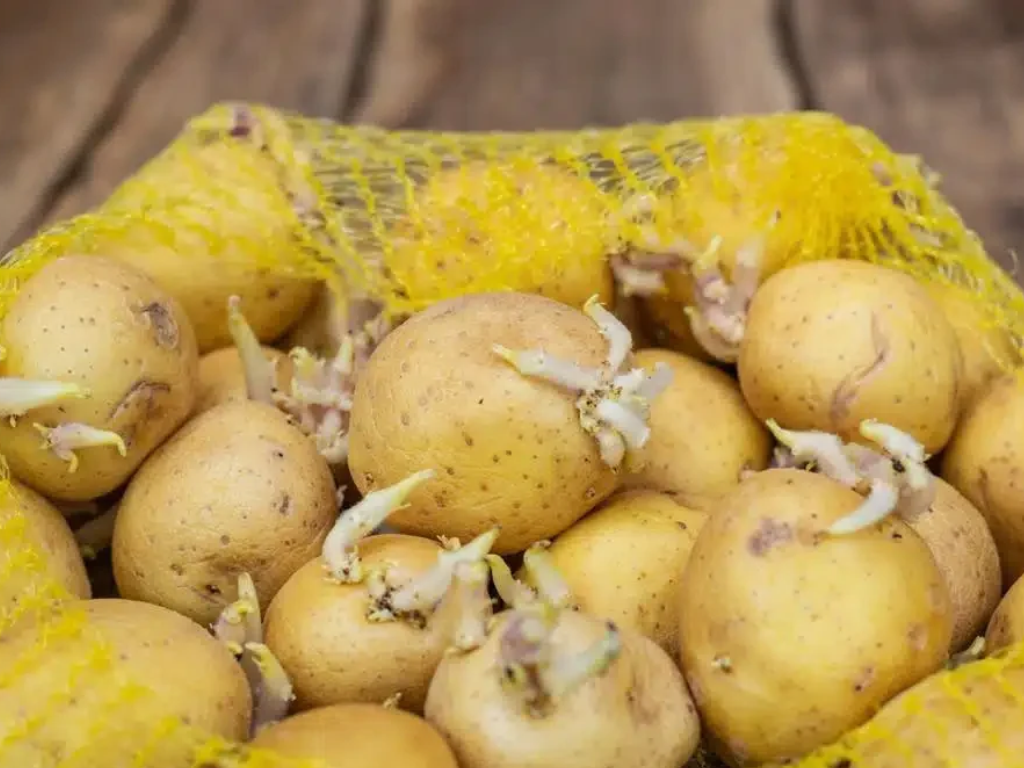
Three Little-Known Tips to Keep Your Potatoes in Perfect Condition Choosing the Right Location for Storage The way you store Read more

Growing avocados can be a gratifying experience, especially when you cultivate them right in your backyard. While starting avocados from Read more
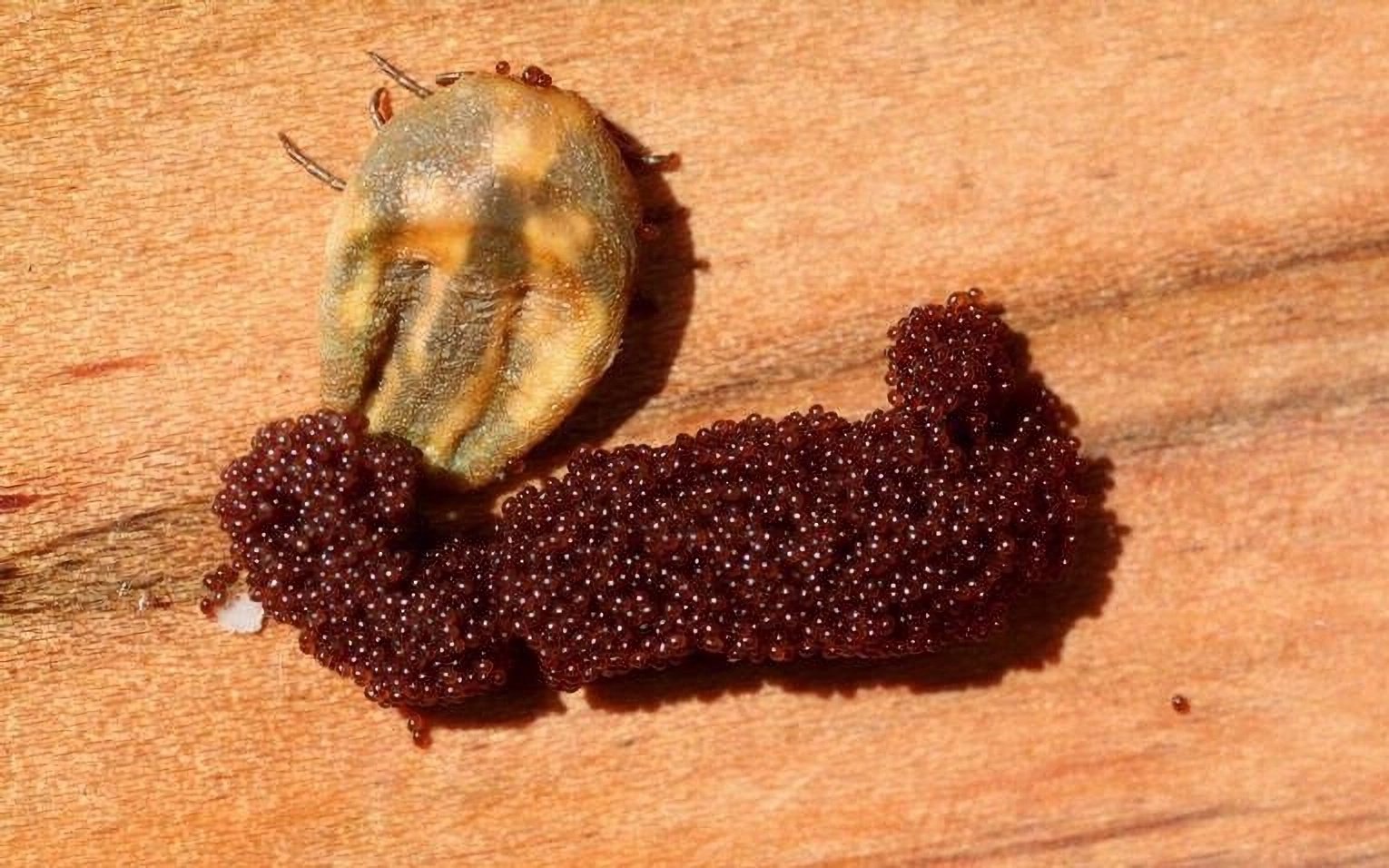
Imagine spending a relaxing afternoon in your backyard, only to stumble upon an unexpected and unwelcome discovery—a cluster of tiny Read more
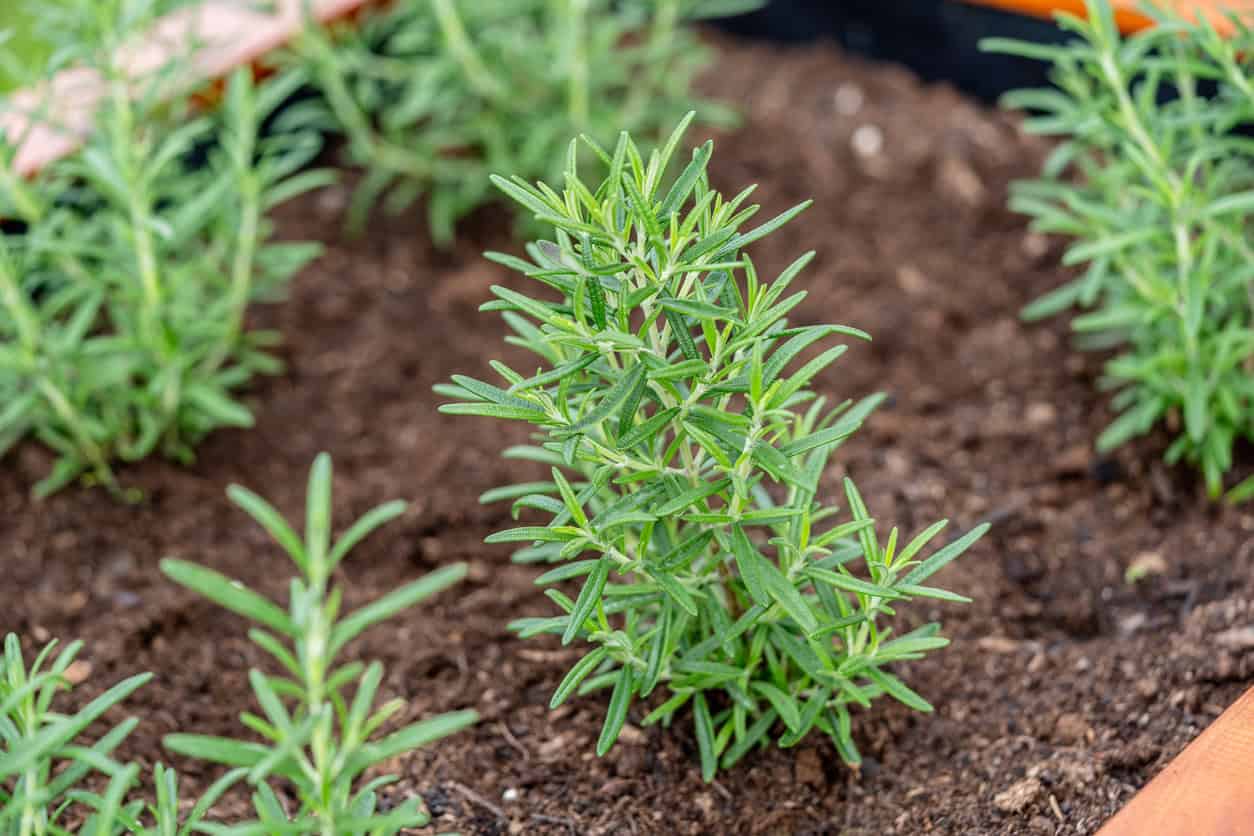
Rosemary is incredibly resilient... truly very robust! If you have ever had the unfortunate experience of adding too much to Read more
