
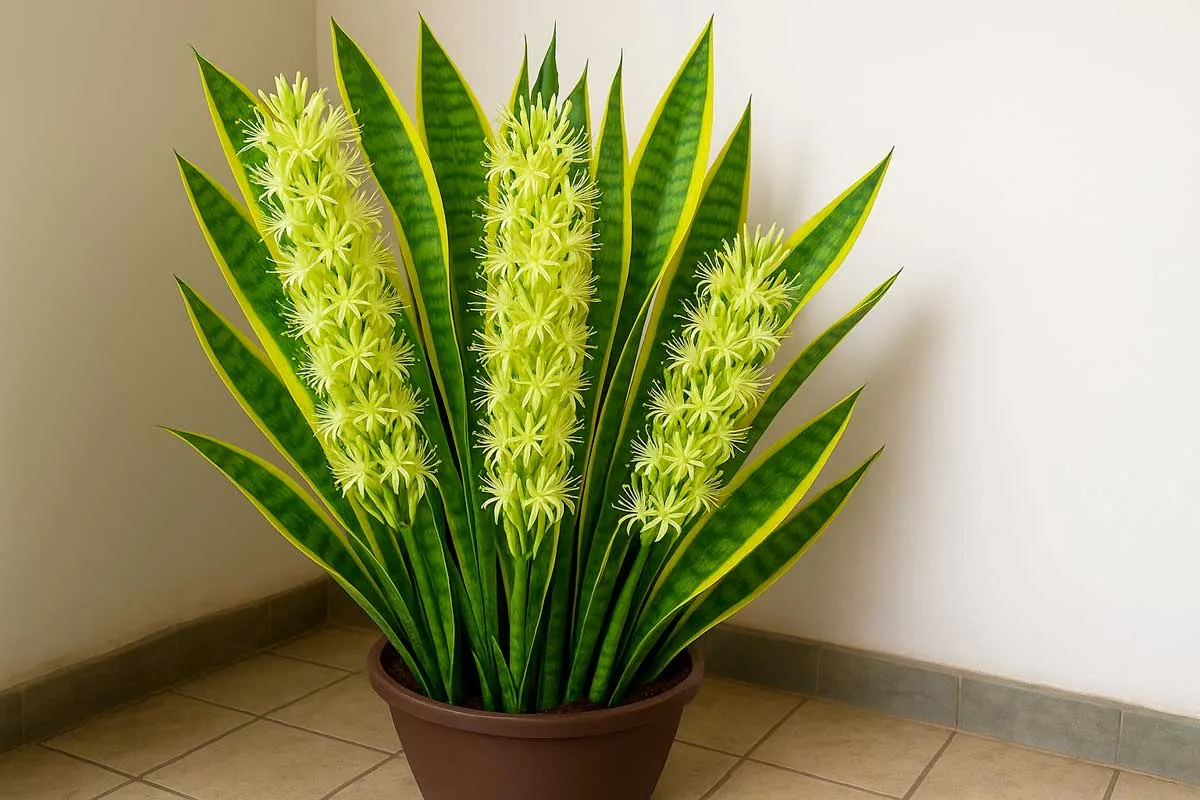
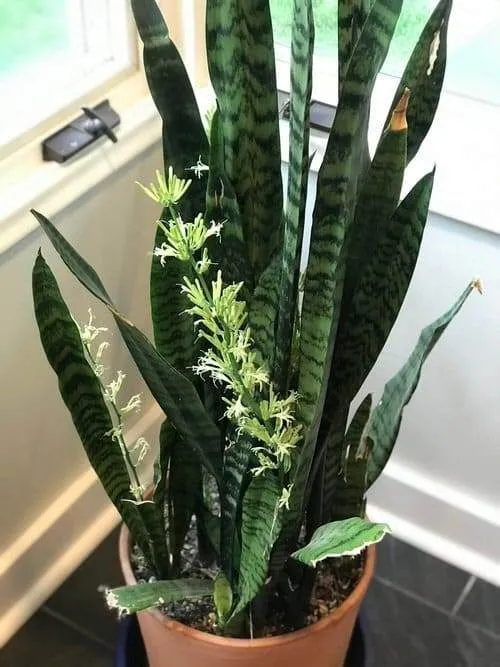
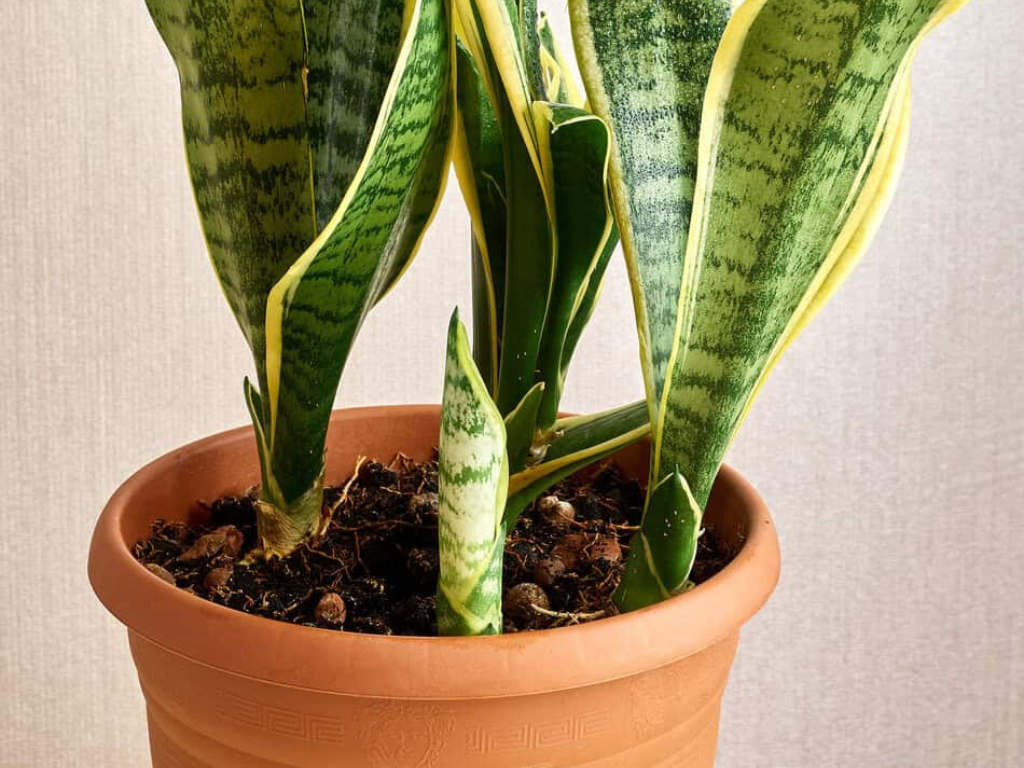
Mother-in-law’s tongue, commonly known as Sansevieria, is renowned for its resilience and remarkable air-purifying qualities. It is an ideal choice for beginner plant owners due to its minimal care requirements and its ability to flourish even in the dimmest corners of your home.
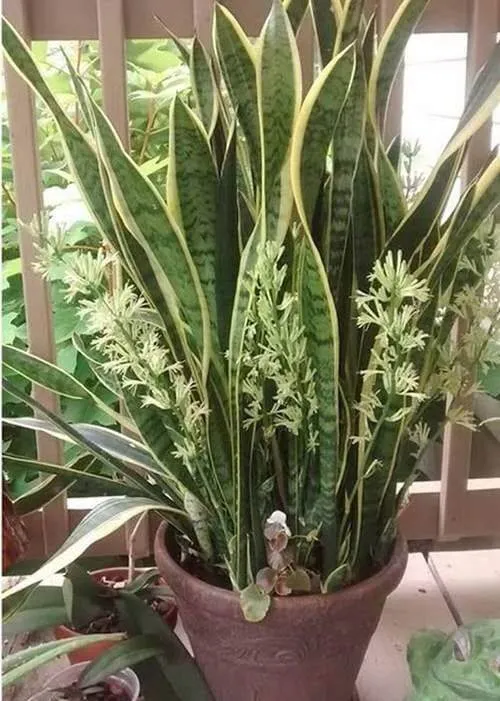
While it rarely produces flowers, its delicate, fragrant blossoms are a delightful and unexpected reward when they do appear. To encourage your Sansevieria to bloom, you need to provide the appropriate conditions along with a bit of creative nurturing.
Essential Conditions for a Blooming Sansevieria
1. Watering
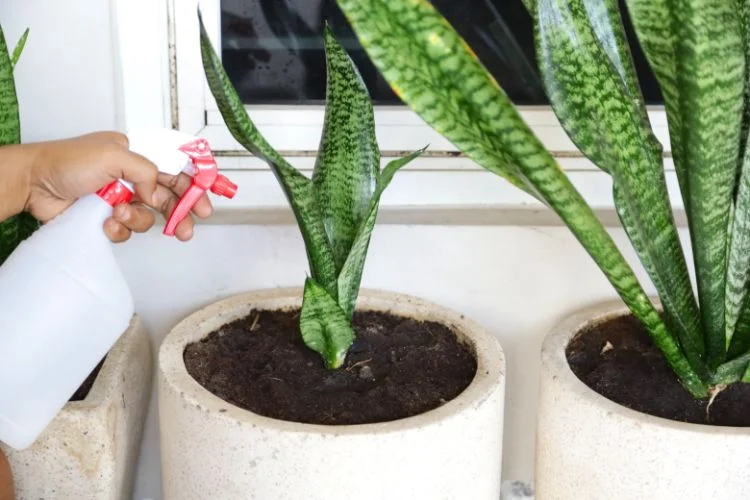
Although Sansevieria is highly drought-tolerant, maintaining consistent moisture during its active growing season supports blooming. During spring and summer, keep the soil evenly moist but never waterlogged. Using a potting mix that drains well is crucial to prevent root rot.
In the winter months, significantly reduce watering. Overwatering during this dormant period is one of the main reasons why a Sansevieria might refuse to produce flowers.
2. Light
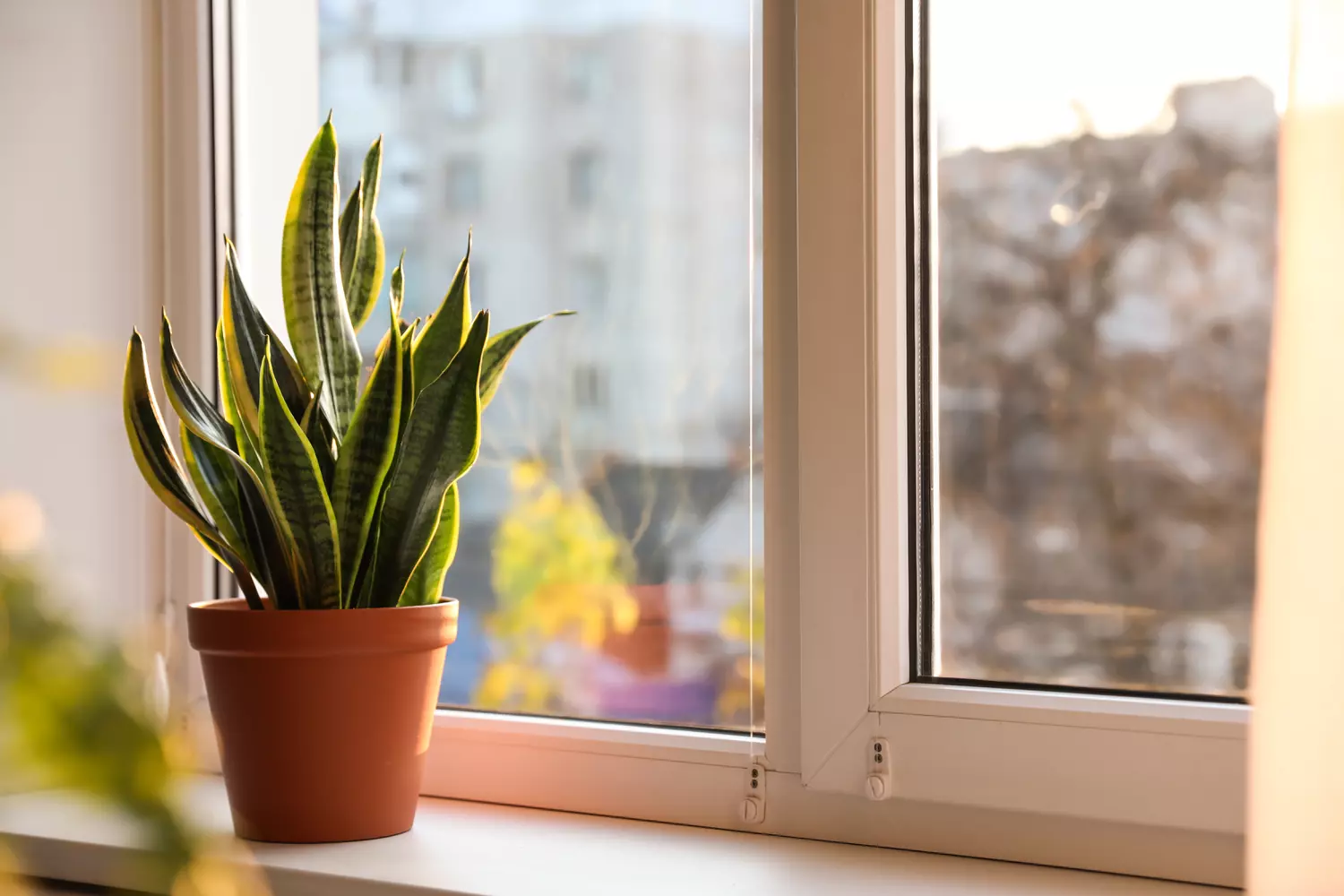
Sansevieria survives well in low light, which is why it is such a popular indoor plant; however, blooming requires brighter light conditions. Position your plant in a spot with bright, indirect sunlight. A location near a window where sunlight is filtered is ideal. Avoid placing it in direct, harsh sunlight as this can scorch the leaves and cause damage.
3. Temperature
Sansevieria thrives in warm environments. The optimal daytime temperature range is 21–32°C (70–90°F), and the nighttime temperature should not fall below 10°C (50°F). It is important to keep the plant away from cold drafts and avoid abrupt changes in temperature to ensure healthy growth and flowering potential.
Two “Secret” Ingredients to Encourage Flowering
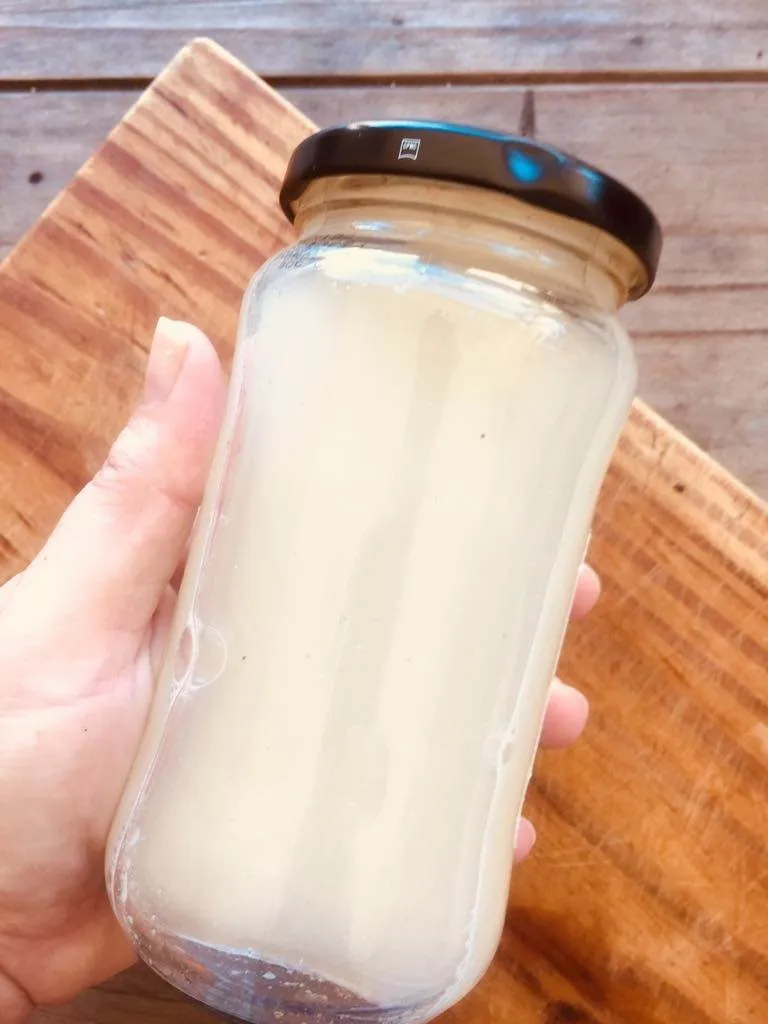
1. Rice Water
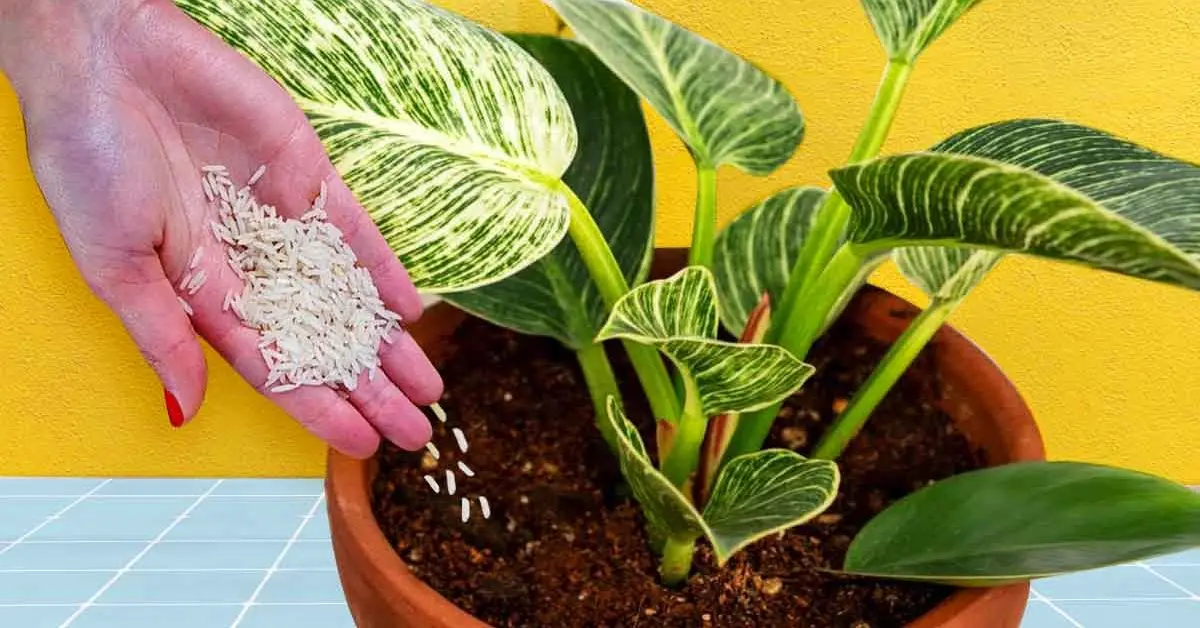
Rice water acts as a gentle, natural fertilizer. To prepare it, soak one cup of rice in water for approximately 30 minutes, then strain out the rice. Use this nutrient-rich water to irrigate your Sansevieria.
The rice water contains mild minerals and starches that can stimulate the plant’s growth and may help trigger flowering when applied regularly during the growing season.
2. Pasta Cooking Water
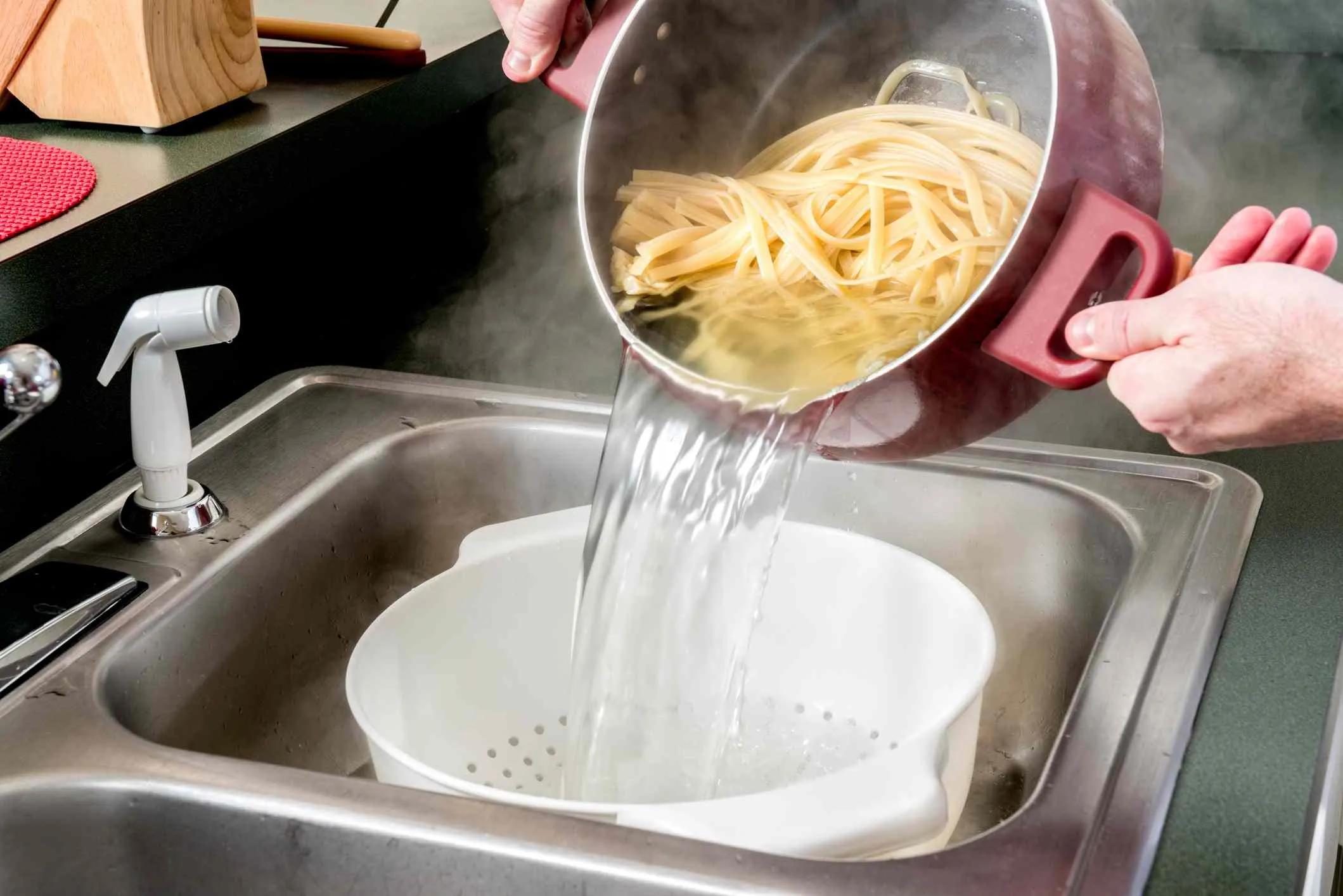
You can also reuse the cooled water leftover from cooking pasta. Allow it to reach room temperature before watering your plant with it.
The starch dissolved in the pasta water provides a light energy source that benefits soil microbes and root systems, sometimes giving the Sansevieria an additional boost needed to produce flowers.
Important: Make sure to use only unsalted pasta water, as salt can damage and harm the plant’s roots.
FAQ — Common Questions
1. Do all Sansevierias flower?
No. Flowering is more common in mature plants but it is never guaranteed. Even in the absence of blooms, the striking foliage remains the primary attraction and appeal of this plant.
2. How long does it take for a Sansevieria to flower?
Sansevieria grows at a slow pace and flowering depends on factors such as plant age, light exposure, watering regimen, and overall growing environment. Simply put: patience is an essential part of the blooming process.
3. Why isn’t my Sansevieria flowering?
The most common reasons include:
Overwatering
Insufficient light exposure
A pot that is too small or overcrowded with roots
Addressing these issues and giving your plant time often results in improved chances of flowering.
Conclusion
Getting your Sansevieria to bloom offers a rewarding challenge. By fulfilling its fundamental needs — especially providing bright indirect light and careful watering — and enhancing care with natural boosters such as rice water or pasta water, you significantly increase your chances of witnessing its rare, elegant flowers unfold.

Growing avocados can be a gratifying experience, especially when you cultivate them right in your backyard. While starting avocados from Read more
Orchids, with over 28,000 unique species, provide a fascinating insight into the immense diversity found in nature. Originating from the Read more

Insect-Repelling Greenery: Your Natural Home Defense Transform your home into a sanctuary free from the annoyance of insects such as Read more
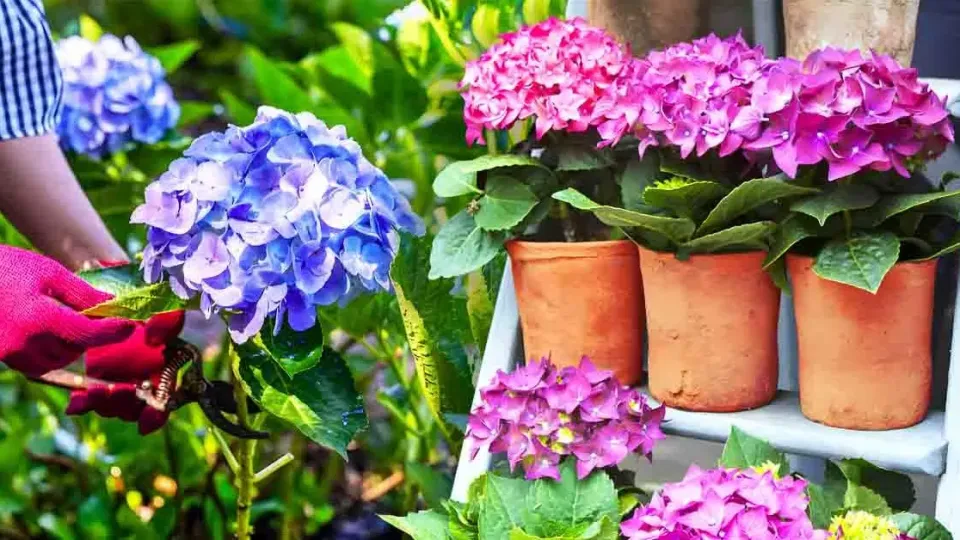
Hydrangeas, with their breathtaking blooms, stand out as one of the most enchanting deciduous flowering bushes. If you've wandered through Read more

Turmeric is a staple ingredient in Asian cuisine. This vibrant yellow spice, often used to flavor curries and stews, is Read more
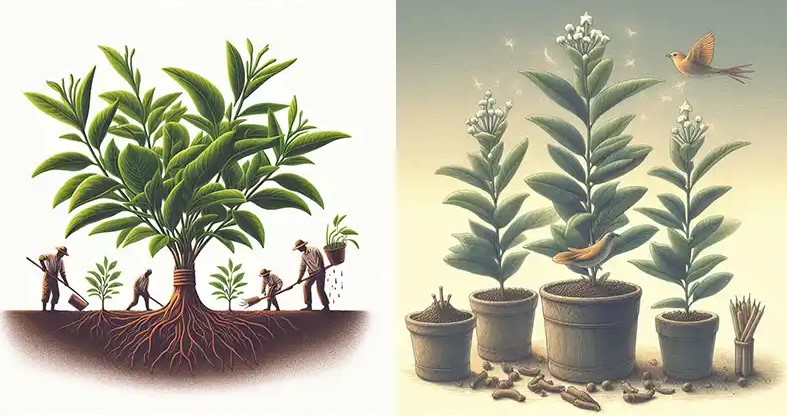
Easy Clove Growing: From Seed to Spice – A Beginner’s Guide Cloves are among the most treasured spices in the Read more

Introducing 15 Health-Enhancing Indoor Plants for a Vibrant Home Oasis Embrace a selection of indoor plants that bring more than Read more
Originating from the arid regions of the Middle East, the pistachio tree (Pistacia vera) is a hardy desert plant celebrated Read more

Using White Vinegar for Garden Maintenance Gardening is never an easy task. Planting, weeding, and watering plants and flowers require Read more

The Importance and Care of House Plants House plants not only serve as a significant decorative element but also play Read more

Unlocking the Flowering Potential of Anthuriums Anthuriums are renowned for their stunning, heart-shaped blooms which, under ideal conditions, can grace Read more

Get a Head Start on Your Garden: Indoor Sowing for Colder Climates There's no need to wait for spring's embrace Read more

Tea, the staple of morning routines and afternoon breaks, may have a second life beyond the cup that's often ignored. Read more
Safety and Medical Disclaimer: The information provided in this article is intended solely for educational and informational purposes. We disclaim Read more

As sustainability and eco-consciousness continue to rise in importance in our daily lives, discovering alternative methods to fertilize our gardens Read more

Gardening: The Harmony of Craft and Nature Gardening brings out a dance between human creativity and the wonders of nature. Read more
Self-Seeding Flowers: Effortless Beauty That Returns Every Year When I first fell in love with gardening, my mother came to Read more

Different perspectives exist on various aspects of nature, and this holds true for the dandelion, often dismissed as a mere Read more

Wild Medicinal Plants: Harnessing the Hidden Virtues of Earth’s Greenery In the wilderness of our environment—ranging from the expanse of Read more

Mastering Chilli Cultivation in Diverse Climates: A Detailed Guide It may seem unlikely, but growing chillies across different climates is Read more
Ginger, renowned for its distinct flavor and numerous health advantages, is a fundamental ingredient in many culinary traditions around the Read more

Indoor Plants: A Decorative Air Purifier Indoor plants have become an essential part of modern decor, increasingly sought-after to greenify Read more
Indoor Plants and Their Benefits Indoor plants not only enhance the decor but also bring a touch of lush greenery. Read more

Caring for orchids, known for their exquisite and delicate nature, involves a precise approach to hydration. Orchids differ from typical Read more
The wisdom and experience of our grandparents often provide invaluable tips and techniques that make our daily lives easier and Read more
Orchids, admired for their exotic beauty and vast variety, demand specific care to flourish. While many growers rely on commercial Read more
Orchids, celebrated for their exotic beauty and remarkable variety, require tailored care to flourish. While most growers rely on commercial Read more

For gardening enthusiasts, it's a known fact that many plants thrive in humid and warm climates conducive to their growth. Read more

How to Reuse Barbecue Ashes After enjoying a barbecue outdoors on a sunny day, the tendency is often to discard Read more
The Incredible Healing Power of Billygoat Weed (Ageratum conyzoides): 15 Health Benefits You Should Know About Billygoat weed, also known Read more
Snake plants (Dracaena trifasciata, formerly known as Sansevieria trifasciata) are renowned for their remarkable resilience. No matter if they receive Read more
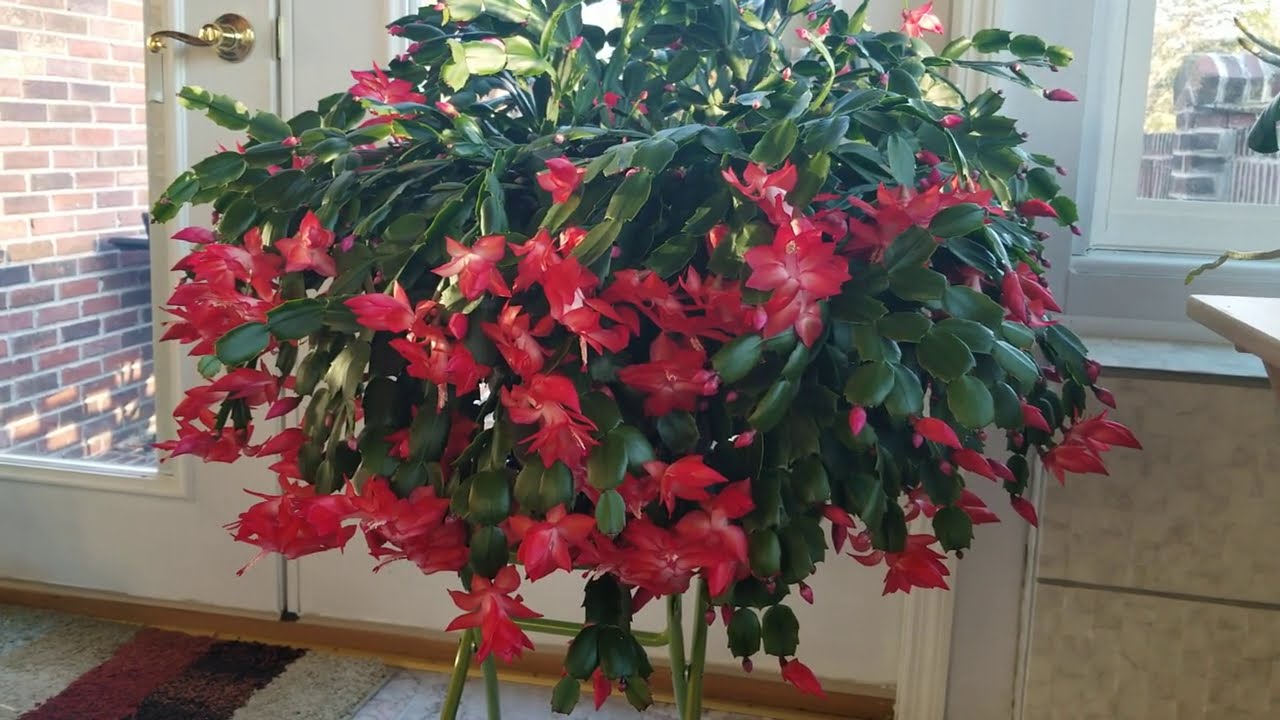
Christmas cacti don’t adhere to the typical “feed once a month and forget it” approach that many houseplants follow. Because Read more
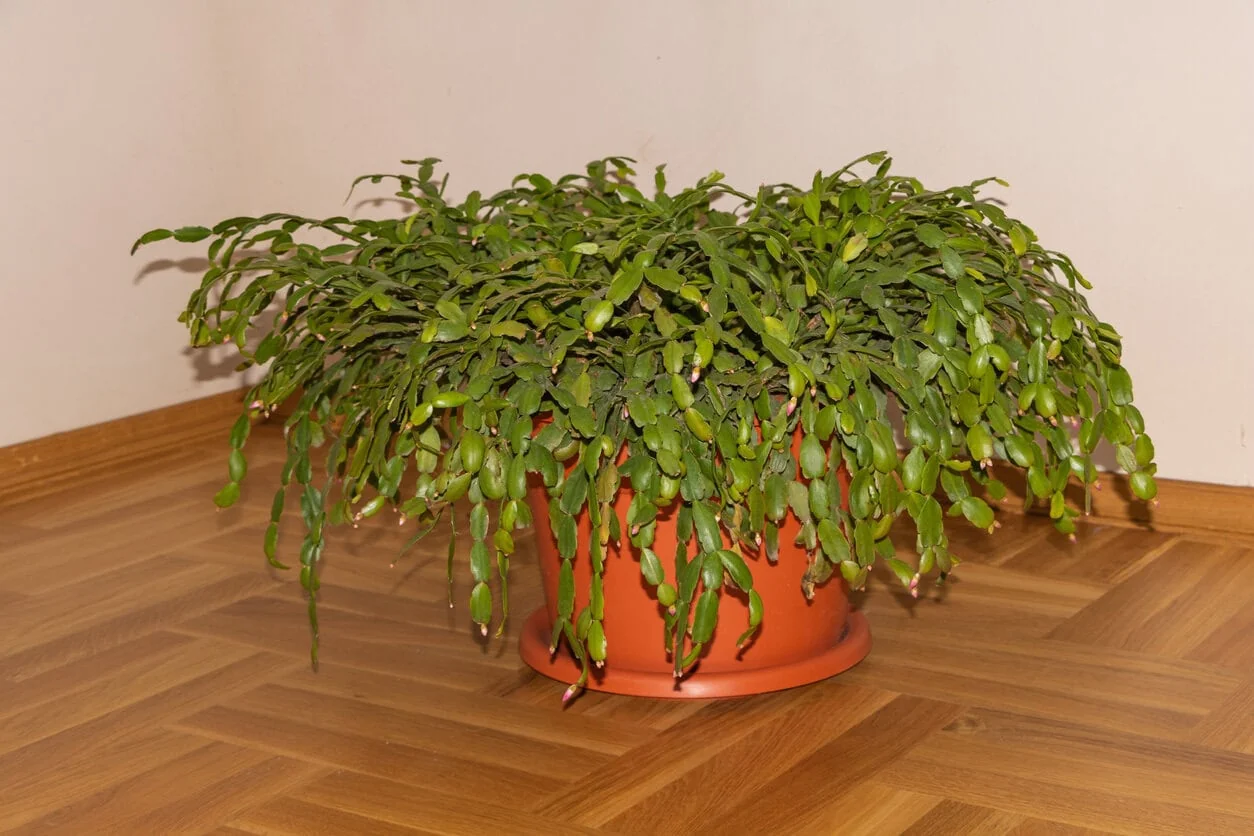
You have probably found yourself here because you are tired of seeing your Christmas cactus looking like the Ghost of Read more
Do you have indoor plants? They have a unique ability to infuse life and color into any environment, whether it’s Read more
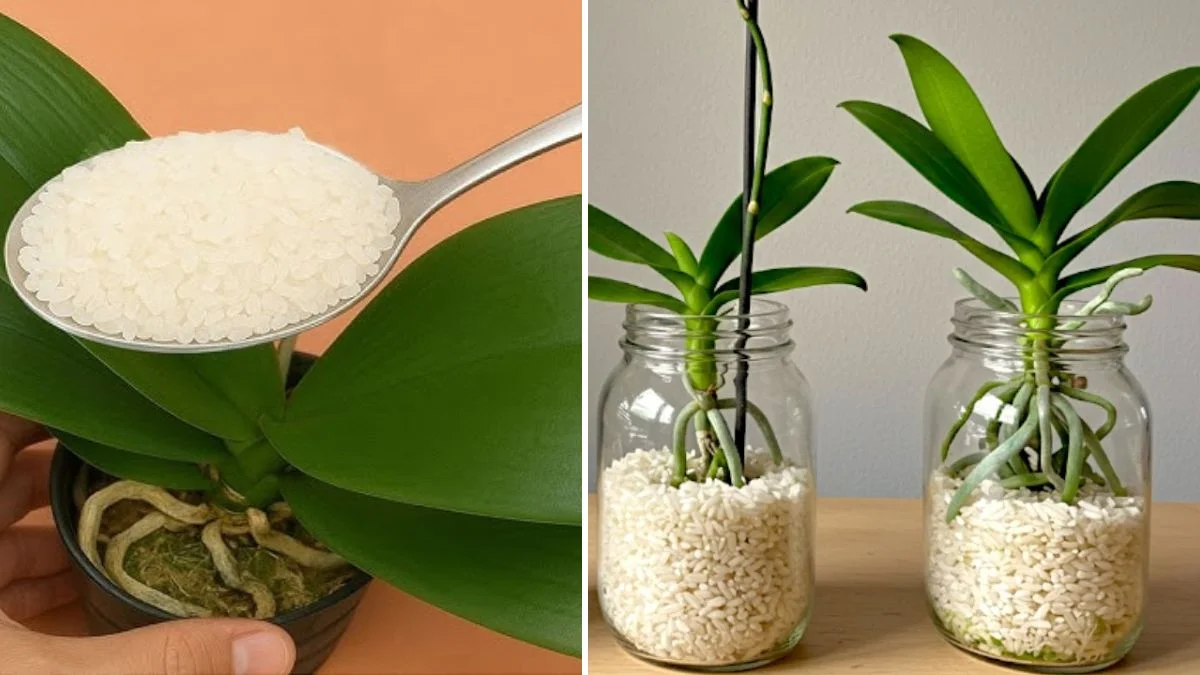
Orchids are among the most cherished ornamental plants worldwide, admired for their exotic flowers, graceful forms, and blooms that last Read more
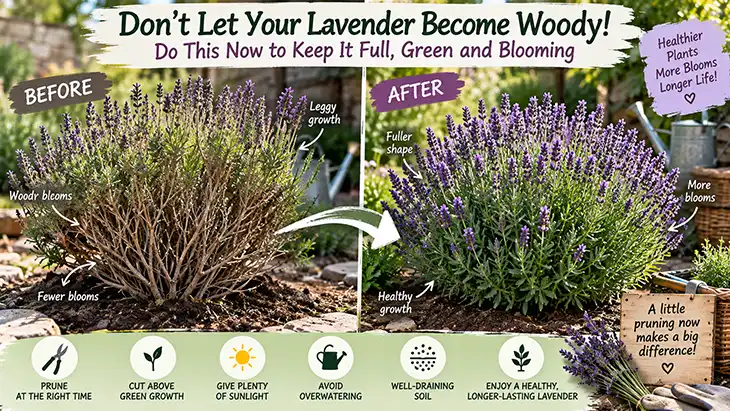
When lavender plants are young, they often present an almost perfect image: a compact shrub with silvery-green foliage, a delightful Read more

Orchids, celebrated for their intricate beauty and variety, need particular attention for optimal growth. In the realm of orchid care, Read more

If you don't often get the chance to rejuvenate in the midst of nature, there's an alternative: introducing plants to Read more
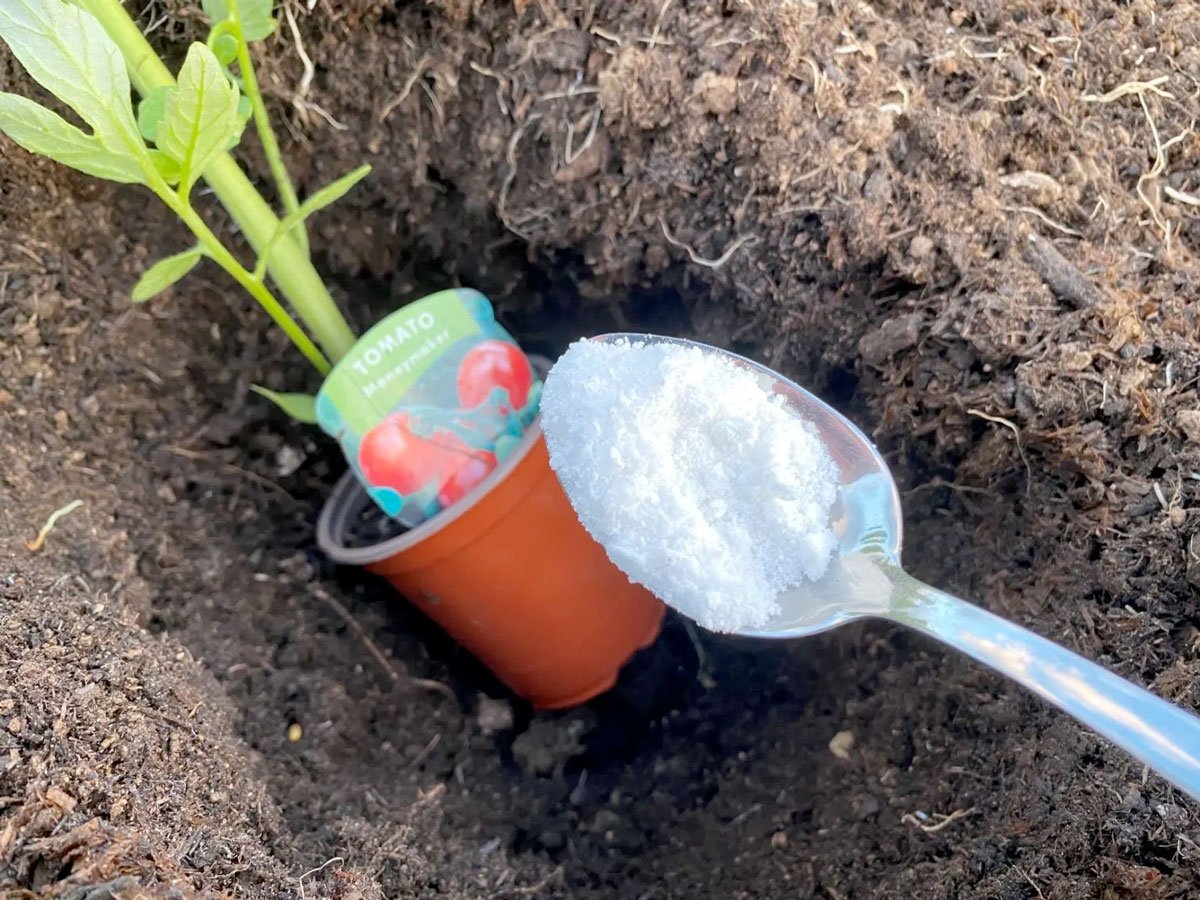
When it comes to gardening, enthusiasts are always eager to discover effective and affordable methods to boost plant growth and Read more
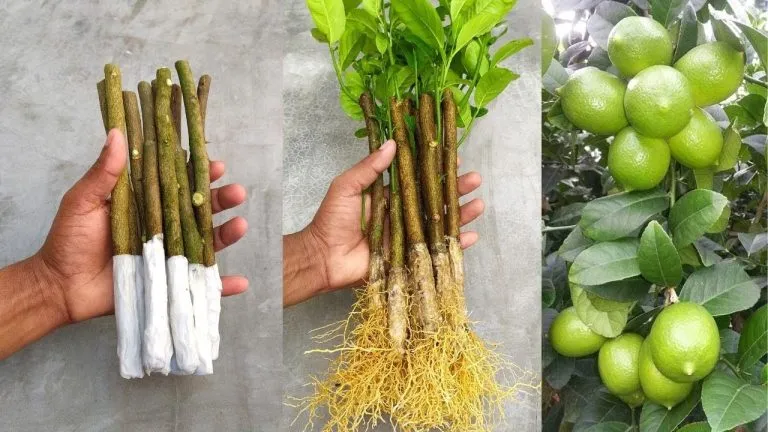
Cultivating lemon trees in your garden or home brings not only visual charm but also the practical advantage of homegrown Read more
