
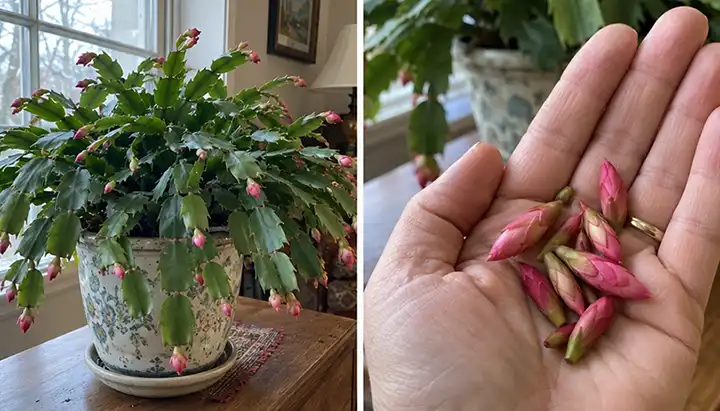
If your Christmas cactus has stayed healthy throughout the year but produced only a few flowers last winter, October might be the turning point that changes everything.
Many people mistakenly think that increasing fertilizer, watering more frequently, or placing the cactus in a sunnier window are the keys to achieving vibrant blooms during the holiday season. In truth, the secret is often much simpler: a careful balance of prolonged darkness, cooler temperatures, and controlled watering in the fall.
The Christmas cactus is highly sensitive to seasonal changes. As the days grow shorter and the nights cooler, the plant receives signals that stimulate the development of flower buds.
October is particularly important since it is when the plant begins preparing its buds ahead of the winter holidays.
Just a few subtle adjustments this month can make a significant difference between having a cactus bursting with colorful blossoms versus one that only produces lush green stems.
This article will explain exactly what your Christmas cactus requires in October, why these changes are essential, and how to avoid common mistakes that prevent flowering.
The Significance of October for the Christmas Cactus
The Christmas cactus belongs to the genus Schlumbergera, a group of tropical cacti indigenous to the forests of southeastern Brazil.
Unlike their desert relatives, these plants naturally thrive in humid environments, often found perched on trees or growing among organic debris on rocky surfaces.
They prefer filtered light, a well-drained substrate, and more consistent humidity levels than desert cacti typically tolerate.
Their blooming cycle follows a distinctive pattern.
Christmas cacti are short-day plants, which means the formation of flower buds depends on long, uninterrupted periods of darkness each night.
Cooler temperatures also play a critical role in triggering flowering.
During summer, the cactus directs its energy toward producing green segments. As autumn approaches, shorter daylight hours and cooler nights signal the plant to shift its focus toward developing flower buds.
This explains why a healthy Christmas cactus can grow vigorously but still fail to bloom if the proper fall conditions are not met.
These five important care tips for October will help encourage abundant and vibrant flowering.
1. Provide Long, Uninterrupted Nights of Darkness
Regulating nighttime light exposure is an essential step to promote flowering in the Christmas cactus.
Throughout autumn, these plants require around 12 to 14 hours of continuous darkness each night, with some varieties benefiting from even longer periods.
Importantly, the darkness must be uninterrupted.
If the cactus is placed in a room with evening light—even dim—it may receive sufficient natural daylight during the day but will be exposed to artificial light at night, which disrupts bud formation.
Even typical household lighting can prevent blooming.
How to Ensure Adequate Darkness
Position the plant in a location where it will not be exposed to light during the night.
Some good options include:
- A guest bedroom that is unused overnight
- A cool room free from nighttime light pollution
- A naturally dark window area away from streetlights
- A well-ventilated closet used only during the dark period
If necessary, cover the plant with an opaque, breathable fabric that is flexible enough to avoid crushing the stems.
Remove this cover every morning.
Avoid using sealed plastic bags as they can suffocate the plant.
A Simple Nighttime Routine to Follow
For an upright indoor Christmas cactus, consider this schedule:
6:00 PM: move the plant to complete darkness.
8:00 AM: return it to soft, indirect morning light.
This routine creates roughly 14 hours of darkness and 10 hours of light daily.
Maintain this schedule for about 4 to 6 weeks or until flower buds form.
The exact timing depends on the cactus variety and ambient temperature.
The Importance of Consistency
The Christmas cactus responds to consistent cycles of light and darkness.
Interruptions, such as leaving a light on late at night, can delay the development of buds.
Consistency is far more effective than complicated techniques.
Practical tip: it’s often easier to keep the plant in a naturally dark and cool room than to move or cover it every evening.
2. Maintain Cooler Nighttime Temperatures
Temperature is the second crucial factor influencing flowering.
Christmas cacti form buds more readily when nighttime temperatures are cooler than daytime.
Recommended fall temperature range:
Day: 16–21°C (60–70°F)
Night: 13–18°C (55–65°F)
Optimal flowering conditions hover around 13°C (55°F).
At this temperature, some varieties can even bloom without strict darkness control.
However, prolonged exposure to temperatures that are too low can damage the plant.
Never deliberately expose your cactus to frost.
Ideal Placement for Your Cactus
An unheated but frost-free room is ideal.
A bright room with cool nights also works well.
Try to avoid placing the cactus:
- On or above a radiator
- Near heating vents
- Close to a fireplace
- In rooms that remain too warm at night
- Next to windows with frost buildup
- In areas with cold drafts
Why Excessive Warmth at Night Prevents Flowering
If your cactus spends its nights in a room warmer than 21°C (70°F), it is unlikely to develop buds.
The plant will remain green and healthy but focus exclusively on vegetative growth rather than blooming.
If your cactus hasn’t bloomed for several years, check whether nighttime temperatures may be too high.
Moving it to a slightly cooler spot can encourage beautiful flowering.
3. Reduce Watering Without Allowing the Plant to Dry Out Completely
October is also the time to adjust watering schedules.
During active summer growth, Christmas cacti require more frequent watering.
As the plant’s growth slows in the fall, its water needs typically decline.
However, this does not mean stopping watering entirely.
Christmas cacti are tropical plants, not desert cacti.
Letting the roots dry out excessively stresses the plant and can lead to the loss of flower buds.
Watering Guidelines for October
Before watering, check the soil by inserting your finger 2 to 3 cm deep.
If the surface feels dry, evaluate the plant’s water requirements.
Water slowly and evenly over the soil.
Ensure that the water thoroughly moistens the substrate.
Allow excess water to drain from the pot.
Always empty any water collected in the saucer to prevent waterlogging.
Wait until the soil surface just begins to dry before watering again.
Do not stick to a rigid watering schedule.
Frequency depends on factors such as temperature, pot size, humidity, and substrate type.
Signs of Overwatering
- Soil remains wet for several days
- Stems feel soft despite moist soil
- Yellowing or damaged stem segments
- Unpleasant moldy odor from the pot
- Soft or decaying roots
Overwatering encourages root rot, a common problem for these plants.
Signs of Underwatering
- Wrinkled and shriveled stem segments
- Weak or flaccid growth
- Dry soil pulling away from pot edges
- Premature dropping of flower buds
The goal is to maintain slightly reduced moisture without allowing the soil to become bone dry.
4. Adjust Fertilization for Autumn
Many gardeners continue fertilizing their Christmas cactus year-round.
However, autumn is not the season for active growth.
In spring and summer, fertilizing encourages stem development.
By October, the plant begins preparing to bloom.
Excessive nitrogen promotes green growth rather than flower bud formation.
Is It Best to Stop Fertilizing in October?
For most healthy Christmas cacti, stopping fertilizer application in autumn is a simple and reasonable approach.
The plant can rely on nutrient reserves accumulated during the growing season.
Some experts suggest light, diluted fertilization with a low nitrogen ratio, but this is not necessary for all plants.
If your cactus has been well-fertilized and appears vigorous, special fertilizer is generally unnecessary to induce flowering.
When Should Fertilizing Resume?
A practical fertilization schedule is as follows:
Spring: begin light fertilization at the start of active growth.
Summer: apply balanced, diluted fertilizer periodically.
Early autumn: reduce or cease feeding as flowering approaches.
Winter: avoid heavy fertilization during flowering or dormancy.
Always follow manufacturer instructions, as too much fertilizer can harm roots and cause salt buildup in the soil.
Remember: fertilizer cannot substitute for proper darkness and temperature conditions.
5. Monitor Flower Buds and Avoid Sudden Environmental Changes
After several weeks of ideal autumn conditions, you will notice small buds appearing at the tips of green stem segments.
At first, these buds are small, often round or pointed.
They gradually elongate and develop the colors of the blooms yet to come.
At this sensitive stage, gentle handling is crucial.
What to Do When Buds Appear?
You can usually stop enforcing strict darkness.
Place the plant in a bright area with indirect light and stable temperatures.
Continue watering carefully and moderately.
Avoid making major changes to the plant’s environment.
Avoid Frequent Relocation
Christmas cacti often lose buds when exposed to abrupt changes in:
- Temperature
- Light exposure
- Humidity
- Watering routine
- Physical location
If you need to move your plant to a warmer spot, do so gradually and avoid frequent moves.
For the best results, keep the plant in a stable environment until the flowers open.
Keep Away from Heat Sources
Hot, dry air from radiators and heating vents stresses the plant.
Protect the cactus from cold drafts as well.
The more stable and consistent the environment, the better the chance buds will flourish.
How Long Does It Take for a Christmas Cactus to Bloom?
Flowering typically does not happen immediately after you change care routines.
Budding takes time to develop.
With favorable conditions, the first buds usually appear after approximately 4 to 8 weeks.
Bud growth and flower opening require additional time.
For example, a cactus kept in ideal conditions from early October may form buds in November and bloom by late November or December.
The exact timing depends on:
- Plant variety
- Nighttime temperature
- Length of darkness each night
- Plant maturity
- Overall health
- Prior growing conditions
Some species bloom naturally earlier than others.
Note that a plant sold as a Christmas cactus may actually be a Thanksgiving cactus, which often blooms earlier in the season.
Christmas Cactus or Thanksgiving Cactus: How to Identify Your Plant
Many plants marketed as Christmas cacti are actually Thanksgiving cacti.
Both belong to the genus Schlumbergera and share similar care requirements.
They differ mainly in appearance and blooming time.
Christmas Cactus — Schlumbergera × buckleyi
The true Christmas cactus has more rounded stem segments with gently wavy edges.
It generally blooms later in the holiday season.
Thanksgiving Cactus — Schlumbergera truncata

The Thanksgiving cactus features sharply pointed, serrated stem edges.
It often blooms in November.
Both types respond well to the shorter days and cooler nights of fall, making the October care tips applicable to each.
Ideal Location for Your Christmas Cactus in October
Selecting the right spot greatly simplifies October care.
Choose a bright area indoors with gentle, indirect light during the day and total darkness at night.
Optimal Conditions Include:
Light: filtered bright daylight.
Nighttime temperature: approximately 13 to 18°C (55–65°F).
Daytime temperature: about 16 to 21°C (60–70°F).
Humidity: moderate moisture without excessive dryness.
Watering: allow soil surface to dry slightly between waterings.
Drainage: pot with drainage holes and a breathable, well-draining substrate.
An east-facing window shielded from strong afternoon sun in a cool room is ideal.
Avoid locations where lights remain on late into the evening.
Simple October Care Schedule
October 1–7: Assess plant health, pot drainage, light quality, and nighttime temperatures.
October 8–14: Begin establishing long, dark nights combined with cooler temperatures.
October 15–21: Maintain this routine, water only as needed, and discontinue heavy fertilization.
October 22–31: Keep the environment stable and watch for the emergence of first flower buds.
November: Continue favorable conditions until buds fully develop; avoid abrupt environmental changes.
December: Sustain consistent care and enjoy the blooming flowers.
This schedule offers a general framework, but flowering times may vary by plant.
If buds are already present in early October, focus on maintaining stability rather than attempting to reinstate strict darkness cycles.
Seven Common Mistakes That Prevent Christmas Cactus from Flowering
1. Leaving Lights On at Night
A cactus left in a living room illuminated until midnight will not receive sufficient darkness.
Be sure to place it where it stays dark after sunset.
2. Keeping the Plant Too Warm
High nighttime temperatures hinder bud formation.
Place the cactus in a cooler room during autumn.
3. Overwatering
Excess moisture can cause root diseases and stress.
Allow the soil to dry slightly between waterings.
4. Allowing the Substrate to Become Completely Dry
Severe dryness causes stress and bud loss.
Christmas cacti require more consistent moisture than desert counterparts.
5. Applying Excess Fertilizer
Too many nutrients in autumn promote leaf growth at the expense of flowering.
Reduce or stop fertilization as winter nears.
6. Moving the Plant After Buds Appear
Sudden changes in temperature, light, humidity, or location cause buds to drop.
Maintain a stable environment.
7. Repotting at the Wrong Time
Repotting in October disrupts roots and can jeopardize flowering.
Unless necessary for root health, wait until after the blooming period or active growth season.
Why Is My Christmas Cactus Growing Leaves but Not Flowers?
This is a frequent question among growers.
A Christmas cactus can produce green stem segments for years without blooming if it does not receive the appropriate seasonal cues.
The most common causes include:
Insufficient long, continuous nights of darkness: exposure to light interrupts bud formation.
Excessively warm nighttime temperatures: warm nights prevent the switch to flowering.
Improper watering: root stress caused by either overwatering or extreme dryness.
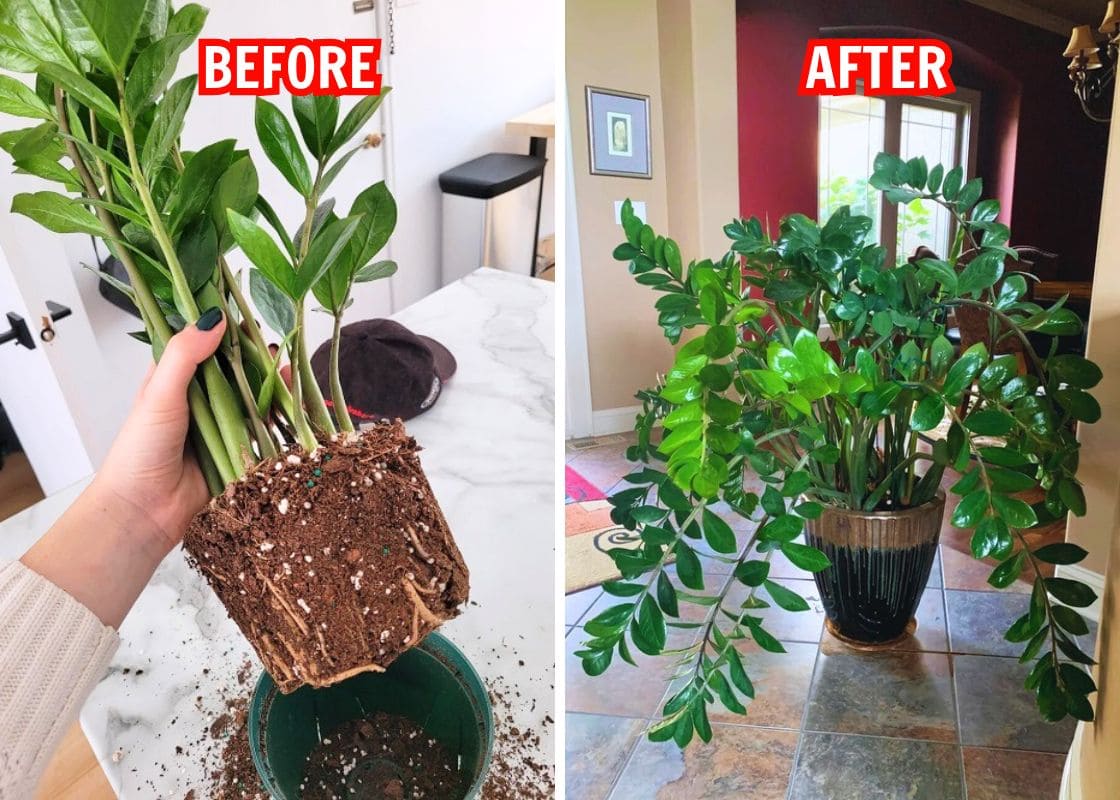
The ZZ plant (Zamioculcas zamiifolia) has earned its reputation as one of the most resilient houseplants available. It can endure Read more

Understanding Fertilizers for Plants Fertilizer is a product that can be spread or mixed into the soil to provide plants Read more
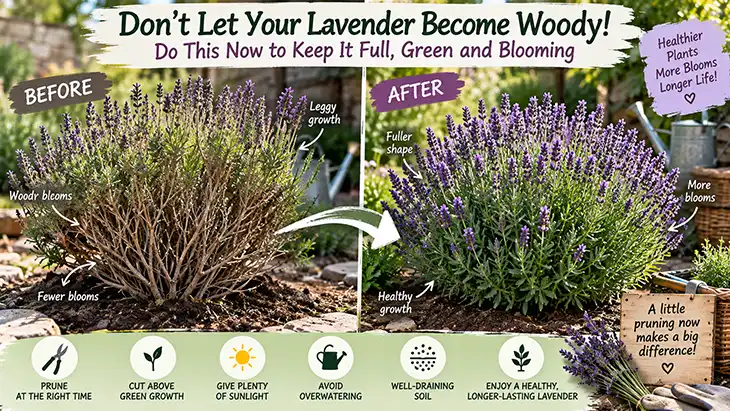
When lavender plants are young, they often present an almost perfect image: a compact shrub with silvery-green foliage, a delightful Read more
Are you considering adding a Snake Plant to your indoor garden? Whether you're a complete novice or a seasoned plant Read more
The jade plant boasts stunning foliage, making it an excellent choice for enhancing both garden landscapes and indoor environments. Beyond Read more
Wood ash is a valuable byproduct generated from burning firewood or wood pellets, offering numerous beneficial properties that can be Read more
Pepper plants are a favorite addition to any home garden, offering an impressive variety of flavors, colors, and levels of Read more
As sustainability and eco-consciousness continue to play a vital role in our everyday lives, discovering alternative methods to fertilize our Read more
Having geraniums adorned with vibrant blooms for months—sometimes lasting even longer than anticipated—is not a feat reserved solely for expert Read more
Snake plants (Dracaena trifasciata, formerly known as Sansevieria trifasciata) are renowned for their remarkable resilience. No matter if they receive Read more
Lucky Bamboo: The Zen Symbol of Your Prosperity You've likely seen this elegant green stalk, often gifted in a vase Read more
Snake plants, scientifically known as Dracaena trifasciata and previously classified as Sansevieria, are favored houseplants admired for their resilience and Read more
Safety and Medical Disclaimer: The information provided in this article is intended solely for educational and informational purposes. We disclaim Read more
Snake plants are renowned for their resilience, often considered nearly indestructible. They can withstand missed waterings, low light conditions, and Read more

The Wonders of Blueberries: A Guide to Growing and Enjoying This Nutrient-Rich Fruit Mildly sweet, the blueberry is a dark Read more

Neem oil is a completely natural product, derived from a plant native to India. It contains azadirachtin, a potent compound Read more
Do you have indoor plants? They have a unique ability to infuse life and color into any environment, whether it’s Read more
Peace lilies (Spathiphyllum) rank among the most cherished indoor plants, and it’s easy to understand why. Their shiny, deep green Read more

Hugelkultur Gardening: Create a Self-Watering, Long-Lasting Raised Garden Bed Hugelkultur, a German word meaning “hill culture,” is an innovative and Read more
The wisdom and experience of our grandparents often provide invaluable tips and techniques that make our daily lives easier and Read more

Indoor Plants: A Decorative Air Purifier Indoor plants have become an essential part of modern decor, increasingly sought-after to greenify Read more

The Curious Case of Tomato Slices: A Journey from Kitchen Scrap to Sprout As someone always game for a gardening Read more
Orchids rank among the most exquisite houseplants cherished by many, yet they are often recognized for their delicacy and their Read more
Exploring the World of Eggplants: A Gardener's Guide Eggplants, with their divisive nature, are often a subject of culinary debate. Read more
Orchids, celebrated for their exotic beauty and remarkable variety, require tailored care to flourish. While most growers rely on commercial Read more

In the culinary world, garlic is a staple ingredient that is hard to do without. Cultivating it benefits many plants Read more

The Importance and Care of House Plants House plants not only serve as a significant decorative element but also play Read more
Hydrangeas, with their breathtaking blooms, stand out as one of the most enchanting deciduous flowering bushes. If you've wandered through Read more

Cultivating Zucchini in Containers: A Comprehensive Guide Zucchini is a popular vegetable for gardening aficionados and novices alike. It's simple Read more
When it comes to gardening, enthusiasts are always eager to discover effective and affordable methods to boost plant growth and Read more

Have you ever noticed how a tomato freshly picked from your garden tastes far superior to one bought off a Read more

For gardening enthusiasts, it's a known fact that many plants thrive in humid and warm climates conducive to their growth. Read more

Wild Medicinal Plants: Harnessing the Hidden Virtues of Earth’s Greenery In the wilderness of our environment—ranging from the expanse of Read more

Orchids, with a staggering 28,000 unique species, beautifully demonstrate nature's rich tapestry of diversity. Originating from the Orchidaceae lineage, these Read more
Some years, the effort put into gardening seems barely worth it, but this autumn, the value of gardening becomes clear. Read more
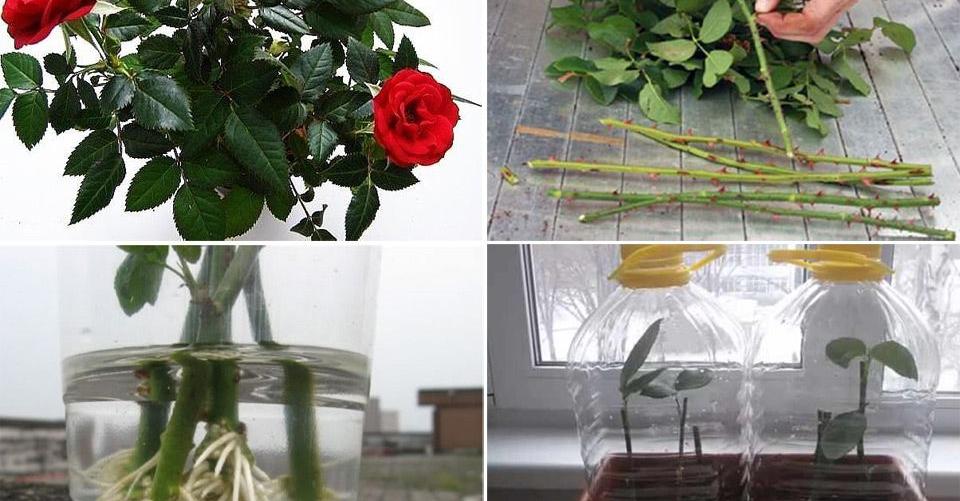
Florists and rose lovers alike understand that the allure of roses need not be ephemeral. It is entirely possible to Read more
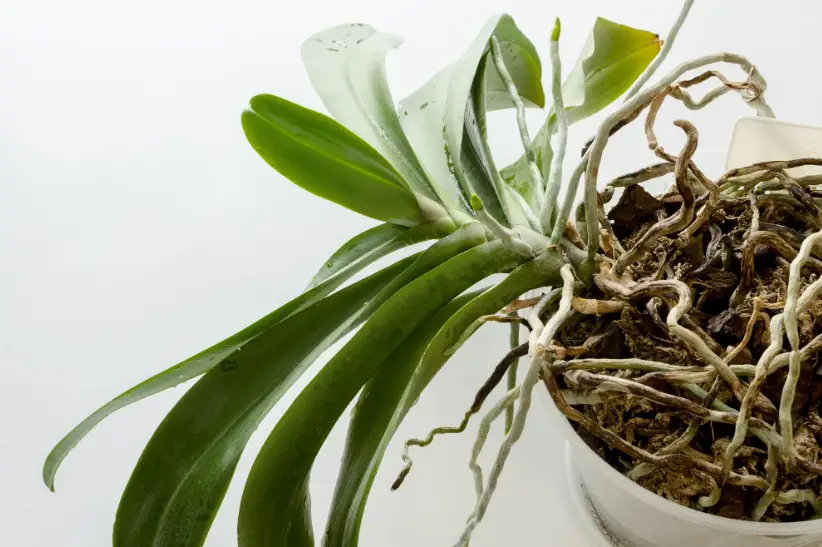
Have you noticed your orchid displaying signs of distress or appearing sickly, seemingly on the brink of death? Don’t lose Read more
Originating from the arid regions of the Middle East, the pistachio tree (Pistacia vera) is a hardy desert plant celebrated Read more
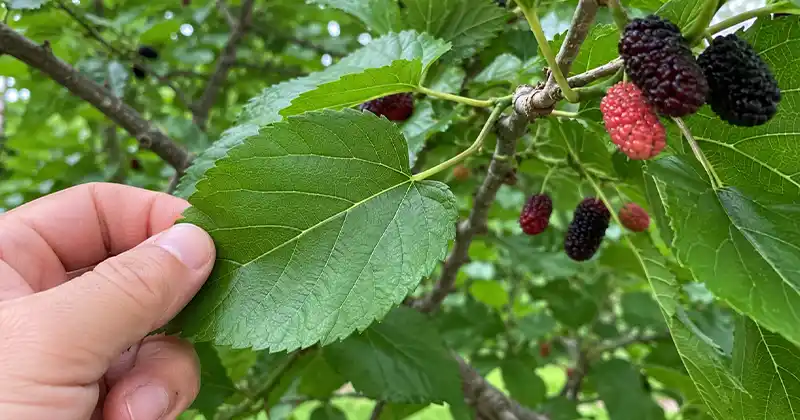
Mulberry trees are best known for their sweet summer berries, yet the leaves they produce hold far greater potential as Read more
The Advantages of the Snake Plant Indoors You can find it everywhere: in welcoming living rooms, modern offices, as well Read more
