
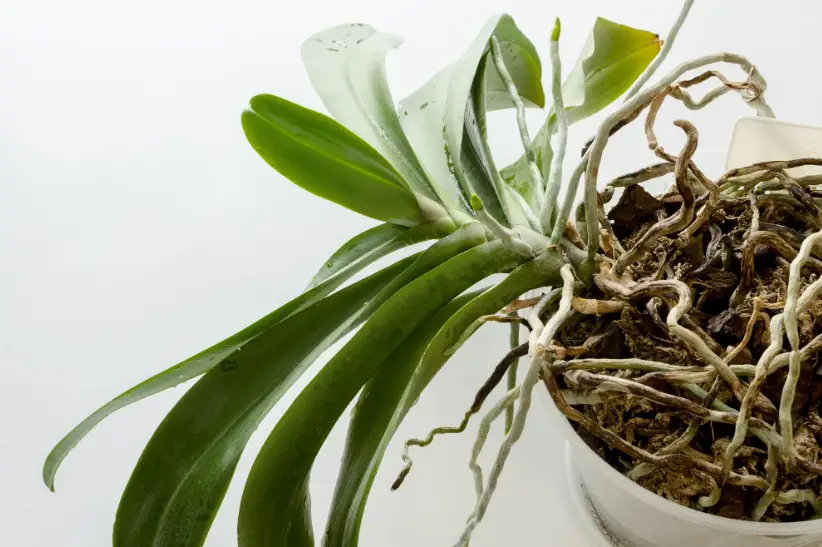
Have you noticed your orchid displaying signs of distress or appearing sickly, seemingly on the brink of death? Don’t lose hope! We are here to guide you through the process of reviving your orchids and restoring their vitality. Understanding the underlying causes of their decline is crucial for providing proper care and facilitating their recovery. Let us delve into the most common reasons orchids perish and discover effective ways to tackle these issues.
Root Rot: The Invisible Threat to Orchids
Root rot stands as the leading cause of orchid mortality. This condition is primarily triggered by overwatering, which results in excessive moisture within the growing medium, causing roots to decay. Furthermore, acidic potting media and inadequate oxygen flow caused by compacted soil can also lead to root rot.
How to Diagnose Root Rot
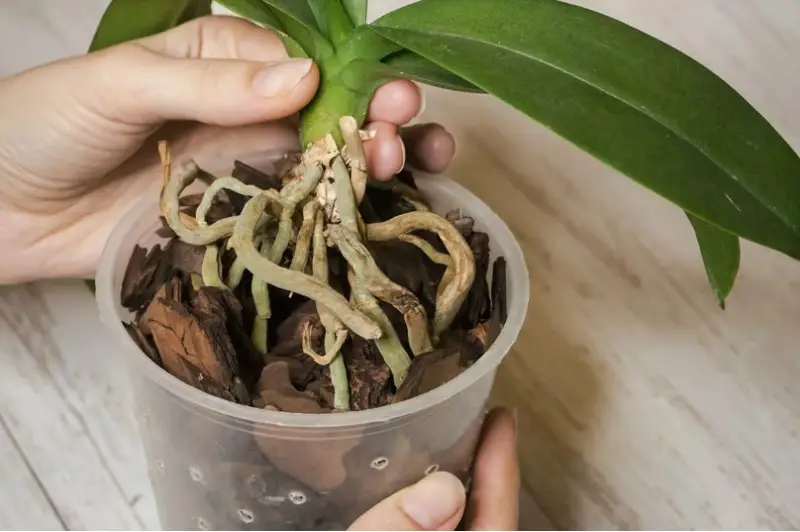
To detect root rot, gently remove the orchid from its pot and inspect the roots closely. You should look for signs such as mushy textures and dark discoloration, which strongly indicate root decay.
Methods for Treating Root Rot
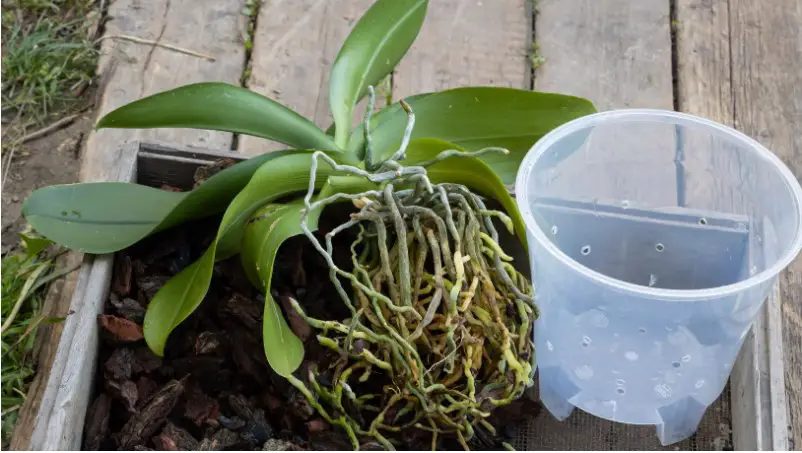
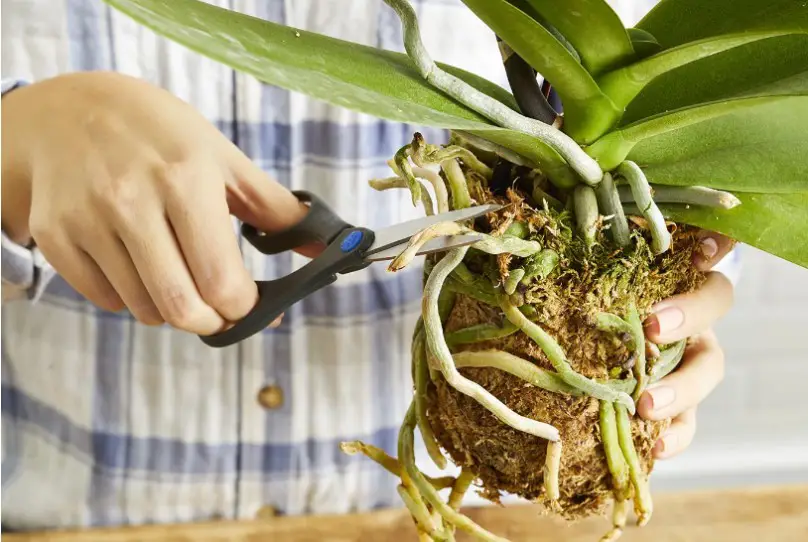
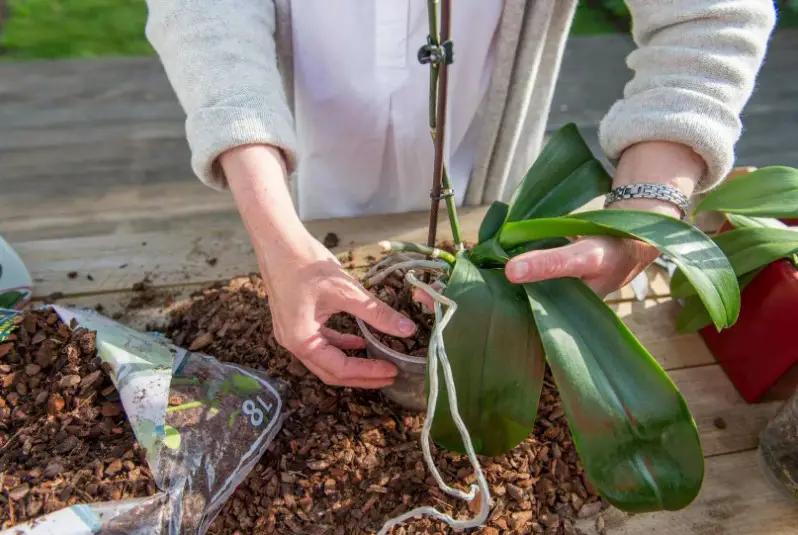
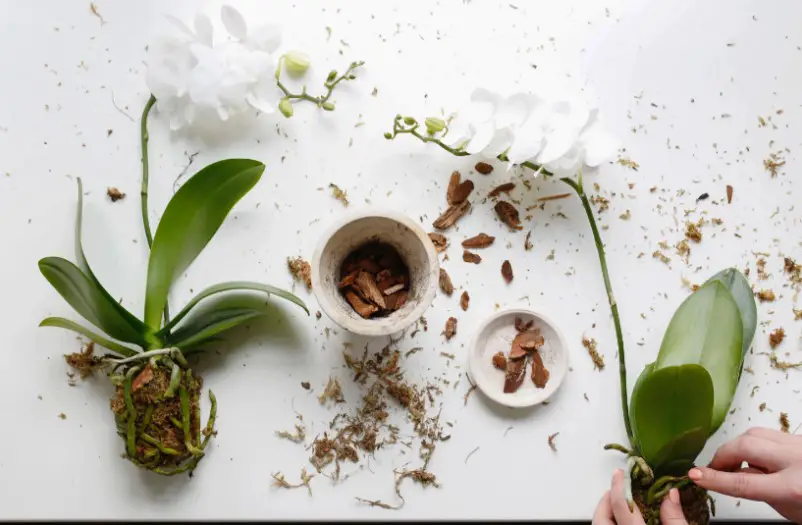
When treating an orchid afflicted with root rot, begin by carefully cutting away all affected and rotting roots with sterilized scissors or pruners. Removing these damaged roots helps reduce the strain on the plant. Afterwards, disinfect the remaining healthy roots by spraying them with a 3% hydrogen peroxide solution to minimize the spread of rot. Finally, repot your orchid into fresh, well-draining growing medium.
Preventing Root Rot
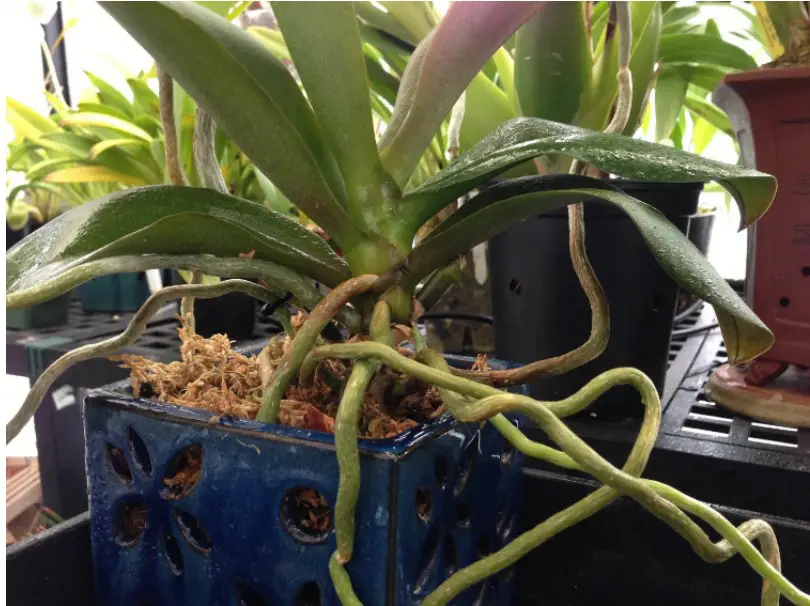
Prevention of root rot hinges on avoiding overwatering your orchid. Make sure the plant’s medium dries between watering sessions while ensuring it remains sufficiently hydrated. Utilize orchid pots equipped with ample drainage holes to enable excess water to escape easily and promote better air circulation. Routinely check the moisture level in the growing medium to prevent oversaturation. Additionally, allowing aerial roots to extend outside the potting medium enhances airflow and diminishes moisture exposure, further reducing the risk of root rot.
Crown Rot: A Critical Danger to Orchid Crowns
Crown rot is a less frequent but far more serious disease that affects orchids, threatening the crown’s survival. Damage to the crown is more catastrophic than root rot and often leads to irreversible harm.
What Causes Crown Rot
Crown rot primarily results from improper watering practices, particularly when water becomes trapped inside the crown. If this trapped moisture is not promptly removed, it causes rotting. Orchids growing in their natural, airborne habitats do not generally face this problem.
Identifying Crown Rot
Examine the orchid’s crown carefully for signs of decay, such as blackened areas. This condition may also be accompanied by yellowing leaves and leaf drop.
Treatment Options for Crown Rot
Although the possibility of saving an orchid afflicted with crown rot is low, it is worth attempting. Start by removing the orchid from its pot and discarding the old potting medium. Cut away any mushy or dead roots, and trim yellowed leaves. Thoroughly disinfect the plant by spraying it with a 3% hydrogen peroxide solution, then allow it to air-dry before wiping off any residual moisture. Repot the orchid into fresh medium, and apply ground cinnamon to the crown area to combat fungal infections and inhibit their spread.
Preventive Measures for Crown Rot
Avoid potting your orchids too deeply, as this depth increases the likelihood of crown rot. Be cautious when watering to ensure water does not accumulate inside the crown. If water does find its way in, insert a folded corner of a paper towel into the wet crown to absorb the moisture, replacing the towel as needed until all excess water has been removed.
Dehydration: The Silent Killer of Orchids
Dehydration is a frequent issue that can ultimately lead to the death of an orchid, usually caused by underwatering or too much direct sunlight exposure.
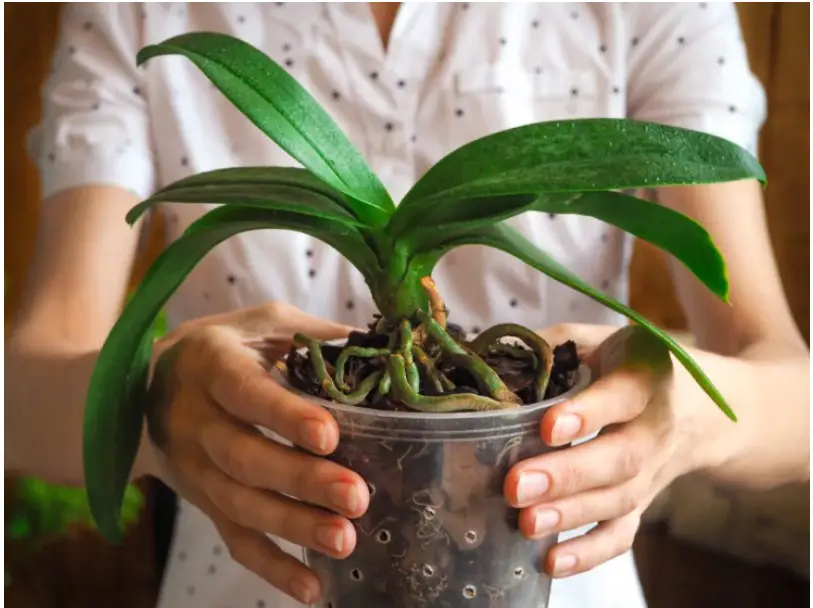
Comprehending Dehydration
While orchids require their potting medium to dry out somewhat between watering, extended periods of dryness can rapidly cause them to become ill. Watering needs may vary depending on the orchid species and seasonal changes, but maintaining sufficient hydration is vital for your orchid’s health.
How to Recognize Dehydration
Watch for signs such as wrinkled, limp, or yellowing leaves, dry bark or sphagnum moss in the potting medium, and desiccated roots.
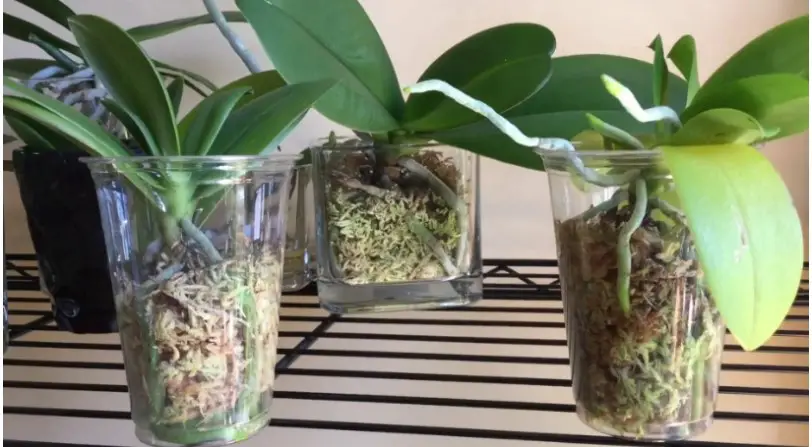
Steps to Treat Dehydration
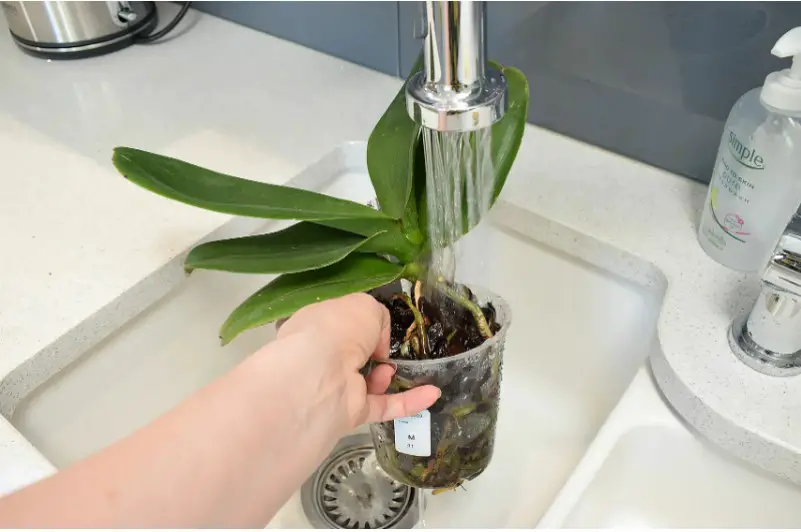
To restore a dehydrated orchid, remove it from its pot and clear away all remnants of the old potting medium. Soak the roots in lukewarm water or rinse them gently under a running tap, taking care not to soak the plant itself. Assess the roots, cutting off any dead ones with sterilized scissors or pruners. Spray the remaining healthy roots with a 3% hydrogen peroxide solution and allow them to air dry. Then, repot the orchid in fresh medium and water thoroughly to ensure proper hydration.
Preventing Dehydration
Ensure your orchid remains properly hydrated by adhering to watering schedules tailored to your specific species. Avoid placing orchids in direct sunlight, as most tropical varieties flourish best in bright, indirect lighting conditions.
Sunburn, Environmental Stresses, and Bacterial Infections: Additional Risks
Beyond the major causes discussed, several other factors can contribute to the decline of orchids.
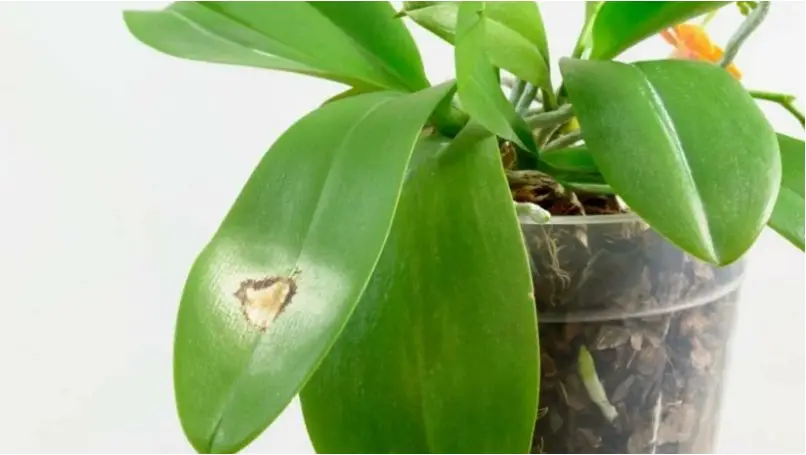
Sunburn: Shielding Orchids from Intense Sunlight
Direct exposure to strong sunlight can cause sunburn in orchids, which results in yellowing, browning, and scorched leaves that eventually fall. To prevent this, provide your orchids with bright yet indirect sunlight, resembling their natural habitat. Use curtains or move pots to shaded areas to limit excessive sun exposure.
Environmental Stresses: Creating Ideal Growing Conditions
Extreme temperature fluctuations, inappropriate humidity levels—whether too high or too low—and improper fertilization are common stressors that negatively affect orchids. To minimize stress, maintain stable, ideal environmental conditions. Avoid over-fertilizing your plants and use fertilizers specially formulated for orchids to supply balanced nutrition.
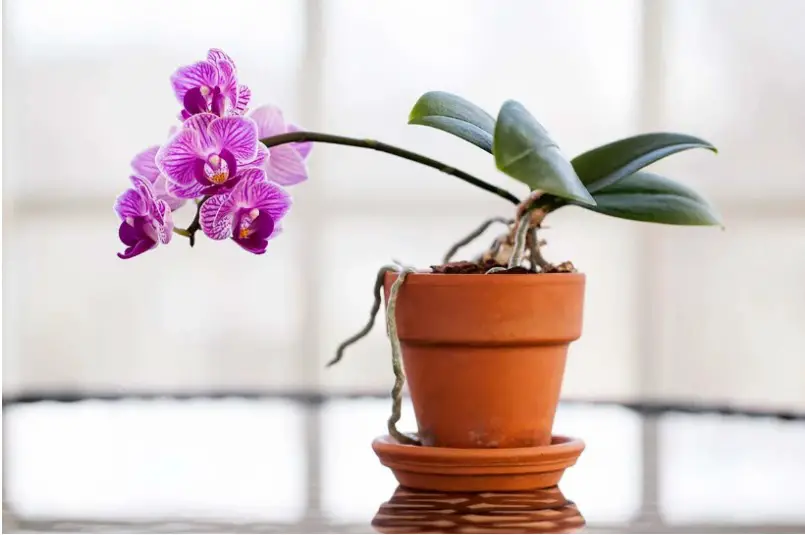
Fighting Infectious Diseases: Fungal and Bacterial Challenges
At times, orchids may experience fungal or bacterial infections that cause unhealthy roots, leaves, and even stem rot. To combat such infections, remove leaves that show spreading bacterial infection signs and trim old flower spikes back to the orchid’s stem. Disinfect the entire plant thoroughly and refresh the potting medium to eliminate environments conducive to disease proliferation.
By gaining a clear understanding of the factors behind your orchid’s decline and applying appropriate treatment methods and preventative care, you can successfully revive your cherished plants and secure their long-term health and vibrancy.

Orchids, with a staggering 28,000 unique species, beautifully demonstrate nature's rich tapestry of diversity. Originating from the Orchidaceae lineage, these Read more
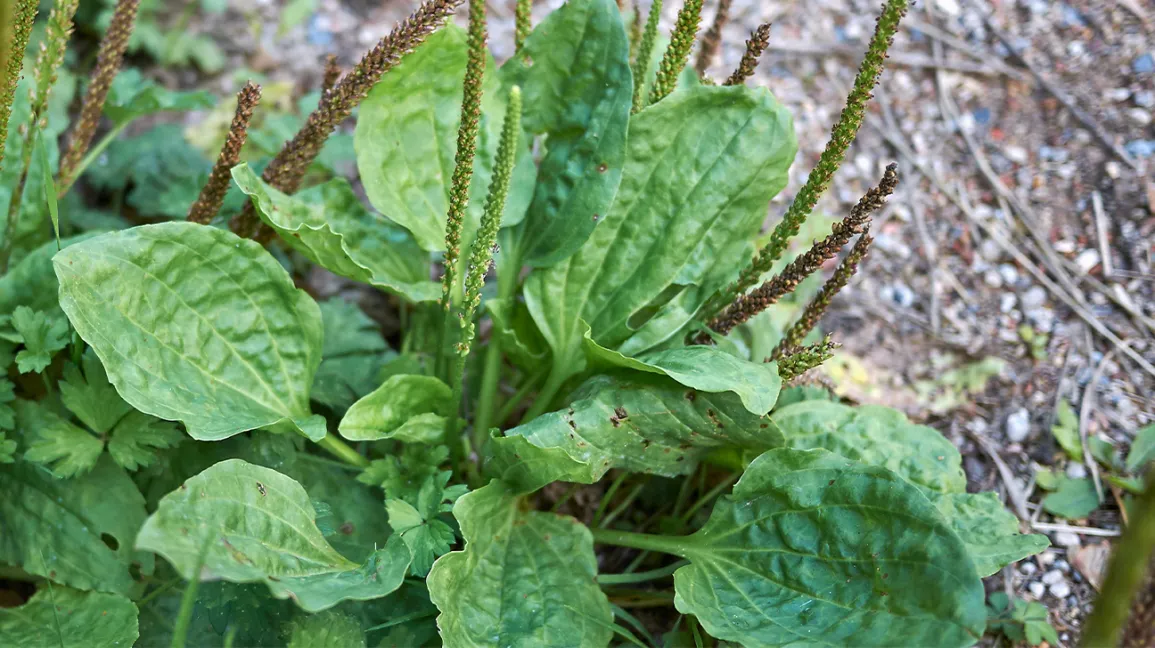
Nature provides us with countless remedies in the form of wild medicinal plants, surrounding us everywhere we go. These healing Read more
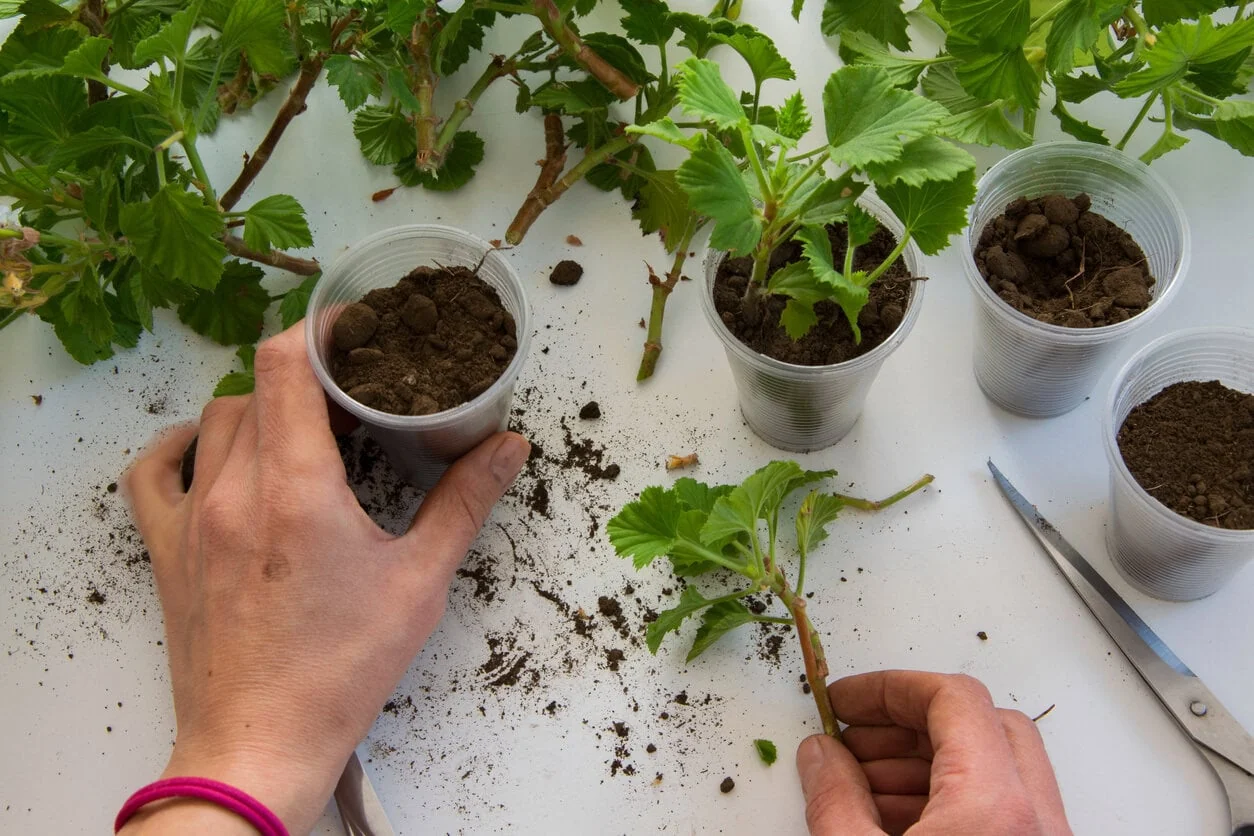
Some years, the effort put into gardening seems barely worth it, but this autumn, the value of gardening becomes clear. Read more
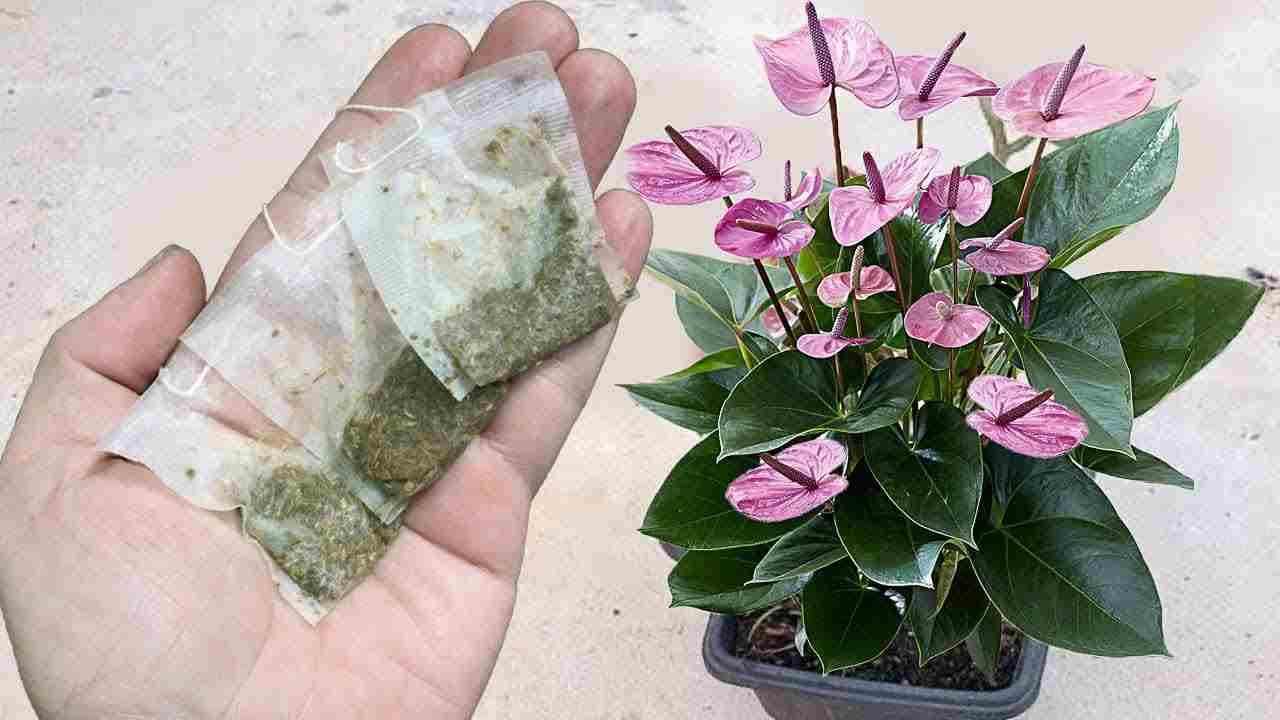
The ancient custom of drinking tea has been cherished by cultures around the world for centuries. Yet, surprisingly few people Read more
Why Do Certain Plants Purify the Air Inside Our Homes? Imagine having a small air purification station right on your Read more
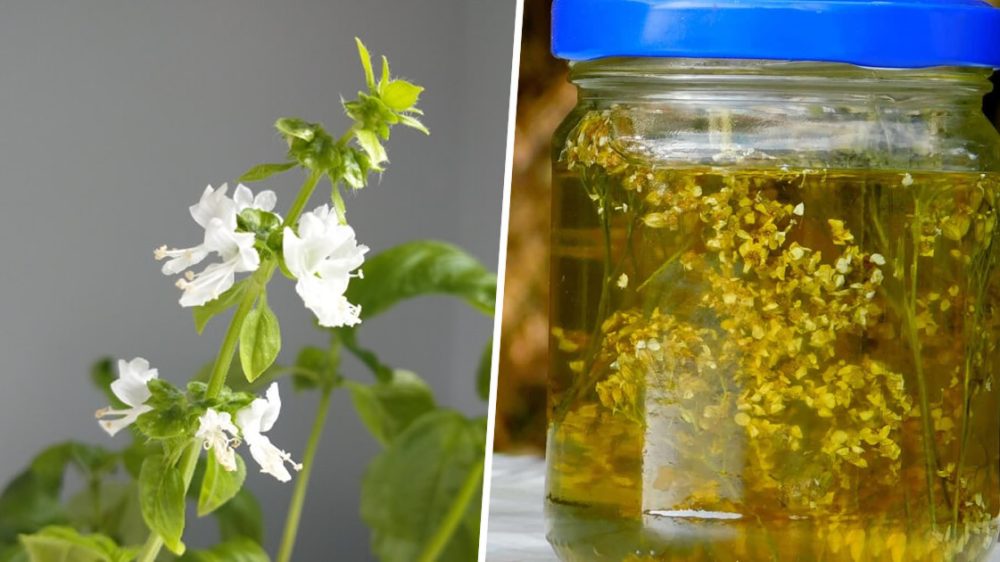
Basil, a cherished herb celebrated in culinary traditions around the globe, is best known for its fragrant leaves. Yet, its Read more

Introducing 15 Health-Enhancing Indoor Plants for a Vibrant Home Oasis Embrace a selection of indoor plants that bring more than Read more
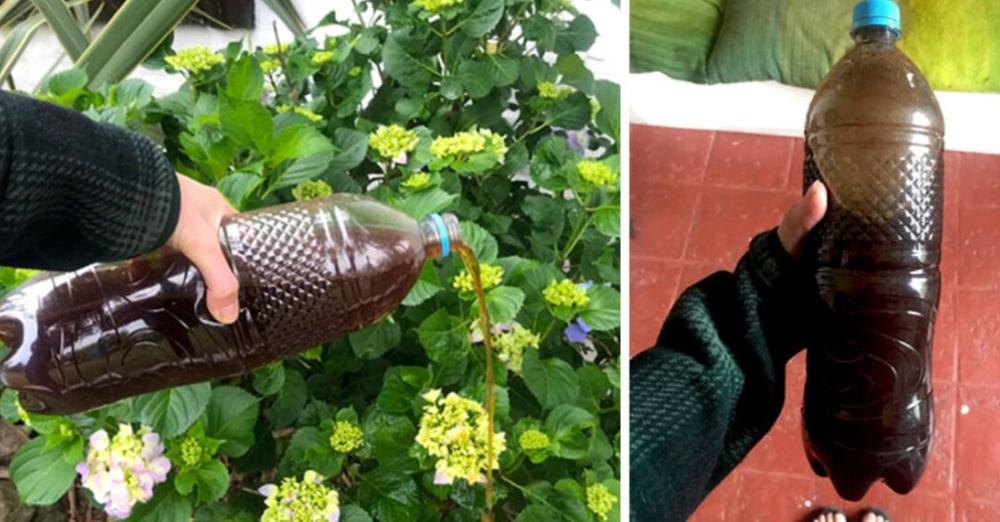
As sustainability and eco-consciousness continue to play a vital role in our everyday lives, discovering alternative methods to fertilize our Read more

Orchids, with their array of species and hybrids exceeding 25,000, stand as a testament to botanical beauty. Cultivators and hobbyists Read more
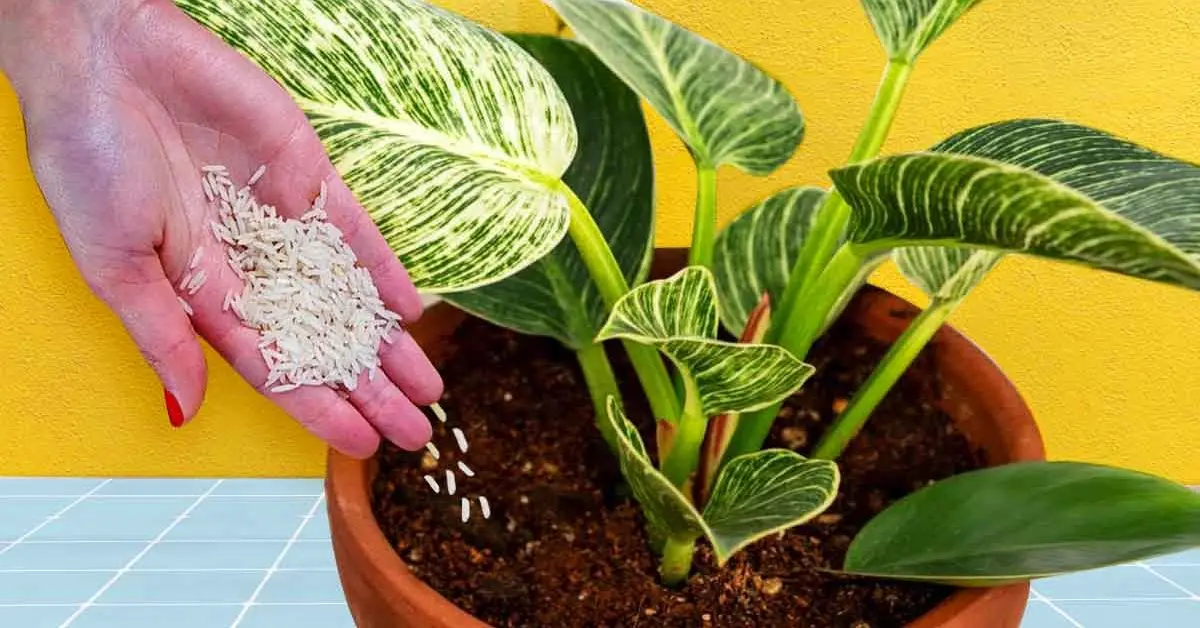
Indoor Plants and Their Benefits Indoor plants not only enhance the decor but also bring a touch of lush greenery. Read more
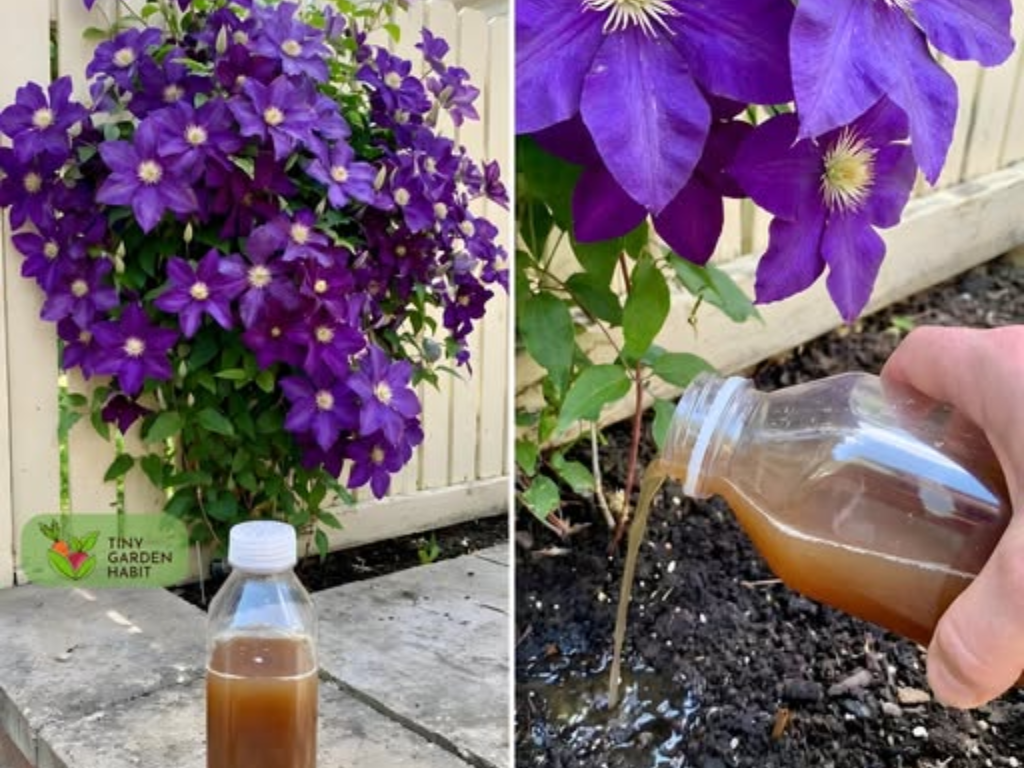
Clematis plants are fundamentally simple organisms, almost mechanical in nature, driven by basic principles of plant hydraulics and a kind Read more

Tea, the staple of morning routines and afternoon breaks, may have a second life beyond the cup that's often ignored. Read more

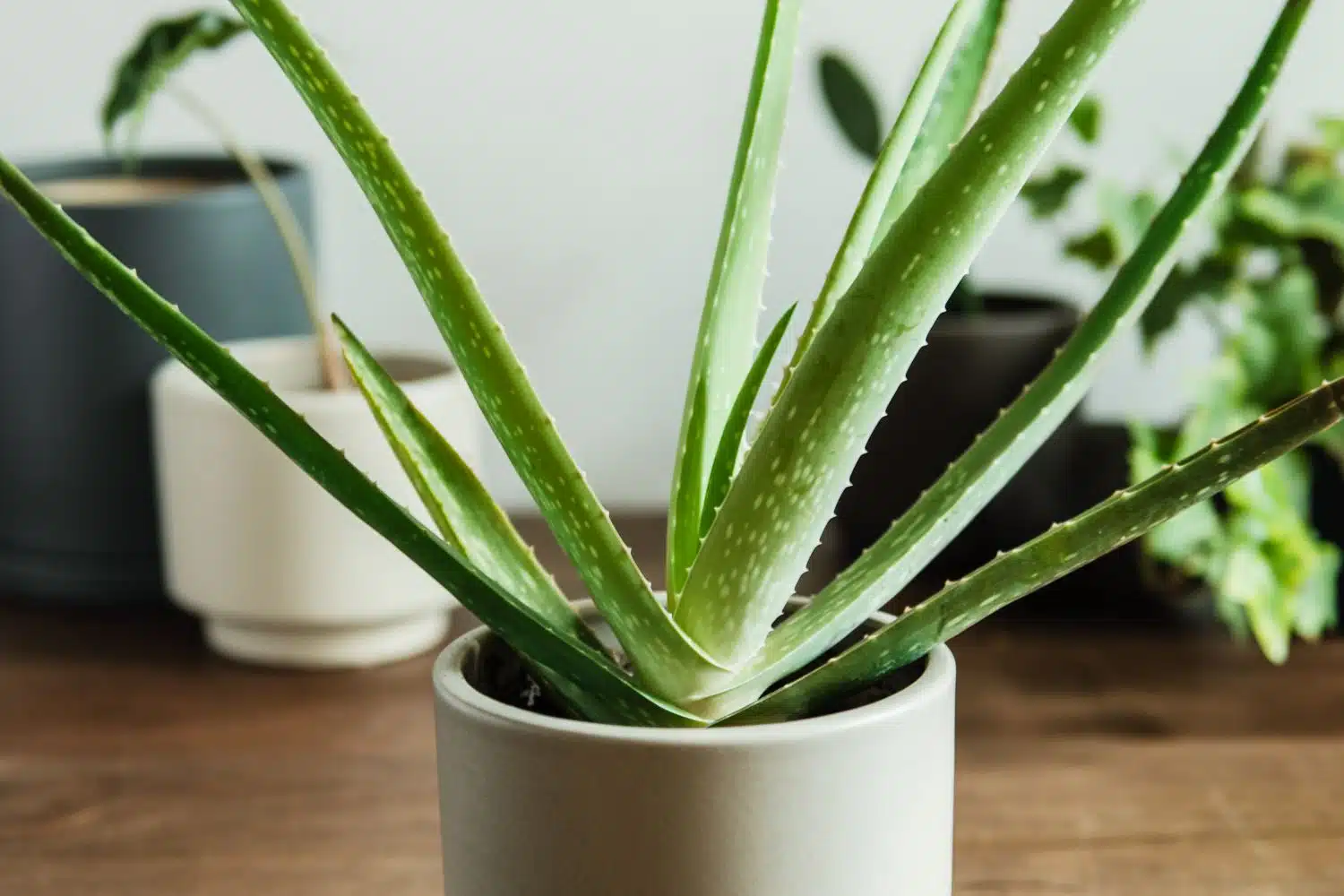
Navigating Aloe Vera Care: Bypassing Usual Oversights Aloe vera, celebrated for its therapeutic properties and eye-catching demeanor, is occasionally compromised Read more
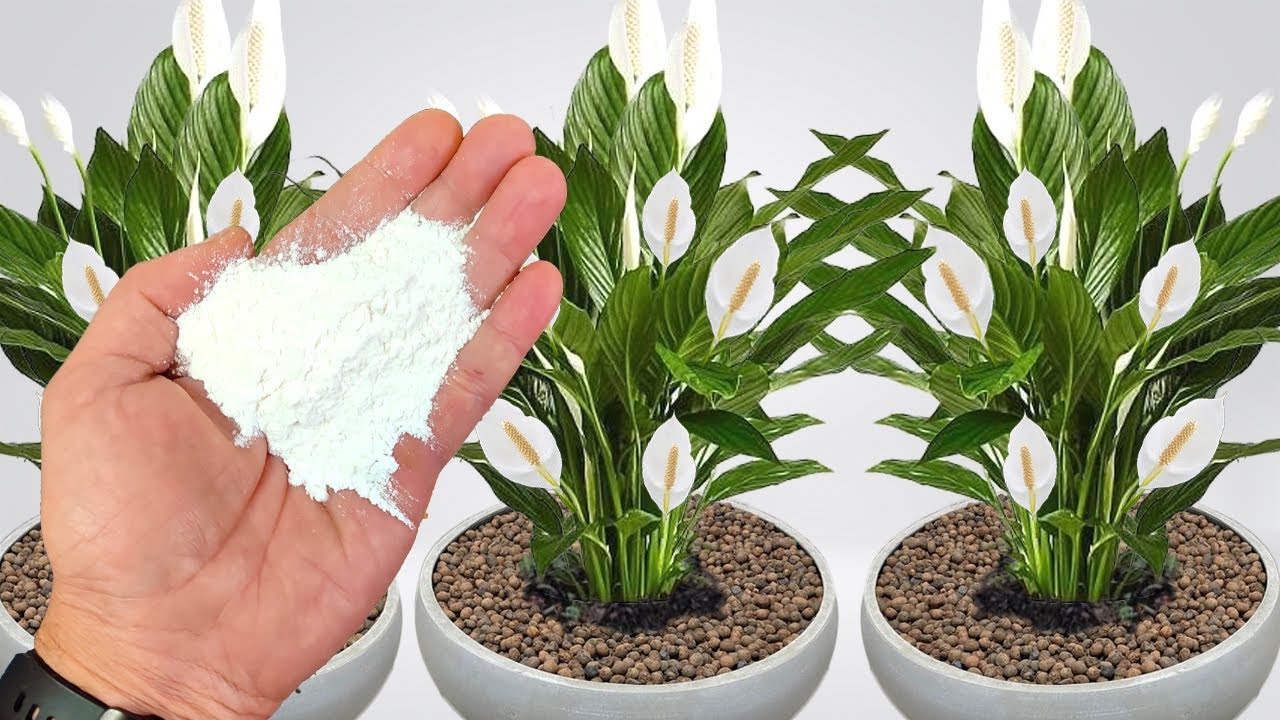
Are you searching for an affordable and eco-friendly alternative to chemical fertilizers? An unexpectedly powerful solution might already be in Read more
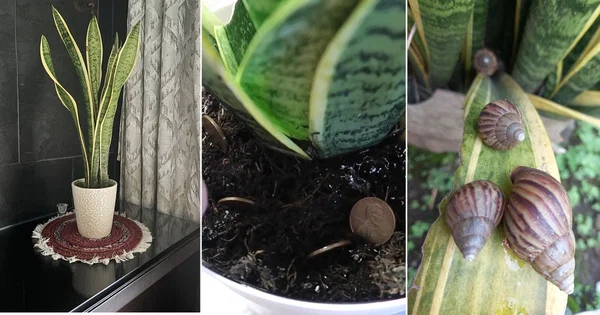
Gardeners constantly explore simple and inventive ways to enhance the health of their plants. One unconventional technique that has sparked Read more
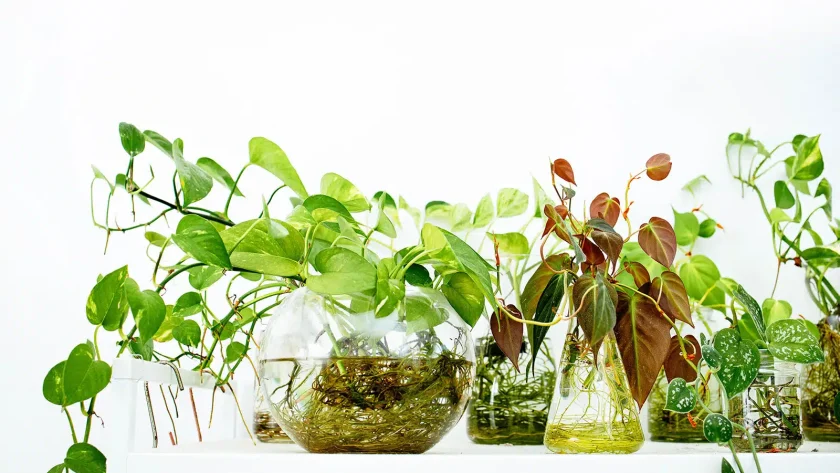
Searching for a distinctive method to incorporate some foliage into your home or workplace? Try cultivating plants hydroponically! Not only Read more
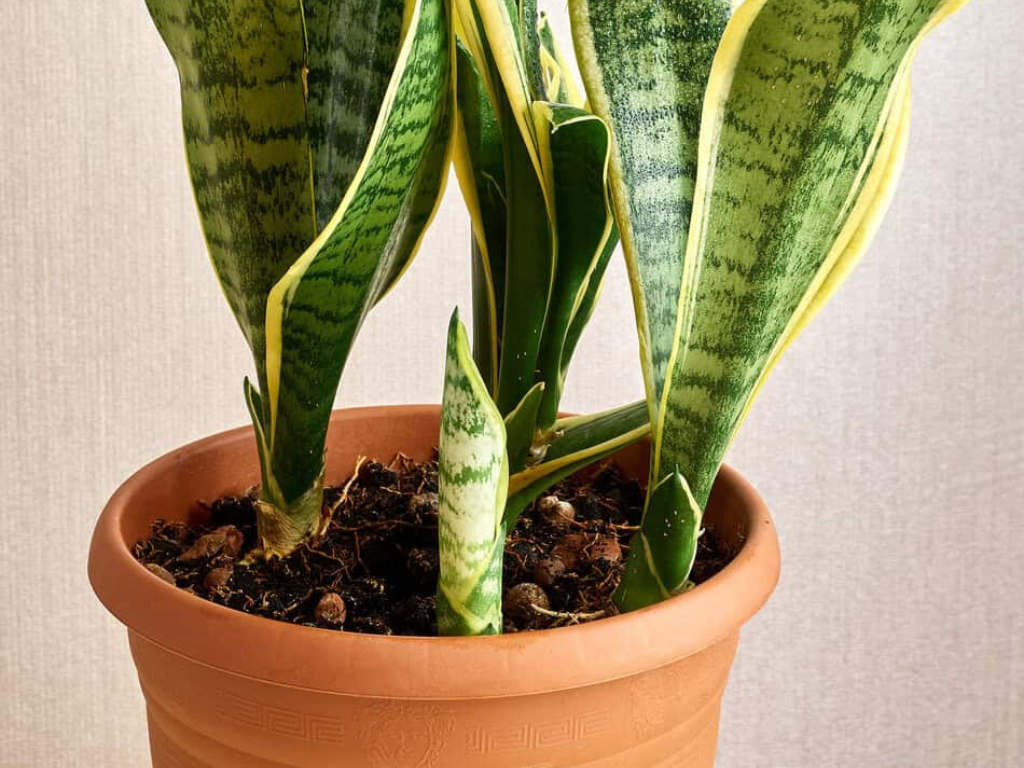
Snake plants (Dracaena trifasciata, formerly known as Sansevieria trifasciata) are renowned for their remarkable resilience. No matter if they receive Read more

Gardening: The Harmony of Craft and Nature Gardening brings out a dance between human creativity and the wonders of nature. Read more
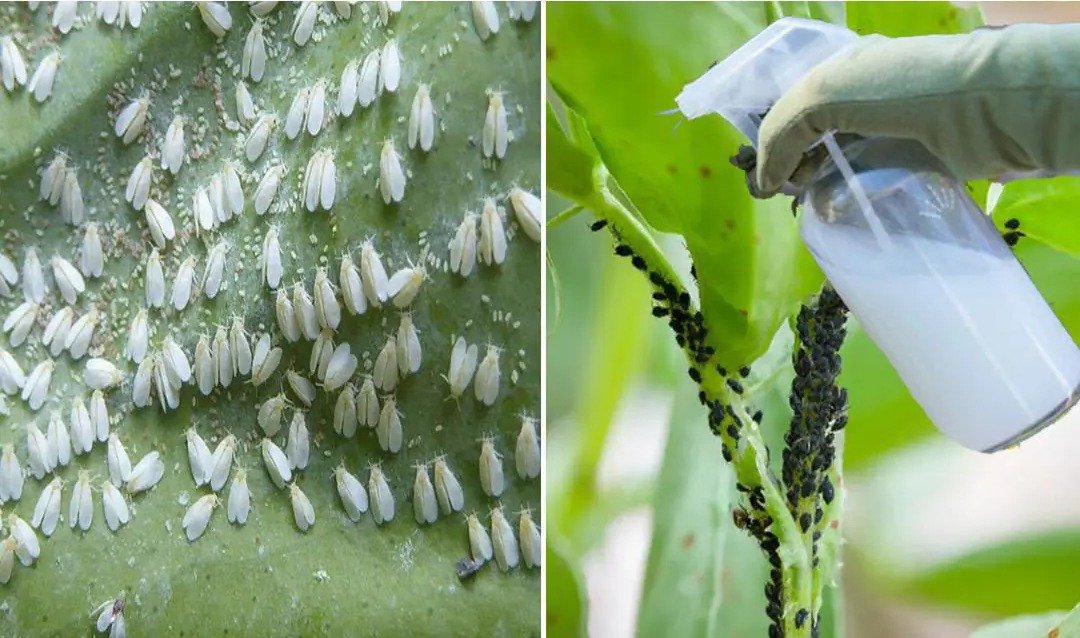
Aphids may be tiny—nearly invisible to the naked eye—but within just a few days, they can cause serious damage to Read more
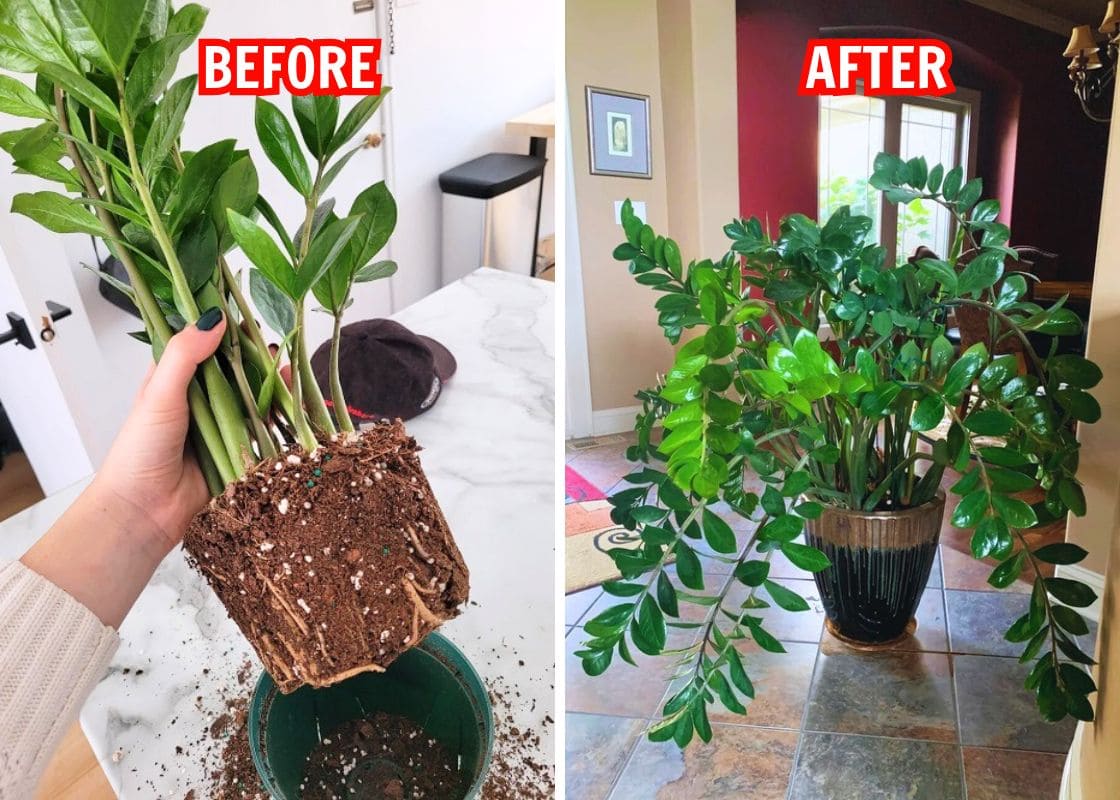
The ZZ plant (Zamioculcas zamiifolia) has earned its reputation as one of the most resilient houseplants available. It can endure Read more
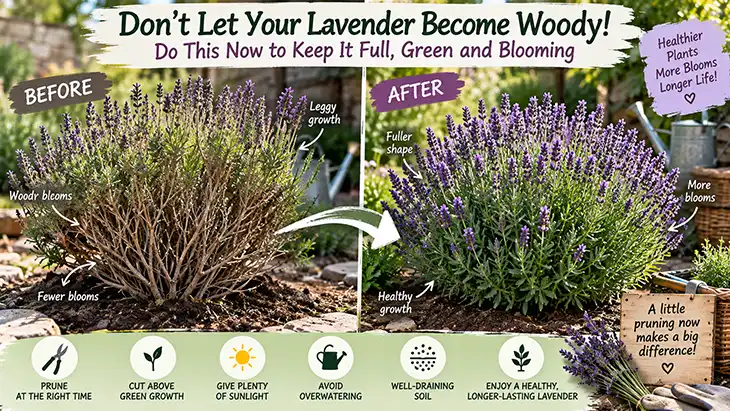
When lavender plants are young, they often present an almost perfect image: a compact shrub with silvery-green foliage, a delightful Read more

The Wonders of Blueberries: A Guide to Growing and Enjoying This Nutrient-Rich Fruit Mildly sweet, the blueberry is a dark Read more
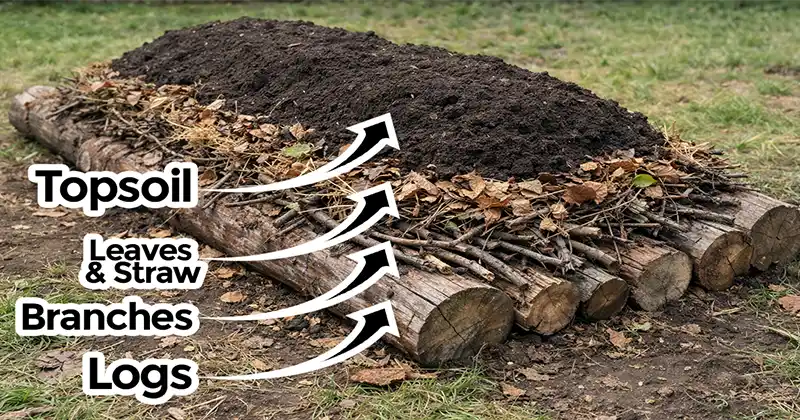
Hugelkultur Gardening: Create a Self-Watering, Long-Lasting Raised Garden Bed Hugelkultur, a German word meaning “hill culture,” is an innovative and Read more

Orchids are renowned for their stunning blooms and are a favorite among indoor plant enthusiasts. However, getting these temperamental beauties Read more
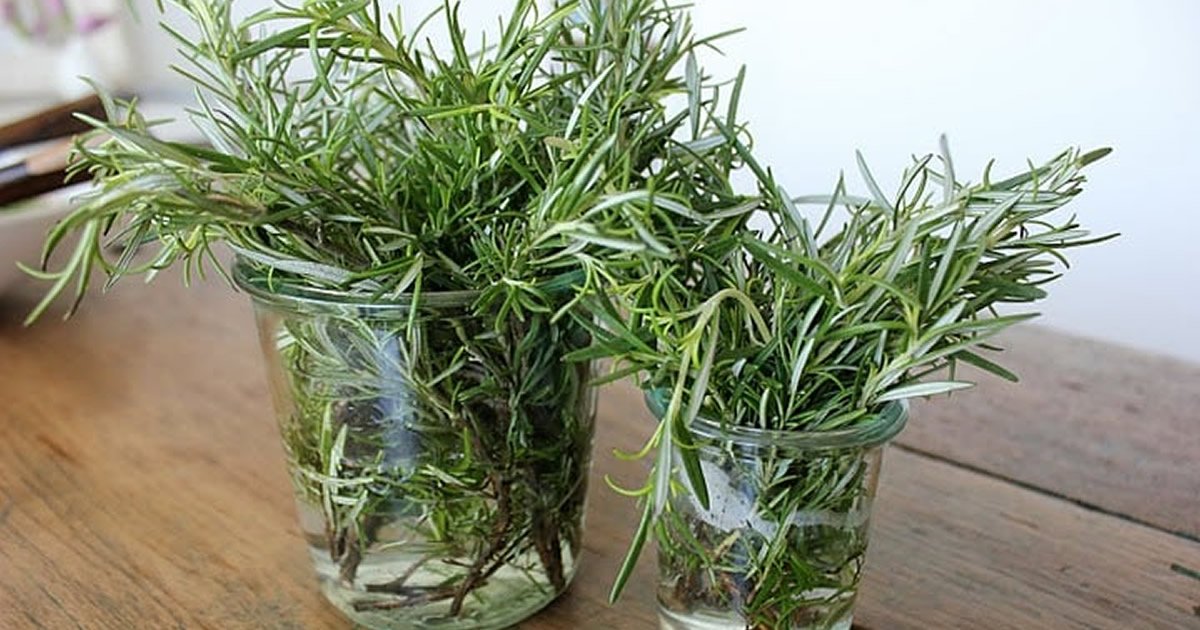
The wisdom and experience of our grandparents often provide invaluable tips and techniques that make our daily lives easier and Read more
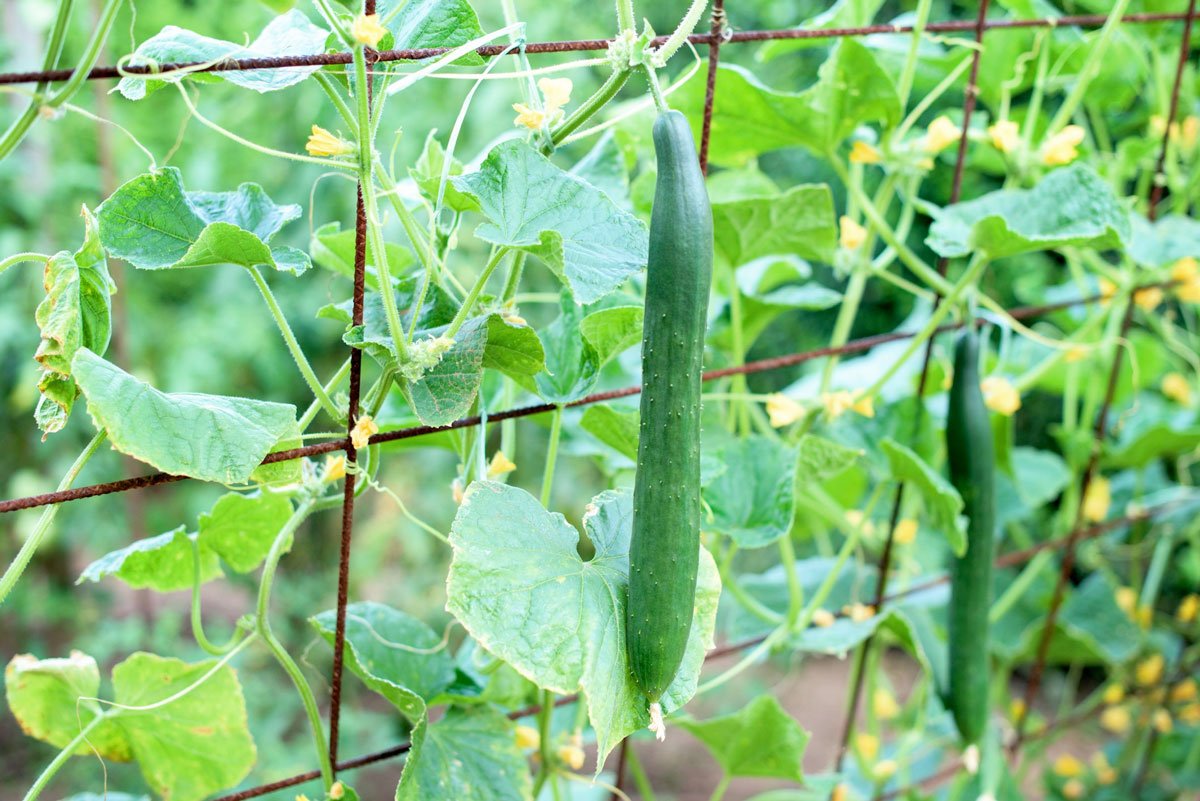
Cucumbers are a widely loved vegetable, known for their long, sprawling vines that can easily take up a large portion Read more

If you don't often get the chance to rejuvenate in the midst of nature, there's an alternative: introducing plants to Read more

Bananas are a delightful treat, but their peels can be a garden's treasure. Rather than discarding banana peels into compost, Read more
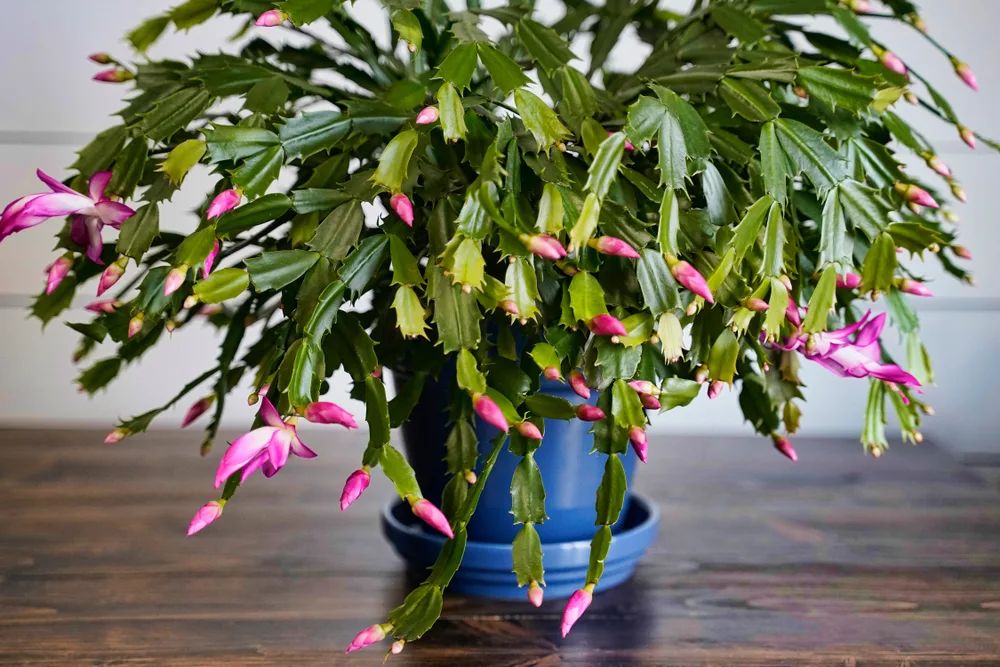
Unlocking the Mystery of the Festive Cactus The festive cactuses often baffle indoor gardeners. There's a lingering myth that these Read more
As sustainability and eco-consciousness continue to rise in importance in our daily lives, discovering alternative methods to fertilize our gardens Read more
Hydrangeas, with their breathtaking blooms, stand out as one of the most enchanting deciduous flowering bushes. If you've wandered through Read more
Mulberry trees are best known for their sweet summer berries, yet the leaves they produce hold far greater potential as Read more
Florists and rose lovers alike understand that the allure of roses need not be ephemeral. It is entirely possible to Read more
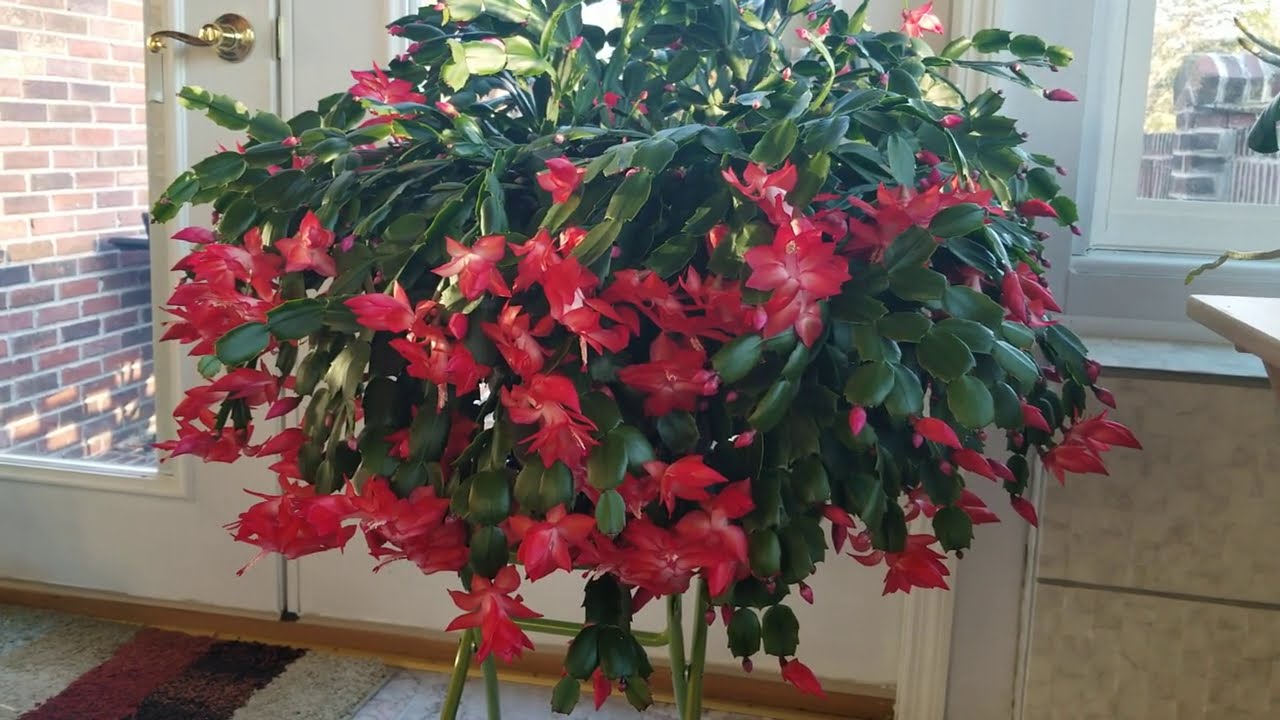
Christmas cacti don’t adhere to the typical “feed once a month and forget it” approach that many houseplants follow. Because Read more
Easy Clove Growing: From Seed to Spice – A Beginner’s Guide Cloves are among the most treasured spices in the Read more
Have you ever noticed how a tomato freshly picked from your garden tastes far superior to one bought off a Read more

Neem oil is a completely natural product, derived from a plant native to India. It contains azadirachtin, a potent compound Read more

Orchids, celebrated for their intricate beauty and variety, need particular attention for optimal growth. In the realm of orchid care, Read more
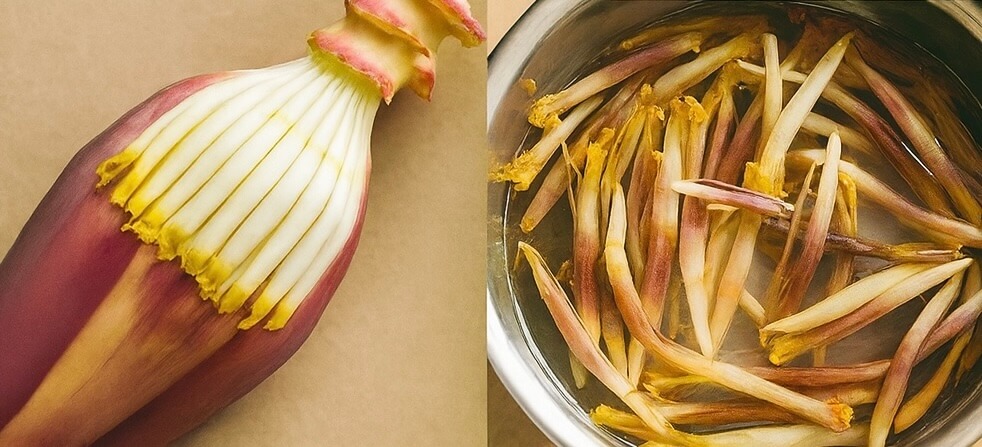
Often overshadowed by the fruit itself, the banana flower—also known as the banana blossom or banana heart—appears as a deep Read more
Sleep is a vital component of our overall health, serving as the foundation for a productive and energized day. Yet, Read more
