
Safety and Medical Disclaimer: The information provided in this article is intended solely for educational and informational purposes. We disclaim any responsibility for the usage of these plants, remedies, or recipes. This content does not constitute medical advice. Always seek advice from a healthcare professional, doctor, or dermatologist before treating severe rashes, allergic reactions, or unknown skin conditions. In the case of a serious allergic reaction to poison ivy, such as difficulty breathing or facial swelling, obtain emergency medical help immediately.
Whenever you spend time outdoors—whether gardening, hiking, or clearing brush—you have probably experienced the dread of coming into contact with poison ivy. The itchy, blistering rash that follows can persist for weeks. Yet, often nature provides the remedy right alongside the problem. Jewelweed, a common wild plant, is well known for its extraordinary skin-soothing qualities.
Jewelweed (Impatiens capensis), sometimes known as “touch-me-not spotted,” is a wildflower surprisingly effective in alleviating skin irritations. For centuries, its succulent, water-filled stems have been utilized to ease the severe itching caused by poisonous plants and insect bites. Best of all, jewelweed is very easy to locate and prepare at home. This article offers everything you need to understand the healing qualities of jewelweed and how to use it safely and effectively.
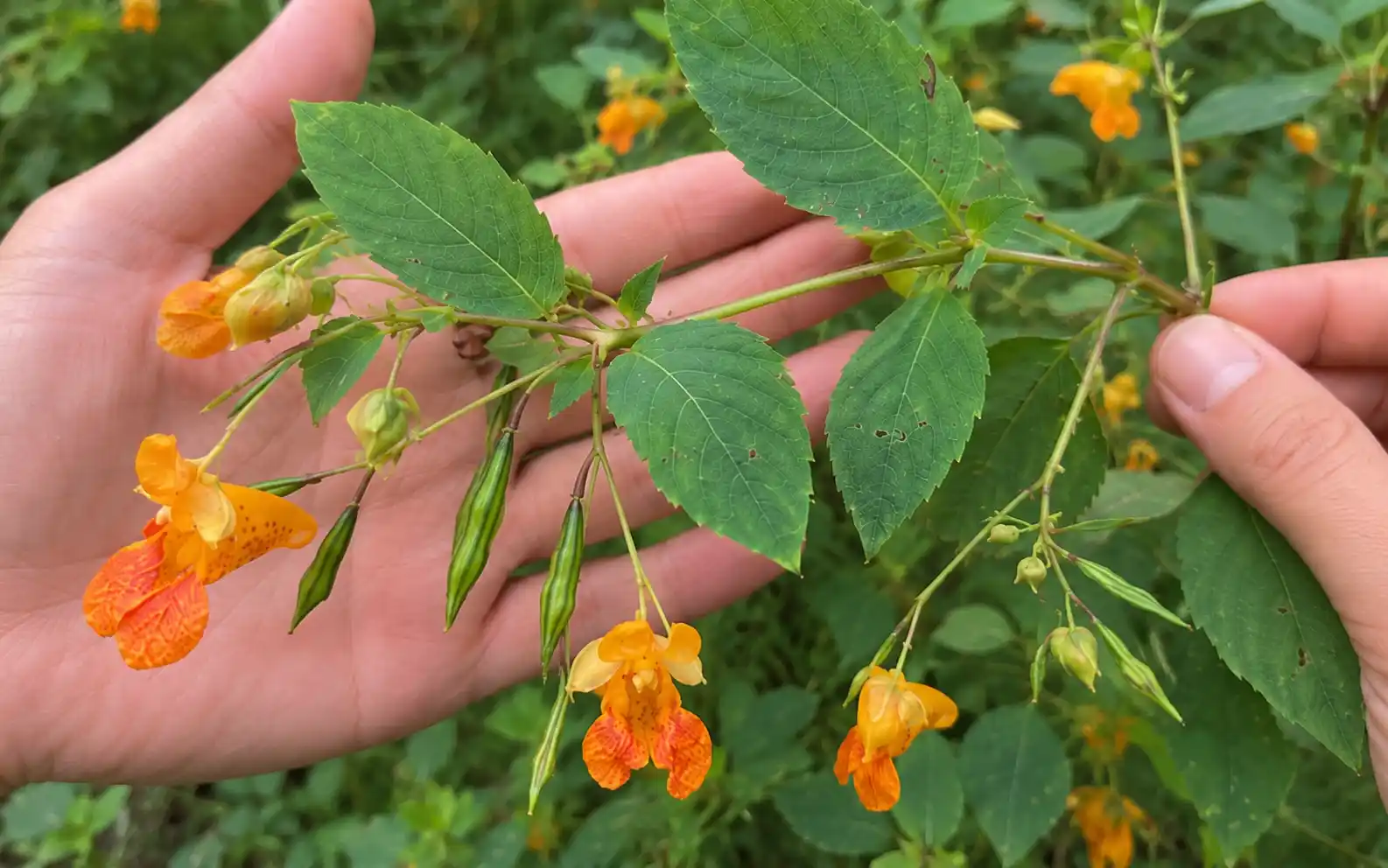
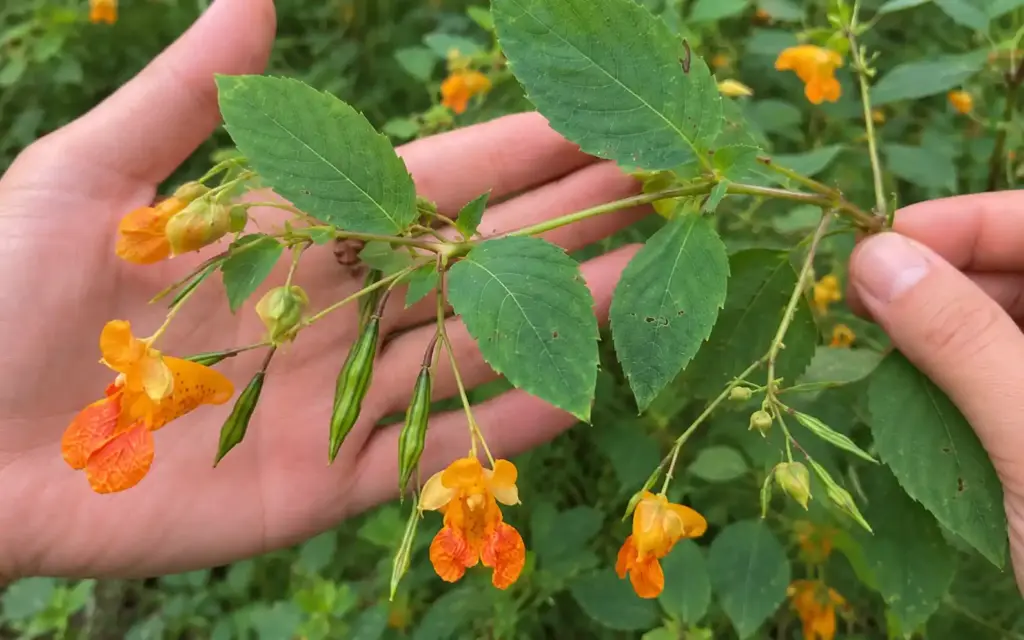
How to Identify Common Jewelweed
Correct identification is essential before using jewelweed. This plant thrives in moist, shaded places such as along streams, in swamps, or damp wooded areas. Jewelweed often grows near poison ivy plants.
Look for these distinct features:
- Stems: The stems are light green, smooth, somewhat translucent, and hollow, giving a watery, succulent-like appearance. When broken, a clear watery sap immediately oozes out.
- Flowers: From mid-summer through early autumn, jewelweed produces small bright orange flowers resembling trumpets or horns of plenty, often adorned with reddish-brown spots.
- Leaves: The leaves are soft, thin, and oval-shaped with slightly toothed edges. When immersed underwater, they exhibit a shiny silver sheen, which is why jewelweed is also called “herb jewel.”
- Seed Pods: By late summer, small green seed capsules develop. When ripe, simply touching them causes the pods to burst, scattering seeds in all directions—hence the nickname “touch-me-not.”
The Benefits of Jewelweed
Why is this humble plant so effective at soothing skin irritations? Poison ivy, poison oak, and poison sumac produce rashes through an invisible, sticky oil called urushiol. When this toxic oil contacts the skin, it triggers a vigorous immune reaction that results in intense itching and blister formation.
Jewelweed combats these effects in two main ways:
- Natural Soaps: The sap from jewelweed stems contains saponins, which are natural cleansing agents. Rubbing the crushed plant on your skin immediately after poison ivy contact introduces these natural soaps that break down and wash away the toxic oil before it can bind to your skin.
- Anti-Inflammatory Compounds: Jewelweed contains lawsone, a compound with natural antihistamine and anti-inflammatory properties. When applied to an established rash, the juice helps reduce swelling, cool irritated skin, and alleviate relentless itching.
Jewelweed’s soothing benefits are not limited to poison ivy treatment. It also works effectively against:
- Mosquito and wasp stings
- Nettle burns
- Skin irritation from shaving or minor scrapes
- General skin irritation and mild hives
Harvesting Jewelweed
Harvesting jewelweed is straightforward but should be done with caution:
- Assess the Surroundings: Since jewelweed commonly grows near poison ivy, carefully check the area before stepping into bushes to avoid accidental exposure.
- Select the Juiciest Parts: The thick, low-lying stems contain the highest concentration of healing sap.
- Break, Don’t Pull: Pinch or snap the stems at a node rather than pulling the whole plant, as the roots are shallow and easy to uproot.
Home Remedies Using Jewelweed
Jewelweed is most potent when used fresh, immediately after harvesting. However, you can preserve it for winter with a few simple methods:
1. Quick Field Poultice (Fresh Poultice)
This is the fastest and most effective remedy right after poison ivy contact:
- Break off a thick, juicy fresh jewelweed stem.
- Crush the stem between your hands or with a clean stone until a wet, dripping paste forms.
- Rub this paste thoroughly on the irritated skin.
- Allow the sap to dry naturally on the skin.
2. Jewelweed Ice Cubes
Because jewelweed contains abundant water, it deteriorates quickly after harvesting. Freezing is an excellent way to preserve its healing properties for months.
- Collect a large handful of fresh stems and leaves.
- Chop them into small pieces using a knife or scissors.
- Place the plant pieces in a blender with just enough water to help blend.
- Blend until you achieve a thick, green smoothie.
- Pour the mixture into ice cube trays and freeze.
- Apply a jewelweed ice cube directly to insect bites or poison ivy itchiness—the cold reduces swelling while the juice eases itching.
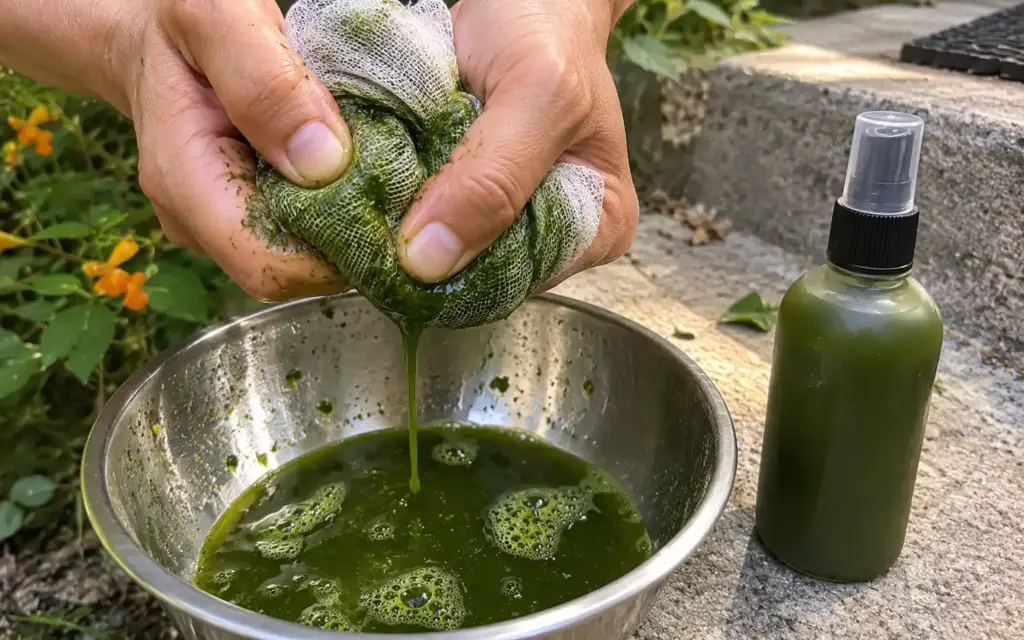
3. Jewelweed and Witch Hazel Spray
This refreshing liquid spray keeps well refrigerated and is perfect for insect bites:
- Fill a glass jar halfway with fresh chopped stems and leaves.
- Pour in enough liquid witch hazel, available at pharmacies, to fully cover the plant material.
- Seal the jar and place it in the refrigerator for two weeks, gently shaking it every few days.
- After two weeks, strain the liquid through a coffee filter or paper towel to remove solids.
- Transfer the clear liquid into a small spray bottle. Apply to irritated skin as needed and keep refrigerated.
4. Jewelweed-Infused Oil
For a topical ointment, infuse jewelweed in a vegetable oil. Important: Because jewelweed holds a lot of moisture, it must be wilted first to prevent mold from developing in the oil.
- Harvest jewelweed and spread it flat on a dry towel indoors for 24 to 48 hours until it softens and wilts.
- Chop the wilted plant and place it in a heatproof glass jar.
- Cover the plant completely with a carrier oil such as olive oil or sweet almond oil.
- Set the jar in a pan of simmering water to create a double boiler over low heat.
- Warm gently for 2 to 3 hours without bringing it to a boil.
- Remove from heat, let cool, then strain through a fine cloth to eliminate solid residues.
- Apply the slightly green-colored oil to irritated skin to soothe discomfort.
Important Safety Guidelines for Home Use
Although jewelweed is gentle and safe for topical use, observe these precautions:
- For External Use Only: Jewelweed is intended solely for external application and should never be ingested. Raw jewelweed contains calcium oxalate crystals that may cause severe stomach cramps and digestive problems. Avoid drinking jewelweed teas or infusions under any circumstances.
- Beware of Spoilage: Fresh jewelweed deteriorates rapidly. Liquid preparations such as teas or sprays will develop mold within days if left at room temperature. Always refrigerate these or freeze them for longer storage.
- Conduct a Patch Test: Skin sensitivity varies. Before wide application, test a small drop of jewelweed juice on the inside of your wrist and wait 20 minutes to ensure no allergic reaction develops.
By learning to recognize these vibrant orange flowers and translucent watery stems, you can turn an unpleasant encounter with poison ivy into a minor nuisance. Equipped with this knowledge, you will confidently use one of the finest natural homemade remedies available to soothe your skin.

Get a Head Start on Your Garden: Indoor Sowing for Colder Climates There's no need to wait for spring's embrace Read more

In the culinary world, garlic is a staple ingredient that is hard to do without. Cultivating it benefits many plants Read more

Neem oil is a completely natural product, derived from a plant native to India. It contains azadirachtin, a potent compound Read more
The Incredible Healing Power of Billygoat Weed (Ageratum conyzoides): 15 Health Benefits You Should Know About Billygoat weed, also known Read more

Navigating Aloe Vera Care: Bypassing Usual Oversights Aloe vera, celebrated for its therapeutic properties and eye-catching demeanor, is occasionally compromised Read more
Indoor Plants and Their Benefits Indoor plants not only enhance the decor but also bring a touch of lush greenery. Read more

Orchids, celebrated for their intricate beauty and variety, need particular attention for optimal growth. In the realm of orchid care, Read more
Easy Clove Growing: From Seed to Spice – A Beginner’s Guide Cloves are among the most treasured spices in the Read more
When lavender plants are young, they often present an almost perfect image: a compact shrub with silvery-green foliage, a delightful Read more

If you don't often get the chance to rejuvenate in the midst of nature, there's an alternative: introducing plants to Read more

The Importance and Care of House Plants House plants not only serve as a significant decorative element but also play Read more

Orchids, with a staggering 28,000 unique species, beautifully demonstrate nature's rich tapestry of diversity. Originating from the Orchidaceae lineage, these Read more
Unlocking the Mystery of the Festive Cactus The festive cactuses often baffle indoor gardeners. There's a lingering myth that these Read more

Using White Vinegar for Garden Maintenance Gardening is never an easy task. Planting, weeding, and watering plants and flowers require Read more
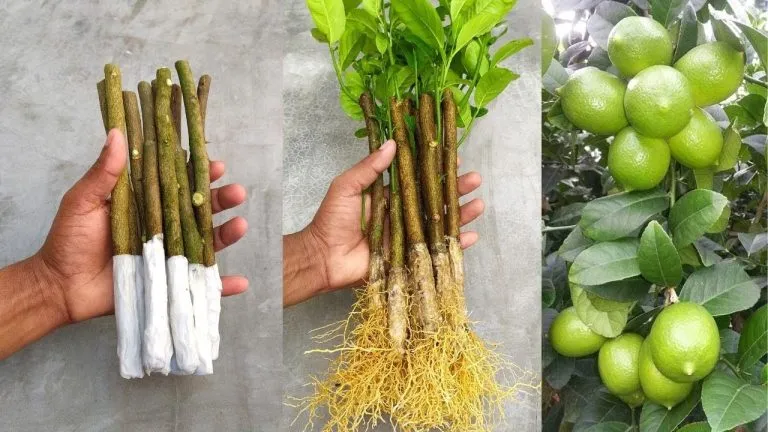
Cultivating lemon trees in your garden or home brings not only visual charm but also the practical advantage of homegrown Read more
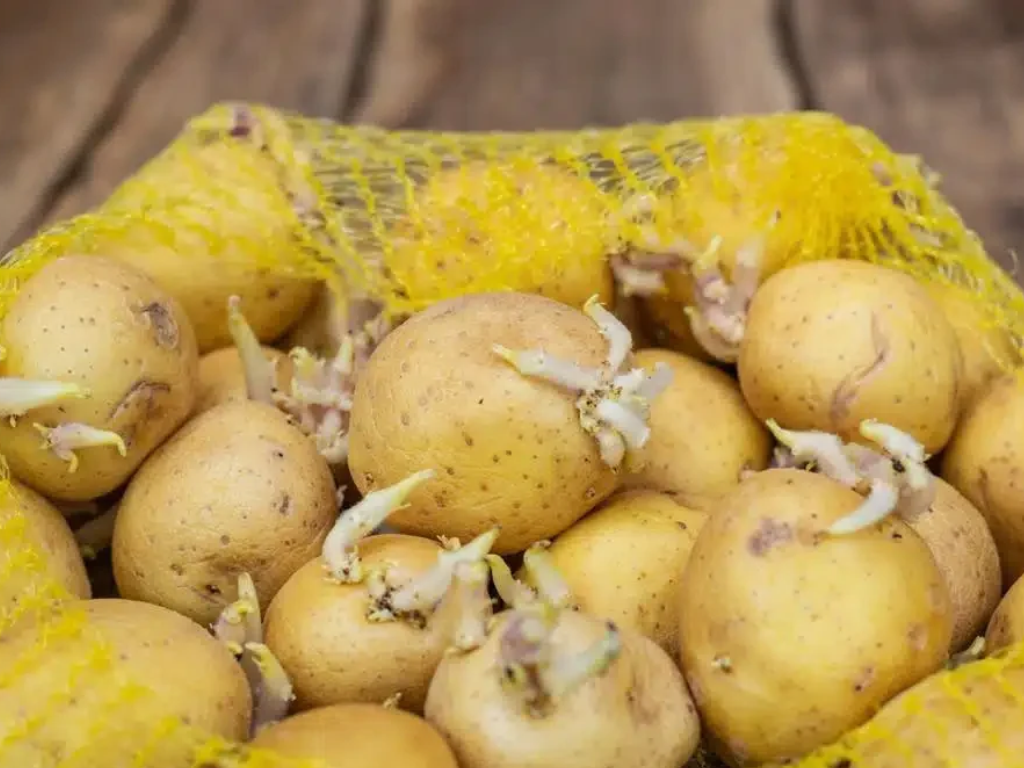
Three Little-Known Tips to Keep Your Potatoes in Perfect Condition Choosing the Right Location for Storage The way you store Read more

Wild Medicinal Plants: Harnessing the Hidden Virtues of Earth’s Greenery In the wilderness of our environment—ranging from the expanse of Read more
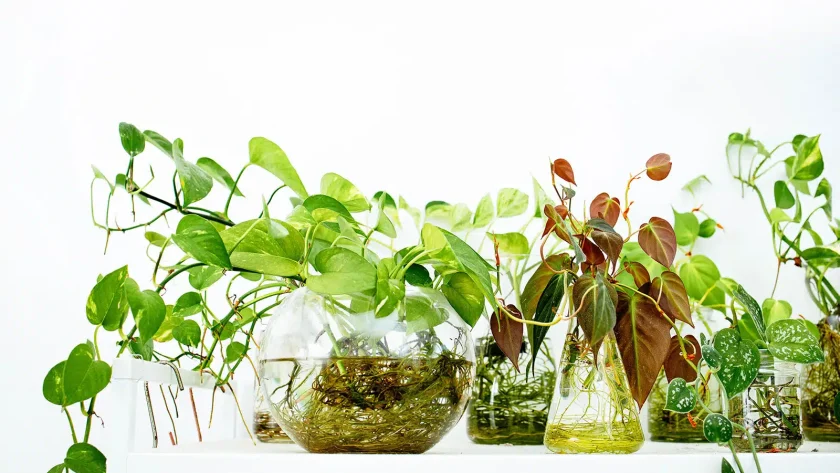
Searching for a distinctive method to incorporate some foliage into your home or workplace? Try cultivating plants hydroponically! Not only Read more

Insect-Repelling Greenery: Your Natural Home Defense Transform your home into a sanctuary free from the annoyance of insects such as Read more

Lavender, a charming addition to any garden, is known for its enchanting aroma and vibrant purple hues. This plant comes Read more

The Wonders of Blueberries: A Guide to Growing and Enjoying This Nutrient-Rich Fruit Mildly sweet, the blueberry is a dark Read more
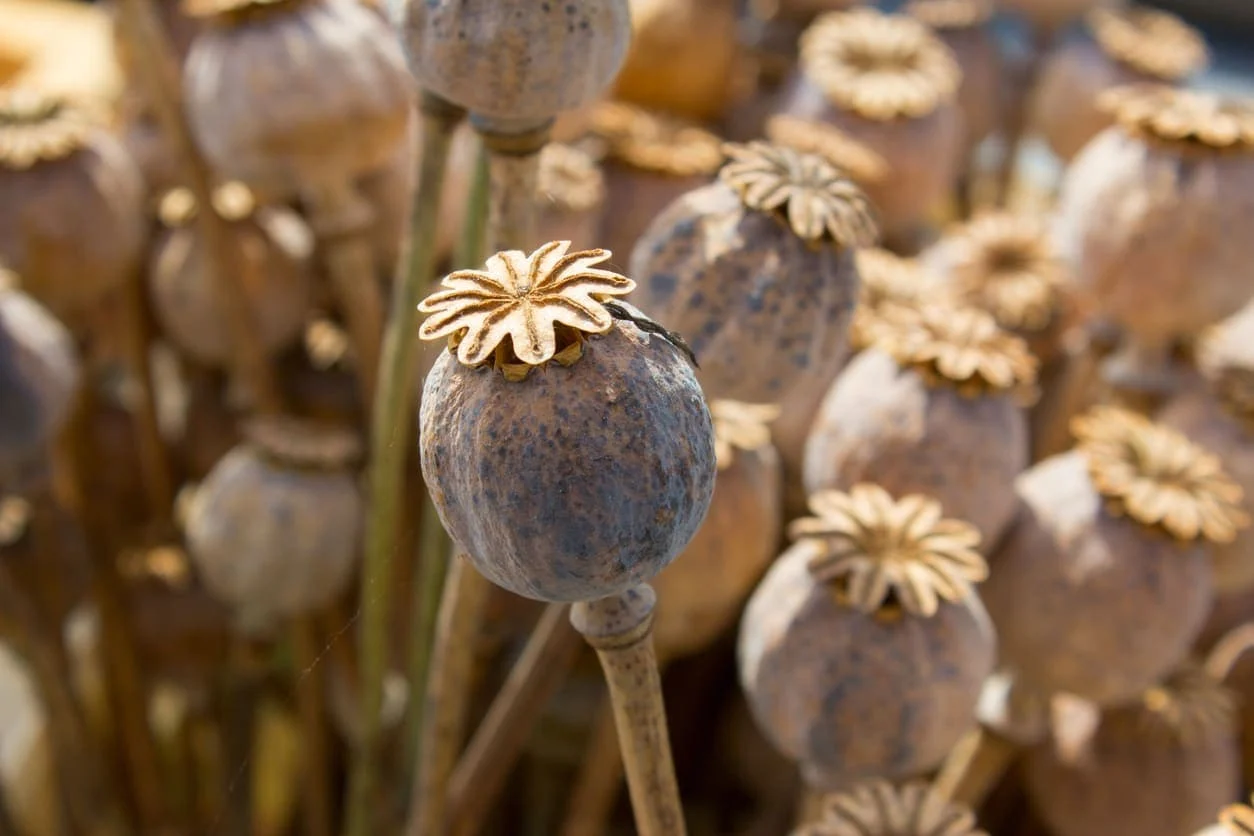
Self-Seeding Flowers: Effortless Beauty That Returns Every Year When I first fell in love with gardening, my mother came to Read more

Cultivating an Avocado Plant Indoors: A Step-by-Step Guide Nurturing an avocado seed into a blossoming plant within the confines of Read more
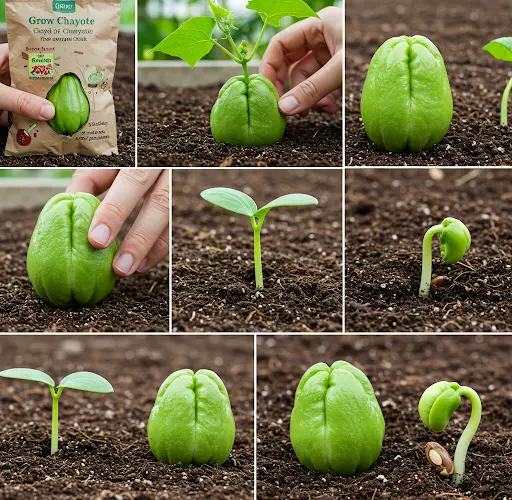
Growing Chayote from Supermarket Fruit: Abundant Harvests Made Easy If you've ever strolled through the produce aisle and spotted a Read more
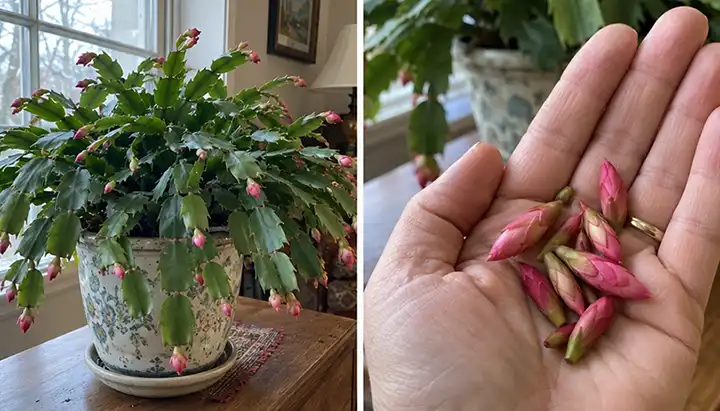
If your Christmas cactus has stayed healthy throughout the year but produced only a few flowers last winter, October might Read more

Gardening: The Harmony of Craft and Nature Gardening brings out a dance between human creativity and the wonders of nature. Read more

Turmeric is a staple ingredient in Asian cuisine. This vibrant yellow spice, often used to flavor curries and stews, is Read more

Growing avocados can be a gratifying experience, especially when you cultivate them right in your backyard. While starting avocados from Read more

Using Baking Soda for Plant Care To care for your plants or your vegetable garden, have you considered the DIY Read more

Tea, the staple of morning routines and afternoon breaks, may have a second life beyond the cup that's often ignored. Read more

Transforming Garlic Peels into Gold for Gardeners: In the rhythm of kitchen prep, garlic peels are often discarded without a Read more
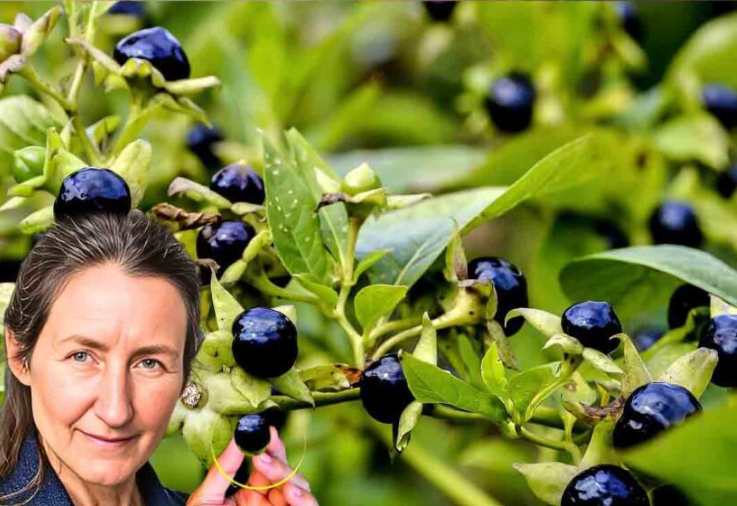
Deadly Nightshade (Atropa belladonna): The Mysterious and Dangerous Plant with a Dark Legacy At first glance, Deadly Nightshade (Atropa belladonna) Read more
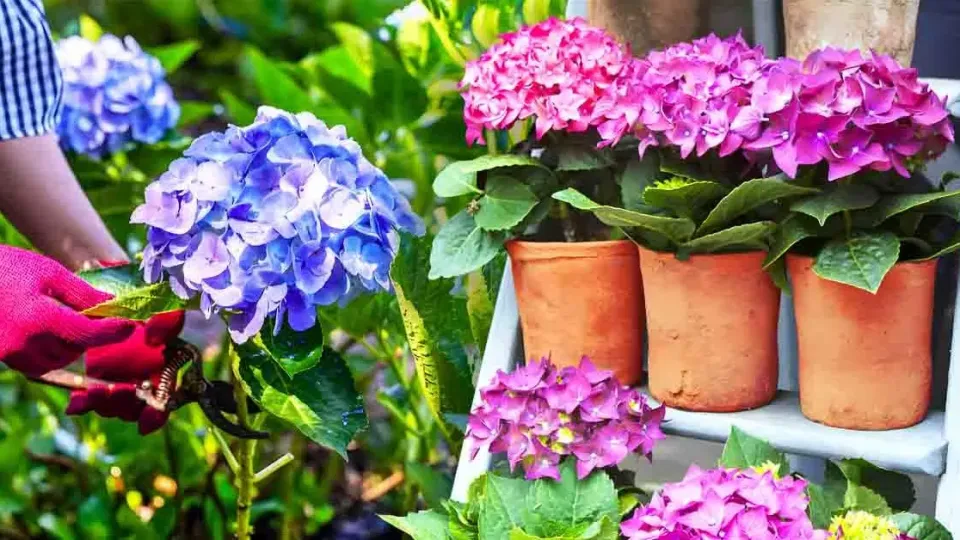
Hydrangeas, with their breathtaking blooms, stand out as one of the most enchanting deciduous flowering bushes. If you've wandered through Read more

Cultivating Zucchini in Containers: A Comprehensive Guide Zucchini is a popular vegetable for gardening aficionados and novices alike. It's simple Read more

Orchids are renowned for their stunning blooms and are a favorite among indoor plant enthusiasts. However, getting these temperamental beauties Read more

Indoor Plants: A Decorative Air Purifier Indoor plants have become an essential part of modern decor, increasingly sought-after to greenify Read more
Exploring the World of Eggplants: A Gardener's Guide Eggplants, with their divisive nature, are often a subject of culinary debate. Read more

Caring for orchids, known for their exquisite and delicate nature, involves a precise approach to hydration. Orchids differ from typical Read more

Bananas are a delightful treat, but their peels can be a garden's treasure. Rather than discarding banana peels into compost, Read more

Unlocking the Flowering Potential of Anthuriums Anthuriums are renowned for their stunning, heart-shaped blooms which, under ideal conditions, can grace Read more
