
Hugelkultur Gardening: Create a Self-Watering, Long-Lasting Raised Garden Bed
Hugelkultur, a German word meaning “hill culture,” is an innovative and highly effective gardening method that transforms yard waste into a nutrient-rich, moisture-holding raised garden bed. Instead of disposing of fallen branches, old logs, and leaves, this technique involves burying them beneath soil to build a living mound that nourishes plants while naturally conserving water.
When constructed properly, a hugelkultur bed can retain moisture for weeks without the need for irrigation, enhance soil structure over time, and yield abundant crops with minimal ongoing effort.
Why Hugelkultur Is So Effective
The core principle of hugelkultur is the buried wood, which functions like a natural, underground sponge. As the wood breaks down, it soaks up rainwater, storing moisture deep within the mound, and gradually releases it to plant roots during dry spells. Additionally, the decomposing wood forms air pockets that improve soil aeration, stimulate beneficial fungi and microorganisms, and slowly build rich, fertile soil. The outcome is a self-sustaining system that grows more productive with each passing season.
Step-by-Step Guide to Building a Hugelkultur Bed
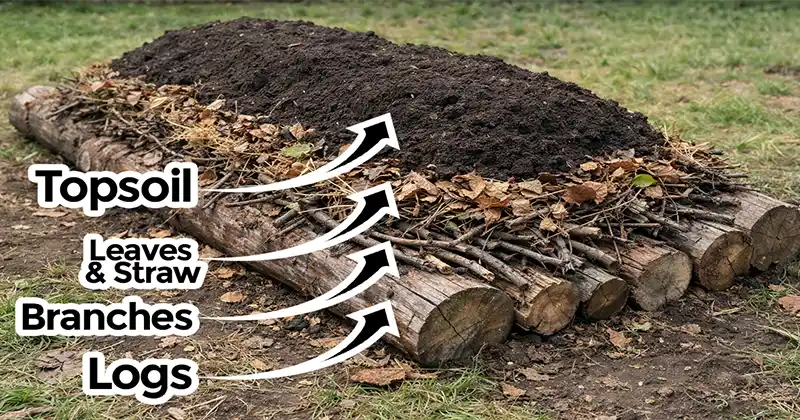
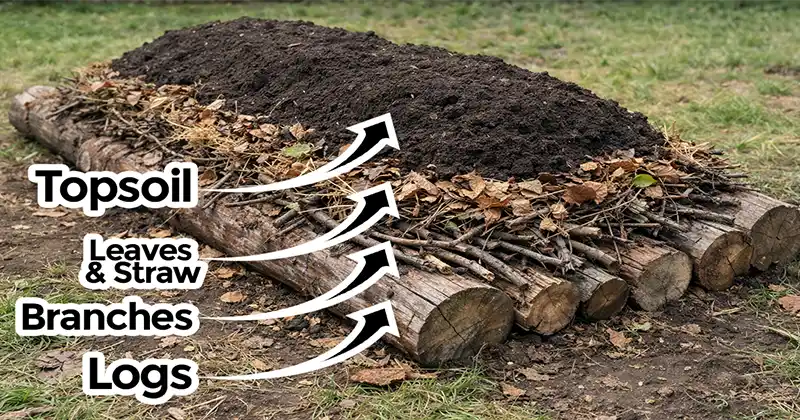
A hugelkultur mound is constructed in layers, beginning with the largest materials at the base and progressing to fine soil at the surface.
Base Layer: Logs and Large Branches
Start with hardwood logs and thick branches whenever available, such as oak, maple, beech, fruit tree wood, or other untreated hardwoods. Avoid any painted or chemically treated lumber, and steer clear of black walnut wood, which has compounds detrimental to plant growth. Slightly decayed wood works best since it absorbs water more readily. This foundational layer should measure approximately 20–40 cm (8–16 inches) thick.
Second Layer: Smaller Wood Pieces
Next, add thinner branches, twigs, bark, and wood chips over the logs. This intermediate layer fills in the gaps between large pieces and forms a stable internal framework that facilitates air and water movement throughout the mound.
Third Layer: Soft Organic Materials
Following that, layer soft garden waste such as dry leaves, grass clippings, straw, old plant stems, or even shredded cardboard. These materials decompose quickly, contributing early nutrients while the wood underneath continues its slow decomposition.
Top Layer: Compost and Garden Soil
Finally, cover the mound with a mixture of compost and garden soil about 15–20 cm (6–8 inches) thick. This uppermost layer is where plant roots take hold and microbial activity peaks. After finishing the mound, water it thoroughly to help settle the layers and stimulate biological processes.
Optimal Shape and Size
For the best results, orient the mound lengthwise from north to south so both sides receive balanced sunlight. A typical new hugelkultur bed stands around 90–120 cm (3–4 feet) tall and measures 1.2–1.5 m (4–5 feet) wide, with gently sloping sides at roughly a 45-degree angle to ensure stability. The mound’s length can be customized to fit your garden space. You should anticipate the mound settling by about 30 percent within the first year as the materials compress and break down.
How Hugelkultur Naturally Regulates Water
The fresh wood inside the mound acts as a reservoir, capturing and storing rainfall effectively. Plant roots instinctively grow downward toward this moisture source, while the soil surface on the outside may dry out more quickly. Inside the mound, a cool and damp environment is preserved. In many regions, mature hugelkultur beds need little to no supplemental watering and can reduce irrigation demands by 50–80 percent.
Best Crops to Grow by Year
Because soil chemistry and texture evolve as the hugelkultur bed matures, certain crops thrive better at distinct stages.
Year One: Heavy Nutrient Feeders
During the first year, heat-loving and nutrient-intensive plants excel. Crops like squash, pumpkins, zucchini, melons, and large cucumber varieties benefit tremendously from the warmth generated by fresh decomposition and the abundance of nutrients released.
Year Two: Balanced Crop Selection
As the mound stabilizes by the second year, plants such as tomatoes, cucumbers, beans, peppers, and corn flourish. The soil chemistry at this point becomes more balanced, providing consistent fertility.
Year Three and Beyond: Suitable for Almost Any Crop
Once fully established, the mound resembles premium garden soil. Leafy greens, herbs, root vegetables, strawberries, onions, and garlic all grow dependably in mature hugelkultur beds.
Additional Tips for Superior Results
Select the Right Location
Choose a site that receives full sun, ideally six to eight hours daily. Avoid low-lying areas prone to water pooling, and maintain at least 50 cm (20 inches) of clearance from fences or structures.
Plant Densely
Hugelkultur beds support dense planting because roots have space to expand vertically and horizontally, moisture is readily accessible, and nutrients are steadily released. Dense planting also shades the soil surface, which reduces evaporation.
Mulch the Surface
Apply a mulch layer of straw, dry leaves, or grass clippings on top of the soil. Mulch shields the soil from erosion, curbs moisture loss, and helps moderate soil temperatures throughout the seasons.
Anticipate Temporary Nitrogen Deficiency
As fresh wood breaks down, it may temporarily lock up nitrogen, making it less available to plants. To counteract this, incorporate additional compost or manure into the top layer, plant nitrogen-fixing legumes such as beans or peas, or apply an organic fertilizer if necessary.
Longevity of the Mound
A carefully constructed hugelkultur mound can remain productive for many years. Beds built primarily from softwood may last five to ten years, while those made with hardwood logs can continue to provide healthy yields for ten to twenty years or longer.
Common Mistakes to Avoid
Do not use treated or painted wood materials, avoid creating slopes that are too steep, never omit compost from the top layer, and refrain from planting root crops in the first year of the bed’s life. Very small mounds tend to underperform in comparison to larger, well-constructed beds.
Why So Many Gardeners Embrace Hugelkultur
Hugelkultur gardening utilizes freely available materials, markedly reduces water demands, improves poor or compacted soil, raises planting surfaces for superior drainage, yields heavy harvests, and requires very little ongoing maintenance after the initial build. With just one afternoon dedicated to construction, you can establish a self-watering garden bed that rewards you reliably with bountiful crops for years ahead.

Cultivating an Avocado Plant Indoors: A Step-by-Step Guide Nurturing an avocado seed into a blossoming plant within the confines of Read more

Orchids, with their array of species and hybrids exceeding 25,000, stand as a testament to botanical beauty. Cultivators and hobbyists Read more
Orchids, with over 28,000 unique species, provide a fascinating insight into the immense diversity found in nature. Originating from the Read more

Get a Head Start on Your Garden: Indoor Sowing for Colder Climates There's no need to wait for spring's embrace Read more

Transforming Garlic Peels into Gold for Gardeners: In the rhythm of kitchen prep, garlic peels are often discarded without a Read more

In this exploration, we uncover eight homemade, natural solutions that act as effective rooting agents for plant propagation through cuttings. Read more
Christmas cacti don’t adhere to the typical “feed once a month and forget it” approach that many houseplants follow. Because Read more

Gardening: The Harmony of Craft and Nature Gardening brings out a dance between human creativity and the wonders of nature. Read more
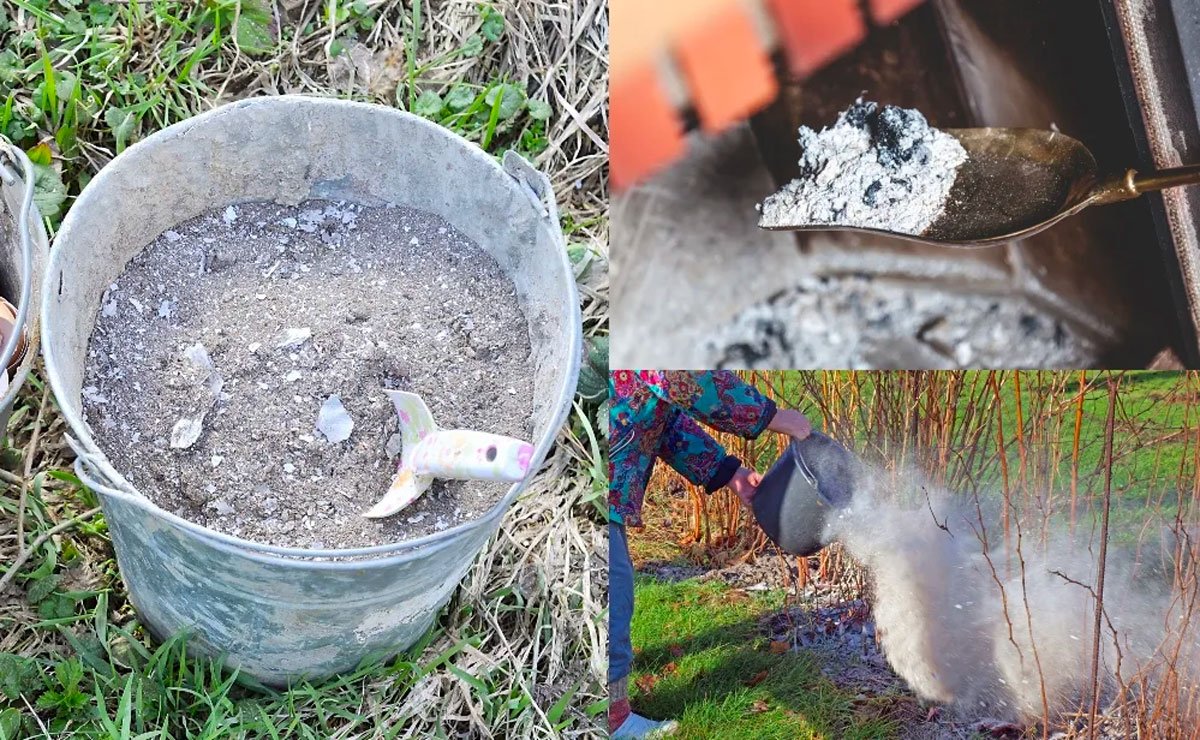
Wood ash is a valuable byproduct generated from burning firewood or wood pellets, offering numerous beneficial properties that can be Read more

The Wonders of Blueberries: A Guide to Growing and Enjoying This Nutrient-Rich Fruit Mildly sweet, the blueberry is a dark Read more
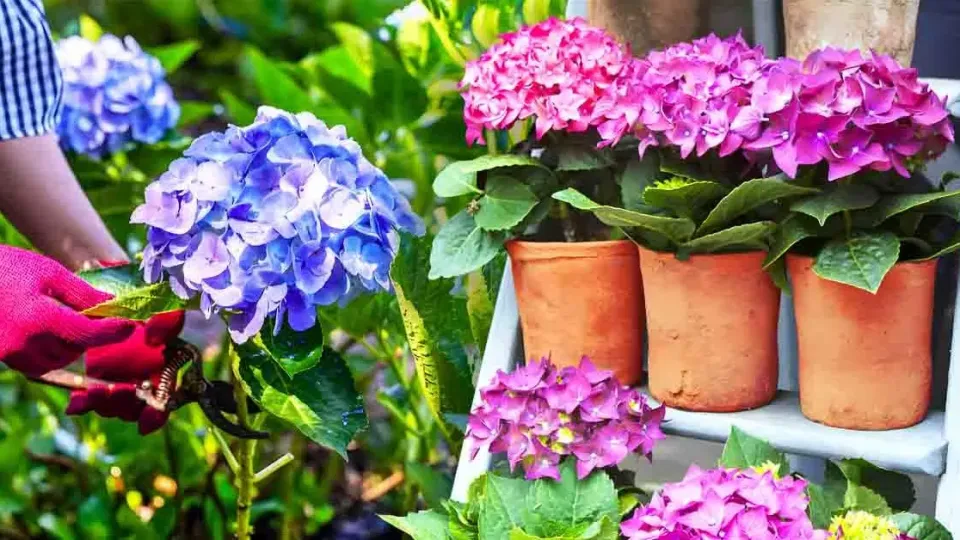
Hydrangeas, with their breathtaking blooms, stand out as one of the most enchanting deciduous flowering bushes. If you've wandered through Read more
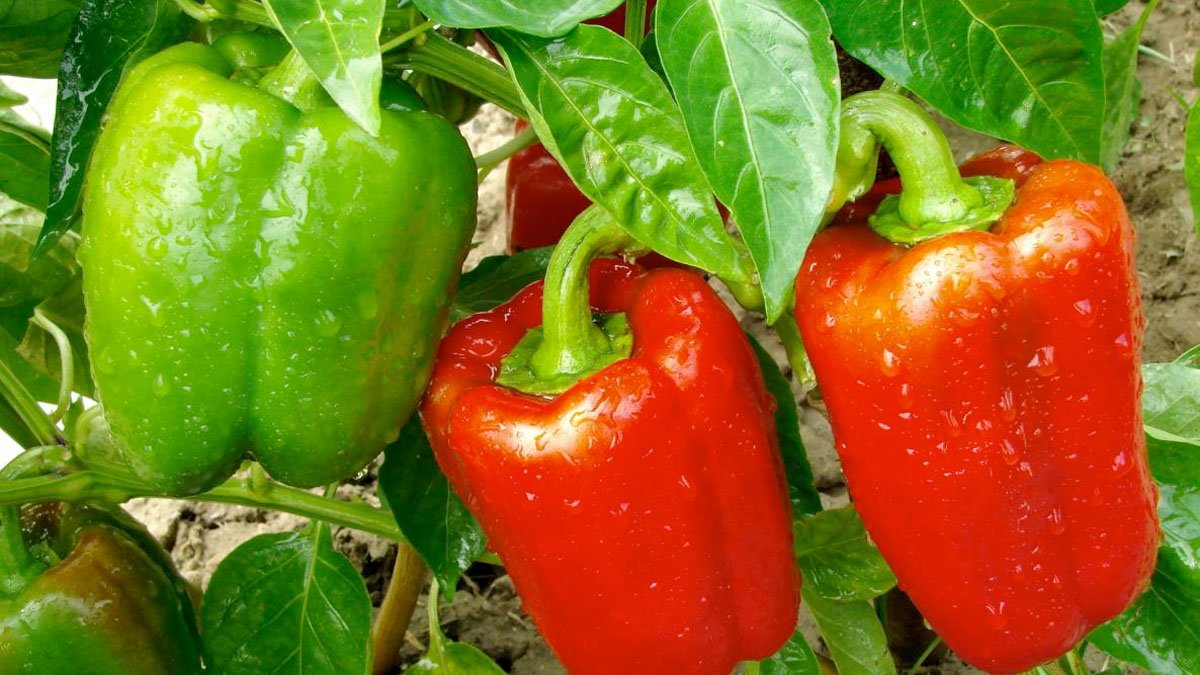
Pepper plants are a favorite addition to any home garden, offering an impressive variety of flavors, colors, and levels of Read more

Wild Medicinal Plants: Harnessing the Hidden Virtues of Earth’s Greenery In the wilderness of our environment—ranging from the expanse of Read more

Using White Vinegar for Garden Maintenance Gardening is never an easy task. Planting, weeding, and watering plants and flowers require Read more

Indoor Plants: A Decorative Air Purifier Indoor plants have become an essential part of modern decor, increasingly sought-after to greenify Read more
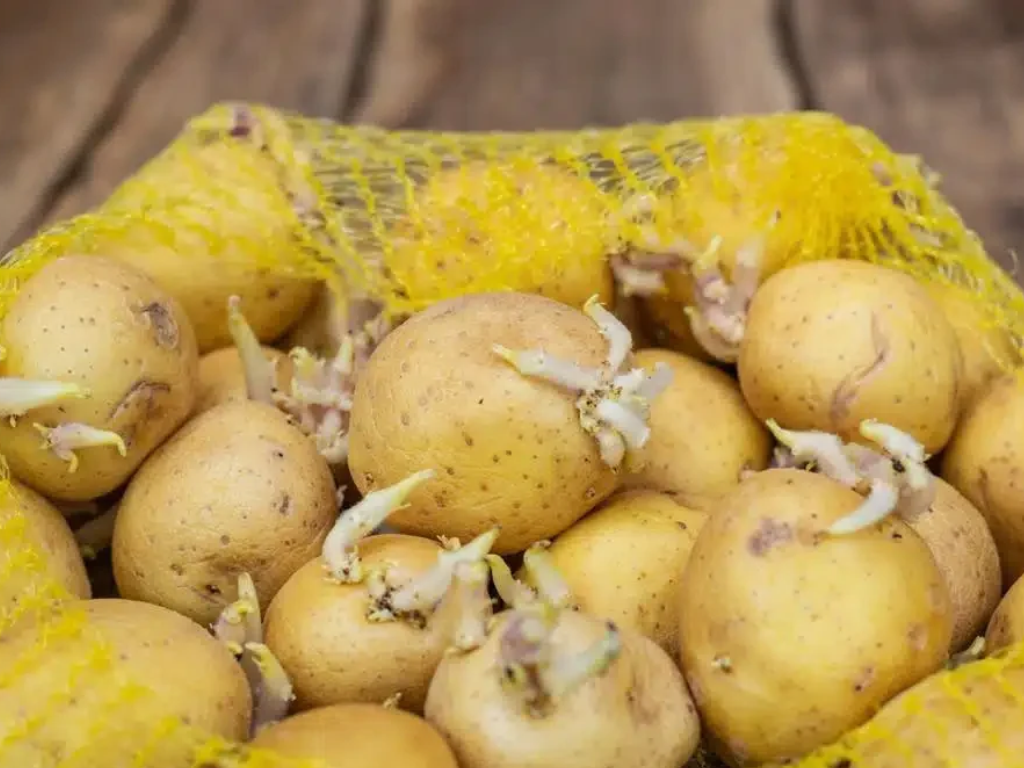
Three Little-Known Tips to Keep Your Potatoes in Perfect Condition Choosing the Right Location for Storage The way you store Read more

Tea, the staple of morning routines and afternoon breaks, may have a second life beyond the cup that's often ignored. Read more
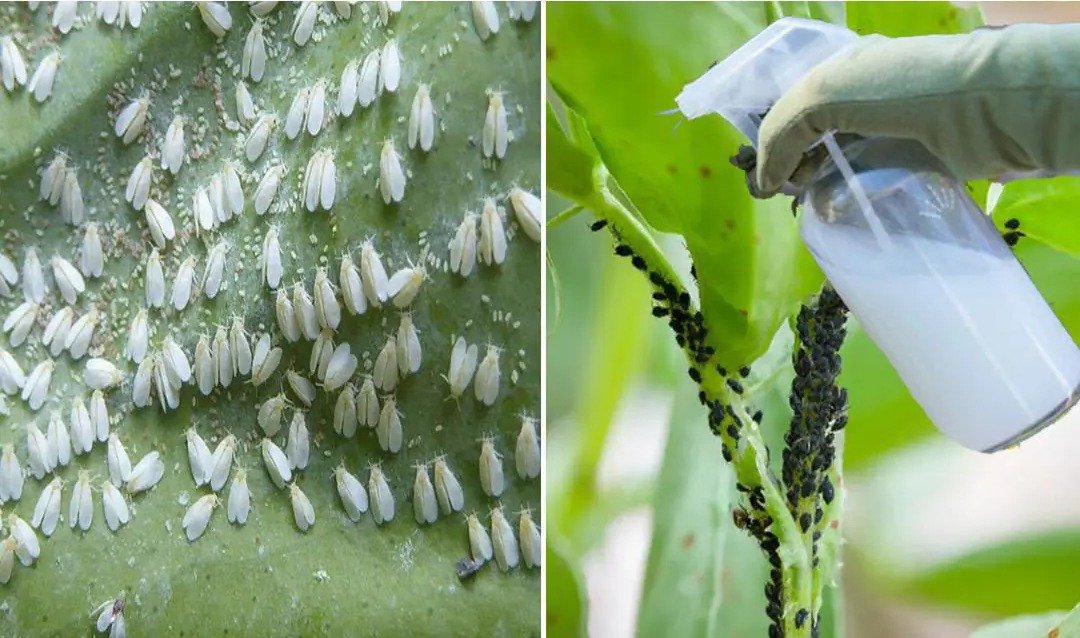
Aphids may be tiny—nearly invisible to the naked eye—but within just a few days, they can cause serious damage to Read more
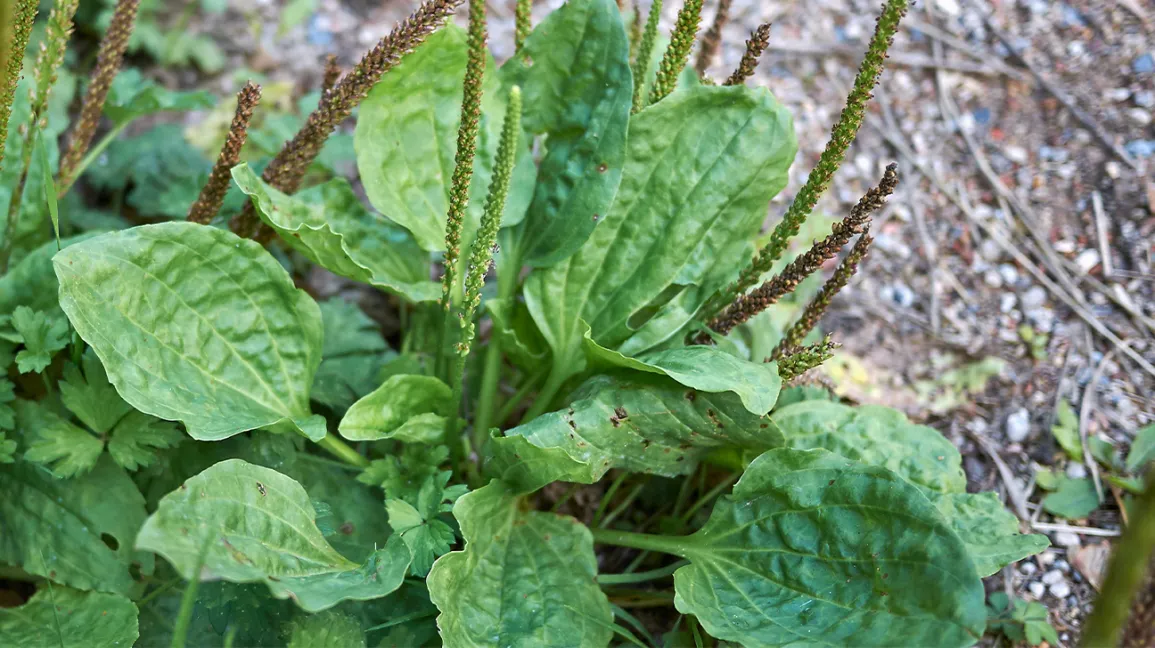
Nature provides us with countless remedies in the form of wild medicinal plants, surrounding us everywhere we go. These healing Read more

Caring for orchids, known for their exquisite and delicate nature, involves a precise approach to hydration. Orchids differ from typical Read more
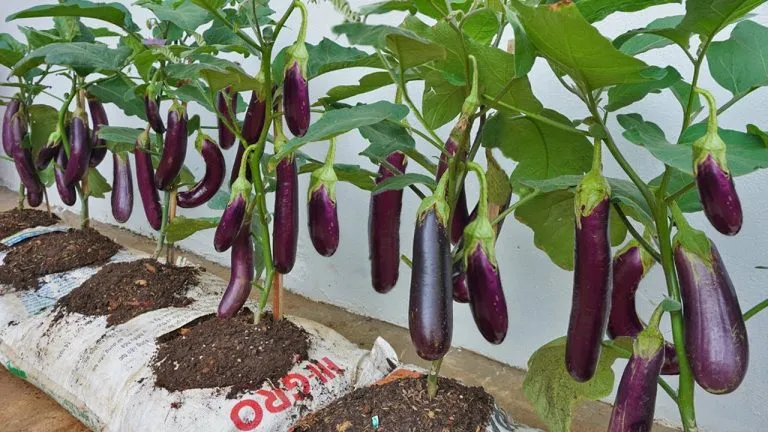
Exploring the World of Eggplants: A Gardener's Guide Eggplants, with their divisive nature, are often a subject of culinary debate. Read more

The Importance and Care of House Plants House plants not only serve as a significant decorative element but also play Read more
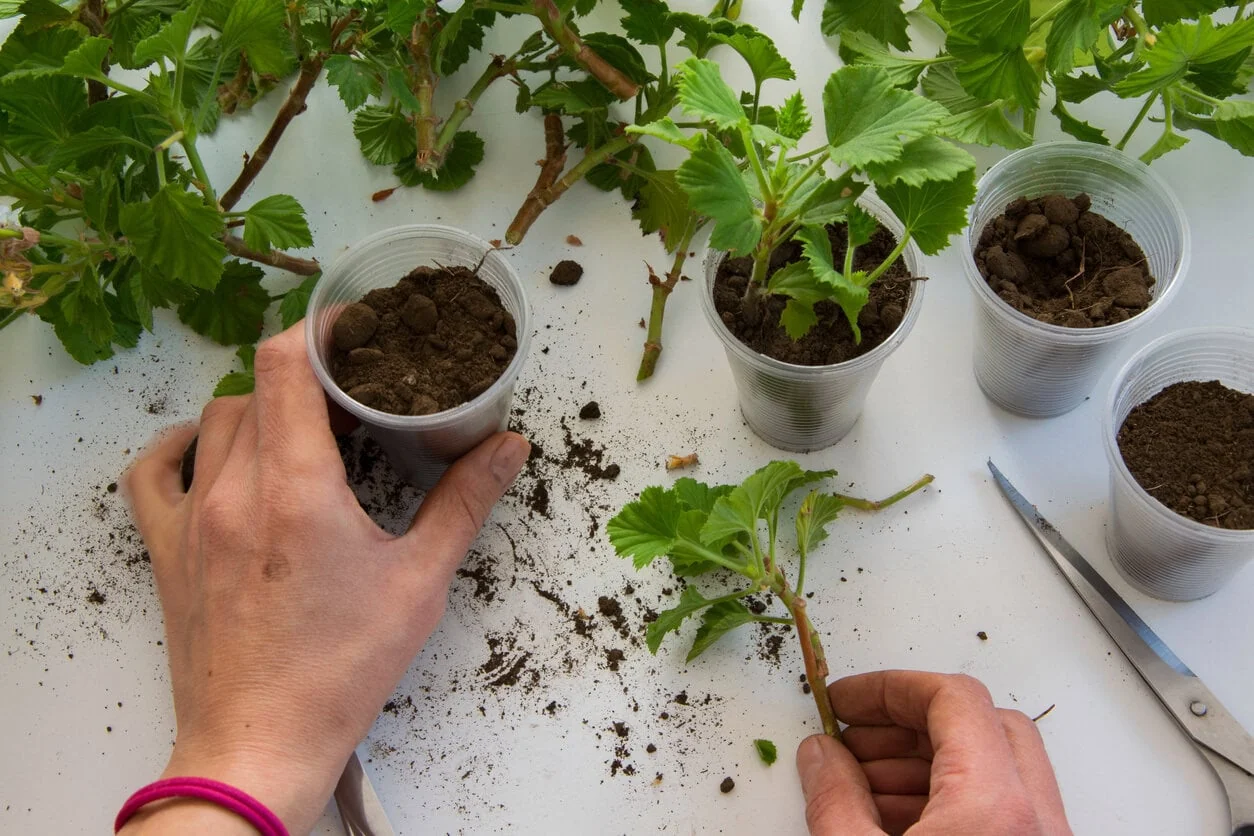
Some years, the effort put into gardening seems barely worth it, but this autumn, the value of gardening becomes clear. Read more
Peace lilies (Spathiphyllum) rank among the most cherished indoor plants, and it’s easy to understand why. Their shiny, deep green Read more

Growing avocados can be a gratifying experience, especially when you cultivate them right in your backyard. While starting avocados from Read more

Orchids, celebrated for their intricate beauty and variety, need particular attention for optimal growth. In the realm of orchid care, Read more

Cultivating Zucchini in Containers: A Comprehensive Guide Zucchini is a popular vegetable for gardening aficionados and novices alike. It's simple Read more
Having geraniums adorned with vibrant blooms for months—sometimes lasting even longer than anticipated—is not a feat reserved solely for expert Read more
The wisdom and experience of our grandparents often provide invaluable tips and techniques that make our daily lives easier and Read more

As sustainability and eco-consciousness continue to rise in importance in our daily lives, discovering alternative methods to fertilize our gardens Read more
Orchids, celebrated for their exotic beauty and remarkable variety, require tailored care to flourish. While most growers rely on commercial Read more
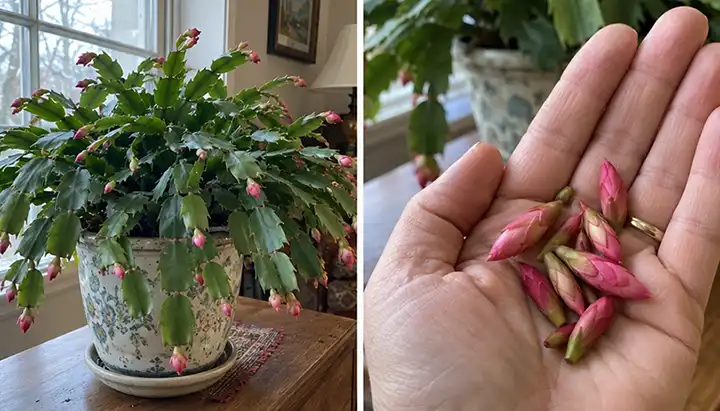
If your Christmas cactus has stayed healthy throughout the year but produced only a few flowers last winter, October might Read more

Bananas are a delightful treat, but their peels can be a garden's treasure. Rather than discarding banana peels into compost, Read more

Introducing 15 Health-Enhancing Indoor Plants for a Vibrant Home Oasis Embrace a selection of indoor plants that bring more than Read more

Mastering Chilli Cultivation in Diverse Climates: A Detailed Guide It may seem unlikely, but growing chillies across different climates is Read more

In the culinary world, garlic is a staple ingredient that is hard to do without. Cultivating it benefits many plants Read more
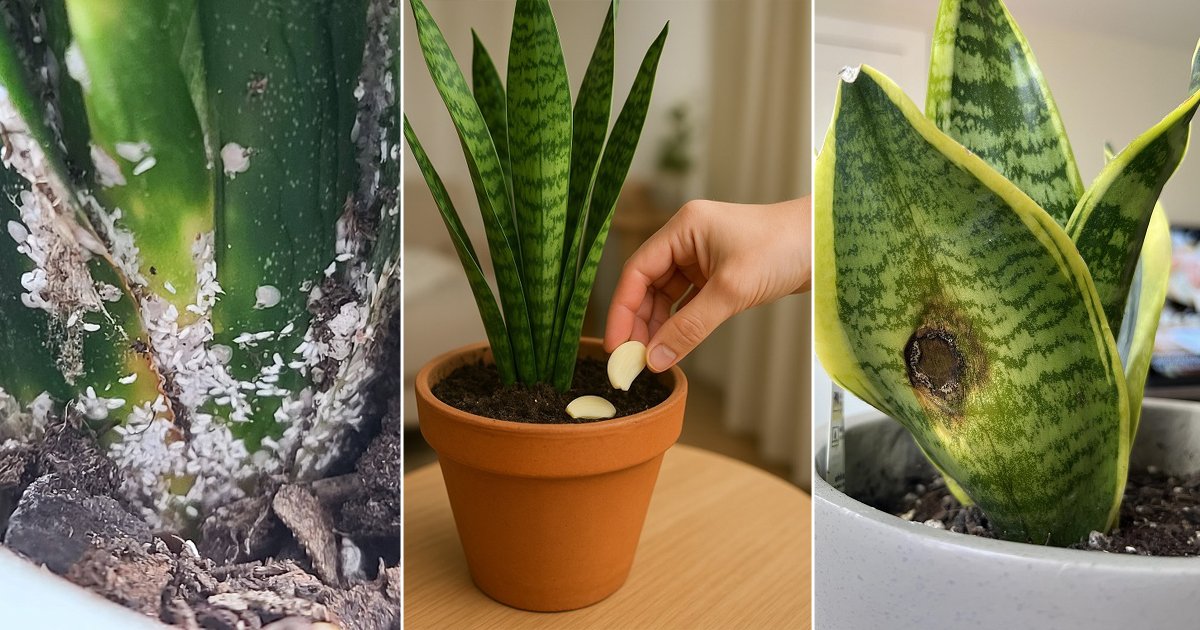
Discover how a simple kitchen ingredient can effectively repel pests, combat diseases, and promote healthier growth in your plants. Snake Read more

Insect-Repelling Greenery: Your Natural Home Defense Transform your home into a sanctuary free from the annoyance of insects such as Read more
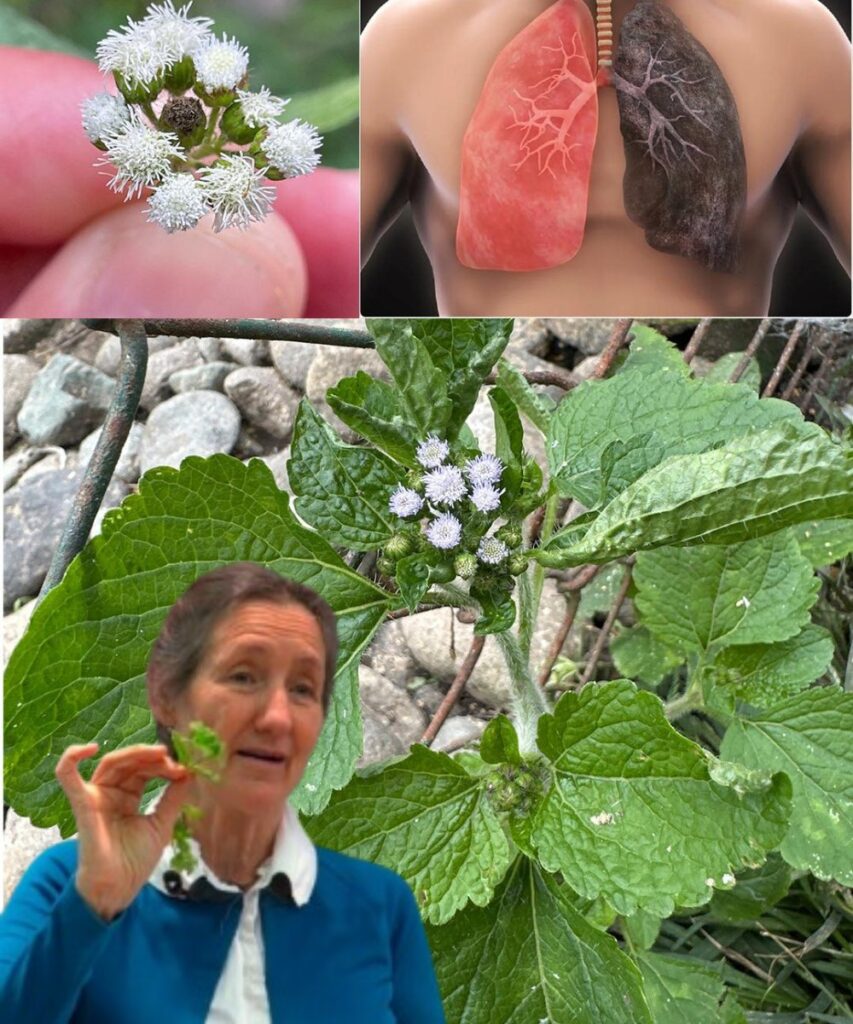
The Incredible Healing Power of Billygoat Weed (Ageratum conyzoides): 15 Health Benefits You Should Know About Billygoat weed, also known Read more
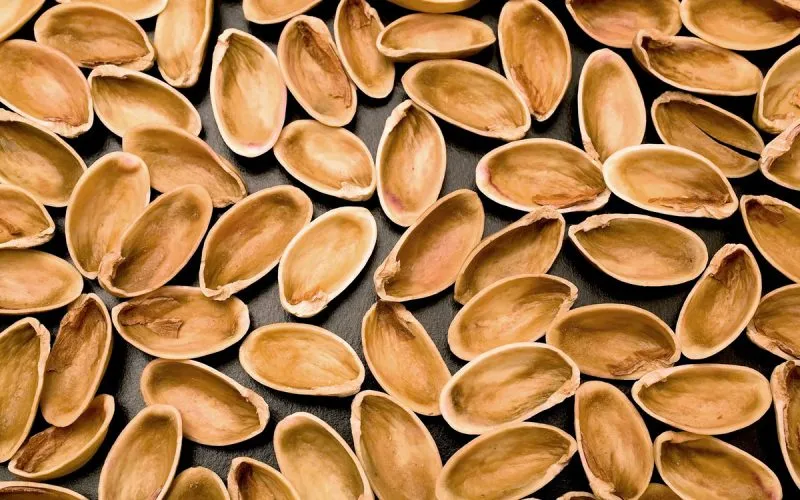
Originating from the arid regions of the Middle East, the pistachio tree (Pistacia vera) is a hardy desert plant celebrated Read more
