
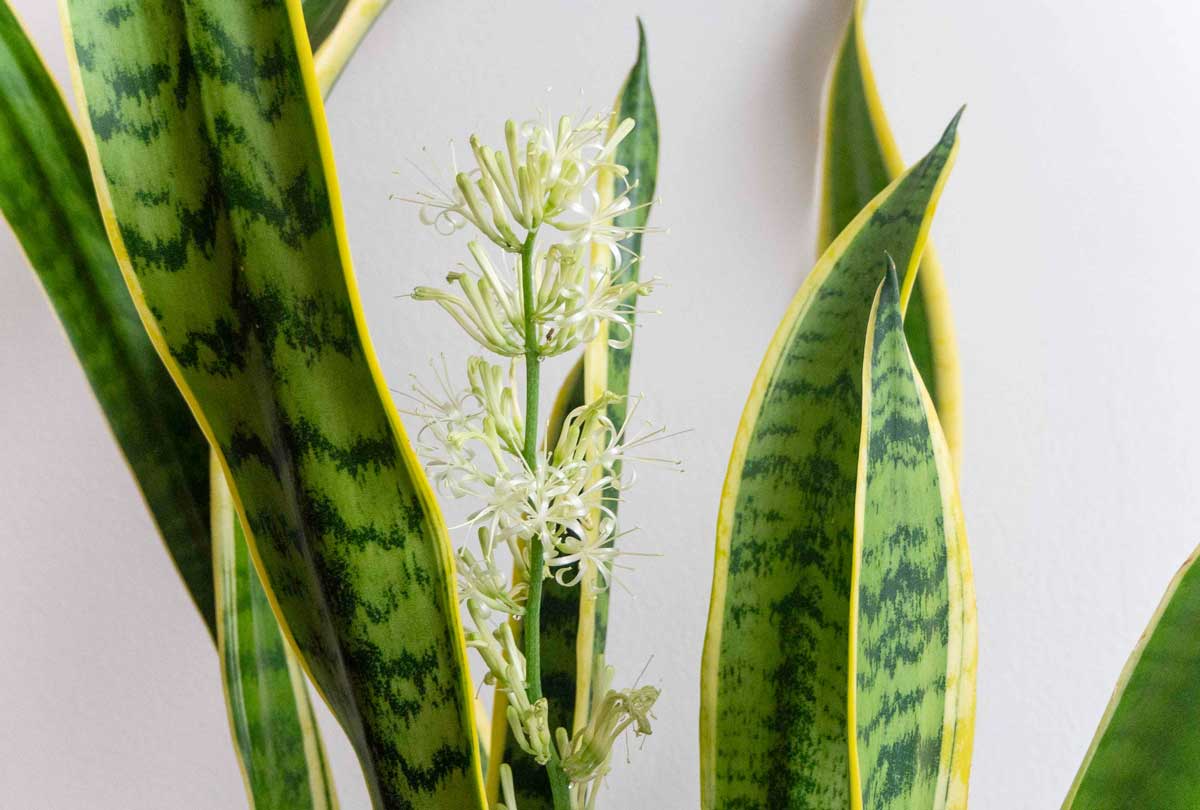
Snake plants, scientifically known as Dracaena trifasciata and previously classified as Sansevieria, are favored houseplants admired for their resilience and unique, upright leaves. Although primarily cultivated for their striking foliage, these plants can, under certain conditions, produce delicate and fragrant flowers—a rare and fascinating phenomenon for plant enthusiasts.
Understanding Snake Plant Blooms
The flowers of the snake plant are usually greenish-white and appear in clusters along a tall flowering stalk that can grow up to three feet in height. These blossoms are often likened to honeysuckle due to their tubular shape and sweet fragrance. They typically open at night, emitting a scent reminiscent of vanilla or jasmine, providing an unexpected sensory pleasure that complements their visual charm.
Conditions That Encourage Flowering
Flowering indoors is uncommon for snake plants and requires specific environmental conditions that replicate their natural surroundings:
-
Mature Plant Age: Snake plants generally must be at least two years old before they have the capability to flower.
-
Bright, Indirect Light: While snake plants tolerate low light environments, they flourish and are more prone to blooming when placed in bright, indirect sunlight. Positioning the plant near a southeast-facing window can significantly boost its growth and flowering potential.
-
Infrequent Watering: Overwatering is a frequent problem for snake plants. Allowing the soil to dry out completely between waterings adds a mild stress that may promote flowering. However, it is important to strike a balance and avoid neglect that could be detrimental to the plant’s health.
-
Root-Bound Conditions: Plants that become slightly root-bound—that is, their roots fill the pot—are more inclined to flower. This mild stress signals the plant to reproduce, thus encouraging bloom production.
-
Well-Draining Soil: Using a well-draining potting mix, such as one designed for cacti or succulents, prevents root rot and maintains optimal overall health for the plant.
Caring for a Blooming Snake Plant
If your snake plant starts to flower, it’s important to maintain steady care:
-
Maintain Light Exposure: Keep the plant in the same location to ensure it continues to receive sufficient light.
-
Monitor Watering: Continue watering only when the soil has dried out, taking care not to overwater during the flowering period.
-
Avoid Repotting: Refrain from repotting immediately after the plant blooms, as this can cause unnecessary stress. Wait until the next growing season before repotting if required.
Conclusion
Encouraging a snake plant to bloom indoors can be a challenging endeavor, but by providing the right balance of light, watering, and potting conditions, you can increase the chances of flowering. With patience and attentive care, you may witness this rare and rewarding event unfold.

Indoor Plants: A Decorative Air Purifier Indoor plants have become an essential part of modern decor, increasingly sought-after to greenify Read more
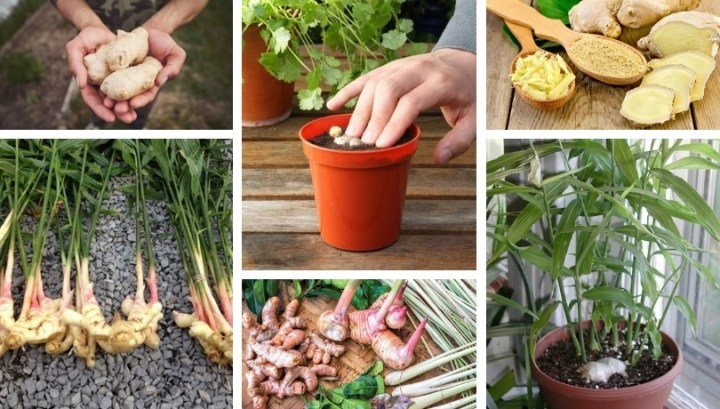
Ginger, renowned for its distinct flavor and numerous health advantages, is a fundamental ingredient in many culinary traditions around the Read more

Introducing 15 Health-Enhancing Indoor Plants for a Vibrant Home Oasis Embrace a selection of indoor plants that bring more than Read more
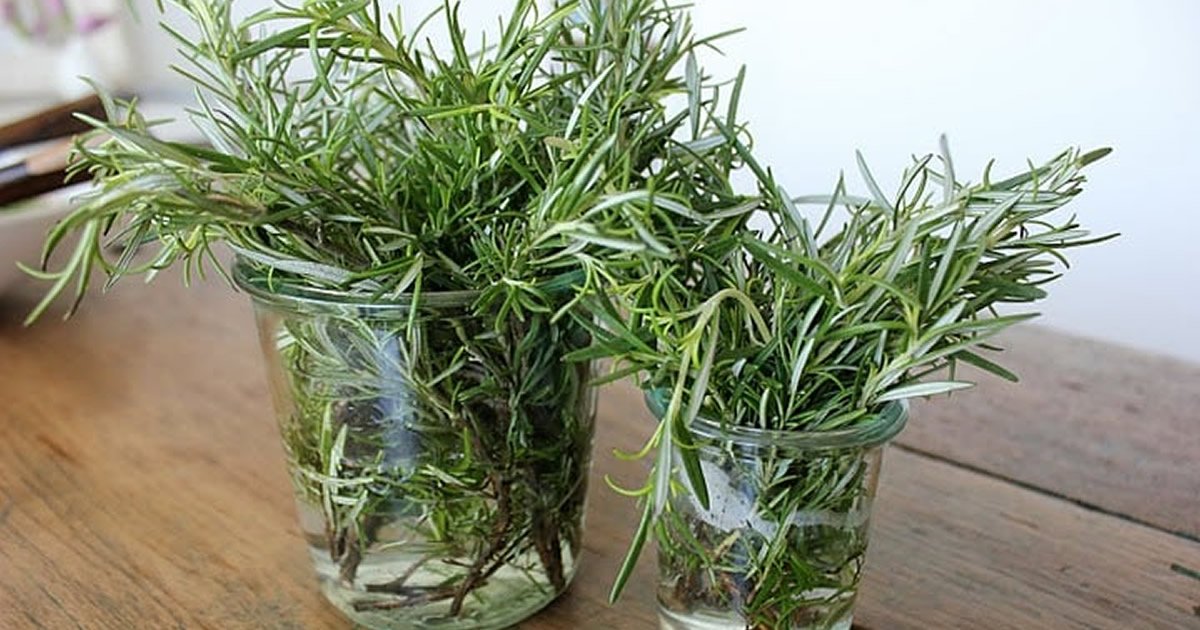
The wisdom and experience of our grandparents often provide invaluable tips and techniques that make our daily lives easier and Read more
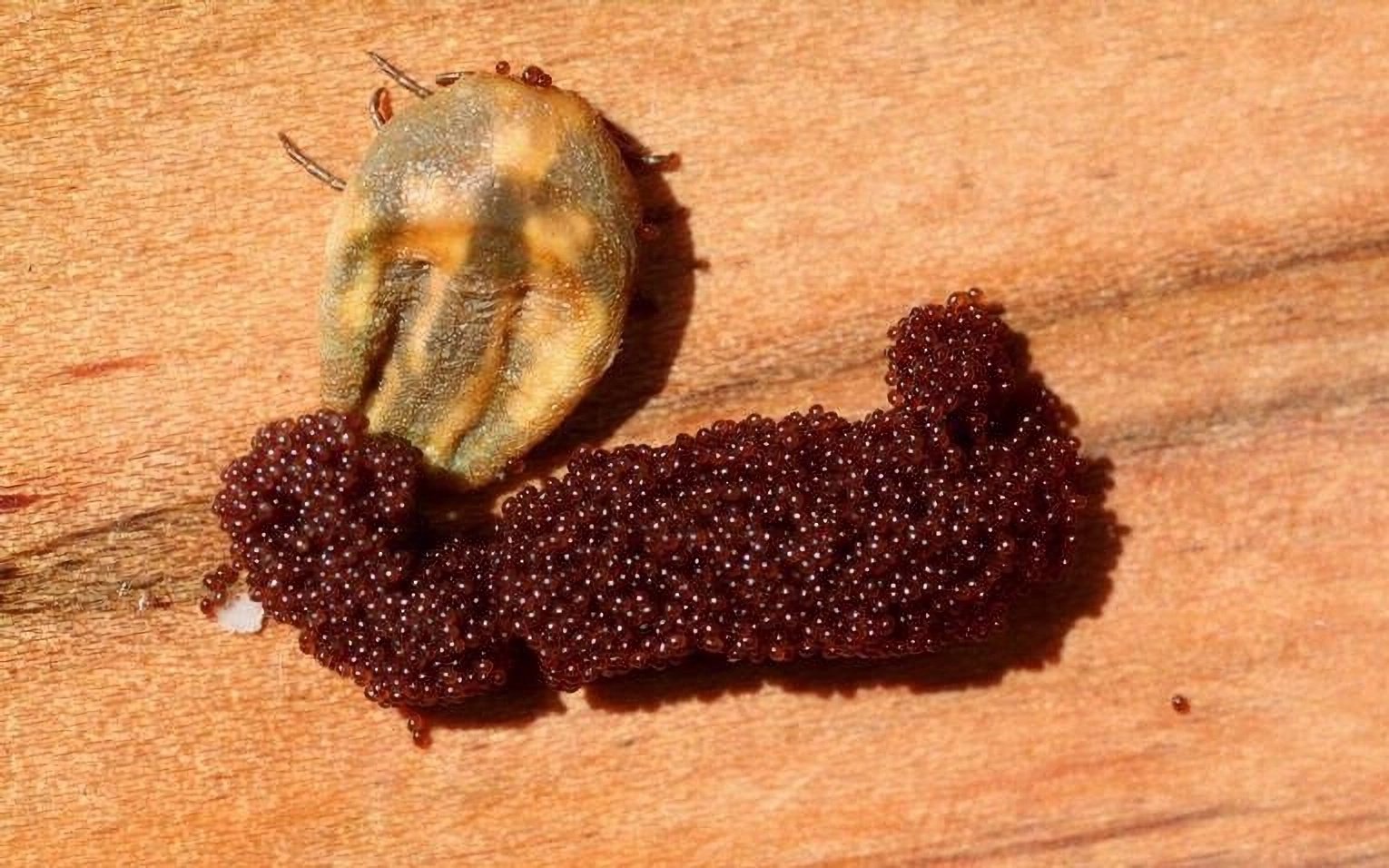
Imagine spending a relaxing afternoon in your backyard, only to stumble upon an unexpected and unwelcome discovery—a cluster of tiny Read more

Understanding Fertilizers for Plants Fertilizer is a product that can be spread or mixed into the soil to provide plants Read more

Unlocking the Flowering Potential of Anthuriums Anthuriums are renowned for their stunning, heart-shaped blooms which, under ideal conditions, can grace Read more
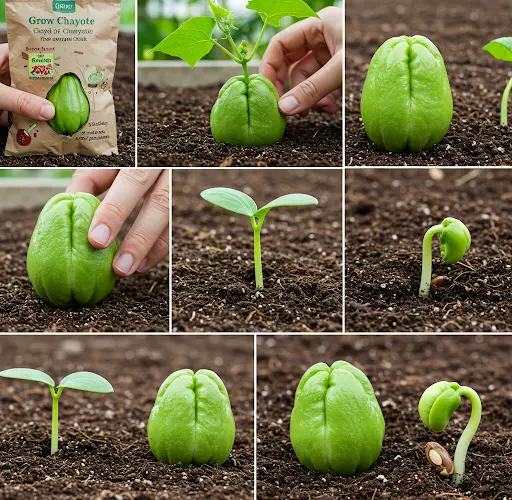
Growing Chayote from Supermarket Fruit: Abundant Harvests Made Easy If you've ever strolled through the produce aisle and spotted a Read more
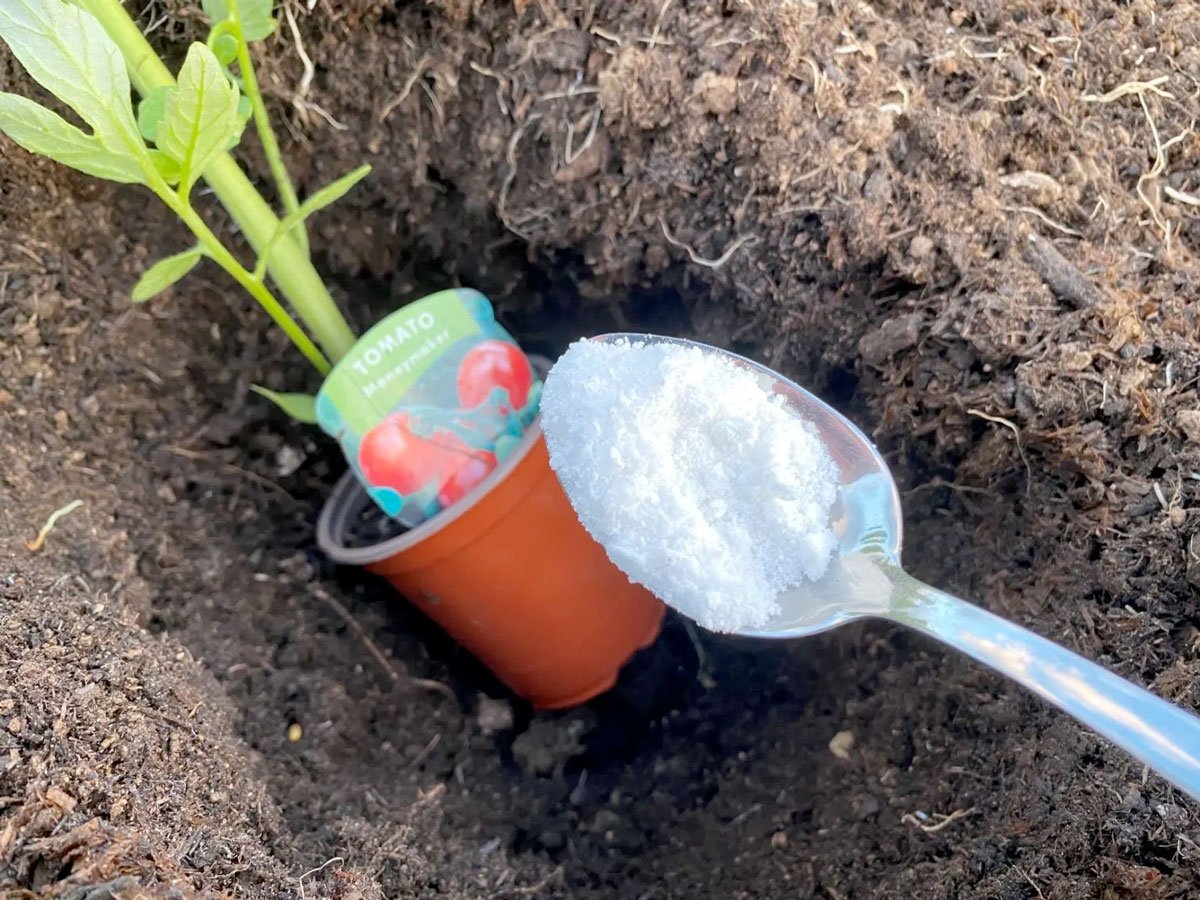
When it comes to gardening, enthusiasts are always eager to discover effective and affordable methods to boost plant growth and Read more
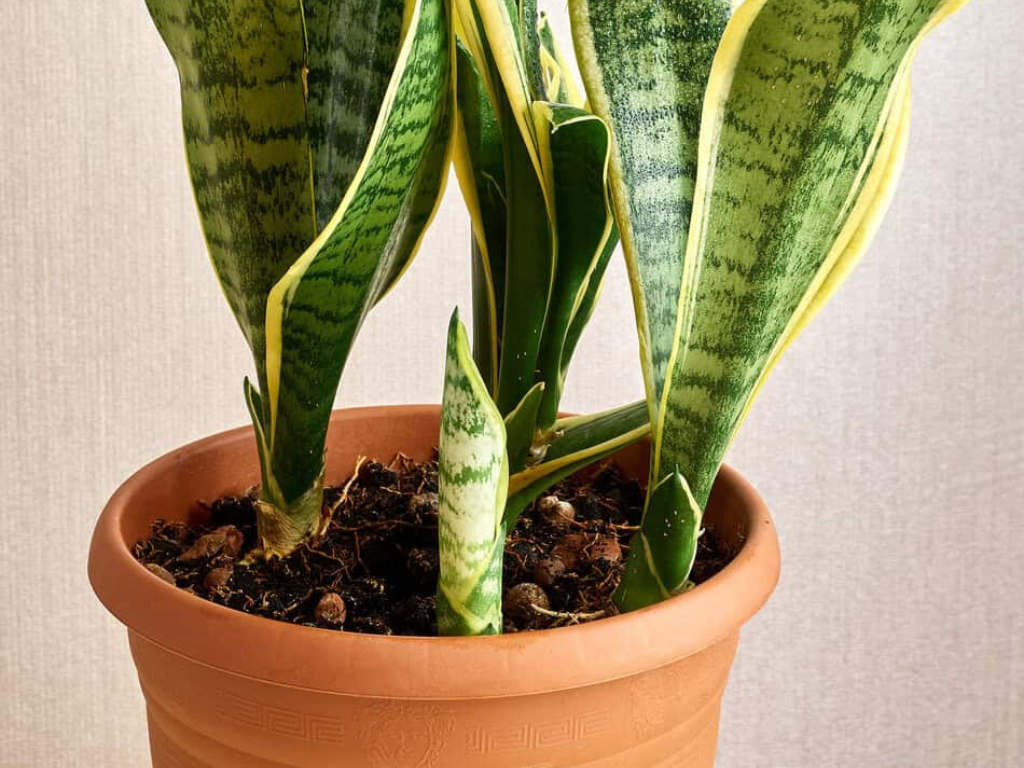
Snake plants (Dracaena trifasciata, formerly known as Sansevieria trifasciata) are renowned for their remarkable resilience. No matter if they receive Read more
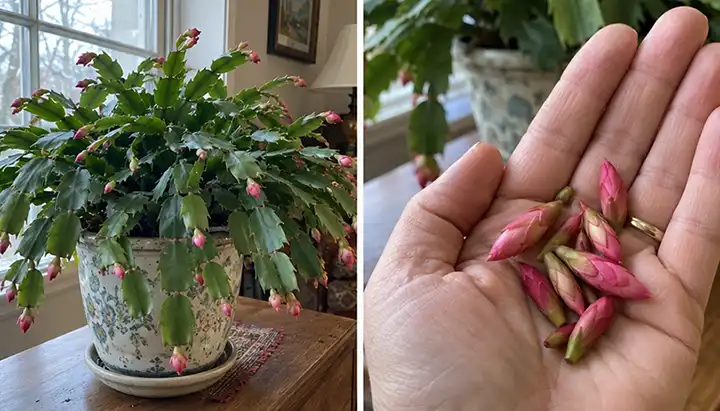
If your Christmas cactus has stayed healthy throughout the year but produced only a few flowers last winter, October might Read more

Orchids, celebrated for their intricate beauty and variety, need particular attention for optimal growth. In the realm of orchid care, Read more
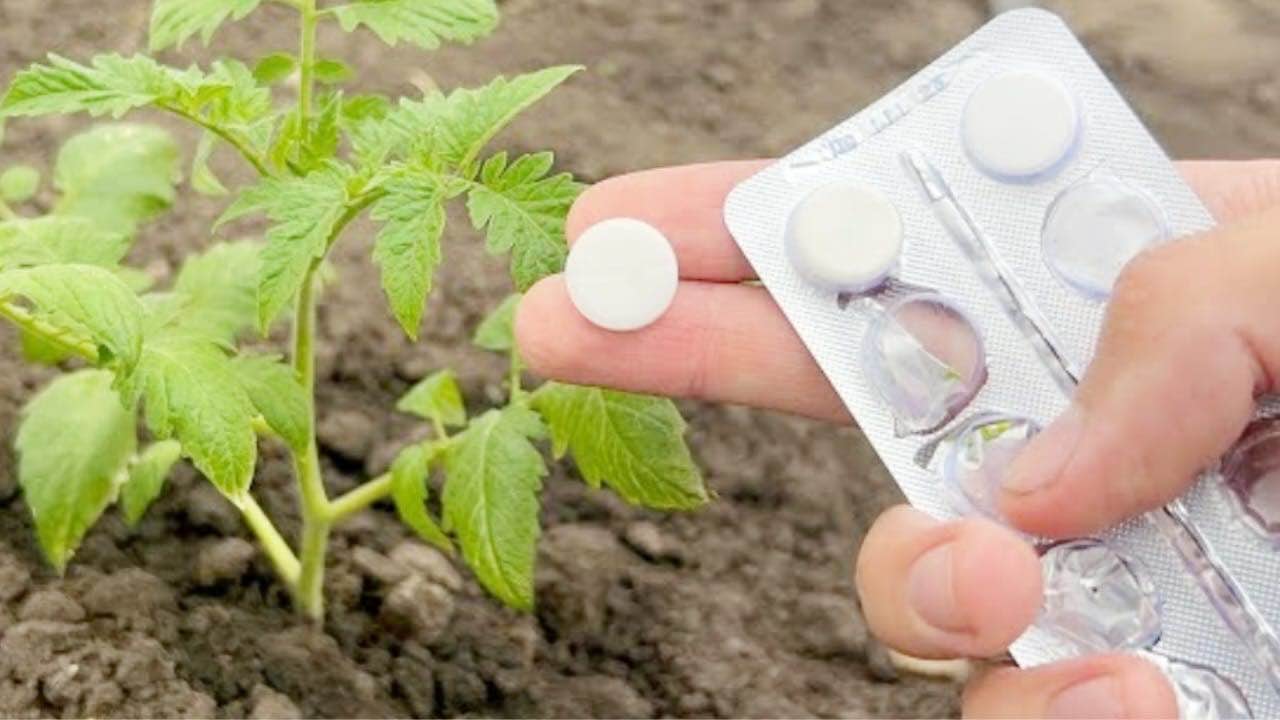
Have you ever noticed how a tomato freshly picked from your garden tastes far superior to one bought off a Read more

Insect-Repelling Greenery: Your Natural Home Defense Transform your home into a sanctuary free from the annoyance of insects such as Read more
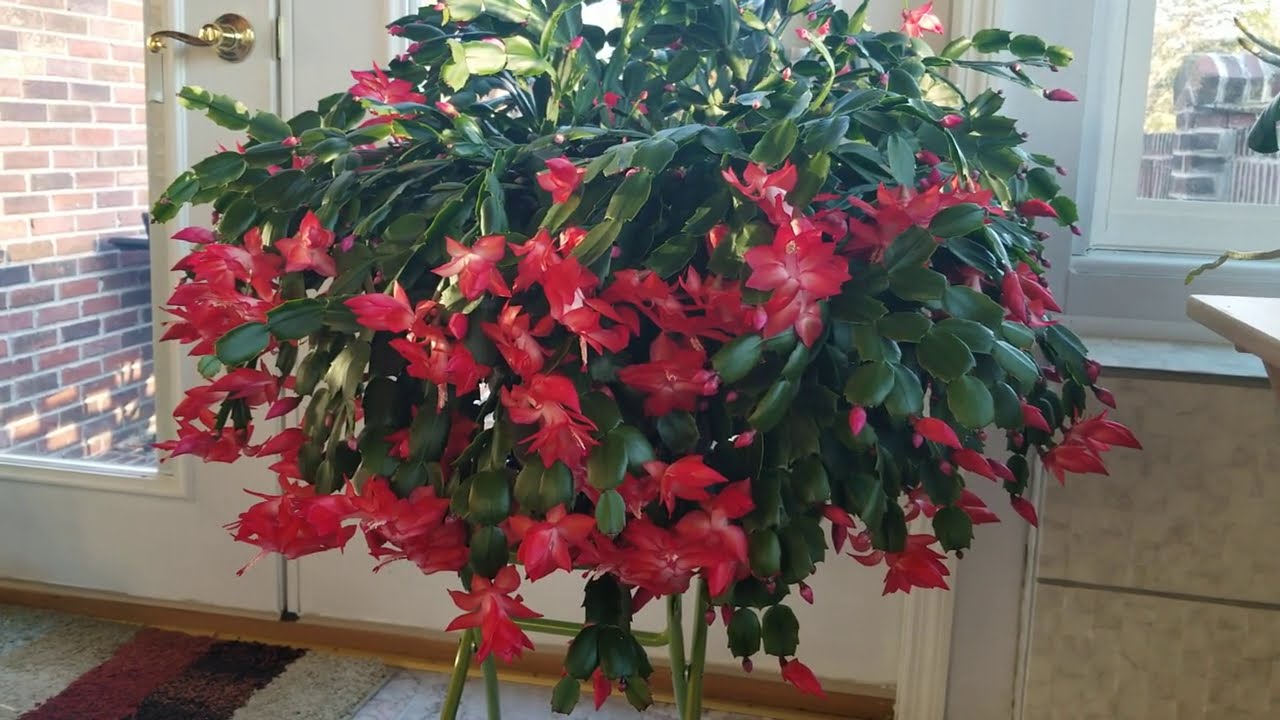
Christmas cacti don’t adhere to the typical “feed once a month and forget it” approach that many houseplants follow. Because Read more
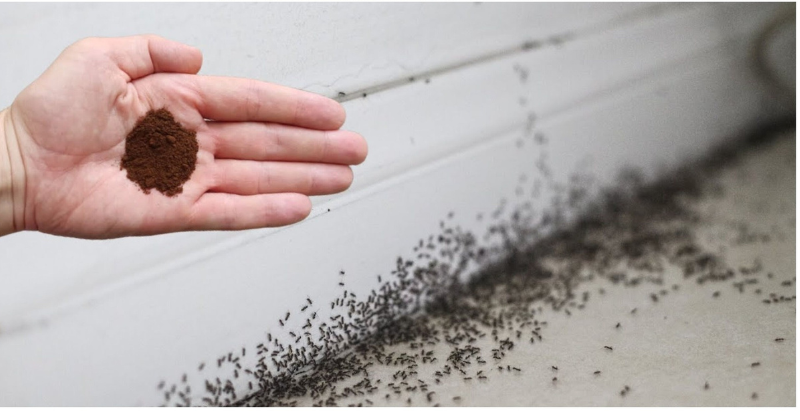
Quick Victory: The Ultimate Homemade Insecticide to Say Goodbye to Ants Have you ever encountered an invading army of ants Read more
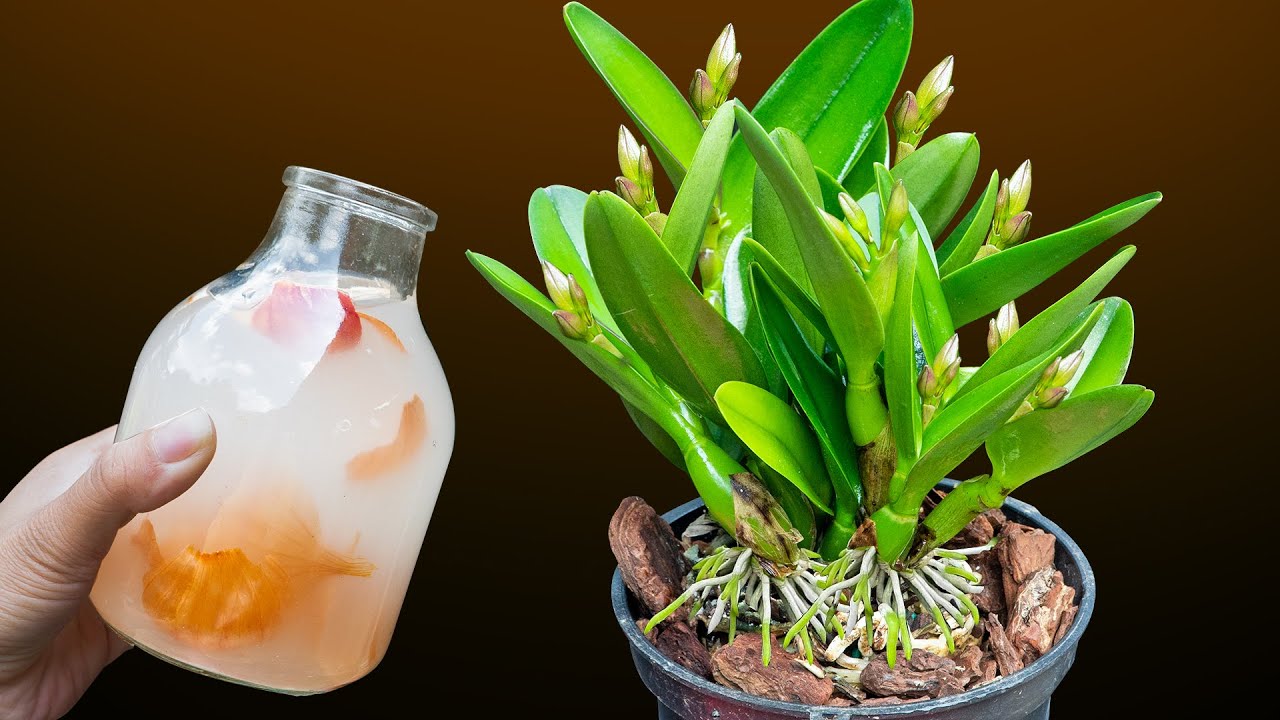
Orchids, celebrated for their exotic beauty and remarkable variety, require tailored care to flourish. While most growers rely on commercial Read more

The Wonders of Blueberries: A Guide to Growing and Enjoying This Nutrient-Rich Fruit Mildly sweet, the blueberry is a dark Read more

Cultivating an Avocado Plant Indoors: A Step-by-Step Guide Nurturing an avocado seed into a blossoming plant within the confines of Read more

Turmeric is a staple ingredient in Asian cuisine. This vibrant yellow spice, often used to flavor curries and stews, is Read more

Transforming Garlic Peels into Gold for Gardeners: In the rhythm of kitchen prep, garlic peels are often discarded without a Read more

Tea, the staple of morning routines and afternoon breaks, may have a second life beyond the cup that's often ignored. Read more
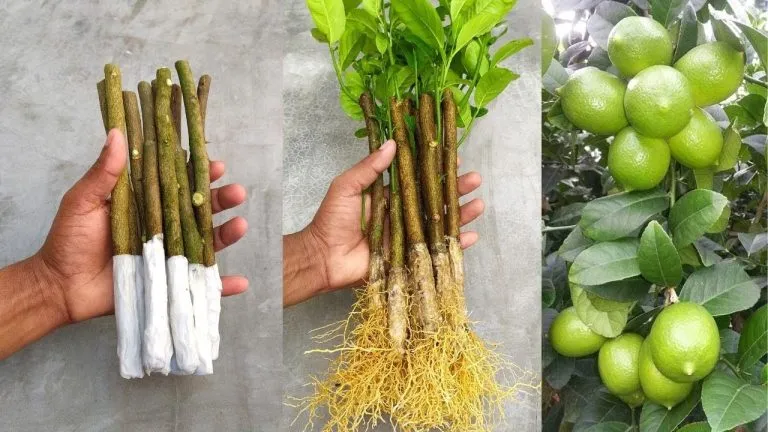
Cultivating lemon trees in your garden or home brings not only visual charm but also the practical advantage of homegrown Read more
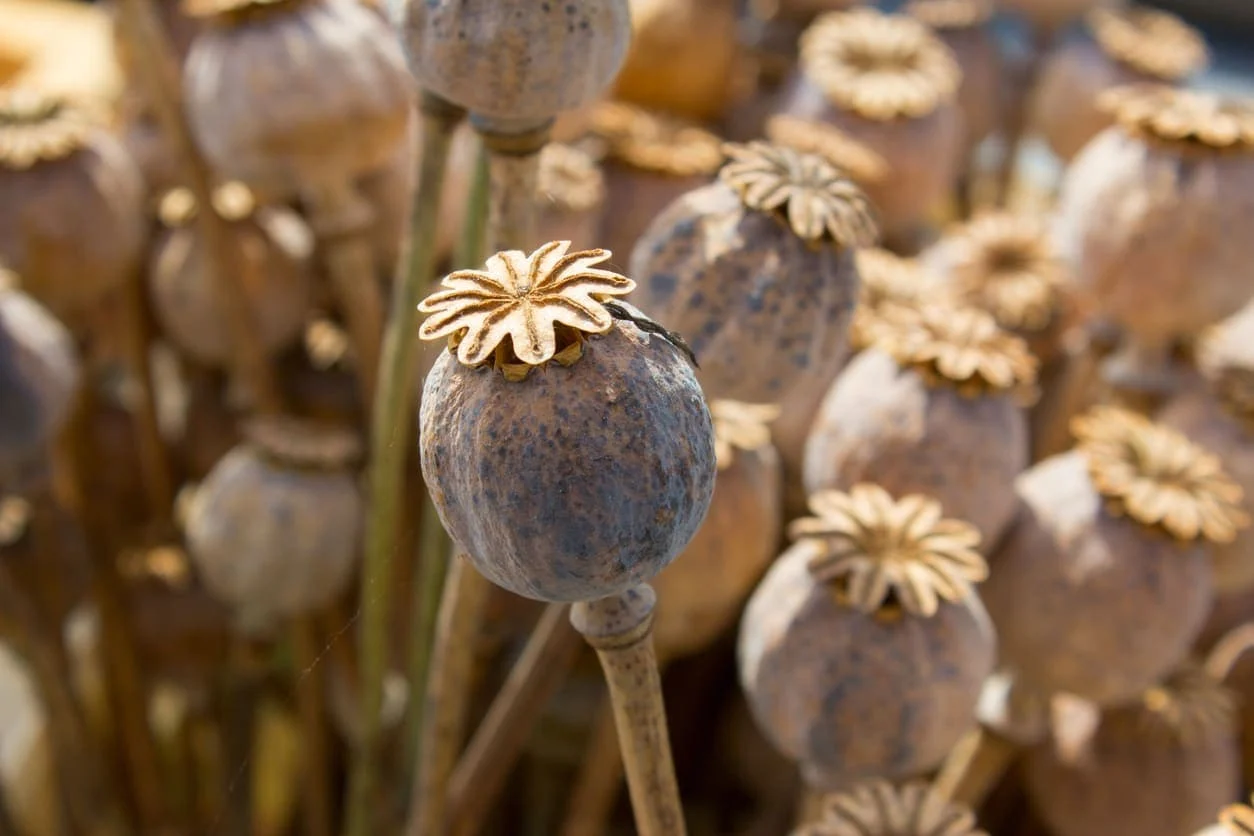
Self-Seeding Flowers: Effortless Beauty That Returns Every Year When I first fell in love with gardening, my mother came to Read more

Mastering Chilli Cultivation in Diverse Climates: A Detailed Guide It may seem unlikely, but growing chillies across different climates is Read more

Orchids, with their array of species and hybrids exceeding 25,000, stand as a testament to botanical beauty. Cultivators and hobbyists Read more

How to Reuse Barbecue Ashes After enjoying a barbecue outdoors on a sunny day, the tendency is often to discard Read more

Cultivating Zucchini in Containers: A Comprehensive Guide Zucchini is a popular vegetable for gardening aficionados and novices alike. It's simple Read more

Caring for orchids, known for their exquisite and delicate nature, involves a precise approach to hydration. Orchids differ from typical Read more
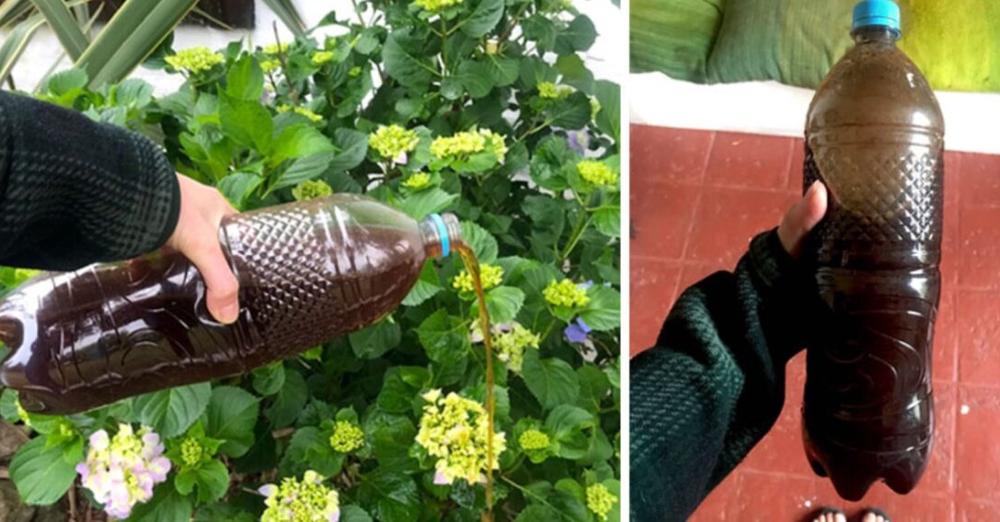
As sustainability and eco-consciousness continue to rise in importance in our daily lives, discovering alternative methods to fertilize our gardens Read more

Orchids are renowned for their stunning blooms and are a favorite among indoor plant enthusiasts. However, getting these temperamental beauties Read more

Bananas are a delightful treat, but their peels can be a garden's treasure. Rather than discarding banana peels into compost, Read more

Gardening: The Harmony of Craft and Nature Gardening brings out a dance between human creativity and the wonders of nature. Read more

Orchids, with a staggering 28,000 unique species, beautifully demonstrate nature's rich tapestry of diversity. Originating from the Orchidaceae lineage, these Read more
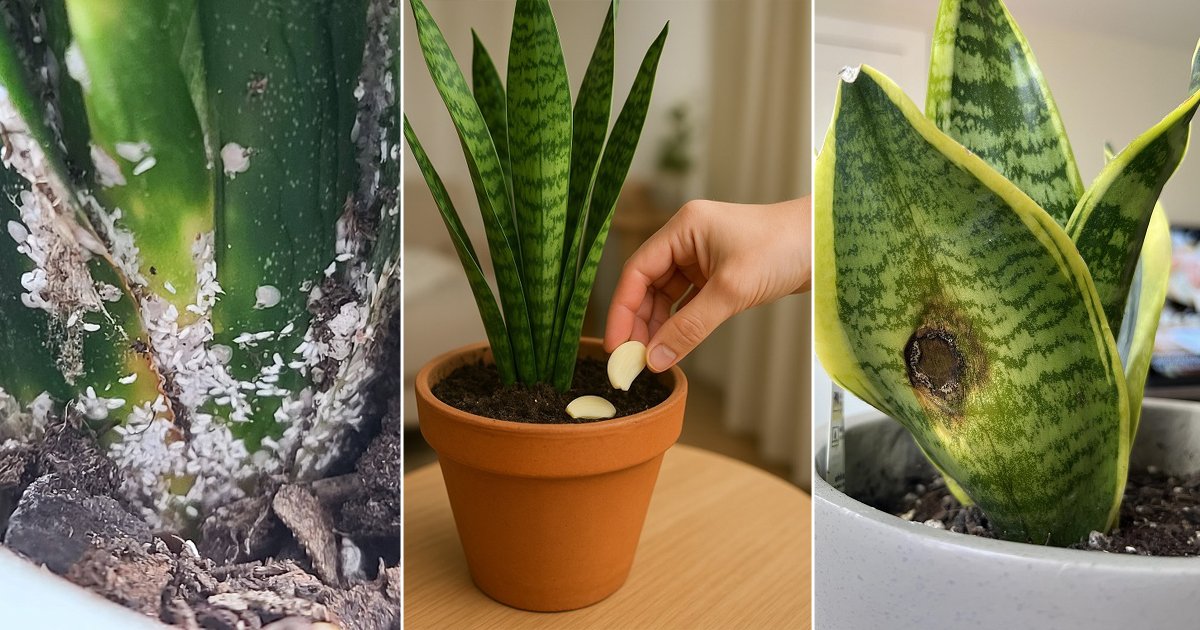
Discover how a simple kitchen ingredient can effectively repel pests, combat diseases, and promote healthier growth in your plants. Snake Read more
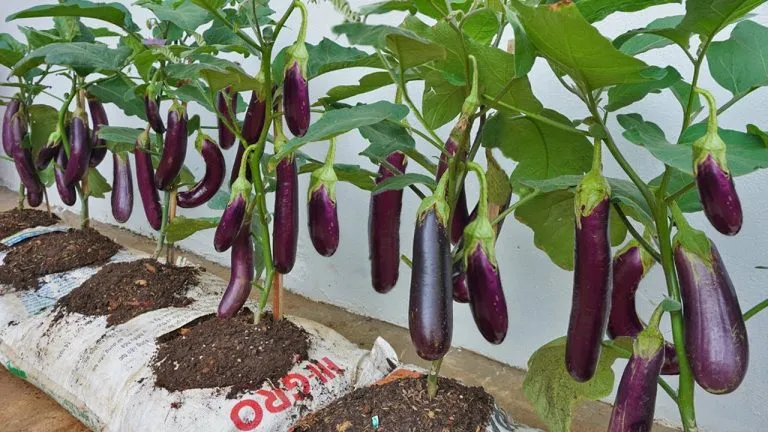
Exploring the World of Eggplants: A Gardener's Guide Eggplants, with their divisive nature, are often a subject of culinary debate. Read more

Using White Vinegar for Garden Maintenance Gardening is never an easy task. Planting, weeding, and watering plants and flowers require Read more
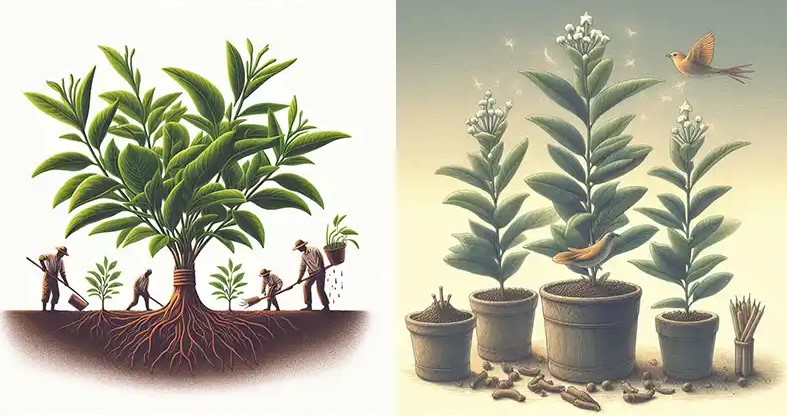
Easy Clove Growing: From Seed to Spice – A Beginner’s Guide Cloves are among the most treasured spices in the Read more
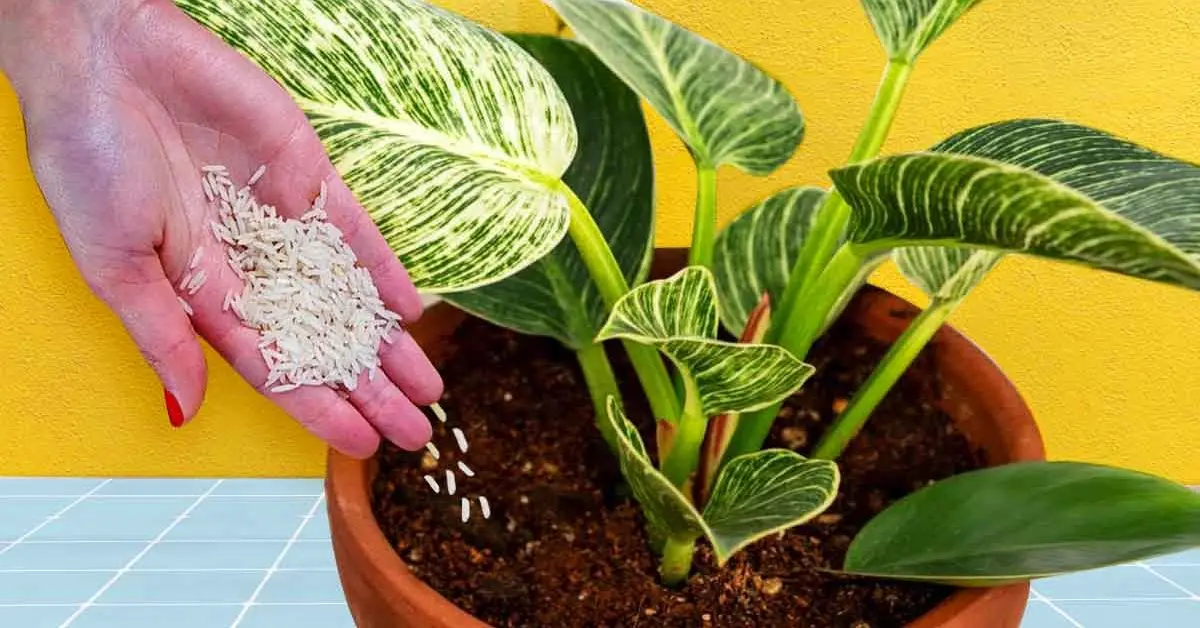
Indoor Plants and Their Benefits Indoor plants not only enhance the decor but also bring a touch of lush greenery. Read more
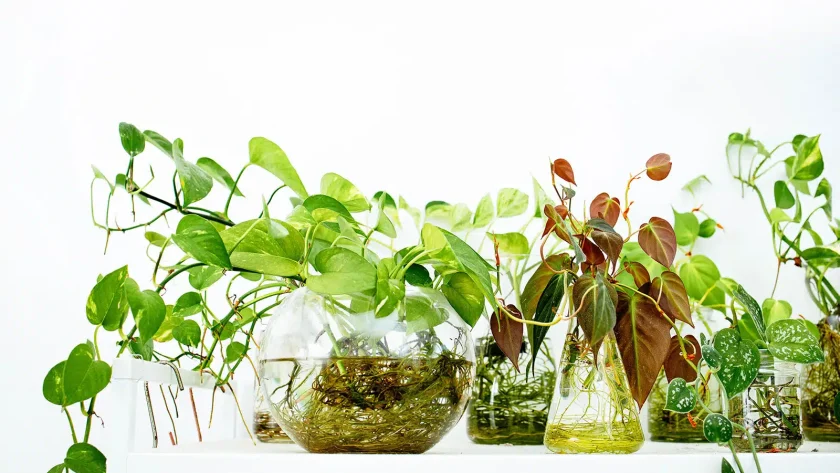
Searching for a distinctive method to incorporate some foliage into your home or workplace? Try cultivating plants hydroponically! Not only Read more
