

Draining a Boiler: An Essential Task Often Overlooked

A boiler operates somewhat like a pressure cooker: it heats water under pressure, but this water can also cause limescale to build up inside the system. Without regular maintenance, this accumulation quickly becomes a source of recurring malfunctions. So, when exactly should you drain your boiler?
Situations That Require Immediate Boiler Draining
Several circumstances call for prompt draining of your boiler:
Before an extended absence: If you plan to leave your home for several weeks, it is advisable not to leave stagnant water inside the system.
During cleaning or descaling: Limescale forms rapidly, especially in areas where the water has a high calcareous content.
In case of repairs: Whether you need to replace a heating element, thermostat, or simply relocate the unit, draining is essential.
Protection against freezing: A boiler installed in an uninsulated garage or outbuilding is at risk of pipe cracks if the water freezes.
Before replacing the boiler: It is crucial to drain the appliance before dismantling it.
How to Drain the Water from a Boiler: Step-by-Step Guide

You don’t need to be a professional to properly and safely drain your boiler. Just follow these steps carefully:
Switch off the electrical supply: This safety measure is essential for your protection.
Close the cold water inlet: This valve is typically located just at the boiler’s water entry point.
Open a hot water tap: Doing this releases pressure and facilitates draining.
Locate the drain valve: It is usually found at the bottom of the boiler near the cold water connection.
Prepare a basin or drainage hose: Arrange to collect the water to prevent any damage.
Open the drain valve: Water should flow out. If the flow is blocked, gently loosen the safety valve or slightly disconnect the inlet pipe.
Wait between 10 and 30 minutes: The duration depends on the volume of water and your boiler model.
Tip: Wear gloves and keep a cloth nearby as some spillage may occur.
How Often Should You Drain Your Boiler?
The frequency varies depending on your usage and the water quality in your region:
Every 6 to 12 months: Regular maintenance prevents limescale deposits and extends the boiler’s lifespan.
Before a long absence from home: If you will be away for more than a month, draining the tank is recommended.
When performance declines: Slow heating or unusual noises often indicate limescale buildup that requires draining.
Taking care of your boiler regularly is somewhat like taking your car for a technical inspection: it might seem inconvenient, but is vital to avoid costly repairs down the line.
A Simple Action to Extend Your Boiler’s Lifespan

In summary, draining your boiler is a quick, straightforward procedure accessible to everyone, preventing a wide range of potential problems. It’s also an excellent opportunity to check the appliance’s general condition, identify any leaks, or signs of wear and tear. Regular maintenance is a worthwhile investment that guarantees substantial long-term savings.
So, whenever you hear unusual gurgling sounds or your water takes too long to heat, don’t hesitate to drain your boiler!

This heartbreaking story touched millions of internet users. After a long eight months of disappearance, a dog finally reunited with Read more

Urinating While Standing, Tail Wagging: A Deliberate Behavior When you discover a small puddle of urine on a wall or Read more
Most people discard avocado seeds without giving them a second thought, but this often-overlooked component of the fruit is actually Read more

Why Do These Puzzles Stimulate Your Brain? Visual games are far more than just light entertainment. They intensely engage your Read more
Ingenious Uses for Expired Cornstarch A Natural Cleaner for Windows and Surfaces Did you know that cornstarch can easily substitute Read more
From 9 PM to 11 PM: When the Body Prepares for Night In the early evening, your body activates the Read more
Why Incorporate Clove Infusion Into Your Daily Routine? A Powerful Source of Antioxidants to Combat Aging Free radicals, those agents Read more

Euphorbia hirta, commonly known as the “Asthma-plant,” is a medicinal herb renowned in traditional medicine for its diverse health benefits, Read more
Why Does the Plastic of a Washing Machine Yellow Over Time? Over the years, it is common to notice that Read more

Castor Leaves: A Natural Treasure to Rediscover Used for centuries in traditional medicines around the world, castor leaves are experiencing Read more

Datura stramonium, commonly known as Jimson weed, thorn apple, or devil's trumpet, is a plant native to North America but Read more

Guava is often hailed as a superfruit, but did you know that its leaves also pack an extraordinary punch in Read more

Unwanted Houseguest: The Fly The fly is arguably the most disliked insect on Earth, primarily due to its bothersome traits. Read more
Why Is It Essential to Regularly Defrost Your Freezer? The gradual buildup of frost inside your freezer goes beyond just Read more

Mimosa Pudica, commonly known as the “Sensitive Plant” or “Touch-Me-Not,” is famous for its unique reaction to touch—its leaves fold Read more

What Is the Purpose of That Small Panel on Your Car? While heavy vehicles like trucks are equipped with clearly Read more

The Brown Marmorated Stink Bugs: A Nuisance Difficult to Ignore Originating from Asia, these insects have found a favorable environment Read more

Two Years in the Freezer: Is It Really Too Late? It is common to assume that a long storage date Read more
Rice Water and Baking Soda: A Surprising Duo to Unclog Your Drains Few people realize that the water used to Read more

A House Offered for Free, But You Must Move It Yourself In Sweden, a peculiar story is capturing attention: Göran Read more
Cleaning Grease Off Kitchen Wooden Cabinets: Effective Techniques Removing dirt and embedded grease stains from kitchen wooden cabinets isn't always Read more
You have tried everything to sleep better — herbal teas, meditation, ergonomic pillows — but nothing seems to work? What Read more
Fig leaves, often overlooked behind the sweet and flavorful fruit they accompany, are an incredible source of numerous health benefits. Read more
Cassava: An Essential Plant at the Heart of a Deadly Paradox Whether in the form of flour, tapioca pearls, or Read more

A Story of Love, Trust… and Betrayal Everything seemed to come straight out of a fairy tale. At just 15 Read more

Max, a True Fighter The dog advanced cautiously, drawn in by gentle words and a piece of bread offered kindly. Read more

The 5 Unmistakable Signs of Circulatory Disorders You Should Never Ignore Cold Hands and Feet: An Important Warning Signal Do Read more
An Invention Born from a Passion for Cooking At the end of the 19th century, the importance placed on healthy Read more
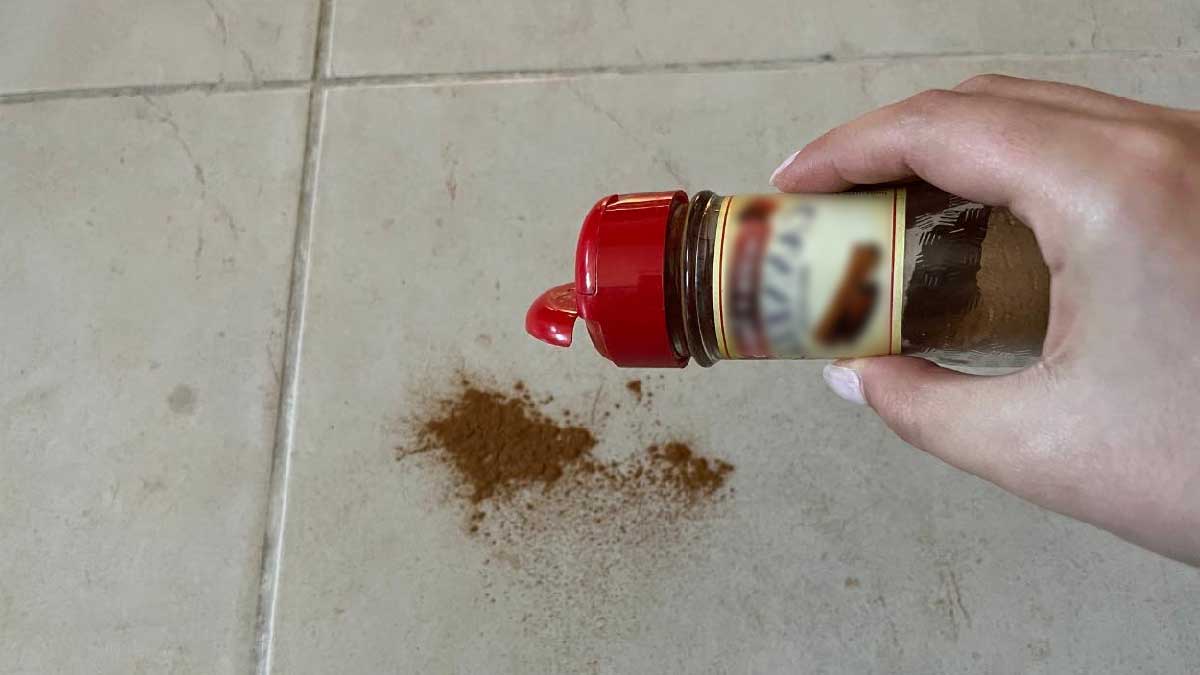
Have you ever encountered this unusual practice of sprinkling cinnamon powder in front of your front door? At first glance, Read more
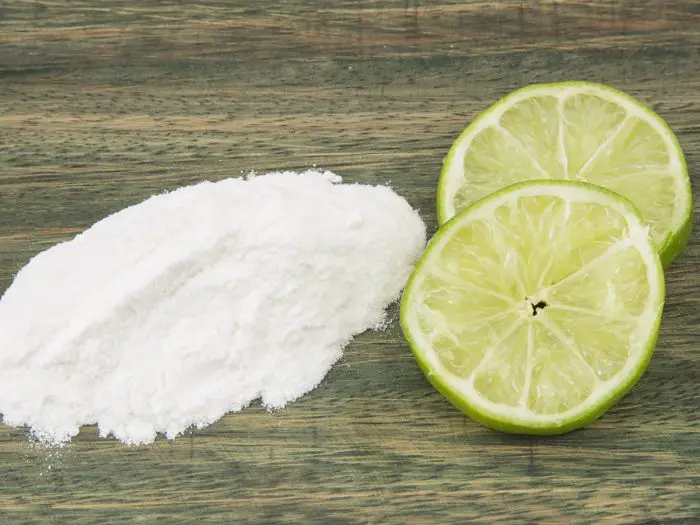
Baking soda and lemon peels are two household items often overlooked but incredibly powerful when combined. This natural duo can Read more
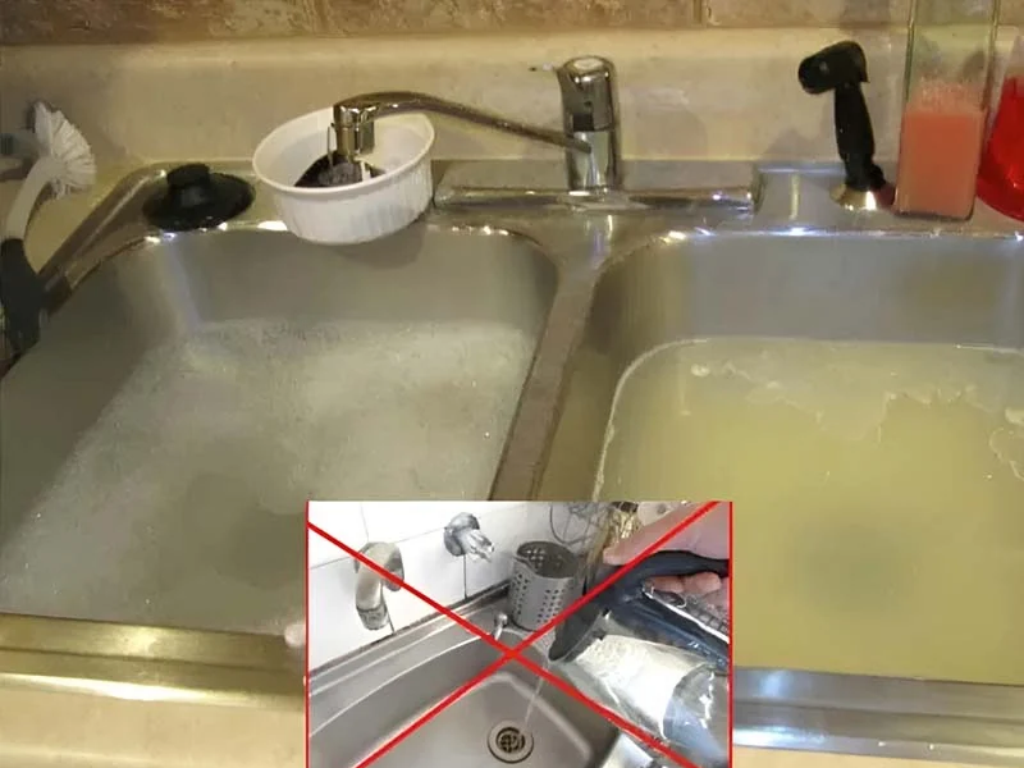
Rice Water and Baking Soda: A Surprising Duo to Unclog Your Drains Few people realize that the water used to Read more

Maintaining a spotless home doesn’t have to involve expensive commercial cleaning products. With just a few simple ingredients commonly found Read more

Mulberry trees are best known for their luscious summer berries, but their leaves possess an even greater potential as a Read more
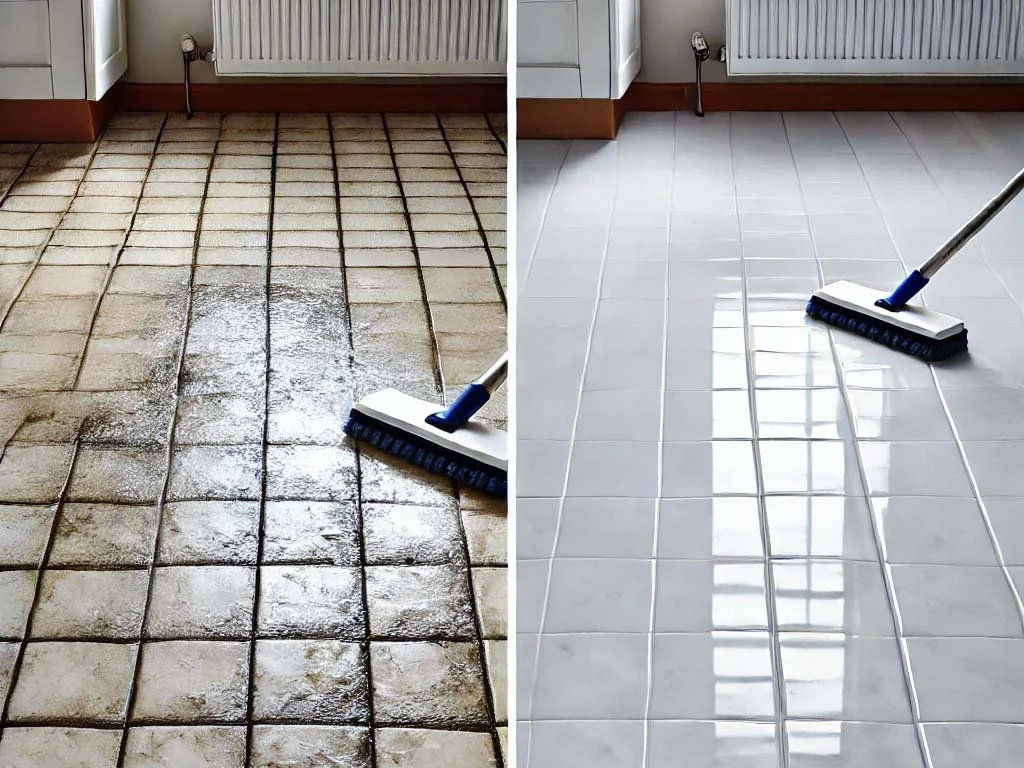
Why Traditional Household Cleaners Aren't Enough Often praised for their effectiveness, commercial cleaning products don't always succeed in removing stubborn Read more
The Dangers of Prolonged Sitting on the Toilet A Natural Reflex Put to the Test Sitting too long on the Read more
Basil seeds, often referred to as sabja or tukmaria, come from sweet basil. Though tiny, they hold an exceptional nutritional Read more
It might sound unusual, but an increasing number of homeowners have tried placing aluminum foil inside their toilet tanks. This Read more

The Ultimate Healing Tonic: A Powerful Natural Drink for Swollen Feet, Diabetes & Poor Circulation Chronic swelling in the feet, Read more

When you enter a hotel room, have you ever noticed that long piece of fabric laid across the foot of Read more

The Importance of Ventilating Your Home in Winter Indoor air that is overly saturated with humidity is not only uncomfortable Read more
