
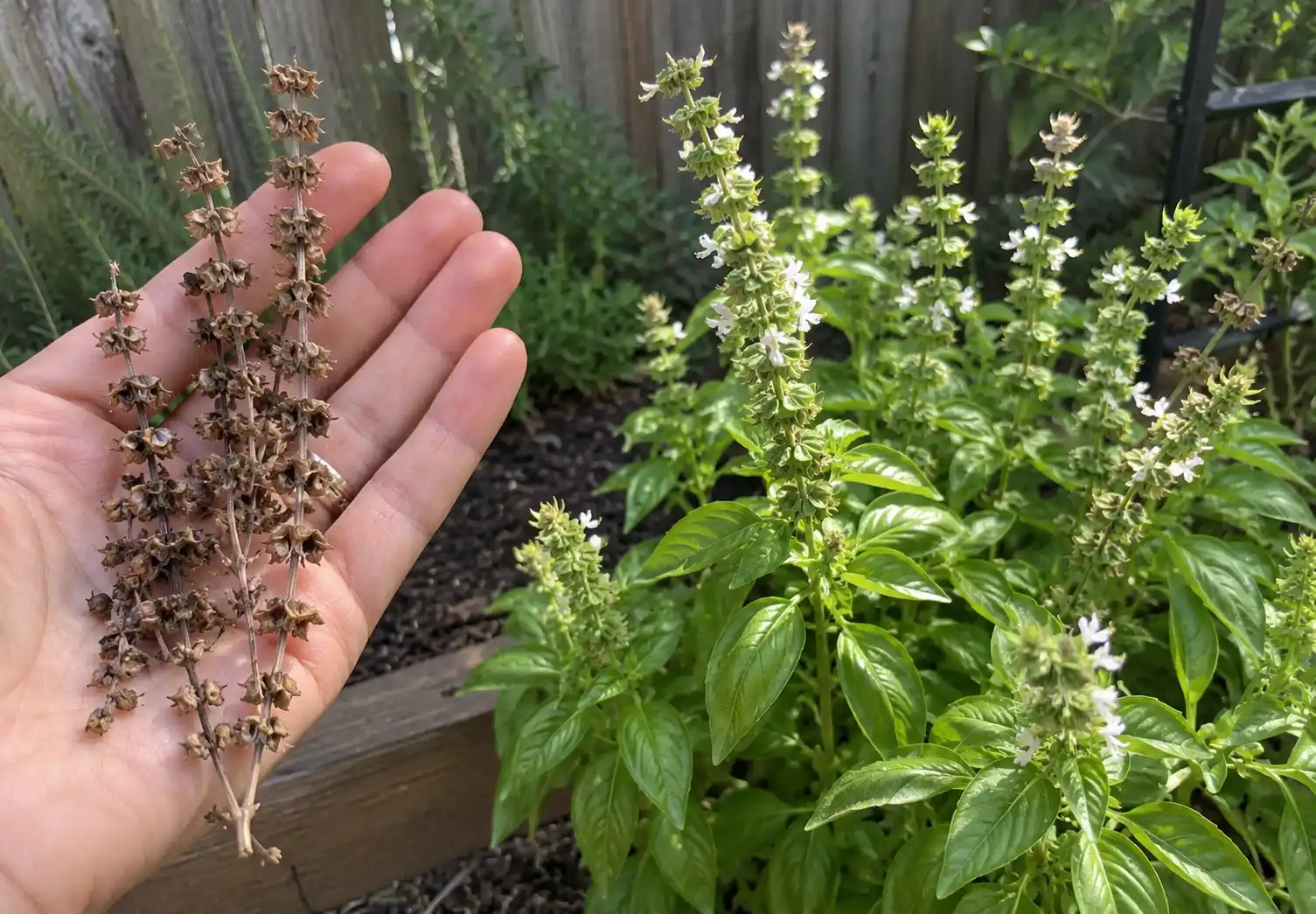
Basil seeds, often referred to as sabja or tukmaria, come from sweet basil. Though tiny, they hold an exceptional nutritional richness. For centuries, these seeds have been used in traditional beverages and wellness rituals to support overall health and well-being.

Discover everything you need to know about the incredible benefits of basil seeds, as well as simple ways to prepare and incorporate them into your daily routine.
Health Benefits of Basil Seeds
A Rich Source of Dietary Fiber: When soaked, basil seeds swell as they absorb fiber. This promotes better digestion, prevents constipation, and provides a prolonged feeling of fullness.
High Concentrations of Essential Minerals: A small portion supplies a significant amount of calcium, iron, and magnesium—vital minerals that strengthen bones, ensure proper muscle function, and maintain healthy blood.
Natural Cooling Properties: Basil seeds are well-known for their refreshing effect on the body. They are particularly effective at lowering body heat, which is why they are popular in cold beverages during the summer.
Blood Sugar Regulation: The viscous gel formed by the fiber slows carbohydrate digestion, helping to prevent rapid spikes in blood sugar levels after meals.
Plant-Based Omega-3 Fatty Acids: These seeds contain omega-3 fatty acids that contribute to reducing inflammation and supporting cardiovascular health.
How to Prepare Basil Seeds
Unlike chia seeds, eating dry basil seeds is not recommended because they are hard and pose a choking hazard. They must be soaked in liquid before consumption.

Dosage: Mix 1 tablespoon of dry seeds in about 250 ml of water (1 cup).
Soaking Time: Let them soak for around fifteen minutes.
Outcome: The seeds will swell up to triple their original size and become surrounded by a thin gray gelatinous layer, while still retaining a slightly crunchy black center. Drain any excess water if needed.
Simple Homemade Uses
Once soaked, basil seeds have a very mild flavor, allowing you to add them to many recipes without altering the taste of your dishes.
Refreshing Drinks: Add a spoonful of hydrated seeds to lemonade, iced tea, or fruit juices to add texture and nutritional value.
Smoothies: Blend soaked seeds directly into your daily fruit or green smoothies for an extra fiber boost.
Yogurt and Oatmeal: Stir them into a bowl of yogurt or your morning cereals to easily increase your fiber intake.
Healthy Puddings: Combine the seeds with coconut milk, a touch of honey, and vanilla extract. Refrigerate to create a simple and delicious dessert.
Homemade Dressings: Incorporate a small amount of soaked seeds into your salad dressings to naturally thicken the sauce.
Precautions to Keep in Mind
Despite their numerous benefits, certain precautions should be observed for safe consumption:
Always Soak Before Use: Never eat dry seeds to avoid the risk of choking.
Warning for Pregnant Women: Pregnant women should limit intake since the seeds might affect hormone levels.
Medication Interactions: Their high fiber content can slow down the absorption of some medications if consumed in large amounts simultaneously.
Disclaimer: The information provided here is for educational and informational purposes only. We disclaim any responsibility for adverse effects, health problems, or reactions. This content does not substitute for professional medical advice, diagnosis, or treatment. Always consult a healthcare professional before adding new foods or supplements to your diet, especially if you have pre-existing conditions, are pregnant, or are undergoing medical treatment.

Why Traditional Household Cleaners Aren't Enough Often praised for their effectiveness, commercial cleaning products don't always succeed in removing stubborn Read more

The Dog’s Nose: An Organ of Exceptional Sensitivity While humans explore the world primarily through vision, dogs scrutinize it mainly Read more

Lactuca serriola, commonly known as prickly lettuce, is a plant that often goes unnoticed, dismissed as a mere weed. However, Read more

An Invention Born from a Passion for Cooking At the end of the 19th century, the importance placed on healthy Read more

Sweet Violet (Viola odorata): 25 Incredible Benefits & How to Use It Sweet violet (Viola odorata), also known as wood Read more

Cassava: An Essential Plant at the Heart of a Deadly Paradox Whether in the form of flour, tapioca pearls, or Read more
Thyme is known by some as the “enemy of toxins,” and it has been part of stories since ancient Greece. Read more

Clogged Shower Drain? Try Baking Soda! Experiencing a stagnant pool of water after a refreshing shower can be a mood Read more

Euphorbia hirta, commonly known as the “Asthma-plant,” is a medicinal herb renowned in traditional medicine for its diverse health benefits, Read more

Lina’s room remains untouched by time, as if she had just left yesterday: colored pencils scattered across the desk, an Read more

The Final Blow Within Her Own Home Returning home from work, Phoebe had hoped to find a dinner prepared or Read more

A Quiet and Efficient Predator in Your Home The domestic house centipede (Scutigera coleoptrata) is often regarded as a frightening Read more

This content is for informational purposes only. For medical advice or diagnosis, please consult a professional. Most people recognize aloe Read more

In today's digital age, it's a common sight in households and offices: chargers left in outlets without their corresponding devices. Read more
This content is provided for informational purposes only. For medical advice or diagnosis, please consult a healthcare professional. The common Read more

Bathroom Mold: Causes and Solutions Ideal Environment for Mold Growth Bathroom surfaces are prime locations for mold growth. Moisture accumulates Read more

Restore the Shine to Your Dull Leather Whether it’s worn-out shoes, tired leather bags, or a sofa that has lost Read more

Dented Car Body: How to Fix It Yourself Over time, the body of your car can endure a lot. From Read more
Garlic Mustard (Alliaria petiolata): 20 Surprising Benefits and Homemade Uses Garlic mustard (Alliaria petiolata) is often dismissed as a stubborn Read more

The Dog's Nose: A True Superpower It is well known that dogs possess an extraordinary sense of smell. Yet the Read more
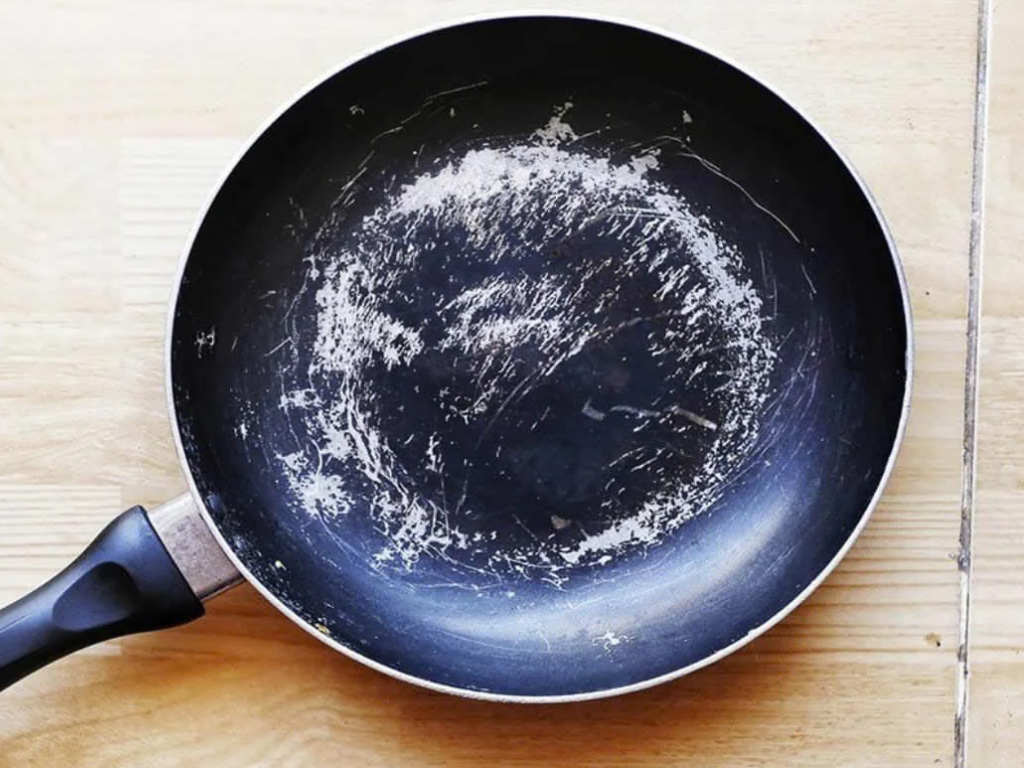
The Secret of Seasoning: An Essential Traditional Method What if the key to reviving a frying pan lay in an Read more
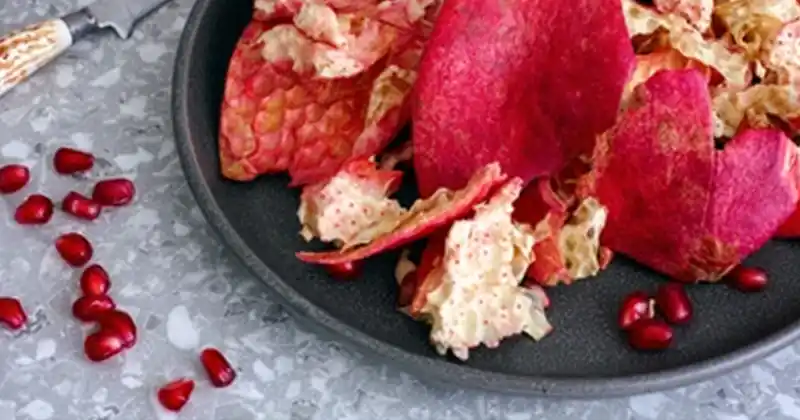
The Hidden Power of Pomegranate Peel: 10 Health Benefits and How to Use It Pomegranate is often celebrated for its Read more

Horseweed (Erigeron canadensis): 20 Amazing Benefits and How to Use It Horseweed, also known as Erigeron canadensis or Canadian fleabane, Read more

Creating a fresh and inviting atmosphere in your kitchen doesn't require expensive air fresheners or synthetic scents. With just a Read more

Ageratum conyzoides, commonly known as Billygoat Weed or Goatweed, is a flowering plant native to tropical regions of the Americas Read more

The Importance of Curtain Cleaning in Your Home Generally, when cleaning the house, after dusting the furniture, one often overlooks Read more

Inheritance in France: A Protected Share, Untouchable Even in Cases of Conflict In France, there is a fundamental legal principle Read more
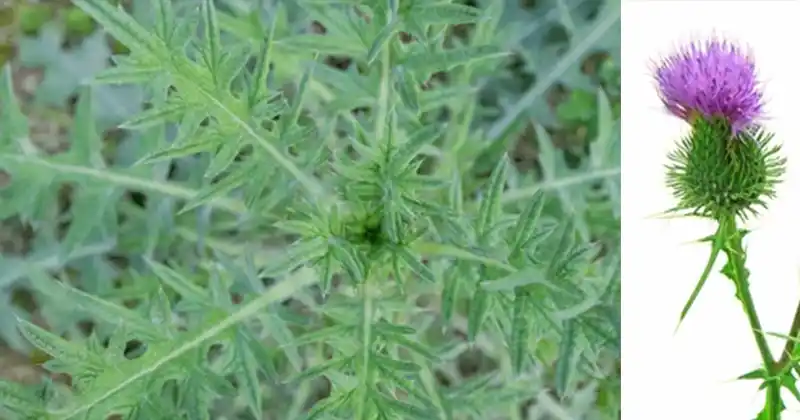
Bull Thistle (Cirsium vulgare): A Wild Plant with Surprising Benefits The bull thistle (Cirsium vulgare) is often dismissed as a Read more

How to Clean a Glass Shower Door Naturally and Keep It Shining Longer Several areas of the bathroom are exposed Read more

White Clover (Trifolium repens): 15 Benefits and Homemade Uses White clover (Trifolium repens) is more than just a common plant Read more

Avocados are celebrated for their creamy texture, rich flavor, and numerous health benefits. While typically enjoyed raw, grilling avocados introduces Read more

When a Simple Pistachio Shell Takes on the Appearance of a Monster It all begins with the desire to clean Read more

Are Lilacs Edible? Health Benefits of the Beautiful Syringa Blossoms With their sweet fragrance and delicate clusters of flowers, lilacs Read more

The ingenuity of Swedish furniture design, particularly evident in the flat-pack phenomenon, has transformed how we furnish our homes with Read more

How to Make Powerful Super Glue from Styrofoam: The Hidden Chemistry Behind This Viral Trick In a world where DIY Read more

How can a simple homemade mixture really help make your teeth whiter? Here is the secret that has already captivated Read more
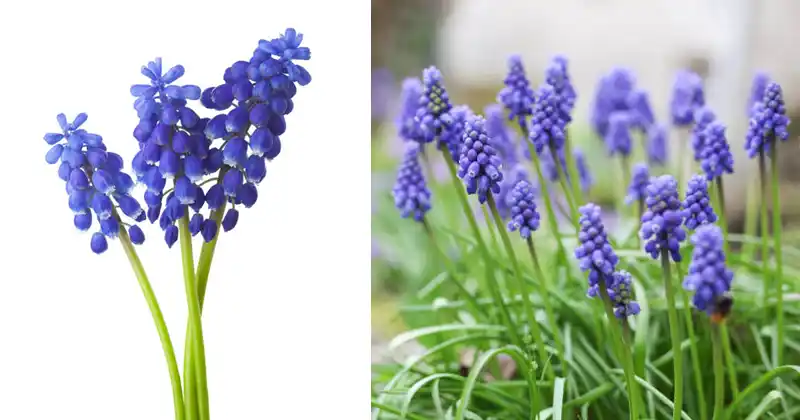
Grape Hyacinth (Muscari): A Beautiful Flower You Can Eat – But Only If You Know Which One The grape hyacinth, Read more

Tackling Dog Urine Odor: A Comprehensive Guide The joy of having a canine companion is undeniable, but alongside it come Read more

Mulberry trees are best known for their luscious summer berries, but their leaves possess an even greater potential as a Read more

Cleaning Grease Off Kitchen Wooden Cabinets: Effective Techniques Removing dirt and embedded grease stains from kitchen wooden cabinets isn't always Read more
