
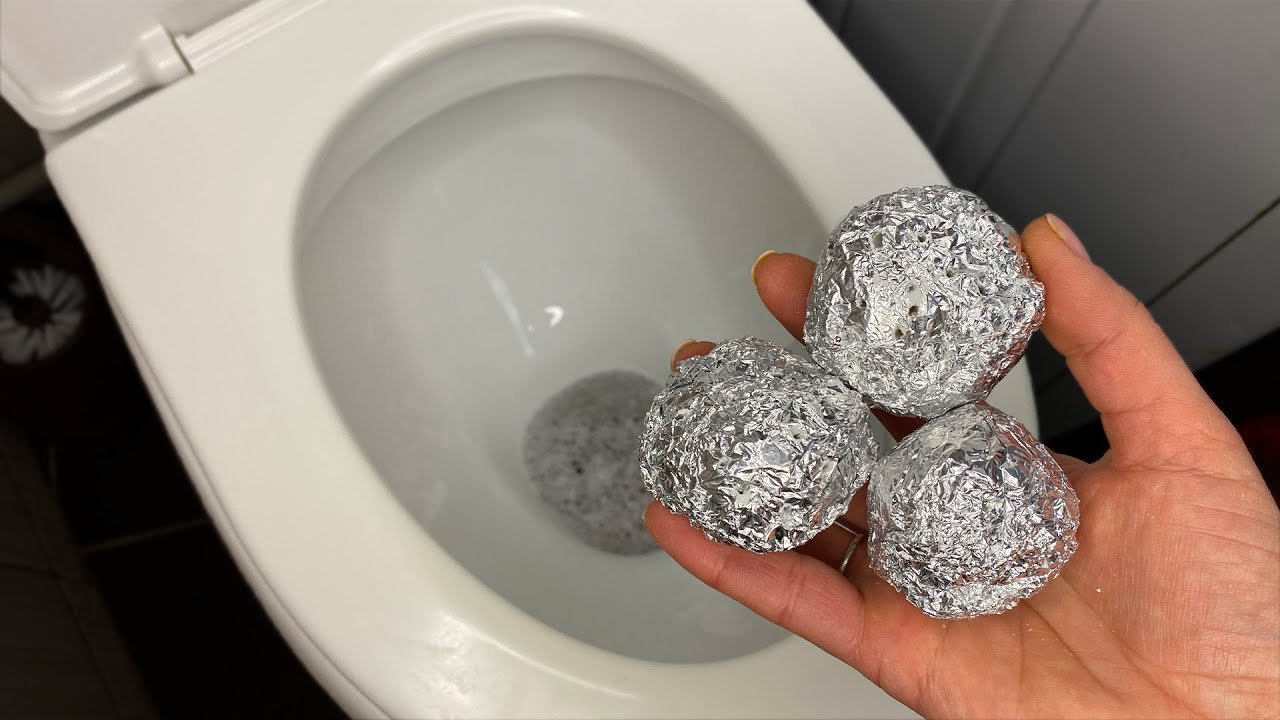
It might sound unusual, but an increasing number of homeowners have tried placing aluminum foil inside their toilet tanks. This idea has gained traction online as a clever, money-saving, or maintenance hack, suggesting it can improve efficiency and promote cleaner operation. Like many viral household tips, however, it is crucial to distinguish between what sounds clever and what actually delivers results.
Does Aluminum Foil Truly Reduce Water Waste?
One of the most widespread claims is that aluminum foil helps conserve water by displacing some of the water inside the tank. The concept revolves around scrunching up the foil into balls to reduce the overall volume of water used with each flush. In reality, aluminum foil is far too lightweight to create any significant impact on water displacement. Moreover, toilet manufacturers typically advise against inserting foreign objects into the tank because it can interfere with normal functioning and, in some cases, void the warranty.

Can Aluminum Foil Help Prevent Toilet Leaks?
Another common belief is that aluminum foil can support the flapper valve inside the toilet tank and help prevent slow leaks. Sadly, foil does not provide any such benefit. It neither enhances buoyancy nor seals leaks, nor does it serve as an indicator of mechanical issues. Depending on foil instead of conducting proper inspections can delay needed repairs, contributing to ongoing water waste and possibly resulting in higher repair expenses down the line.

Myth: Blocking Rust and Mineral Buildup with Aluminum Foil
Some advocates of this hack claim that aluminum foil can reduce rust or mineral deposit buildup inside the toilet tank. This belief likely stems from the use of foil as an abrasive cleaning tool in other household tasks. However, inside a toilet tank, aluminum foil does not impact the water chemistry, dissolve scale, or prevent corrosion. Issues with hard water stains and rust require specialized cleaners or water treatment systems rather than improvised metal scraps.
Why This Hack Can Actually Cause Problems
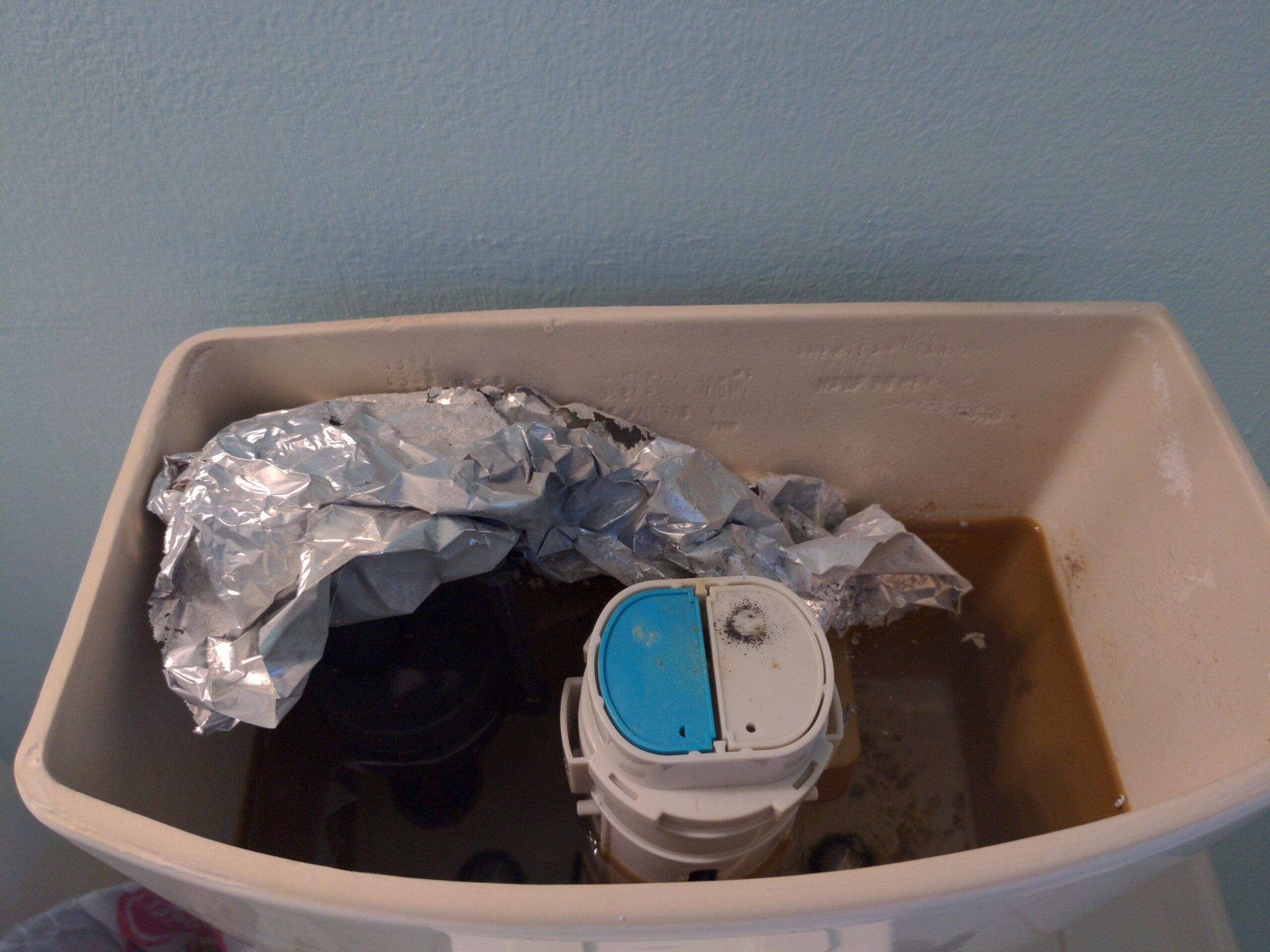
Aside from offering no real benefits, placing aluminum foil inside your toilet tank can lead to genuine complications. Over time, the foil may corrode, tear, or disintegrate into smaller particles. These fragments have the potential to clog valves, obstruct moving parts, or interfere with flushing mechanisms. Since toilets are precisely designed systems, even small foreign objects can cause malfunctions or necessitate expensive plumbing repairs.
In summary: While aluminum foil is undeniably useful for many household purposes, your toilet tank is not one of them. Despite bold claims circulating online, this hack neither conserves water, prevents leaks, nor guards against rust. On the contrary, it may cause further issues. For those aiming to lower water bills or prolong the lifespan of their toilet, relying on tried-and-true methods and performing proper maintenance will always be the wiser and more effective approach.

White Clover (Trifolium repens): 15 Benefits and Homemade Uses White clover (Trifolium repens) is more than just a common plant Read more

Why does your sleep become fragile precisely between 3 a.m. and 5 a.m.? Is it due to a peculiarity of Read more

Purslane (Verdolaga) is no longer a garden menace but a valuable gem! This remarkable plant is reclaiming its place in Read more

Lina’s room remains untouched by time, as if she had just left yesterday: colored pencils scattered across the desk, an Read more

Ever wish your home could keep that fresh, clean scent for more than a few hours? There’s a simple, natural Read more
The Secret of Seasoning: An Essential Traditional Method What if the key to reviving a frying pan lay in an Read more
Effective Methods to Eliminate Maggots and Prevent Their Return Vinegar: An Essential Natural Repellent To quickly rid yourself of maggots, Read more

Bathroom Mold: Causes and Solutions Ideal Environment for Mold Growth Bathroom surfaces are prime locations for mold growth. Moisture accumulates Read more

A Vibrant Coat, More Than Just a Visual Trait Before delving into the nature of these cats, let us first Read more
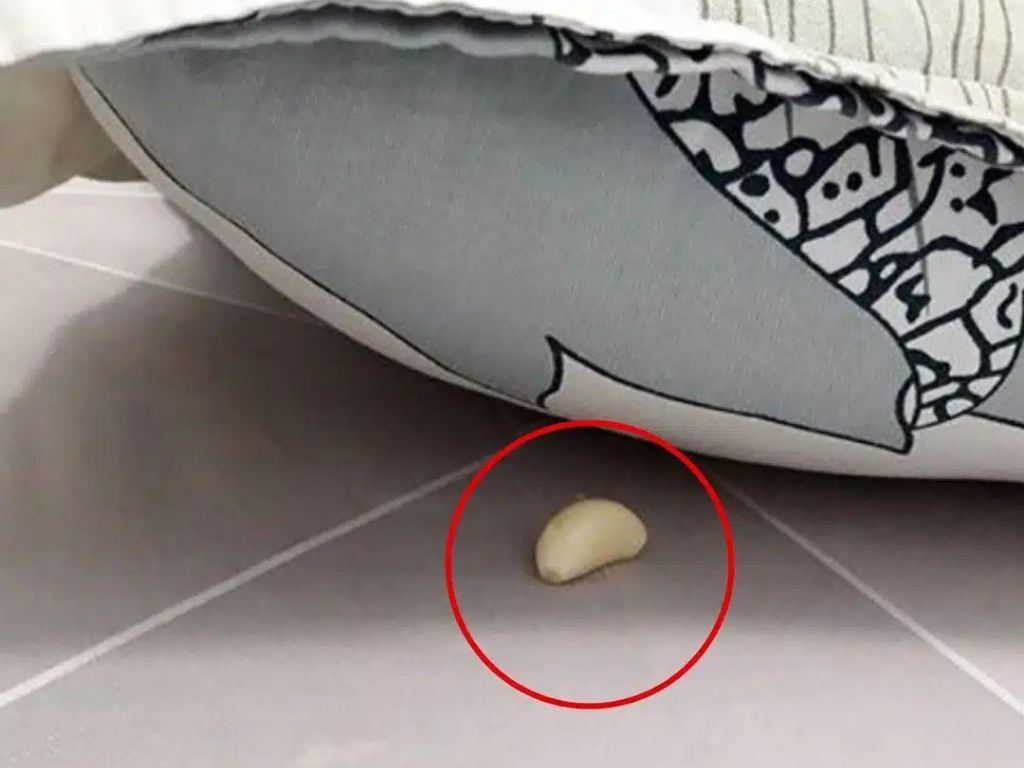
Garlic: An Ancient Remedy for Better Sleep Since ancient times, garlic has been recognized not only as an essential culinary Read more

The Dog's Nose: A True Superpower It is well known that dogs possess an extraordinary sense of smell. Yet the Read more

The Spool of Thread: A Silent Relic of a Bygone Era Let us take a moment to journey back to Read more
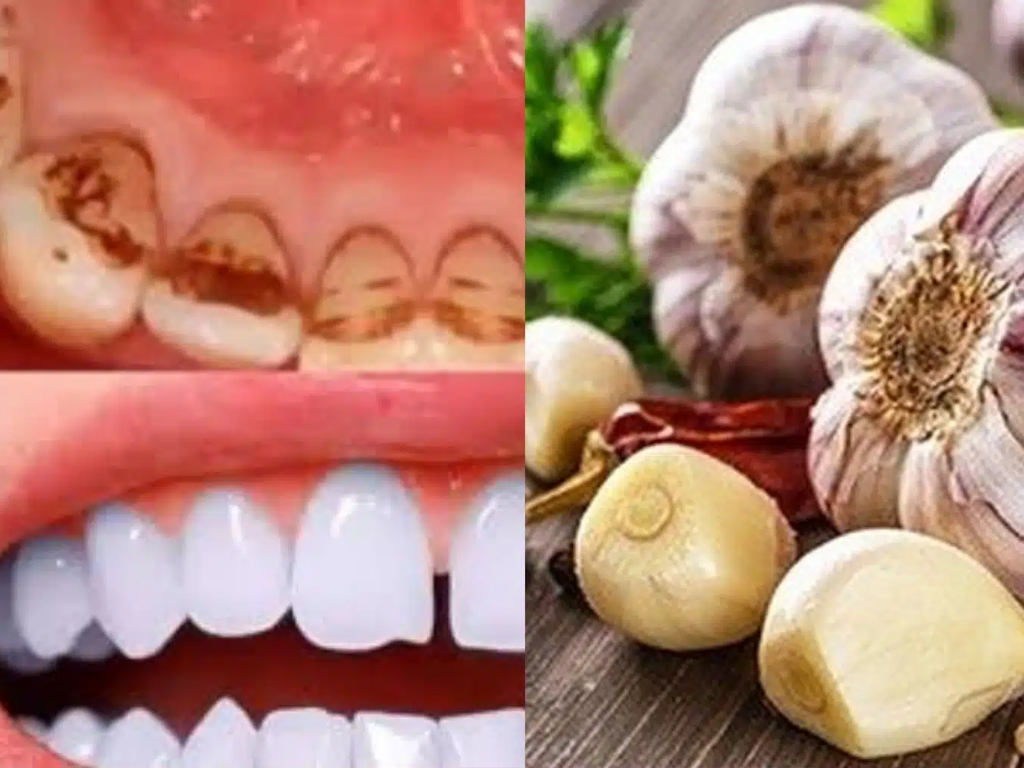
The Silent Enemy: Tartar and Bacteria Tartar is a common affliction affecting our teeth. It forms from the gradual hardening Read more
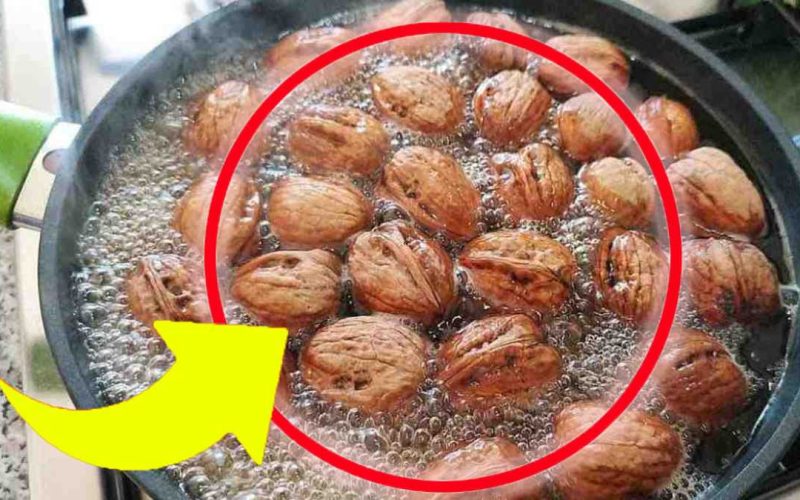
Some people purchase walnuts that are already shelled, while others prefer to buy them in their natural state, still in Read more

A True Nutritional Treasure in Every Bite Beef tongue stands out primarily for its remarkable nutritional richness. It is an Read more

Unveiling the Secrets of Burning Bay Leaves in Your Home The age-old tradition of burning bay leaves, once prevalent in Read more
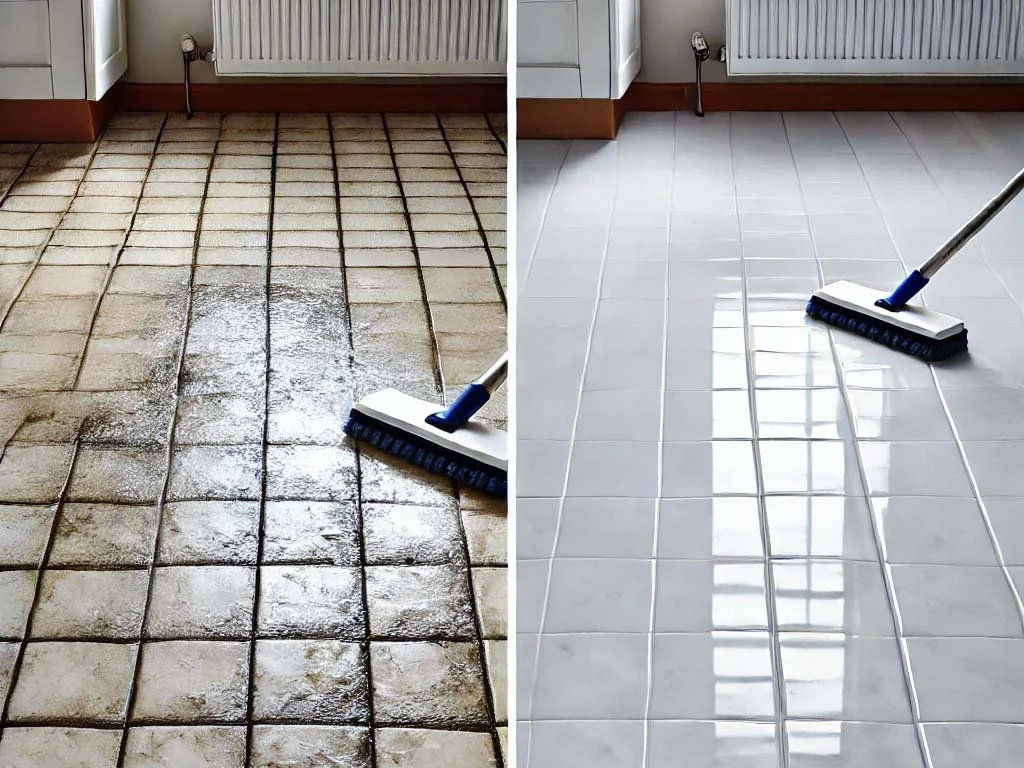
Why Traditional Household Cleaners Aren't Enough Often praised for their effectiveness, commercial cleaning products don't always succeed in removing stubborn Read more
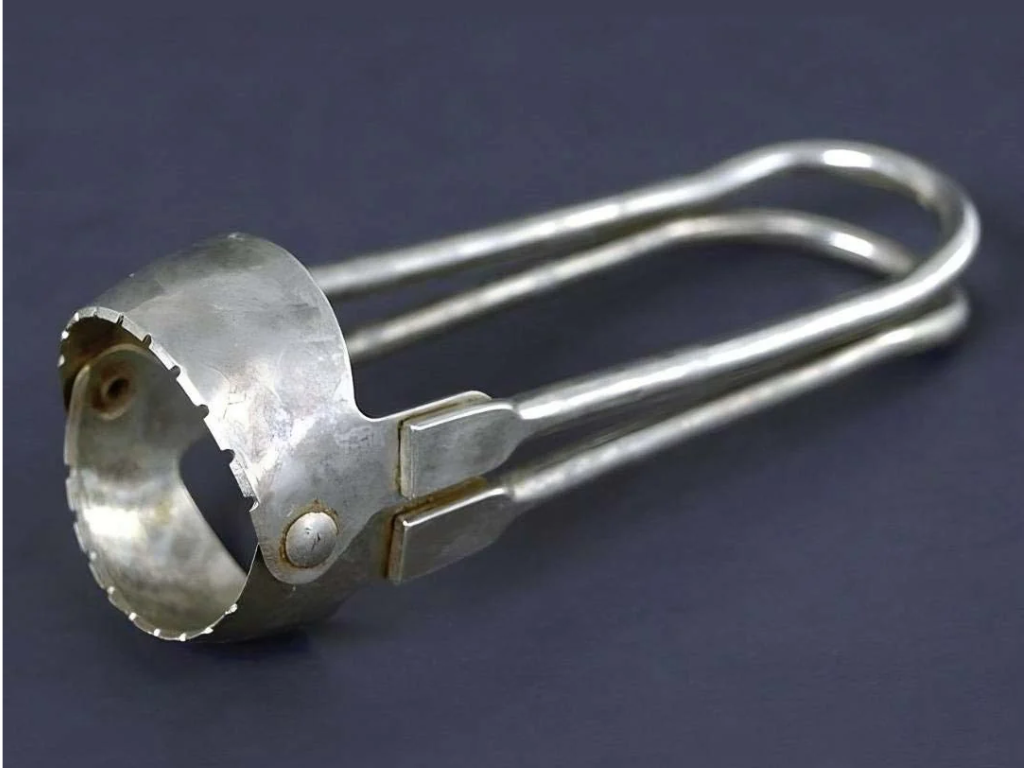
An Invention Born from a Passion for Cooking At the end of the 19th century, the importance placed on healthy Read more

Are Lilacs Edible? Health Benefits of the Beautiful Syringa Blossoms With their sweet fragrance and delicate clusters of flowers, lilacs Read more

Mullein (Verbascum thapsus), a tall, woolly plant often seen growing along roadsides and in open fields, has been treasured for Read more
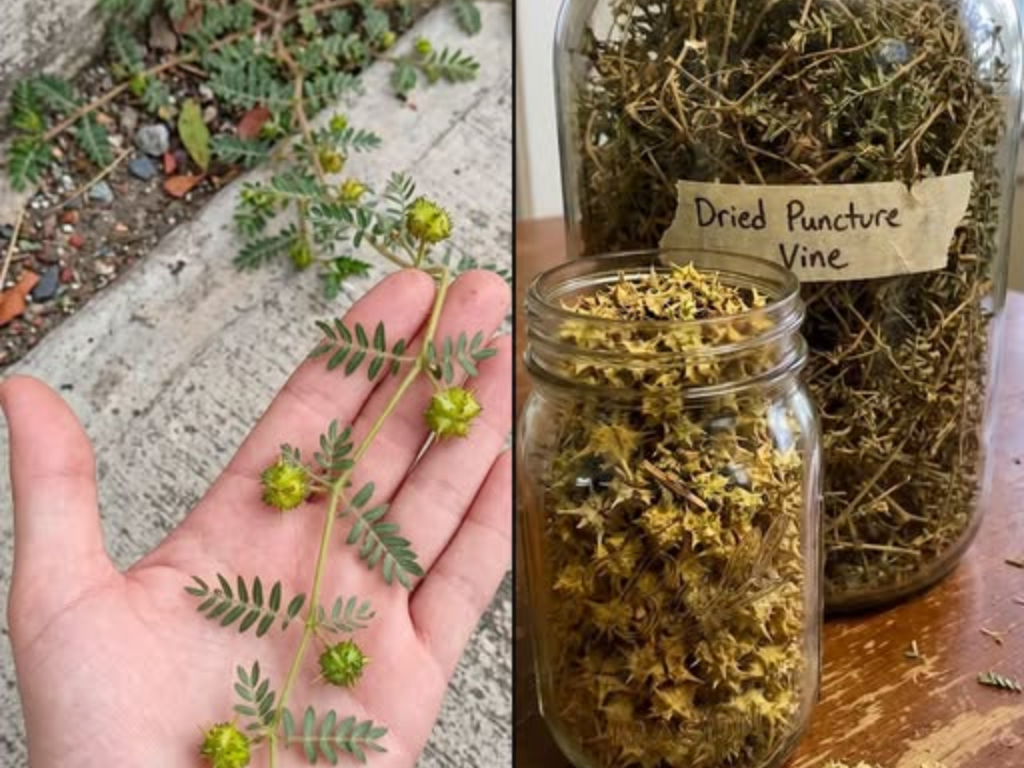
Warning: The information provided in this article is solely for educational and informational purposes. It is based on traditional herbal Read more
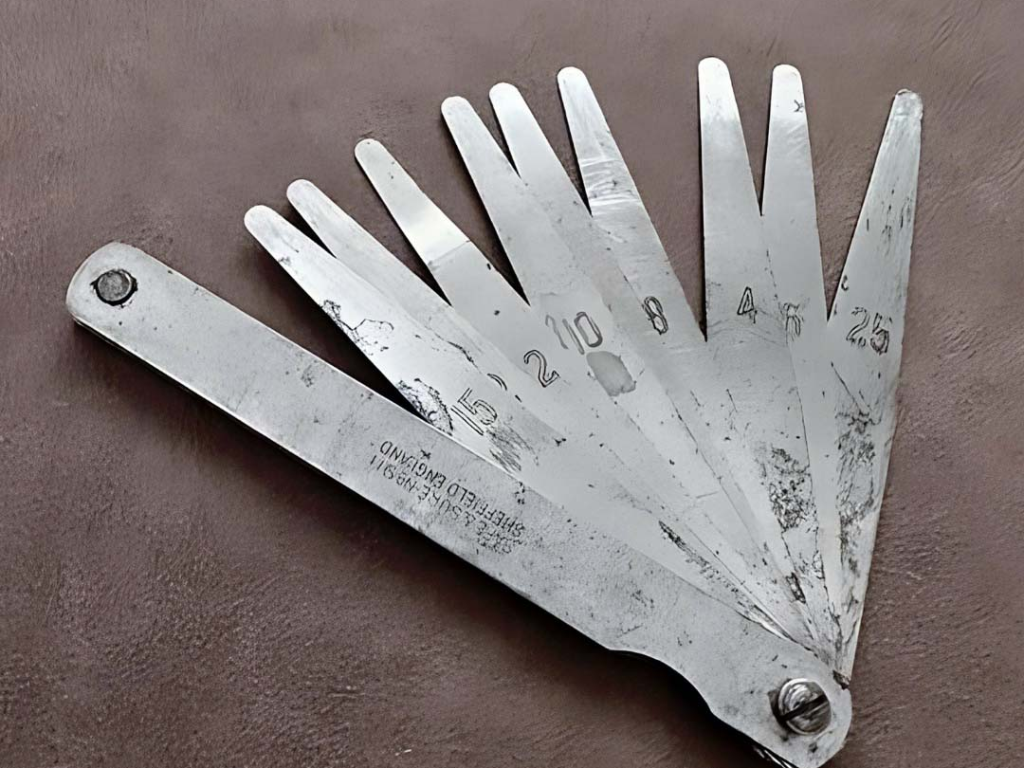
Why is the Thickness Gauge Still Essential? The thickness gauge is far more than just an accessory; it proves to Read more
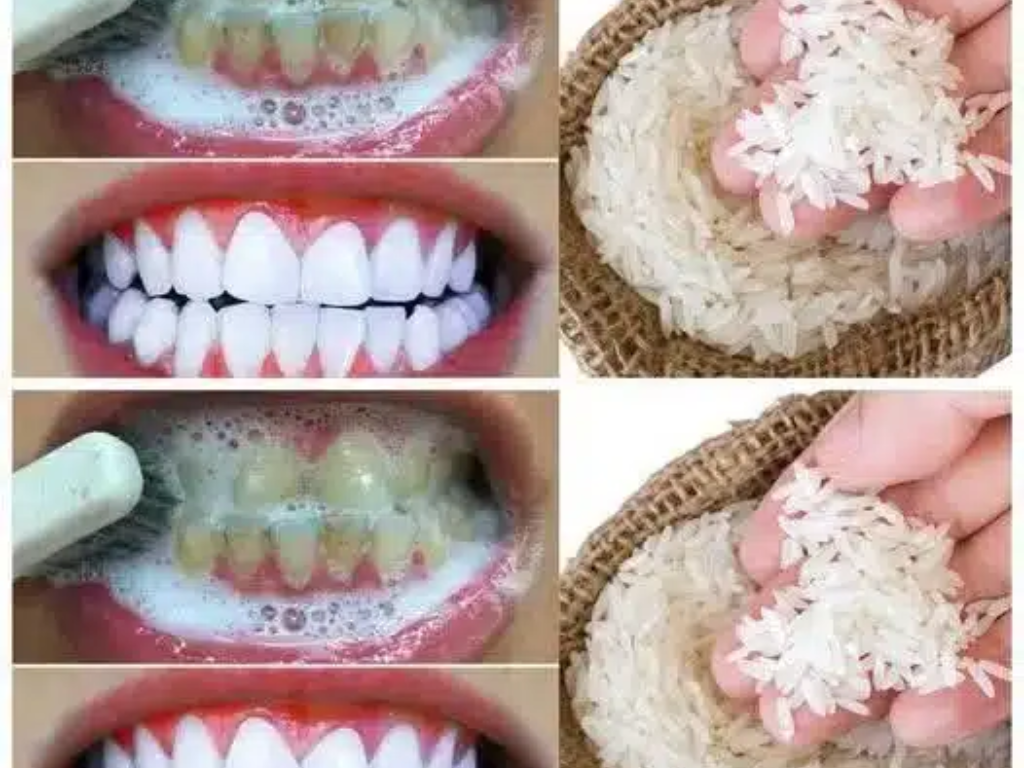
How can a simple homemade mixture really help make your teeth whiter? Here is the secret that has already captivated Read more

Tackling Dog Urine Odor: A Comprehensive Guide The joy of having a canine companion is undeniable, but alongside it come Read more

Lactuca serriola, commonly known as prickly lettuce, is a plant that often goes unnoticed, dismissed as a mere weed. However, Read more
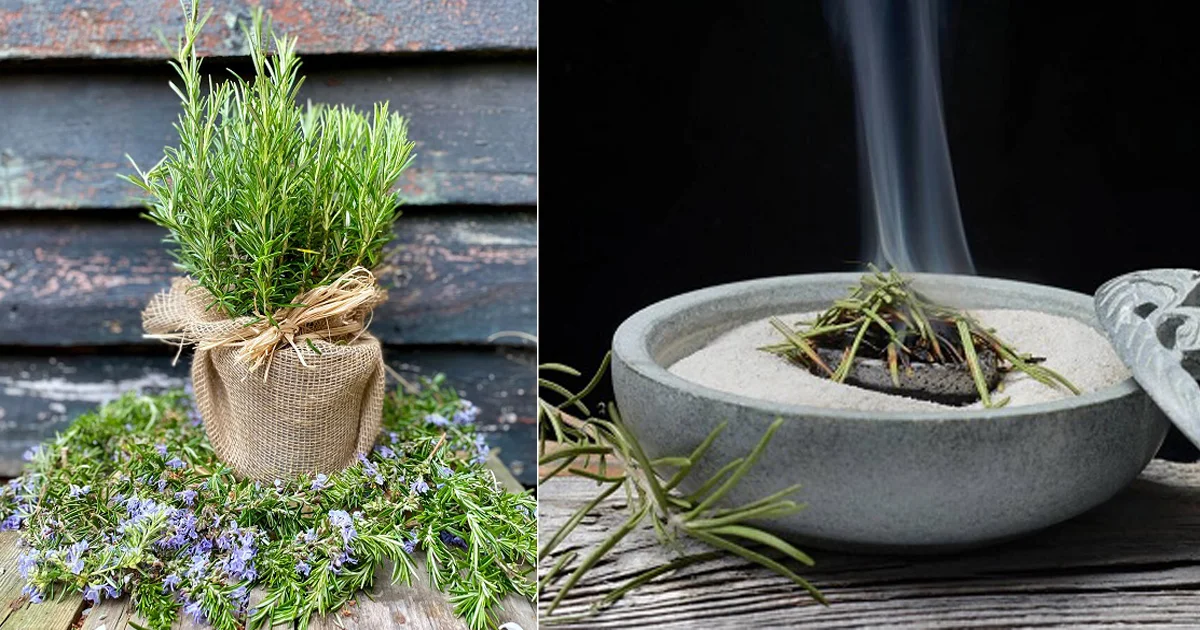
Rosemary, scientifically identified as Rosmarinus officinalis, is widely recognized not only for its role in cooking but also for its Read more
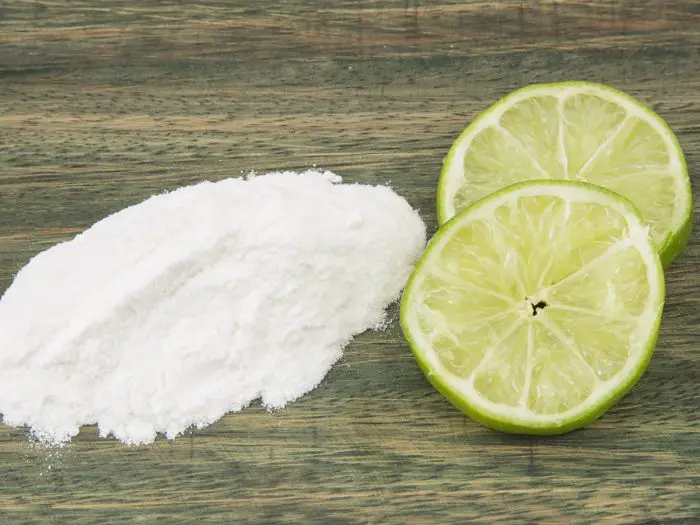
Baking soda and lemon peels are two household items often overlooked but incredibly powerful when combined. This natural duo can Read more
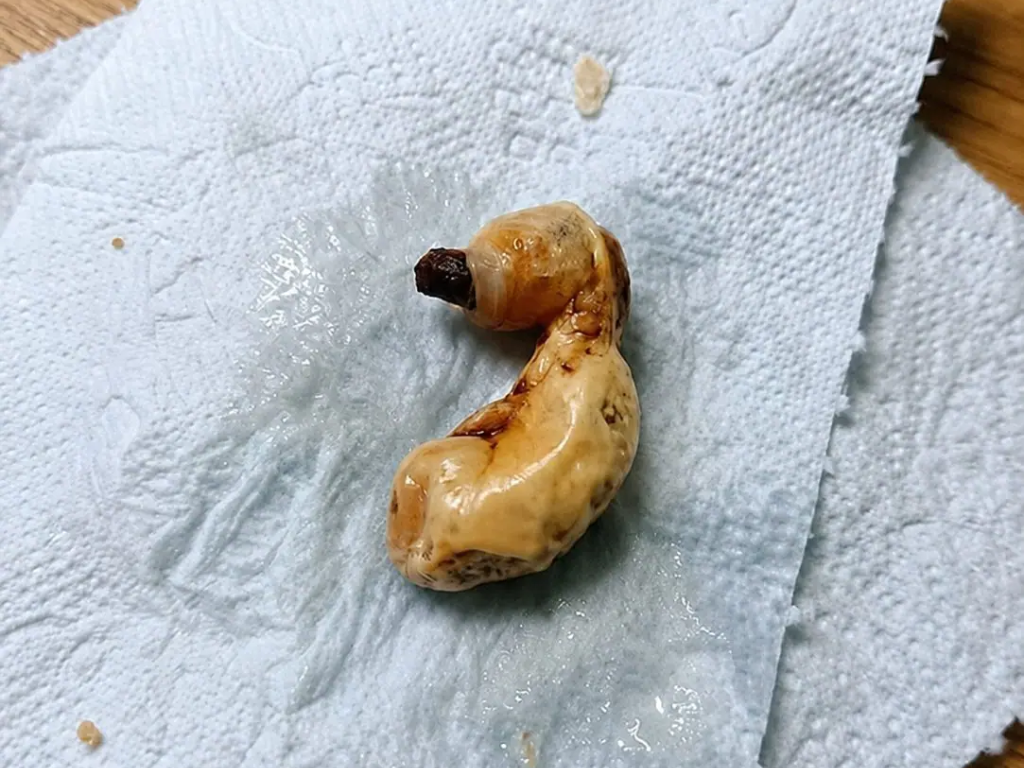
When a Simple Pistachio Shell Takes on the Appearance of a Monster It all begins with the desire to clean Read more

Transforming Garlic Peels into Gold for Gardeners: In the rhythm of kitchen prep, garlic peels are often discarded without a Read more
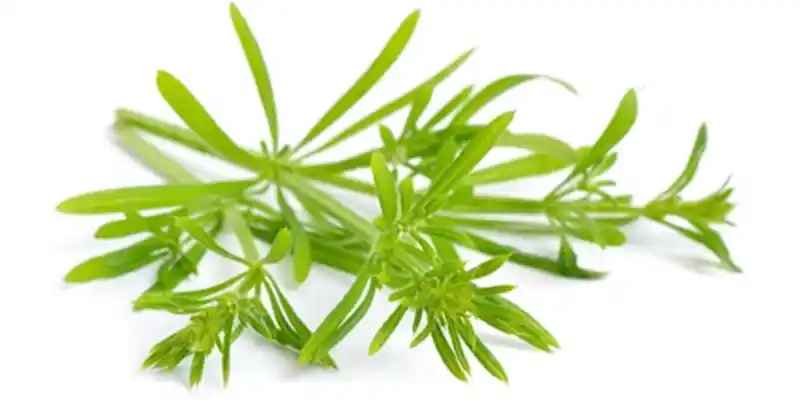
Cleavers (Galium aparine): The Herbal Remedy for Detox and Lymphatic Health Cleavers, also known as Galium aparine, is a humble Read more

The Scents That Attract Them Unintentionally Many laundry detergents and fabric softeners release floral, fruity, or subtly sweet fragrances. While Read more

A Decision Born from Solitude Agnès did not make her decision lightly. For many years, she hoped for more frequent Read more

Airport staff and baggage handlers have an in-depth understanding of the behind-the-scenes processes involved in handling luggage. Today, they share Read more
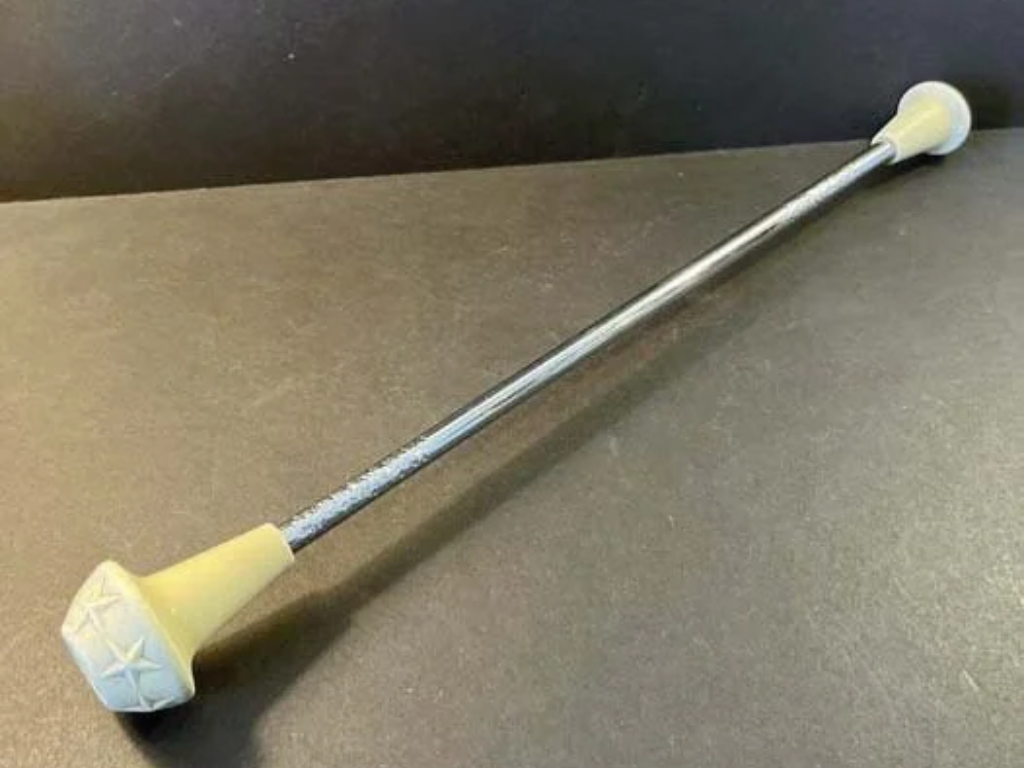
From Military Origins to Artistic Expression Originally, the twirling baton was primarily a tool designed to organize military marches and Read more
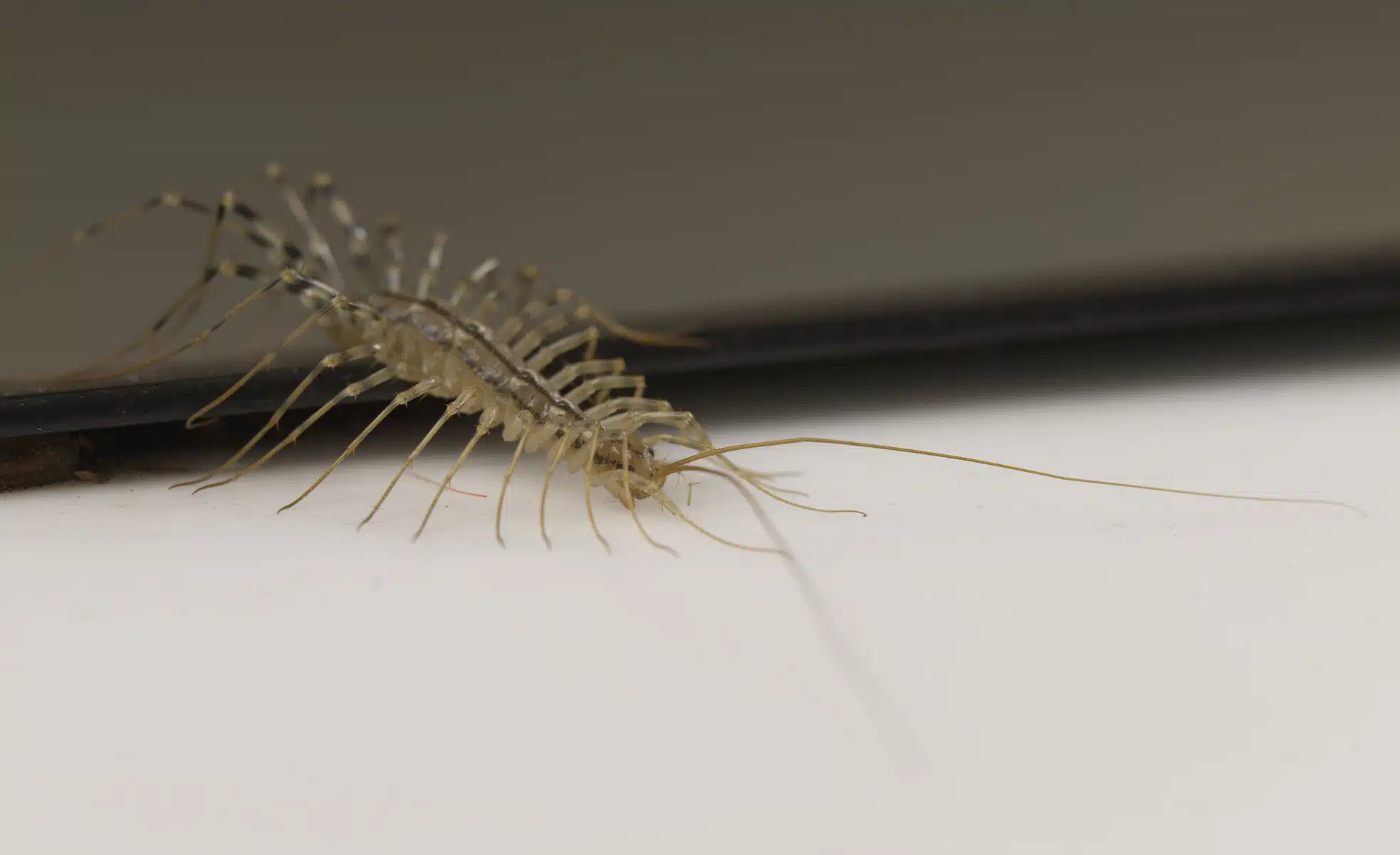
A Quiet and Efficient Predator in Your Home The domestic house centipede (Scutigera coleoptrata) is often regarded as a frightening Read more
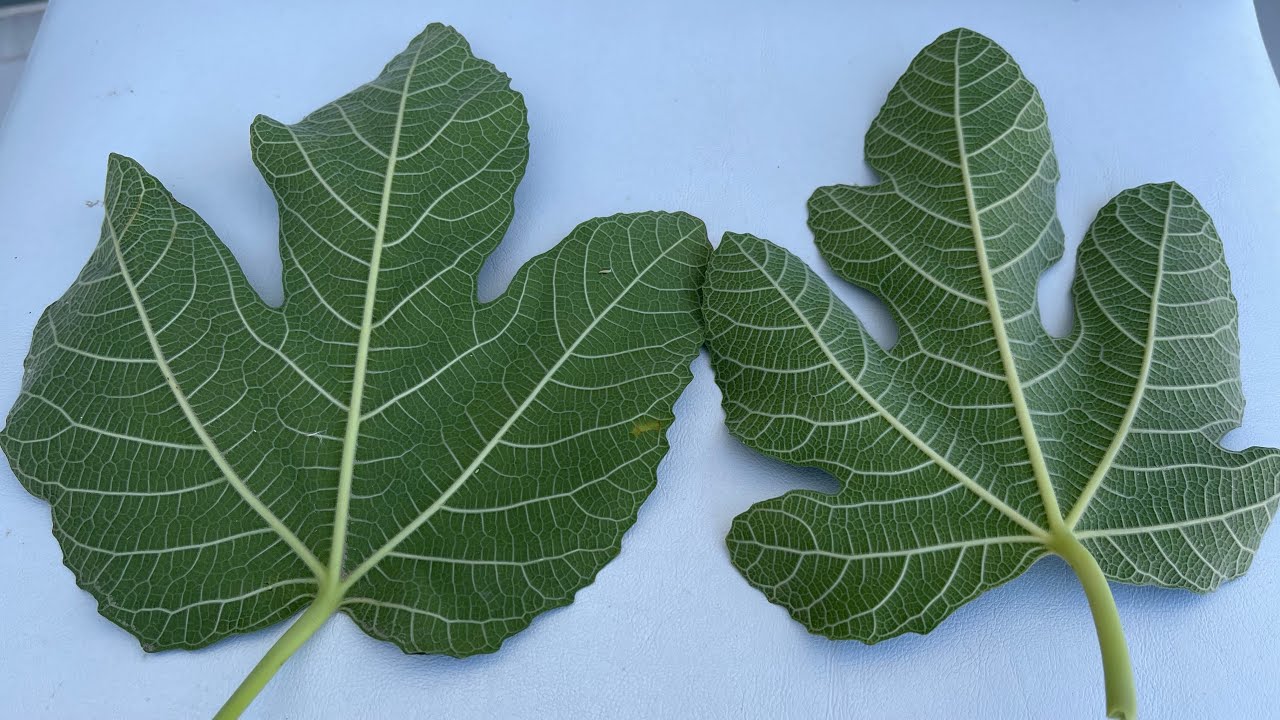
Fig leaves, often overlooked behind the sweet and flavorful fruit they accompany, are an incredible source of numerous health benefits. Read more
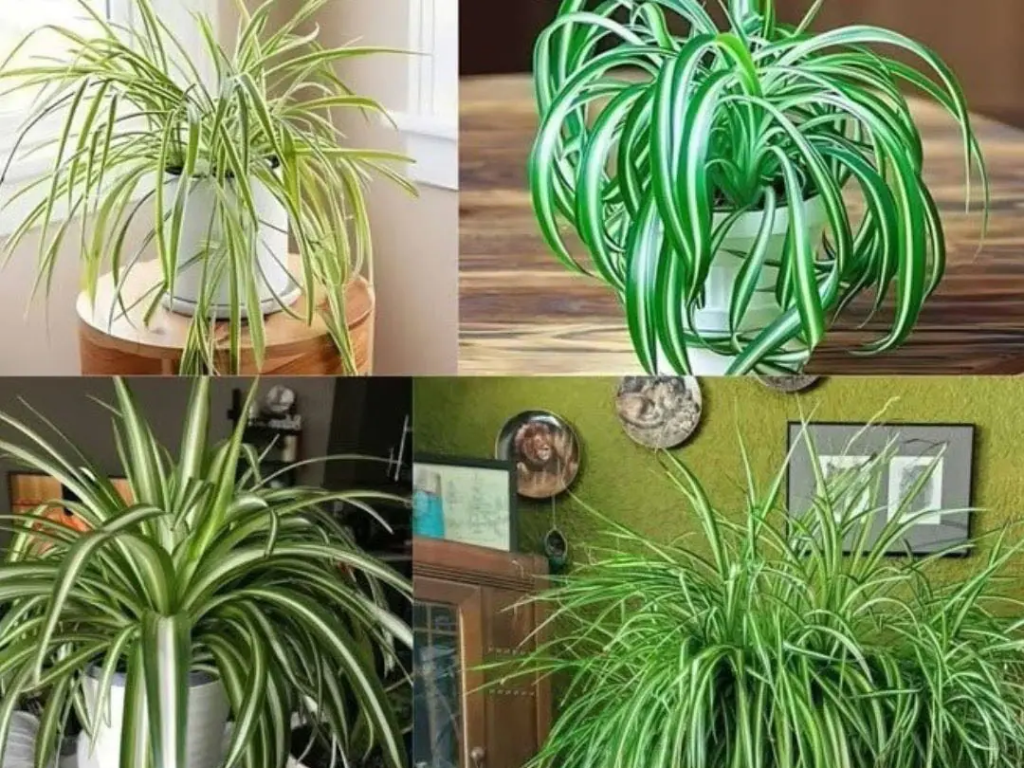
A Natural Ally for a Healthier and More Pleasant Home We admire the spider plant for its delicate and soothing Read more
The Multifaceted Benefits of Spices and Herbs Throughout history, a wide variety of spices and herbs have been cherished not Read more

Timeless Elegance That Transcends Generations Choosing black often reflects a profound pursuit of refinement and sophistication. This color goes beyond Read more
Uncovering the Hidden Mysteries in Everyday Objects Why do certain objects evoke such surprise and curiosity? Whether it’s opening an Read more
