
Draining a Boiler: A Crucial Task Often Overlooked

A boiler works somewhat like a pressure cooker: it heats water under pressure, but this water can also cause limescale buildup. Without regular maintenance, this accumulation quickly becomes a recurring source of breakdowns. So, when exactly should you drain your boiler?
Situations That Require Immediate Boiler Draining
Several circumstances call for promptly draining your boiler without hesitation:
Before a prolonged absence: If you plan to leave your home for several weeks, it is advisable not to leave stagnant water in the system.
During cleaning or descaling: Limescale deposits form rapidly, especially in regions where the water has a high mineral or calcium content.
In the event of repairs: Whether you need to replace a heating element, thermostat, or simply move the appliance, draining the boiler is essential.
Preventing Freezing Damage: A boiler located in an uninsulated garage or outbuilding risks developing cracks in its pipes if the water freezes.
Before replacing the boiler: It is absolutely necessary to drain the appliance prior to dismantling it.
How to Drain the Water from a Boiler: Step-by-Step Guide

You do not need to be a professional to properly and safely drain your boiler. Follow these detailed steps:
Turn off the electrical supply: This safety precaution is essential to protect yourself during the process.
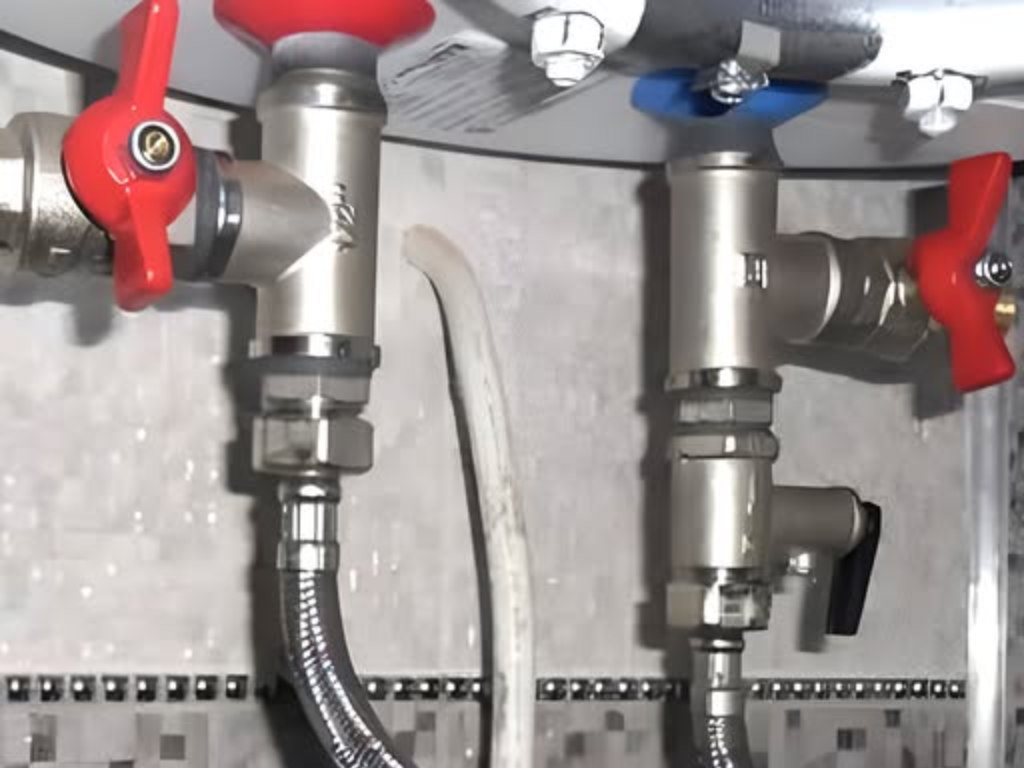
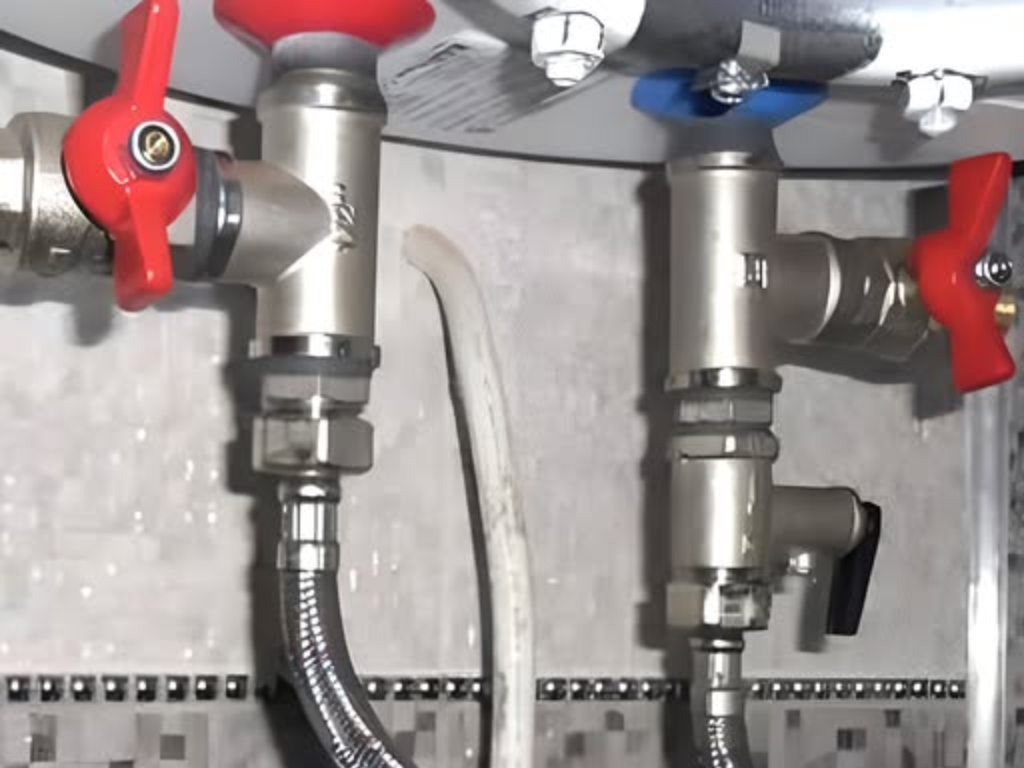
Shut off the cold water inlet: This valve is usually located right at the boiler’s water entry point.
Open a hot water tap: This allows the system to release pressure and makes draining easier.
Locate the drain valve: It is found at the bottom of the boiler, near the cold water inlet connection.
Prepare a basin or drainage hose: Make sure you have a container ready to catch the water to avoid any spills or damage.
Open the drain valve: Water should flow out. If the flow is blocked, gently loosen the safety valve or slightly disconnect the inlet hose to relieve pressure.
Wait between 10 and 30 minutes: The time required depends on the water volume and the model of your boiler.
Tip: Remember to wear gloves and keep a towel or mop nearby, as overflow is always a possibility.
How Often Should You Drain Your Boiler?
The frequency varies depending on usage and the water quality in your area:
Every 6 to 12 months: Regular maintenance prevents limescale deposits and extends the lifespan of the boiler.
Before a long trip away from home: If you will be absent for more than a month, it is prudent to drain the tank.
If performance decreases: Slower heating or unusual noises often indicate limescale buildup, signaling the need for draining.
Taking care of your boiler regularly is like having your car inspected: you might prefer to avoid it, but it is essential for preventing costly repairs later on.
A Simple Step to Extend Your Boiler’s Life

To sum up, draining your boiler is a quick, straightforward task accessible to everyone that helps you avoid many complications. It also provides a perfect opportunity to check the overall condition of the unit, detect any leaks, or signs of wear. Regular maintenance is a wise investment that guarantees substantial long-term savings.
So, whenever you notice unusual gurgling sounds or your water takes too long to heat up, don’t hesitate to drain your boiler!

10 Secrets You Need to Know Before Eating Okra Okra, also known as “lady’s finger,” is a green, pod-shaped vegetable Read more
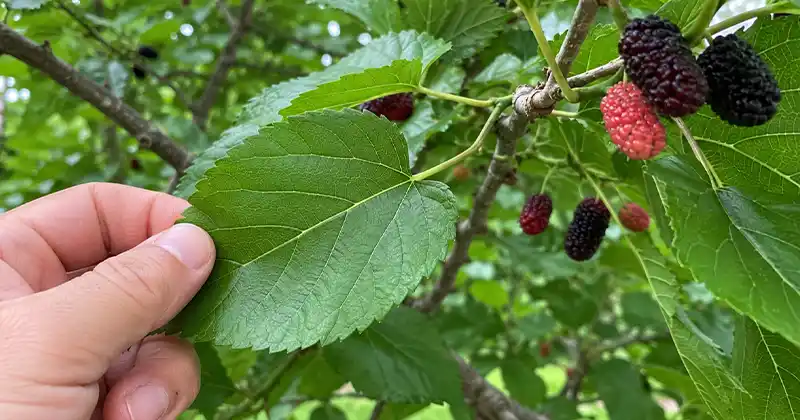
Mulberry trees are best known for their luscious summer berries, but their leaves possess an even greater potential as a Read more

A Simple Anomaly on the Floor? Not So Fast At first glance, this detail seemed nothing more than an ordinary Read more

The Dog's Nose: A True Superpower It is well known that dogs possess an extraordinary sense of smell. Yet the Read more
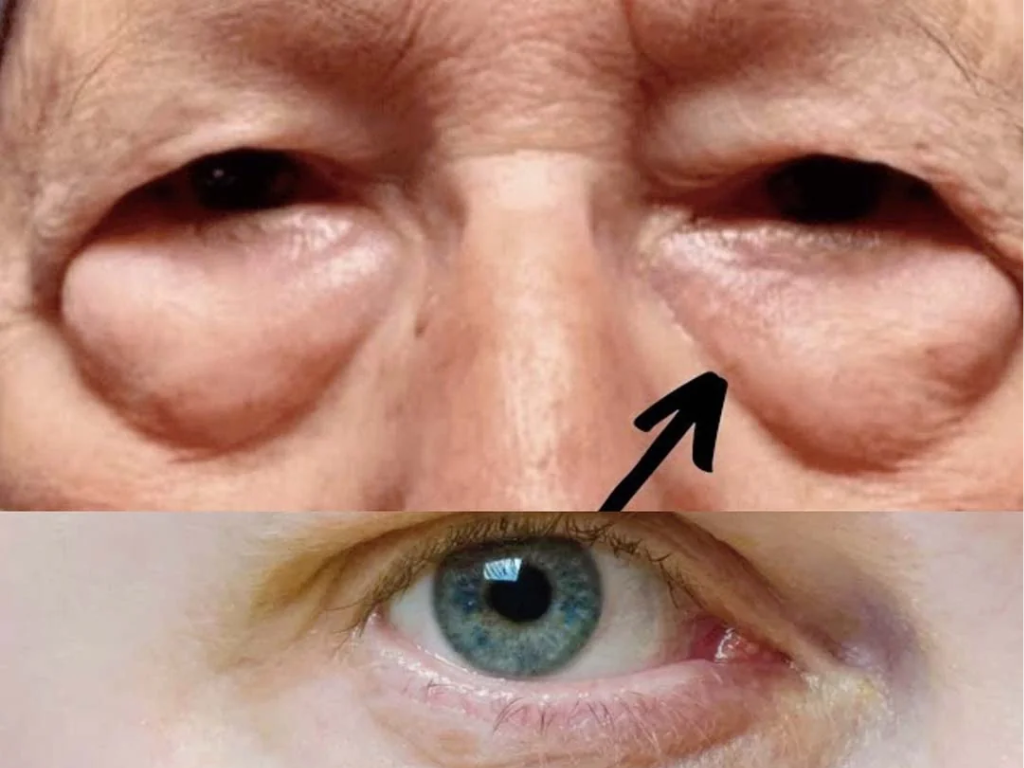
Worrying Causes of Dark Circles Under the Eyes Kidney Problems: A Subtle but Important Indicator The presence of bags under Read more

November is a time when expenses quickly pile up, caught between Black Friday deals and the first Christmas purchases. It Read more

A Puzzle Deceptive in Its Simplicity When mentioning "2 mothers," "2 daughters," "1 grandmother," and "1 granddaughter," the immediate image Read more

Corn silk, the delicate, hair-like strands that grow on an ear of corn, has a long history of use in Read more
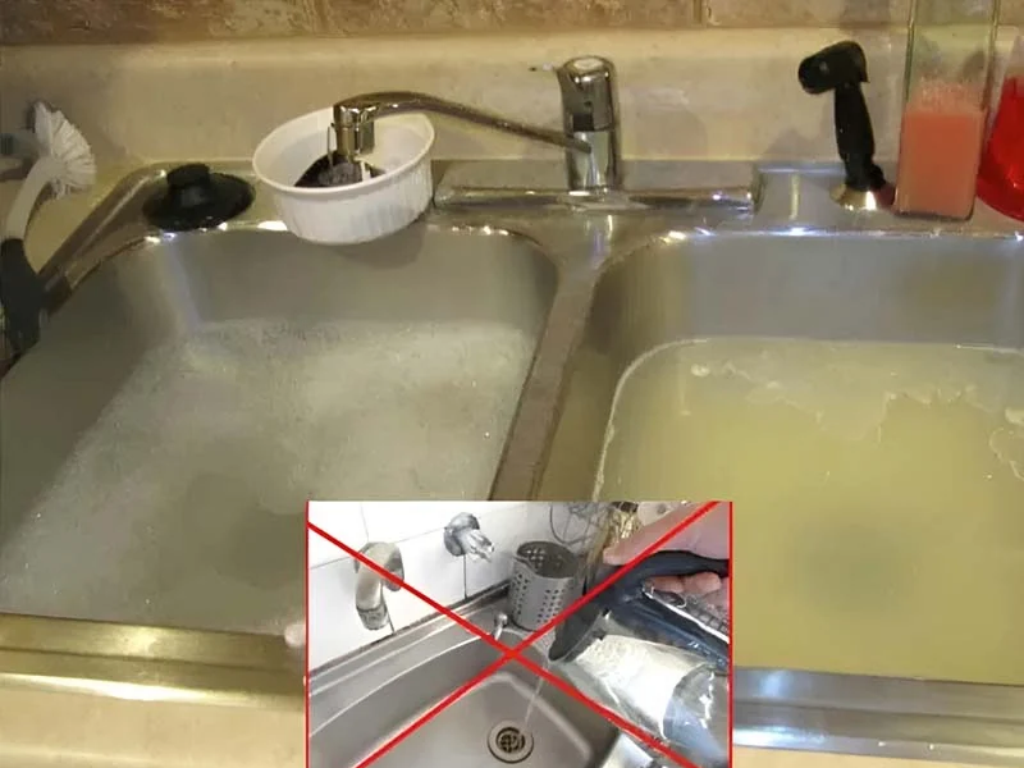
Rice Water and Baking Soda: A Surprising Duo to Unclog Your Drains Few people realize that the water used to Read more
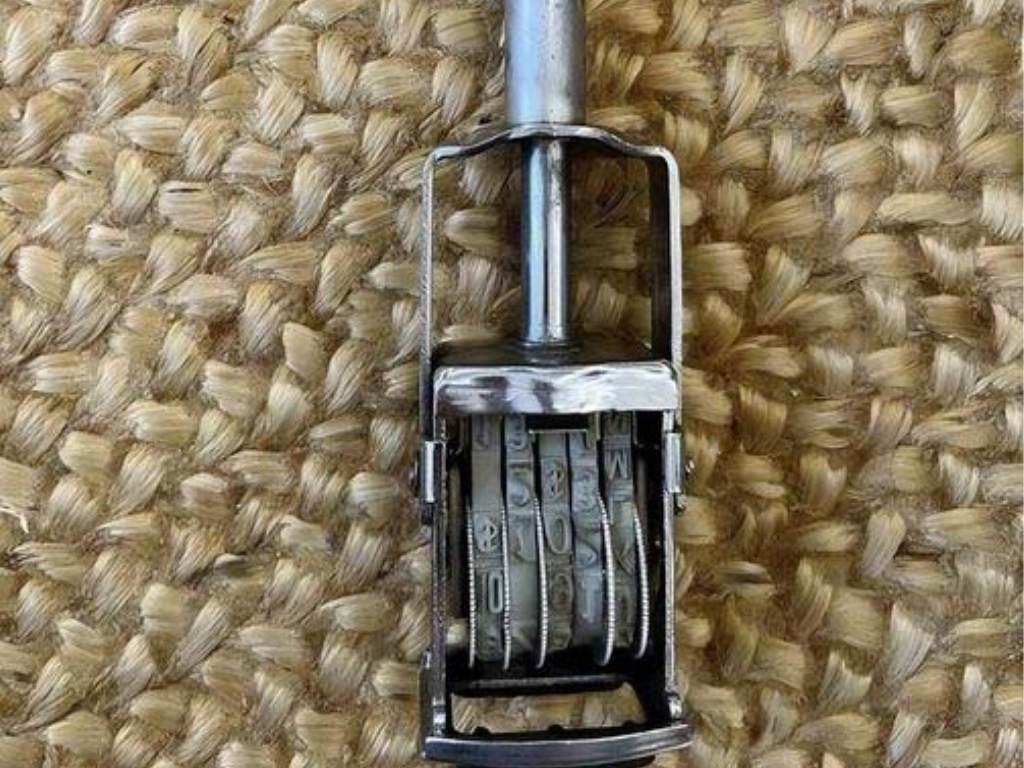
A Fundamental Innovation in the World of Commerce At the dawn of the twentieth century, merchants faced a recurring challenge: Read more

The Fork Trick: An Ideal Solution for Long Zippers Long zippers, such as those found on jackets or coats, can Read more

Do you remember those holiday evenings when the entire family gathered around a large table, sometimes lingering until the early Read more

Who among us would like to live in a stifled and dirty home, where unpleasant cooking odors and impurities invade Read more
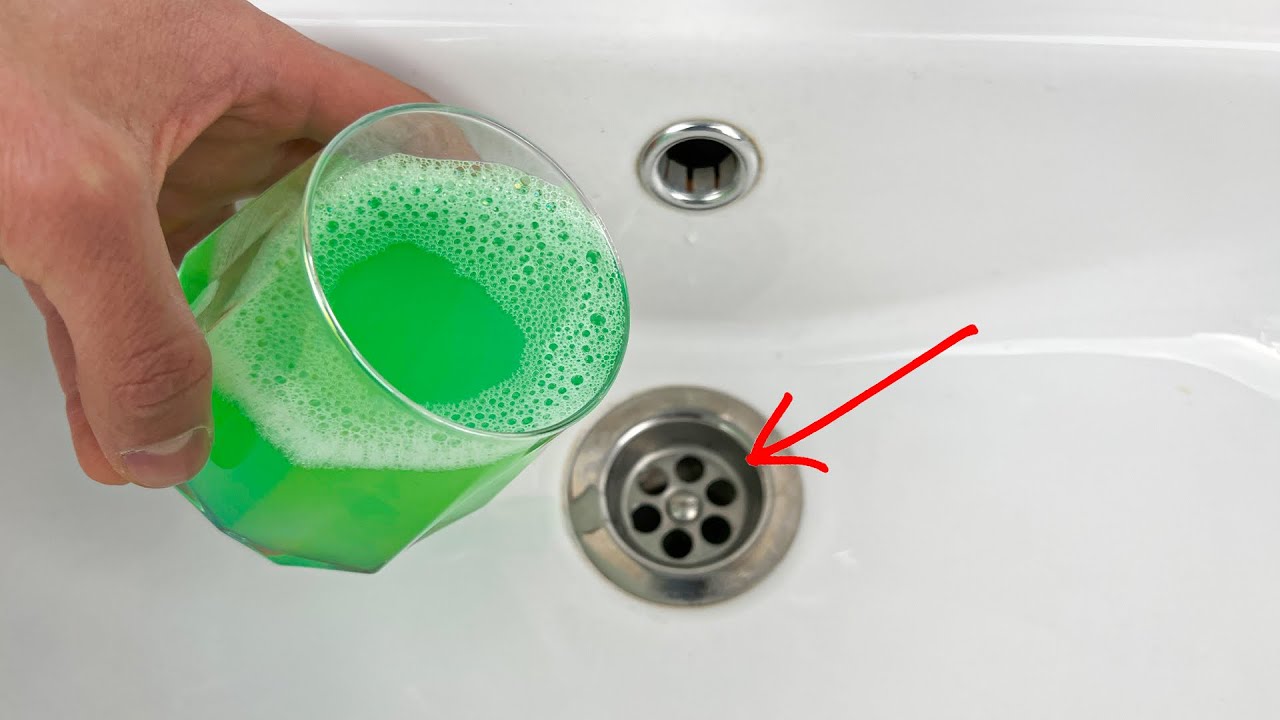
If your sink, bathtub, or shower is draining slowly and you don't have access to a commercial drain opener, you Read more
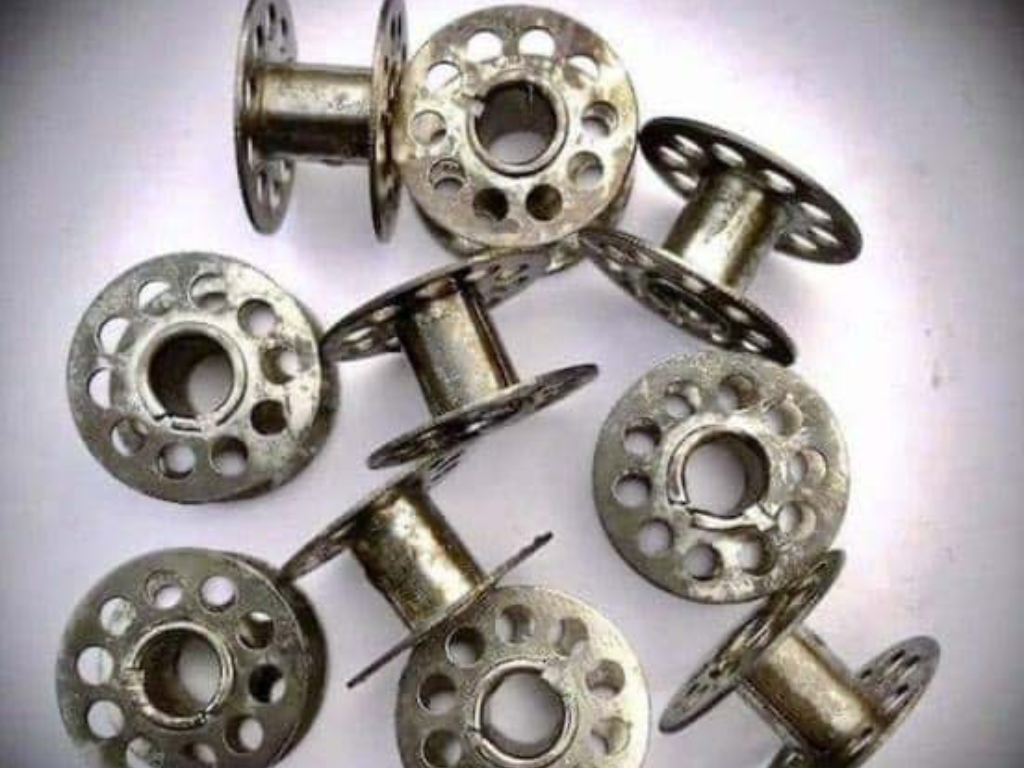
The Spool of Thread: A Silent Relic of a Bygone Era Let us take a moment to journey back to Read more
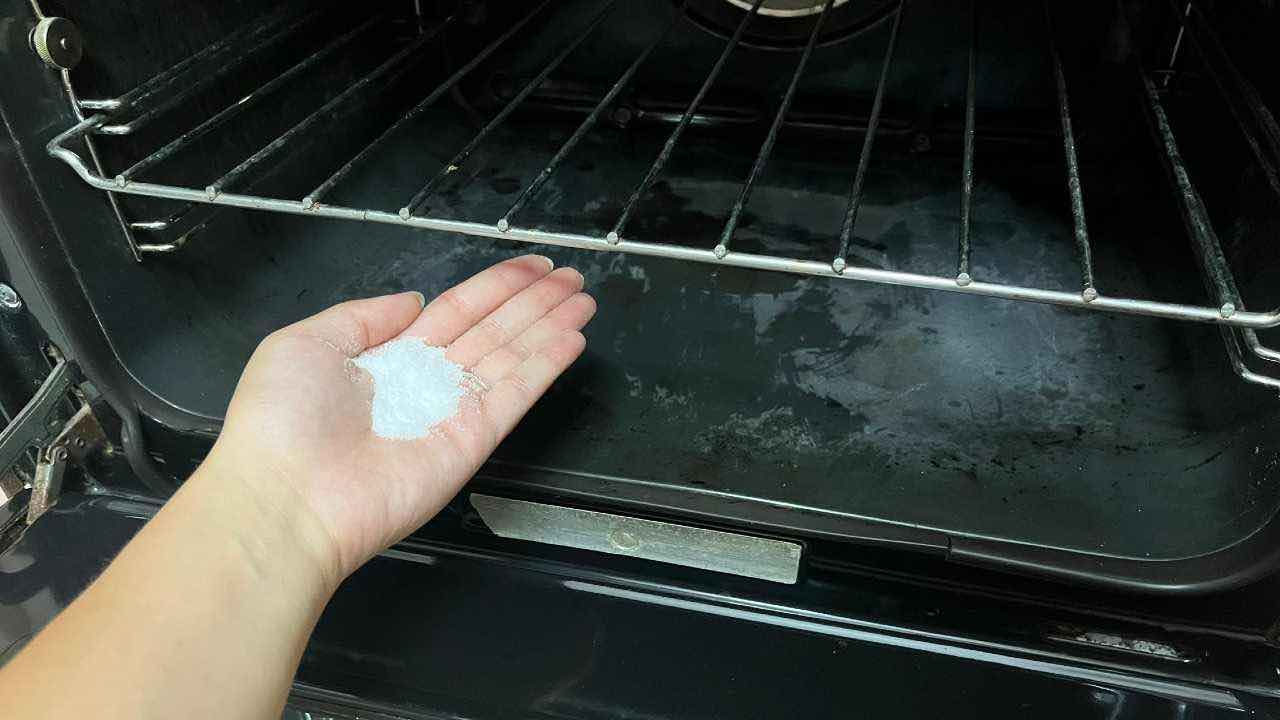
Natural, effective, and economical methods to eliminate burnt oil stains from your oven: discover simple, natural techniques to tackle those Read more

The Power of Hawthorn (Genus Crataegus): A Natural Ally for Heart and Cholesterol Health Hawthorn, belonging to the genus Crataegus, Read more

Shepherd’s Purse (Capsella bursa-pastoris): A Medicinal Herb with Powerful Benefits Shepherd’s Purse, known botanically as Capsella bursa-pastoris, is a small, Read more

An Extraordinary Photograph It all began on a peaceful day in the countryside, where a family was enjoying a quiet Read more

These Little Creatures You Would Rather Not Find in Your Pantry In our French kitchens, certain insects have a troublesome Read more

Kyllinga brevifolia: A Natural Remedy for Health and Wellness Kyllinga brevifolia, commonly known as green kyllinga or shortleaf spikesedge, is Read more

The Secondary Microphone: A Filter Against Noise Pollution Most modern smartphones incorporate multiple microphones, including a secondary one often hidden Read more
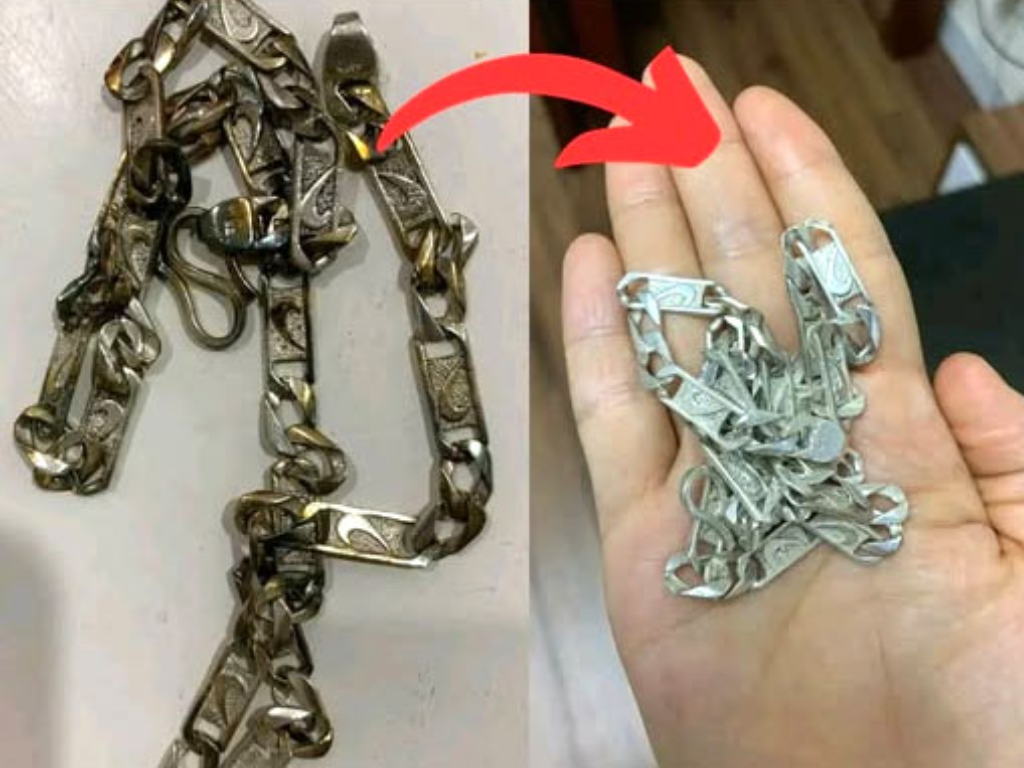
Salt Water: The Natural and Effective Trick If you want to quickly restore the shine to your silver jewelry without Read more

The Art of Container Flower Combinations Designing with flowers in pots is a delightful blend of horticulture and floral design. Read more

Gather and Verify Evidence Immediately When faced with a vending machine that fails to dispense the cash you requested, it Read more

Bathroom Mold: Causes and Solutions Ideal Environment for Mold Growth Bathroom surfaces are prime locations for mold growth. Moisture accumulates Read more

These tiny parasites can send shivers down your spine just by mentioning them. Whether on your skin or that of Read more
Draining a Boiler: An Essential Task Often Overlooked A boiler operates somewhat like a pressure cooker: it heats water under Read more

She Feels Undervalued Feeling loved is, above all, about feeling recognized and appreciated. When a woman senses that her efforts, Read more
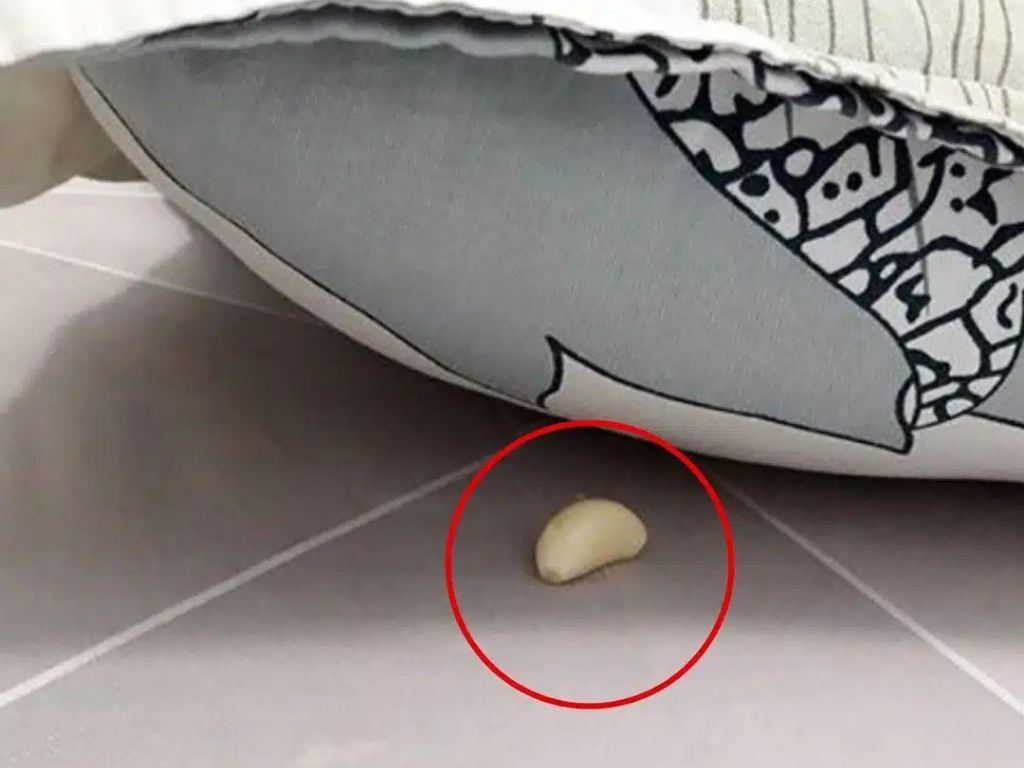
Garlic: An Ancient Remedy for Better Sleep Since ancient times, garlic has been recognized not only as an essential culinary Read more
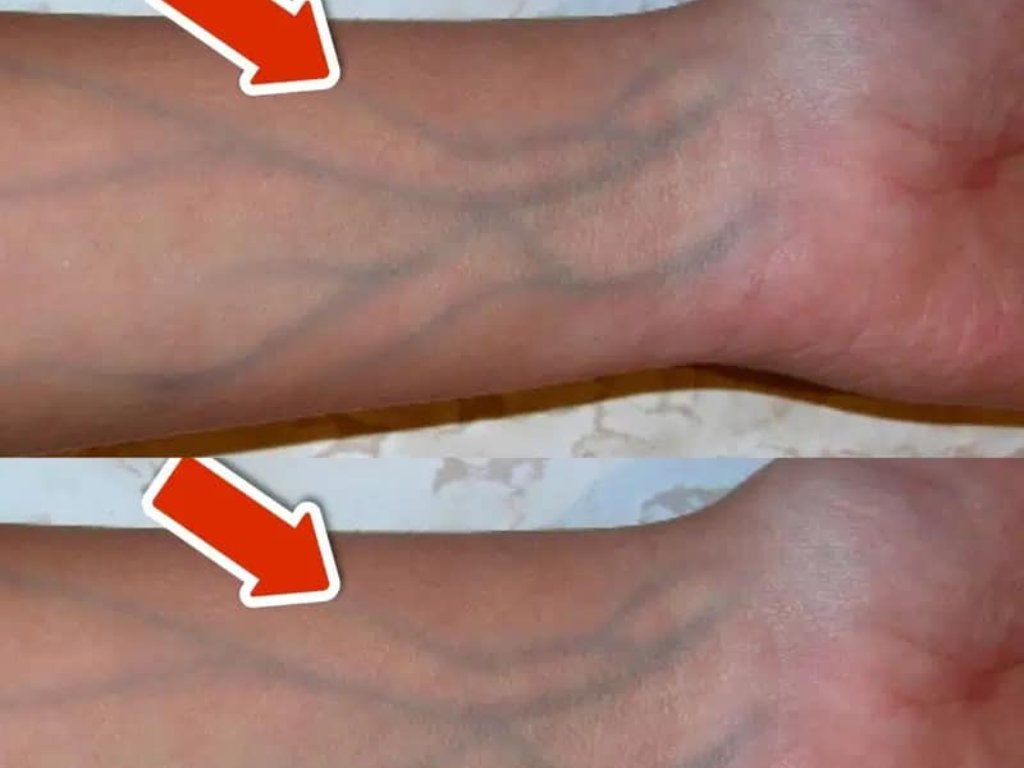
The 5 Unmistakable Signs of Circulatory Disorders You Should Never Ignore Cold Hands and Feet: An Important Warning Signal Do Read more
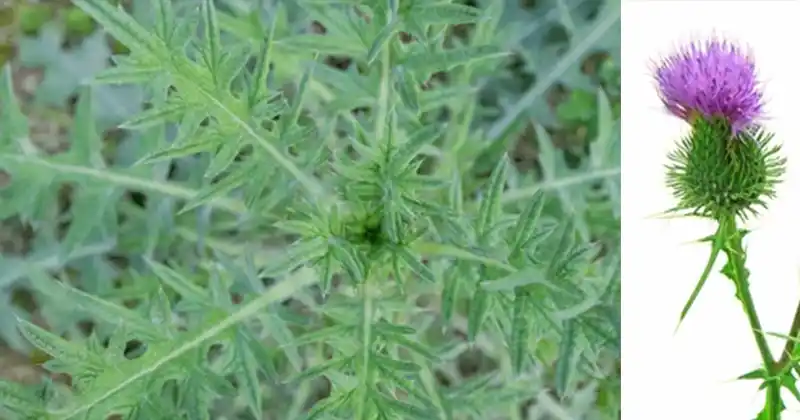
Bull Thistle (Cirsium vulgare): A Wild Plant with Surprising Benefits The bull thistle (Cirsium vulgare) is often dismissed as a Read more
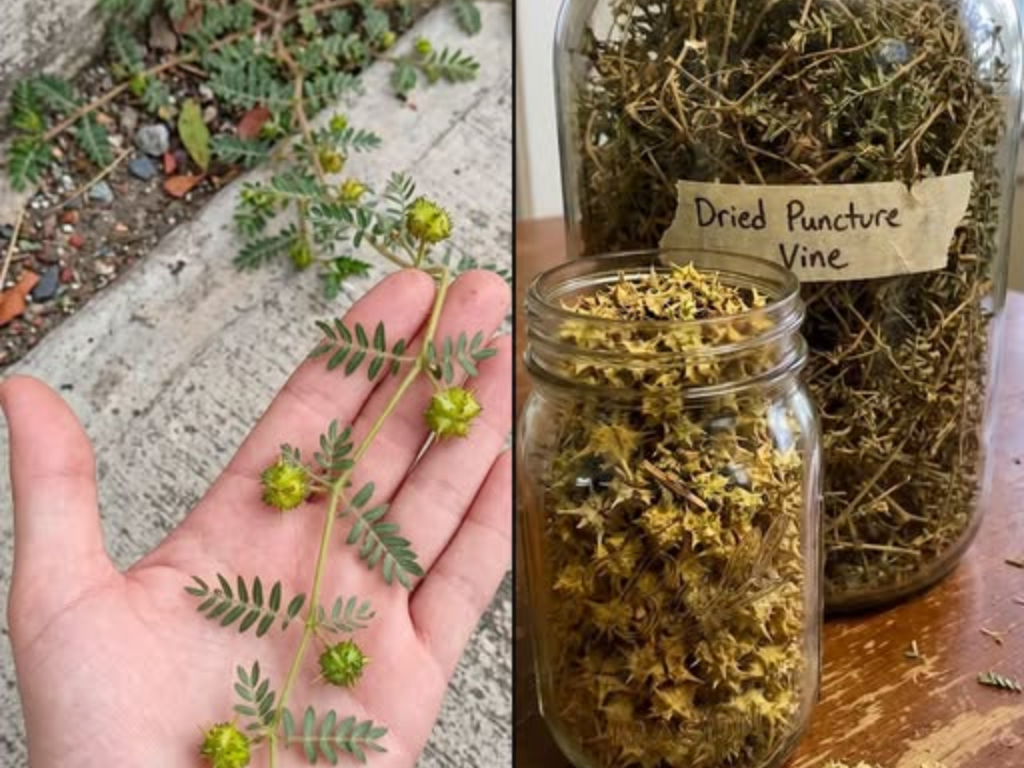
Warning: The information provided in this article is solely for educational and informational purposes. It is based on traditional herbal Read more
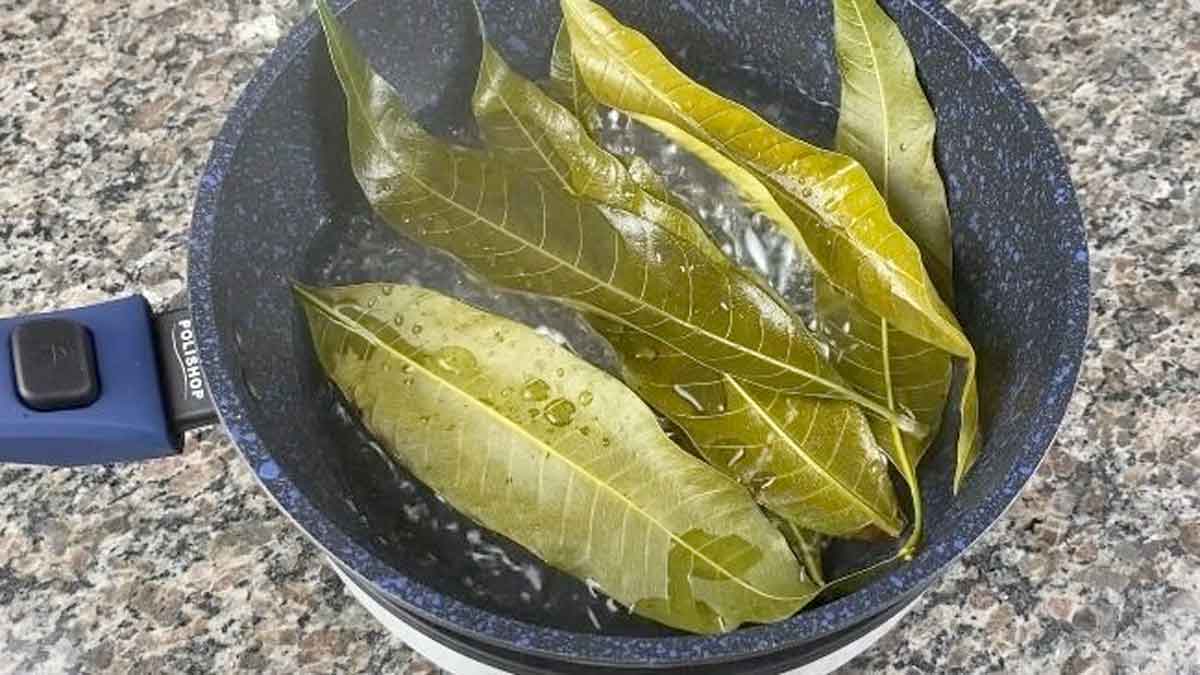
Mango leaves, often overshadowed by the sweet and juicy fruit they accompany, have long been valued in traditional medicine for Read more

Transforming Garlic Peels into Gold for Gardeners: In the rhythm of kitchen prep, garlic peels are often discarded without a Read more
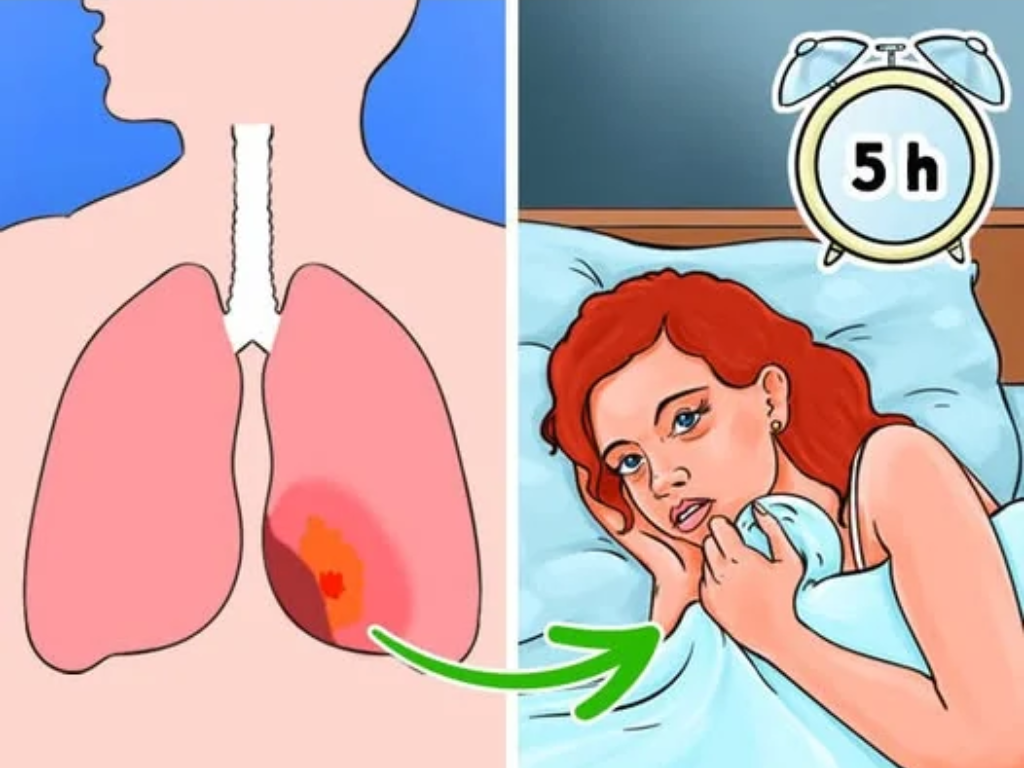
From 9 PM to 11 PM: When the Body Prepares for Night In the early evening, your body activates the Read more

This content is for informational purposes only. For medical advice or diagnosis, please consult a professional. Most people recognize aloe Read more

Red Clover: 15 Amazing Benefits and How to Use This Healing Herb Red clover (Trifolium pratense) is more than just Read more

Tackling Dog Urine Odor: A Comprehensive Guide The joy of having a canine companion is undeniable, but alongside it come Read more

The Fascination of Pareidolia: When Our Minds Discern Faces Where None Exist This captivating phenomenon is known as pareidolia. It Read more
