

The Importance of Ventilating Your Home in Winter

Indoor air that is overly saturated with humidity is not only uncomfortable but also significantly complicates the efficiency of your heating system. Indeed, the more humid the air, the more energy it requires to reach a comfortable temperature. This is why regularly ventilating your home allows you to:
Reduce humidity levels: which greatly eases the workload on your heating system.
Purify the air: by removing pollutants, allergens, and mold that can accumulate indoors.
Renew oxygen levels: poor air quality directly impacts your well-being and health.
Even when temperatures drop to very low levels, ventilation remains an essential step to maintain an interior environment that is both healthy and energy-efficient.
Why Avoid Ventilating Between 8 AM and 10 AM During Winter?

During this time frame, outside temperatures often reach their lowest point of the day. Opening your windows during these hours exposes your home to significant heat loss, which can:
Quickly cool down your living space: meaning your heating system must work harder to restore a comfortable temperature.
Increase your energy consumption, leading to higher utility bills.
Moreover, these hours frequently coincide with peak electrical demand in winter, placing additional stress on the national power grid.
Ideal Time Slots for Ventilating in Winter

To effectively refresh indoor air while limiting heat loss, it is best to choose times when it is generally a bit warmer outside, specifically between 11 AM and 4 PM. During these hours:
The outside air is less frigid, reducing the cold’s impact on your home.
Sunlight, when present, naturally warms the interior of your living space.
Remember to adjust these recommendations according to local climate and conditions to maximize the benefits of ventilation.
Tips for Ventilating Without Wasting Heat
Here are some practices to adopt in order to refresh indoor air without causing excessive energy loss:
Temporarily lower the heating: before opening windows, reduce the thermostat to 15 or 16 °C or activate the frost protection setting to limit energy waste.
Limit ventilation duration: 10 to 15 minutes is usually sufficient to renew the air without excessively cooling your interior.
Ventilate several rooms at once: this minimizes the total exposure time to cold air.
Close interior doors: to prevent cold air from spreading throughout the entire home.
Maintain a Healthy and Comfortable Interior Throughout Winter
Ventilating your home during winter is crucial to maintain air quality and reduce the workload on your heating system. By selecting the right moments and applying a few simple tips, you will efficiently purify your indoor environment while controlling your energy consumption. So, don’t hesitate to open your windows, but most importantly, do so at the right time!

Inheritance in France: A Protected Share, Untouchable Even in Cases of Conflict In France, there is a fundamental legal principle Read more
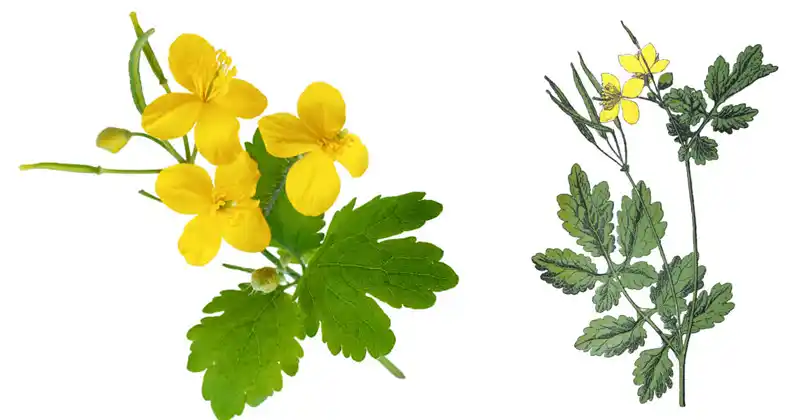
For centuries, Chelidonium majus, commonly known as Greater Celandine, has held a special place in traditional herbal medicine. Recognized by Read more
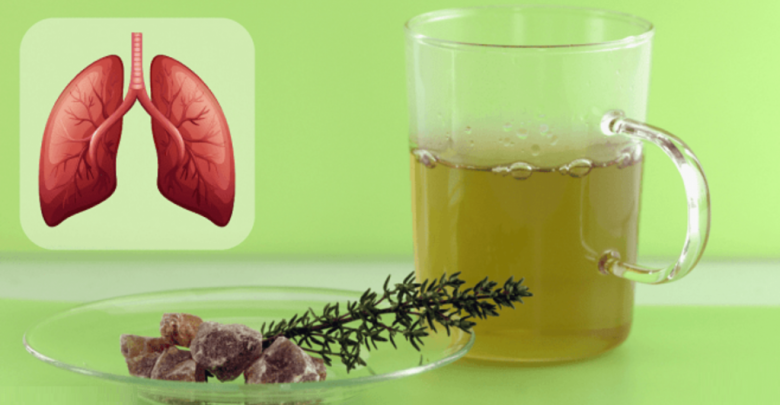
Thyme is known by some as the “enemy of toxins,” and it has been part of stories since ancient Greece. Read more

The Effective Recipe to Defrost Your Windshield in One Minute To Quickly Eliminate Frost from Your Windshield, Here Are the Read more

A Fundamental Innovation in the World of Commerce At the dawn of the twentieth century, merchants faced a recurring challenge: Read more

The Amazing Benefits of Sumac and How to Use It Sumac is more than just a flavorful spice—it’s a powerful Read more

Juniper, a versatile and aromatic plant, has been valued for centuries for its culinary, medicinal, and therapeutic uses. Known for Read more

Have you just stained a piece of clothing and don't know how to get rid of it? Rest assured, this Read more
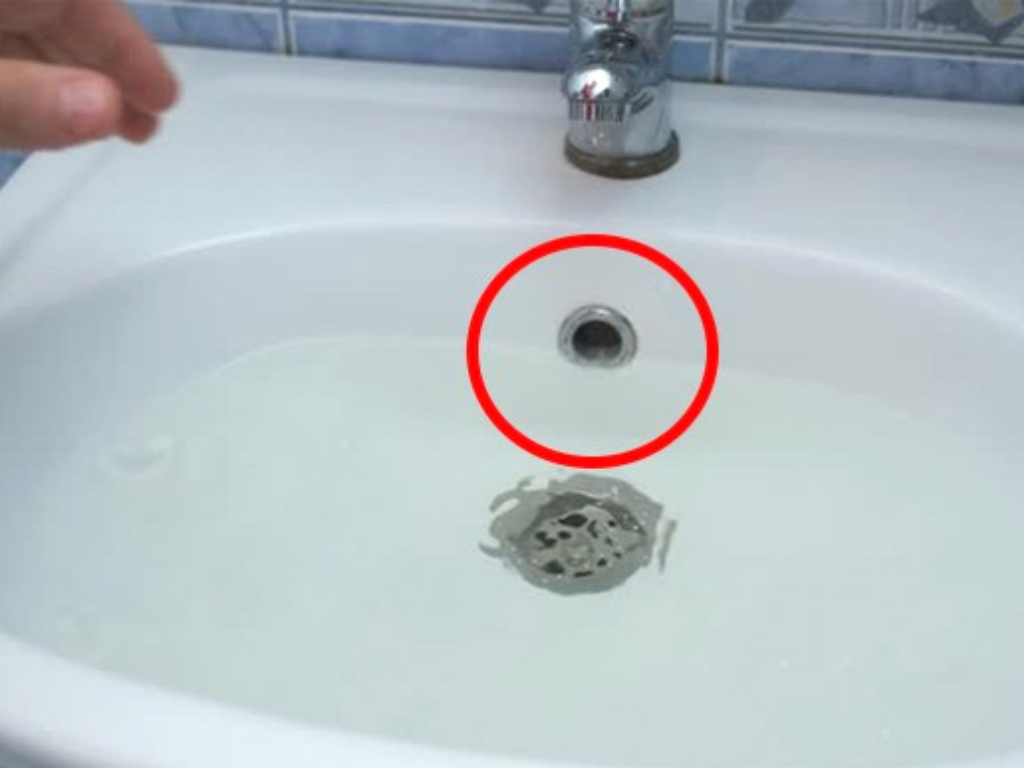
What Is the Purpose of the Overflow Hole in a Sink? The small, often overlooked hole located near the edge Read more

The Hidden Power of Dog Rose (Rosa canina): 10 Surprising Health Benefits and How to Use It Nature has given Read more
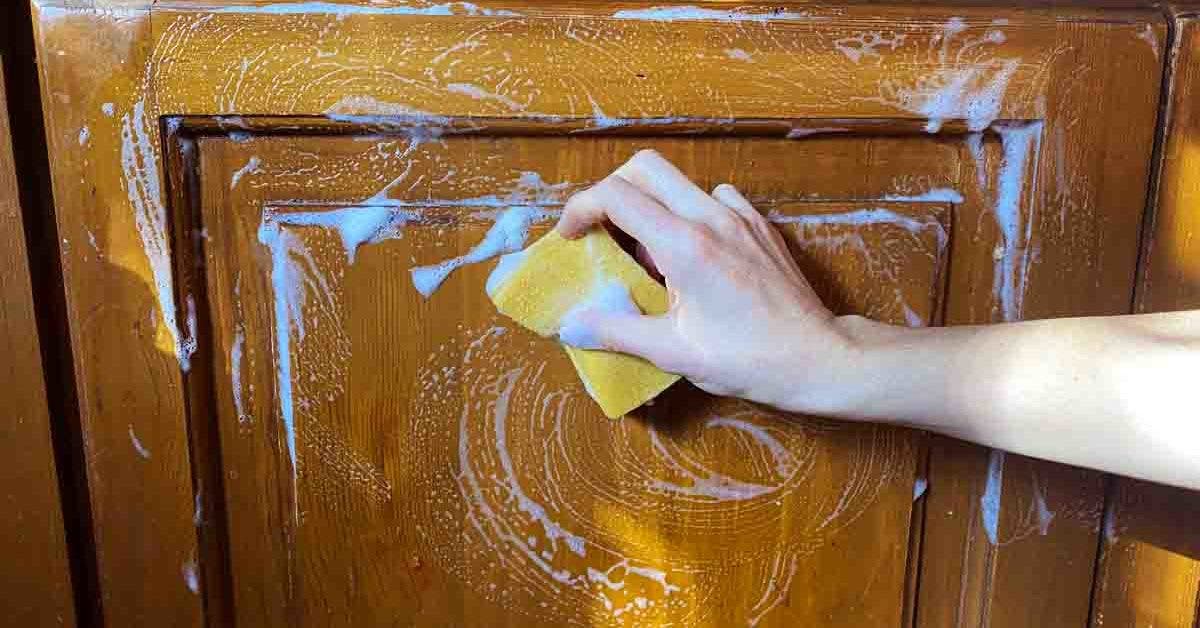
Grease buildup on kitchen cabinets is a widespread issue that many homeowners encounter. Frequent cooking results in grease splatters that Read more

Do you remember those holiday evenings when the entire family gathered around a large table, sometimes lingering until the early Read more

The Dog's Nose: A True Superpower It is well known that dogs possess an extraordinary sense of smell. Yet the Read more

In today's digital age, it's a common sight in households and offices: chargers left in outlets without their corresponding devices. Read more

The Scents That Attract Them Unintentionally Many laundry detergents and fabric softeners release floral, fruity, or subtly sweet fragrances. While Read more

An Ordinary Object Turned Viral Mystery What sparked the excitement? A photo showing a long, curved object made of metal Read more

A Morning Filled with Strangeness That morning, the countryside was still wrapped in calm and tranquility. As she followed the Read more

Clogged Shower Drain? Try Baking Soda! Experiencing a stagnant pool of water after a refreshing shower can be a mood Read more
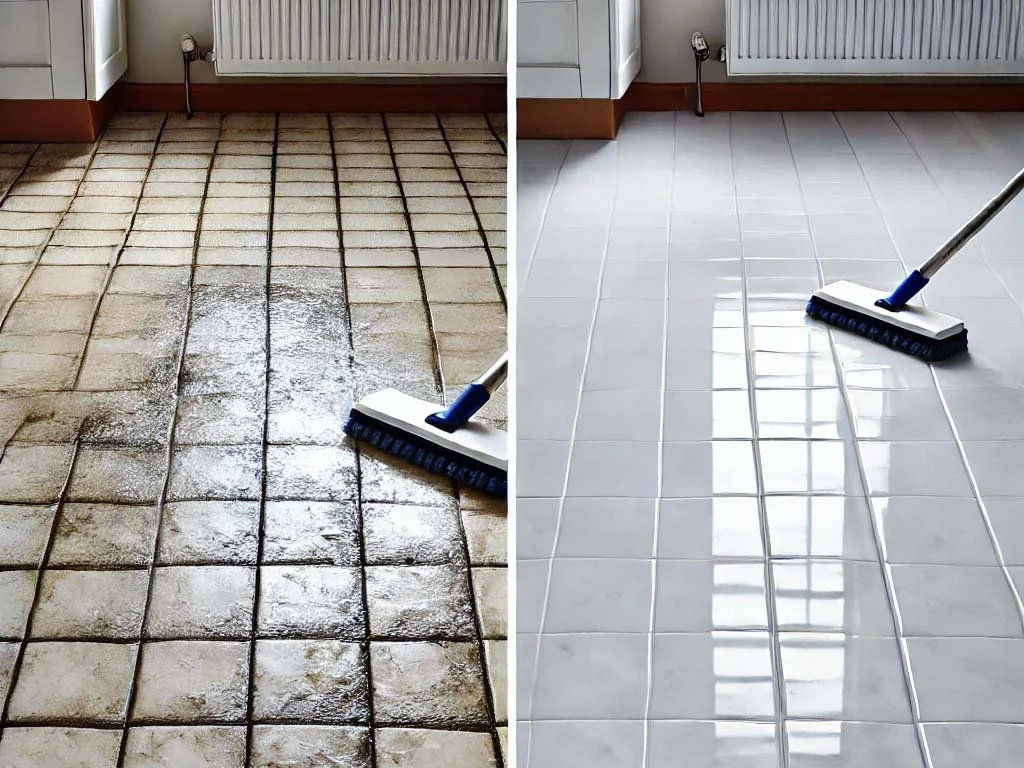
Why Traditional Household Cleaners Aren't Enough Often praised for their effectiveness, commercial cleaning products don't always succeed in removing stubborn Read more

November is a time when expenses quickly pile up, caught between Black Friday deals and the first Christmas purchases. It Read more

In the realm of gardening, we often stick to traditional methods like basking in sunlight, diligent watering, and soil enriched Read more

Unwanted Houseguest: The Fly The fly is arguably the most disliked insect on Earth, primarily due to its bothersome traits. Read more
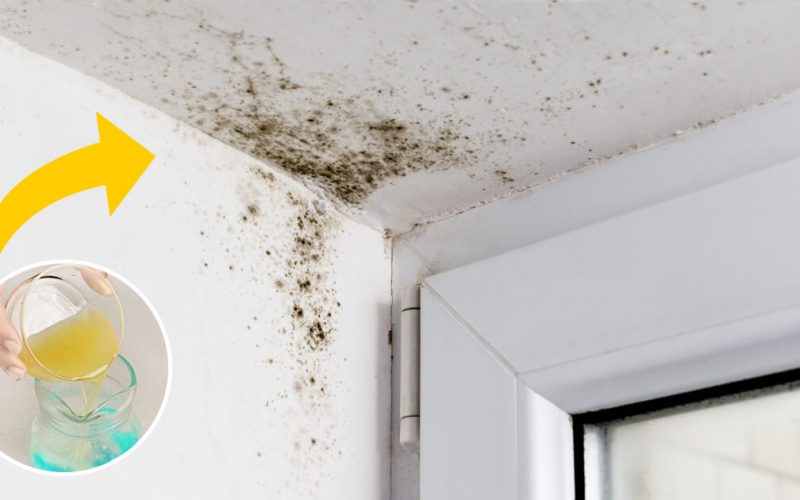
Often, due to poor ventilation or certain climatic conditions, dreaded mold can develop on the walls of our homes. In Read more
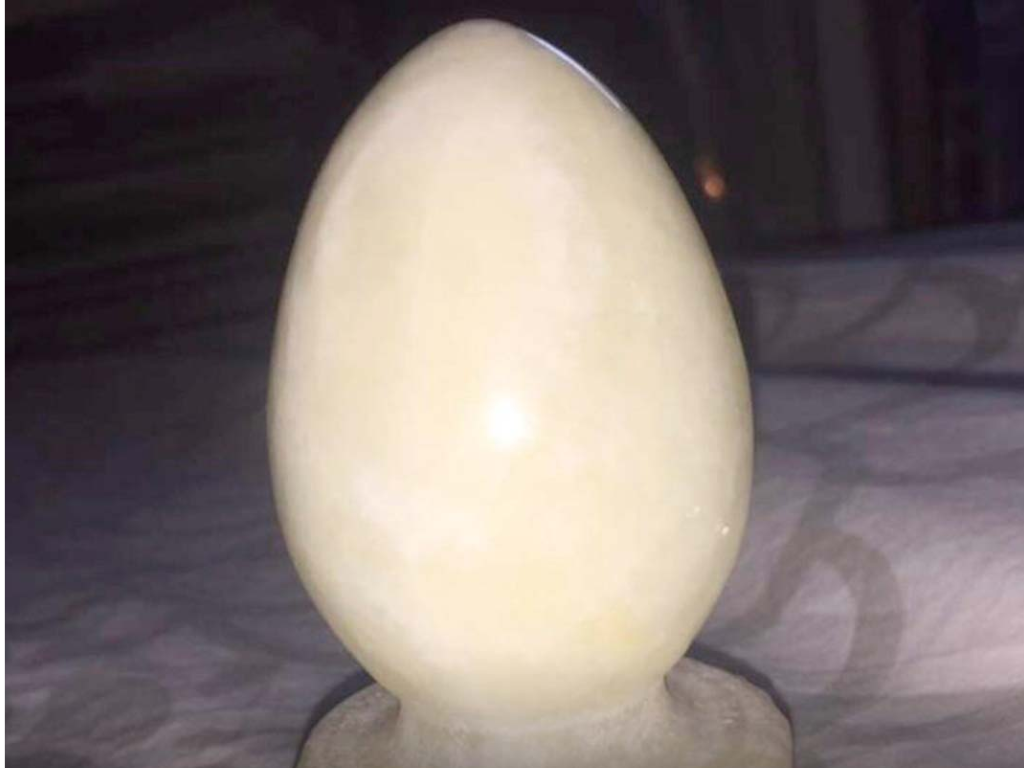
Uncovering the Hidden Mysteries in Everyday Objects Why do certain objects evoke such surprise and curiosity? Whether it’s opening an Read more

A Pricing Error That Affects Your Budget We don't always realize it, but pricing errors in supermarkets are far from Read more

Horseweed (Erigeron canadensis): 20 Amazing Benefits and How to Use It Horseweed, also known as Erigeron canadensis or Canadian fleabane, Read more
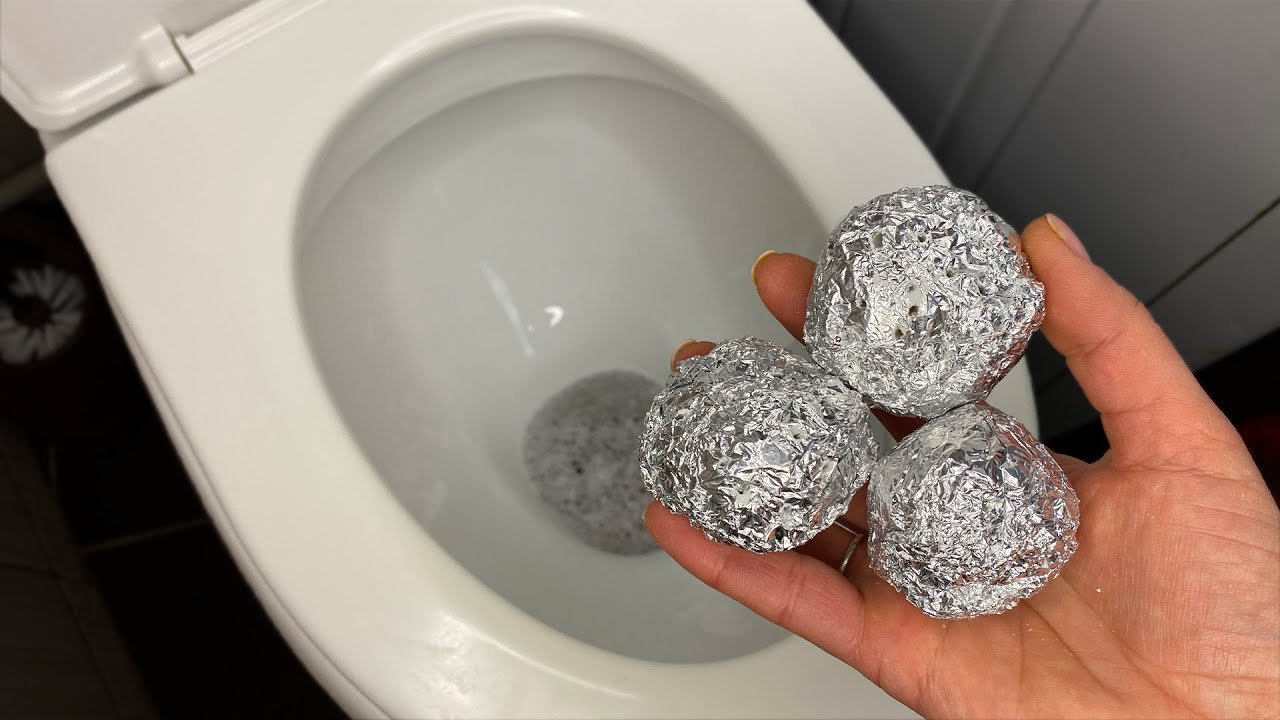
It might sound unusual, but an increasing number of homeowners have tried placing aluminum foil inside their toilet tanks. This Read more

The Dog’s Nose: An Organ of Exceptional Sensitivity While humans explore the world primarily through vision, dogs scrutinize it mainly Read more

The Dangers of Prolonged Sitting on the Toilet A Natural Reflex Put to the Test Sitting too long on the Read more
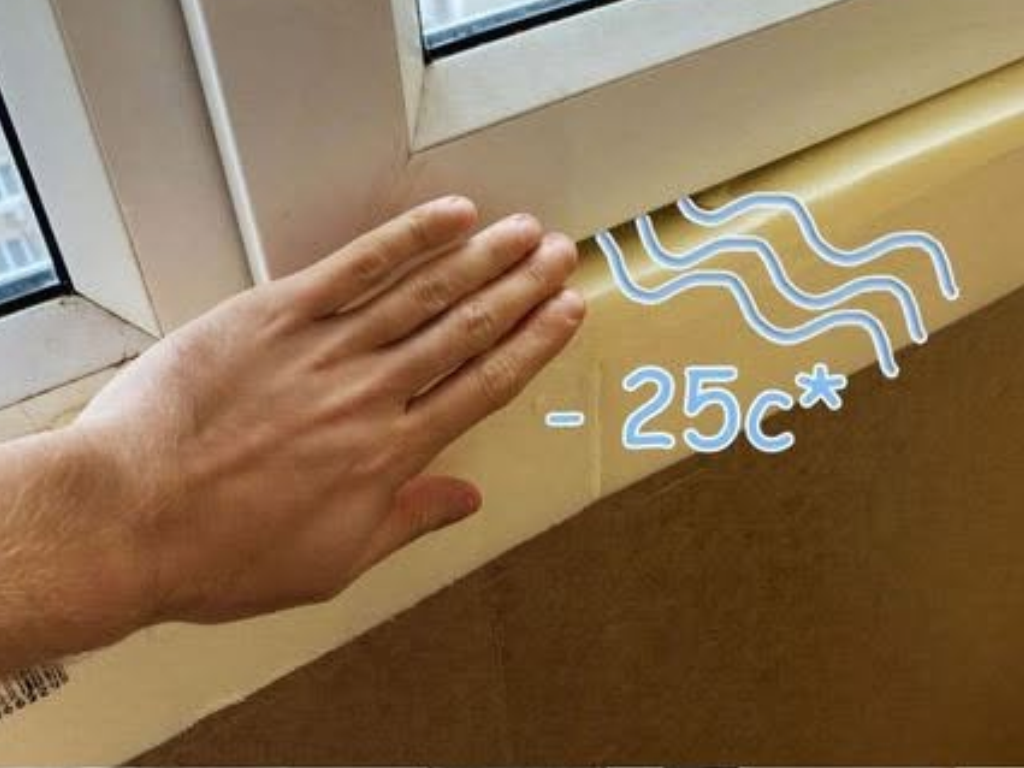
How to Detect Drafts Around Your Windows? Before making any adjustments, it is essential to confirm that your windows are Read more
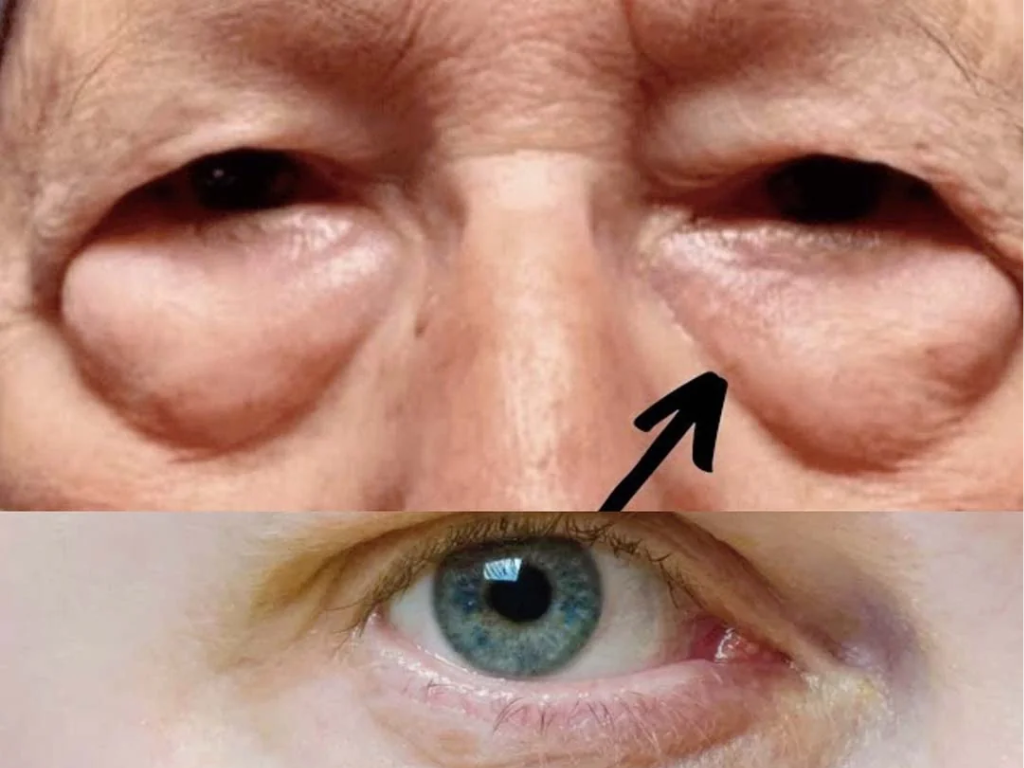
Worrying Causes of Dark Circles Under the Eyes Kidney Problems: A Subtle but Important Indicator The presence of bags under Read more

Ever wish your home could keep that fresh, clean scent for more than a few hours? There’s a simple, natural Read more
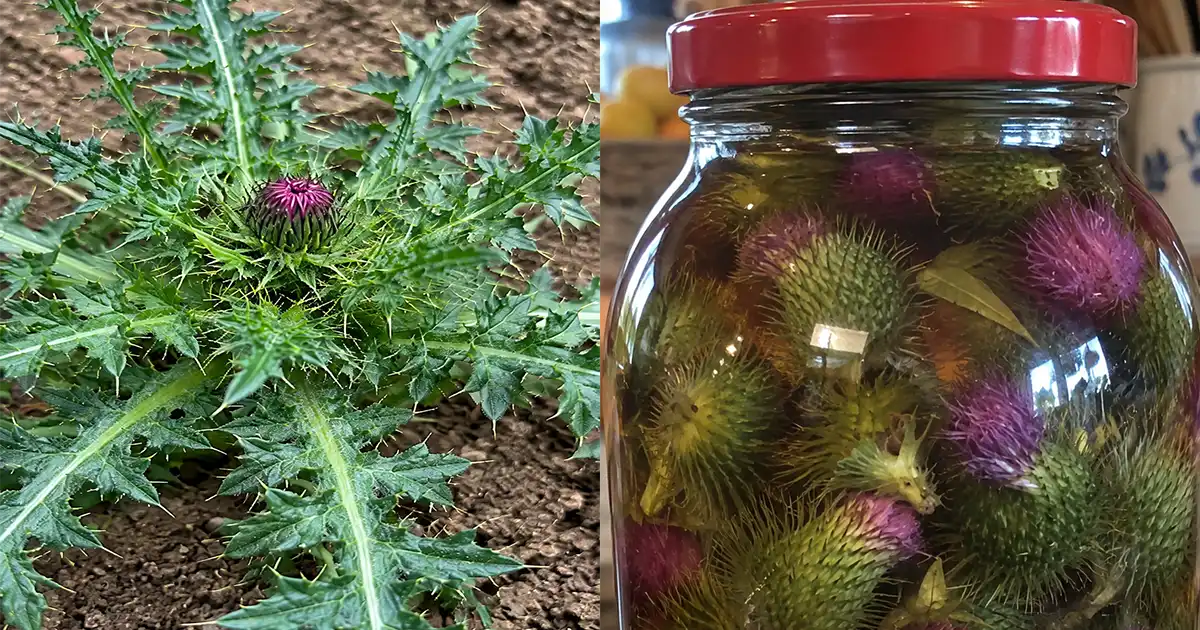
This content is provided for informational purposes only. For medical advice or diagnosis, please consult a healthcare professional. The common Read more
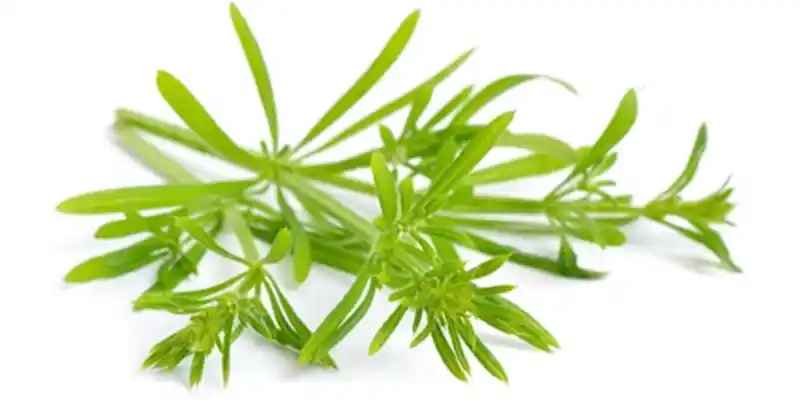
Cleavers (Galium aparine): The Herbal Remedy for Detox and Lymphatic Health Cleavers, also known as Galium aparine, is a humble Read more

When "Need" Takes on a Whole New Meaning For a long time, having a woman in a man’s life was Read more
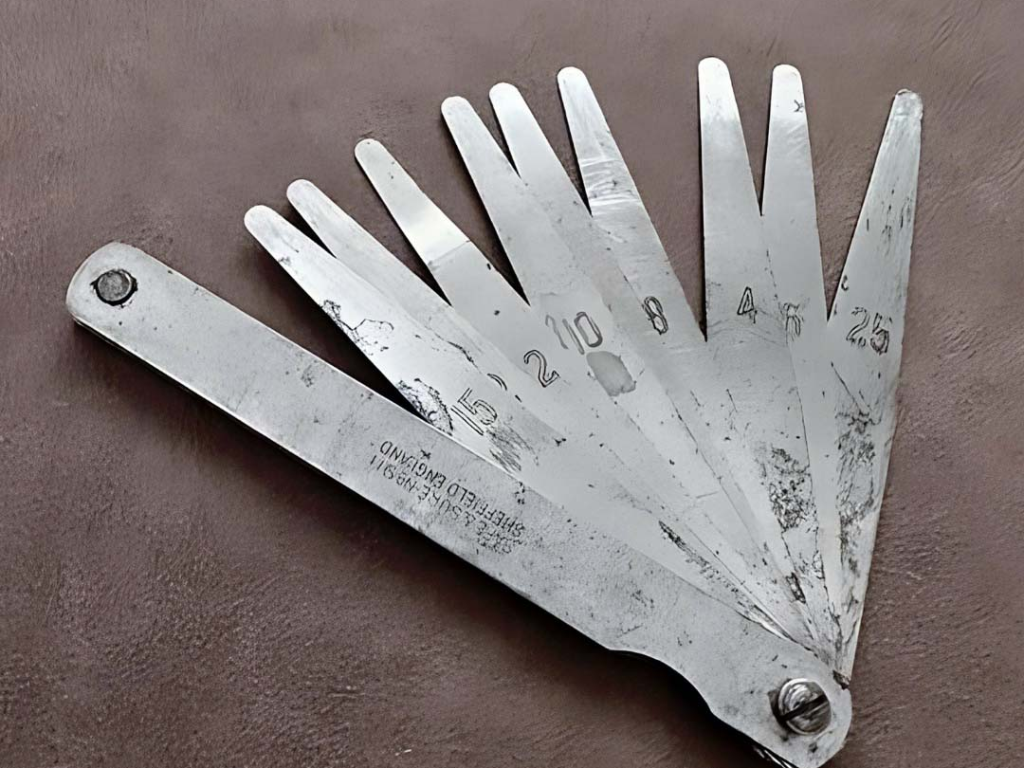
Why is the Thickness Gauge Still Essential? The thickness gauge is far more than just an accessory; it proves to Read more

Whether in a sandwich, as an appetizer, or in a salad, hard-boiled eggs adapt perfectly to many everyday dishes. If Read more
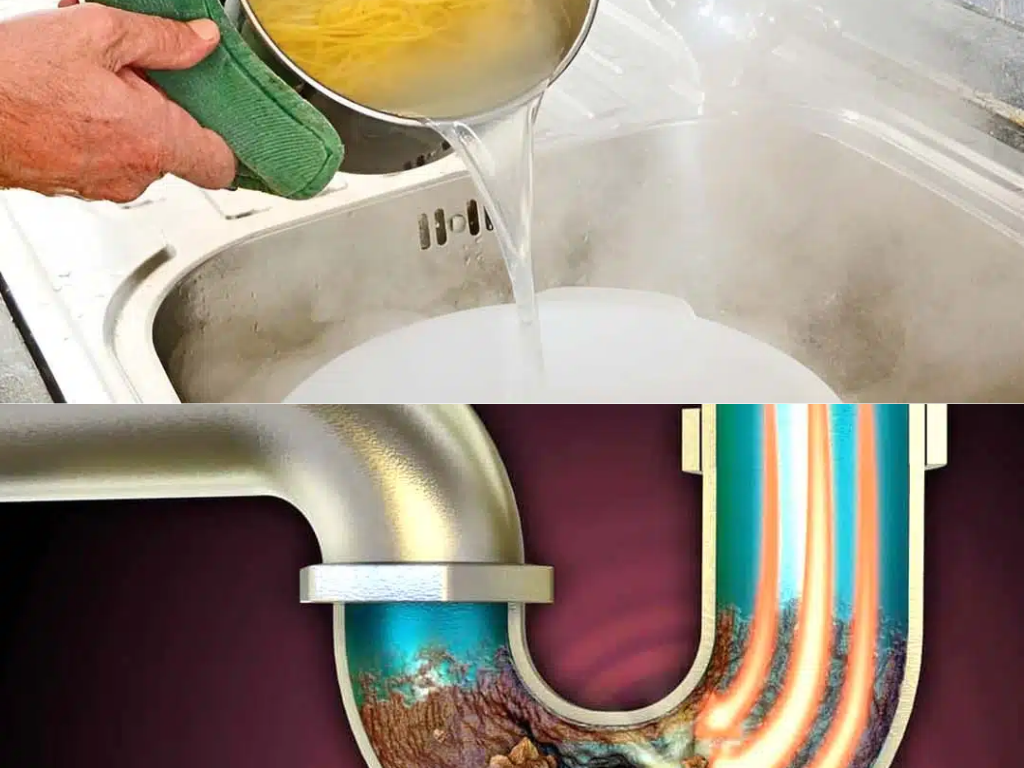
Risks Associated with Using Boiling Water in Plumbing Premature Deterioration of Materials Frequently pouring boiling water down your sink can Read more
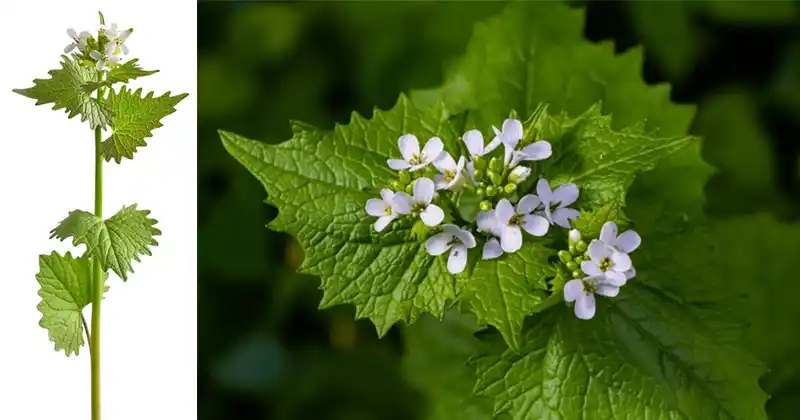
Garlic Mustard (Alliaria petiolata): 20 Surprising Benefits and Homemade Uses Garlic mustard (Alliaria petiolata) is often dismissed as a stubborn Read more
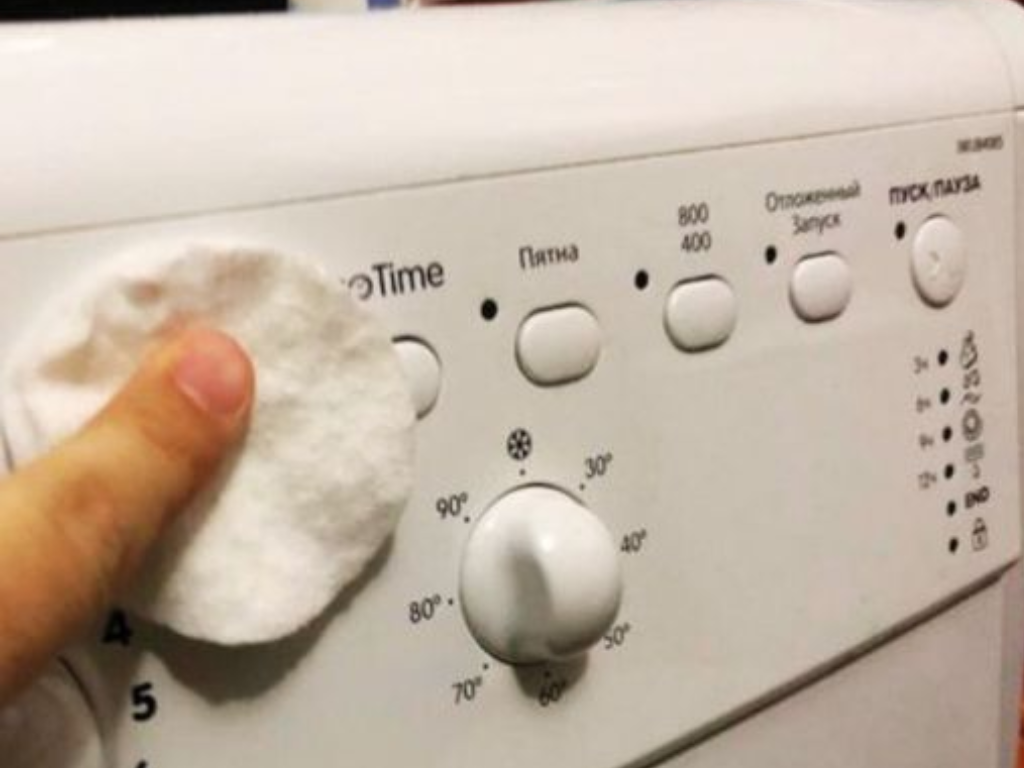
Why Does the Plastic of a Washing Machine Turn Yellow Over Time? Over the years, it is common to notice Read more
