
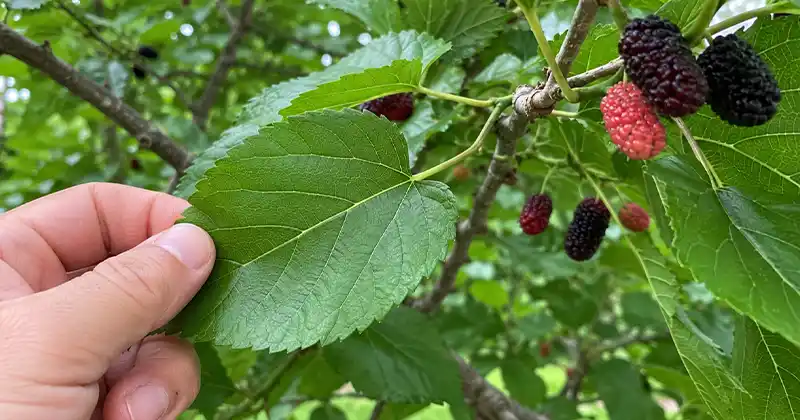
Mulberry trees are best known for their luscious summer berries, but their leaves possess an even greater potential as a source of natural health benefits. For centuries, mulberry leaves have played a central role in traditional Asian wellness practices. These leaves are abundant in unique plant compounds, essential vitamins, and minerals that contribute to sustaining everyday vitality and wellbeing. Contemporary scientific studies have validated that these ordinary green leaves are indeed a valuable natural resource offering accessible health advantages to everyone.
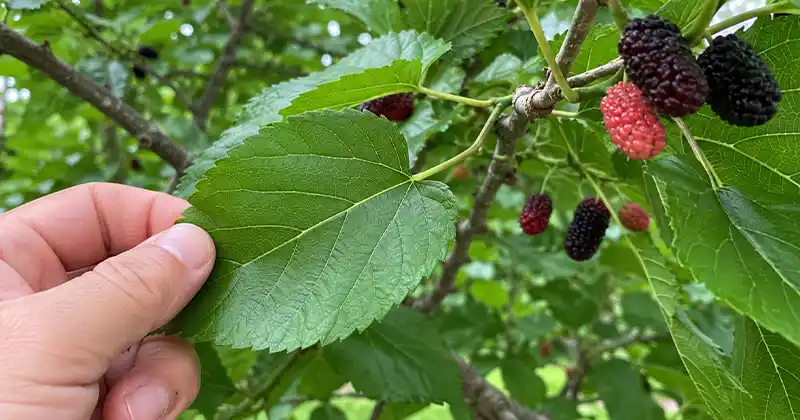
The Essential Health Benefits of Mulberry Leaves
Blood Sugar Regulation: Mulberry leaves contain a remarkable natural compound called 1-deoxynojirimycin (DNJ). This potent molecule slows the digestion and breakdown of carbohydrates in the intestine, effectively helping to prevent sudden spikes in blood sugar and insulin levels after eating meals rich in carbohydrates.
Cardiovascular and Cholesterol Support: The flavonoids and antioxidants present in mulberry leaves contribute to lowering “bad” LDL cholesterol and triglyceride levels while promoting a healthy increase in “good” HDL cholesterol. This combination encourages smooth blood circulation and offers long-term protection for cardiovascular health.
Remarkable Nutritional Value: Mulberry leaves are a rich source of vital nutrients. They provide significant amounts of calcium, iron, zinc, magnesium, vitamin C, and essential amino acids, all crucial for maintaining energy, supporting muscle function, and overall physiological balance.
High Antioxidant Content: Thanks to compounds such as rutin and quercetin, mulberry leaves effectively neutralize harmful free radicals within the body. This activity reduces systemic inflammation, safeguards cells from daily damage, and supports the natural repair processes of skin and tissues.
Digestive System Support: The leaves contain soluble fibers and mucilaginous substances that help soothe the digestive tract, facilitate intestinal transit, and nourish the beneficial bacterial flora within the colon. This promotes overall digestive harmony and comfort.
Benefits for the Skin: Whether applied topically or consumed regularly, the anti-inflammatory and antibacterial properties of mulberry leaves calm skin redness, ease acne symptoms, and contribute to gradually reducing pigmentation spots, improving the skin’s appearance over time.
How to Easily Incorporate Mulberry Leaves Into Your Daily Life
Enjoying the many virtues of mulberry leaves does not require expensive devices or complicated preparations. Below are five straightforward and practical methods to prepare and consume mulberry leaves in the comfort of your own home:
Infusion of Fresh or Dried Leaves
Main Benefit: Helps balance blood sugar levels while providing daily hydration.
Preparation: Place 1 to 2 teaspoons of dried mulberry leaves—or 4 to 5 freshly picked and thoroughly washed leaves—into a cup. Pour hot water over the leaves and allow them to steep for 8 to 10 minutes. Strain the infusion and drink it plain, ideally just before or during a meal rich in carbohydrates to maximize blood sugar regulation.
Homemade Leaf Powder
Main Benefit: Provides a quick and convenient nutritional boost to add to your everyday meals and beverages.
Preparation: Carefully wash fresh mulberry leaves, then dry them thoroughly using a food dehydrator or by spreading the leaves out in a warm, airy place for several days until completely dry. Once dried, grind the leaves into a fine powder using a blender or a spice grinder. Incorporate half a teaspoon of this powder into your morning smoothie, porridge bowl, yogurt, or soup to enhance nutritional value.
Cooked Vegetables Made From Leaves
Main Benefit: Delivers direct and wholesome nutrition prepared similarly to common green vegetables.
Preparation: Collect young mulberry leaves during late spring. Boil the leaves for 3 to 5 minutes to soften their texture and reduce any slight bitterness. Drain the leaves well, then sauté them gently in olive oil with garlic and a pinch of salt. Serve these cooked leaves as a simple and nutritious side dish, bringing familiar flavors with great health benefits.
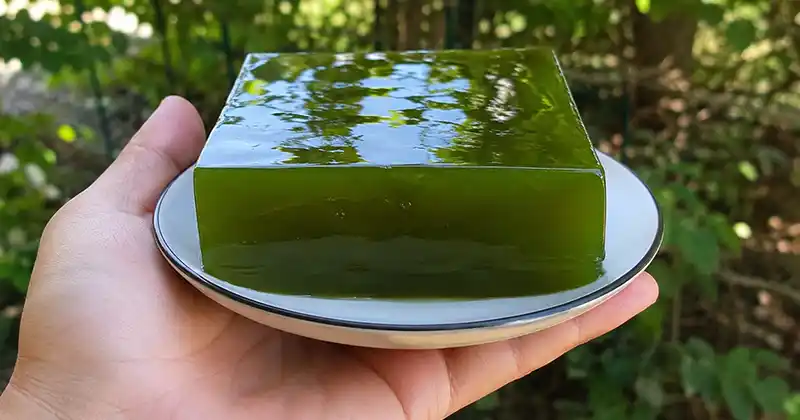
Mulberry Leaf Jelly (Plant-Based)
Main Benefit: Offers a refreshing and hydrating summer treat that preserves delicate water-soluble nutrients.
Preparation: Blend fresh mulberry leaves with cold water, then strain to remove the pulp, obtaining a dark green infusion. Heat this liquid gently over low heat and add a plant-based gelling agent such as agar-agar or a neutral plant gelatin. Pour the mixture into small molds and refrigerate until it fully sets into a jelly consistency, perfect for cooling off on warm days.
Soothing Facial Wash or Compresses
Main Benefit: Provides relief for skin irritations, eruptions, and inflammatory redness with a natural remedy.
Preparation: Prepare a highly concentrated mulberry leaf infusion and allow it to cool to room temperature. Use this soothing liquid to gently rinse the face or soak a clean cloth and apply it as a compress to irritated or inflamed skin areas for about 10 minutes. This treatment helps calm and refresh the skin effectively.
Harvesting and Usage Tips
Choose Safe Sources: Collect mulberry leaves only from trees located well away from busy roads, industrial zones, or agricultural fields treated with chemical pesticides, herbicides, or pollutants. This ensures the leaves are clean and safe for consumption.
Harvest Period: Young, light green leaves picked during spring or early summer provide the mildest flavor and possess the highest concentration of beneficial active compounds, making them ideal for both culinary and medicinal uses.
Proper Storage: Store fully dried mulberry leaves in an airtight container, keeping them in a cool place protected from heat and direct sunlight. Under these conditions, the leaves retain their potency and efficacy for up to one year.
Timing of Consumption: To optimize the effects on carbohydrate digestion, it is best to consume mulberry leaf tea or powder within 15 minutes before a meal, allowing the active compounds to work effectively during digestion.
Practice Moderation: While mulberry leaves are generally safe for daily consumption, it is advisable to start with small amounts to observe your individual response. Those undergoing medication aimed at lowering blood sugar levels should monitor their blood sugar regularly to avoid any adverse interactions.
Incorporating mulberry leaves into your daily routine offers a simple, economical, and natural way to enhance your physical health using a widely accessible plant. Whether you enjoy them as a daily hot tea infusion, add them as a nourishing powder to your meals, or transform them into a refreshing jelly, mulberry leaves provide an effortless gateway to the many benefits of this natural treasure.

Understanding, anticipating, and supporting your dog through every stage of their life is essential to providing them with the best Read more

Purple Deadnettle (Lamium purpureum): Benefits, Uses & How to Make Tea Often overlooked or mistaken for an ordinary weed, Purple Read more

Inheritance in France: A Protected Share, Untouchable Even in Cases of Conflict In France, there is a fundamental legal principle Read more

The Final Blow Within Her Own Home Returning home from work, Phoebe had hoped to find a dinner prepared or Read more

The Power of Hawthorn (Genus Crataegus): A Natural Ally for Heart and Cholesterol Health Hawthorn, belonging to the genus Crataegus, Read more
Basil seeds, often referred to as sabja or tukmaria, come from sweet basil. Though tiny, they hold an exceptional nutritional Read more

Kyllinga brevifolia: A Natural Remedy for Health and Wellness Kyllinga brevifolia, commonly known as green kyllinga or shortleaf spikesedge, is Read more

Embracing Organic Gardening with Homemade Onion Elixir The shifting trends in horticulture are leaning heavily towards eco-conscious choices, prompting gardeners Read more

Unveiling the Secrets of Burning Bay Leaves in Your Home The age-old tradition of burning bay leaves, once prevalent in Read more
An Invention Born from a Passion for Cooking At the end of the 19th century, the importance placed on healthy Read more

The Importance of Curtain Cleaning in Your Home Generally, when cleaning the house, after dusting the furniture, one often overlooks Read more

Highland flowers, often found in remote, elevated regions, are more than just a visual delight. These resilient blooms, thriving in Read more

Pigweed, also known as amaranth, is a leafy green plant that has been cherished in various cultures for its nutrient-rich Read more
For centuries, Chelidonium majus, commonly known as Greater Celandine, has held a special place in traditional herbal medicine. Recognized by Read more

This content is for informational purposes only. For medical advice or diagnosis, please consult a professional. Most people recognize aloe Read more

Why It's Crucial to Clean Your Oven and How to Do It Naturally The Importance of Cleaning Your Oven The Read more

You bought a bag of potatoes, and a few weeks later, you find that they’ve started to sprout? Don’t panic! Read more

Dented Car Body: How to Fix It Yourself Over time, the body of your car can endure a lot. From Read more
Garlic Mustard (Alliaria petiolata): 20 Surprising Benefits and Homemade Uses Garlic mustard (Alliaria petiolata) is often dismissed as a stubborn Read more

Guava is often hailed as a superfruit, but did you know that its leaves also pack an extraordinary punch in Read more
Garlic: An Ancient Remedy for Better Sleep Since ancient times, garlic has been recognized not only as an essential culinary Read more

Unwanted Houseguest: The Fly The fly is arguably the most disliked insect on Earth, primarily due to its bothersome traits. Read more

A Fully Integrated Member of Its Tribe Social relationships hold a significant place in the life of a cat. When Read more
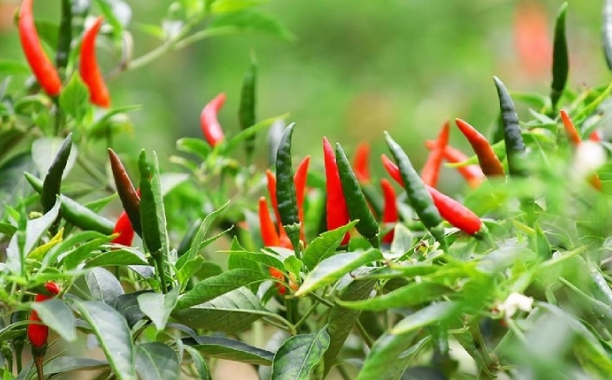
Discover the Untapped Potential of Chili Pepper Leaves: Nutritional Powerhouse for Your Health and Kitchen When you think of chili Read more

Shepherd’s Purse (Capsella bursa-pastoris): A Medicinal Herb with Powerful Benefits Shepherd’s Purse, known botanically as Capsella bursa-pastoris, is a small, Read more

Mimosa Pudica, commonly known as the “Sensitive Plant” or “Touch-Me-Not,” is famous for its unique reaction to touch—its leaves fold Read more

Avocados are celebrated for their creamy texture, rich flavor, and numerous health benefits. While typically enjoyed raw, grilling avocados introduces Read more

Unlocking the Garden Potential of Eggshells: 10 Innovative Applications Eggshells, often seen as fragile protectors of eggs, are also a Read more

Goldenberries, also known as Physalis or Uchuva, are small, orange-yellow fruits enclosed in a delicate, papery husk. Originating from the Read more

Why does your sleep become fragile precisely between 3 a.m. and 5 a.m.? Is it due to a peculiarity of Read more

A Natural Ally for a Healthier and More Pleasant Home We admire the spider plant for its delicate and soothing Read more

Sweet Violet (Viola odorata): 25 Incredible Benefits & How to Use It Sweet violet (Viola odorata), also known as wood Read more

The Disguise Test One morning, Mr. Delaunay put on worn-out clothes, covered himself in dust, and let his beard grow, Read more

White Clover (Trifolium repens): 15 Benefits and Homemade Uses White clover (Trifolium repens) is more than just a common plant Read more

When you enter a hotel room, have you ever noticed that long piece of fabric laid across the foot of Read more

Cassava: An Essential Plant at the Heart of a Deadly Paradox Whether in the form of flour, tapioca pearls, or Read more

How to Detect Hidden Cameras in a Hotel Room? Hidden cameras can be disguised within seemingly harmless objects, including hotel Read more

Lactuca serriola, commonly known as prickly lettuce, is a plant that often goes unnoticed, dismissed as a mere weed. However, Read more

Before your next journey, it might be worth reexamining some of your packing habits. What a luggage professional has revealed Read more

A Visual Challenge That Sparks Thought This type of visual puzzle captivates through its dual effect: it sharpens observational skills, Read more
