

Cassava: An Essential Plant at the Heart of a Deadly Paradox
Whether in the form of flour, tapioca pearls, or crispy chips, cassava is a staple present throughout global diets. Originating from South America, it is now cultivated across every continent. Each year, over 500 million people consume cassava, with its harvest measured in hundreds of millions of tons worldwide.
Yet, behind this common food lies an unsuspected danger that can have serious consequences.
Why is Cassava Called the “Deadliest Food in the World”?
The reason lies in the natural substances contained within this root: cyanogenic glucosides. These chemical compounds are produced by the plant as a defense mechanism against insects and predators. The problem arises when cassava is improperly prepared, as it can then release cyanide, a highly dangerous poison.
The World Health Organization (WHO) has been raising alarms about this issue for several years. Regular, uncontrolled consumption of cassava containing these toxins can lead to severe illnesses, notably a neurological disease known as konzo. This irreversible paralysis of the lower limbs primarily affects populations living in extreme poverty or conflict zones.

Approximately 200 deaths each year are attributed to the consumption of poorly prepared cassava. Although this number may seem low compared to the hundreds of millions of users, it suffices to justify the tuber’s alarming reputation.
When is the Risk Associated with Cassava the Highest?
Incidents mainly occur during food crises or periods of war. For example, in Venezuela, some groups forced to survive in harsh conditions have had to consume inadequately treated cassava due to a lack of alternatives. The scarcity of resources often leads to skipping essential preparation steps, greatly increasing the dangers.
The so-called “bitter” varieties of cassava are particularly toxic, especially when consumed as part of a protein-poor diet. This dual factor creates a highly risky cocktail, particularly for the most vulnerable populations.
How to Enjoy Cassava Without Endangering Your Health?
Fortunately, when consumed correctly, cassava is not only safe but also nutritious. The most effective method relies on time: soaking the root in water for at least 24 hours helps eliminate the majority of the toxins present. Cooking also plays a crucial role, as it breaks down these toxic compounds.
In regions where cassava is a dietary cornerstone, these preparation techniques are passed down through generations. As awareness grows, the number of poisonings decreases, representing a significant global public health advancement.
Nature sometimes offers treasures that only require careful handling to be fully and safely enjoyed.

In the realm of gardening, we often stick to traditional methods like basking in sunlight, diligent watering, and soil enriched Read more

Clogged Shower Drain? Try Baking Soda! Experiencing a stagnant pool of water after a refreshing shower can be a mood Read more

The Art of Container Flower Combinations Designing with flowers in pots is a delightful blend of horticulture and floral design. Read more

Purple Deadnettle (Lamium purpureum): Benefits, Uses & How to Make Tea Often overlooked or mistaken for an ordinary weed, Purple Read more

Tomatoes, a staple in kitchens worldwide, are loved for their versatility and rich flavor. However, their perishable nature often leads Read more

Eager to master the art of nurturing a Peace Lily? Known scientifically as Spathiphyllum Wallisii, this enchanting plant is often Read more

Are Lilacs Edible? Health Benefits of the Beautiful Syringa Blossoms With their sweet fragrance and delicate clusters of flowers, lilacs Read more

A Vibrant Coat, More Than Just a Visual Trait Before delving into the nature of these cats, let us first Read more

Juniper, a versatile and aromatic plant, has been valued for centuries for its culinary, medicinal, and therapeutic uses. Known for Read more

Lactuca serriola, commonly known as prickly lettuce, is a plant that often goes unnoticed, dismissed as a mere weed. However, Read more
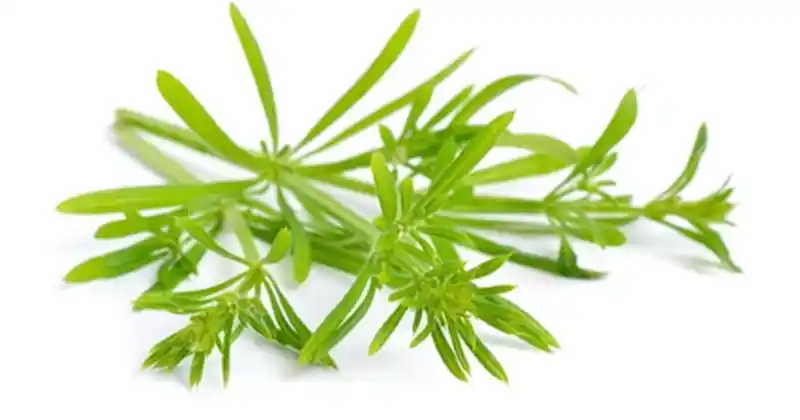
Cleavers (Galium aparine): The Herbal Remedy for Detox and Lymphatic Health Cleavers, also known as Galium aparine, is a humble Read more

Who among us would like to live in a stifled and dirty home, where unpleasant cooking odors and impurities invade Read more

Inheritance in France: A Protected Share, Untouchable Even in Cases of Conflict In France, there is a fundamental legal principle Read more

Avocados are celebrated for their creamy texture, rich flavor, and numerous health benefits. While typically enjoyed raw, grilling avocados introduces Read more

Pigweed, also known as amaranth, is a leafy green plant that has been cherished in various cultures for its nutrient-rich Read more

The Importance of Curtain Cleaning in Your Home Generally, when cleaning the house, after dusting the furniture, one often overlooks Read more

Creating a fresh and inviting atmosphere in your kitchen doesn't require expensive air fresheners or synthetic scents. With just a Read more

Perfumed Tissues: An Easy DIY Technique The Joy of Scented Tissues: Paper tissues are handy in daily life. While some Read more

A True Nutritional Treasure in Every Bite Beef tongue stands out primarily for its remarkable nutritional richness. It is an Read more

Individuals with Allergies or Sensitivities If you suffer from allergies, it is important to be cautious with avocado! This fruit Read more

Euphorbia hirta, commonly known as the “Asthma-plant,” is a medicinal herb renowned in traditional medicine for its diverse health benefits, Read more

When you sink your teeth into a soft, caramel-sweet date, the last thing on your mind is usually the tough Read more

Often, due to poor ventilation or certain climatic conditions, dreaded mold can develop on the walls of our homes. In Read more

Purslane (Verdolaga) is no longer a garden menace but a valuable gem! This remarkable plant is reclaiming its place in Read more

Why It's Crucial to Clean Your Oven and How to Do It Naturally The Importance of Cleaning Your Oven The Read more

The Dog's Nose: A True Superpower It is well known that dogs possess an extraordinary sense of smell. Yet the Read more

Sida acuta, also known as “common wireweed,” is a hardy plant often found in fields and roadsides. While it may Read more

In today's digital age, it's a common sight in households and offices: chargers left in outlets without their corresponding devices. Read more

How to Clean Bathroom Tiles Quickly and Effectively Cleaning bathroom tiles is a task we all love to postpone. It Read more

Horseweed (Erigeron canadensis): 20 Amazing Benefits and How to Use It Horseweed, also known as Erigeron canadensis or Canadian fleabane, Read more

Sweet Violet (Viola odorata): 25 Incredible Benefits & How to Use It Sweet violet (Viola odorata), also known as wood Read more

Dented Car Body: How to Fix It Yourself Over time, the body of your car can endure a lot. From Read more

Garlic: An Ancient Remedy for Better Sleep Since ancient times, garlic has been recognized not only as an essential culinary Read more
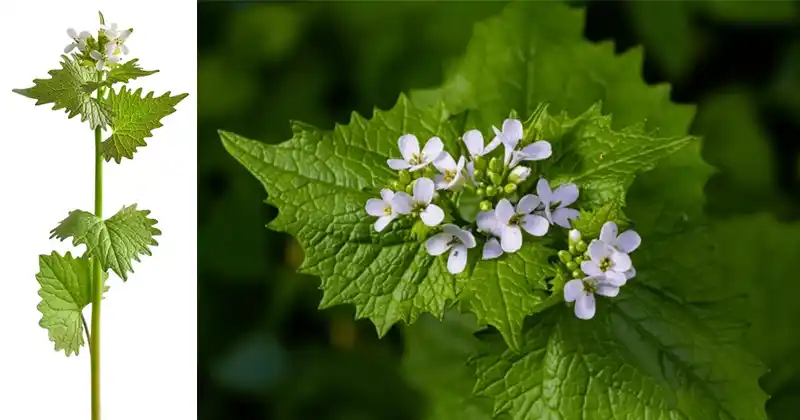
Garlic Mustard (Alliaria petiolata): 20 Surprising Benefits and Homemade Uses Garlic mustard (Alliaria petiolata) is often dismissed as a stubborn Read more

Thyme is known by some as the “enemy of toxins,” and it has been part of stories since ancient Greece. Read more

Bathroom Mold: Causes and Solutions Ideal Environment for Mold Growth Bathroom surfaces are prime locations for mold growth. Moisture accumulates Read more

Cultivating veggies and herbs indoors is more than just a productive task; it's a delightful and aesthetic journey. The magic Read more

Faced with increasingly harsh industrial detergents, consumers are turning back to traditional products that are healthier and have long proven Read more

Unveiling the Secrets of Burning Bay Leaves in Your Home The age-old tradition of burning bay leaves, once prevalent in Read more

Transforming Garlic Peels into Gold for Gardeners: In the rhythm of kitchen prep, garlic peels are often discarded without a Read more
