

Urinating While Standing, Tail Wagging: A Deliberate Behavior

When you discover a small puddle of urine on a wall or piece of furniture, it’s easy to assume it’s either a mischievous act or a health issue. However, this behavior actually represents a clear means of communication. Contrary to common belief, territorial marking isn’t limited to unneutered males; females and neutered cats can also display this reflex.
Think of this marking as a bulletin board where the cat leaves a unique olfactory “message.” Typically placed at a height, this marking signals the cat’s presence to other cats, defines its territory, or expresses its emotional state. Sometimes, if the cat senses that an intruder has altered its signal, it will promptly renew the marking to reaffirm its dominance.
Panting, Salivation, and Heat: How Your Cat Cools Down
A panting cat often surprises owners. Unlike dogs, cats do not regulate their body temperature through their mouths. Yet, during extreme heat, such as in the middle of a scorching afternoon in Marseille, some cats may exceptionally pant to release excess heat.
They also have another method: they lick their fur. The evaporation of saliva then provides a temporary cooling effect, similar to how wiping a damp cloth across your forehead helps you feel refreshed on a hot summer day.
Rubbing Against Your Legs: A Sign of Affection and Belonging

When your cat softly rubs against your calves as soon as you walk in the door, it’s more than just a simple greeting. This gesture carries multiple meanings: it conveys attachment, recognition, and also territorial marking.
The areas it rubs—flanks, chin, base of the tail—are rich in glands that secrete pheromones. These invisible substances create a true olfactory identity card. By covering you with its scent, your cat is essentially declaring: “This human belongs to my territory.”
Ears Flattened Back and Avoiding Eye Contact: A Clear Sign to Back Off
When your cat’s ears are folded backward, its eyes half-closed, and it slightly tilts its head, this is a message you should not ignore. These signs indicate an annoyed or stressed cat. It’s its polite way of saying: “Not now, leave me alone.”
If its whiskers are also flattened against its cheeks, it shows a defensive stance, more frightened than truly aggressive. It’s best to respect its space and avoid interaction, as it’s not the moment for affection.
It Stomps the Ground Before Leaping: The Hunter’s Instinct in Action

One fascinating behavior to observe: the cat suddenly freezes, focuses intently on a target—whether a fly, a toy, or a wriggling sock—then begins to stomp its front paws as if preparing for an Olympic jump. This “trembling” isn’t a malfunction but a phase of intense concentration before pouncing.
Its pupils dilate and ears twitch at the slightest sound. The cat carefully gauges the distance to its prey much like a judoka devising strategy. This ritual, inherited from its wild ancestors, showcases its exceptional natural agility.
Although our cats don’t speak, they communicate constantly. Every gesture and behavior carries meaning. By learning to interpret these signals, you deepen your bond and gain access to a complex, rich, and subtle world that was previously unnoticed.

A Story of Love, Trust… and Betrayal Everything seemed to come straight out of a fairy tale. At just 15 Read more
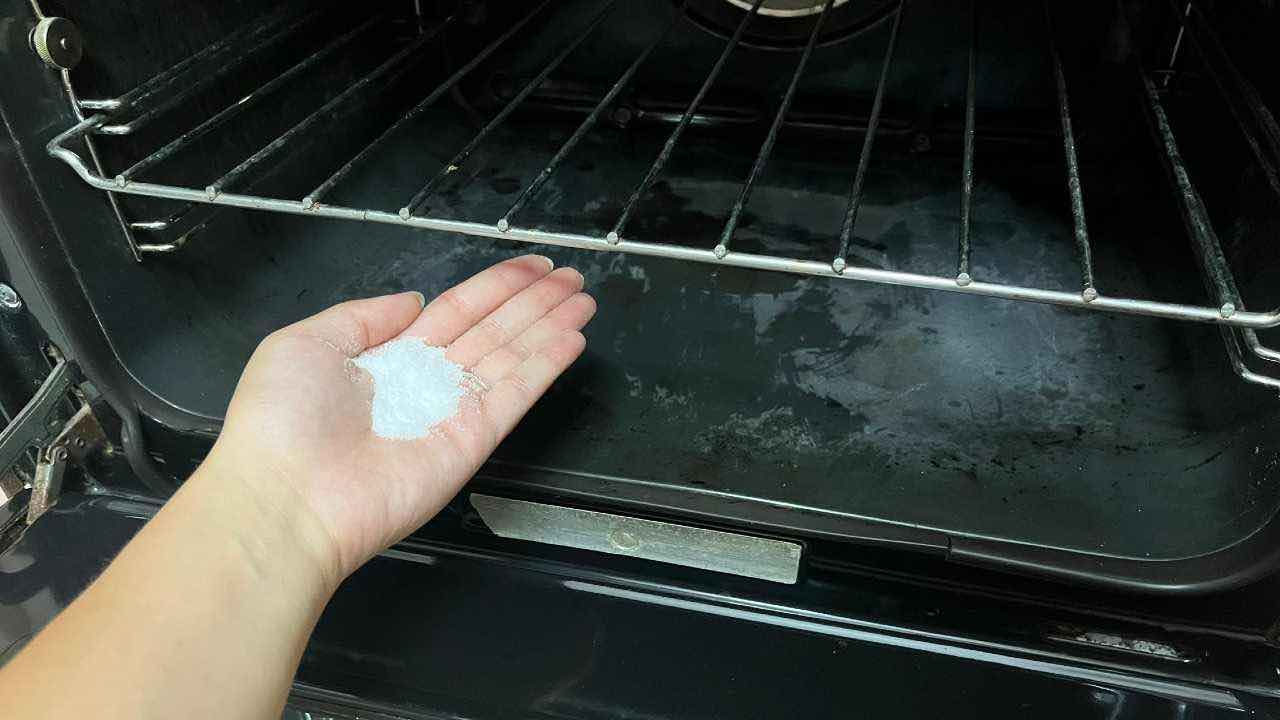
Natural, effective, and economical methods to eliminate burnt oil stains from your oven: discover simple, natural techniques to tackle those Read more
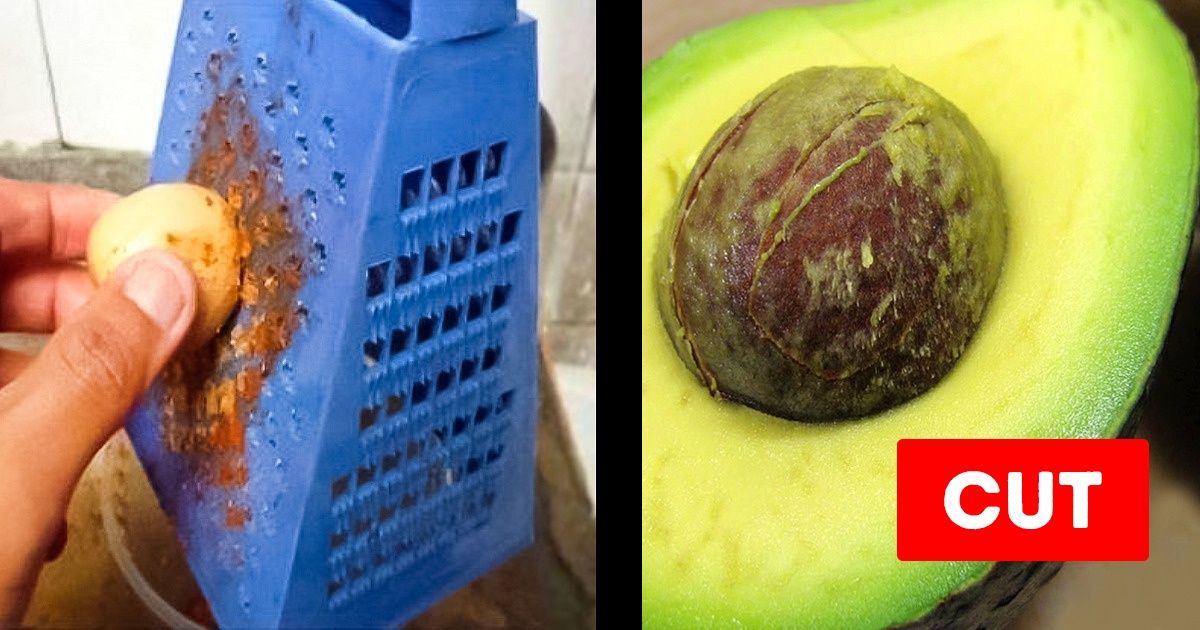
Most people discard avocado seeds without giving them a second thought, but this often-overlooked component of the fruit is actually Read more

A Charming Renaissance Step One: Thorough Cleaning and Preparation Before starting the transformation, the dresser needed to be meticulously cleaned: Read more

Cleaning Grease Off Kitchen Wooden Cabinets: Effective Techniques Removing dirt and embedded grease stains from kitchen wooden cabinets isn't always Read more

A Vibrant Coat, More Than Just a Visual Trait Before delving into the nature of these cats, let us first Read more
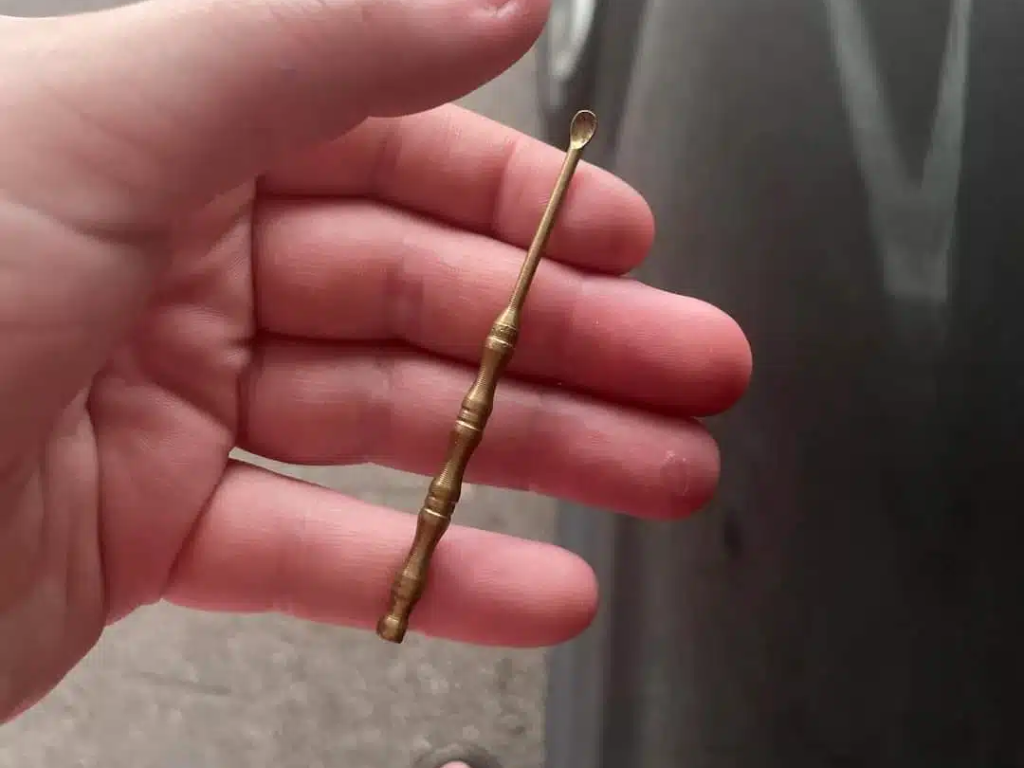
A Wooden Box with Colorful Slats A user was intrigued by a simple wooden box containing slats of various colors. Read more

We spend countless hours behind the wheel, knowing every street by heart, yet still... sometimes important driving habits escape our Read more

Do you remember those holiday evenings when the entire family gathered around a large table, sometimes lingering until the early Read more

Why Does the Plastic of a Washing Machine Yellow Over Time? Over the years, it is common to notice that Read more
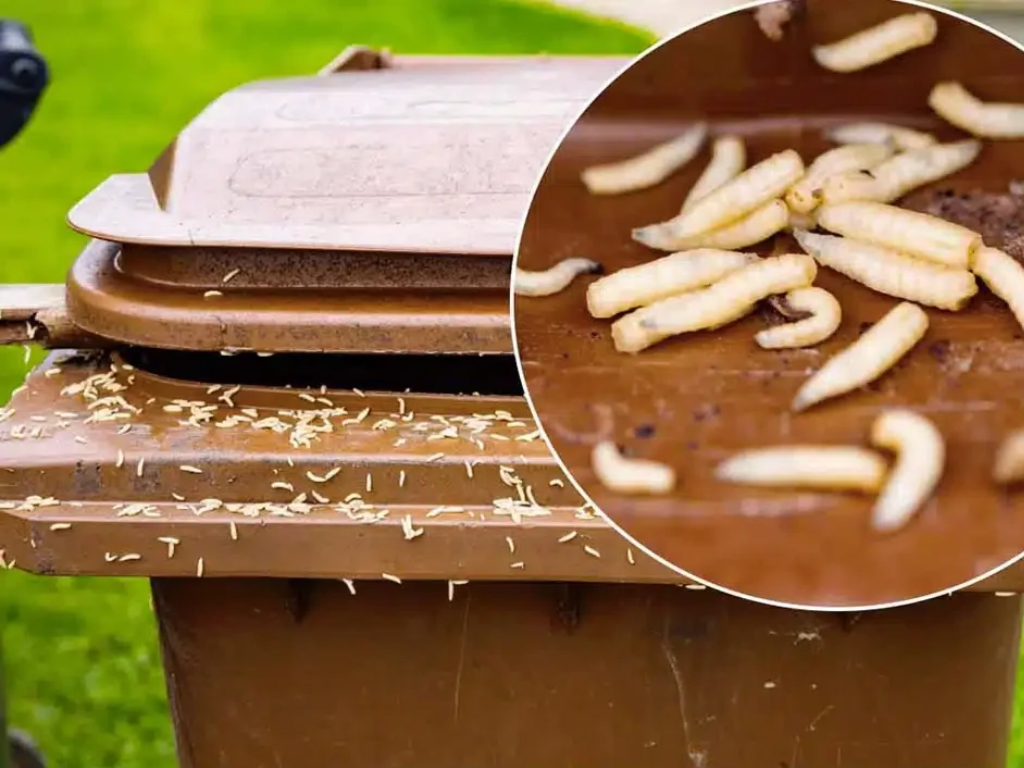
Effective Methods to Eliminate Maggots and Prevent Their Return Vinegar: An Essential Natural Repellent To quickly rid yourself of maggots, Read more

The Brown Recluse Spider: A Small Spider with a Violin-Shaped Mark on Its Body Imagine a tiny spider, modestly brown Read more

The Fork Trick: An Ideal Solution for Long Zippers Long zippers, such as those found on jackets or coats, can Read more
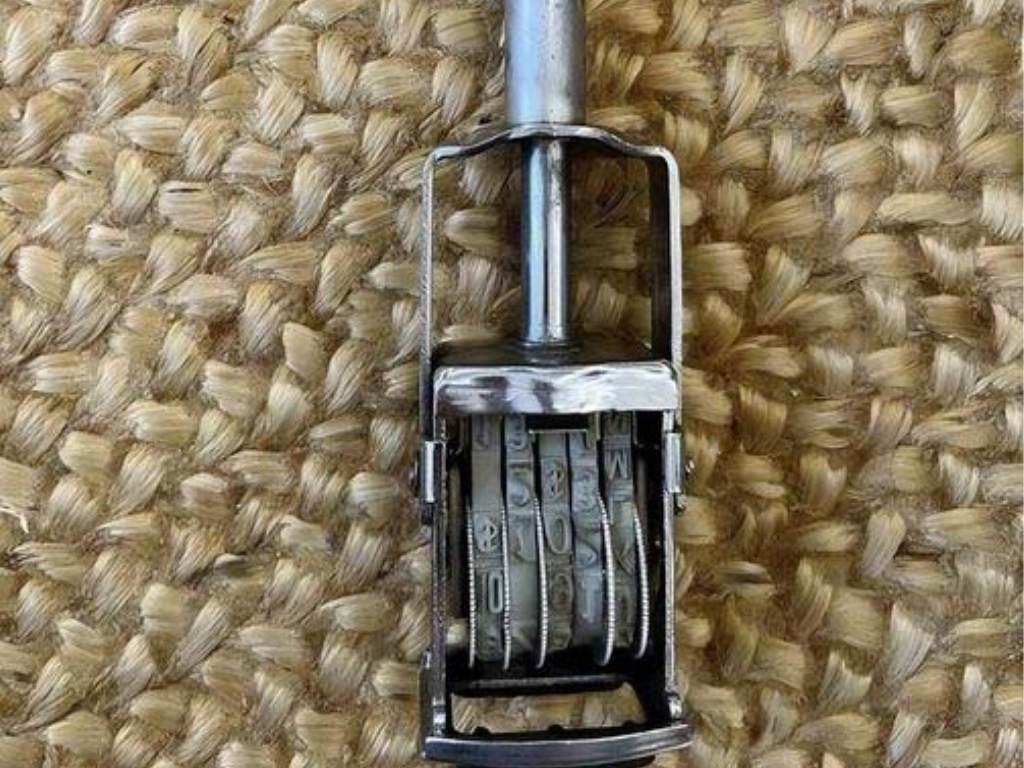
A Fundamental Innovation in the World of Commerce At the dawn of the twentieth century, merchants faced a recurring challenge: Read more

The Fascination of Pareidolia: When Our Minds Discern Faces Where None Exist This captivating phenomenon is known as pareidolia. It Read more
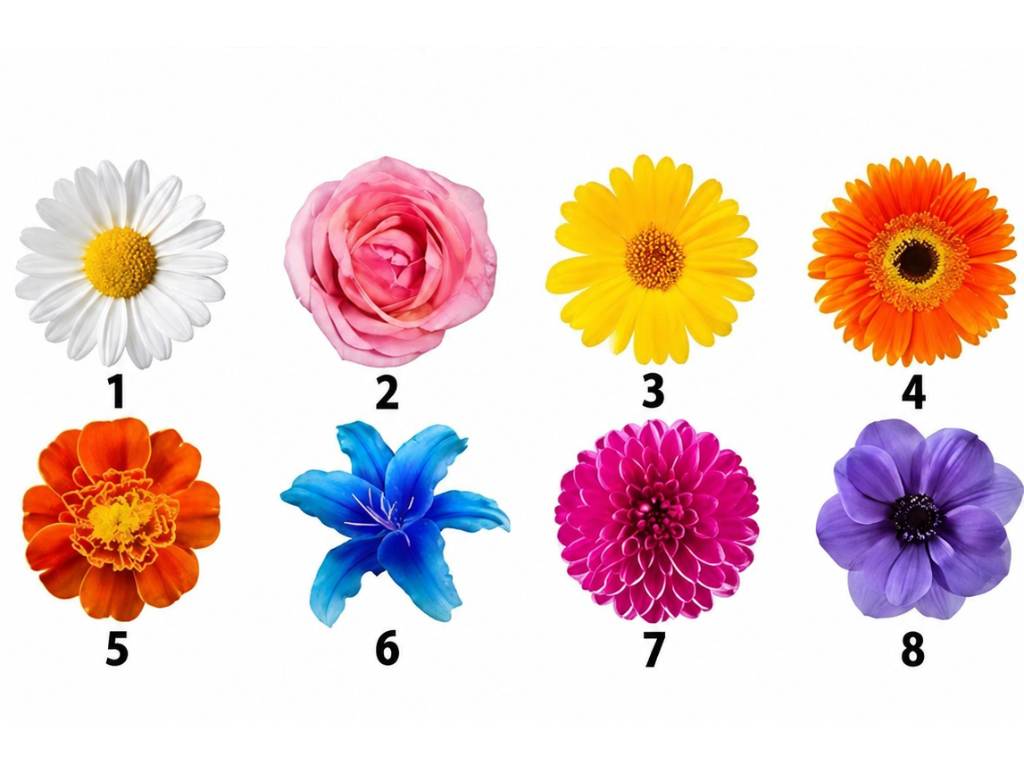
The Daisy: An Expression of Joyful Living and Authenticity If you find yourself especially captivated by the daisy, it is Read more

Clogged Shower Drain? Try Baking Soda! Experiencing a stagnant pool of water after a refreshing shower can be a mood Read more

I grew up surrounded by my father and my older sister, Charlotte. Yet, there was never truly a deep bond Read more
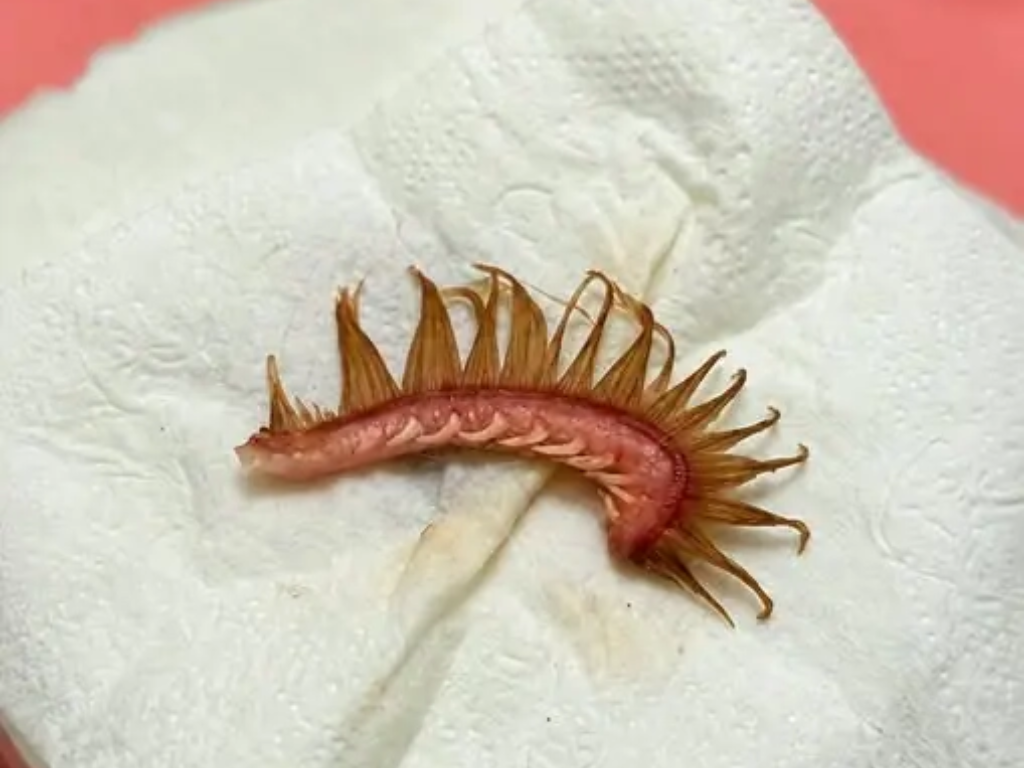
A Walk That Sometimes Holds Unexpected Surprises After a walk, it is common to find our dog with muddy paws, Read more
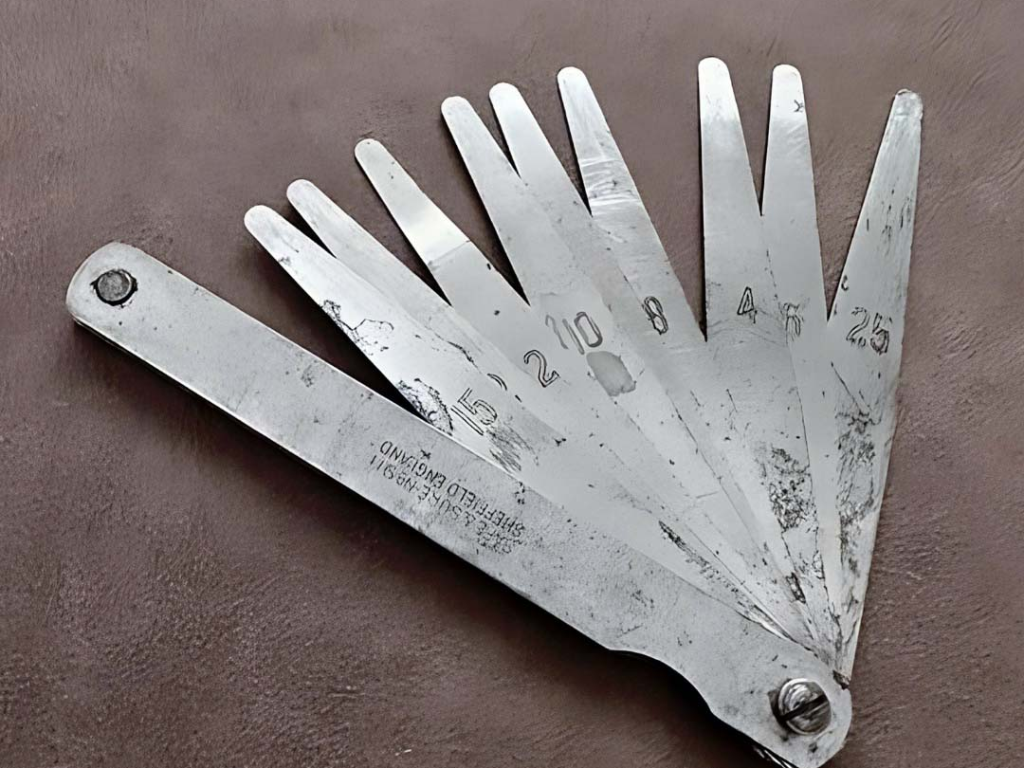
Why is the Thickness Gauge Still Essential? The thickness gauge is far more than just an accessory; it proves to Read more

Sweet Violet (Viola odorata): 25 Incredible Benefits & How to Use It Sweet violet (Viola odorata), also known as wood Read more

Why Ventilating in the Morning Can Harm Indoor Air Quality During Winter On a chilly winter morning, the outdoor air Read more

The Spool of Thread: A Silent Relic of a Bygone Era Let us take a moment to journey back to Read more

How to Maintain a Stainless Steel Iron Although sturdy and durable, the stainless steel soleplate of an iron can blacken Read more
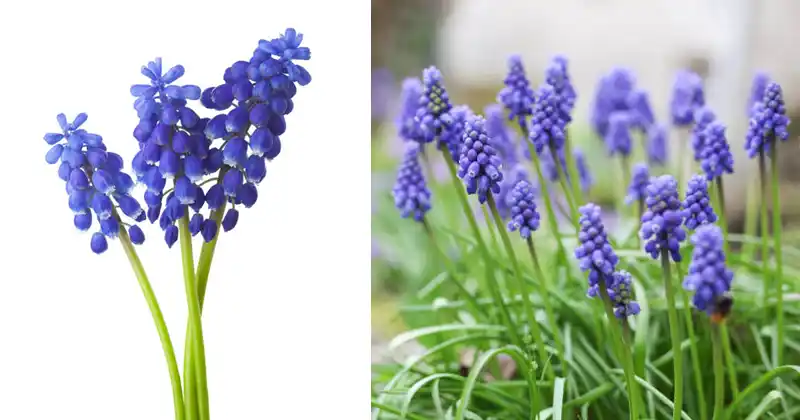
Grape Hyacinth (Muscari): A Beautiful Flower You Can Eat – But Only If You Know Which One The grape hyacinth, Read more
Salt: An Overlooked Treasure in the Home Since ancient times, salt was so valuable that it was even used as Read more
You have tried everything to sleep better — herbal teas, meditation, ergonomic pillows — but nothing seems to work? What Read more

An Enigmatic Capsule: Description and Speculations At first glance, this small brass capsule, lightweight and perfectly airtight, appears ordinary. Yet Read more
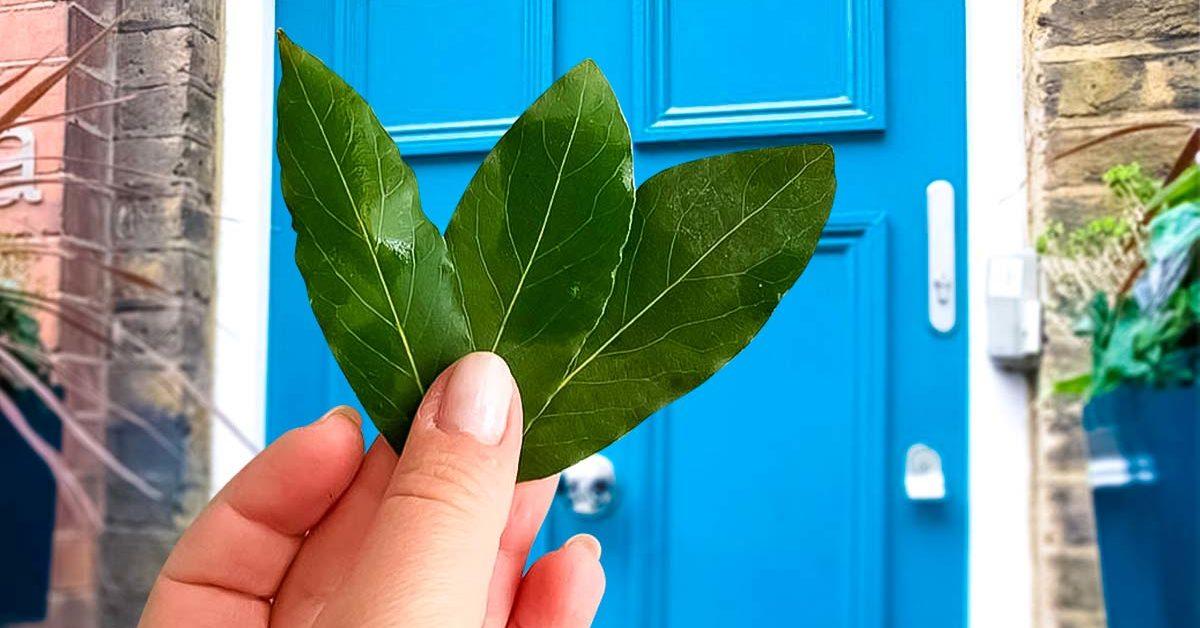
Bay leaves extend far beyond their mere role as a culinary seasoning or festive decoration. This ancient plant plays a Read more

A Simple Meow Reveals a Heartbreaking Truth That morning, Brigadier Johnson was not expecting anything extraordinary from his day. Yet, Read more

Why is this discovery so important? What impact could it have on Australian biodiversity? Let us delve deeply into this Read more
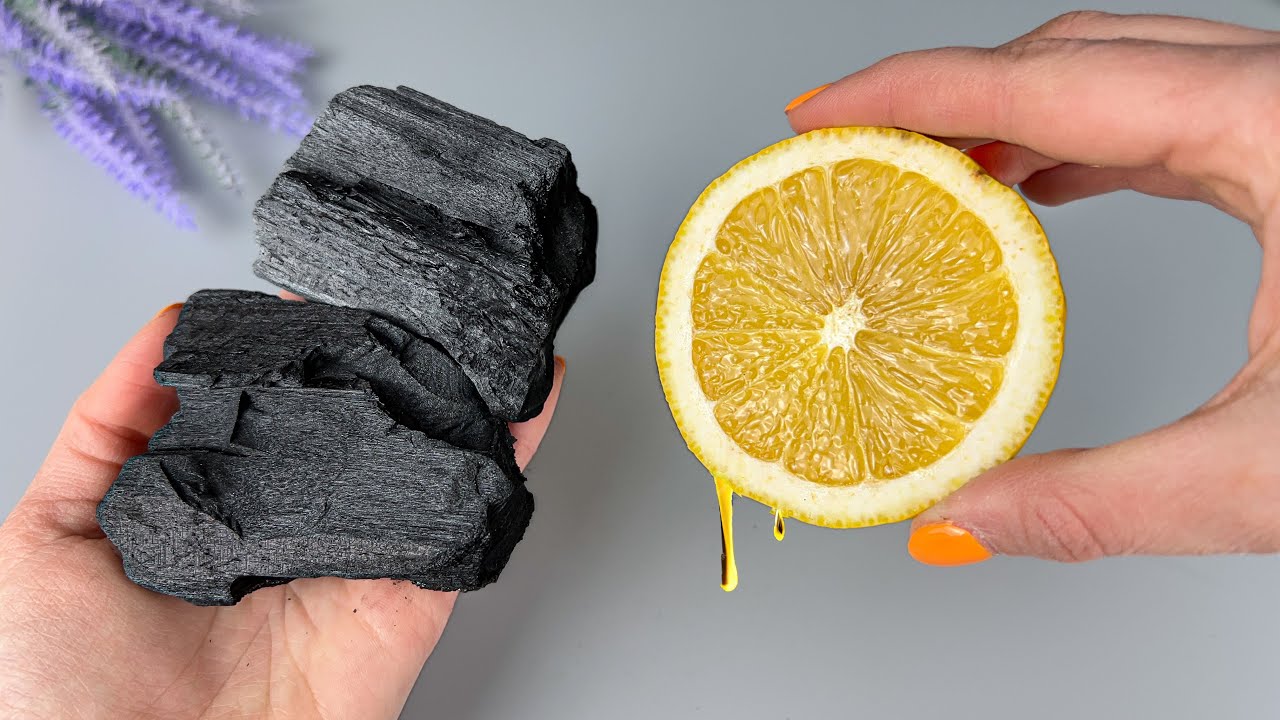
Combining lemon with charcoal may initially seem unusual, yet this potent duo unites the cleansing qualities of activated charcoal with Read more
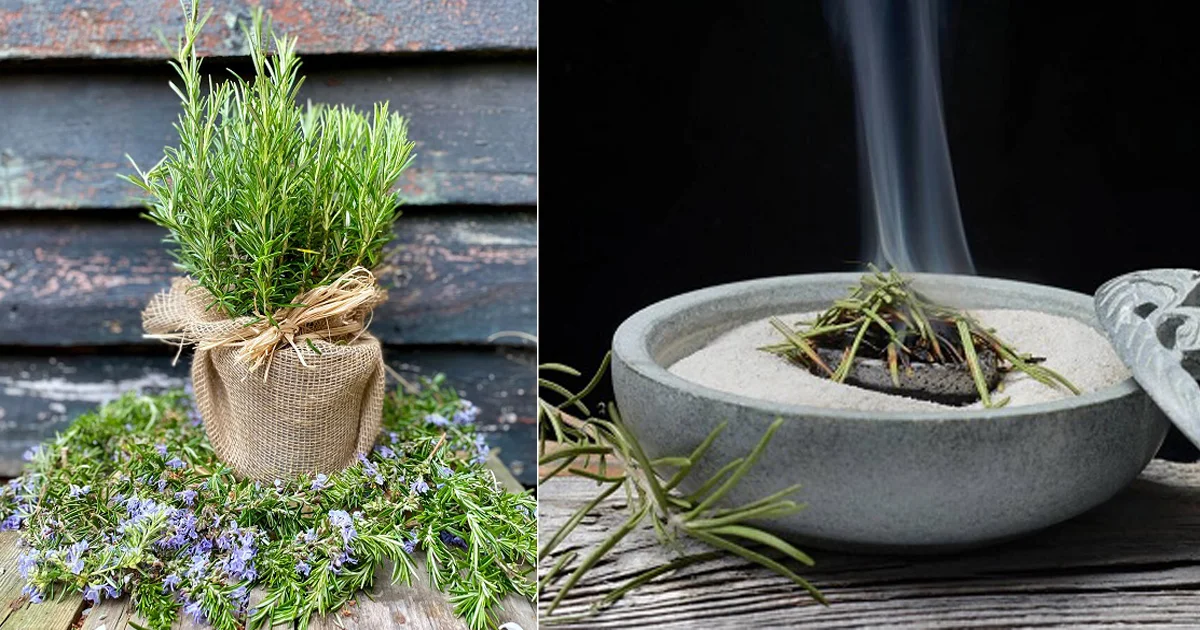
Rosemary, scientifically identified as Rosmarinus officinalis, is widely recognized not only for its role in cooking but also for its Read more

Ageratum conyzoides, commonly known as Billygoat Weed or Goatweed, is a flowering plant native to tropical regions of the Americas Read more
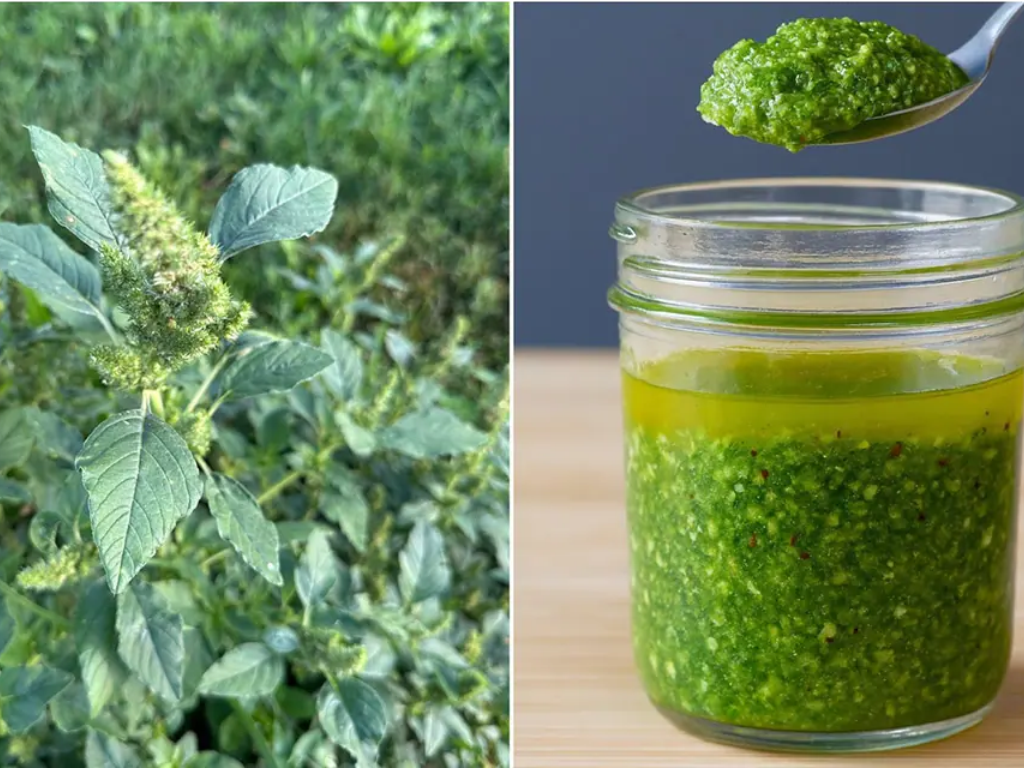
An Unexpected Nutritional Treasure in Your Own Garden Amaranth, often referred to as the "wild spinach", far exceeds its role Read more
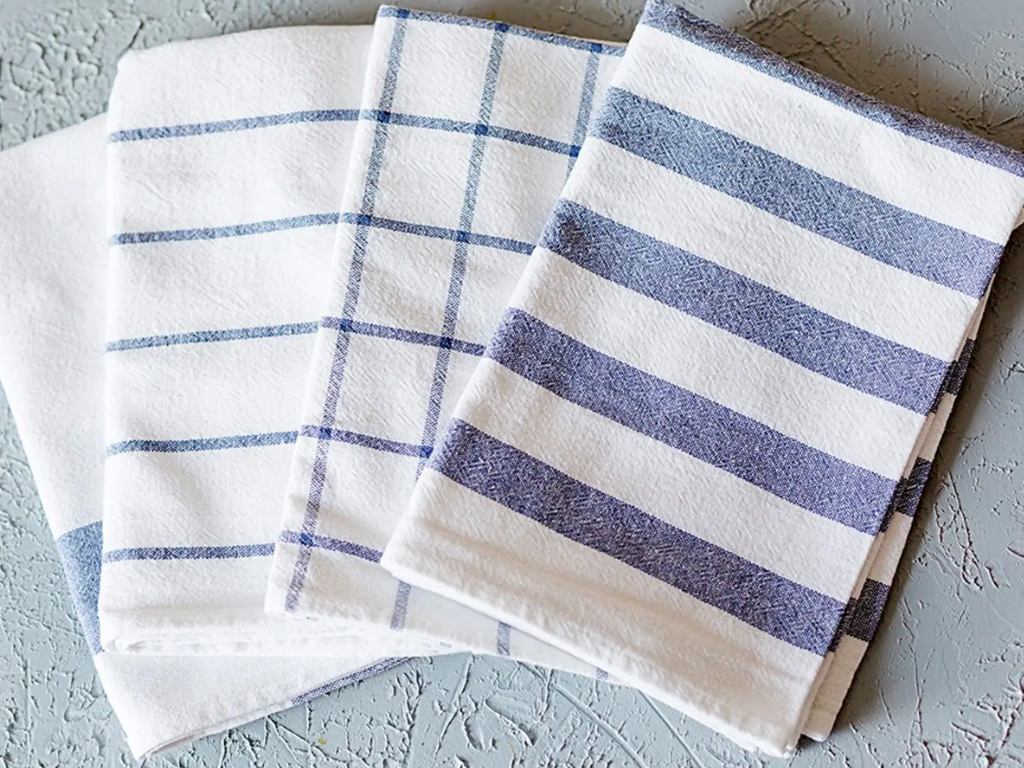
Embroideries and Refined Details: Don't Throw Away Your Textile Treasures Some old towels hold true treasures: hand-embroidered initials, delicate lace, Read more
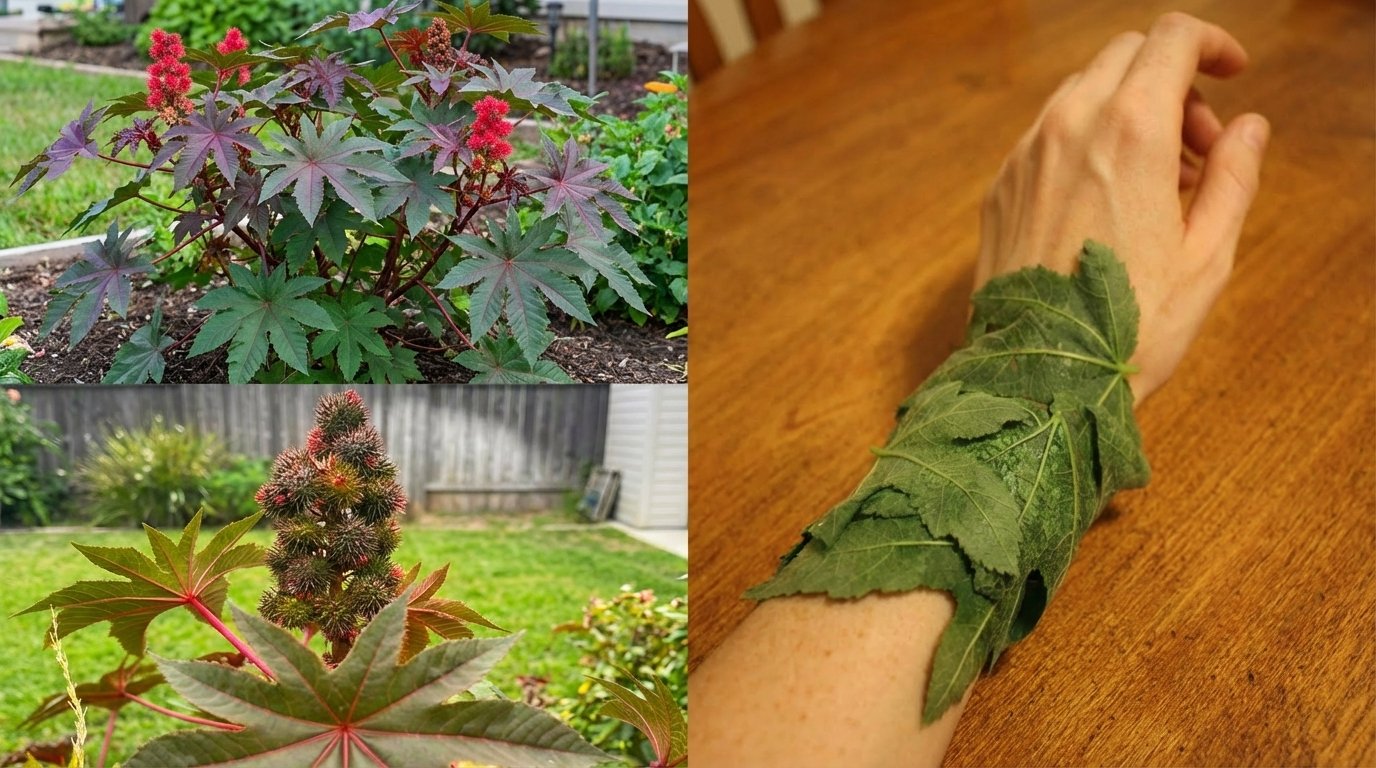
The castor plant (Ricinus communis) is widely known for its seeds, which are the source of castor oil. However, its Read more
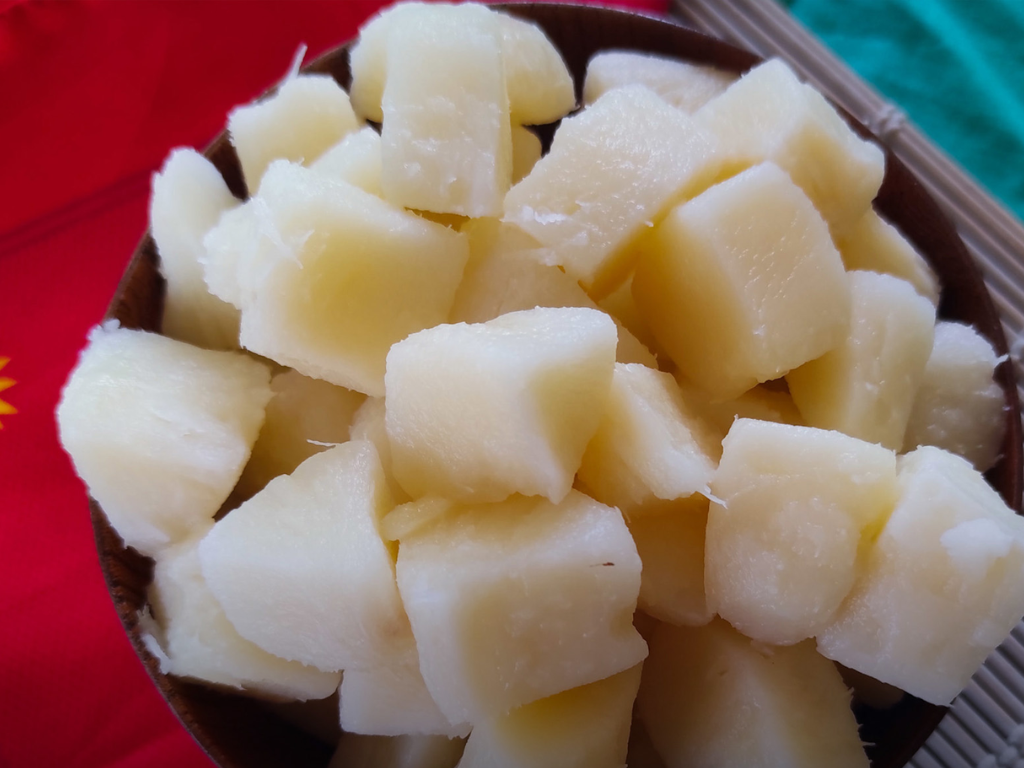
Cassava: A Widely Consumed Food That Can Sometimes Be Dangerous Cassava is a vital food staple for over 800 million Read more
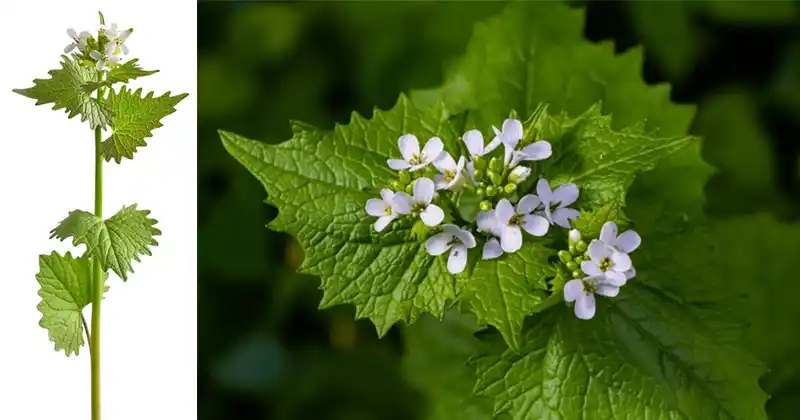
Garlic Mustard (Alliaria petiolata): 20 Surprising Benefits and Homemade Uses Garlic mustard (Alliaria petiolata) is often dismissed as a stubborn Read more

Sida acuta, also known as “common wireweed,” is a hardy plant often found in fields and roadsides. While it may Read more
