
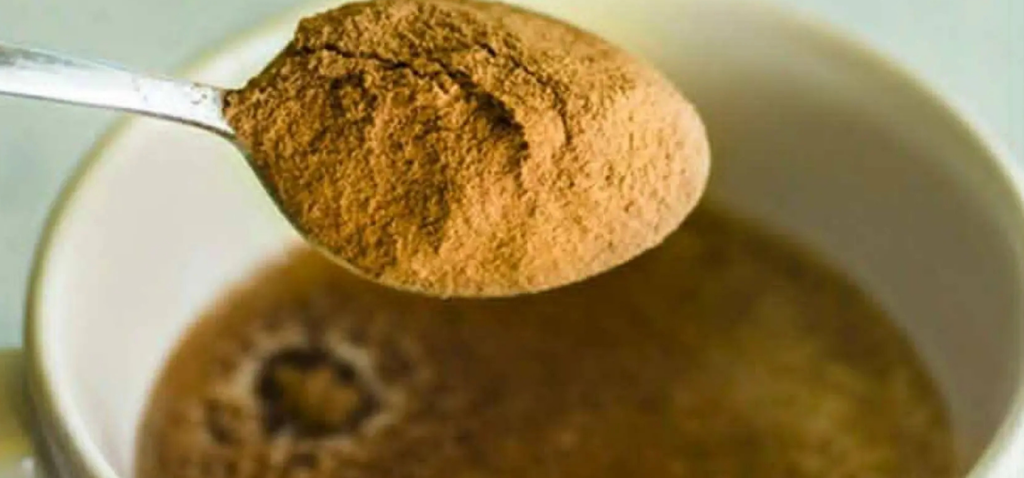
You have tried everything to sleep better — herbal teas, meditation, ergonomic pillows — but nothing seems to work? What if the solution lies in a simple pinch of spice? Comforting, fragrant, and full of benefits, cinnamon could be your companion through evenings (and mornings) toward greater balance. However, be aware: its potential effects go beyond mere taste pleasure and deserve to be understood within a realistic context.
Cinnamon, a gentle ally for more peaceful nights

After a busy day, the body sometimes struggles to “switch off.” Cinnamon can help create a soothing evening ritual, especially thanks to its warm and comforting aroma. Studies on aromatherapy show that certain essential oil scents, including cinnamon, can enhance relaxation and sleep quality for some individuals — although results vary depending on the person and methods used.
That said, it is important to be clear: direct evidence in humans that eating (or drinking) cinnamon “induces sleep” is still limited. Rather, cinnamon offers indirect support: creating a relaxing atmosphere, aiding more comfortable digestion, and promoting metabolic stability.
An often overlooked aspect: nocturnal blood sugar levels
Cinnamon is better documented in another area: blood sugar regulation. Several reviews and meta-analyses indicate that regular consumption can modestly reduce fasting blood sugar and improve insulin sensitivity, especially in people with elevated blood sugar or type 2 diabetes.
Significant fluctuations in blood sugar during the night can promote micro-awakenings, nighttime hunger, or a feeling of “non-restorative” sleep. Stabilizing this parameter can therefore indirectly promote more continuous nights.
A slight metabolic boost (without miracles)

Cinnamon contains bioactive compounds such as cinnamaldehyde and polyphenols associated with:
a mild thermogenic effect (a slight increase in energy expenditure),
an improvement in glucose management,
and antioxidant and anti-inflammatory properties.
The result: it can support a wellness or weight management effort, but it never replaces a balanced diet and regular physical activity. Available studies report modest effects that are beneficial over time, not a spectacular “fat burner.”
Three simple ways to enjoy it in the evening
Warm milk with cinnamon
Add ¼ to ½ teaspoon of cinnamon to a cup of warm milk (dairy or plant-based).
Variation: add a bit of vanilla or unsweetened cocoa for an even more cozy effect.
Digestive herbal tea
Simmer 1 cinnamon stick for 5 to 10 minutes in water, along with a slice of lemon or a piece of ginger.
Perfect after a heavier dinner.
On a light dessert
Applesauce, yogurt, baked apples, porridge… Cinnamon enhances the perception of sweetness without adding sugar, helping to reduce late-night snacking.
Tip: the benefit often comes as much from the routine as from the spice itself. A consistent ritual sends the signal to the brain, “it’s time to prepare for sleep.”

Which cinnamon to choose? (Important)
Not all cinnamons are equal:
Ceylon cinnamon: finer texture, delicate aroma, very low in coumarin.
Cassia cinnamon (the most common in supermarkets): stronger taste, high in coumarin.
Coumarin can be toxic to the liver at high doses over the long term. European health authorities set a tolerable daily intake of about 0.1 mg/kg body weight per day. With Cassia cinnamon, just one teaspoon can approach or exceed this limit in some adults.
Therefore: if you consume it often, prefer Ceylon cinnamon.
Precautions to keep in mind
A pinch per day is more than enough (about ¼ to ½ teaspoon). Avoid excessive courses or highly concentrated supplements without medical advice.
Consult a healthcare professional if:
you have a liver disease or liver history, vigilanses.anses.fr
you take anticoagulants (cinnamon can enhance their effect),
you are on antidiabetic treatment (risk of additive effects on blood sugar),
you are pregnant/breastfeeding and wish to consume large amounts (normal dietary use is fine, but exercise caution with essential oils).
Key takeaways
Cinnamon is not a natural sleeping pill, but an excellent routine support: it comforts, scents the evening ritual, aids digestion, and can stabilize blood sugar — which, for some people, makes sleep more peaceful. Its true superpower is being simple, pleasant, and easy to integrate, provided you choose the right variety and use it in moderation.
Cassava: A Widely Consumed Food That Can Sometimes Be Dangerous Cassava is a vital food staple for over 800 million Read more

When a Drawer Holds Much More Than Mere Odds and Ends Like many others, my initial reaction upon seeing these Read more

The Silent Enemy: Tartar and Bacteria Tartar is a common affliction affecting our teeth. It forms from the gradual hardening Read more

Unwanted Houseguest: The Fly The fly is arguably the most disliked insect on Earth, primarily due to its bothersome traits. Read more

Why Ventilating in the Morning Can Harm Indoor Air Quality During Winter On a chilly winter morning, the outdoor air Read more

Red Clover: 15 Amazing Benefits and How to Use This Healing Herb Red clover (Trifolium pratense) is more than just Read more
For centuries, Chelidonium majus, commonly known as Greater Celandine, has held a special place in traditional herbal medicine. Recognized by Read more

Bathroom Mold: Causes and Solutions Ideal Environment for Mold Growth Bathroom surfaces are prime locations for mold growth. Moisture accumulates Read more

Before your next journey, it might be worth reexamining some of your packing habits. What a luggage professional has revealed Read more

When a Simple Pistachio Shell Takes on the Appearance of a Monster It all begins with the desire to clean Read more

Clogged Shower Drain? Try Baking Soda! Experiencing a stagnant pool of water after a refreshing shower can be a mood Read more

Ageratum conyzoides, commonly known as Billygoat Weed or Goatweed, is a flowering plant native to tropical regions of the Americas Read more

Some people purchase walnuts that are already shelled, while others prefer to buy them in their natural state, still in Read more

Throughout our journey in history, the bond between humanity and nature has been inseparable, providing not only sustenance but also Read more

The Amazing Benefits of Sumac and How to Use It Sumac is more than just a flavorful spice—it’s a powerful Read more
Basil seeds, often referred to as sabja or tukmaria, come from sweet basil. Though tiny, they hold an exceptional nutritional Read more

How to Clean a Glass Shower Door Naturally and Keep It Shining Longer Several areas of the bathroom are exposed Read more

The Final Blow Within Her Own Home Returning home from work, Phoebe had hoped to find a dinner prepared or Read more

Grease buildup on kitchen cabinets is a widespread issue that many homeowners encounter. Frequent cooking results in grease splatters that Read more

White Clover (Trifolium repens): 15 Benefits and Homemade Uses White clover (Trifolium repens) is more than just a common plant Read more

Understanding, anticipating, and supporting your dog through every stage of their life is essential to providing them with the best Read more
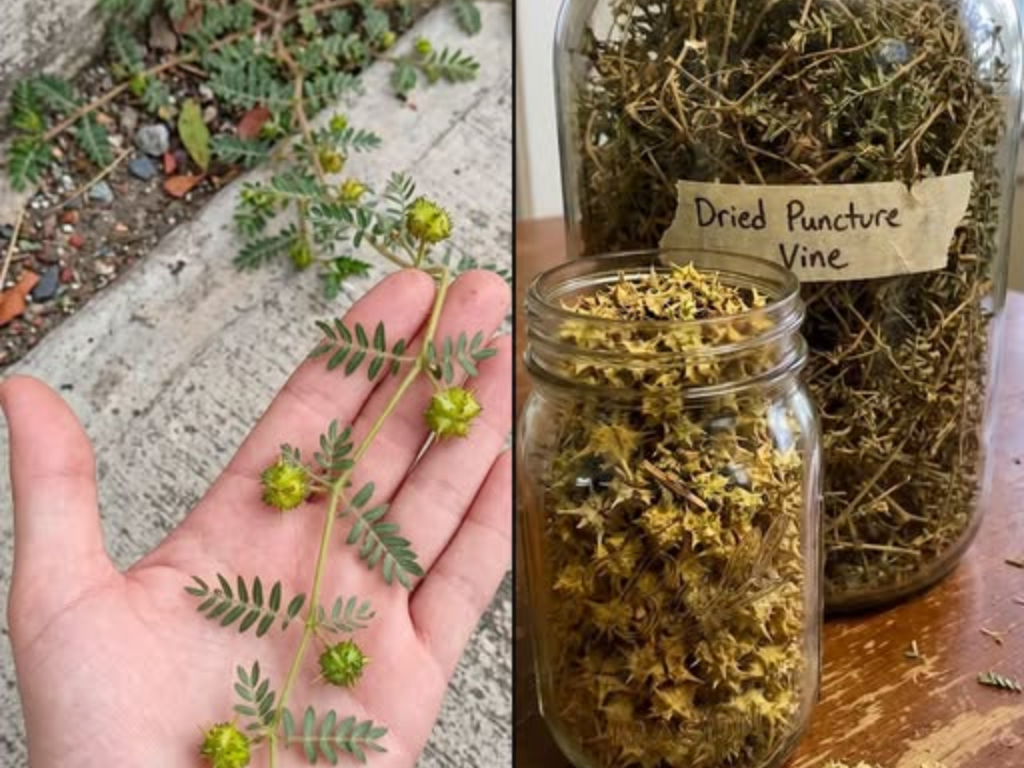
Warning: The information provided in this article is solely for educational and informational purposes. It is based on traditional herbal Read more

Goldenberries, also known as Physalis or Uchuva, are small, orange-yellow fruits enclosed in a delicate, papery husk. Originating from the Read more

10 Secrets You Need to Know Before Eating Okra Okra, also known as “lady’s finger,” is a green, pod-shaped vegetable Read more

The Return of Earrings in the 17th Century The 17th century marked a notable resurgence in earrings, greatly encouraged by Read more

A Fully Integrated Member of Its Tribe Social relationships hold a significant place in the life of a cat. When Read more

A Decision Born from Solitude Agnès did not make her decision lightly. For many years, she hoped for more frequent Read more

Airport staff and baggage handlers have an in-depth understanding of the behind-the-scenes processes involved in handling luggage. Today, they share Read more

A Morning Filled with Strangeness That morning, the countryside was still wrapped in calm and tranquility. As she followed the Read more

Faced with increasingly harsh industrial detergents, consumers are turning back to traditional products that are healthier and have long proven Read more

Euphorbia hirta, commonly known as the “Asthma-plant,” is a medicinal herb renowned in traditional medicine for its diverse health benefits, Read more

Fig leaves, often overlooked behind the sweet and flavorful fruit they accompany, are an incredible source of numerous health benefits. Read more

A Puzzle Deceptive in Its Simplicity When mentioning "2 mothers," "2 daughters," "1 grandmother," and "1 granddaughter," the immediate image Read more

Every winter, countless orange peels end up in the trash. But what if you could transform these fragrant scraps into Read more
Ingenious Uses for Expired Cornstarch A Natural Cleaner for Windows and Surfaces Did you know that cornstarch can easily substitute Read more

From Military Origins to Artistic Expression Originally, the twirling baton was primarily a tool designed to organize military marches and Read more

The Secondary Microphone: A Filter Against Noise Pollution Most modern smartphones incorporate multiple microphones, including a secondary one often hidden Read more

Dented Car Body: How to Fix It Yourself Over time, the body of your car can endure a lot. From Read more

Embracing Organic Gardening with Homemade Onion Elixir The shifting trends in horticulture are leaning heavily towards eco-conscious choices, prompting gardeners Read more

Why Do We Consistently Wake Up at the Same Time During the Night? Nighttime awakenings can stem from various causes: Read more
