
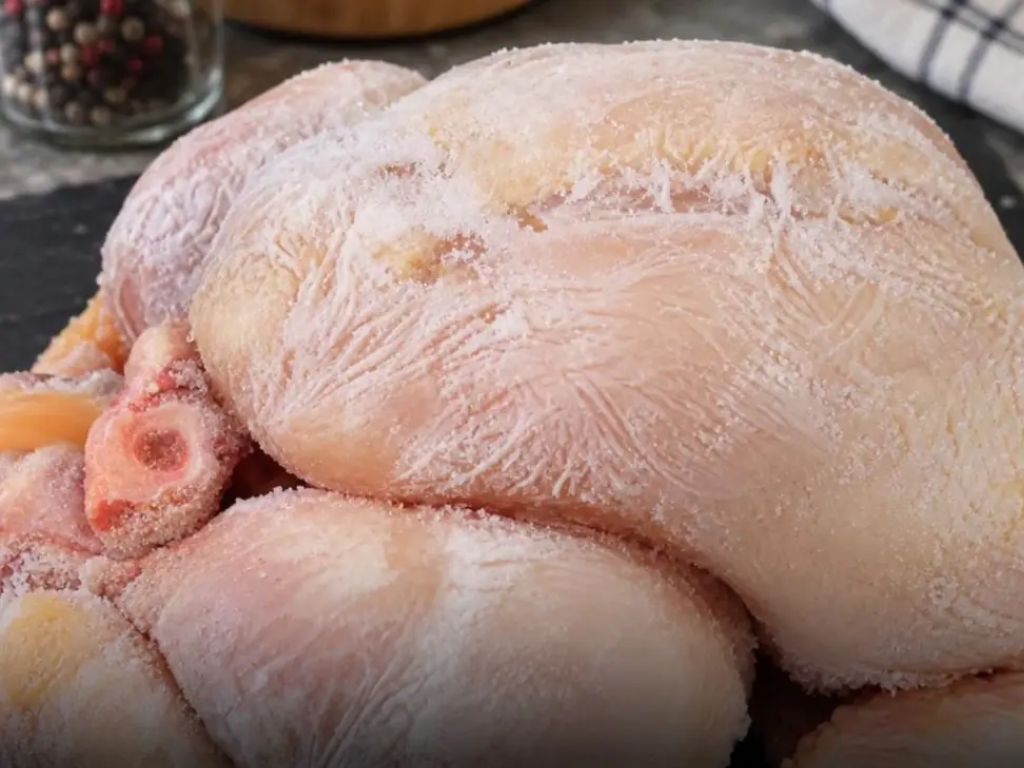
Two Years in the Freezer: Is It Really Too Late?

It is common to assume that a long storage date automatically means the food is no longer safe to eat. However, a raw chicken kept continuously at a temperature equal to or below −18 °C (0 °F) can remain safe to consume, provided it was healthy and properly handled before freezing. The cold stops bacterial growth but does not destroy the bacteria. In practice, the typical recommendations of about one year for a whole chicken and nine months for pieces mainly refer to preserving taste quality. After two years, the meat may become drier and less flavorful. Nevertheless, the meal remains feasible, even if the taste is not outstanding. The condition of the packaging also plays a crucial role: a tightly sealed bag, free from air exposure, preserves moisture better and reduces freezer burn odors. Conversely, a poorly protected chicken can end up with a dry and rubbery texture, almost like frozen cardboard.
The Key Factor: Maintaining the Cold Chain Continuously
What truly makes a difference is the history of cold maintenance. A freezer that has experienced a power outage, a door accidentally left ajar, or partial thawing poses a higher risk than the mere length of freezing. A slight rise in temperature above −18 °C does not necessarily make the meat unsafe; it depends on the extent and duration of the warming. When in serious doubt, it is safer not to take risks. After thawing, an unusual smell or slimy texture should prompt you to avoid consuming the meat. However, stay alert: meat that does not emit an unpleasant odor is not automatically safe, as certain dangerous bacteria can exist without altering the appearance or smell. The safest approach is to mentally trace the chicken’s journey: was it kept at a stable temperature without any power cuts the entire time? If you have the slightest doubt, it is wiser to err on the side of caution because no meal is worth compromising your health.
Thawing and Cooking: Best Practices to Follow
To safely thaw your chicken, prefer using the refrigerator, where the temperature should not exceed 4 °C (39 °F). Place the poultry in a sealed container to catch any juices and prevent cross-contamination. Be patient: a whole chicken can take one to two days, or sometimes a little longer, to thaw properly. Avoid leaving the meat at room temperature for several hours, as this “danger zone” promotes bacterial growth. Also, place the chicken on a deep plate located on the lowest shelf of the fridge to prevent any drips onto other foods. When cooking, make sure the internal temperature reaches 74 °C (165 °F), measured at the thickest part of the meat without touching the bone. Simply observing white meat or clear juices does not always guarantee safe cooking. By adhering to strict storage and these careful practices, your forgotten chicken can still provide a successful meal.
Properly controlled and cooked through, it can still have its place on your table.

How to Clean a Glass Shower Door Naturally and Keep It Shining Longer Several areas of the bathroom are exposed Read more

Horseweed (Erigeron canadensis): 20 Amazing Benefits and How to Use It Horseweed, also known as Erigeron canadensis or Canadian fleabane, Read more

Guava is often hailed as a superfruit, but did you know that its leaves also pack an extraordinary punch in Read more

Datura stramonium, commonly known as Jimson weed, thorn apple, or devil's trumpet, is a plant native to North America but Read more
Have you ever encountered this unusual practice of sprinkling cinnamon powder in front of your front door? At first glance, Read more
Cleavers (Galium aparine): The Herbal Remedy for Detox and Lymphatic Health Cleavers, also known as Galium aparine, is a humble Read more

The Ultimate Healing Tonic: A Powerful Natural Drink for Swollen Feet, Diabetes & Poor Circulation Chronic swelling in the feet, Read more
Why Do Some People Wash Their Ground Beef? The practice of washing ground beef often comes from a good intention: Read more
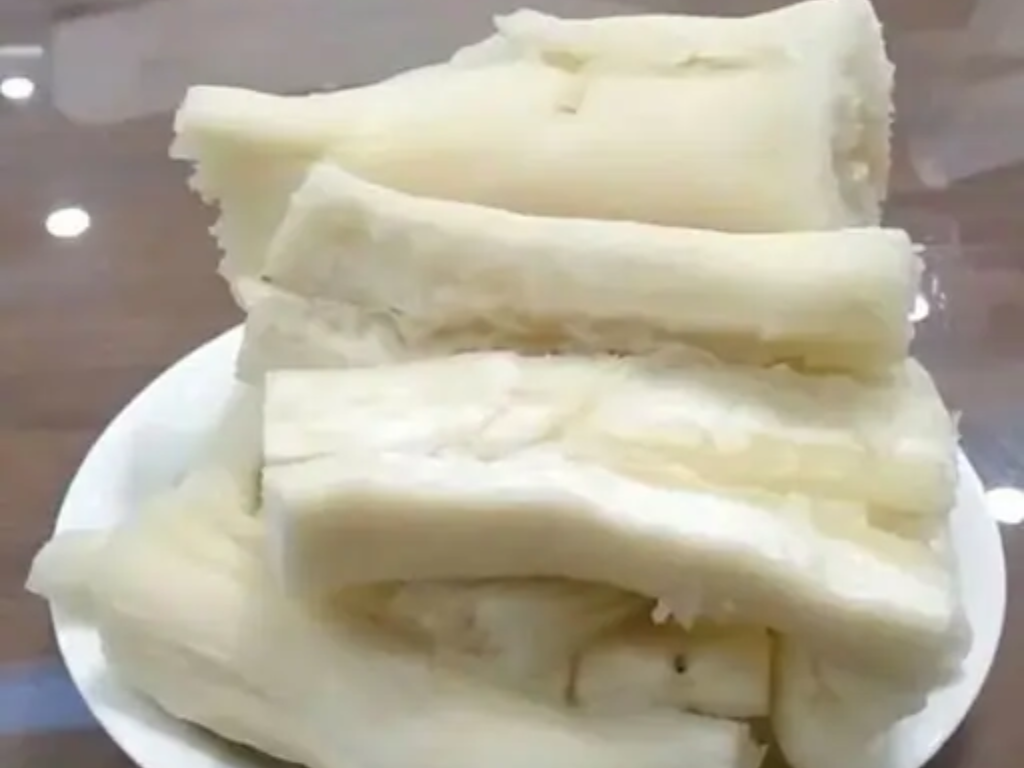
Cassava: An Essential Plant at the Heart of a Deadly Paradox Whether in the form of flour, tapioca pearls, or Read more
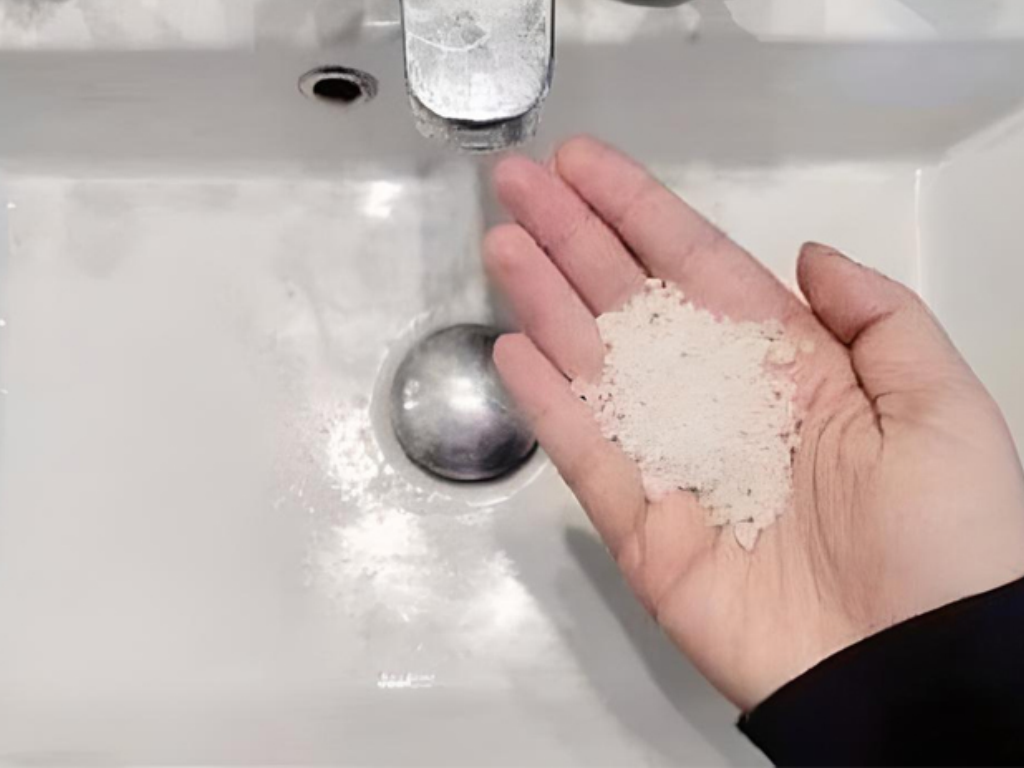
Salt: An Overlooked Treasure in the Home Since ancient times, salt was so valuable that it was even used as Read more
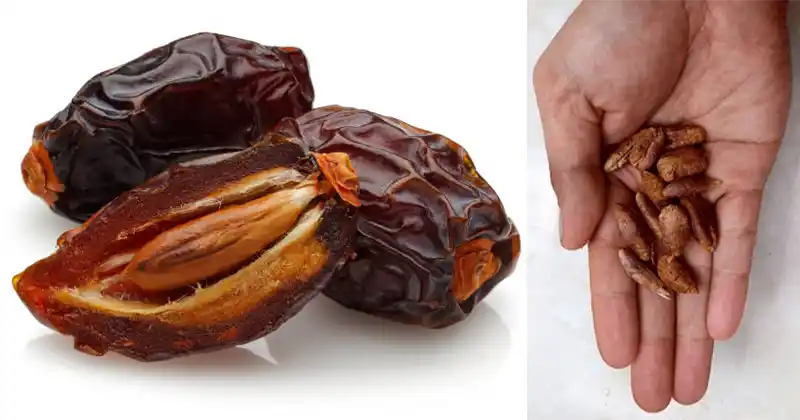
When you sink your teeth into a soft, caramel-sweet date, the last thing on your mind is usually the tough Read more

Why Do We Consistently Wake Up at the Same Time During the Night? Nighttime awakenings can stem from various causes: Read more

Kyllinga brevifolia: A Natural Remedy for Health and Wellness Kyllinga brevifolia, commonly known as green kyllinga or shortleaf spikesedge, is Read more
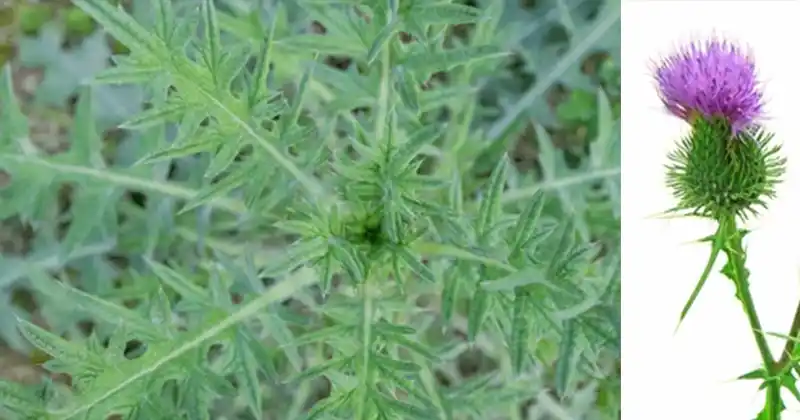
Bull Thistle (Cirsium vulgare): A Wild Plant with Surprising Benefits The bull thistle (Cirsium vulgare) is often dismissed as a Read more
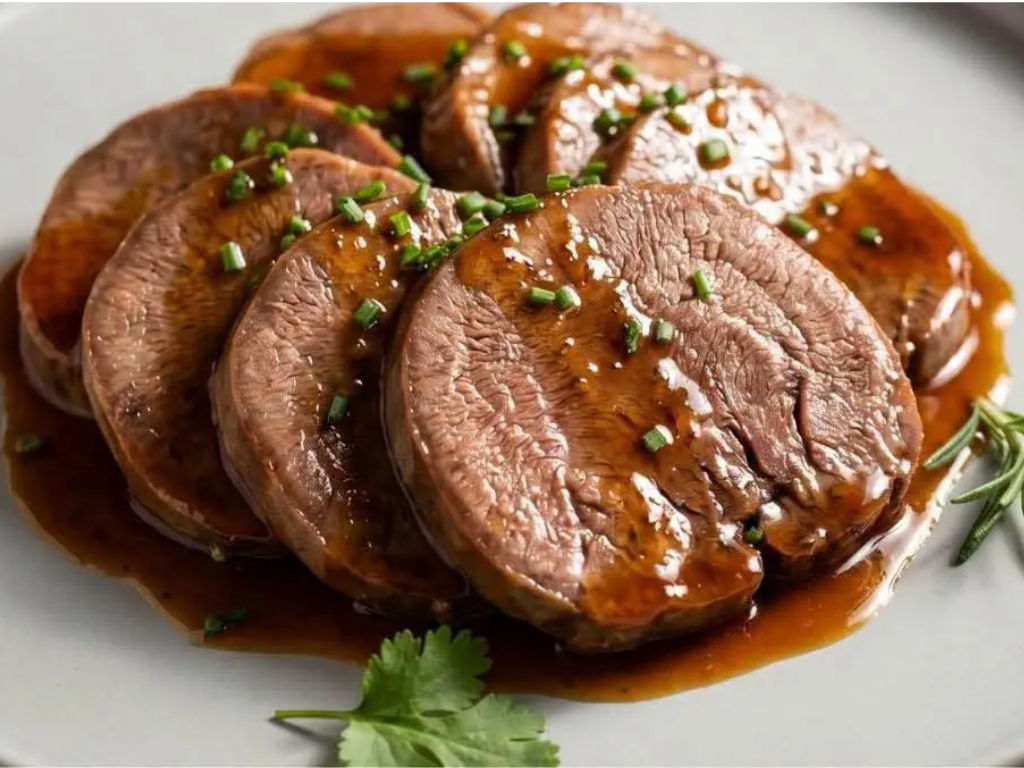
A True Nutritional Treasure in Every Bite Beef tongue stands out primarily for its remarkable nutritional richness. It is an Read more
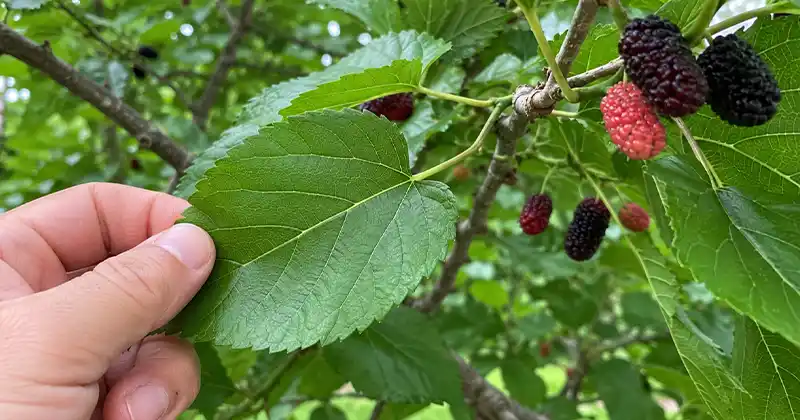
Mulberry trees are best known for their luscious summer berries, but their leaves possess an even greater potential as a Read more

A Bold Dream Transformed into an Unexpected Haven of Peace At some point in our lives, we have all dreamed Read more
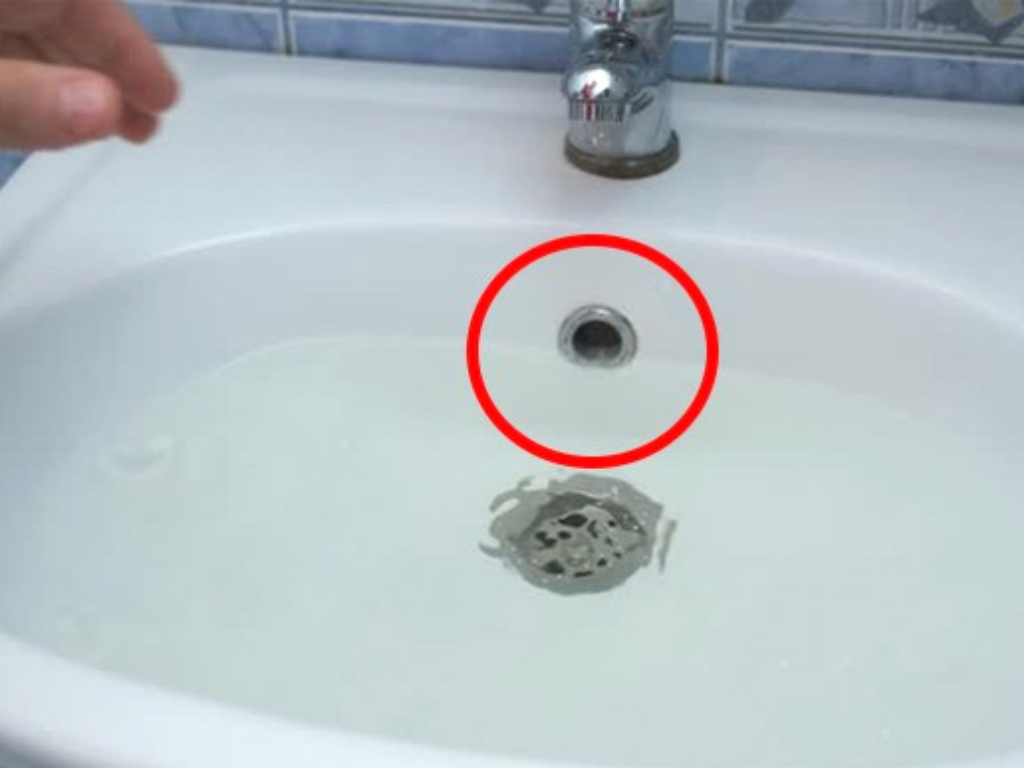
What Is the Purpose of the Overflow Hole in a Sink? The small, often overlooked hole located near the edge Read more
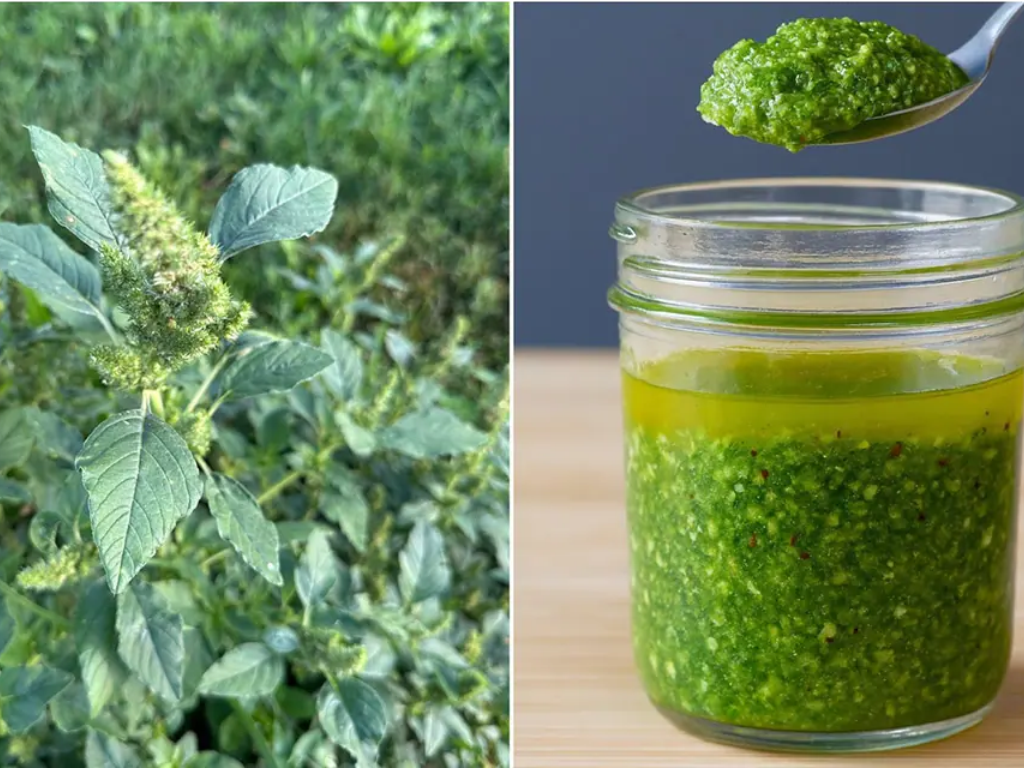
An Unexpected Nutritional Treasure in Your Own Garden Amaranth, often referred to as the "wild spinach", far exceeds its role Read more

Tomatoes, a staple in kitchens worldwide, are loved for their versatility and rich flavor. However, their perishable nature often leads Read more
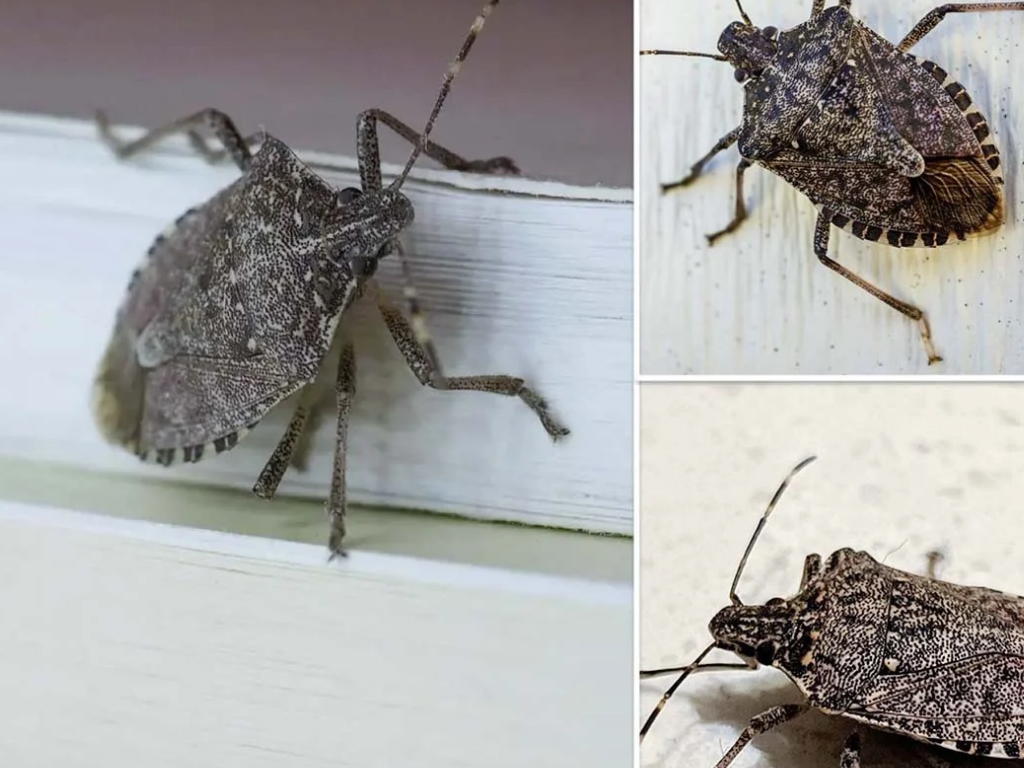
The Brown Marmorated Stink Bugs: A Nuisance Difficult to Ignore Originating from Asia, these insects have found a favorable environment Read more
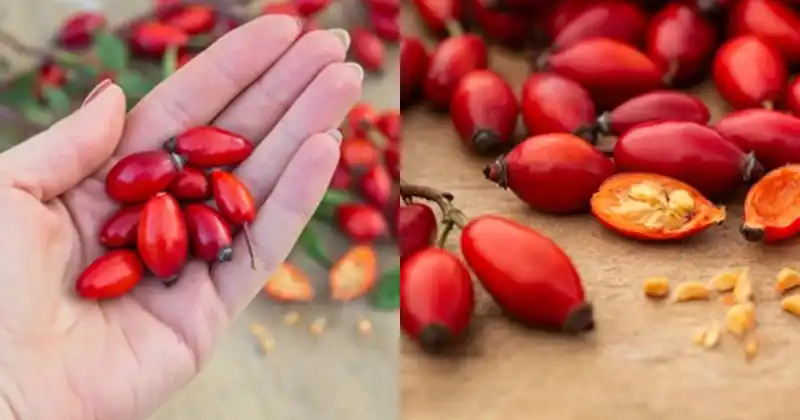
The Hidden Power of Dog Rose (Rosa canina): 10 Surprising Health Benefits and How to Use It Nature has given Read more

Avocados are celebrated for their creamy texture, rich flavor, and numerous health benefits. While typically enjoyed raw, grilling avocados introduces Read more

Unveiling the Secrets of Burning Bay Leaves in Your Home The age-old tradition of burning bay leaves, once prevalent in Read more

Lina’s room remains untouched by time, as if she had just left yesterday: colored pencils scattered across the desk, an Read more

Faced with increasingly harsh industrial detergents, consumers are turning back to traditional products that are healthier and have long proven Read more

The Dog's Nose: A True Superpower It is well known that dogs possess an extraordinary sense of smell. Yet the Read more

Creating a fresh and inviting atmosphere in your kitchen doesn't require expensive air fresheners or synthetic scents. With just a Read more

How to Detect Drafts Around Your Windows? Before making any adjustments, it is essential to confirm that your windows are Read more

10 Secrets You Need to Know Before Eating Okra Okra, also known as “lady’s finger,” is a green, pod-shaped vegetable Read more

Embracing Organic Gardening with Homemade Onion Elixir The shifting trends in horticulture are leaning heavily towards eco-conscious choices, prompting gardeners Read more

The Secret Language of Burglars: A Discreet Warning Signal Burglars use an actual coding system to identify their targets. They Read more

Every winter, countless orange peels end up in the trash. But what if you could transform these fragrant scraps into Read more

In the realm of gardening, we often stick to traditional methods like basking in sunlight, diligent watering, and soil enriched Read more

Castor Leaves: A Natural Treasure to Rediscover Used for centuries in traditional medicines around the world, castor leaves are experiencing Read more
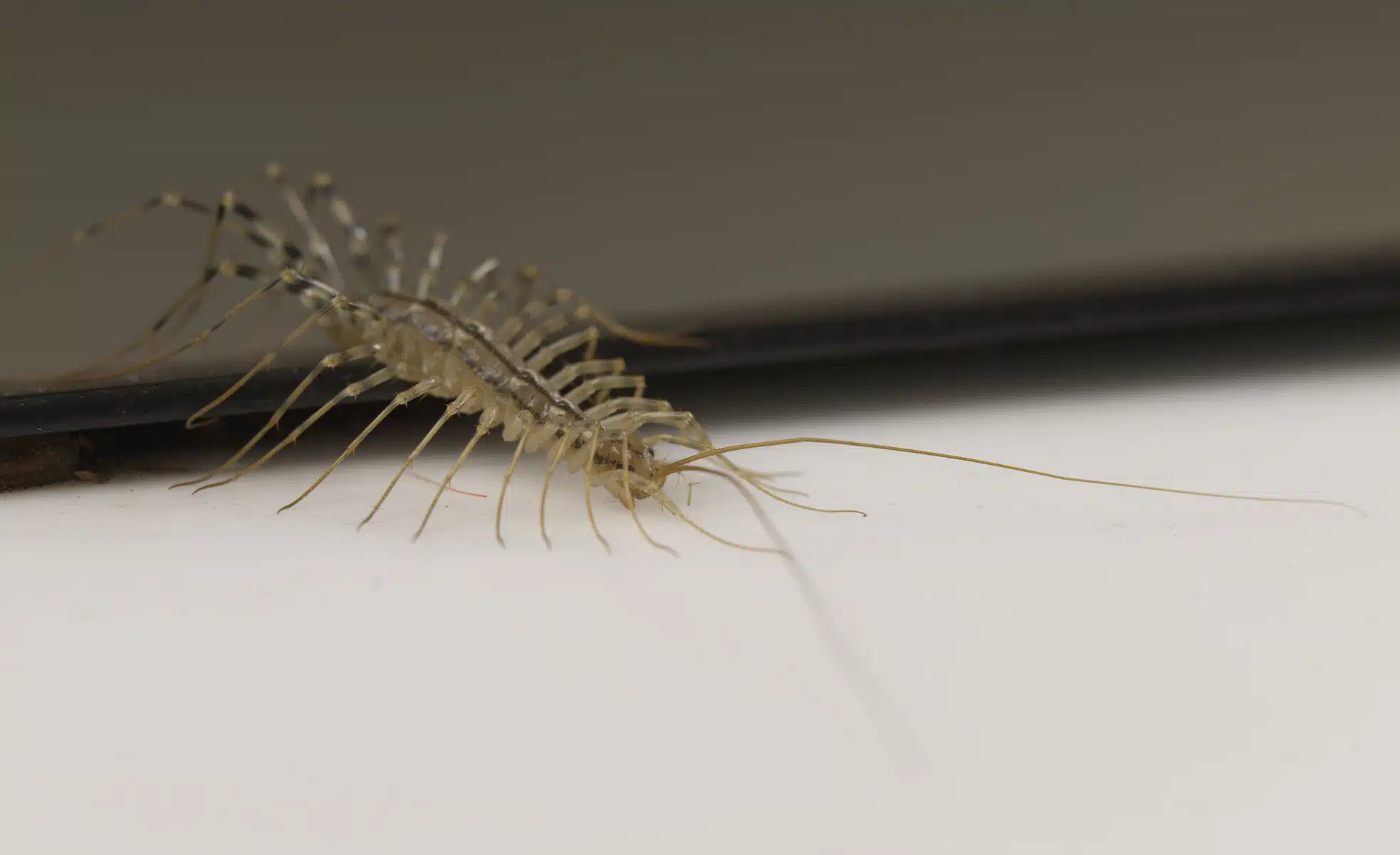
A Quiet and Efficient Predator in Your Home The domestic house centipede (Scutigera coleoptrata) is often regarded as a frightening Read more

Many families choose to place their washing machine in the bathroom to take advantage of the floor drain. However, it Read more
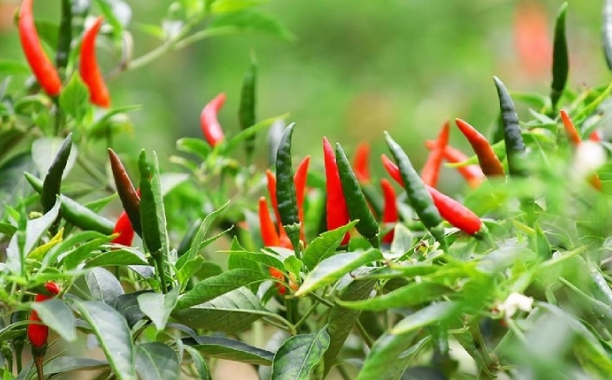
Discover the Untapped Potential of Chili Pepper Leaves: Nutritional Powerhouse for Your Health and Kitchen When you think of chili Read more

When Affection Triumphs Over Blood Ties Sharaine and Wilson Caraballo, warm-hearted parents of a large family with five children, opened Read more

Who among us would like to live in a stifled and dirty home, where unpleasant cooking odors and impurities invade Read more
