
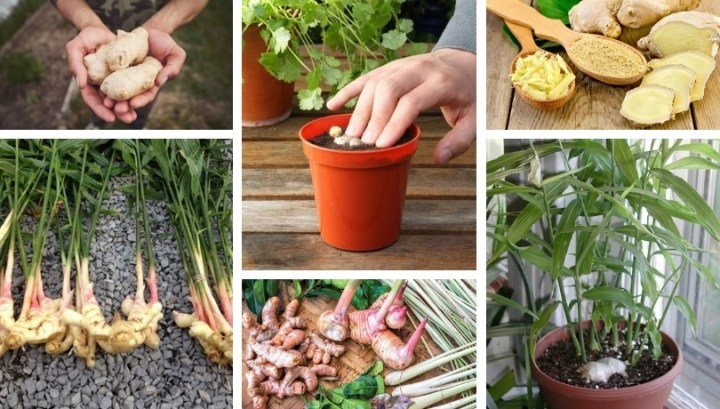
Ginger, renowned for its distinct flavor and numerous health advantages, is a fundamental ingredient in many culinary traditions around the world. Instead of repeatedly purchasing ginger from the market, why not cultivate your own? Whether you have a spacious garden or just a small balcony, growing ginger can be a gratifying and sustainable pursuit. With some insider tips and simple techniques, you can enjoy a steady supply of fresh ginger right at home.
1. Choosing the Right Ginger:
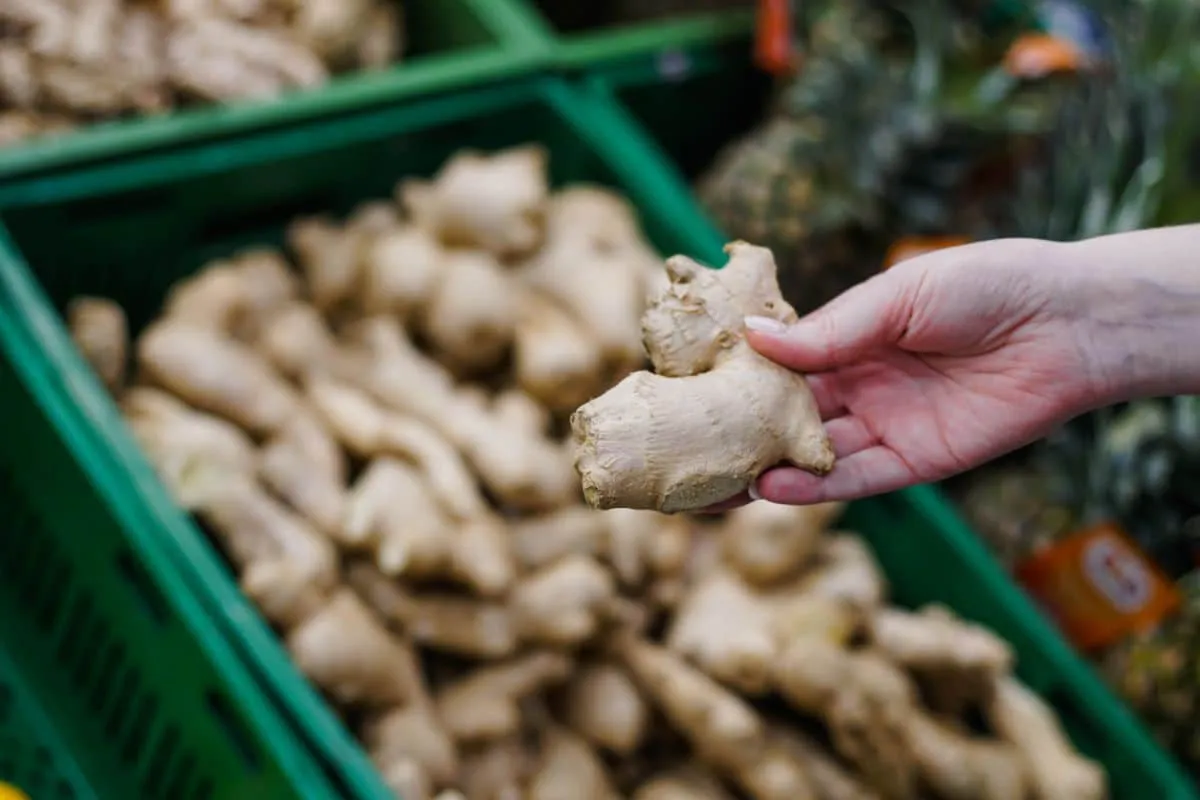
Begin your journey with a fresh ginger rhizome sourced from a trusted supplier. Select plump, firm rhizomes that display visible “eyes” or growth buds. Opting for organic ginger is highly recommended, as it is free from pesticides and chemicals that could impede growth.
2. Preparing the Rhizome:
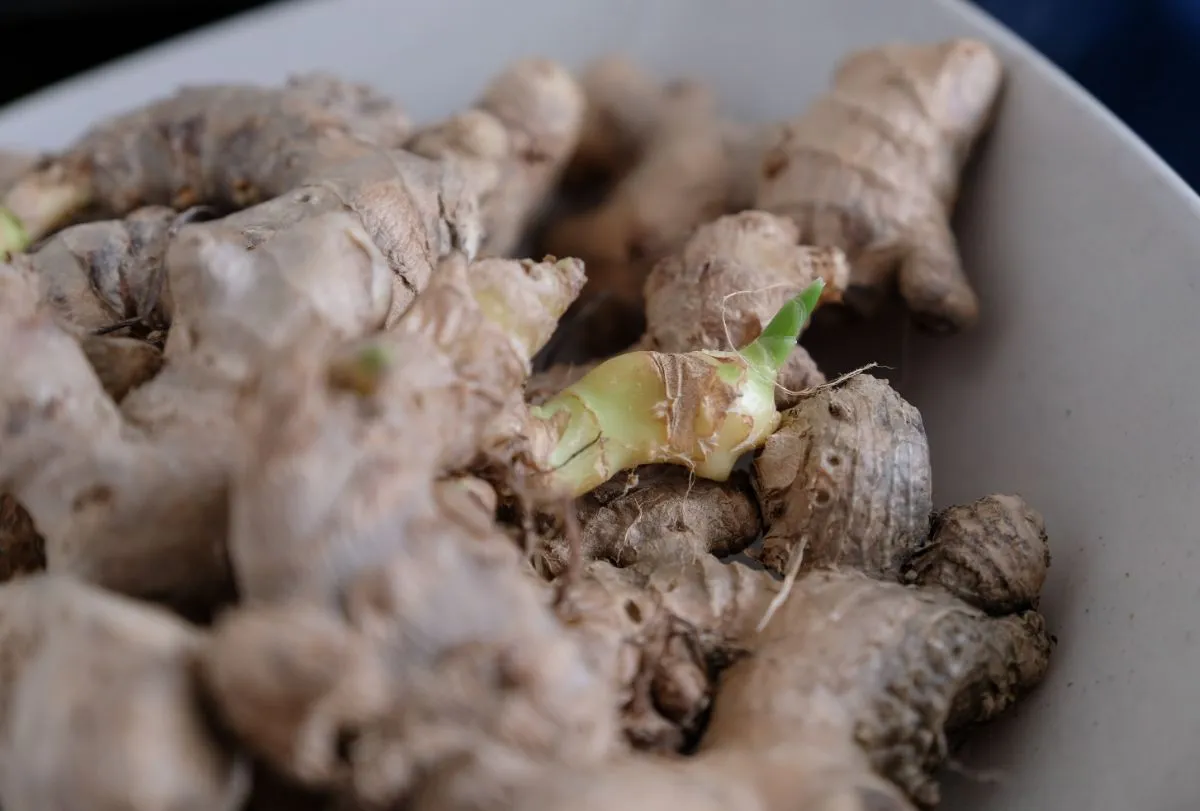
Prior to planting, soak the ginger rhizome in water overnight. This step hydrates and activates the rhizome, encouraging the growth process to begin effectively.
3. Selecting a Pot or Garden Spot:

If you decide to grow ginger in a pot, pick a container that is at least 12 inches deep to accommodate the rhizome’s expanding roots. Make sure the pot has drainage holes to prevent water from accumulating and causing root rot. When planting in a garden, choose an area with well-draining soil coupled with partial shade.
4. Preparing the Soil:
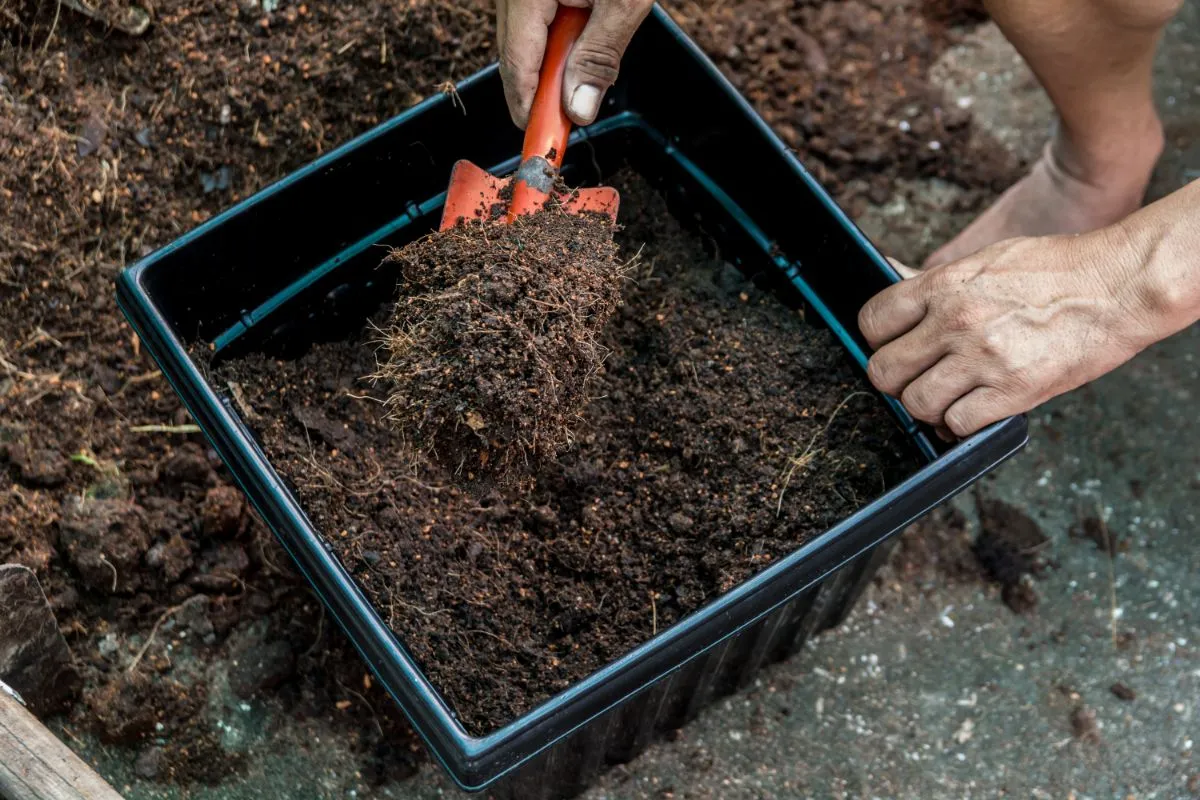
Ginger flourishes best in loose, well-draining soil enriched with organic matter. Incorporate compost or aged manure into your soil to enhance fertility and drainage, providing an ideal environment for robust growth.
5. Planting the Rhizome:

Position the ginger rhizome in the prepared soil with the buds or “eyes” facing upwards. Plant it about one to two inches beneath the surface, making sure each piece of rhizome has adequate space to develop. In pots, you can plant multiple rhizomes, spacing them a few inches apart for optimal growth.
6. Watering:
Maintain consistently moist soil without allowing it to become waterlogged. Since ginger thrives in humid conditions, regular watering is vital. However, avoid overwatering, as excessive moisture may lead to rhizome rot.
7. Providing Shade:
Although ginger prefers warm climates, direct sunlight can damage its tender leaves. Ensure your ginger receives partial shade by situating the pot or garden spot where it will enjoy filtered sunlight or shaded periods throughout the day.
8. Temperature and Climate:
Ginger grows best in tropical and subtropical environments. If you’re located in an area with cold winters, growing ginger in containers allows you to relocate the plants indoors when temperatures drop. Ideal temperatures for ginger growth range from 75 to 85°F (24 to 29°C), promoting vigorous development.
9. Fertilizing:
Feed your ginger plants with a balanced organic fertilizer every four to six weeks during their active growing phase. This nourishment supports healthy leaf growth and encourages substantial rhizome development beneath the soil.
10. Mulching:
Cover the soil around your ginger plants with a layer of organic mulch. Mulching helps retain moisture, suppresses weed growth, and stabilizes soil temperature. Materials such as straw, wood chips, or compost are excellent choices for this purpose.
11. Patience and Time:
Growing ginger is a process that requires patience. It often takes several weeks before green shoots emerge from the soil. Ginger plants usually reach full maturity in eight to ten months. However, if you prefer, you can harvest young ginger earlier for a milder flavor and tender texture.
12. Harvesting:
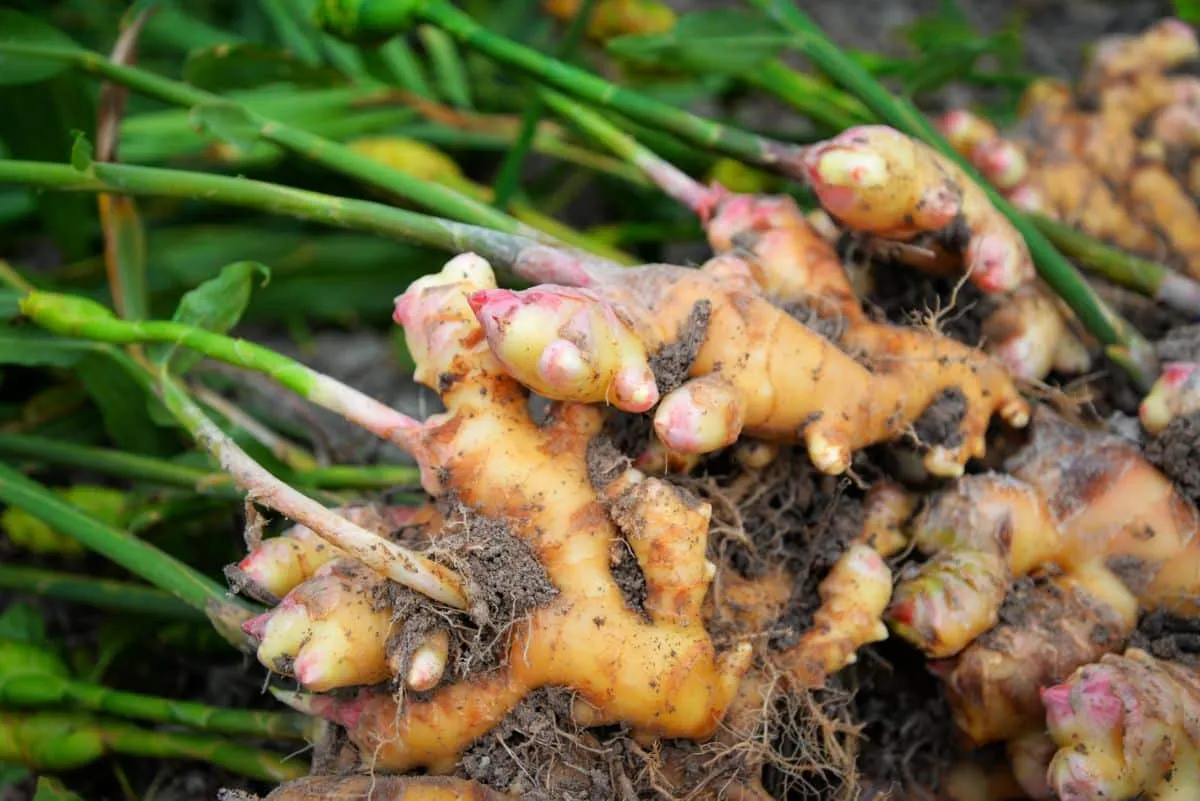
Once your ginger plants have matured, you can begin the harvesting process. Carefully dig around the base of the plant to unearth the rhizomes. Take only what you require, leaving some rhizomes in the soil to continue growing. Remember to replant portions to ensure a continuous harvest in the future.
13. Storing Ginger:
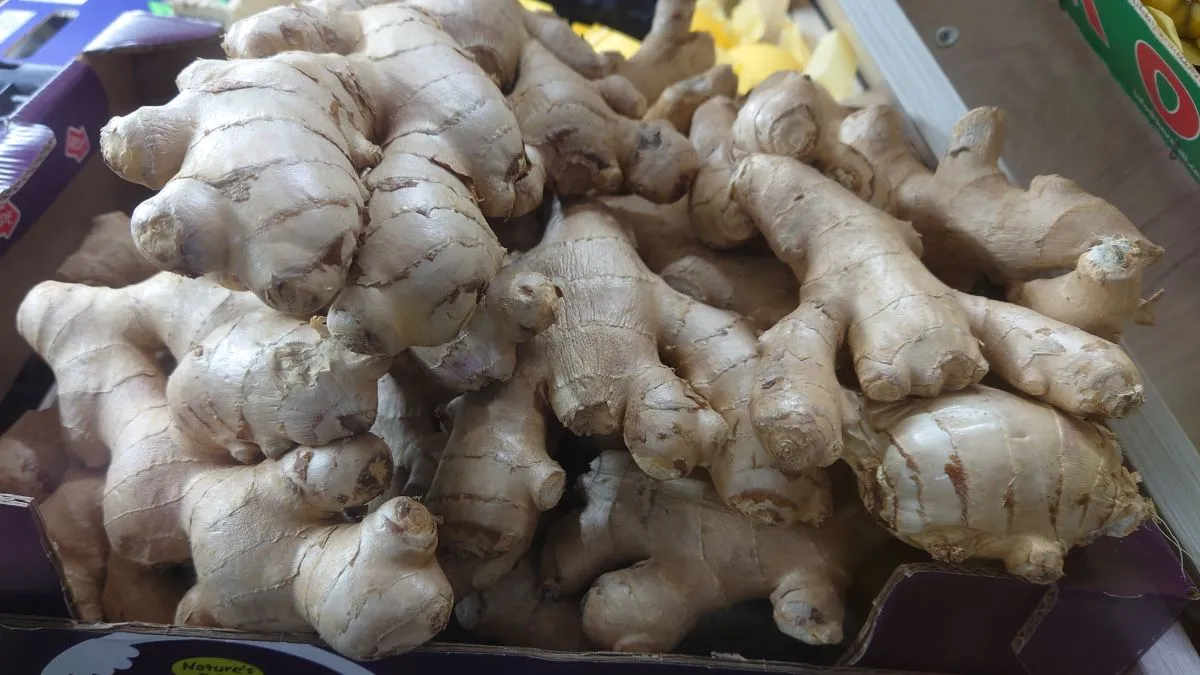
After harvesting, thoroughly wash and dry the ginger rhizomes. Store them in a cool, dry place, or refrigerate by wrapping them in a paper towel and placing them inside a plastic bag. This method helps keep the ginger fresh for several weeks, preserving its flavor and texture.
14. Propagating:
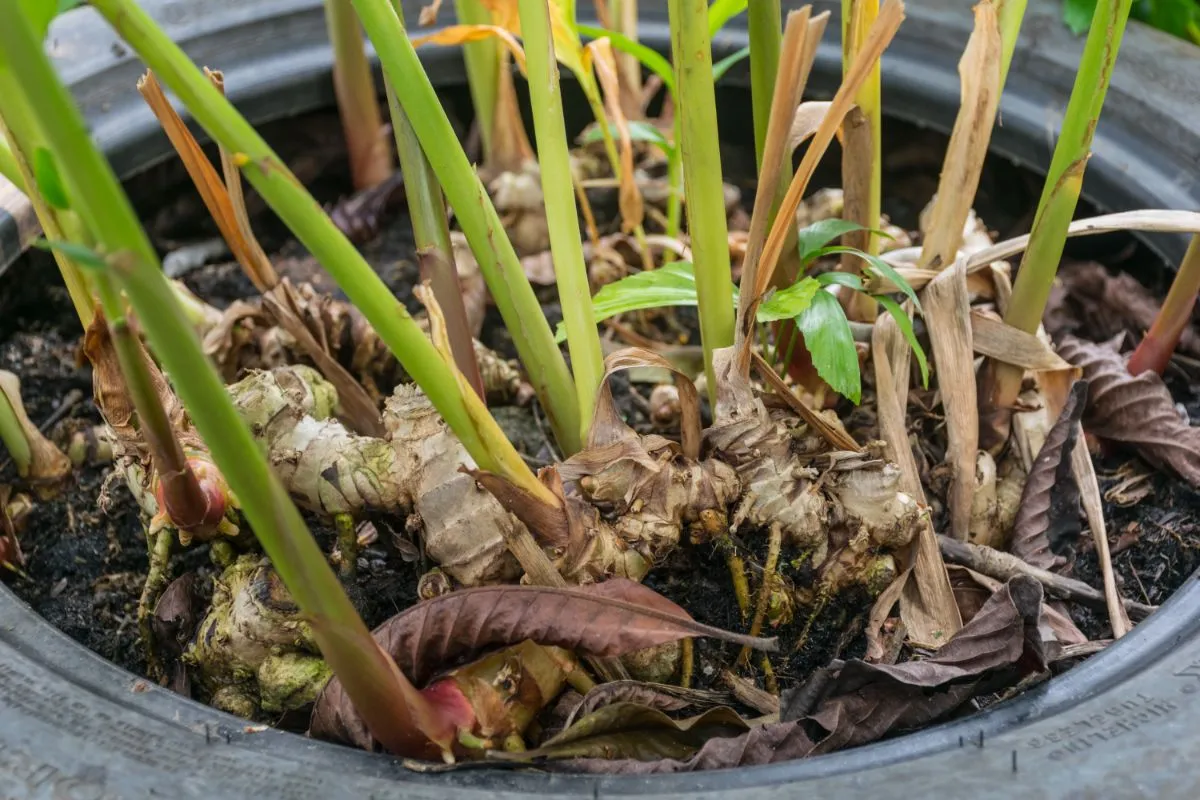
As your ginger plants mature, they will produce additional rhizomes. You can separate these extra growths and replant them to expand your ginger collection or share them with other gardening enthusiasts eager to grow their own fresh ginger.
15. Experiment and Enjoy:
Ginger is an incredibly versatile ingredient in the kitchen. Use your homegrown ginger in a variety of dishes such as teas, stir-fries, curries, desserts, and much more. Explore different culinary recipes, and savor the distinct, vibrant flavor of your freshly harvested ginger.
Cultivating ginger at home is a deeply rewarding experience, granting you continual access to this aromatic and healthful root. By following these detailed tips and techniques, you can successfully grow ginger either in a pot or in your garden. Embrace the joy of nurturing your own produce and infuse your cooking with the zesty, invigorating taste of homegrown ginger.

For gardening enthusiasts, it's a known fact that many plants thrive in humid and warm climates conducive to their growth. Read more

Lavender, a charming addition to any garden, is known for its enchanting aroma and vibrant purple hues. This plant comes Read more

Unlocking the Flowering Potential of Anthuriums Anthuriums are renowned for their stunning, heart-shaped blooms which, under ideal conditions, can grace Read more
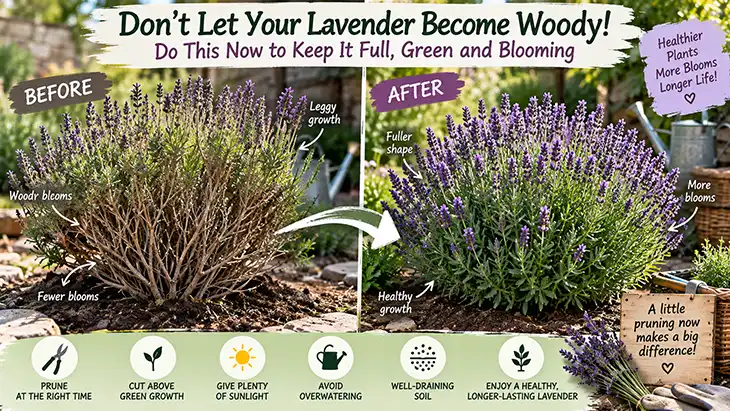
When lavender plants are young, they often present an almost perfect image: a compact shrub with silvery-green foliage, a delightful Read more
Lucky Bamboo: The Zen Symbol of Your Prosperity You've likely seen this elegant green stalk, often gifted in a vase Read more

As sustainability and eco-consciousness increasingly shape our everyday habits, discovering alternative methods to fertilize our gardens grows ever more essential. Read more

Cultivating an Avocado Plant Indoors: A Step-by-Step Guide Nurturing an avocado seed into a blossoming plant within the confines of Read more
Kalanchoe, a stunning and adaptable succulent plant, is admired not only for its ornamental beauty but also for its strong Read more
You carefully plan your getaway, pack your bags, double-check your tickets… and just as you are about to close the Read more

Orchids are renowned for their stunning blooms and are a favorite among indoor plant enthusiasts. However, getting these temperamental beauties Read more
Some years, the effort put into gardening seems barely worth it, but this autumn, the value of gardening becomes clear. Read more
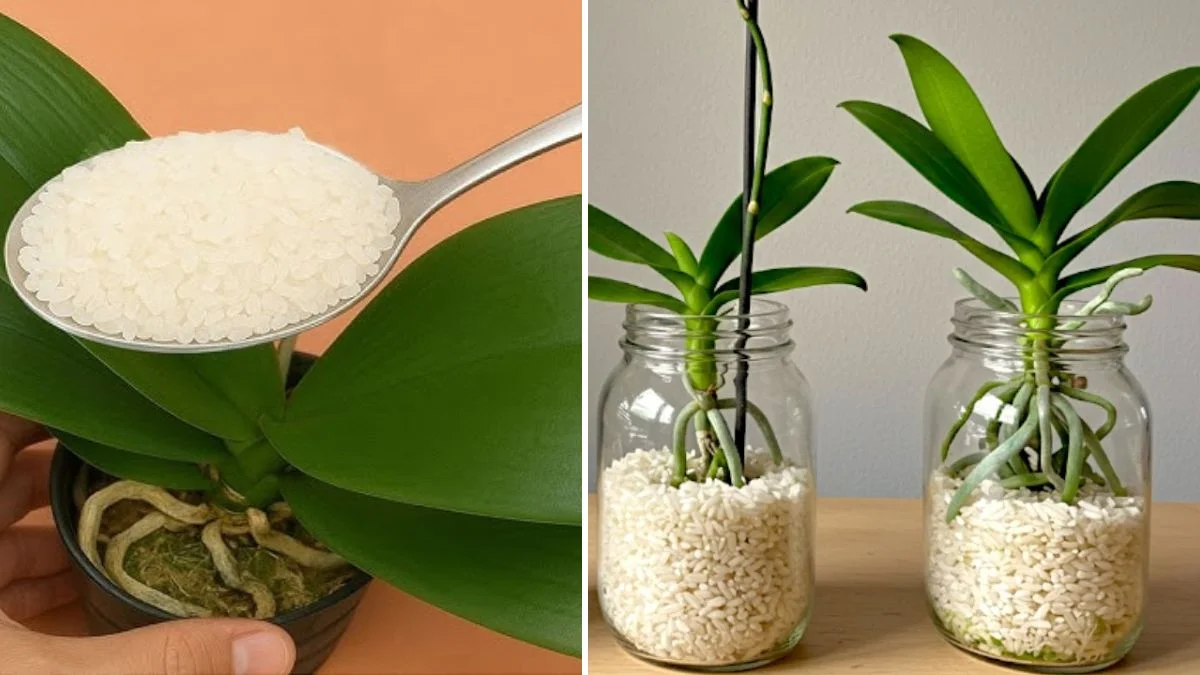
Orchids are among the most cherished ornamental plants worldwide, admired for their exotic flowers, graceful forms, and blooms that last Read more
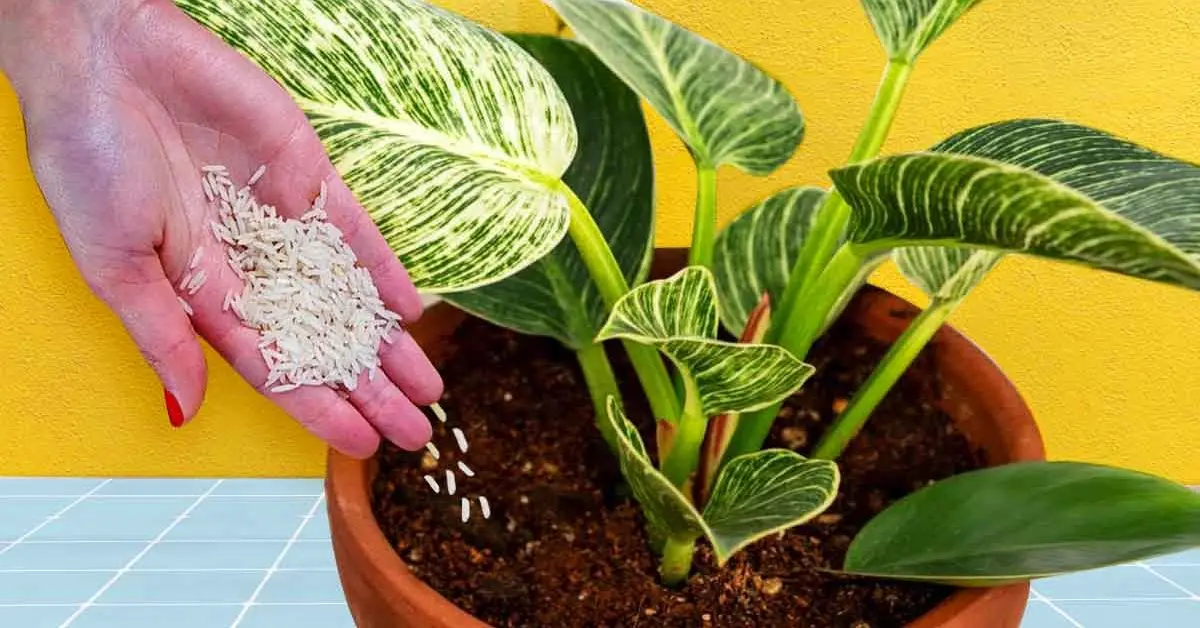
Indoor Plants and Their Benefits Indoor plants not only enhance the decor but also bring a touch of lush greenery. Read more
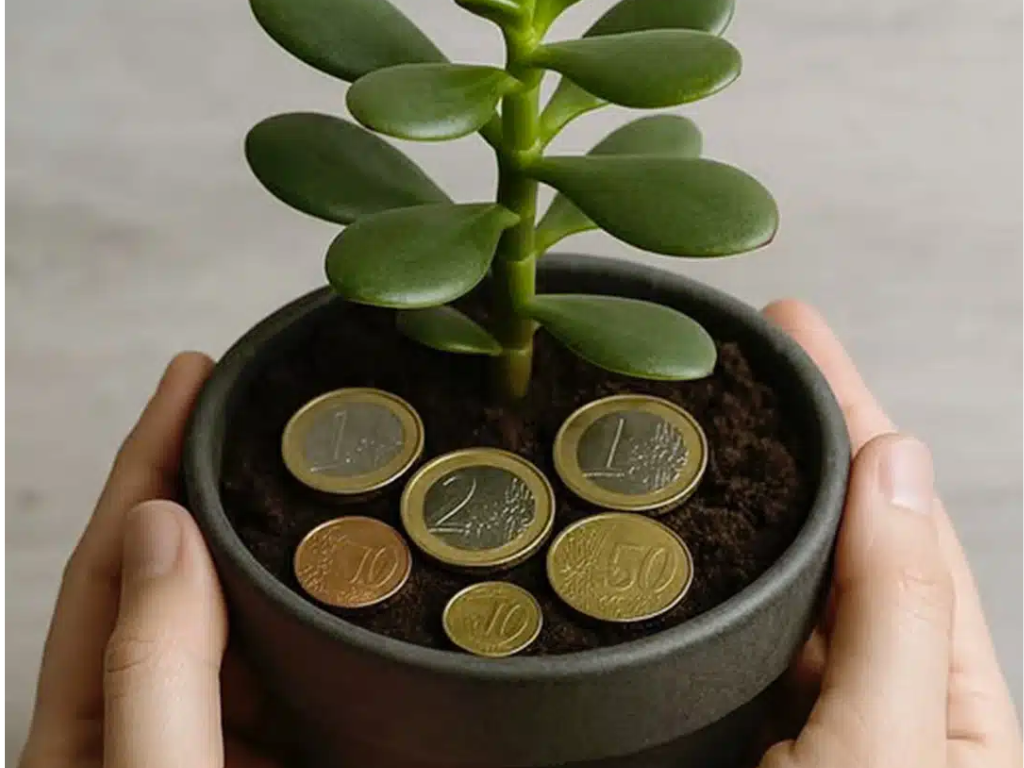
Lucky Bamboo: The Zen Symbol of Your Prosperity You have likely seen this elegant green stalk, often gifted in a Read more
Sleep is a vital component of our overall health, serving as the foundation for a productive and energized day. Yet, Read more

Navigating Aloe Vera Care: Bypassing Usual Oversights Aloe vera, celebrated for its therapeutic properties and eye-catching demeanor, is occasionally compromised Read more

If you don't often get the chance to rejuvenate in the midst of nature, there's an alternative: introducing plants to Read more
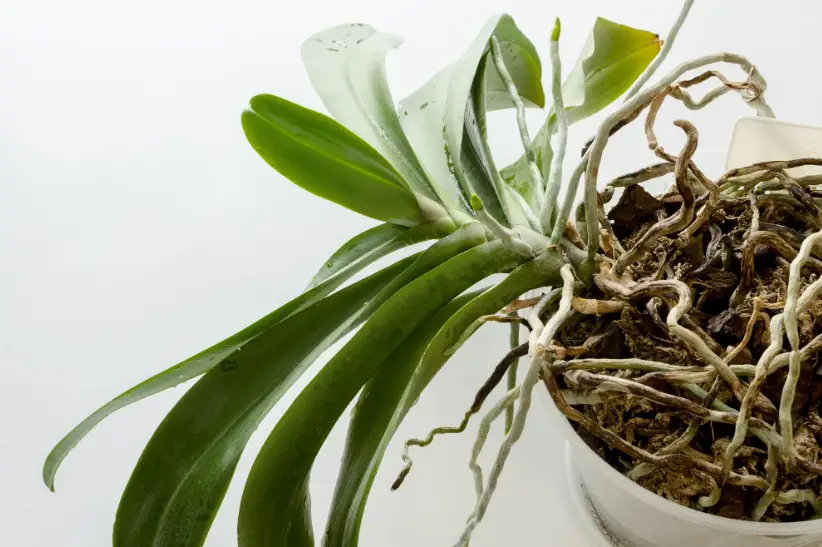
Have you noticed your orchid displaying signs of distress or appearing sickly, seemingly on the brink of death? Don’t lose Read more
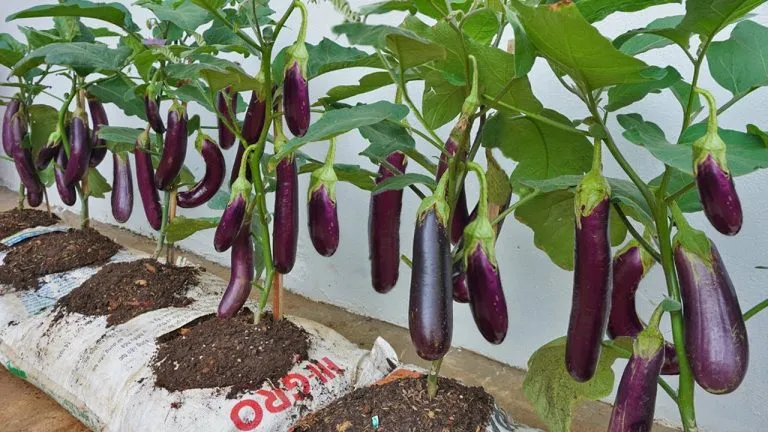
Exploring the World of Eggplants: A Gardener's Guide Eggplants, with their divisive nature, are often a subject of culinary debate. Read more
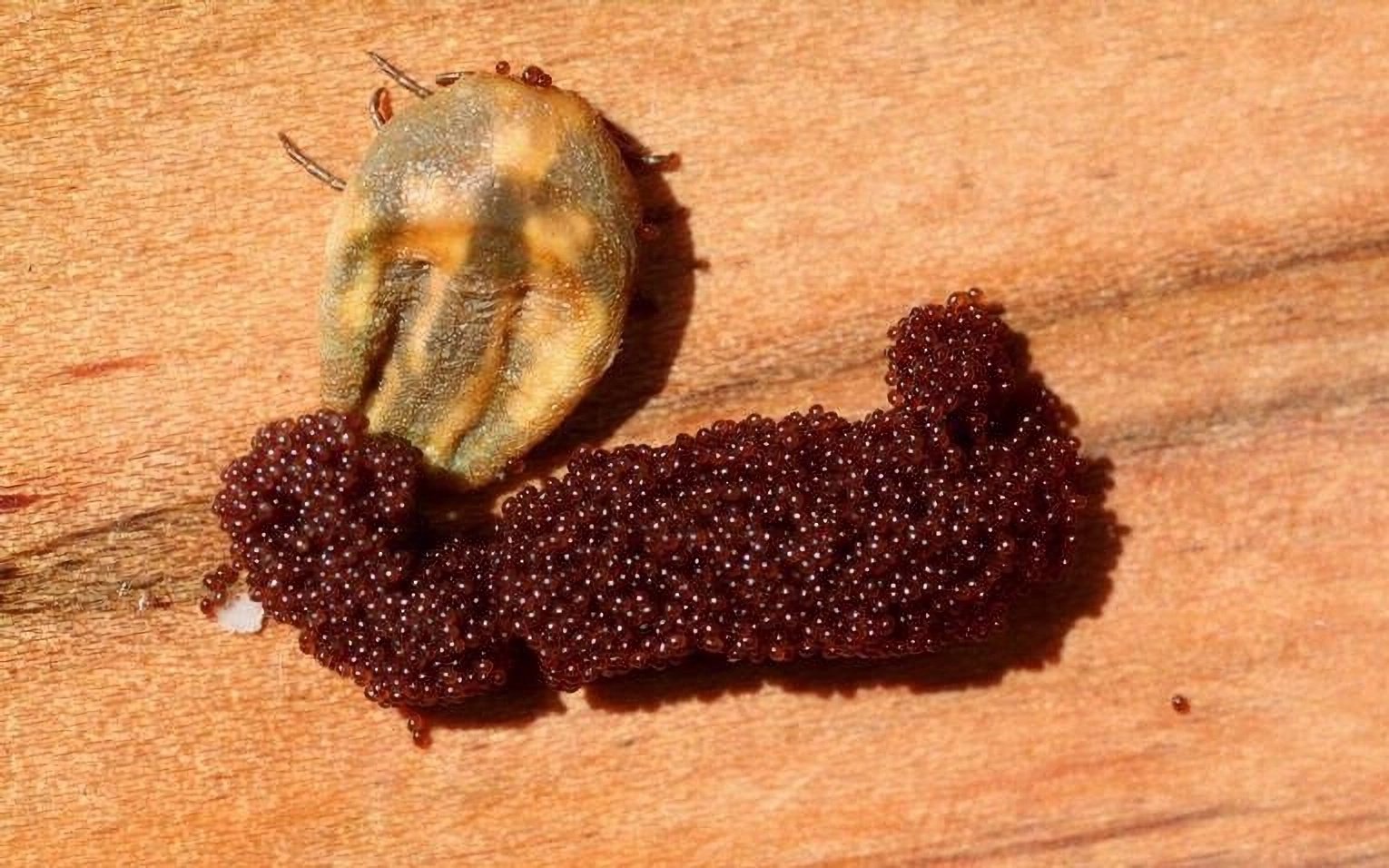
Imagine spending a relaxing afternoon in your backyard, only to stumble upon an unexpected and unwelcome discovery—a cluster of tiny Read more
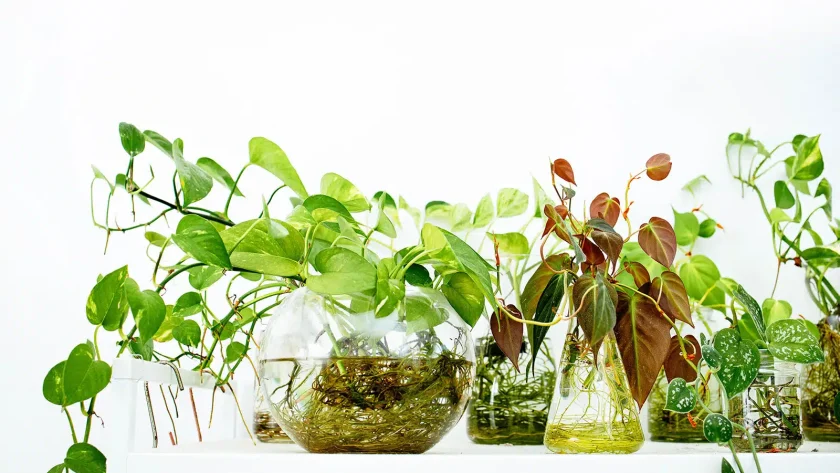
Searching for a distinctive method to incorporate some foliage into your home or workplace? Try cultivating plants hydroponically! Not only Read more
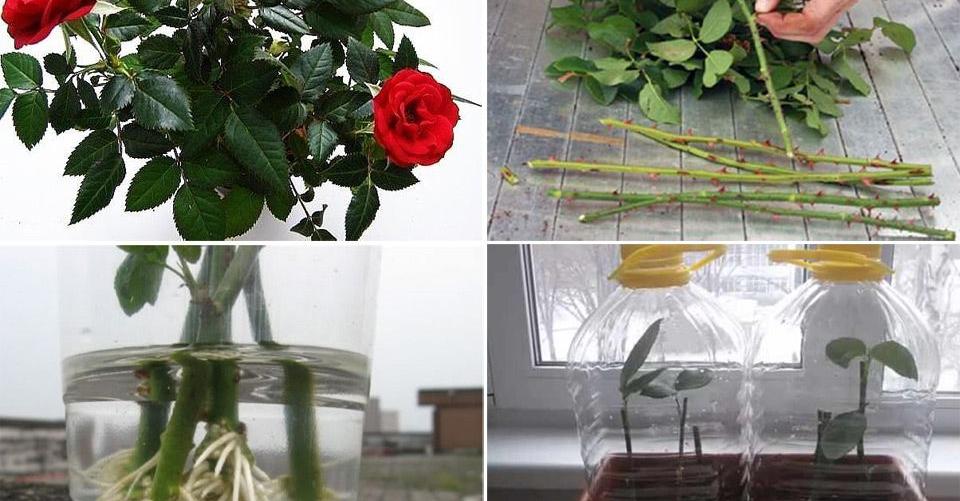
Florists and rose lovers alike understand that the allure of roses need not be ephemeral. It is entirely possible to Read more
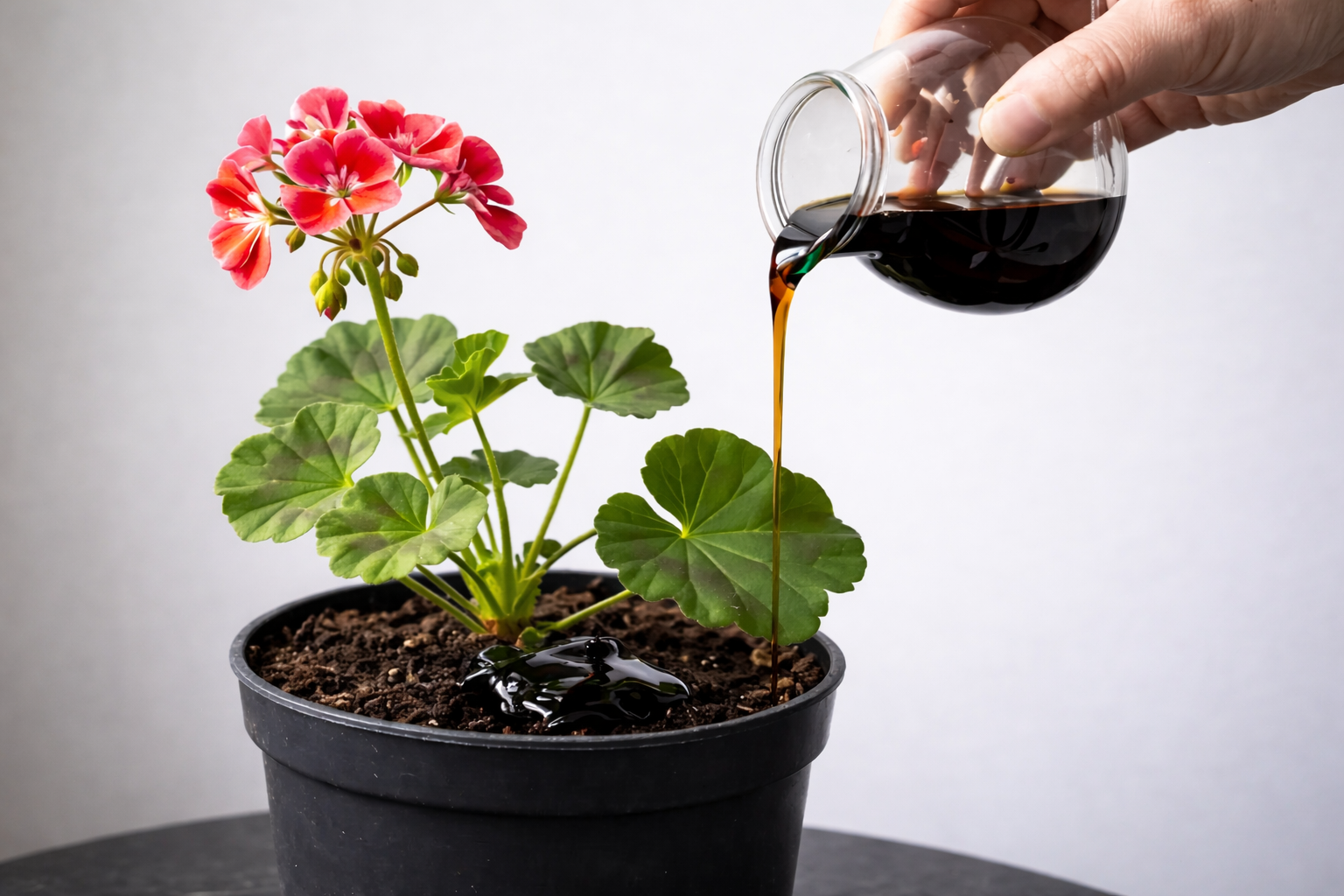
Having geraniums adorned with vibrant blooms for months—sometimes lasting even longer than anticipated—is not a feat reserved solely for expert Read more
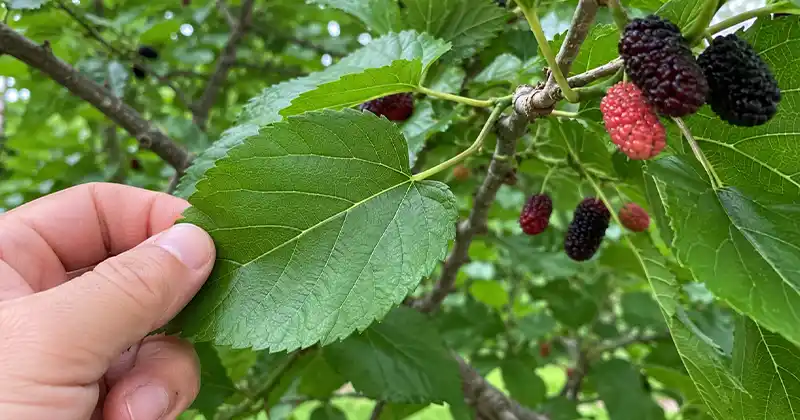
Mulberry trees are best known for their sweet summer berries, yet the leaves they produce hold far greater potential as Read more

In the culinary world, garlic is a staple ingredient that is hard to do without. Cultivating it benefits many plants Read more
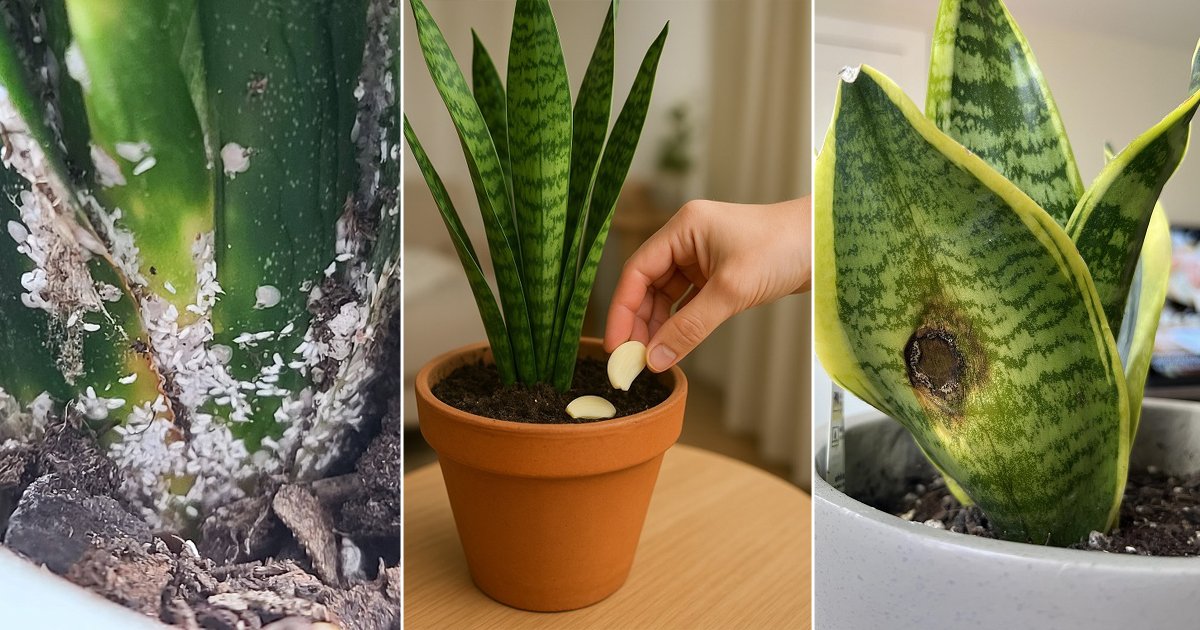
Discover how a simple kitchen ingredient can effectively repel pests, combat diseases, and promote healthier growth in your plants. Snake Read more
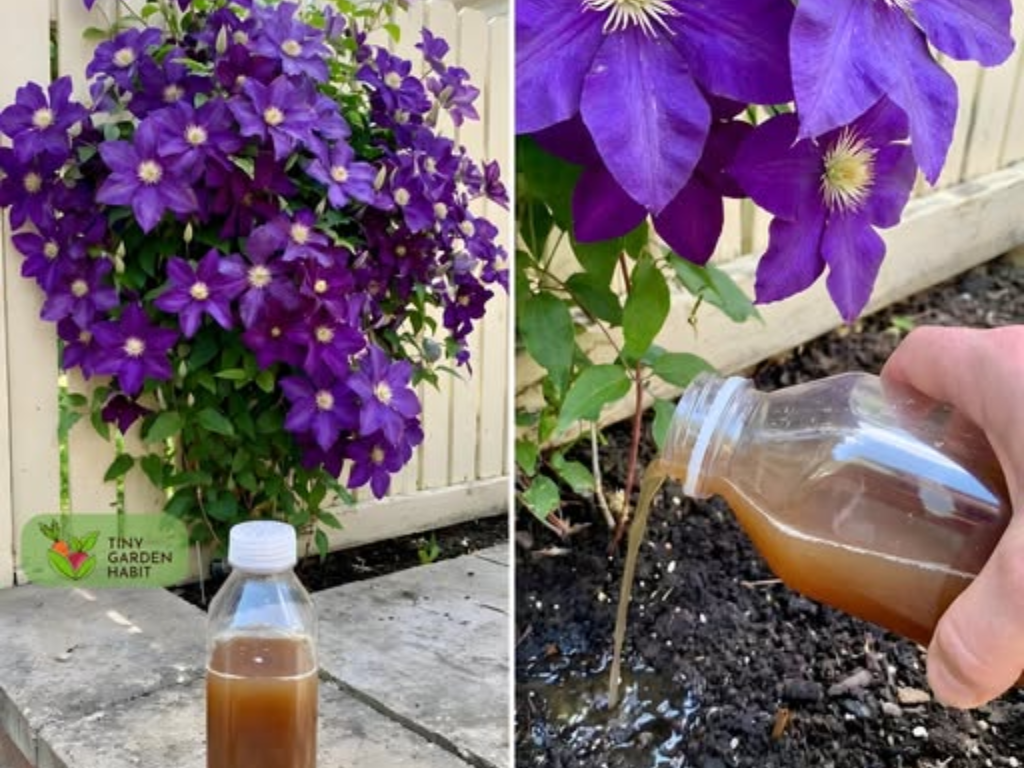
Clematis plants are fundamentally simple organisms, almost mechanical in nature, driven by basic principles of plant hydraulics and a kind Read more

Growing avocados can be a gratifying experience, especially when you cultivate them right in your backyard. While starting avocados from Read more

Neem oil is a completely natural product, derived from a plant native to India. It contains azadirachtin, a potent compound Read more

Wild Medicinal Plants: Harnessing the Hidden Virtues of Earth’s Greenery In the wilderness of our environment—ranging from the expanse of Read more
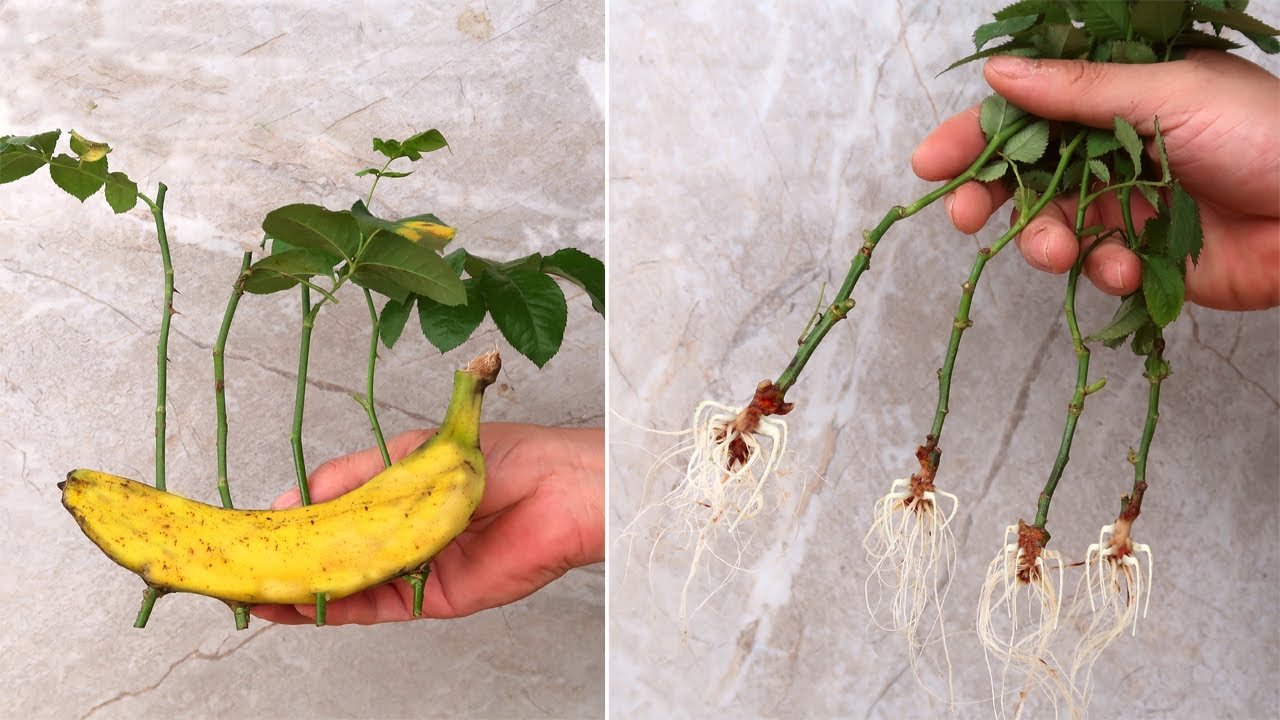
Growing roses from cuttings is an affordable and gratifying method to enlarge your garden, and incorporating a banana into the Read more
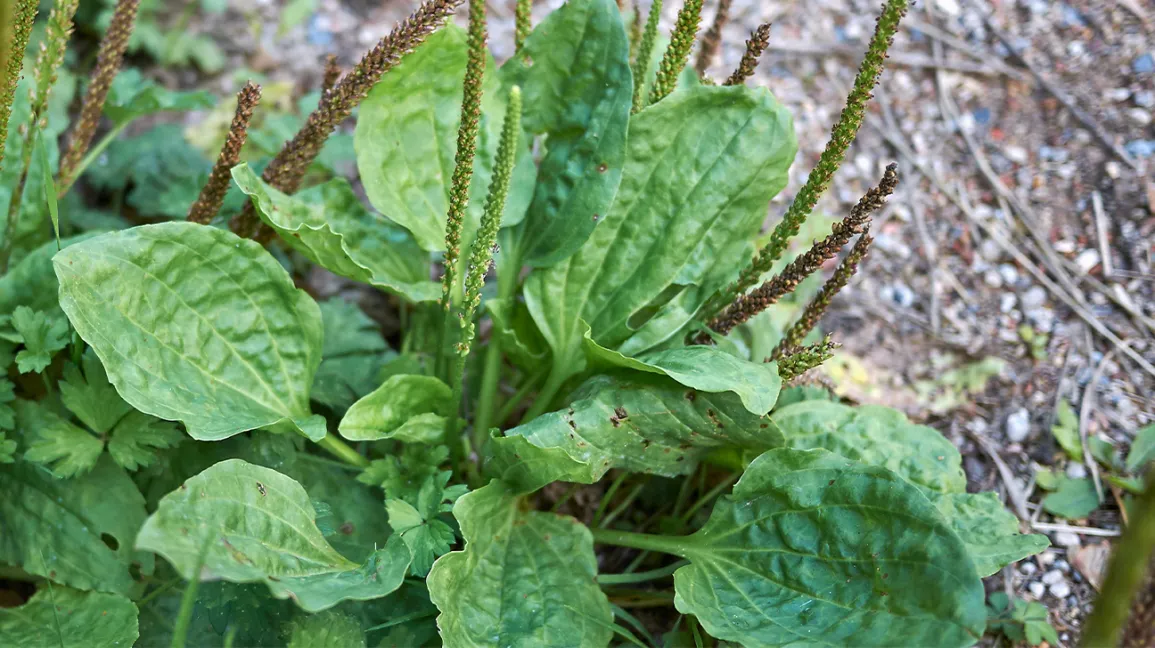
Nature provides us with countless remedies in the form of wild medicinal plants, surrounding us everywhere we go. These healing Read more
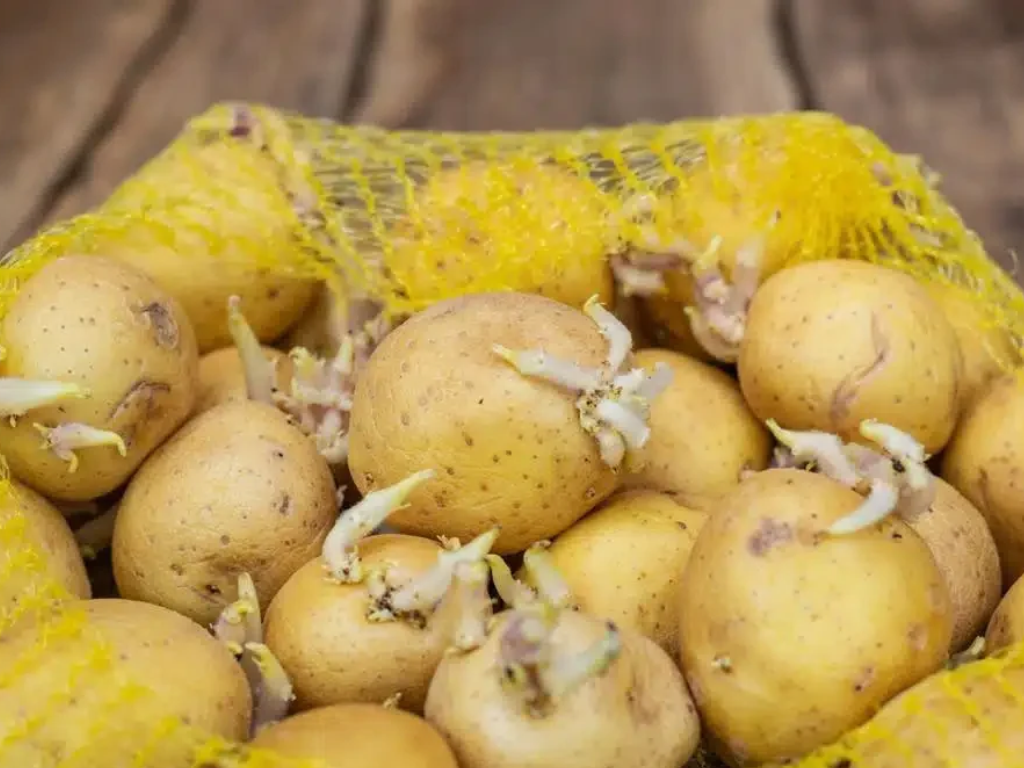
Three Little-Known Tips to Keep Your Potatoes in Perfect Condition Choosing the Right Location for Storage The way you store Read more
Mother-in-law’s tongue, commonly known as Sansevieria, is renowned for its resilience and remarkable air-purifying qualities. It is an ideal choice Read more
Cucumbers are a widely loved vegetable, known for their long, sprawling vines that can easily take up a large portion Read more

Caring for orchids, known for their exquisite and delicate nature, involves a precise approach to hydration. Orchids differ from typical Read more

Have you ever noticed how a tomato freshly picked from your garden tastes far superior to one bought off a Read more
Experienced gardeners are well-acquainted with the practice of turning kitchen scraps into valuable gardening resources. Among these scraps, potato peelings, Read more
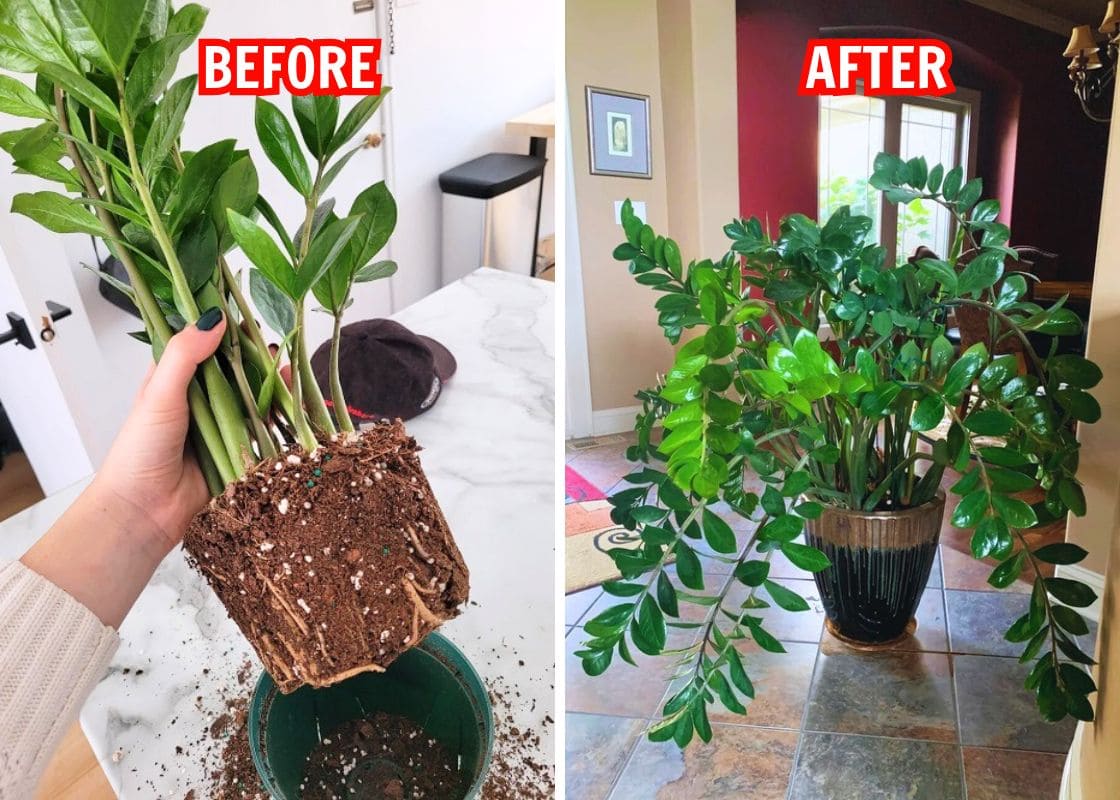
The ZZ plant (Zamioculcas zamiifolia) has earned its reputation as one of the most resilient houseplants available. It can endure Read more
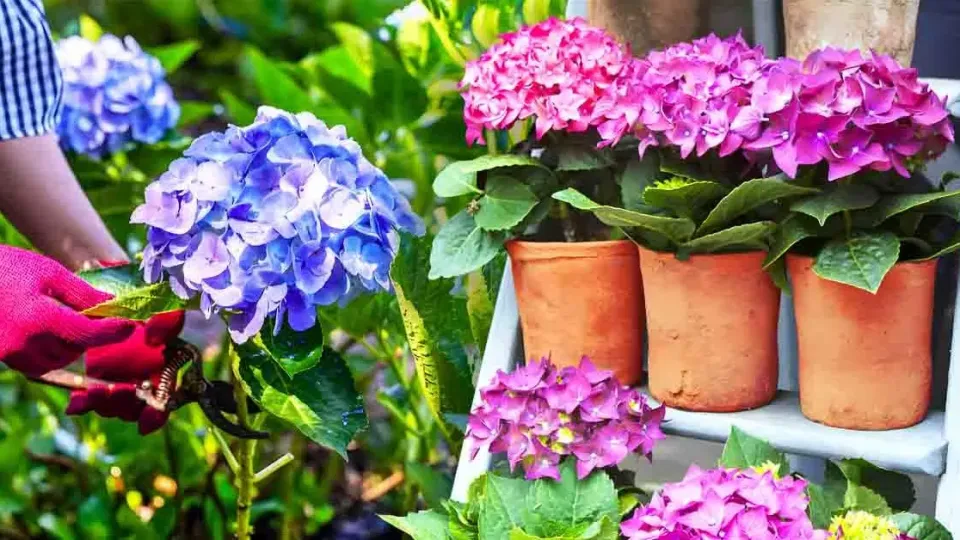
Hydrangeas, with their breathtaking blooms, stand out as one of the most enchanting deciduous flowering bushes. If you've wandered through Read more
