
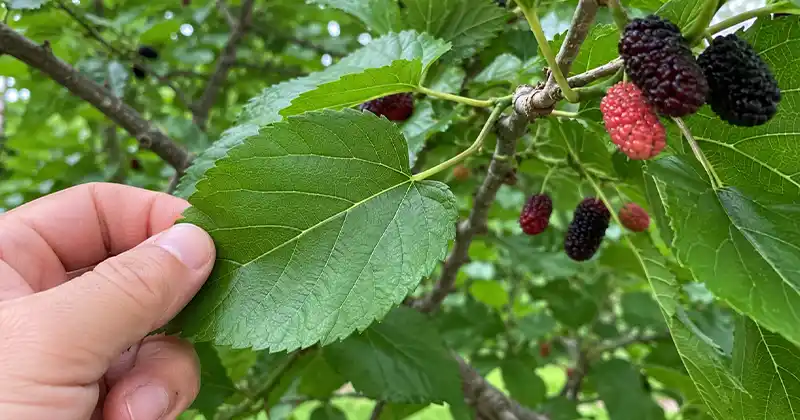
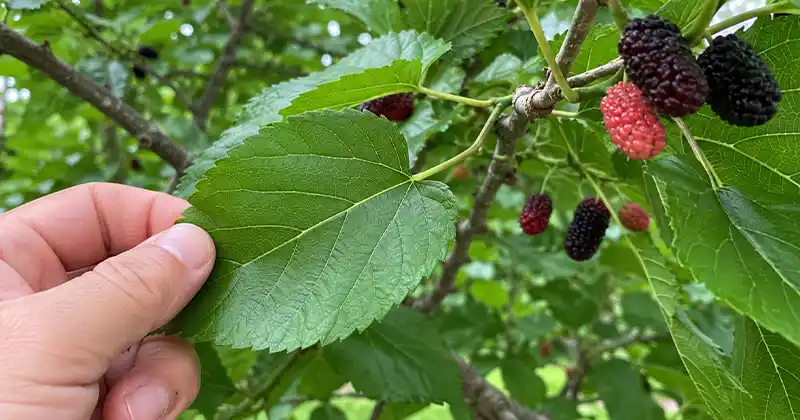
Mulberry trees are best known for their sweet summer berries, yet the leaves they produce hold far greater potential as natural health enhancers. Valued for centuries in Asian wellness traditions, mulberry leaves are rich in unique plant compounds, vital vitamins, and minerals that support everyday energy and overall vitality. Modern scientific studies now confirm that these unassuming leaves serve as an accessible natural source of health benefits for people everywhere.
The Key Health Benefits of Mulberry Leaves
Blood Sugar Regulation: Mulberry leaves contain a distinct natural compound called 1-deoxynojirimycin (DNJ). This compound slows the breakdown and digestion of carbohydrates in the intestines, helping to prevent rapid spikes in blood sugar and insulin following meals.
Support for Cardiovascular Health and Cholesterol: Flavonoids and antioxidants present in mulberry leaves contribute to lowering “bad” LDL cholesterol and triglyceride levels while encouraging healthy “good” HDL cholesterol levels. This balance promotes smooth blood flow and supports long-term heart health.
Exceptional Nutritional Profile: Mulberry leaves are packed with essential nutrients. They supply significant amounts of calcium, iron, zinc, magnesium, vitamin C, and essential amino acids, all necessary for sustaining energy levels and proper muscle function.
Rich in Antioxidants: Due to natural compounds such as rutin and quercetin, mulberry leaves help neutralize free radicals inside the body. This activity reduces systemic inflammation, protects cells from daily damage, and aids in skin and tissue repair.
Digestive Health Support: Containing soluble fibers and mucilages, mulberry leaves soothe the digestive tract, promote smooth intestinal transit, and nourish the beneficial bacterial flora in the colon.
Skin Benefits: Whether applied topically or consumed regularly, the anti-inflammatory and antibacterial properties of mulberry leaves help to calm redness, reduce acne, and gradually lighten pigmentation spots.
Simple Ways to Incorporate Mulberry Leaves Into Your Daily Routine
Enjoying the health benefits of mulberry leaves is easy and requires no expensive tools or complicated methods. Below are five straightforward ways to prepare and consume mulberry leaves at home:
Infusion of Fresh or Dried Leaves
Main Benefit: Helps regulate blood sugar and offers daily hydration.
How to Prepare: Place 1 to 2 teaspoons of dried leaves (or 4 to 5 thoroughly rinsed fresh leaves) in a cup. Pour hot water over them and let steep for 8 to 10 minutes. Strain and drink plain, preferably just before or during a carbohydrate-rich meal.
Homemade Leaf Powder
Main Benefit: Provides a convenient nutritional boost to add to meals and beverages.
How to Prepare: Wash fresh leaves thoroughly, then dry them completely with a food dehydrator or by spreading them out in a warm, well-ventilated space for several days. Grind into a fine powder using a blender or spice grinder. Add half a teaspoon of the powder to your morning smoothie, a bowl of porridge, yogurt, or soup.
Cooked Vegetable Dish From Leaves
Main Benefit: Offers direct nutrition, prepared similarly to conventional vegetables.
How to Prepare: Harvest young leaves in late spring. Boil them for 3 to 5 minutes to soften and reduce slight bitterness. Drain, then sauté with olive oil, garlic, and a pinch of salt. Serve as a simple side dish.
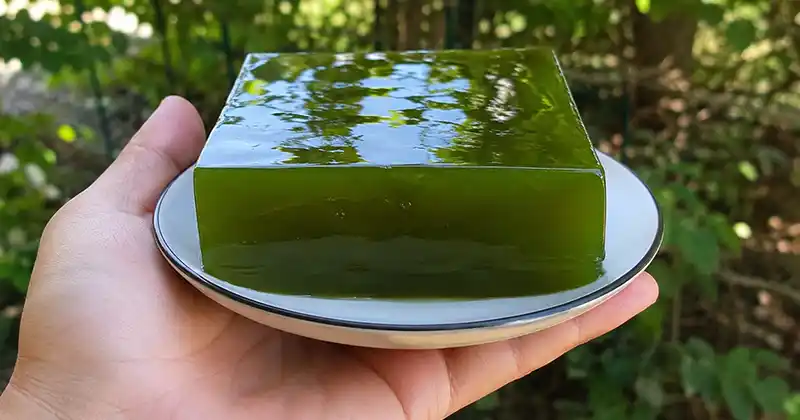
Mulberry Leaf Jelly (Plant-Based)
Main Benefit: A refreshing summertime dessert that retains water-soluble nutrients.
How to Prepare: Blend fresh leaves with cold water, then strain out the pulp to obtain a dark green infusion. Gently warm this liquid over low heat and add a plant-based gelling agent such as agar-agar or neutral gelatin. Pour the mixture into small molds and refrigerate until it sets completely.
Soothing Facial Wash or Compresses
Main Benefit: Comforts skin irritations, rashes, and inflammatory redness.
How to Prepare: Make a very concentrated mulberry leaf infusion and allow it to cool to room temperature. Use this infusion to gently rinse the face or soak a clean cloth and apply it to irritated areas for 10 minutes.
Tips for Harvesting and Using Mulberry Leaves
Select Safe Sources: Gather leaves only from mulberry trees growing away from busy roads, industrial zones, or agricultural fields treated with chemical pesticides or herbicides.
Best Harvest Time: Young, light green leaves picked in spring or early summer have the mildest flavor and the highest concentration of beneficial active compounds.
Proper Storage: Store fully dried leaves in an airtight container kept away from heat and direct sunlight. They retain their effectiveness for up to one year.
Optimal Consumption Timing: To maximize blood sugar regulation effects, drink mulberry leaf tea or consume the powder within 15 minutes before a meal.
Use in Moderation: Mulberry leaves are generally safe for daily use, but it’s best to start with small amounts to see how your body responds. Individuals undergoing treatment to lower blood sugar should monitor their levels regularly and exercise caution.
Incorporating mulberry leaves into your daily regimen is an easy, affordable, and natural way to enhance physical health with a widely available plant. Whether enjoyed as a hot daily infusion, added as a nourishing powder, or shaped into a refreshing jelly, mulberry leaves open the door to the benefits of a natural treasure.

Gardening: The Harmony of Craft and Nature Gardening brings out a dance between human creativity and the wonders of nature. Read more

Using White Vinegar for Garden Maintenance Gardening is never an easy task. Planting, weeding, and watering plants and flowers require Read more
Ginger, renowned for its distinct flavor and numerous health advantages, is a fundamental ingredient in many culinary traditions around the Read more
Snake plants, scientifically known as Dracaena trifasciata and previously classified as Sansevieria, are favored houseplants admired for their resilience and Read more
Growing Chayote from Supermarket Fruit: Abundant Harvests Made Easy If you've ever strolled through the produce aisle and spotted a Read more
The jade plant boasts stunning foliage, making it an excellent choice for enhancing both garden landscapes and indoor environments. Beyond Read more
You have probably found yourself here because you are tired of seeing your Christmas cactus looking like the Ghost of Read more

Navigating Aloe Vera Care: Bypassing Usual Oversights Aloe vera, celebrated for its therapeutic properties and eye-catching demeanor, is occasionally compromised Read more

Orchids are renowned for their stunning blooms and are a favorite among indoor plant enthusiasts. However, getting these temperamental beauties Read more

Understanding Fertilizers for Plants Fertilizer is a product that can be spread or mixed into the soil to provide plants Read more
Are you searching for an affordable and eco-friendly alternative to chemical fertilizers? An unexpectedly powerful solution might already be in Read more

In this exploration, we uncover eight homemade, natural solutions that act as effective rooting agents for plant propagation through cuttings. Read more
Hydrangeas, with their breathtaking blooms, stand out as one of the most enchanting deciduous flowering bushes. If you've wandered through Read more
Basil, a cherished herb celebrated in culinary traditions around the globe, is best known for its fragrant leaves. Yet, its Read more
Self-Seeding Flowers: Effortless Beauty That Returns Every Year When I first fell in love with gardening, my mother came to Read more
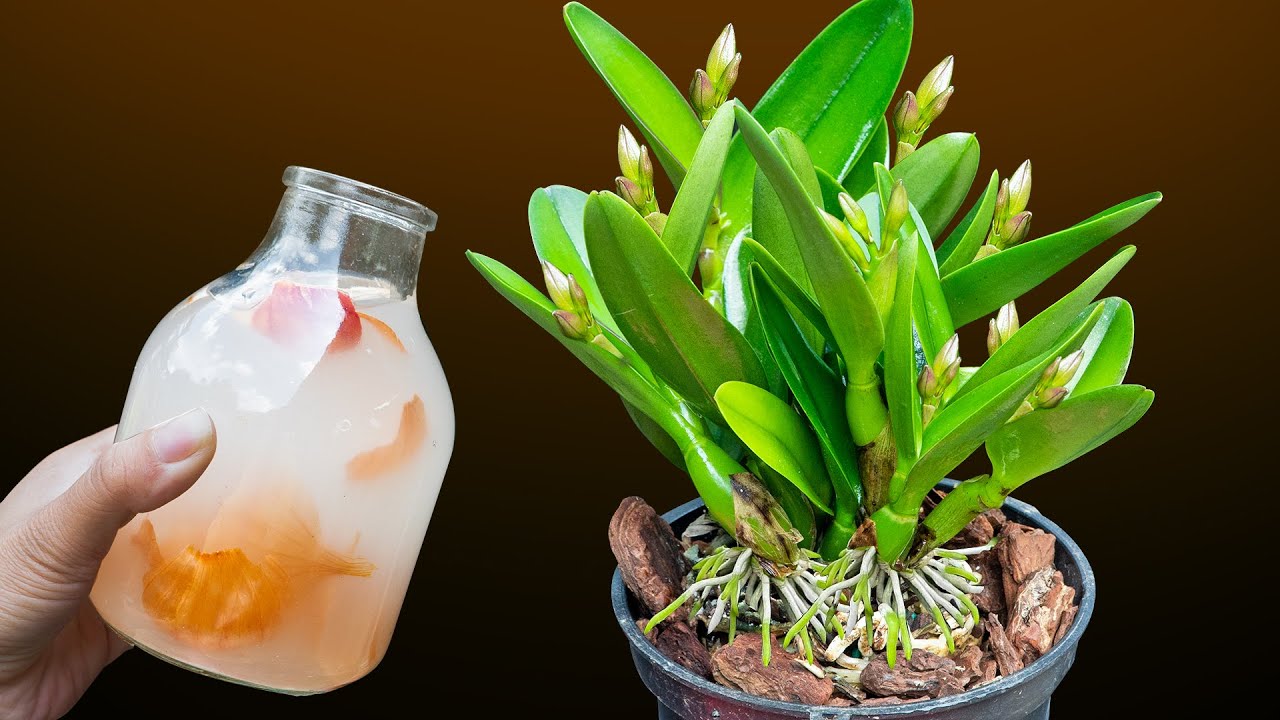
Orchids, admired for their exotic beauty and vast variety, demand specific care to flourish. While many growers rely on commercial Read more
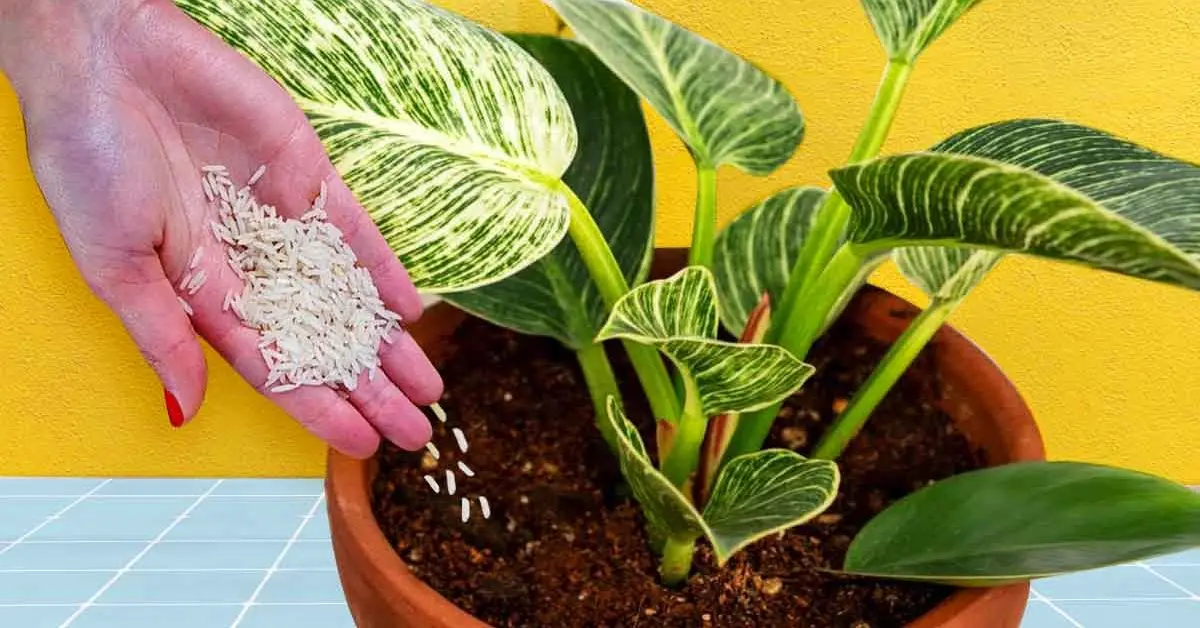
Indoor Plants and Their Benefits Indoor plants not only enhance the decor but also bring a touch of lush greenery. Read more

Cultivating an Avocado Plant Indoors: A Step-by-Step Guide Nurturing an avocado seed into a blossoming plant within the confines of Read more

If you don't often get the chance to rejuvenate in the midst of nature, there's an alternative: introducing plants to Read more

Tea, the staple of morning routines and afternoon breaks, may have a second life beyond the cup that's often ignored. Read more
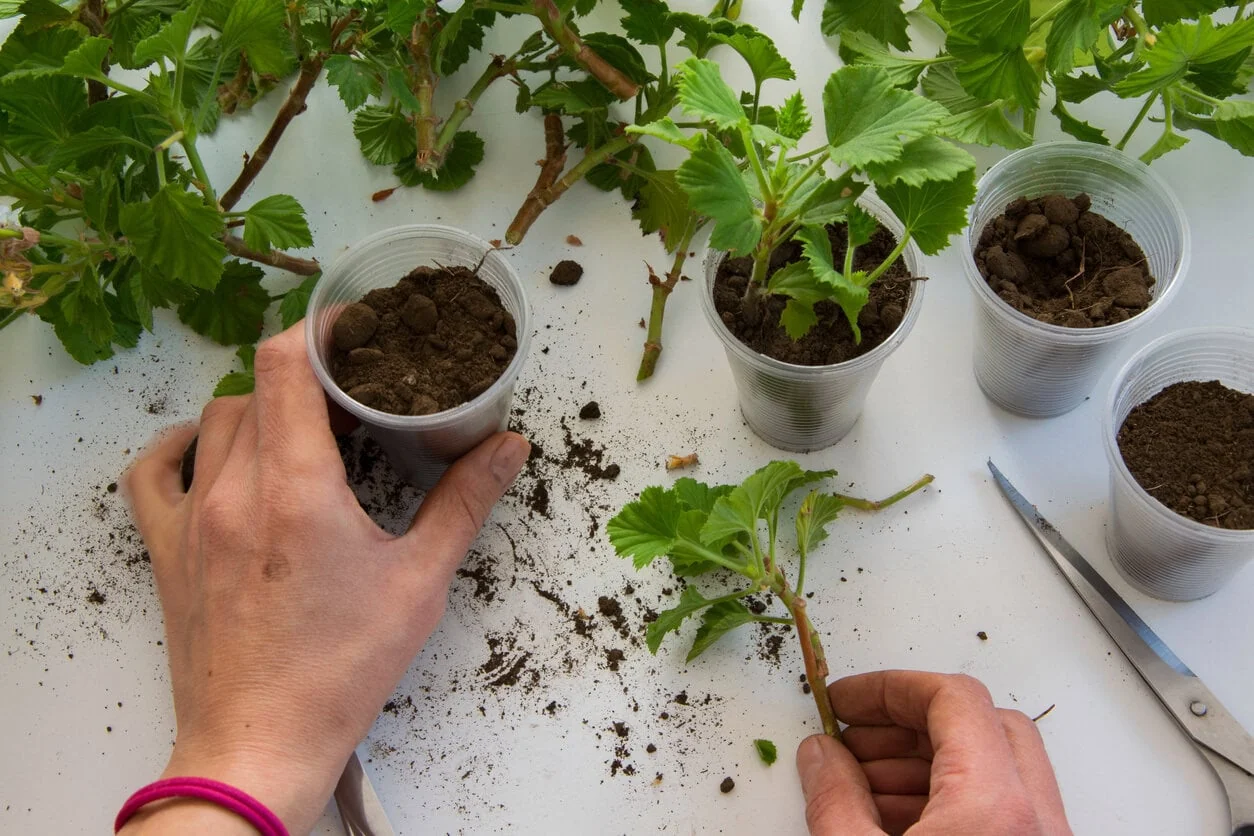
Some years, the effort put into gardening seems barely worth it, but this autumn, the value of gardening becomes clear. Read more

Orchids, celebrated for their intricate beauty and variety, need particular attention for optimal growth. In the realm of orchid care, Read more
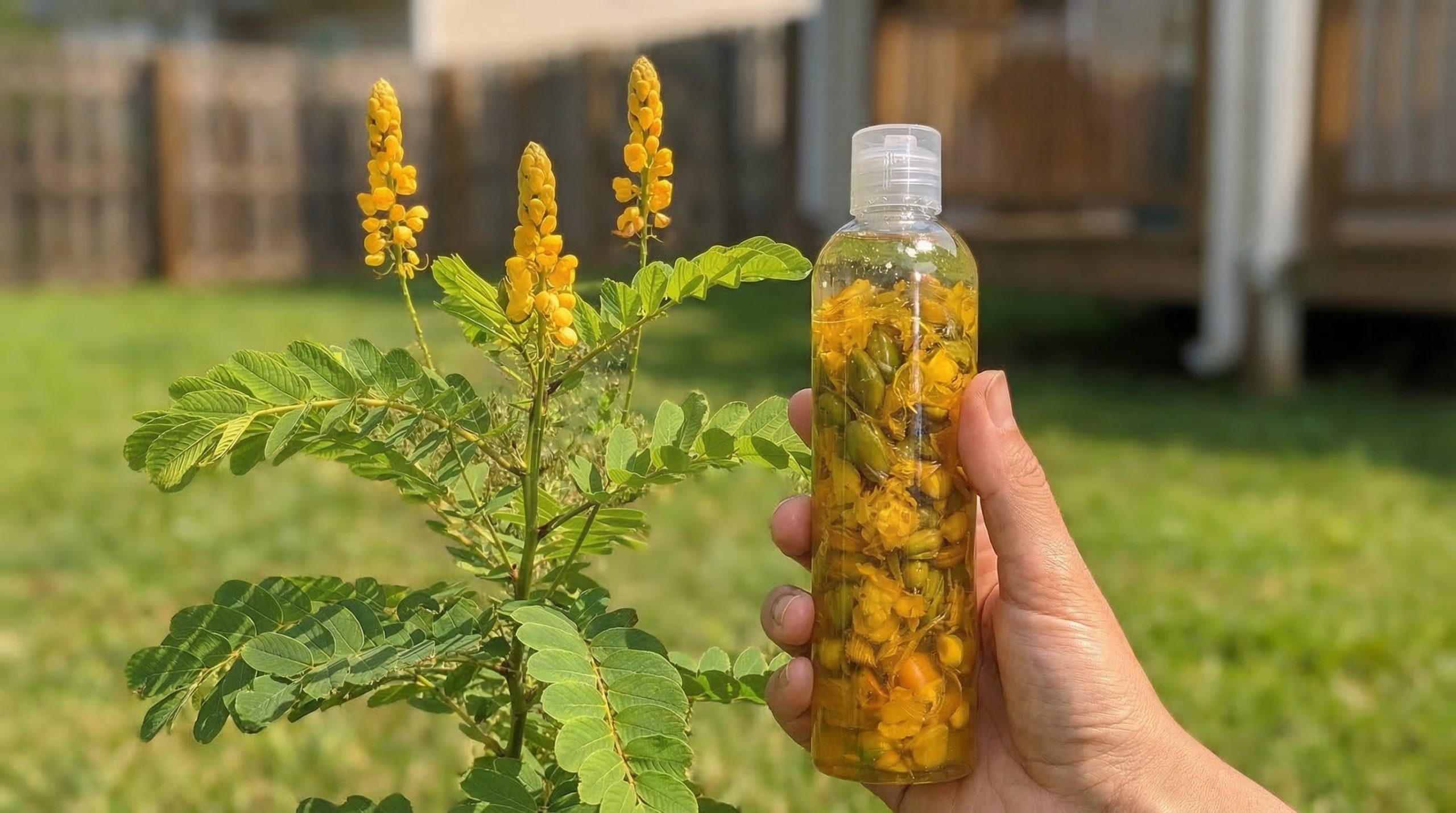
Senna alata, widely known as the Candle Bush, Ringworm Bush, or Empress Candle Plant, is a visually captivating tropical shrub Read more
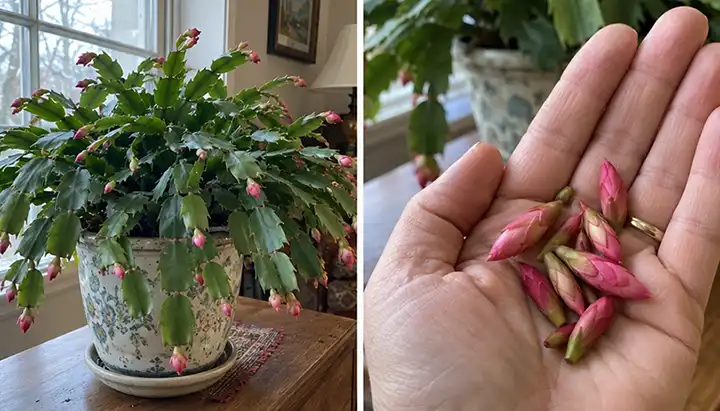
If your Christmas cactus has stayed healthy throughout the year but produced only a few flowers last winter, October might Read more
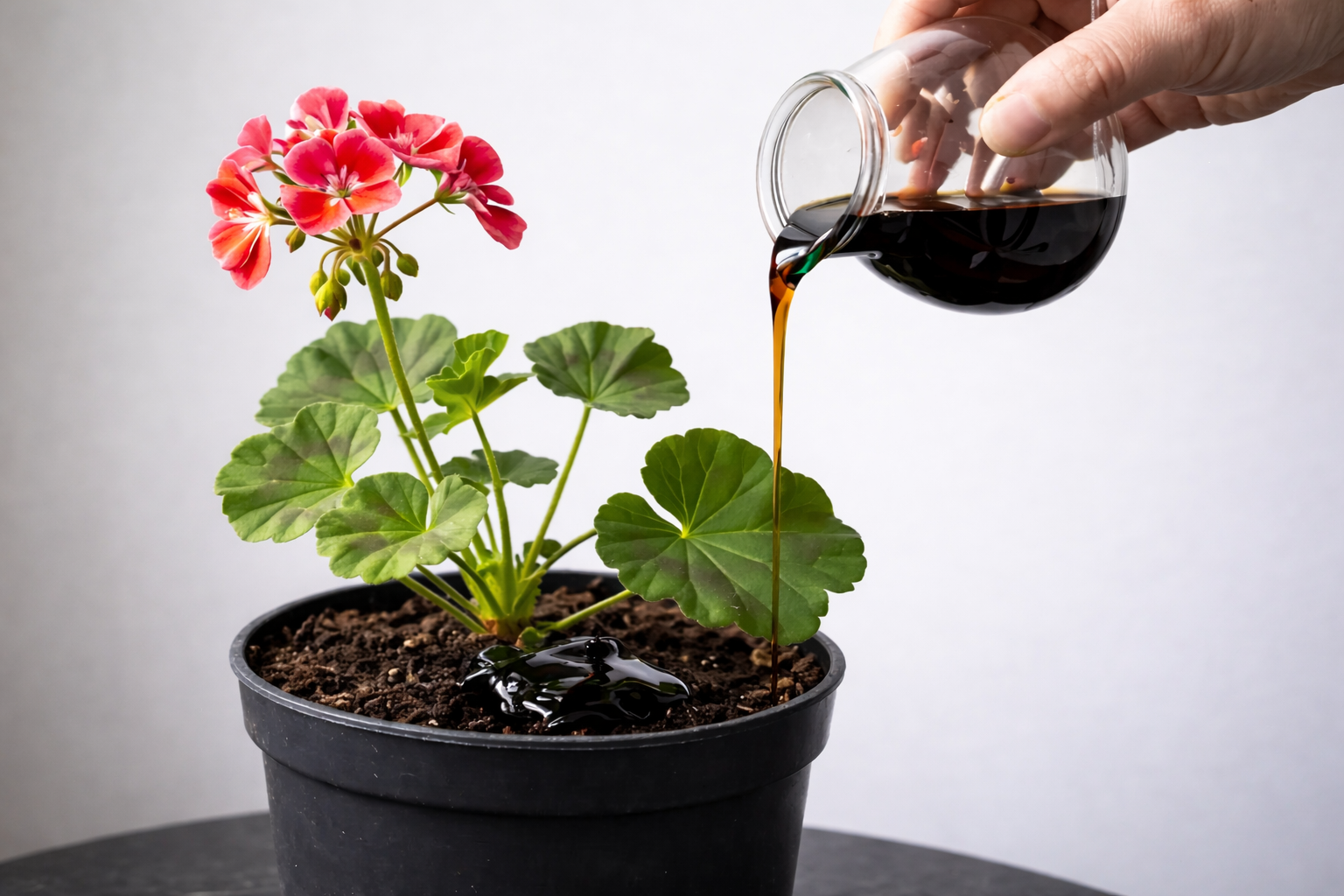
Having geraniums adorned with vibrant blooms for months—sometimes lasting even longer than anticipated—is not a feat reserved solely for expert Read more
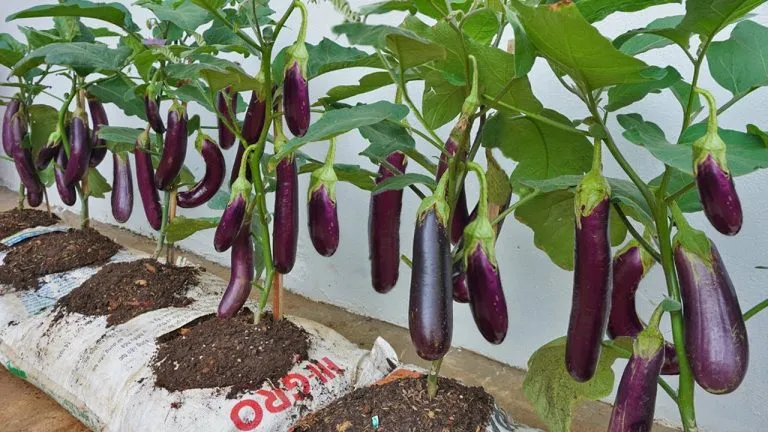
Exploring the World of Eggplants: A Gardener's Guide Eggplants, with their divisive nature, are often a subject of culinary debate. Read more
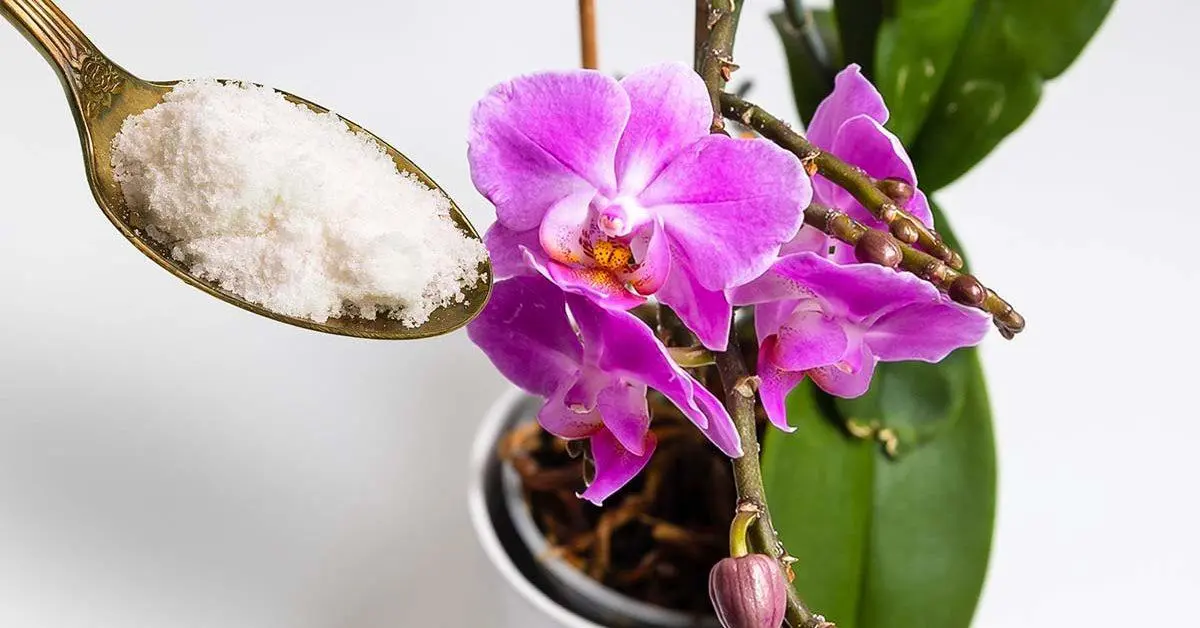
Do you have indoor plants? They have a unique ability to infuse life and color into any environment, whether it’s Read more

Wild Medicinal Plants: Harnessing the Hidden Virtues of Earth’s Greenery In the wilderness of our environment—ranging from the expanse of Read more
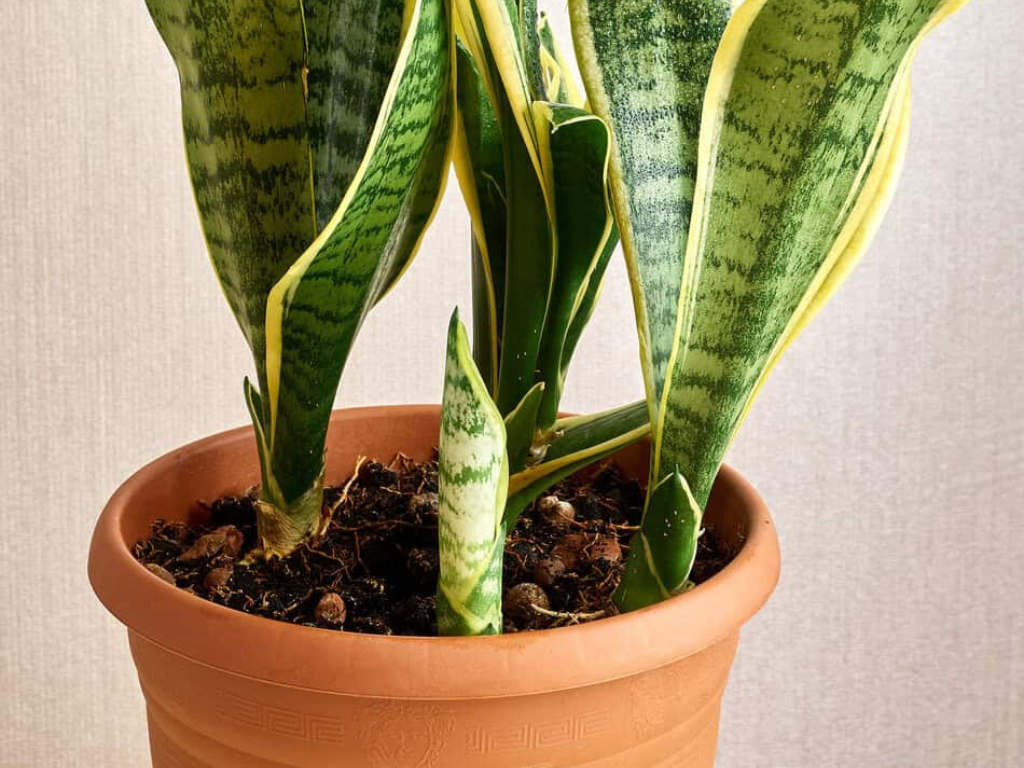
Snake plants (Dracaena trifasciata, formerly known as Sansevieria trifasciata) are renowned for their remarkable resilience. No matter if they receive Read more

The Curious Case of Tomato Slices: A Journey from Kitchen Scrap to Sprout As someone always game for a gardening Read more
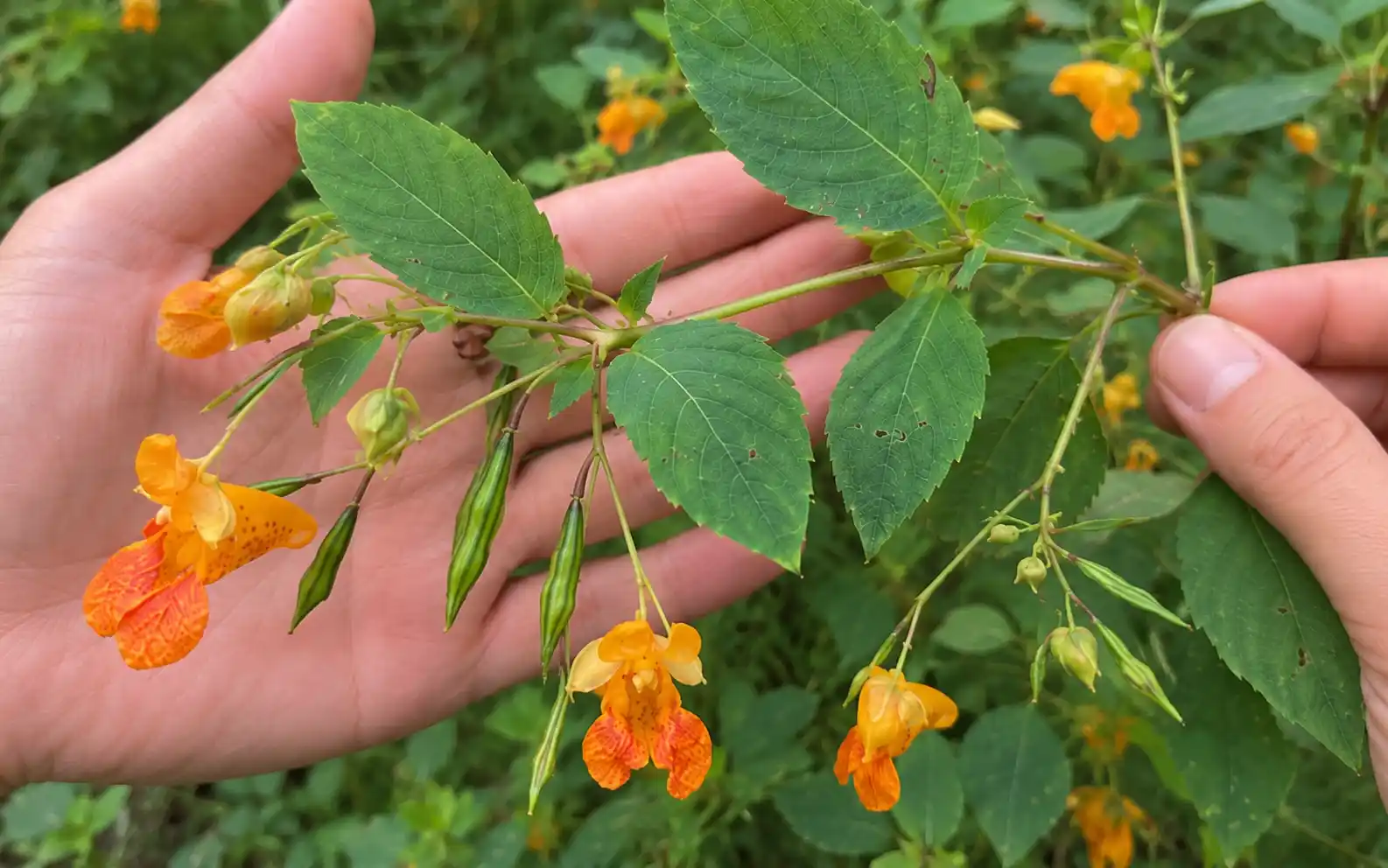
Safety and Medical Disclaimer: The information provided in this article is intended solely for educational and informational purposes. We disclaim Read more
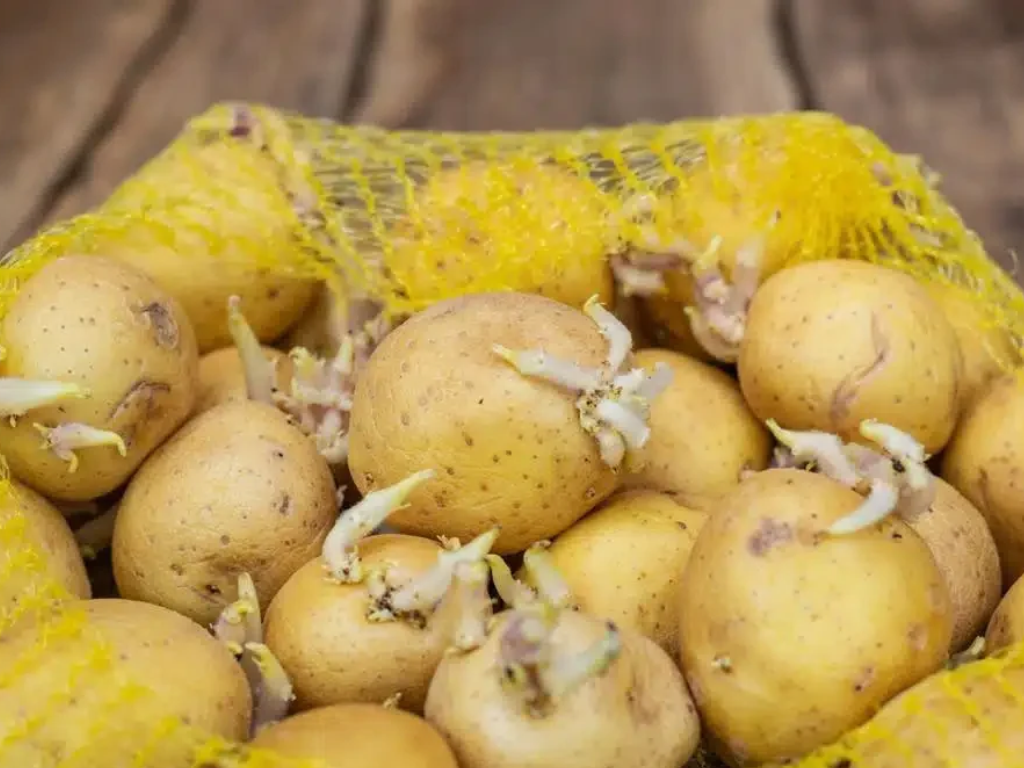
Three Little-Known Tips to Keep Your Potatoes in Perfect Condition Choosing the Right Location for Storage The way you store Read more
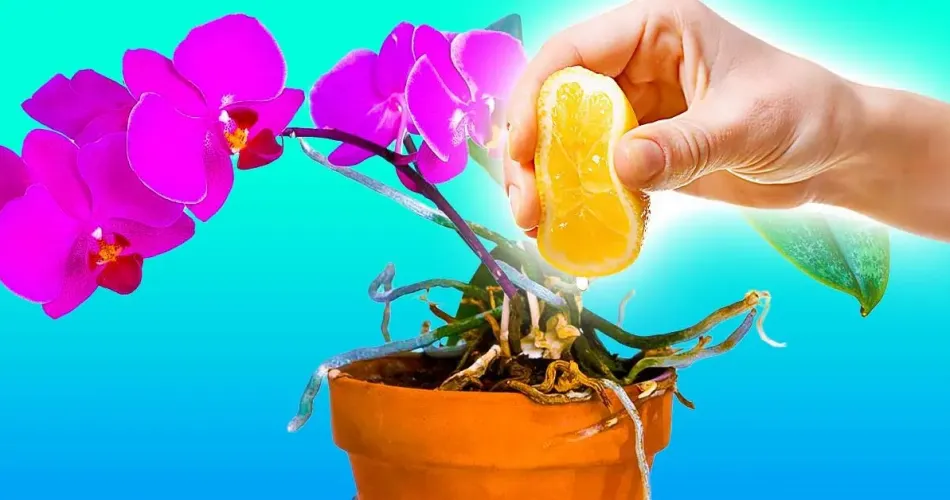
Orchids, with over 28,000 unique species, provide a fascinating insight into the immense diversity found in nature. Originating from the Read more
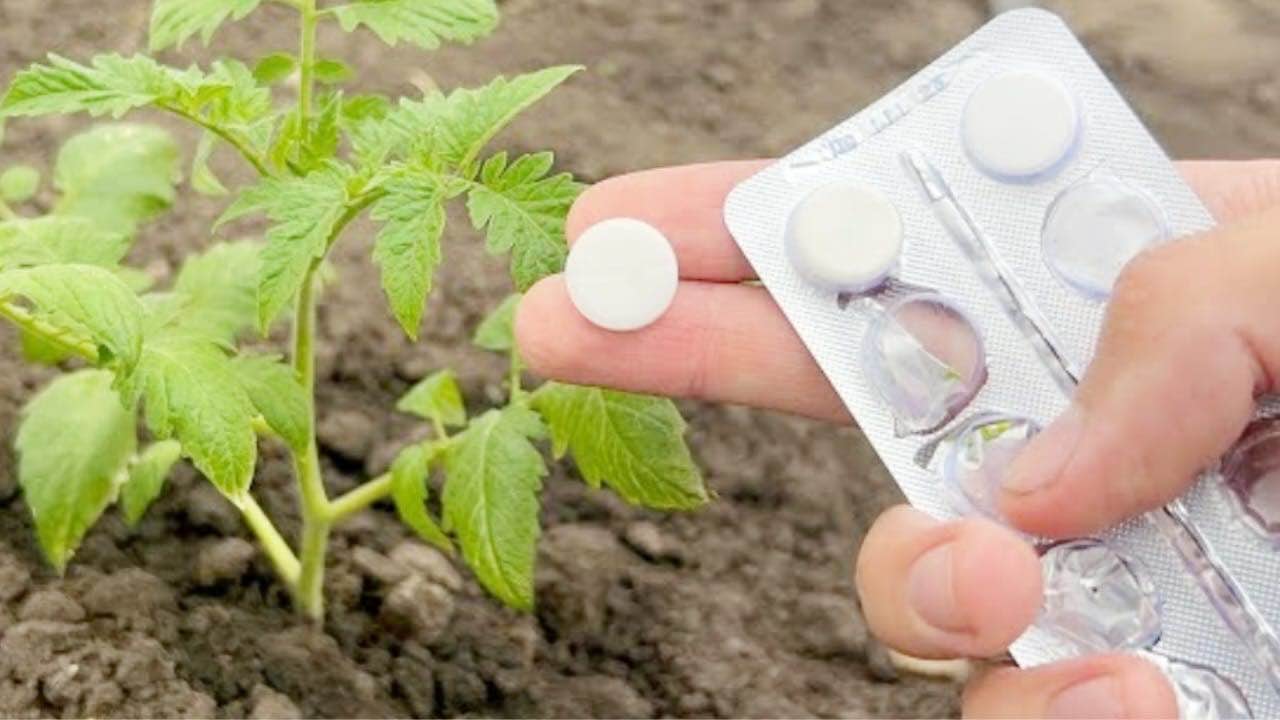
Have you ever noticed how a tomato freshly picked from your garden tastes far superior to one bought off a Read more

Turmeric is a staple ingredient in Asian cuisine. This vibrant yellow spice, often used to flavor curries and stews, is Read more
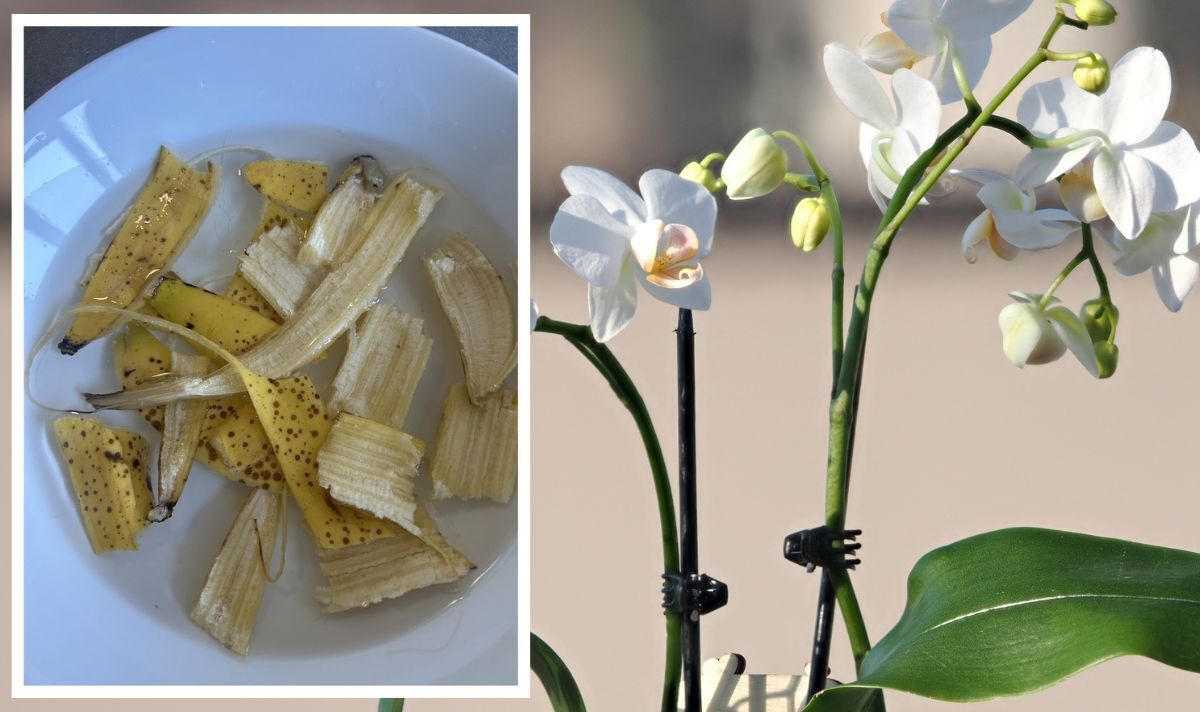
Orchids rank among the most exquisite houseplants cherished by many, yet they are often recognized for their delicacy and their Read more

Cultivating Zucchini in Containers: A Comprehensive Guide Zucchini is a popular vegetable for gardening aficionados and novices alike. It's simple Read more
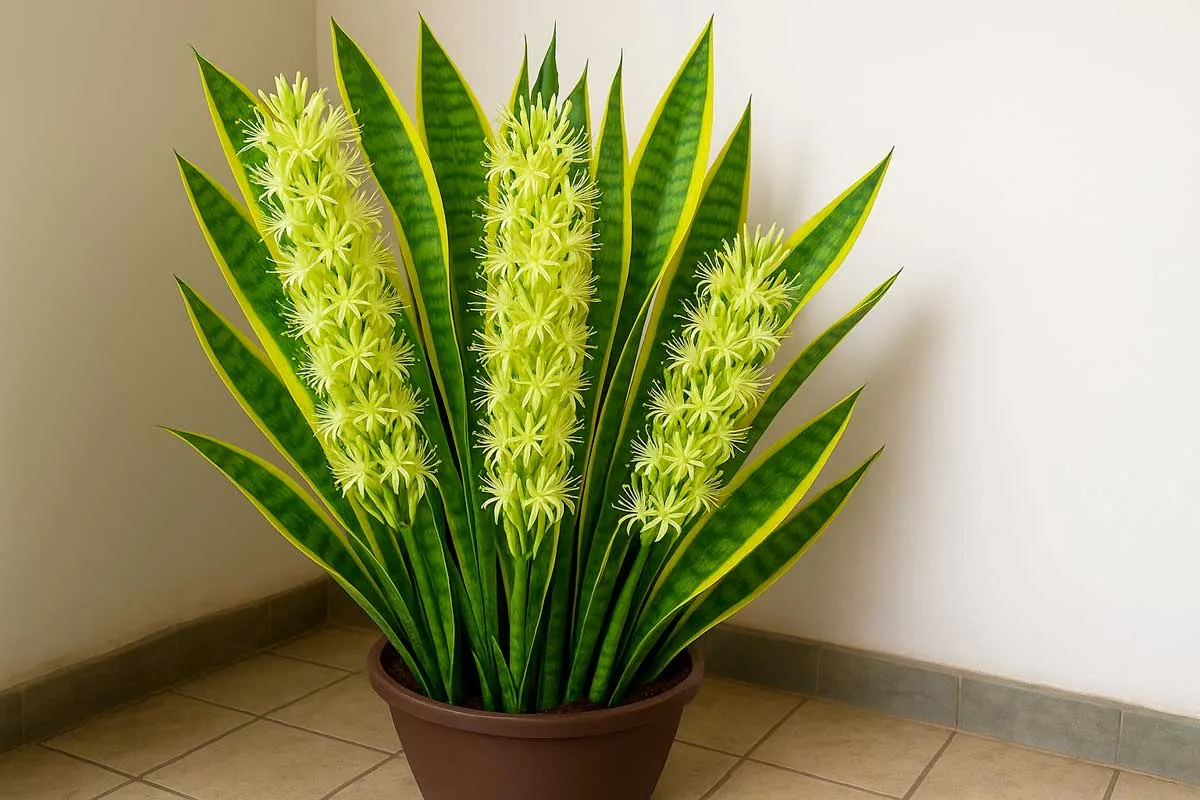
Mother-in-law’s tongue, commonly known as Sansevieria, is renowned for its resilience and remarkable air-purifying qualities. It is an ideal choice Read more
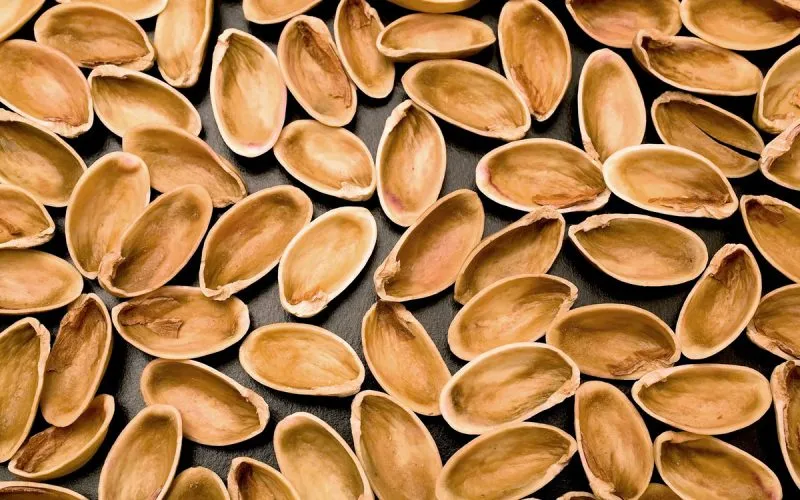
Originating from the arid regions of the Middle East, the pistachio tree (Pistacia vera) is a hardy desert plant celebrated Read more
Unlocking the Mystery of the Festive Cactus The festive cactuses often baffle indoor gardeners. There's a lingering myth that these Read more
