
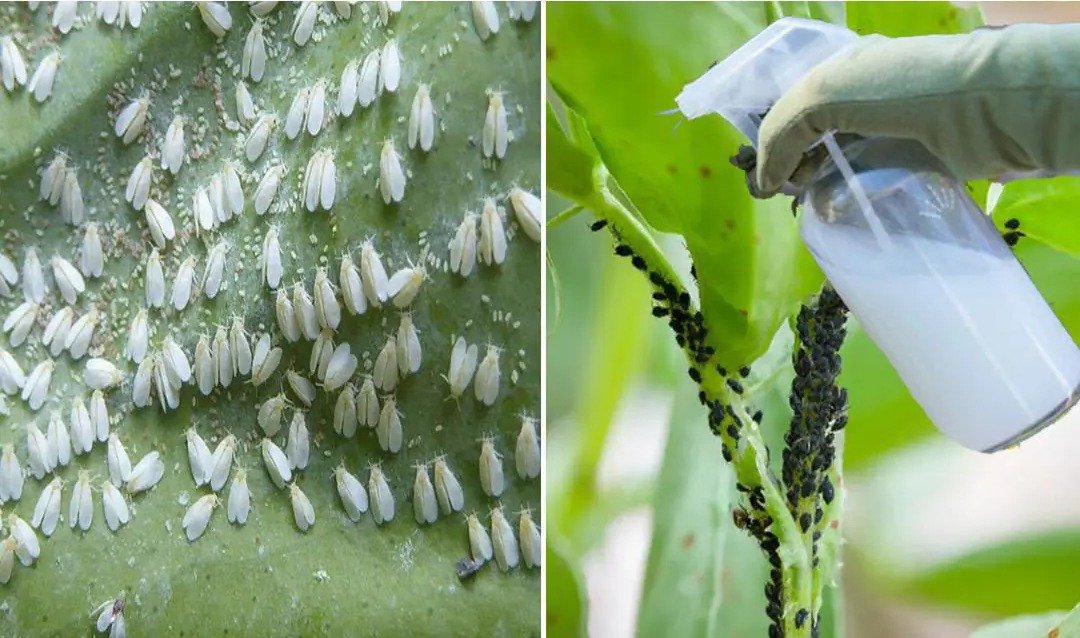
Aphids may be tiny—nearly invisible to the naked eye—but within just a few days, they can cause serious damage to your roses, tomatoes, and young seedlings. Often referred to as “plant lice,” these pests flourish wherever plant growth is lush and vigorous. Common signs of aphid presence include curling leaves, sticky stems, and stunted development. If your garden is losing its vitality, there’s no need to panic—there is a simple, natural, and highly effective method to stop them.
Why Do Aphids Invade Your Plants?
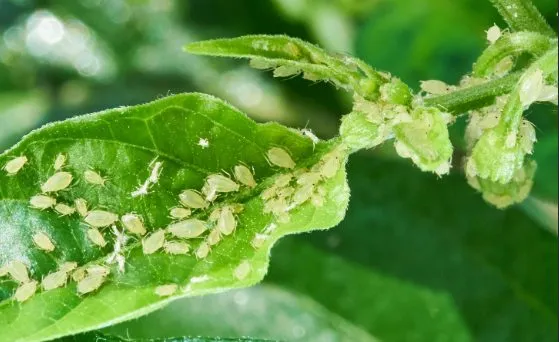
During spring and early summer, aphids reproduce at an extraordinary rate. Drawn to the sap in tender new shoots, they cluster beneath leaves, along soft stems, and around flower buds, creating dense infestations.
As aphids feed, they weaken the plant substantially. This results in distorted foliage, compromised flowering, and fragile seedlings struggling to thrive. In addition, aphids excrete a sticky substance known as honeydew, which promotes the growth of black sooty mold and attracts ants. Without timely intervention, an aphid infestation can rapidly spread throughout your vegetable garden or greenhouse plants.
The encouraging news is that harsh chemical pesticides are not necessary. An effective natural remedy for aphids may already be available right in your kitchen.
Soapy Water: The Most Reliable Natural Solution
If you decide to use only one treatment method, make it this one. Soapy water is straightforward, cost-effective, and highly efficient against aphids.
Why does this method work? Soap breaks down the protective outer layer of aphids’ bodies, causing them to perish swiftly. When properly diluted, the soapy mixture is safe for use on most plants.
Simple Recipe to Prepare
Here’s what you will need:
• 1 liter of lukewarm water
• 1 to 2 tablespoons of mild liquid dish soap (preferably plant-based and free from antibacterial agents)
Combine the ingredients in a spray bottle and shake gently to mix thoroughly.
How to Apply It Correctly

1. Spray generously on all affected areas.
2. Focus especially on the undersides of leaves, where aphids tend to hide.
3. Apply the solution in the morning or late afternoon to avoid the risk of sunlight burning the wet foliage.
Repeat the treatment every two to three days if necessary. You will often see noticeable improvements within 24 to 48 hours.
Helpful tip: The following day, lightly rinse plants with clean water to remove any soap residue, especially when treating delicate plant varieties.
What If the Infestation Persists?
For young seedlings or more severe infestations, consider additional natural treatments to complement the soapy water spray:
• A cooled and strained garlic infusion sprayed onto the foliage.
• A very diluted white vinegar solution (always perform a spot test on a small area first to avoid leaf burn).
• Neem oil, a natural extract from a tropical tree, widely used in organic gardening for pest control.
Another powerful ally in controlling aphids is the ladybug. A single ladybug larva can consume dozens of aphids each day. Promoting biodiversity in your garden—by planting diverse hedges, nectar-rich flowers, and refraining from the use of pesticides—helps attract these beneficial insects naturally.
Prevention: The Best Long-Term Strategy
To minimize the chances of future aphid infestations, consider these strategies:
• Regularly inspect the undersides of your plants’ leaves for early signs of aphids.
• Avoid overusing nitrogen-rich fertilizers, which encourage the tender new growth aphids favor.
• Ensure plants are spaced adequately to promote healthy air circulation.
• Water plants at their bases rather than from above to limit excess moisture on the leaves.
A well-balanced and diverse garden environment naturally resists pest outbreaks more effectively.
With a few simple, eco-friendly practices, you can successfully protect your plants and rejuvenate your garden’s vibrancy—without disturbing its natural harmony.

The Wonders of Blueberries: A Guide to Growing and Enjoying This Nutrient-Rich Fruit Mildly sweet, the blueberry is a dark Read more

Wild Medicinal Plants: Harnessing the Hidden Virtues of Earth’s Greenery In the wilderness of our environment—ranging from the expanse of Read more
Discover how a simple kitchen ingredient can effectively repel pests, combat diseases, and promote healthier growth in your plants. Snake Read more
Imagine spending a relaxing afternoon in your backyard, only to stumble upon an unexpected and unwelcome discovery—a cluster of tiny Read more
Originating from the arid regions of the Middle East, the pistachio tree (Pistacia vera) is a hardy desert plant celebrated Read more

Introducing 15 Health-Enhancing Indoor Plants for a Vibrant Home Oasis Embrace a selection of indoor plants that bring more than Read more
Snake plants, scientifically known as Dracaena trifasciata and previously classified as Sansevieria, are favored houseplants admired for their resilience and Read more

Bananas are a delightful treat, but their peels can be a garden's treasure. Rather than discarding banana peels into compost, Read more
Florists and rose lovers alike understand that the allure of roses need not be ephemeral. It is entirely possible to Read more

Different perspectives exist on various aspects of nature, and this holds true for the dandelion, often dismissed as a mere Read more

The Curious Case of Tomato Slices: A Journey from Kitchen Scrap to Sprout As someone always game for a gardening Read more
Orchids, admired for their exotic beauty and vast variety, demand specific care to flourish. While many growers rely on commercial Read more
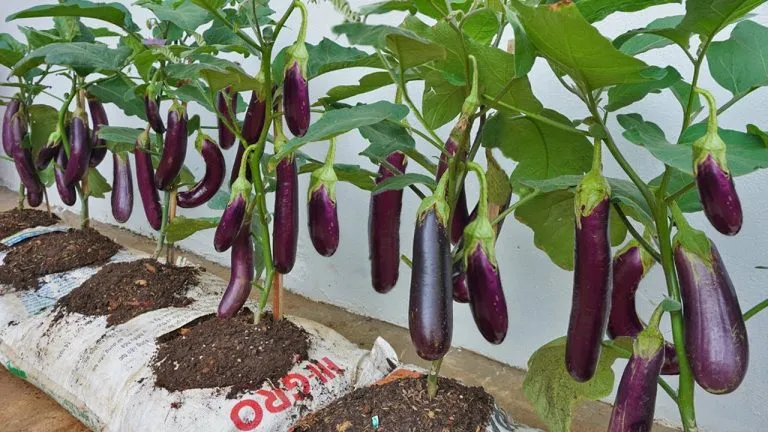
Exploring the World of Eggplants: A Gardener's Guide Eggplants, with their divisive nature, are often a subject of culinary debate. Read more

Unlocking the Flowering Potential of Anthuriums Anthuriums are renowned for their stunning, heart-shaped blooms which, under ideal conditions, can grace Read more

Get a Head Start on Your Garden: Indoor Sowing for Colder Climates There's no need to wait for spring's embrace Read more

For gardening enthusiasts, it's a known fact that many plants thrive in humid and warm climates conducive to their growth. Read more
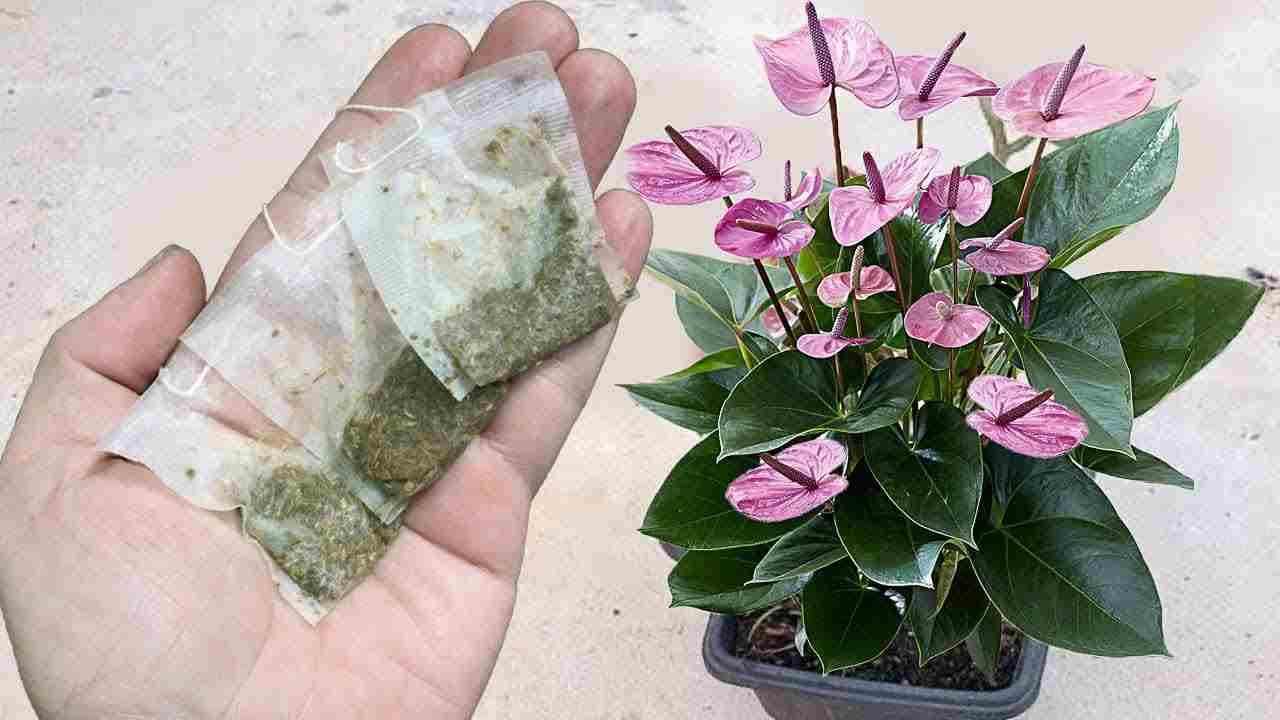
The ancient custom of drinking tea has been cherished by cultures around the world for centuries. Yet, surprisingly few people Read more
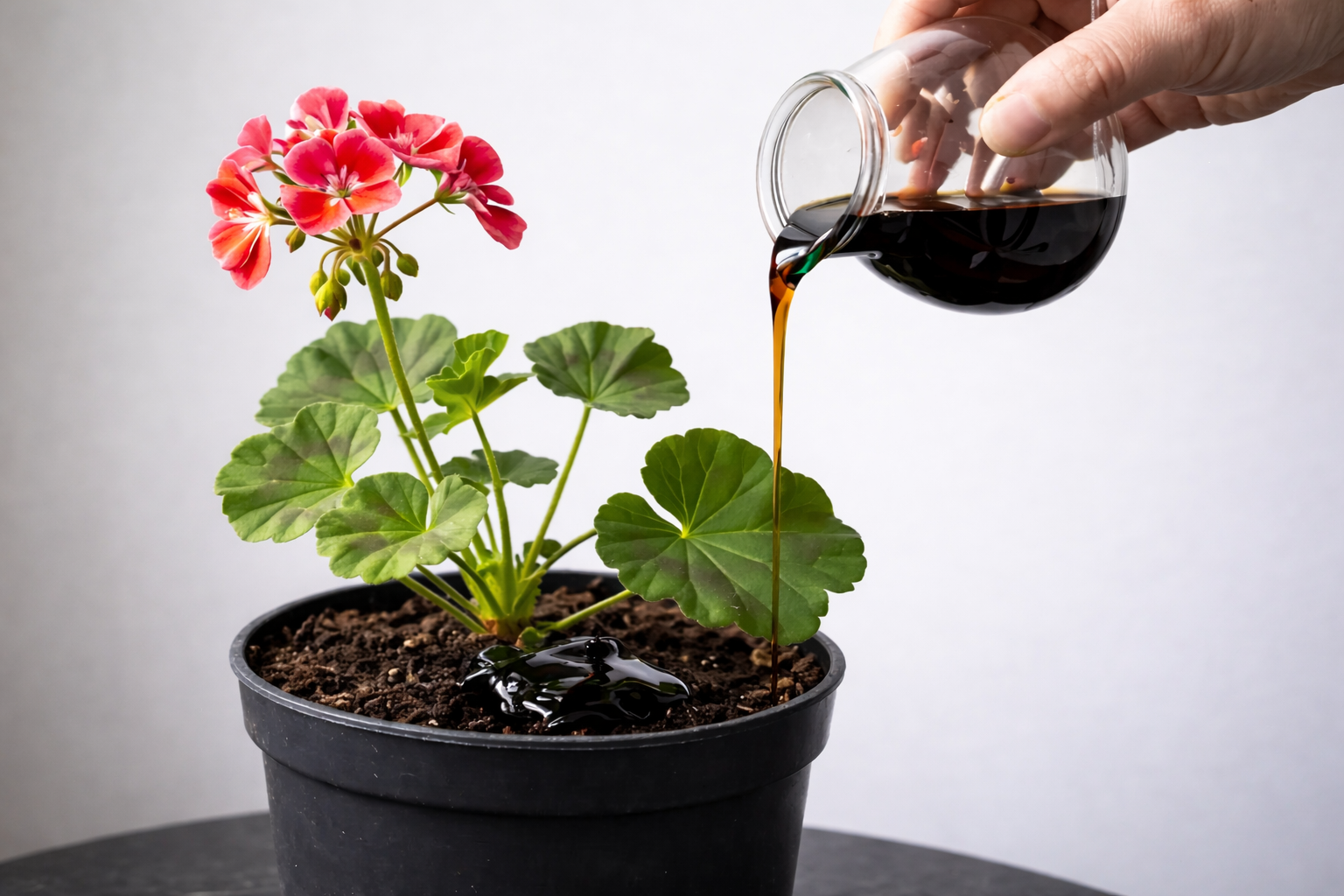
Having geraniums adorned with vibrant blooms for months—sometimes lasting even longer than anticipated—is not a feat reserved solely for expert Read more
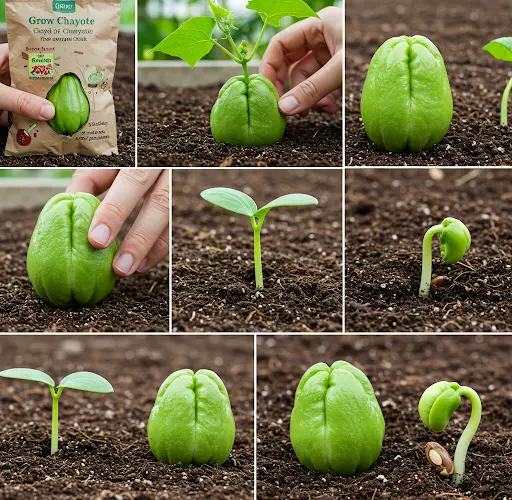
Growing Chayote from Supermarket Fruit: Abundant Harvests Made Easy If you've ever strolled through the produce aisle and spotted a Read more

Orchids, with their array of species and hybrids exceeding 25,000, stand as a testament to botanical beauty. Cultivators and hobbyists Read more
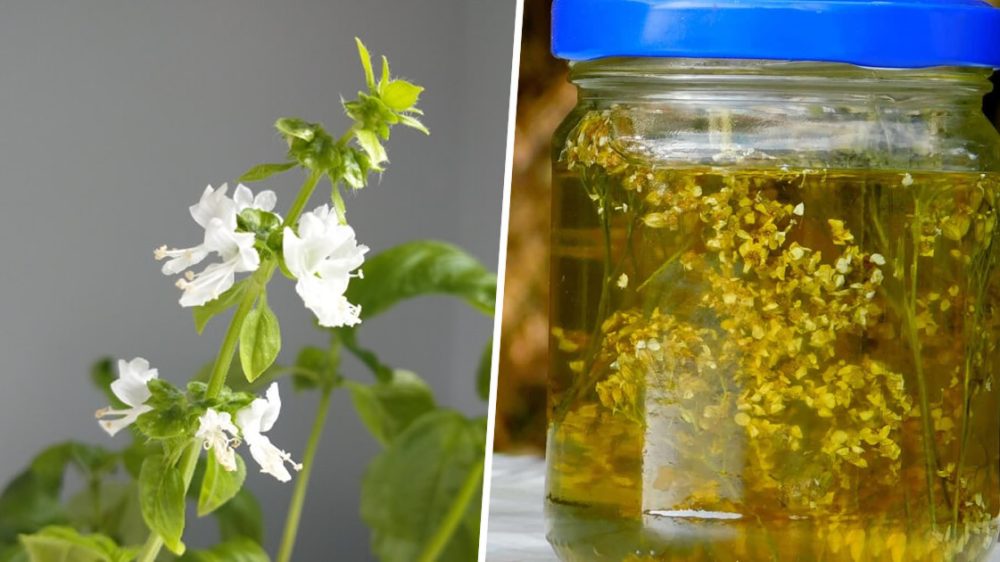
Basil, a cherished herb celebrated in culinary traditions around the globe, is best known for its fragrant leaves. Yet, its Read more
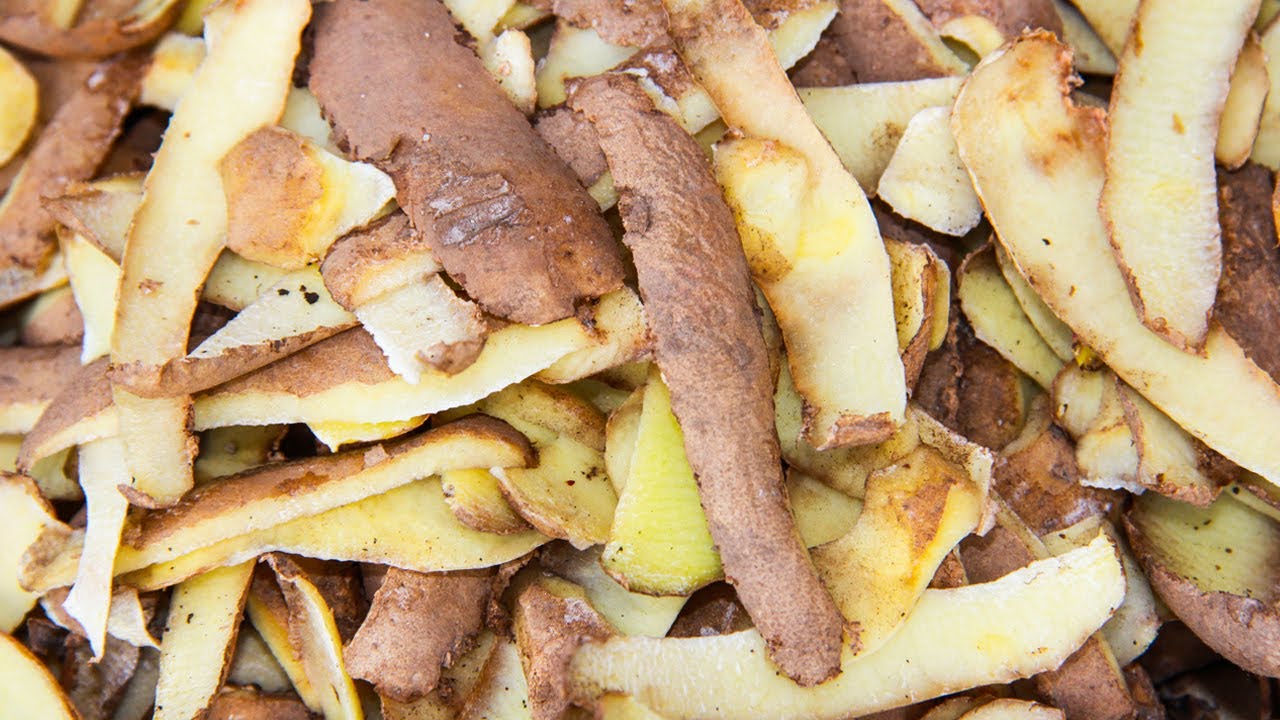
Experienced gardeners are well-acquainted with the practice of turning kitchen scraps into valuable gardening resources. Among these scraps, potato peelings, Read more
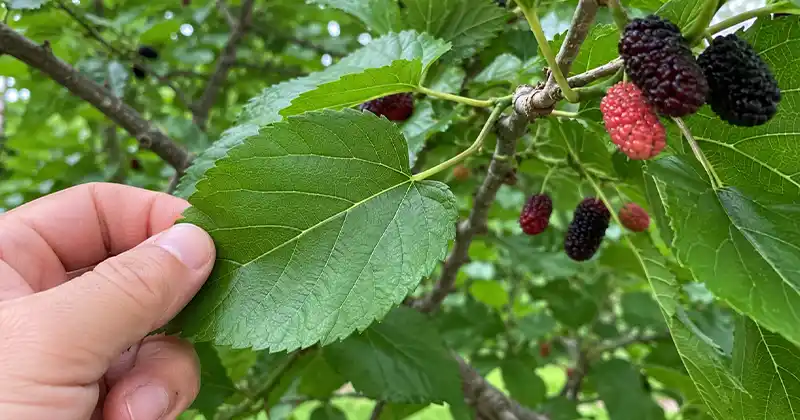
Mulberry trees are best known for their sweet summer berries, yet the leaves they produce hold far greater potential as Read more
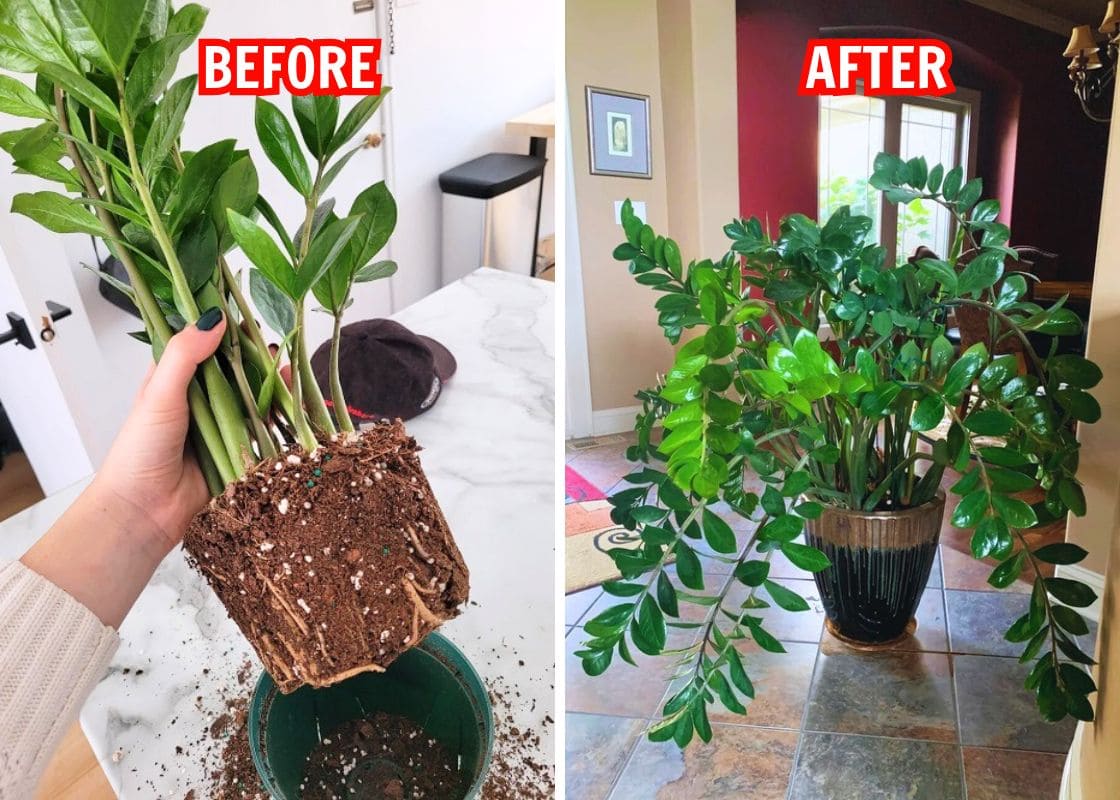
The ZZ plant (Zamioculcas zamiifolia) has earned its reputation as one of the most resilient houseplants available. It can endure Read more
When it comes to gardening, enthusiasts are always eager to discover effective and affordable methods to boost plant growth and Read more
Orchids rank among the most exquisite houseplants cherished by many, yet they are often recognized for their delicacy and their Read more
Orchids, with over 28,000 unique species, provide a fascinating insight into the immense diversity found in nature. Originating from the Read more

How to Reuse Barbecue Ashes After enjoying a barbecue outdoors on a sunny day, the tendency is often to discard Read more
Snake plants are renowned for their resilience, often considered nearly indestructible. They can withstand missed waterings, low light conditions, and Read more
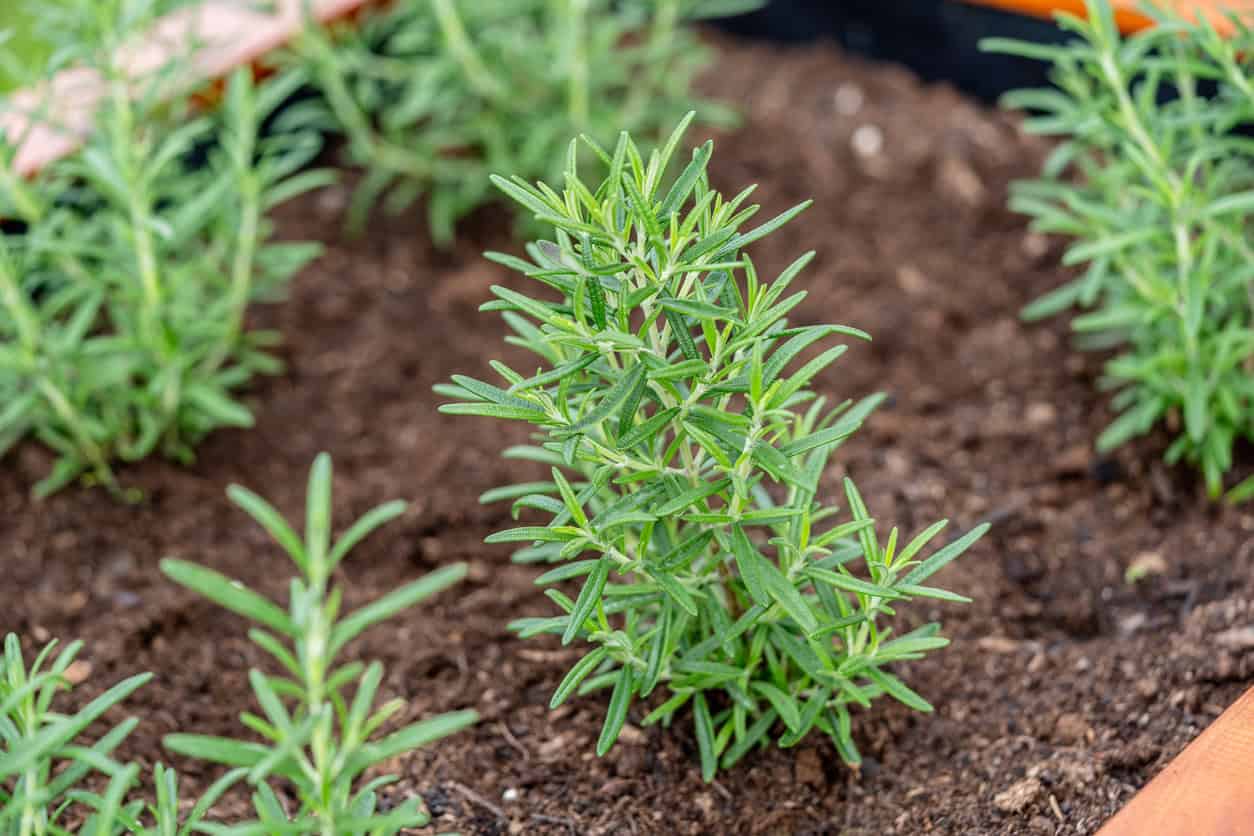
Rosemary is incredibly resilient... truly very robust! If you have ever had the unfortunate experience of adding too much to Read more
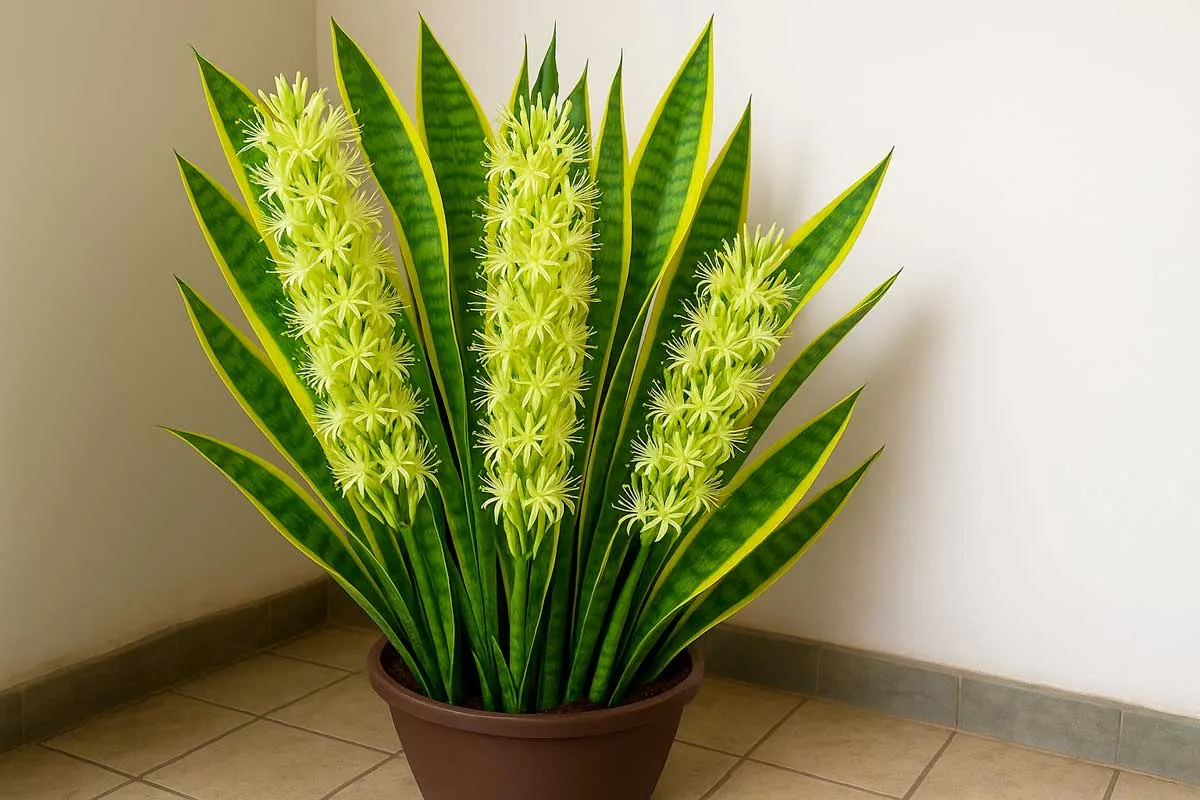
Mother-in-law’s tongue, commonly known as Sansevieria, is renowned for its resilience and remarkable air-purifying qualities. It is an ideal choice Read more

If you don't often get the chance to rejuvenate in the midst of nature, there's an alternative: introducing plants to Read more
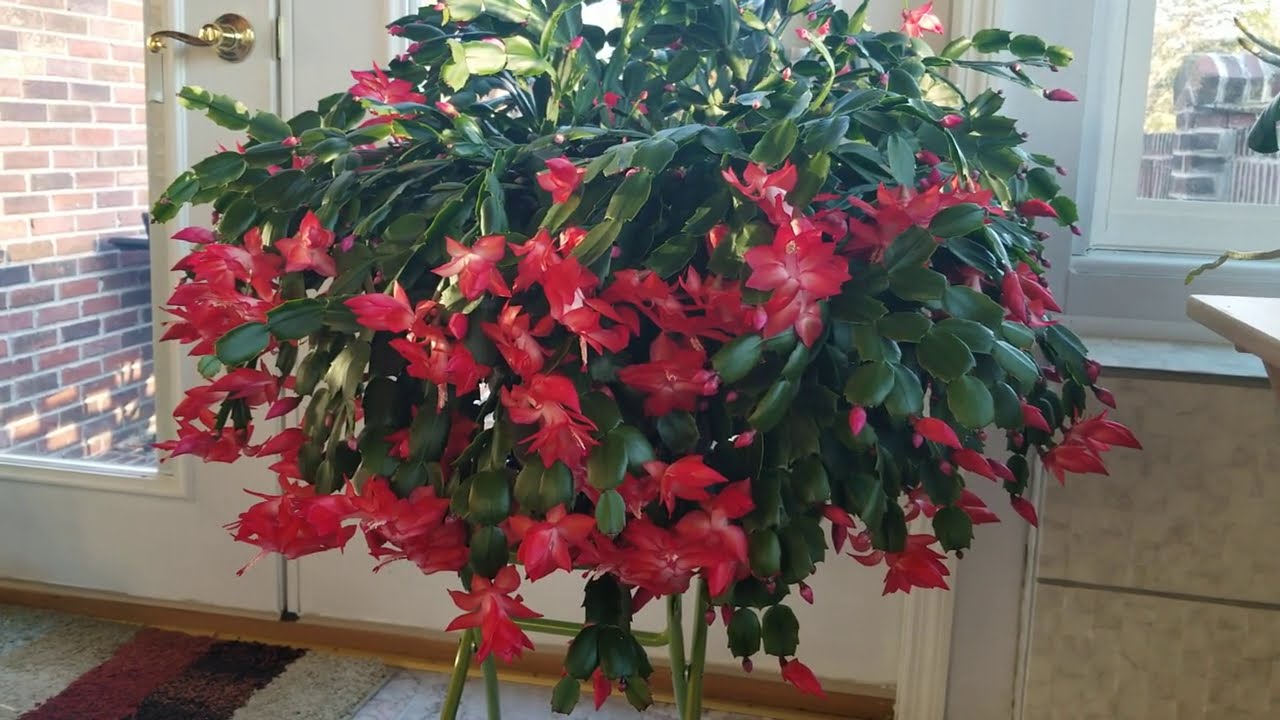
Christmas cacti don’t adhere to the typical “feed once a month and forget it” approach that many houseplants follow. Because Read more

Transforming Garlic Peels into Gold for Gardeners: In the rhythm of kitchen prep, garlic peels are often discarded without a Read more
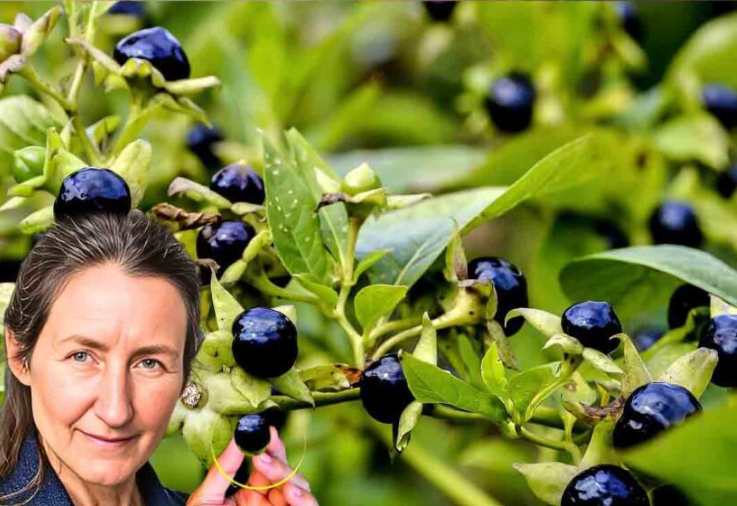
Deadly Nightshade (Atropa belladonna): The Mysterious and Dangerous Plant with a Dark Legacy At first glance, Deadly Nightshade (Atropa belladonna) Read more
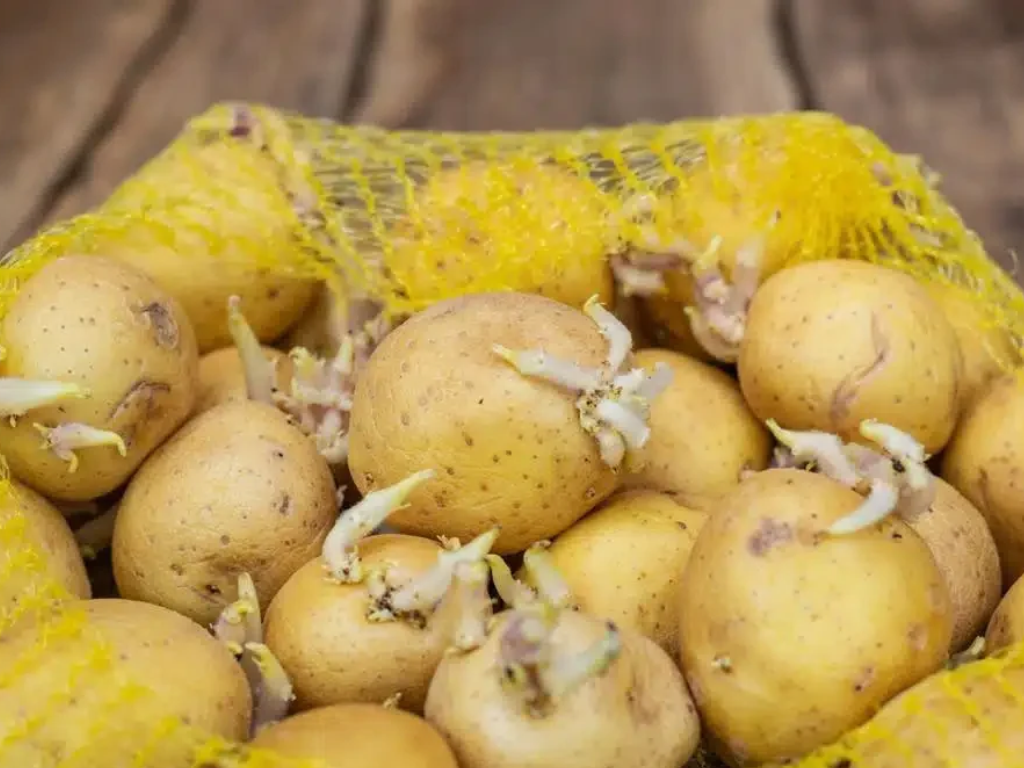
Three Little-Known Tips to Keep Your Potatoes in Perfect Condition Choosing the Right Location for Storage The way you store Read more
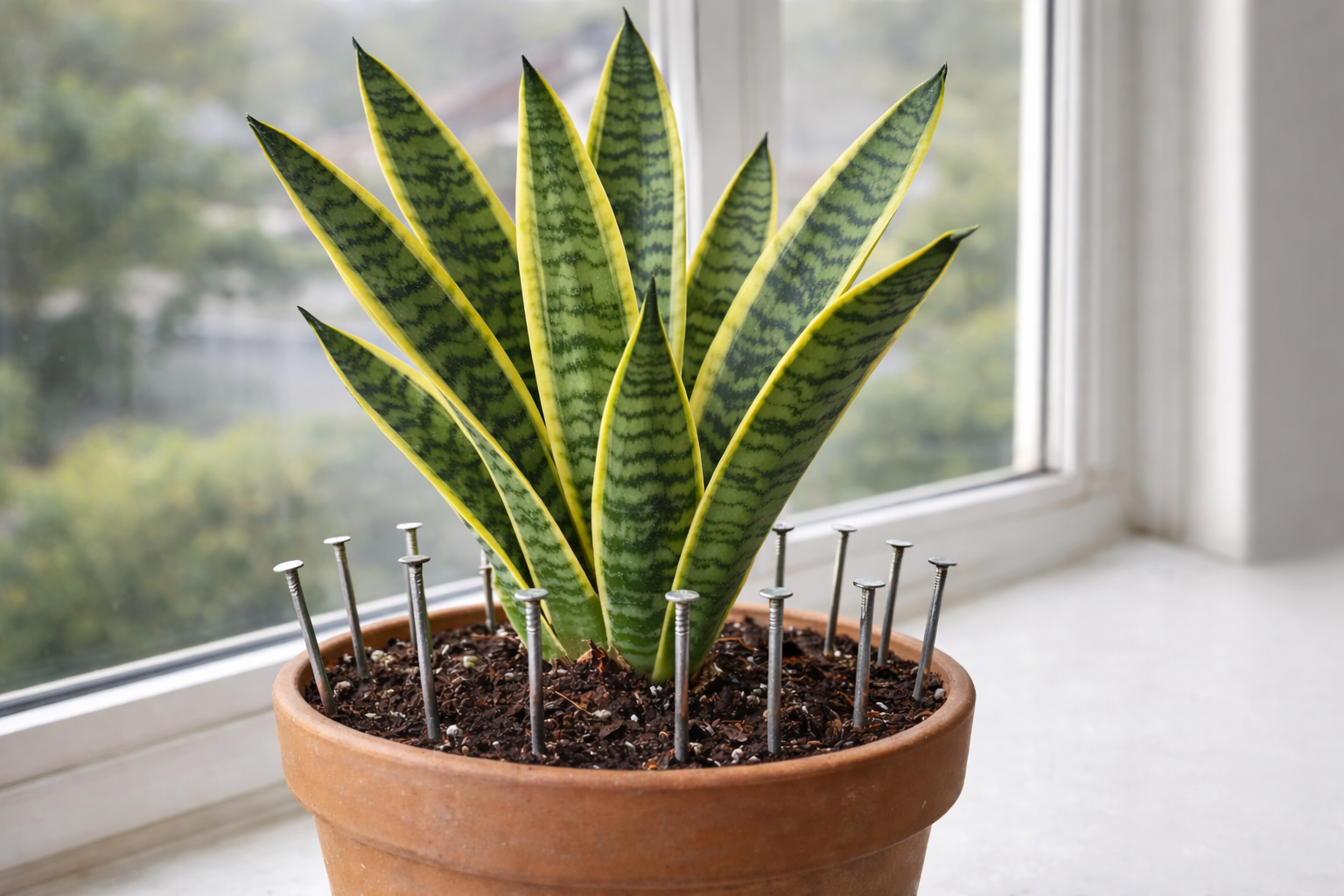
You carefully plan your getaway, pack your bags, double-check your tickets… and just as you are about to close the Read more
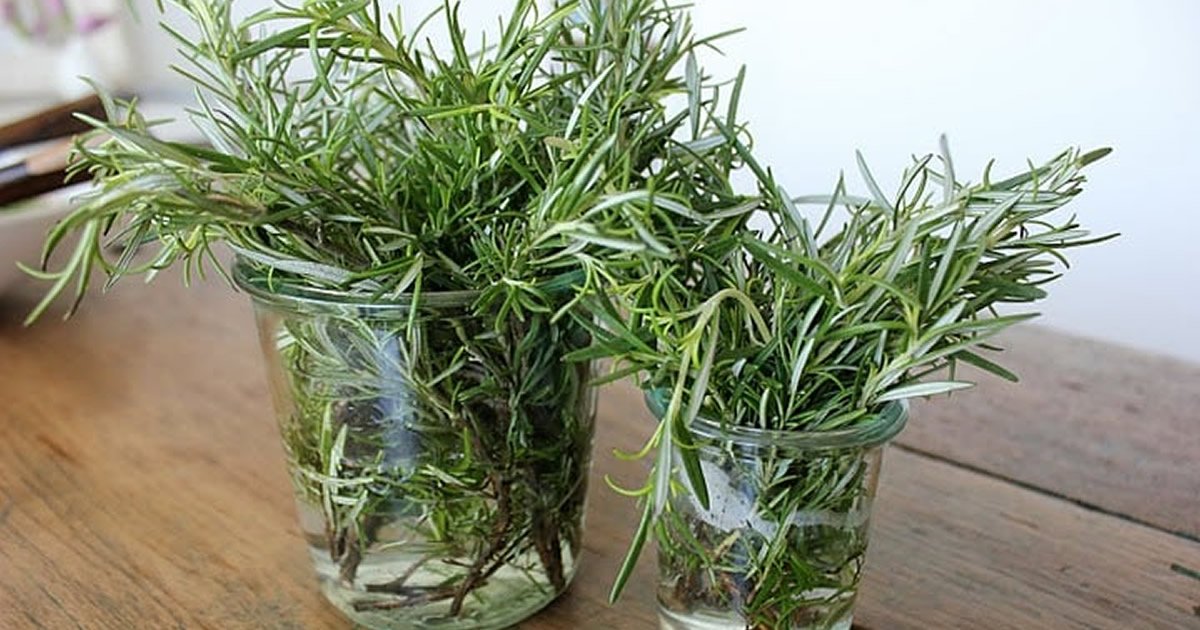
The wisdom and experience of our grandparents often provide invaluable tips and techniques that make our daily lives easier and Read more
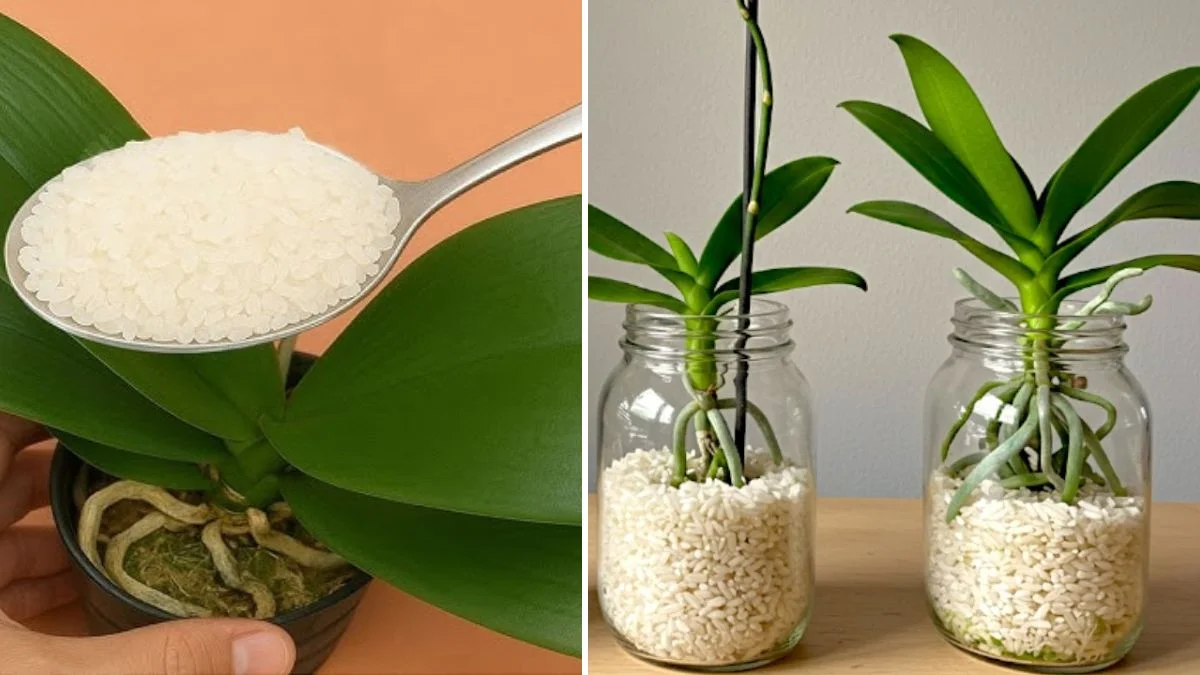
Orchids are among the most cherished ornamental plants worldwide, admired for their exotic flowers, graceful forms, and blooms that last Read more
Peace lilies (Spathiphyllum) rank among the most cherished indoor plants, and it’s easy to understand why. Their shiny, deep green Read more
