
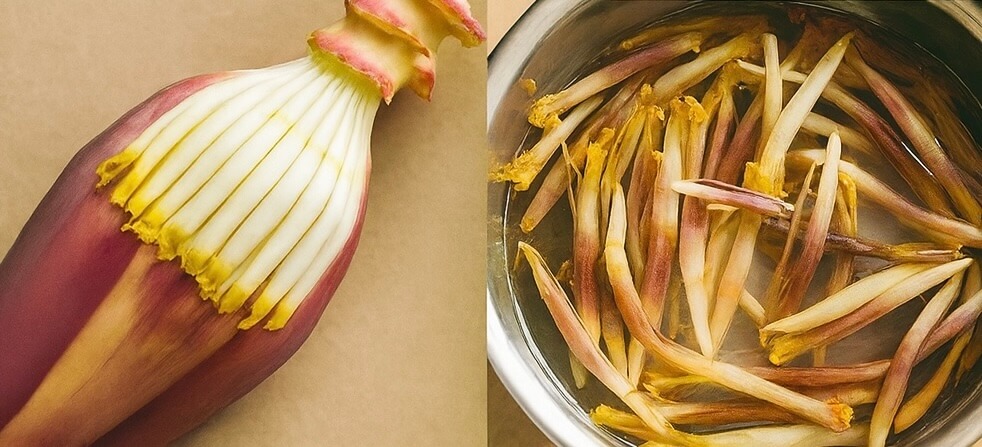
Often overshadowed by the fruit itself, the banana flower—also known as the banana blossom or banana heart—appears as a deep violet, tear-shaped bud hanging at the end of a banana stalk. Appreciated for centuries across South and Southeast Asia, this flower is both a fundamental ingredient in numerous traditional recipes and a trusted natural remedy. Today, it is attracting growing global interest due to its remarkable nutritional and medicinal properties.

What is the banana flower?
The banana flower consists of thick bracts, resembling petals, which protect small clusters of delicate flowers inside. When cooked, it develops a tender texture with a slightly bitter and nutty flavor, often compared to that of an artichoke.
Available fresh, frozen, or canned in many Asian markets, the banana flower is now gaining popularity worldwide for its uses in plant-based cooking and its reputation as a food with therapeutic powers.
Health benefits of the banana flower
Aiding women’s health and hormonal balance
Traditionally used to regulate the menstrual cycle, reduce cramps, and moderate heavy bleeding.
Rich in phytoestrogens, iron, and flavonoids, it naturally helps balance hormones while replenishing the blood with vital minerals.
Promotes lactation
Recognized as a galactagogue, the banana flower helps increase breast milk production.
In regions such as Sri Lanka and southern India, new mothers are often given banana flower curry to support their recovery and nutrition.
An effective tool for weight management
Its high fiber content combined with a low-calorie count aids in controlling appetite and reducing sugar cravings.
It stabilizes blood sugar levels, preventing the spikes and crashes that trigger hunger urges.
Support in diabetes management
With its low glycemic index, the banana flower contributes to regulating blood sugar levels.
Its inulin and natural fibers slow carbohydrate absorption and improve insulin sensitivity.
Improves intestinal transit
Abundant in insoluble fibers, it promotes regular digestion and a healthy balance of gut microbiota.
Its antioxidants soothe digestive inflammations and support intestinal health.
Strengthens immunity
Vitamin C, tannins, flavonoids, and antimicrobial compounds act as a natural shield against infections.
Traditionally used to reduce the risk of urinary tract infections and skin disorders.
Lowers bad cholesterol (LDL)
Helps improve lipid profiles by reducing harmful cholesterol, thereby supporting cardiovascular health.
A precious source of antioxidants
Protects cells from free radicals and slows premature aging.
Catechins and quercetin play a vital role in maintaining long-term vitality.
Supports kidney function
Potassium and magnesium content helps regulate blood pressure and optimize kidney performance.
Its natural diuretic properties enhance detoxification and fluid balance.

The banana flower in cooking
This culinary treasure lends itself to a wide variety of preparations:
Banana flower salad – Finely shredded, the flower is combined with fresh vegetables, lime juice, aromatic herbs, and a flavorful dressing for a light and refreshing dish.
Banana flower curry – Chopped flower slowly simmers in coconut milk with vegetables and a subtle blend of spices, resulting in a tender and richly flavored dish.
Fried banana flower sticks – Finely chopped and mixed into a seasoned batter, then fried into small bites or crispy patties.
Sautéed banana flower – Thinly sliced and quickly sautéed with garlic, onions, vegetables, and spices for a simple yet savory meal.
“Fish” made from banana flower – Tender pieces are breaded and fried until crispy, providing a popular plant-based alternative in fish and chips-style recipes.
Usage precautions
The banana flower requires careful cleaning and preparation, especially removing the tough outer bracts and hard inner parts. When trying it for the first time, it is advisable to start with a small quantity, particularly if you have a banana or latex allergy. When in doubt, always opt for thorough cooking rather than consuming it raw.
The jade plant boasts stunning foliage, making it an excellent choice for enhancing both garden landscapes and indoor environments. Beyond Read more

The Curious Case of Tomato Slices: A Journey from Kitchen Scrap to Sprout As someone always game for a gardening Read more

The Importance and Care of House Plants House plants not only serve as a significant decorative element but also play Read more
Deadly Nightshade (Atropa belladonna): The Mysterious and Dangerous Plant with a Dark Legacy At first glance, Deadly Nightshade (Atropa belladonna) Read more
Do you have indoor plants? They have a unique ability to infuse life and color into any environment, whether it’s Read more
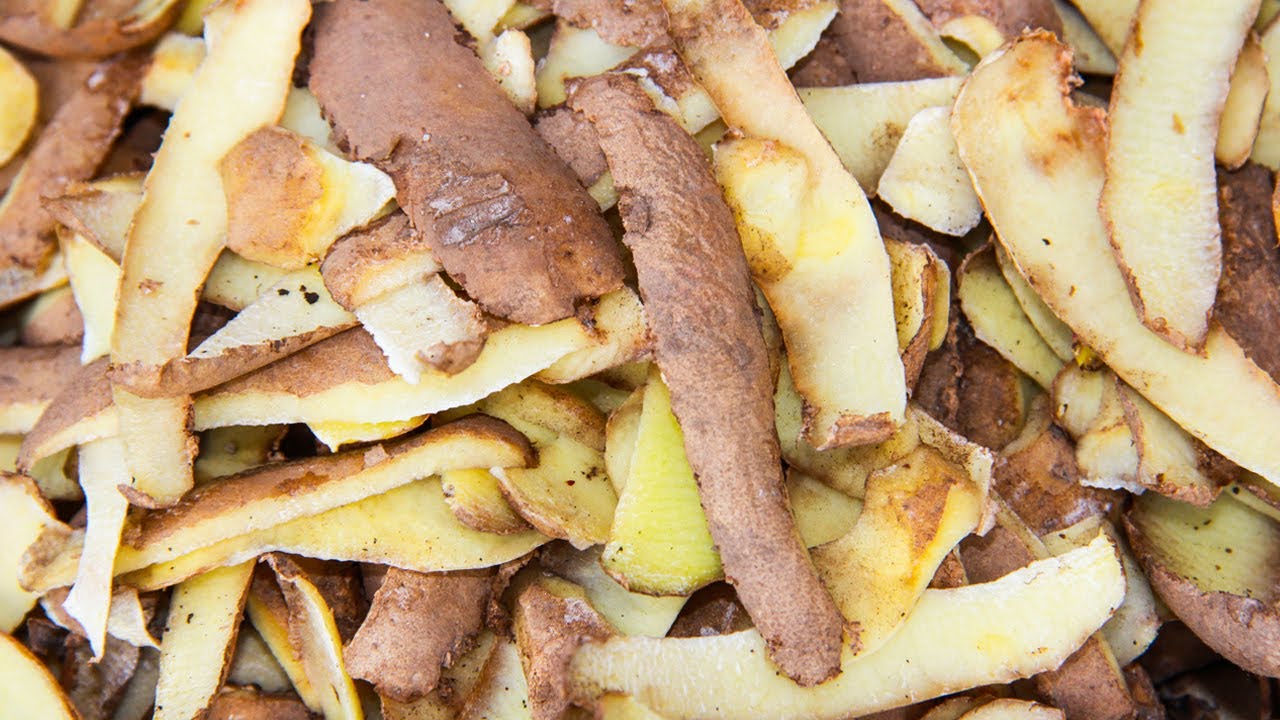
Experienced gardeners are well-acquainted with the practice of turning kitchen scraps into valuable gardening resources. Among these scraps, potato peelings, Read more

For gardening enthusiasts, it's a known fact that many plants thrive in humid and warm climates conducive to their growth. Read more
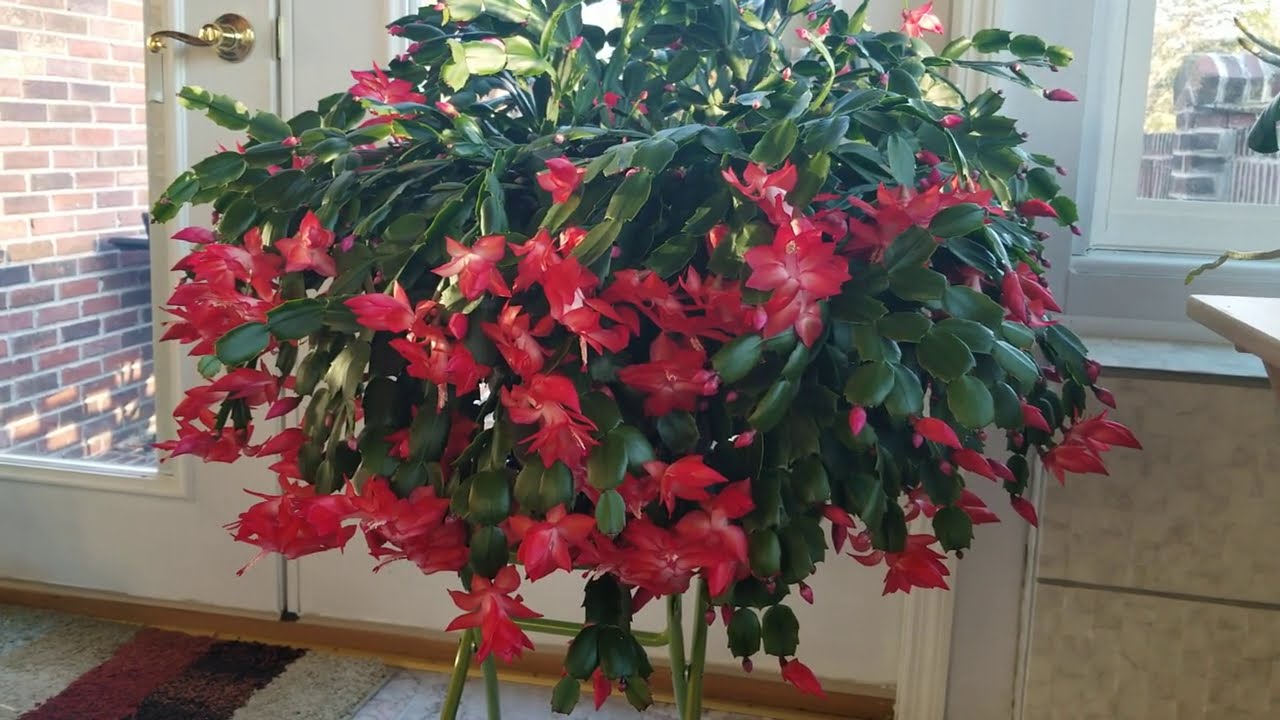
Christmas cacti don’t adhere to the typical “feed once a month and forget it” approach that many houseplants follow. Because Read more
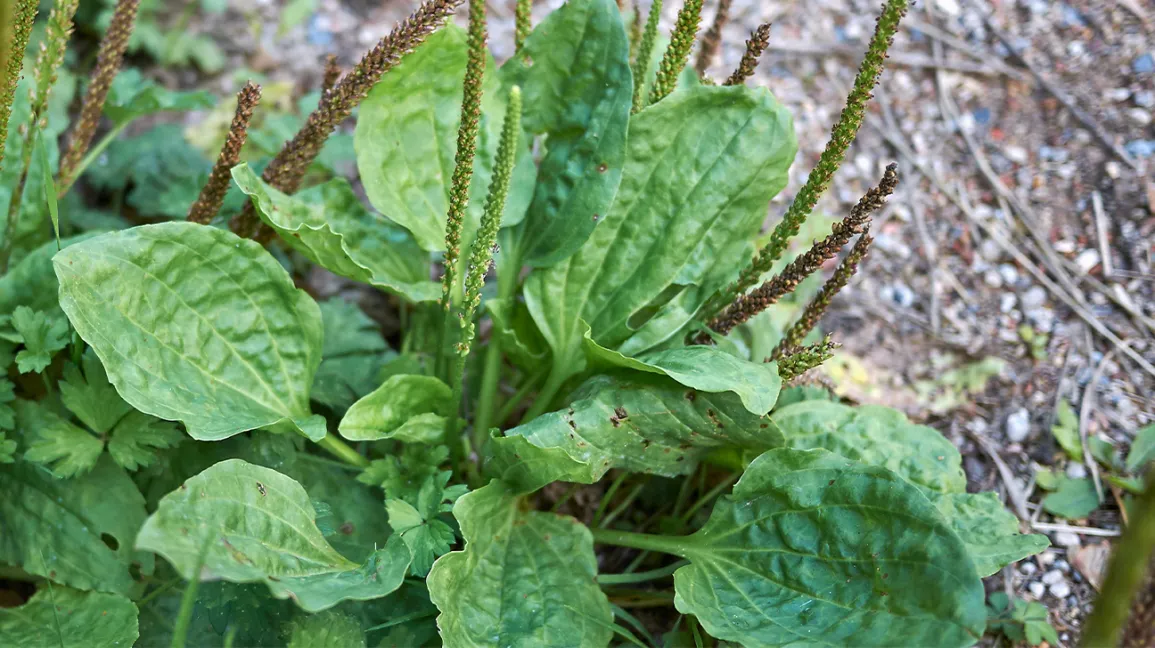
Nature provides us with countless remedies in the form of wild medicinal plants, surrounding us everywhere we go. These healing Read more

As sustainability and eco-consciousness increasingly shape our everyday habits, discovering alternative methods to fertilize our gardens grows ever more essential. Read more
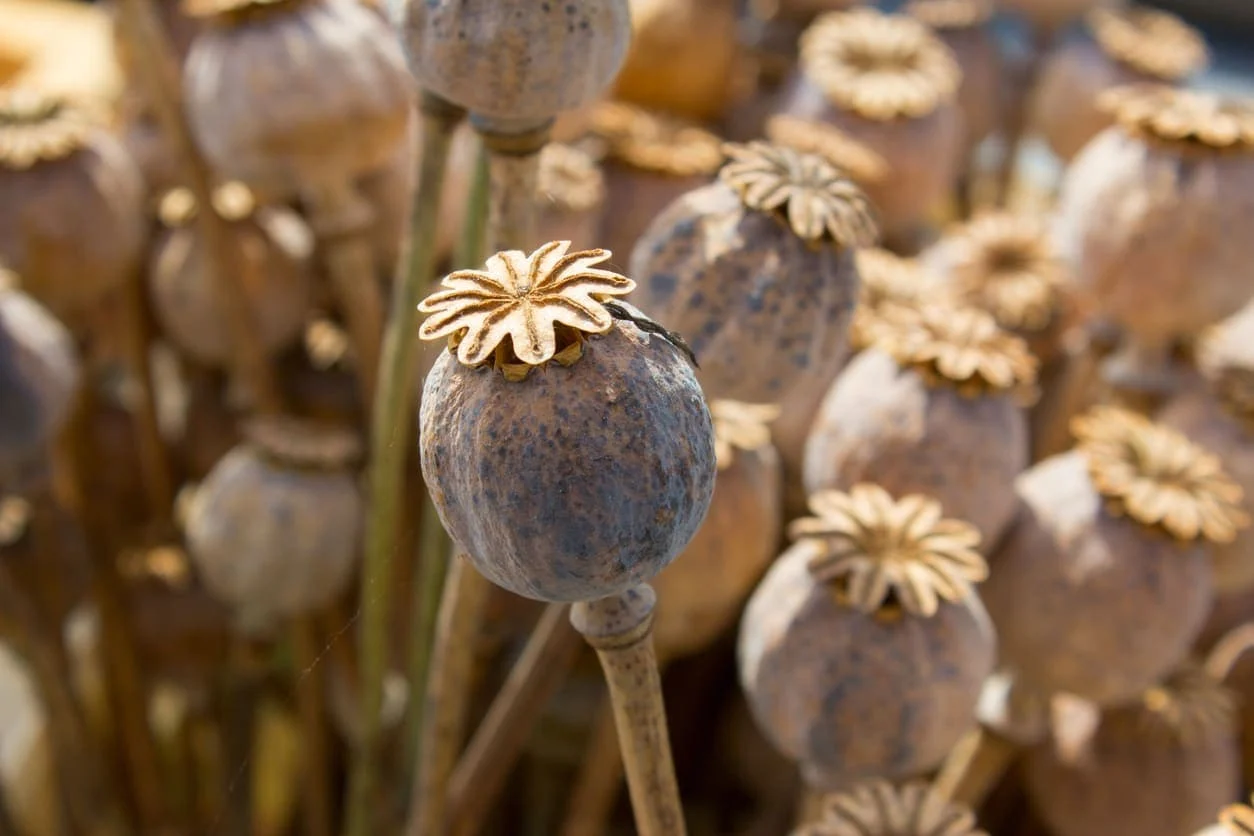
Self-Seeding Flowers: Effortless Beauty That Returns Every Year When I first fell in love with gardening, my mother came to Read more

Mastering Chilli Cultivation in Diverse Climates: A Detailed Guide It may seem unlikely, but growing chillies across different climates is Read more

In this exploration, we uncover eight homemade, natural solutions that act as effective rooting agents for plant propagation through cuttings. Read more
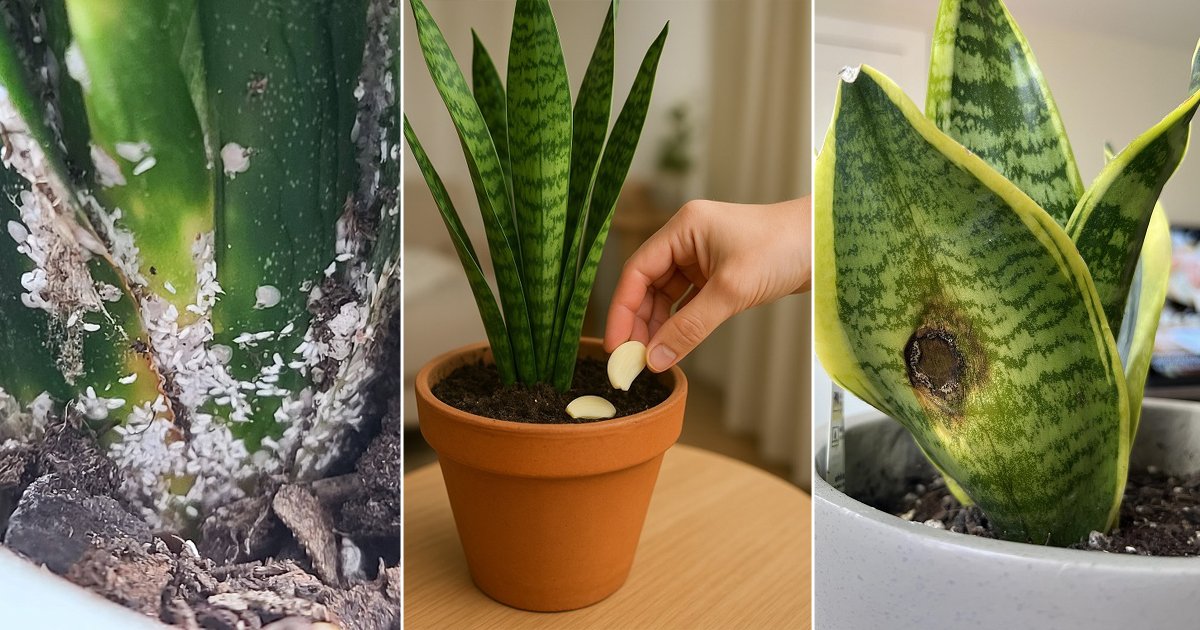
Discover how a simple kitchen ingredient can effectively repel pests, combat diseases, and promote healthier growth in your plants. Snake Read more
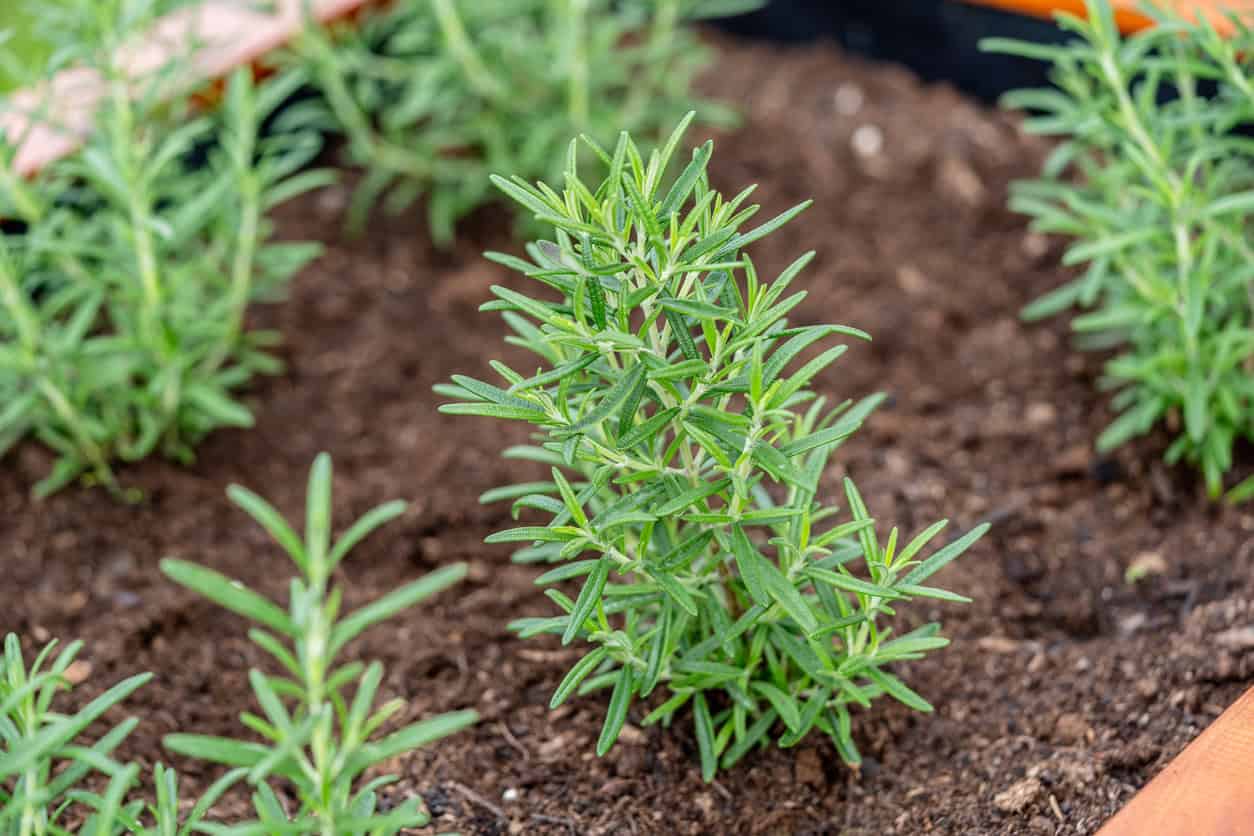
Rosemary is incredibly resilient... truly very robust! If you have ever had the unfortunate experience of adding too much to Read more
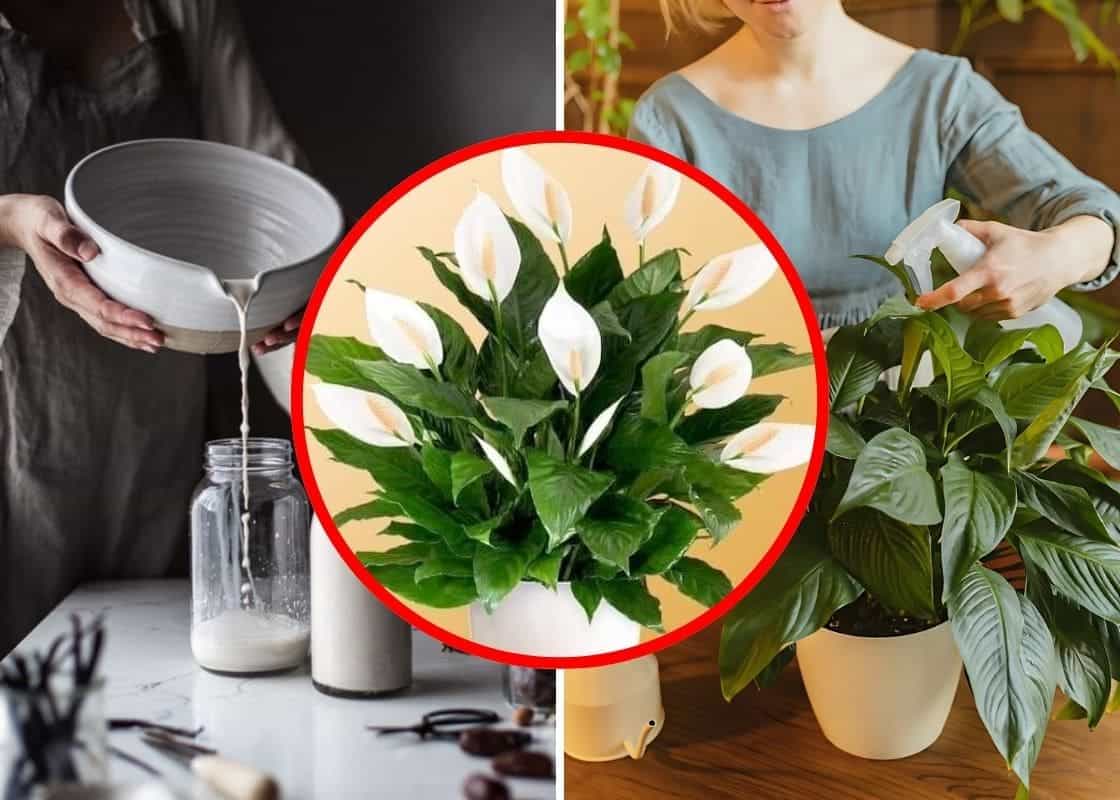
Peace lilies (Spathiphyllum) rank among the most cherished indoor plants, and it’s easy to understand why. Their shiny, deep green Read more

Indoor Plants: A Decorative Air Purifier Indoor plants have become an essential part of modern decor, increasingly sought-after to greenify Read more
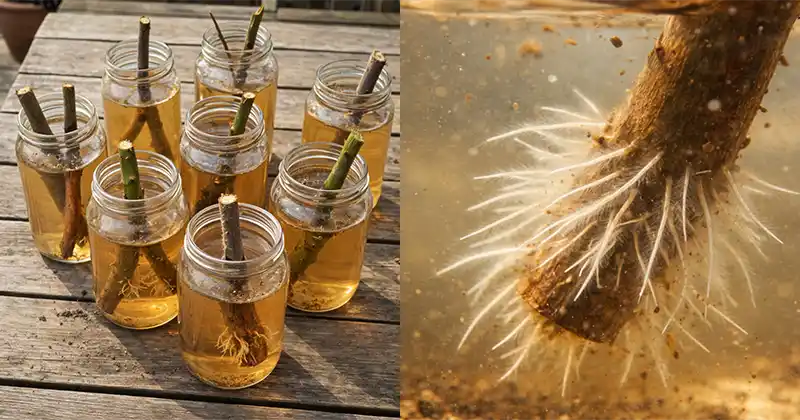
Growing new plants from root cuttings is like discovering a true shortcut in gardening. A single healthy parent plant can Read more

Turmeric is a staple ingredient in Asian cuisine. This vibrant yellow spice, often used to flavor curries and stews, is Read more
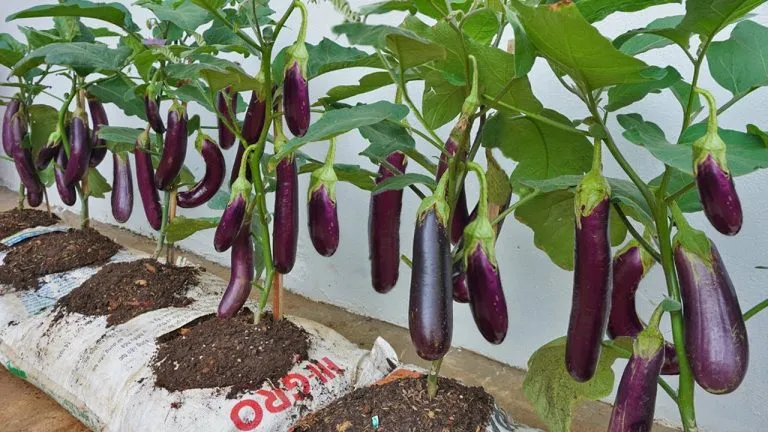
Exploring the World of Eggplants: A Gardener's Guide Eggplants, with their divisive nature, are often a subject of culinary debate. Read more
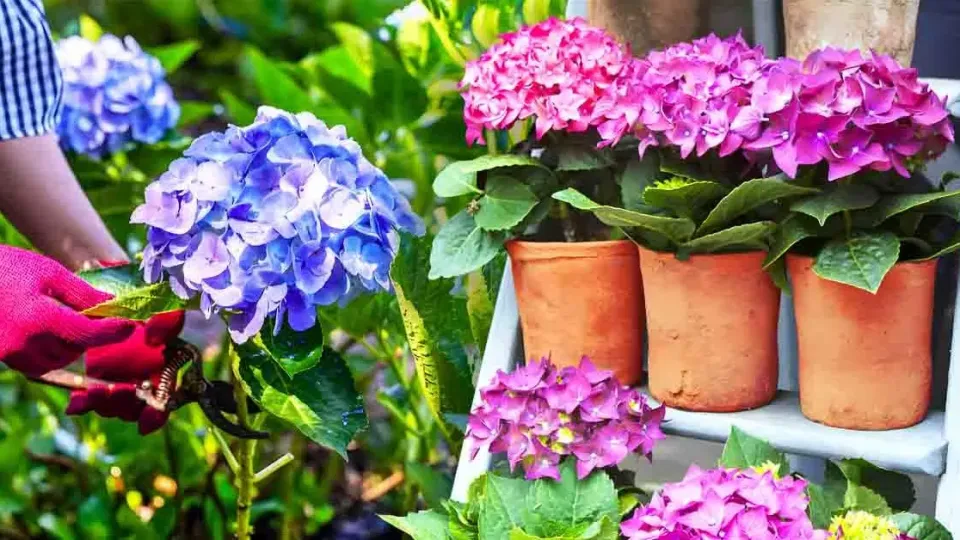
Hydrangeas, with their breathtaking blooms, stand out as one of the most enchanting deciduous flowering bushes. If you've wandered through Read more

Lavender, a charming addition to any garden, is known for its enchanting aroma and vibrant purple hues. This plant comes Read more
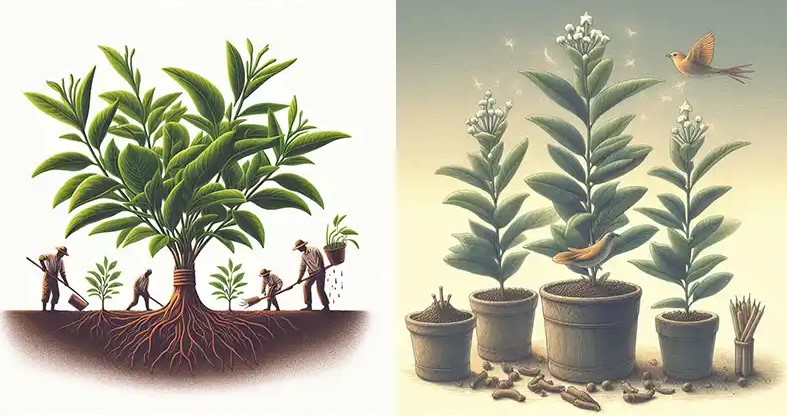
Easy Clove Growing: From Seed to Spice – A Beginner’s Guide Cloves are among the most treasured spices in the Read more
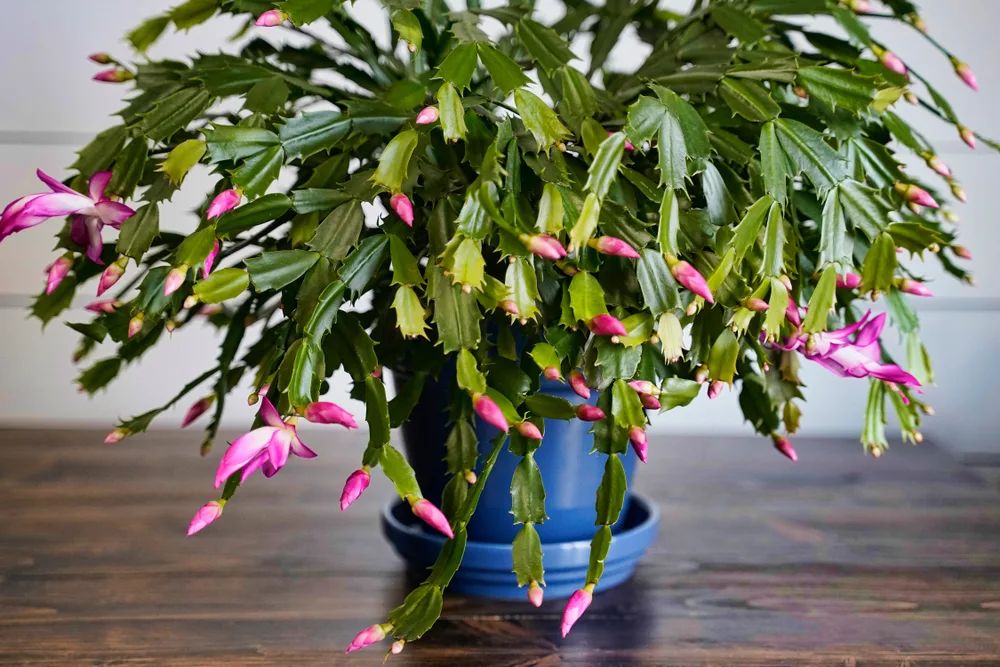
Unlocking the Mystery of the Festive Cactus The festive cactuses often baffle indoor gardeners. There's a lingering myth that these Read more
Safety and Medical Disclaimer: The information provided in this article is intended solely for educational and informational purposes. We disclaim Read more

Get a Head Start on Your Garden: Indoor Sowing for Colder Climates There's no need to wait for spring's embrace Read more

Navigating Aloe Vera Care: Bypassing Usual Oversights Aloe vera, celebrated for its therapeutic properties and eye-catching demeanor, is occasionally compromised Read more
Sleep is a vital component of our overall health, serving as the foundation for a productive and energized day. Yet, Read more

Using White Vinegar for Garden Maintenance Gardening is never an easy task. Planting, weeding, and watering plants and flowers require Read more
Kalanchoe, a stunning and adaptable succulent plant, is admired not only for its ornamental beauty but also for its strong Read more
You carefully plan your getaway, pack your bags, double-check your tickets… and just as you are about to close the Read more
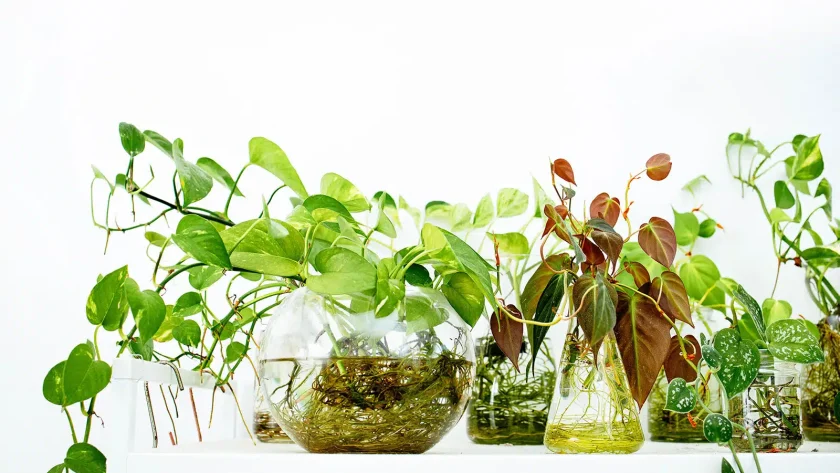
Searching for a distinctive method to incorporate some foliage into your home or workplace? Try cultivating plants hydroponically! Not only Read more

Orchids, with a staggering 28,000 unique species, beautifully demonstrate nature's rich tapestry of diversity. Originating from the Orchidaceae lineage, these Read more
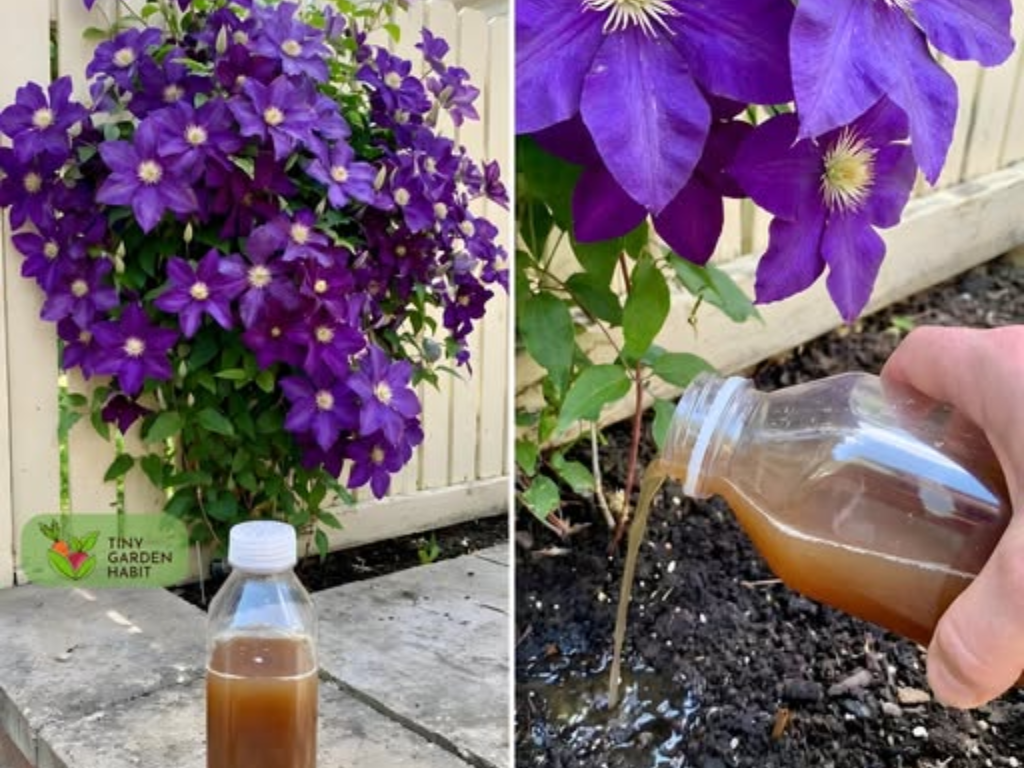
Clematis plants are fundamentally simple organisms, almost mechanical in nature, driven by basic principles of plant hydraulics and a kind Read more

Unlocking the Flowering Potential of Anthuriums Anthuriums are renowned for their stunning, heart-shaped blooms which, under ideal conditions, can grace Read more
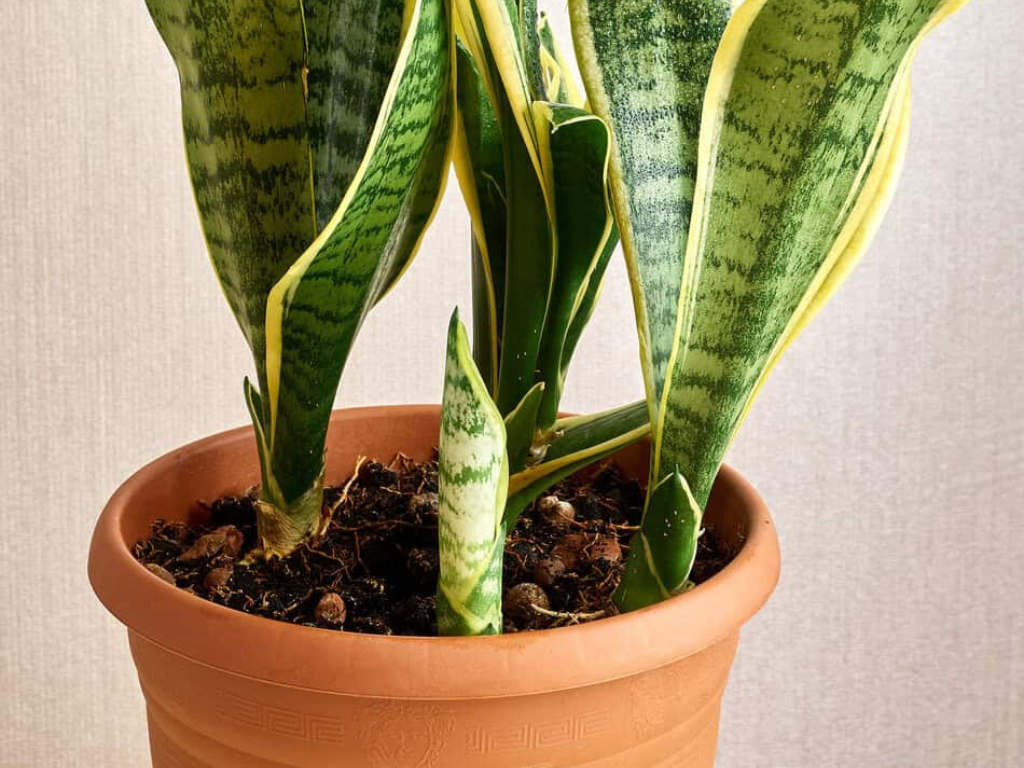
Snake plants (Dracaena trifasciata, formerly known as Sansevieria trifasciata) are renowned for their remarkable resilience. No matter if they receive Read more
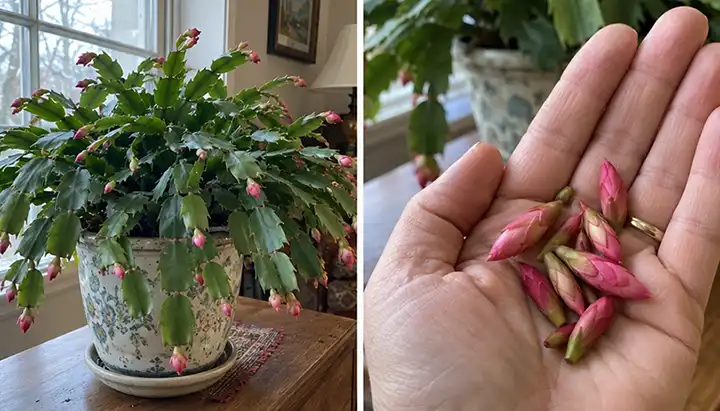
If your Christmas cactus has stayed healthy throughout the year but produced only a few flowers last winter, October might Read more
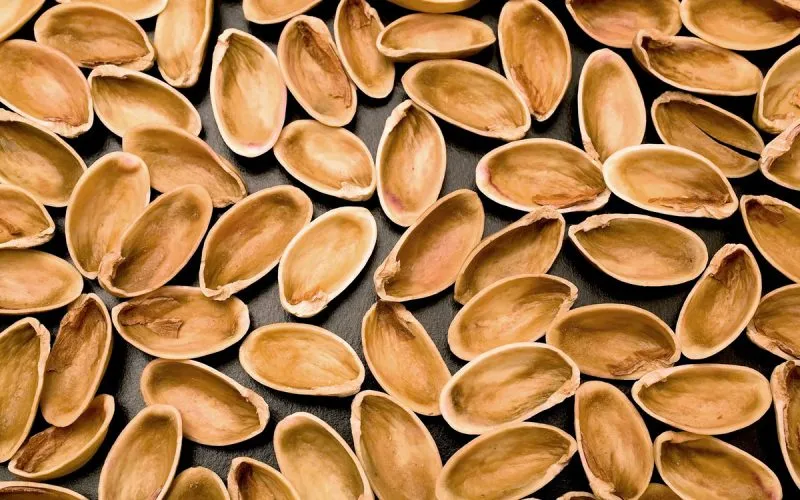
Originating from the arid regions of the Middle East, the pistachio tree (Pistacia vera) is a hardy desert plant celebrated Read more
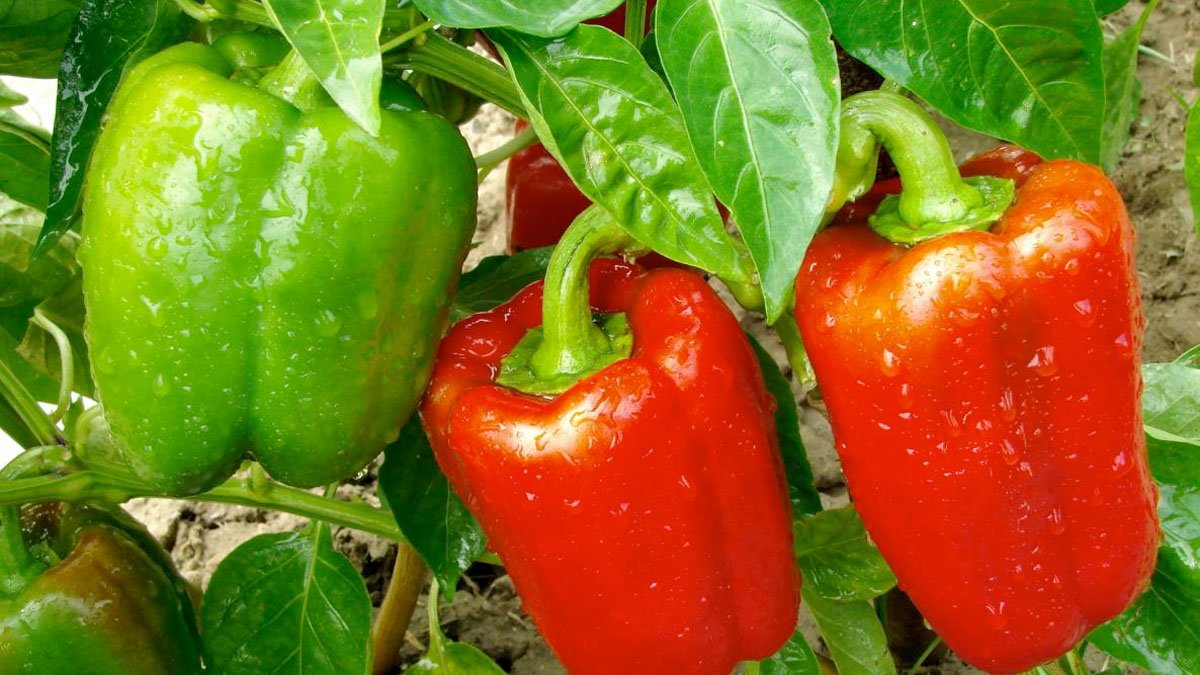
Pepper plants are a favorite addition to any home garden, offering an impressive variety of flavors, colors, and levels of Read more
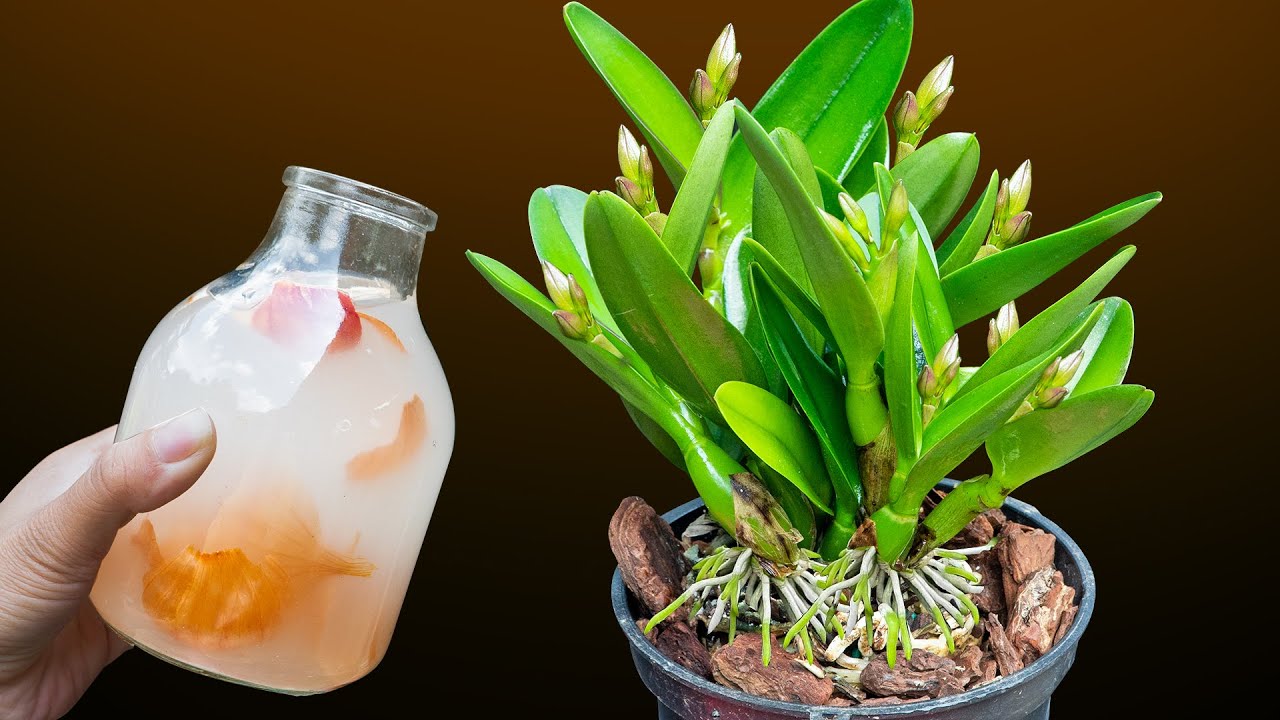
Orchids, celebrated for their exotic beauty and remarkable variety, require tailored care to flourish. While most growers rely on commercial Read more
