
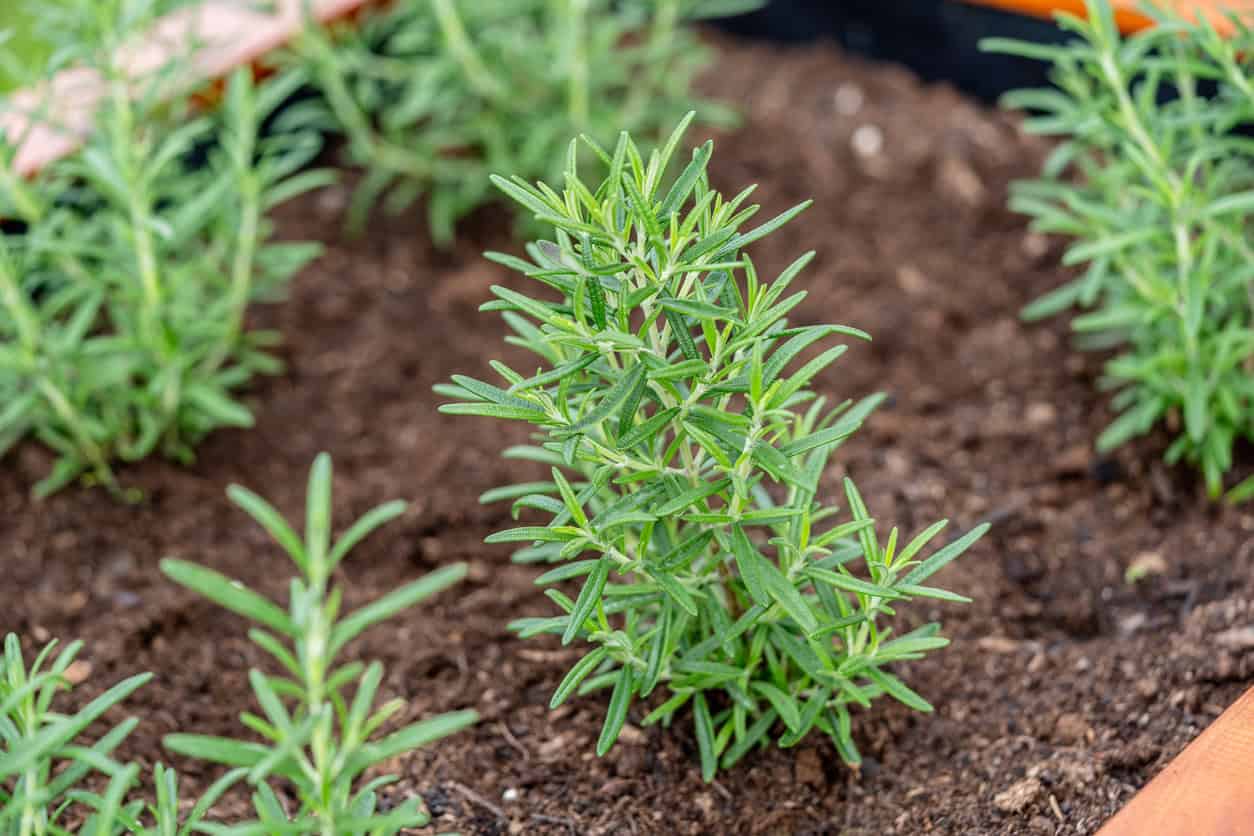
Rosemary is incredibly resilient… truly very robust! If you have ever had the unfortunate experience of adding too much to a dish, you know that powerful flavor that overwhelms all the other ingredients and can ruin the entire meal. This is precisely what makes rosemary so unique: just a small touch is enough to infuse any dish with an intense flavor.
But let’s set aside rosemary in cooking and focus on the plant itself.
This article will guide you on how to propagate rosemary through cuttings. Yes, there are other methods, such as germinating from seeds, water propagation, or layering.
However, cuttings remain the simplest and most reliable method. So why not choose the most efficient and least demanding technique?
Propagating Rosemary in 4 Simple Steps

1. Gather the Necessary Materials
As with any plant propagation process, you will need:
A pair of scissors
Some pots
Appropriate potting soil
A mature, healthy rosemary plant
Begin by snipping vigorous, fresh stems from your mother rosemary plant. Each cutting should measure between 12 and 18 centimeters and contain several nodes—the spots where roots will eventually grow.
2. Plant the Cuttings

Once your cuttings are ready to be planted, it’s time to start potting them.
Fill a pot with potting soil and level the surface. Then place your rosemary cuttings with the base down, keeping them straight in the soil. A fairly large pot can accommodate several cuttings at once.
If you wish, a quick dip of the cuttings’ ends into rooting hormone powder can encourage faster root growth and save you time.

Another tip: you can also submerge your cuttings in clear water for 10 to 15 days to promote rooting. This significantly increases their chances of survival when transplanting to soil.
3. Watering and Care After Planting
After placing the cuttings in the soil, make sure to water regularly to keep the soil moist.
Young cuttings need a humid environment to properly develop their roots, but be careful not to overwater, as too much moisture can cause root rot.
Light exposure is also crucial. Avoid direct sunlight! Indirect light, such as that from a well-ventilated and bright room, is ideal during the rooting phase.
4. Transplanting into Larger Pots or Open Ground

Surprise: a small pot is not sufficient to grow a fully mature rosemary plant!
Once the roots have grown sufficiently, you will need to transfer the cuttings into a larger pot or directly into the garden, so they have room to grow and develop into strong, healthy plants.
Transplanting is straightforward: gently remove the cuttings, keeping the roots intact, from the initial pot, then plant them where they have more space.
After this step, exposure to direct sunlight is fine, but continue to water moderately to maintain balance.
In Conclusion
There you have it—you have successfully propagated your first rosemary plant!
From now on, you will enjoy an endless supply each year, perfect for flavoring your Christmas turkeys or enhancing soups and stews. Rosemary always adds a distinct new dimension to savory dishes. Happy growing, and you’ll thank me later!
Clematis plants are fundamentally simple organisms, almost mechanical in nature, driven by basic principles of plant hydraulics and a kind Read more

Using Baking Soda for Plant Care To care for your plants or your vegetable garden, have you considered the DIY Read more
Hydrangeas, with their breathtaking blooms, stand out as one of the most enchanting deciduous flowering bushes. If you've wandered through Read more
Orchids, with over 28,000 unique species, provide a fascinating insight into the immense diversity found in nature. Originating from the Read more

Cultivating an Avocado Plant Indoors: A Step-by-Step Guide Nurturing an avocado seed into a blossoming plant within the confines of Read more
Growing Chayote from Supermarket Fruit: Abundant Harvests Made Easy If you've ever strolled through the produce aisle and spotted a Read more
Three Little-Known Tips to Keep Your Potatoes in Perfect Condition Choosing the Right Location for Storage The way you store Read more

Turmeric is a staple ingredient in Asian cuisine. This vibrant yellow spice, often used to flavor curries and stews, is Read more

The Curious Case of Tomato Slices: A Journey from Kitchen Scrap to Sprout As someone always game for a gardening Read more

Cultivating Zucchini in Containers: A Comprehensive Guide Zucchini is a popular vegetable for gardening aficionados and novices alike. It's simple Read more
If your Christmas cactus has stayed healthy throughout the year but produced only a few flowers last winter, October might Read more

Neem oil is a completely natural product, derived from a plant native to India. It contains azadirachtin, a potent compound Read more

Lavender, a charming addition to any garden, is known for its enchanting aroma and vibrant purple hues. This plant comes Read more
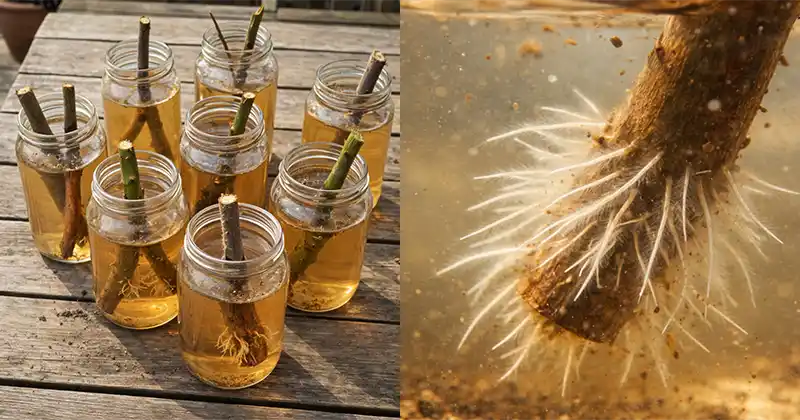
Growing new plants from root cuttings is like discovering a true shortcut in gardening. A single healthy parent plant can Read more
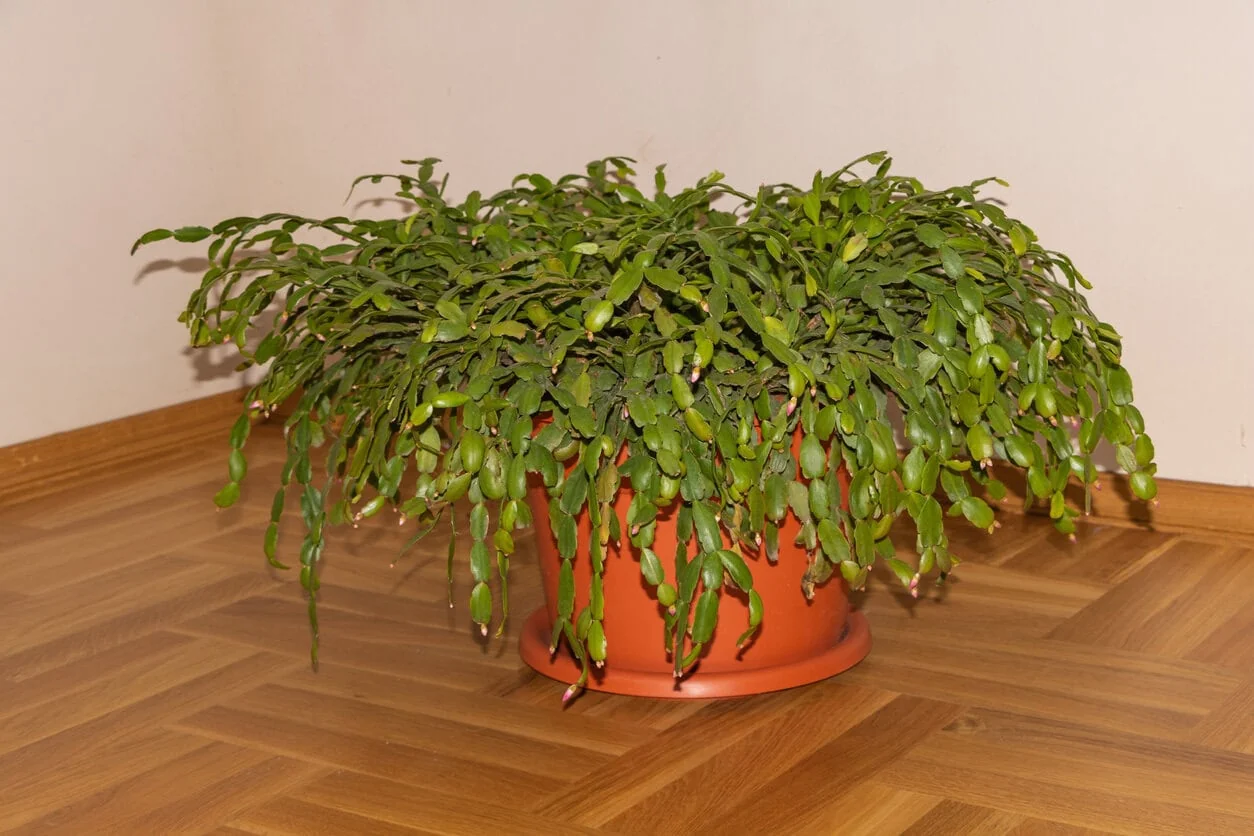
You have probably found yourself here because you are tired of seeing your Christmas cactus looking like the Ghost of Read more

In this exploration, we uncover eight homemade, natural solutions that act as effective rooting agents for plant propagation through cuttings. Read more
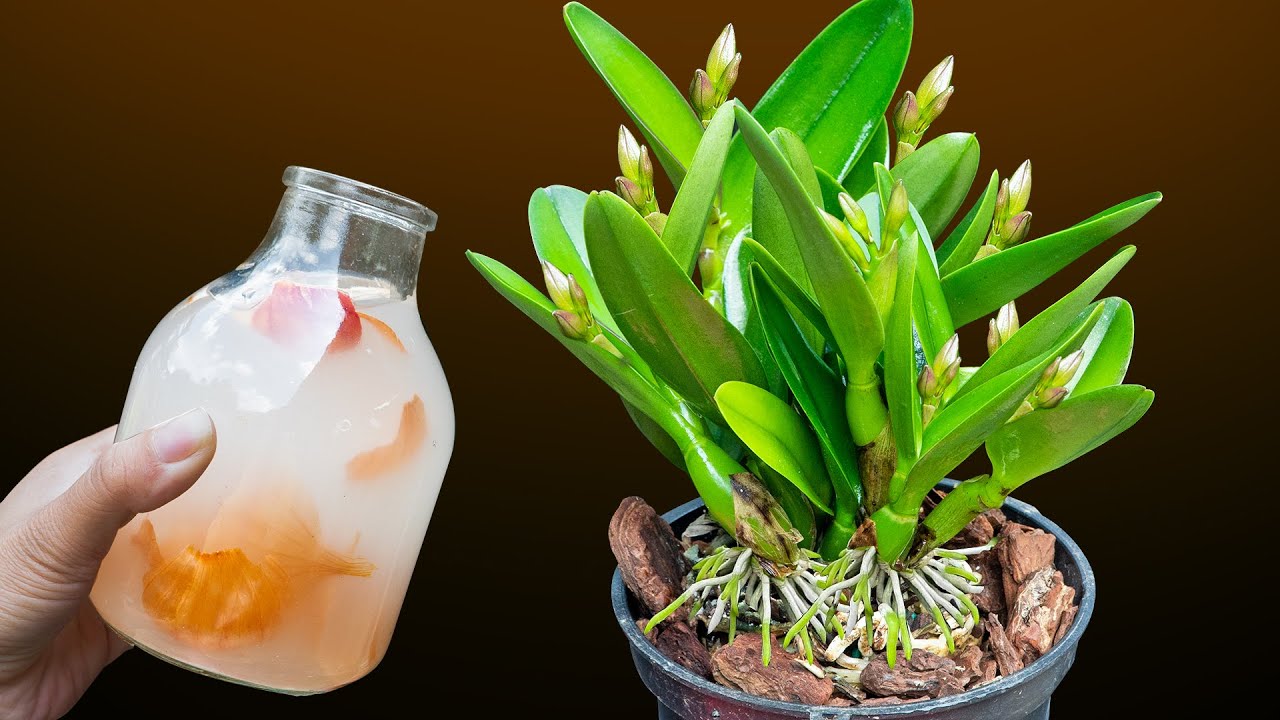
Orchids, celebrated for their exotic beauty and remarkable variety, require tailored care to flourish. While most growers rely on commercial Read more
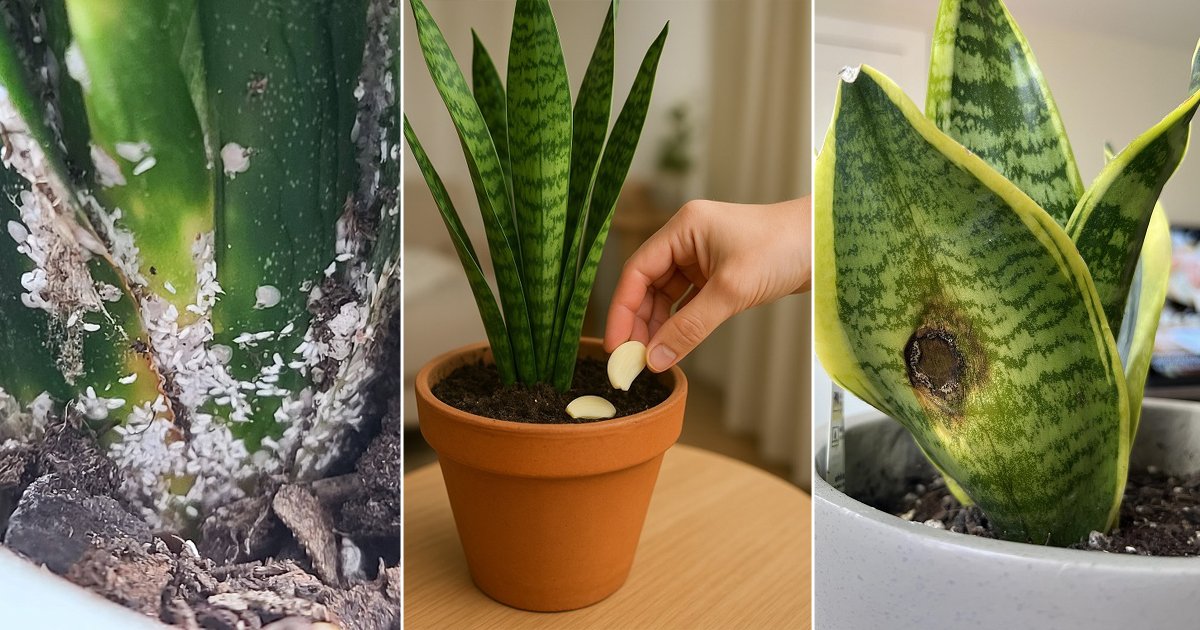
Discover how a simple kitchen ingredient can effectively repel pests, combat diseases, and promote healthier growth in your plants. Snake Read more
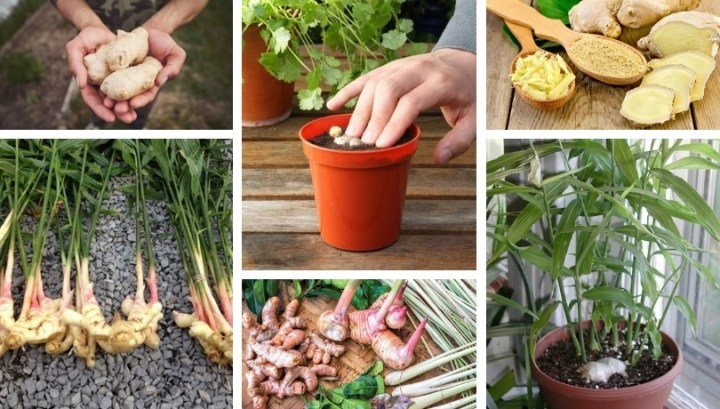
Ginger, renowned for its distinct flavor and numerous health advantages, is a fundamental ingredient in many culinary traditions around the Read more

Deadly Nightshade (Atropa belladonna): The Mysterious and Dangerous Plant with a Dark Legacy At first glance, Deadly Nightshade (Atropa belladonna) Read more

For gardening enthusiasts, it's a known fact that many plants thrive in humid and warm climates conducive to their growth. Read more
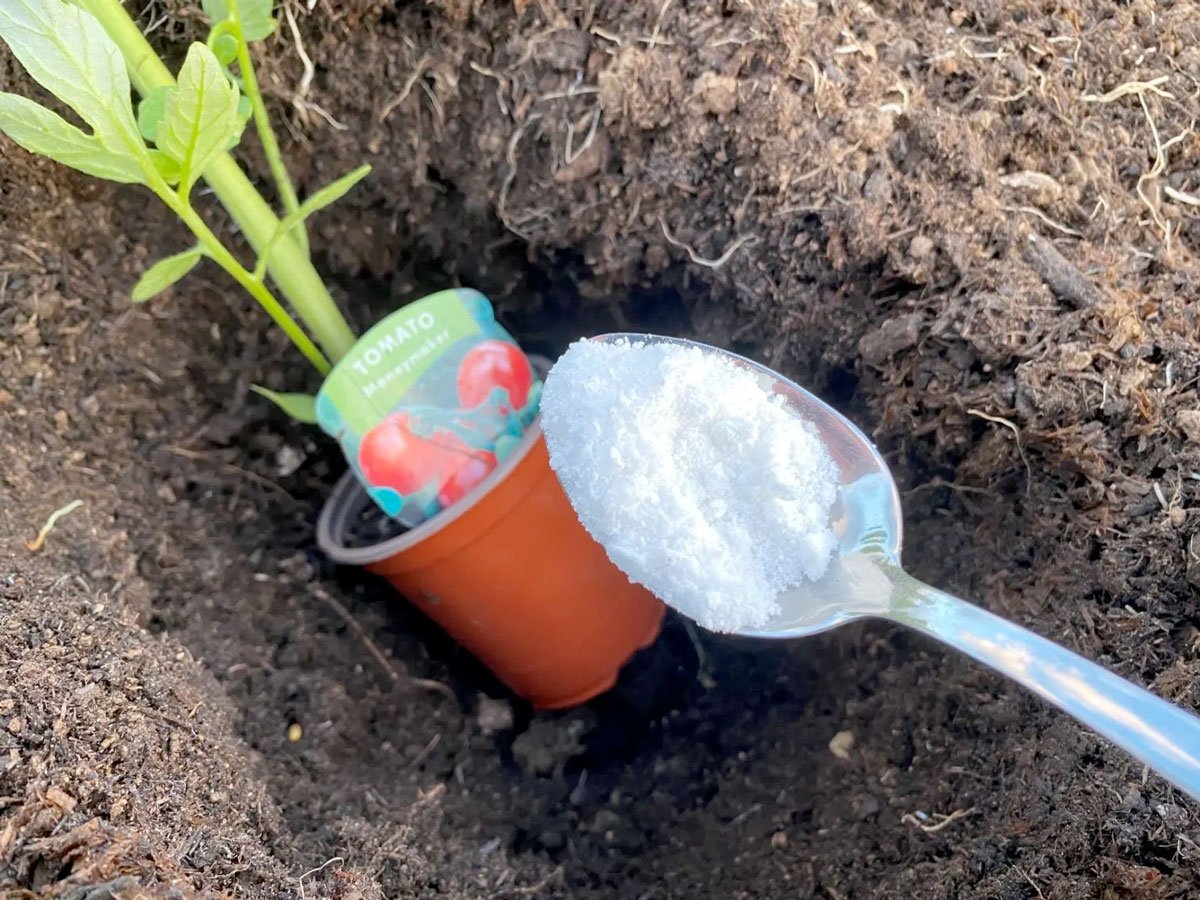
When it comes to gardening, enthusiasts are always eager to discover effective and affordable methods to boost plant growth and Read more
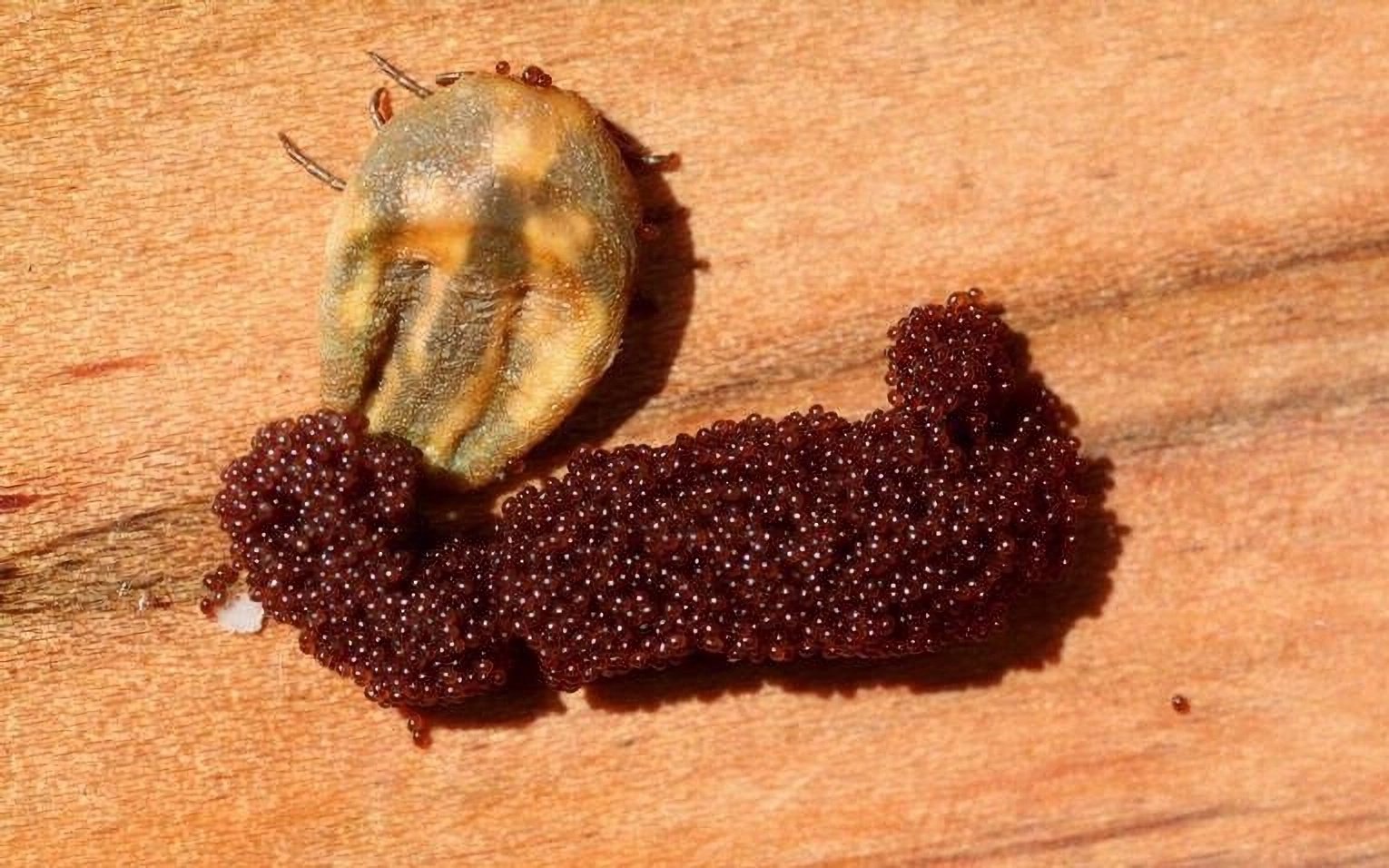
Imagine spending a relaxing afternoon in your backyard, only to stumble upon an unexpected and unwelcome discovery—a cluster of tiny Read more
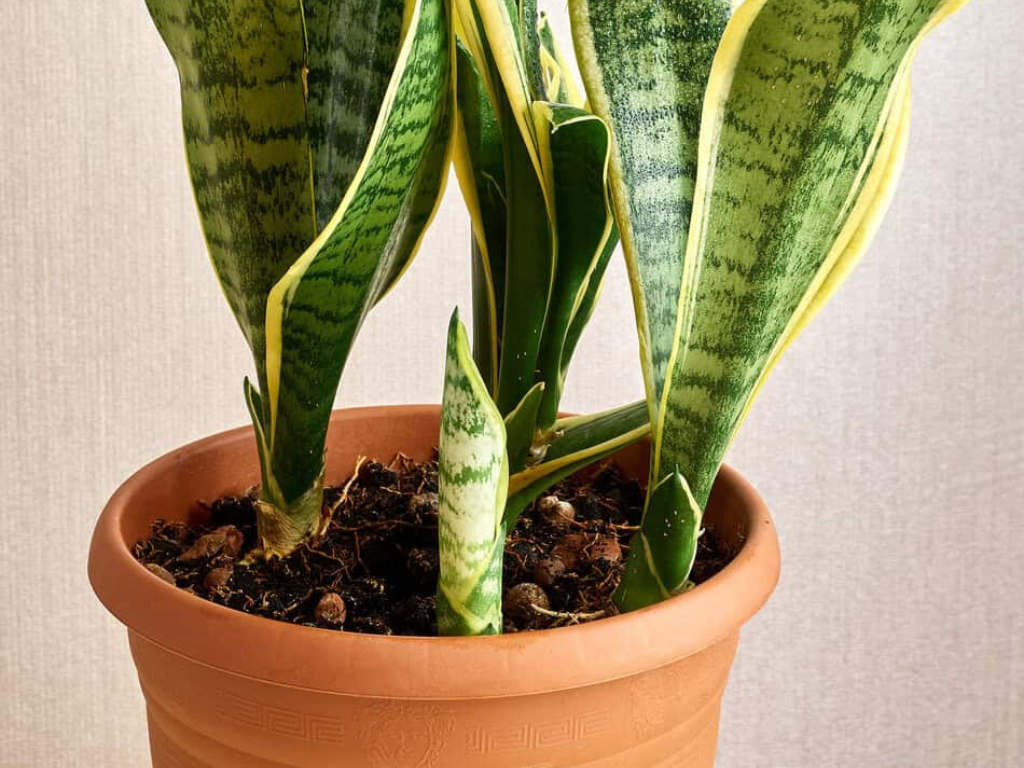
Snake plants (Dracaena trifasciata, formerly known as Sansevieria trifasciata) are renowned for their remarkable resilience. No matter if they receive Read more
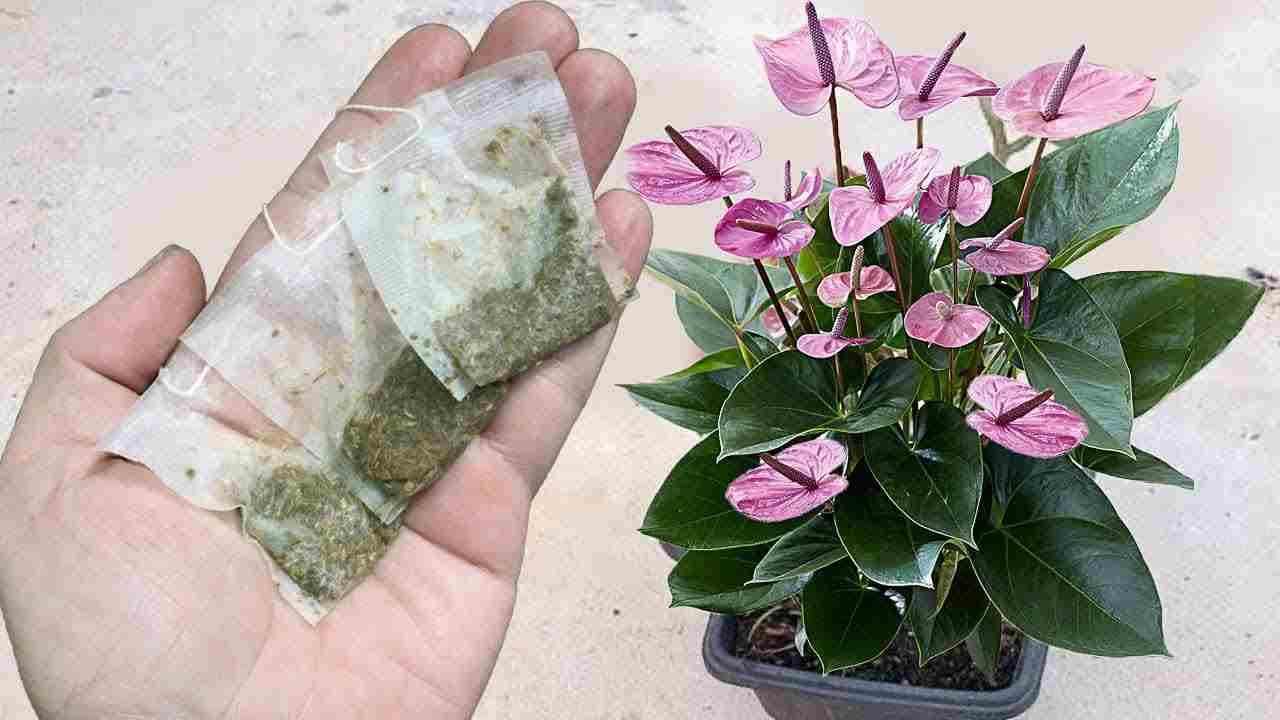
The ancient custom of drinking tea has been cherished by cultures around the world for centuries. Yet, surprisingly few people Read more
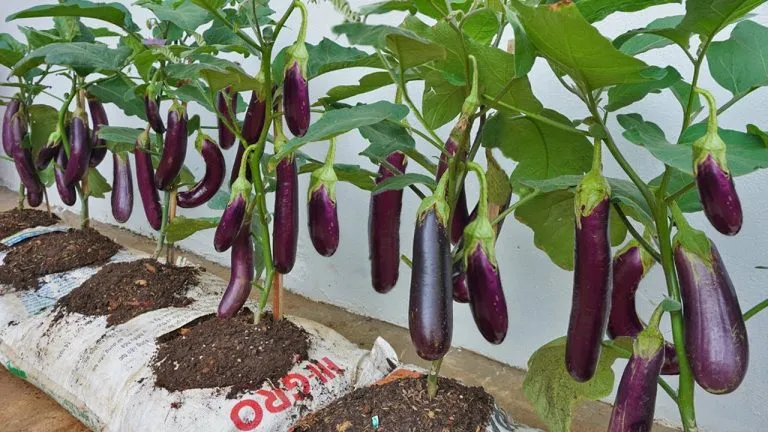
Exploring the World of Eggplants: A Gardener's Guide Eggplants, with their divisive nature, are often a subject of culinary debate. Read more

Unlocking the Flowering Potential of Anthuriums Anthuriums are renowned for their stunning, heart-shaped blooms which, under ideal conditions, can grace Read more

Have you ever noticed how a tomato freshly picked from your garden tastes far superior to one bought off a Read more

Caring for orchids, known for their exquisite and delicate nature, involves a precise approach to hydration. Orchids differ from typical Read more

Introducing 15 Health-Enhancing Indoor Plants for a Vibrant Home Oasis Embrace a selection of indoor plants that bring more than Read more

Mastering Chilli Cultivation in Diverse Climates: A Detailed Guide It may seem unlikely, but growing chillies across different climates is Read more

Indoor Plants: A Decorative Air Purifier Indoor plants have become an essential part of modern decor, increasingly sought-after to greenify Read more

As sustainability and eco-consciousness continue to rise in importance in our daily lives, discovering alternative methods to fertilize our gardens Read more

If you don't often get the chance to rejuvenate in the midst of nature, there's an alternative: introducing plants to Read more
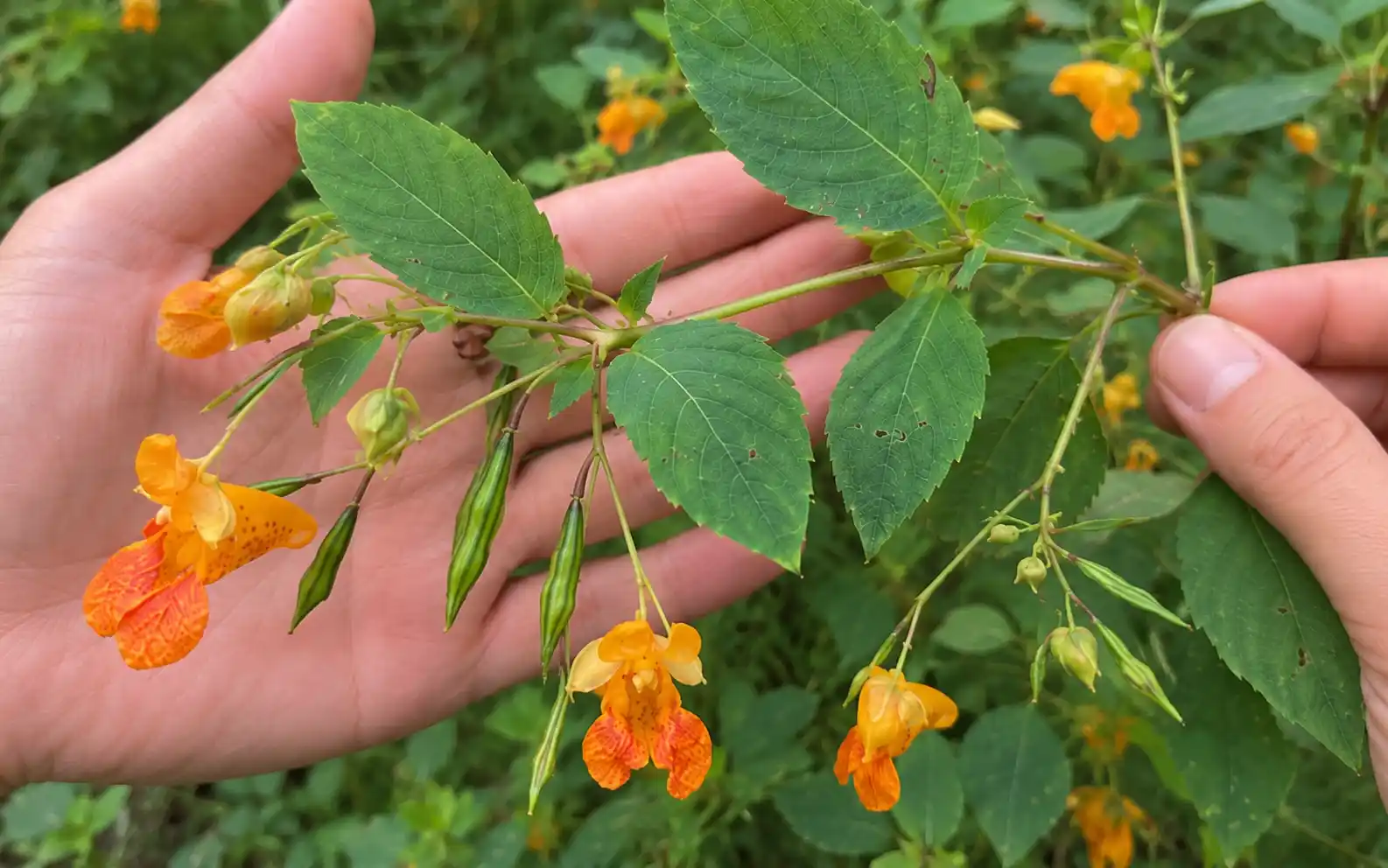
Safety and Medical Disclaimer: The information provided in this article is intended solely for educational and informational purposes. We disclaim Read more

Wild Medicinal Plants: Harnessing the Hidden Virtues of Earth’s Greenery In the wilderness of our environment—ranging from the expanse of Read more
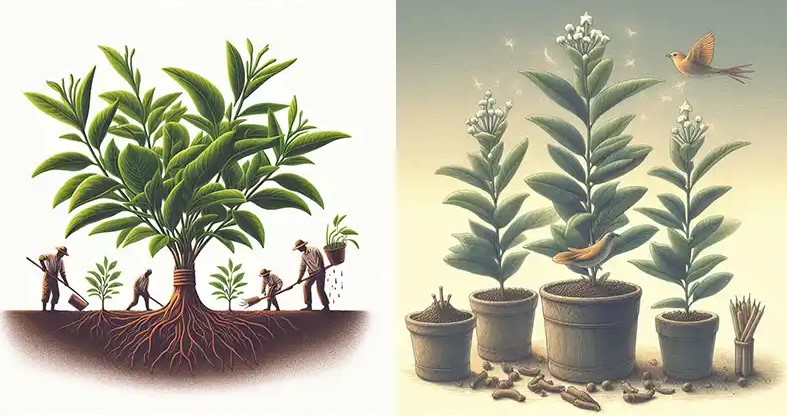
Easy Clove Growing: From Seed to Spice – A Beginner’s Guide Cloves are among the most treasured spices in the Read more
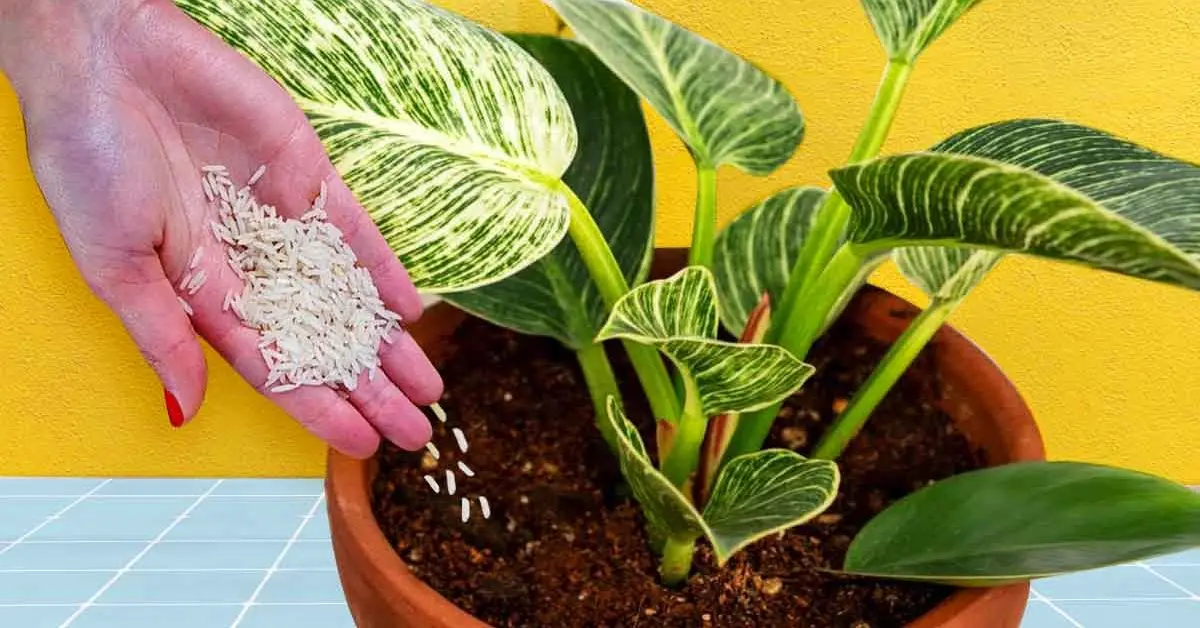
Indoor Plants and Their Benefits Indoor plants not only enhance the decor but also bring a touch of lush greenery. Read more
Self-Seeding Flowers: Effortless Beauty That Returns Every Year When I first fell in love with gardening, my mother came to Read more

Orchids, with a staggering 28,000 unique species, beautifully demonstrate nature's rich tapestry of diversity. Originating from the Orchidaceae lineage, these Read more
