

Mastering Chilli Cultivation in Diverse Climates: A Detailed Guide
It may seem unlikely, but growing chillies across different climates is entirely achievable. This guide offers in-depth insights for successfully cultivating and nurturing chillies.
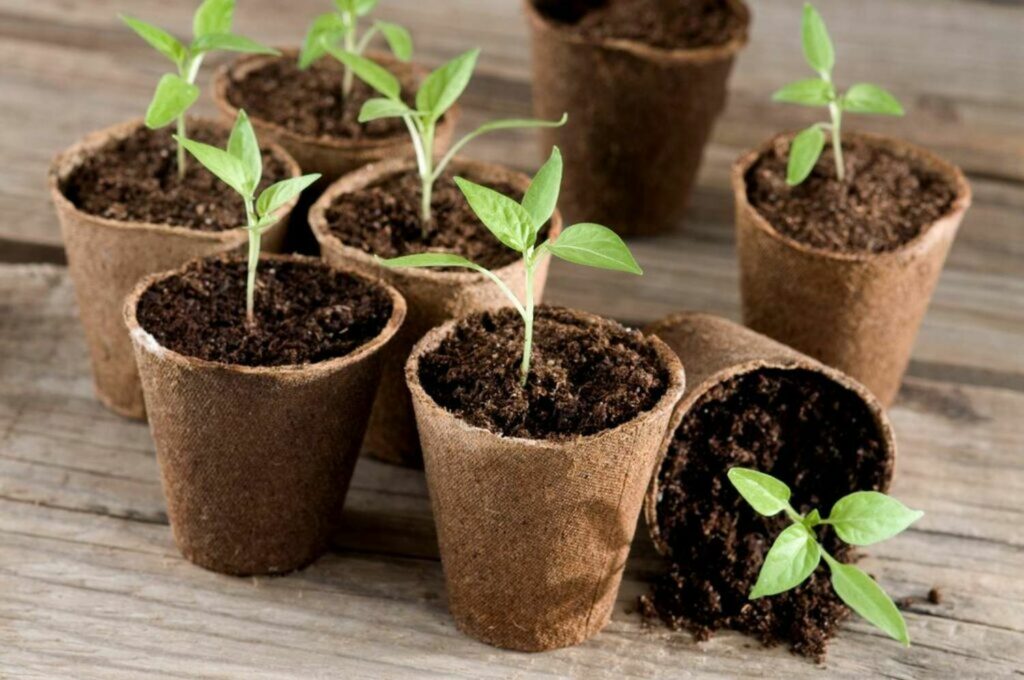
Optimizing Conditions for Chilli Growth
To effectively grow chillies, one must consider their natural environment. Originating from Mexico’s hot, sunny regions, chillies from the Capsicum family thrive in similar conditions. Ideal spots are sunny with ample airflow. These plants are versatile, flourishing in both container gardens and traditional garden beds, especially in sunny spots near walls or in greenhouses for extra warmth.
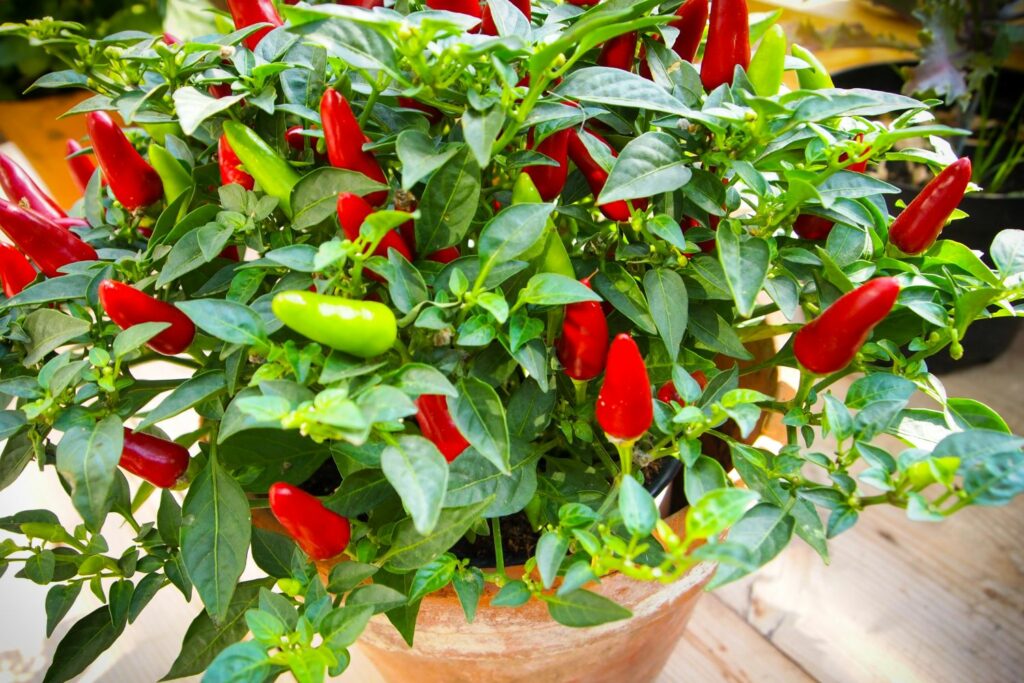
Chillies require a particular type of soil to prosper: it should be moist, well-drained, and nutrient-rich. When planting chillies in your garden, aim for a soil pH that is neutral or slightly acidic. Enriching the soil with compost before planting provides the chillies with the necessary nutrients for vigorous growth.
Best Places to Grow Chilli Plants
- Sun-drenched, warm locations
- Good air movement
- Soil that is moist and nutrient-rich with a neutral to slightly acidic pH
- Enrich the soil with compost and a slow-release fertilizer during planting
When to Plant Chillies
Given their slow growth rate, begin sowing chilli seeds as early as January, targeting mid-May for moving them outdoors. Acclimatizing the plants by exposing them to outdoor conditions during the day and bringing them inside at night, a process known as hardening off, is essential for adapting them to external weather conditions and sunlight.
Seed Propagation for Chillies
Growing chillies from seeds, particularly exotic varieties, can be an engaging activity for those with some gardening experience. The key is to start early since many chilli types need over 100 days from sowing to harvest. The ideal sowing period is between mid-January and early March.
Prior to sowing, invigorate the seeds by soaking them in lukewarm water for several hours to remove germination inhibitors and hydrate them for growth.
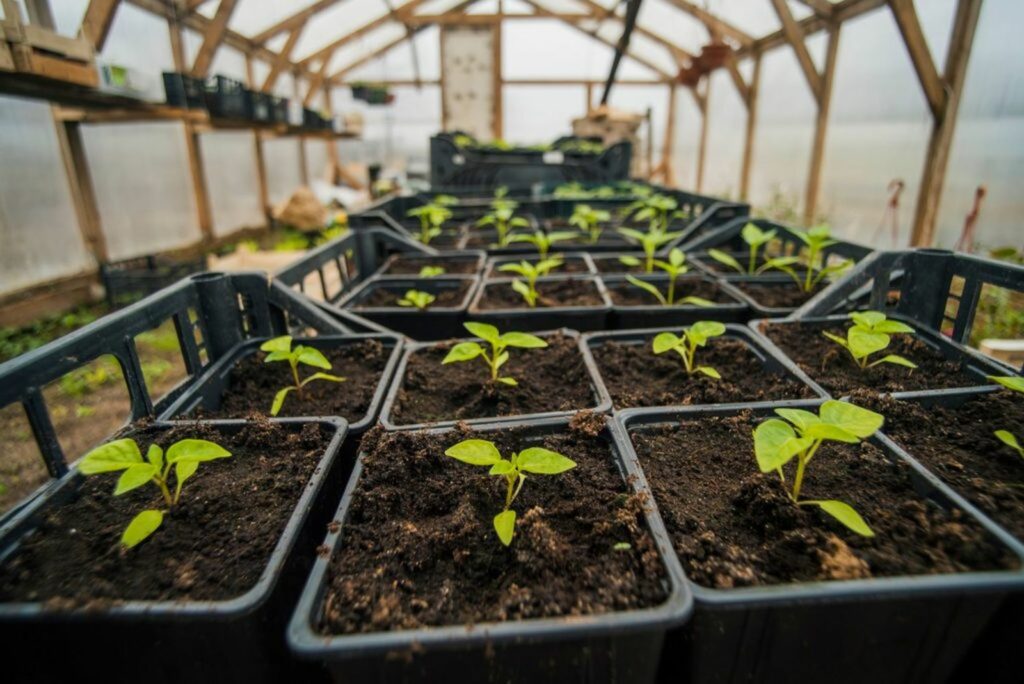
Post-soaking, plant 3 to 4 seeds in each pot, covering them with soil since chillies require darkness to germinate. Maintain the soil moisture and keep the pots in a warm (minimum 20°C), brightly lit area. Using a mini-greenhouse or propagator can create optimal conditions, though regular airing is crucial.
Transplant the seedlings into a richer soil medium once they develop their second set of leaves, keeping the soil consistently moist but not waterlogged.
Chilli Growing Steps
- Indoor sowing from January to March
- Pre-soak seeds in lukewarm water
- Plant 3-4 seeds in each pot, cover with soil
- Maintain a warm (20°C), well-lit environment
- Keep the soil moist, ensure proper ventilation
- Transplant after the second set of leaves emerge
Transplanting Chillies Outdoors
Once the ideal location is chosen and the outdoor temperatures are stable and warm, it’s time to transplant your chillies. Prepare the soil by loosening it and enriching it with compost and slow-release fertilizer.
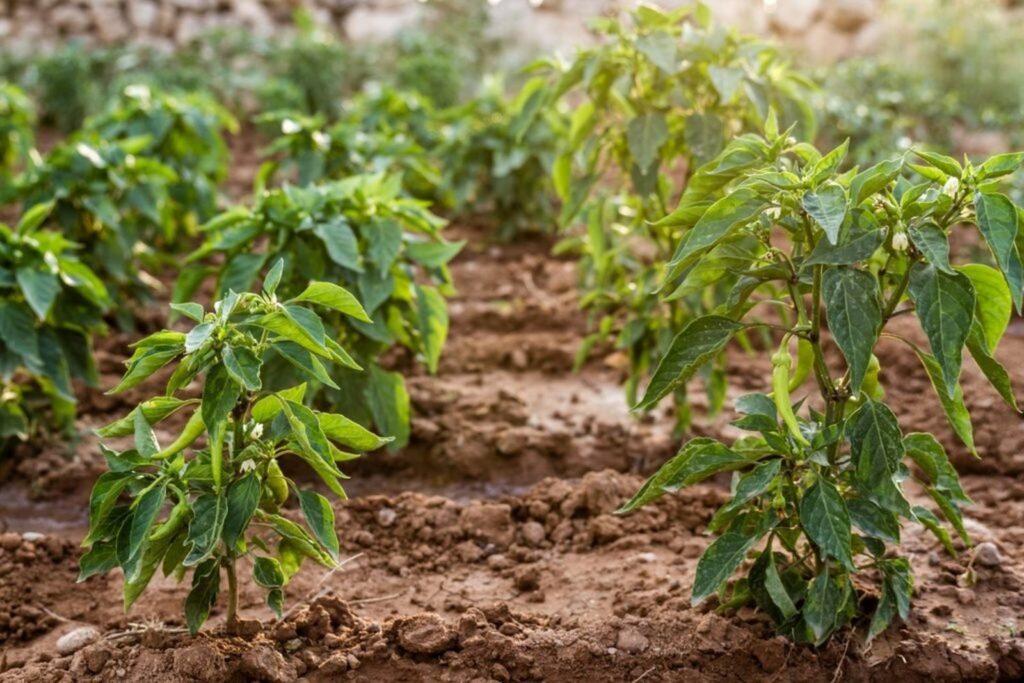
Plant the chillies at a minimum spacing of 40cm, ensuring the entire root ball is below the ground level. Support each plant with a cane or stick and thoroughly water them post-planting.
Steps for Outdoor Transplanting
- Loosen and enrich the soil with compost or fertilizer
- Keep a 40cm spacing between plants
- Support each plant with a stick or cane
- Thoroughly water plants after transplanting
Pro Tip: In gardens, a plastic mulch sheet can be used to suppress weeds, minimize evaporation, and warm the soil. Simply spread it over the garden bed and make slits for planting the chillies.
Following these guidelines will help you cultivate healthy, flavorful chillies in your garden or at home.
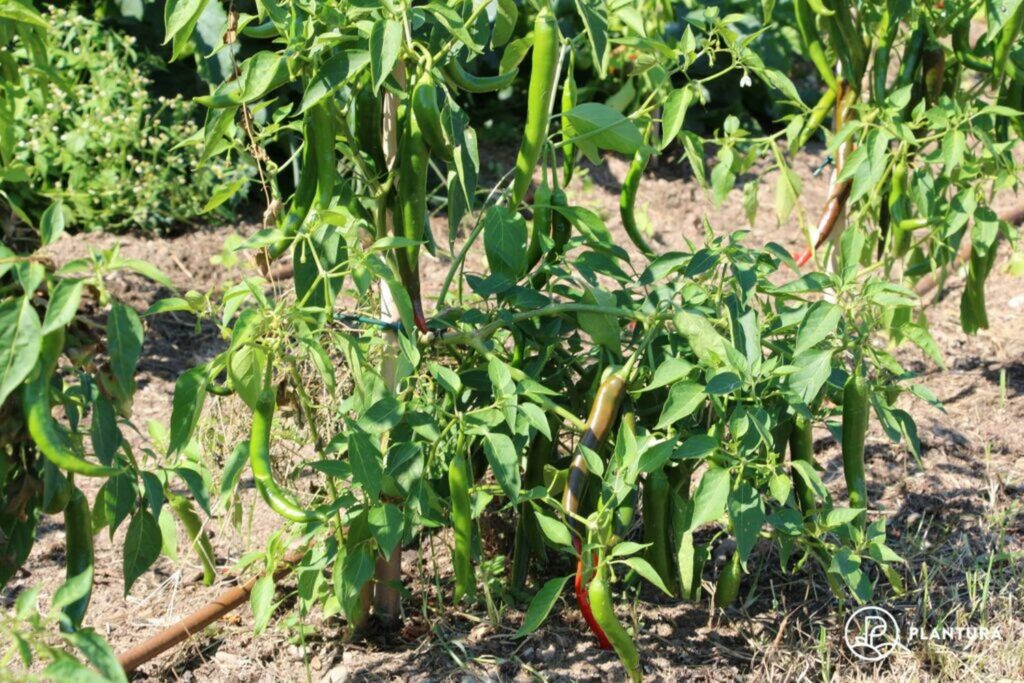
Mastering the Art of Chilli Cultivation Across Climates: An In-Depth Guide
Contrary to what some might think, chillies can be cultivated successfully in a variety of climatic conditions. This guide delves into the best practices and ideal conditions for growing chillies effectively.
Selecting the Perfect Spot for Growing Chillies
The chilli plant, a member of the Capsicum family, originates from Mexico’s warm and sunny environment and flourishes under similar conditions. Choose a location that receives plenty of sunlight and has good air circulation. Chillies are versatile and do well in both pots and garden beds, thriving in areas that offer warmth and light, like a sunny spot in a greenhouse or beside a protective wall.
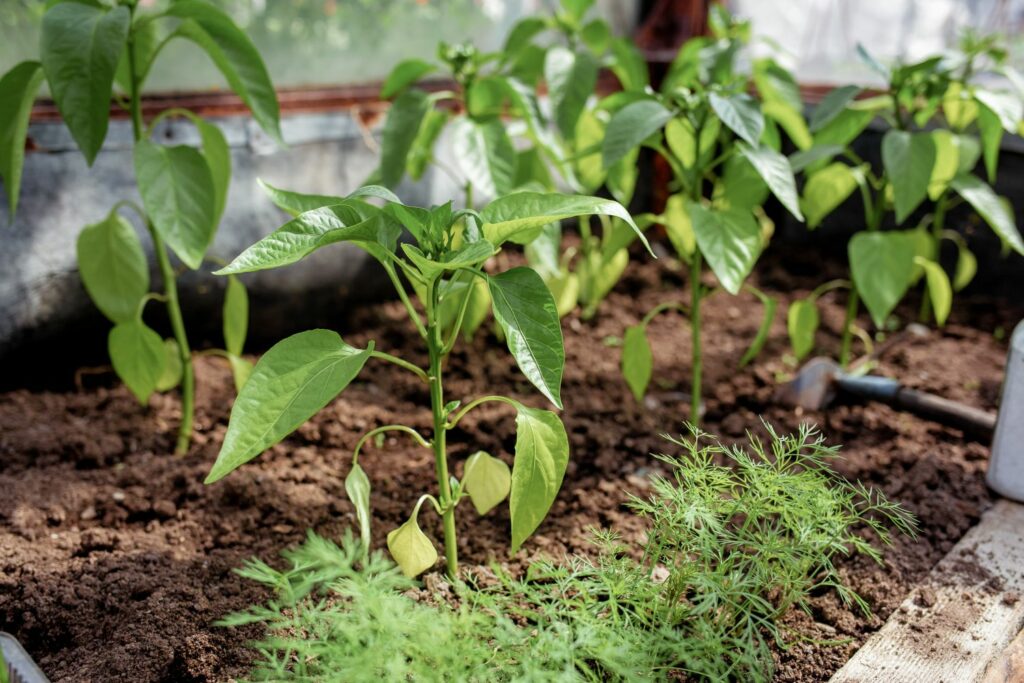
The ideal soil for chilli plants is moist, well-draining, and nutrient-rich. In garden settings, target a soil pH that is neutral or slightly acidic. Composting the soil before planting will provide the essential nutrients needed for the plants’ vigorous growth.
Essential Growing Conditions for Chilli Plants
- Locations that are sunny and warm with adequate air circulation
- Soil that is moist, nutrient-rich, and slightly acidic
- Enrich the soil with compost and bone meal or slow-release fertilizers
Best Times to Plant Chillies
Chillies grow relatively slowly, so it’s best to start sowing them by January and plan to move them outdoors around mid-May.

To prepare them for the outdoor environment, practice hardening off by exposing the plants to outdoor conditions during the day and bringing them indoors at night.
Greenhouse Cultivation of Chillies
Given their preference for warmth, chillies are ideally suited to greenhouse cultivation. This is particularly beneficial in heated greenhouses that guard against early spring and late autumn frosts. Non-heated greenhouses also offer some protection from the cold. An early start in a greenhouse is advantageous due to the lengthy growing season of chillies, improving the chances of ripening before the onset of winter.
Ventilation is crucial in greenhouse cultivation to aid pollination and prevent high humidity, which can lead to fungal diseases. During summer, it’s often beneficial to keep the greenhouse open throughout the day.
Tips for Greenhouse Chilli Cultivation
- Utilize greenhouses for enhanced heat retention and timely ripening
- Ensure regular ventilation for effective pollination and fungal disease prevention
Cultivating Chillies in Pots
Growing chillies in pots is convenient, as it allows you to easily move the plants indoors when temperatures drop. However, growth may be somewhat restricted compared to planting in garden beds. Select pots that are at least 6 litres in volume with proper drainage, and place them in sunny, sheltered spots during summer.
Growing Chillies on Balconies
Various chilli varieties can flourish in pots on balconies. The orientation of the balcony is key, with south-facing ones being ideal for maximum sunlight. East or west-facing balconies can also be suitable if they receive at least five hours of sunlight daily. Choose varieties that are small-growing for limited spaces and robust, quick-growing types for partially shaded balconies.

Tips for Balcony Chilli Cultivation
- Ideal for balconies with southern exposure; east or west exposures can also work
- Select compact chilli varieties for smaller balconies
- Opt for robust, quickly maturing varieties for balconies with partial shade
Indoor Chilli Plant Cultivation
Chillies can be effectively grown indoors as houseplants, particularly smaller varieties for space efficiency. Ensure they receive consistent warmth and adequate light, supplementing with grow lights if needed. Aim to maintain around 50% humidity, achieved through regular misting or placing a water bowl near heating sources. Hand-pollination may be required for fruiting indoors.
Tips for Indoor Chilli Growing
- Choose smaller chilli varieties for indoor growing
- Provide bright, sunny locations or supplement with grow lights
- Maintain around 50% humidity
- Hand-pollinate to encourage fruit production
Growing Capsicum pubescens (Rocoto Tree Chillies)
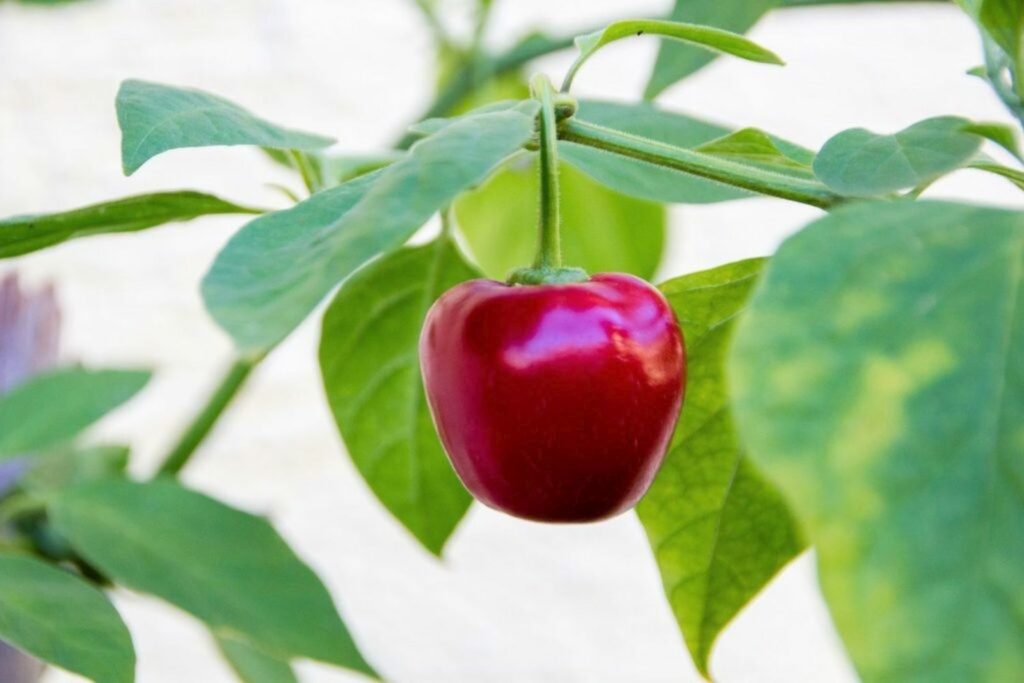
When planting Capsicum pubescens, also known as Rocoto Tree Chillies, follow similar guidelines as with other chilli types, whether in pots or garden beds. These tree chillies do well in partial shade and need protection from the wind. Use a stake or cane for support.
Post-Planting Chilli Care
Attentive care is vital, especially during the fruiting stage. Chillies require consistent and thorough watering. Supplementing traditional fertilizers with homemade nettle tea, rich in nitrogen and potassium, is beneficial. Ensure the chilli plant bed is free of weeds and maintain ideal humidity levels, especially in greenhouses, to prevent fungal issues and support flowering.
Harvesting Tip:
To encourage more branching and consequently a higher yield of flowers and fruits, remove the initial flower buds from the plant.
Unlock the secrets to cultivating especially hot chillies and elevate your gardening skills!

Indoor Plants: A Decorative Air Purifier Indoor plants have become an essential part of modern decor, increasingly sought-after to greenify Read more

How to Reuse Barbecue Ashes After enjoying a barbecue outdoors on a sunny day, the tendency is often to discard Read more
Deadly Nightshade (Atropa belladonna): The Mysterious and Dangerous Plant with a Dark Legacy At first glance, Deadly Nightshade (Atropa belladonna) Read more

Navigating Aloe Vera Care: Bypassing Usual Oversights Aloe vera, celebrated for its therapeutic properties and eye-catching demeanor, is occasionally compromised Read more
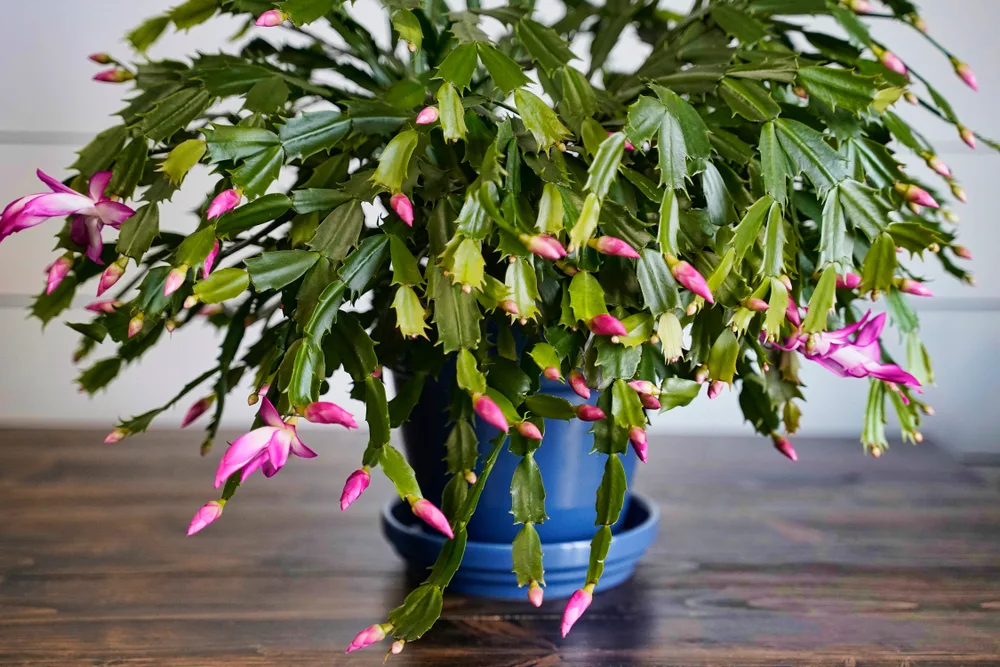
Unlocking the Mystery of the Festive Cactus The festive cactuses often baffle indoor gardeners. There's a lingering myth that these Read more

Understanding Fertilizers for Plants Fertilizer is a product that can be spread or mixed into the soil to provide plants Read more

Orchids, celebrated for their intricate beauty and variety, need particular attention for optimal growth. In the realm of orchid care, Read more
Easy Clove Growing: From Seed to Spice – A Beginner’s Guide Cloves are among the most treasured spices in the Read more

Transforming Garlic Peels into Gold for Gardeners: In the rhythm of kitchen prep, garlic peels are often discarded without a Read more

Different perspectives exist on various aspects of nature, and this holds true for the dandelion, often dismissed as a mere Read more
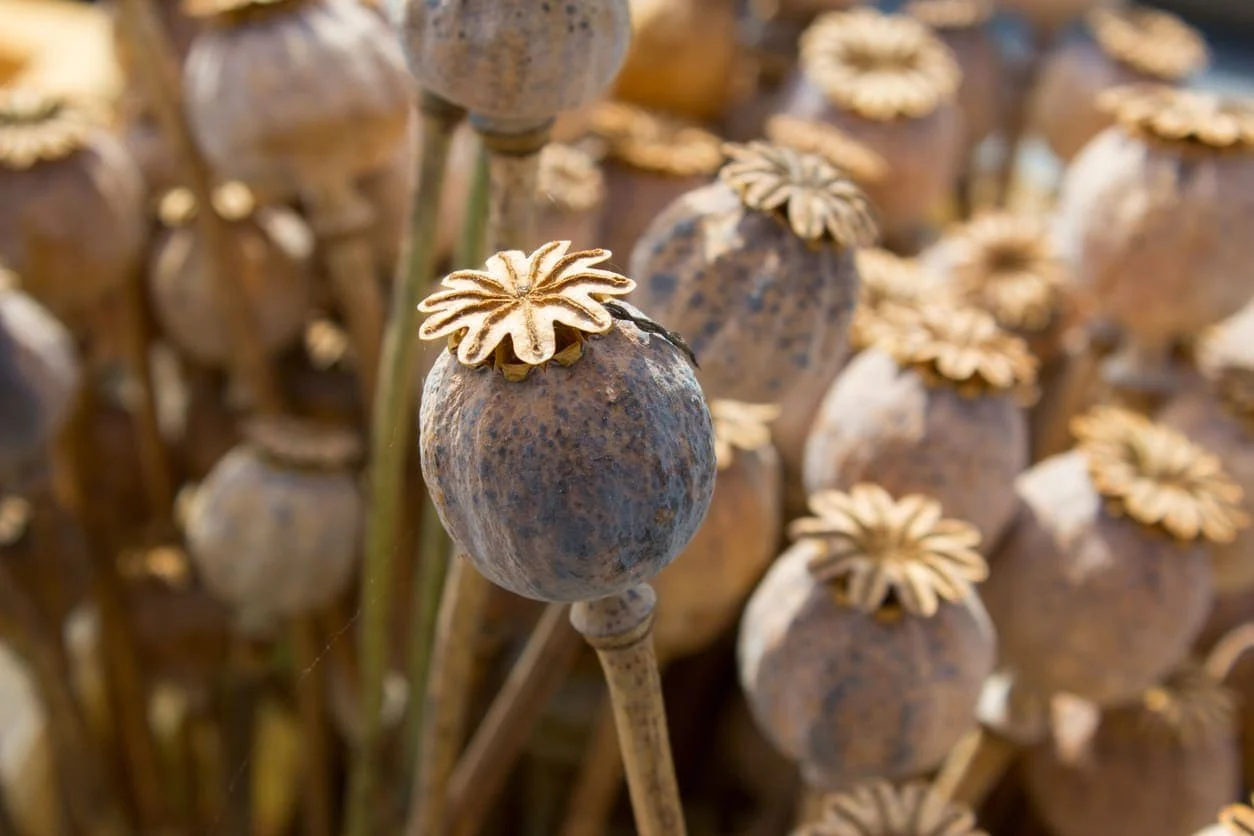
Self-Seeding Flowers: Effortless Beauty That Returns Every Year When I first fell in love with gardening, my mother came to Read more

Orchids are renowned for their stunning blooms and are a favorite among indoor plant enthusiasts. However, getting these temperamental beauties Read more

Tea, the staple of morning routines and afternoon breaks, may have a second life beyond the cup that's often ignored. Read more

Cultivating an Avocado Plant Indoors: A Step-by-Step Guide Nurturing an avocado seed into a blossoming plant within the confines of Read more
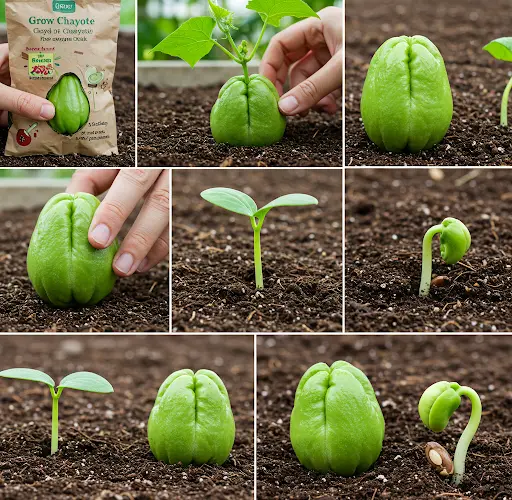
Growing Chayote from Supermarket Fruit: Abundant Harvests Made Easy If you've ever strolled through the produce aisle and spotted a Read more

Turmeric is a staple ingredient in Asian cuisine. This vibrant yellow spice, often used to flavor curries and stews, is Read more
Indoor Plants and Their Benefits Indoor plants not only enhance the decor but also bring a touch of lush greenery. Read more

Neem oil is a completely natural product, derived from a plant native to India. It contains azadirachtin, a potent compound Read more

For gardening enthusiasts, it's a known fact that many plants thrive in humid and warm climates conducive to their growth. Read more

The Curious Case of Tomato Slices: A Journey from Kitchen Scrap to Sprout As someone always game for a gardening Read more

Using White Vinegar for Garden Maintenance Gardening is never an easy task. Planting, weeding, and watering plants and flowers require Read more

Cultivating Zucchini in Containers: A Comprehensive Guide Zucchini is a popular vegetable for gardening aficionados and novices alike. It's simple Read more

Wild Medicinal Plants: Harnessing the Hidden Virtues of Earth’s Greenery In the wilderness of our environment—ranging from the expanse of Read more

Excessive moisture within a house can arise due to capillary action, infiltration, or the phenomenon of condensation. The latter is Read more

Insect-Repelling Greenery: Your Natural Home Defense Transform your home into a sanctuary free from the annoyance of insects such as Read more

Bananas are a delightful treat, but their peels can be a garden's treasure. Rather than discarding banana peels into compost, Read more

Lavender, a charming addition to any garden, is known for its enchanting aroma and vibrant purple hues. This plant comes Read more

The Wonders of Blueberries: A Guide to Growing and Enjoying This Nutrient-Rich Fruit Mildly sweet, the blueberry is a dark Read more

Caring for orchids, known for their exquisite and delicate nature, involves a precise approach to hydration. Orchids differ from typical Read more

If you don't often get the chance to rejuvenate in the midst of nature, there's an alternative: introducing plants to Read more

In this exploration, we uncover eight homemade, natural solutions that act as effective rooting agents for plant propagation through cuttings. Read more

In the culinary world, garlic is a staple ingredient that is hard to do without. Cultivating it benefits many plants Read more

Orchids, with their array of species and hybrids exceeding 25,000, stand as a testament to botanical beauty. Cultivators and hobbyists Read more

Growing avocados can be a gratifying experience, especially when you cultivate them right in your backyard. While starting avocados from Read more

Unlocking the Flowering Potential of Anthuriums Anthuriums are renowned for their stunning, heart-shaped blooms which, under ideal conditions, can grace Read more
Searching for a distinctive method to incorporate some foliage into your home or workplace? Try cultivating plants hydroponically! Not only Read more
Exploring the World of Eggplants: A Gardener's Guide Eggplants, with their divisive nature, are often a subject of culinary debate. Read more

Orchids, with a staggering 28,000 unique species, beautifully demonstrate nature's rich tapestry of diversity. Originating from the Orchidaceae lineage, these Read more

Using Baking Soda for Plant Care To care for your plants or your vegetable garden, have you considered the DIY Read more

Get a Head Start on Your Garden: Indoor Sowing for Colder Climates There's no need to wait for spring's embrace Read more
