
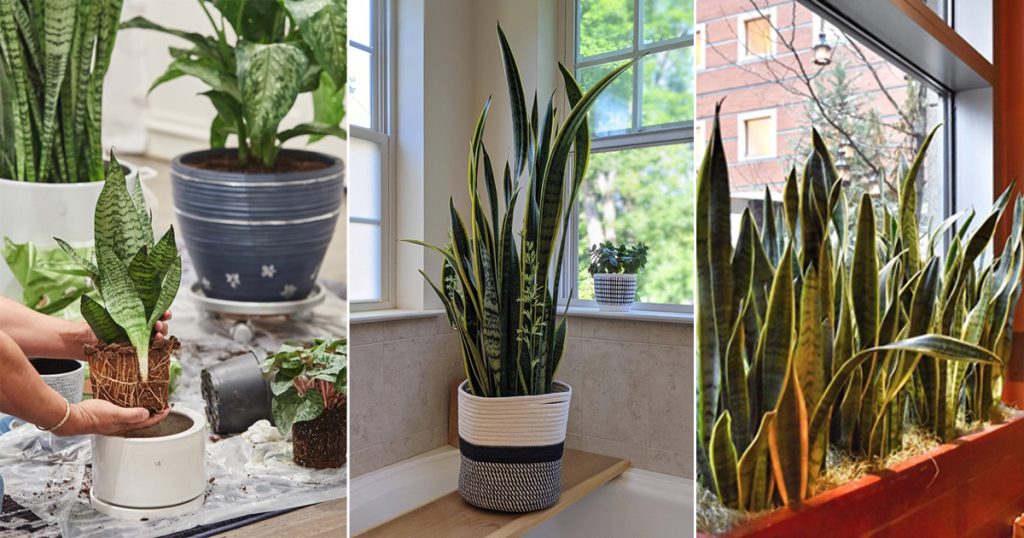
Are you considering adding a Snake Plant to your indoor garden? Whether you’re a complete novice or a seasoned plant enthusiast, the Dracaena trifasciata, commonly known as the Snake Plant, is among the easiest and most rewarding houseplants to cultivate. Its robust nature, striking foliage, and minimal maintenance requirements make it a popular choice for both homes and offices.
Before welcoming one into your space, it’s essential to understand how this resilient plant grows, what conditions it needs, and how to ensure it thrives for many years.
What Is a Snake Plant?
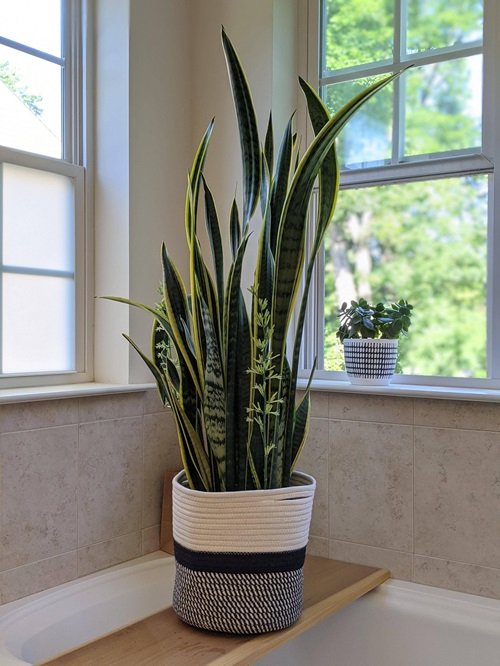
Snake Plants are evergreen succulents known for their tall, upright leaves that create a dramatic and architectural look. The foliage varies from deep green shades to silvery hues, often adorned with yellow edges or intricate striped patterns, depending on the specific variety.
Originally native to Africa, Snake Plants have gained global popularity because of their ability to adapt remarkably well to indoor environments. They tolerate low light, sporadic watering schedules, and generally require very little care, which makes them ideal for busy households and office spaces.
Important Things to Know Before Planting a Snake Plant
1. Learn About Your Snake Plant Variety
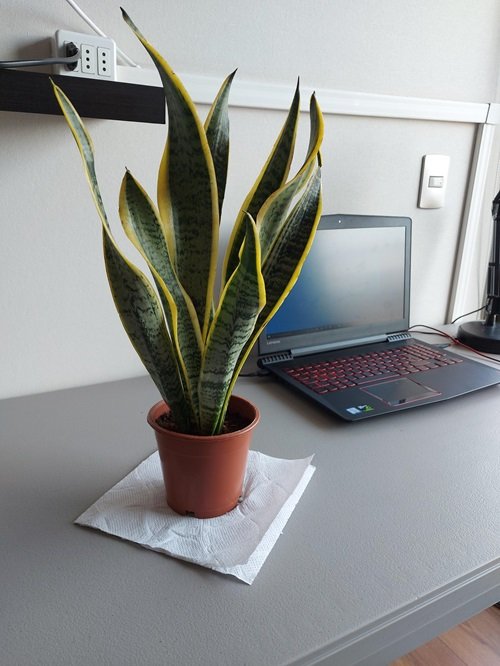
Snake Plants come in a variety of forms, ranging from tall, stately architectural types to compact dwarf varieties. The larger types serve beautifully as floor plants, adding height and structure to your space, whereas the smaller ones are perfect for desks, shelves, window sills, or other cozy corners.
Selecting the right variety is an important step because it helps determine the best placement for your plant within your home décor and available space.
2. Snake Plants Grow Tall and Upright
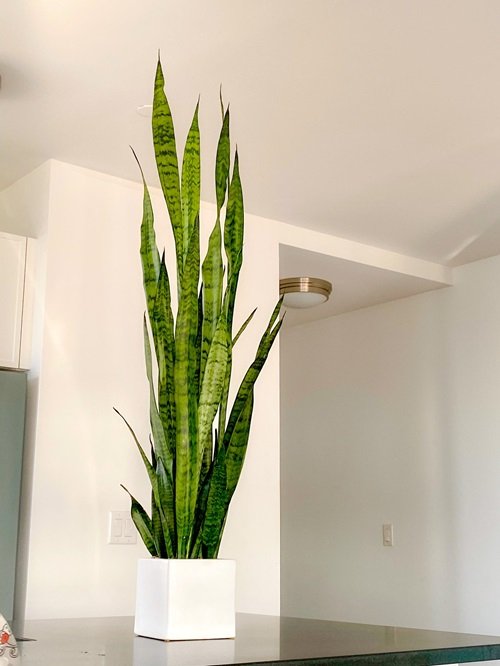
Indoors, Snake Plants usually reach heights between 2 and 4 feet, while outdoor plants in warm climates can grow as tall as 8 feet. The height and overall growth depend greatly on the lighting conditions provided.
Bright, indirect light encourages the plant to grow taller and more upright, while lower light conditions tend to keep it smaller and more compact. However, direct and intense sunlight can scorch the leaves, so providing moderate lighting is optimal for healthy growth.
3. They Rarely Bloom
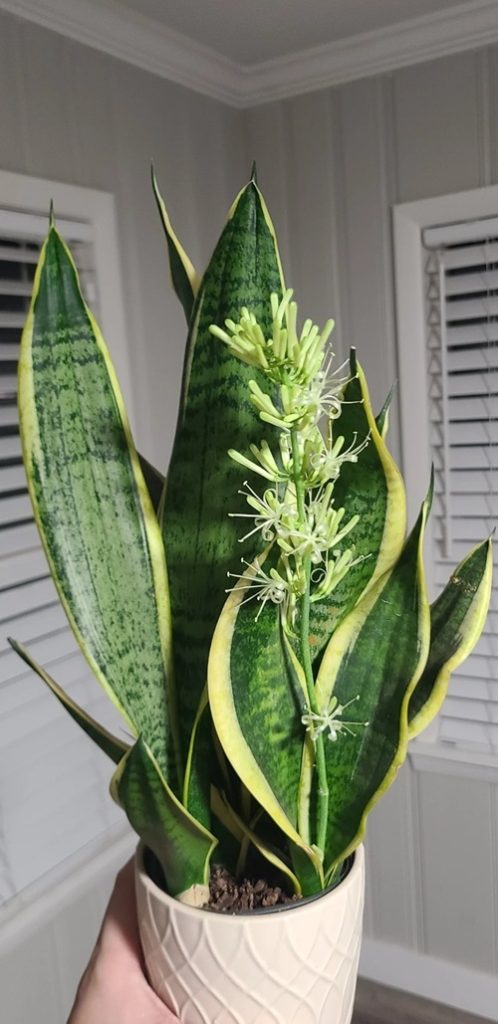
Though flowering is uncommon, Snake Plants can occasionally produce delicate white or greenish flowers that emit a sweet fragrance. Blooming typically occurs when the plant experiences mild stress, such as being root-bound or slightly underwatered.
While you may rarely see a Snake Plant flower indoors, when it does bloom, it is always a delightful and exciting surprise for plant enthusiasts.
4. They Are Extremely Drought Tolerant
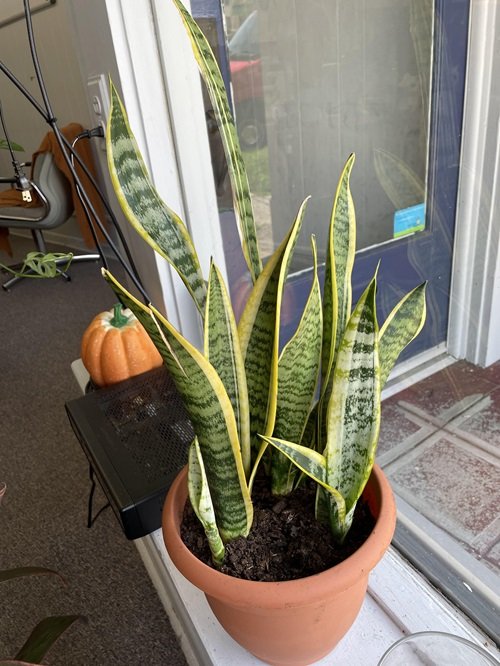
One of the primary reasons for the Snake Plant’s widespread popularity is its remarkable capacity to survive with minimal watering. Its thick, succulent leaves store moisture, allowing the plant to endure dry spells for extended durations without damage.
In fact, overwatering poses a much greater risk than underwatering. It is crucial to allow the soil to dry out thoroughly between waterings to prevent root rot, which is a common issue with over-cared-for Snake Plants.
5. Do Snake Plants Really Purify Air?
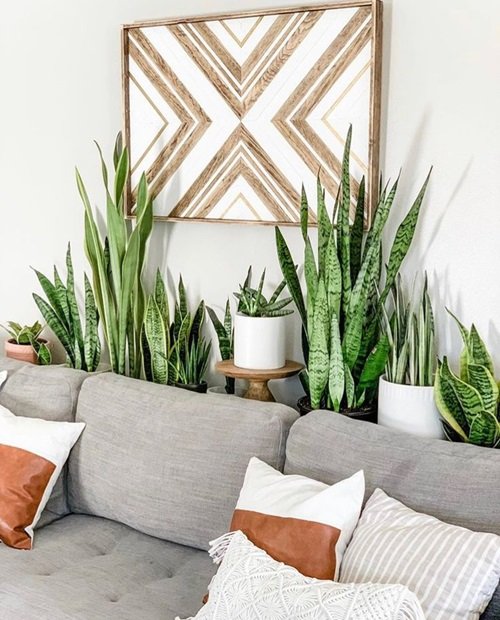
Snake Plants gained international attention following studies indicating their potential to assist in removing certain airborne toxins. While their air-purifying ability may be modest in typical indoor environments, they do contribute to making the air fresher and the indoor atmosphere more pleasant.
Because of their calming aesthetic and ease of care, they are especially favored in bedrooms and living rooms.
6. They Are Nearly Impossible to Kill
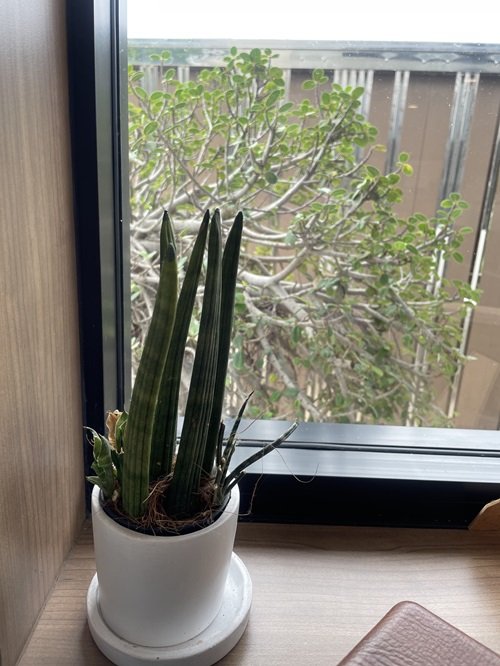
Snake Plants are famously resilient. They tolerate neglect, irregular watering routines, and a broad range of indoor conditions without losing their charm or vitality.
Position your Snake Plant near a bright window, plant it in well-draining soil, and water it sparingly. With just minimal effort, these plants can flourish for many years.
7. Repotting and Propagation Are Easy
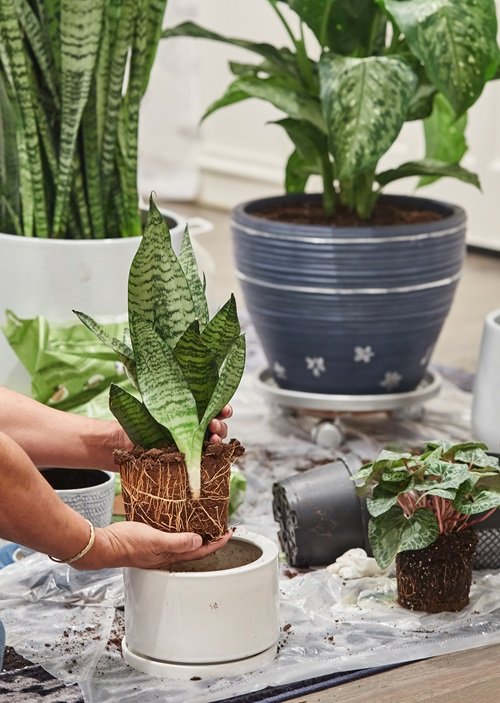
Since Snake Plants grow slowly, frequent repotting is not necessary. When the plant becomes crowded, you can easily divide the offsets that develop at the base and replant them in separate pots.
Additionally, propagation from leaf cuttings is simple and effective, whether you root the cuttings in water or soil. This makes it easy to produce new plants from a single healthy leaf.
8. There Are Many Beautiful Varieties
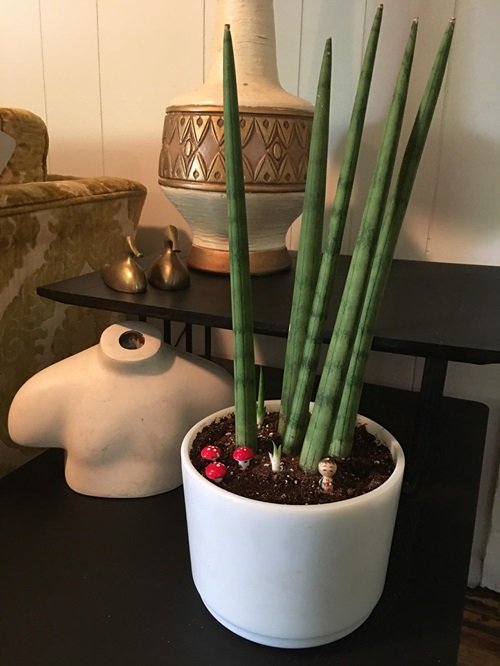
Beyond the classic Snake Plant types, there are numerous unique varieties available to suit any interior design style. Some feature tall, tubular leaves like the cylindrical varieties, while others have silvery-green or variegated foliage with striking patterns.
This wide array of shapes, sizes, and colors makes Snake Plants a stylish and versatile addition to contemporary interiors.
9. Pruning Is Rarely Needed
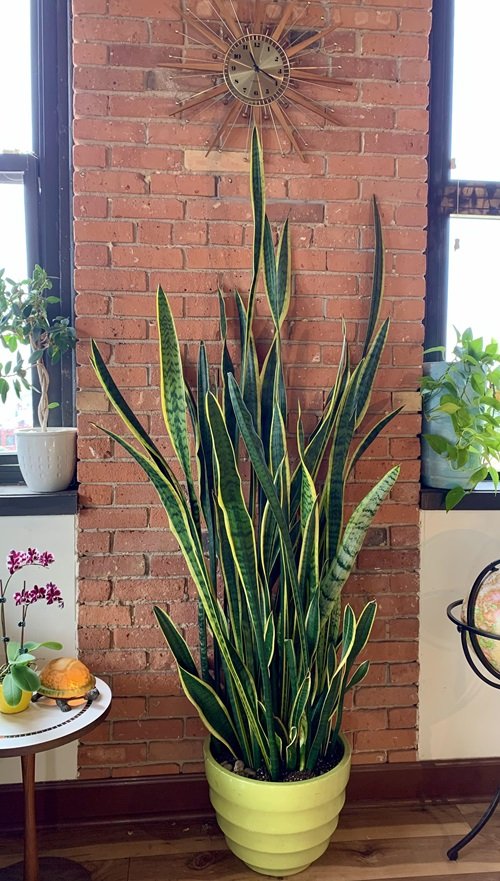
Snake Plants naturally maintain an elegant, tidy form. Most gardeners prefer to let the foliage grow densely, creating a lush and dramatic appearance that enhances the plant’s architectural beauty.
Rather than frequent pruning, simply remove any damaged or yellowing leaves as needed, and repot the plant into a larger container when it outgrows its current pot.
10. Snake Plants Carry Symbolic Meaning
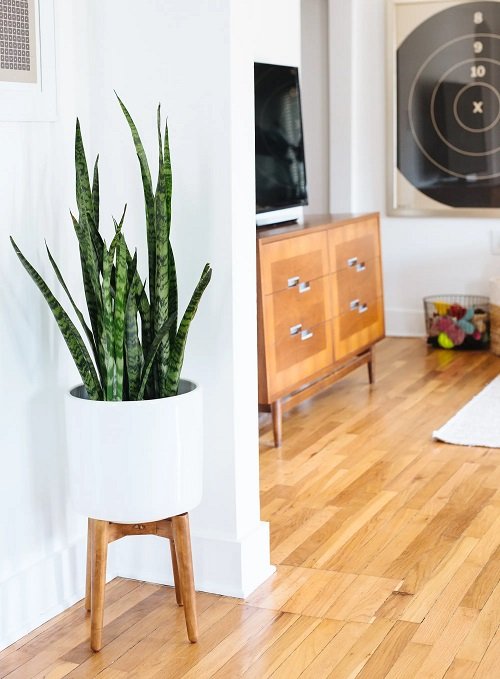
In various cultures, Snake Plants symbolize resilience, strength, and protection. According to Feng Shui practices, placing a Snake Plant near entrances is believed to attract positive energy while repelling negative forces.
Their upright growth habit is also associated with stability, strong will, and determination.
11. Excellent for Privacy and Room Division
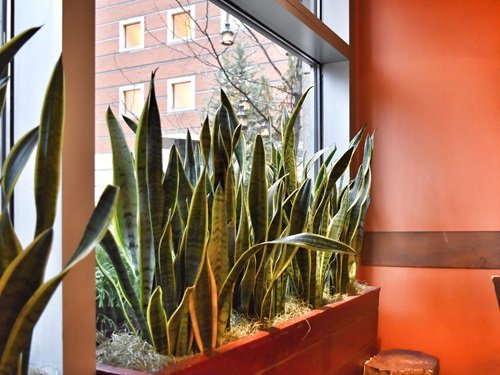
The tall, dense leaves of Snake Plants make them an excellent choice for natural indoor dividers. When arranged in rows, they create subtle privacy screens while still permitting natural light to filter through.
They are especially effective near windows, balconies, or open living areas where a touch of greenery can enhance both the aesthetic and functionality of the space.
Final Thoughts
Snake Plants are far more than ornamental houseplants. They are durable, adaptable, and visually captivating additions to any living space. With minimal care, these hardy plants can thrive for years, infusing your home with elegance and refreshing greenery.
If you want a low-maintenance plant that combines beauty with practicality, the Snake Plant is undoubtedly one of the best options you can choose.

Bananas are a delightful treat, but their peels can be a garden's treasure. Rather than discarding banana peels into compost, Read more
The ancient custom of drinking tea has been cherished by cultures around the world for centuries. Yet, surprisingly few people Read more
Mother-in-law’s tongue, commonly known as Sansevieria, is renowned for its resilience and remarkable air-purifying qualities. It is an ideal choice Read more

Have you ever noticed how a tomato freshly picked from your garden tastes far superior to one bought off a Read more
Gardeners constantly explore simple and inventive ways to enhance the health of their plants. One unconventional technique that has sparked Read more
Cultivating lemon trees in your garden or home brings not only visual charm but also the practical advantage of homegrown Read more
Snake plants (Dracaena trifasciata, formerly known as Sansevieria trifasciata) are renowned for their remarkable resilience. No matter if they receive Read more

Growing avocados can be a gratifying experience, especially when you cultivate them right in your backyard. While starting avocados from Read more

Ginger, renowned for its distinct flavor and numerous health advantages, is a fundamental ingredient in many culinary traditions around the Read more

Get a Head Start on Your Garden: Indoor Sowing for Colder Climates There's no need to wait for spring's embrace Read more

Indoor Plants: A Decorative Air Purifier Indoor plants have become an essential part of modern decor, increasingly sought-after to greenify Read more

How to Reuse Barbecue Ashes After enjoying a barbecue outdoors on a sunny day, the tendency is often to discard Read more
Snake plants are renowned for their resilience, often considered nearly indestructible. They can withstand missed waterings, low light conditions, and Read more
Clematis plants are fundamentally simple organisms, almost mechanical in nature, driven by basic principles of plant hydraulics and a kind Read more

Cultivating Zucchini in Containers: A Comprehensive Guide Zucchini is a popular vegetable for gardening aficionados and novices alike. It's simple Read more
Originating from the arid regions of the Middle East, the pistachio tree (Pistacia vera) is a hardy desert plant celebrated Read more
Do you have indoor plants? They have a unique ability to infuse life and color into any environment, whether it’s Read more
Hydrangeas, with their breathtaking blooms, stand out as one of the most enchanting deciduous flowering bushes. If you've wandered through Read more

Orchids, with their array of species and hybrids exceeding 25,000, stand as a testament to botanical beauty. Cultivators and hobbyists Read more

Gardening: The Harmony of Craft and Nature Gardening brings out a dance between human creativity and the wonders of nature. Read more
Some years, the effort put into gardening seems barely worth it, but this autumn, the value of gardening becomes clear. Read more
Sleep is a vital component of our overall health, serving as the foundation for a productive and energized day. Yet, Read more

In this exploration, we uncover eight homemade, natural solutions that act as effective rooting agents for plant propagation through cuttings. Read more

Excessive moisture within a house can arise due to capillary action, infiltration, or the phenomenon of condensation. The latter is Read more

Using Baking Soda for Plant Care To care for your plants or your vegetable garden, have you considered the DIY Read more
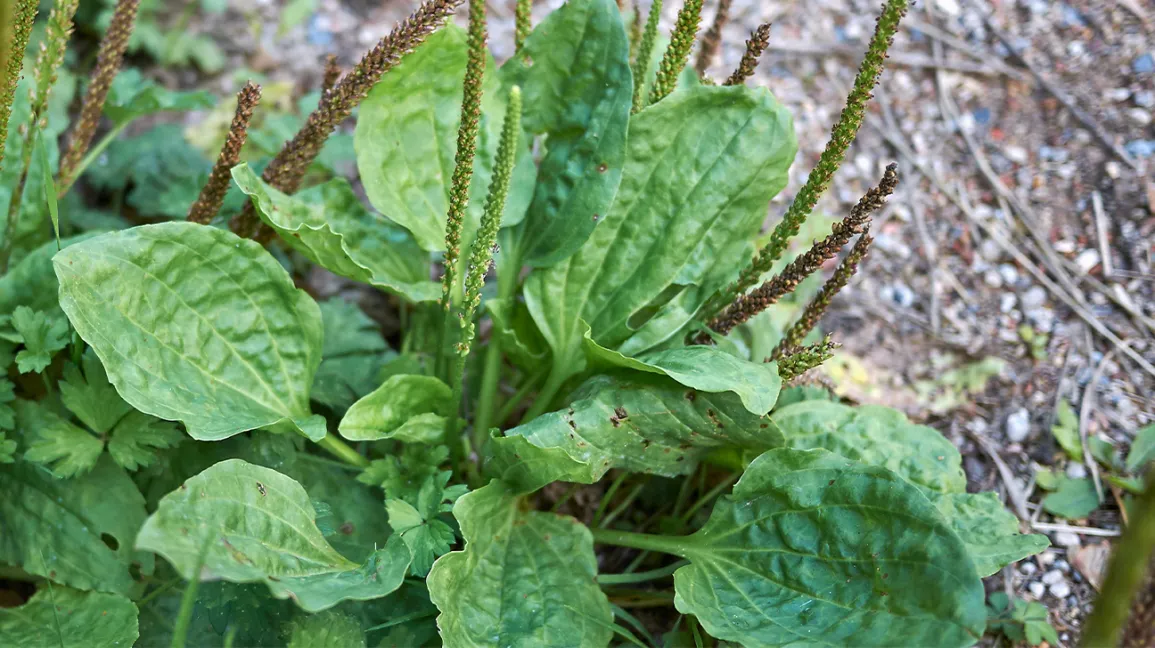
Nature provides us with countless remedies in the form of wild medicinal plants, surrounding us everywhere we go. These healing Read more
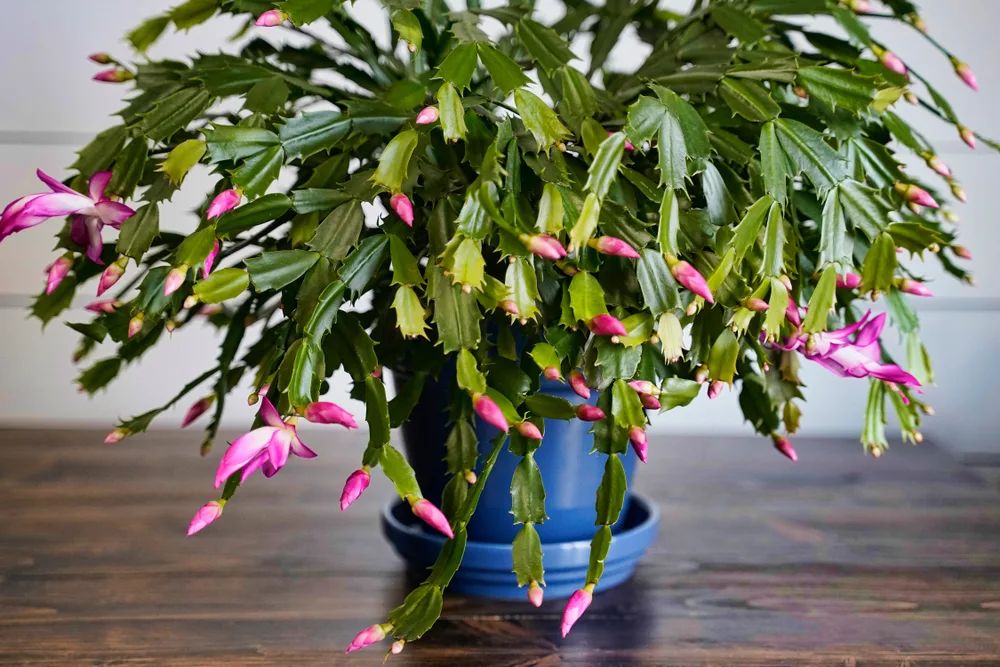
Unlocking the Mystery of the Festive Cactus The festive cactuses often baffle indoor gardeners. There's a lingering myth that these Read more
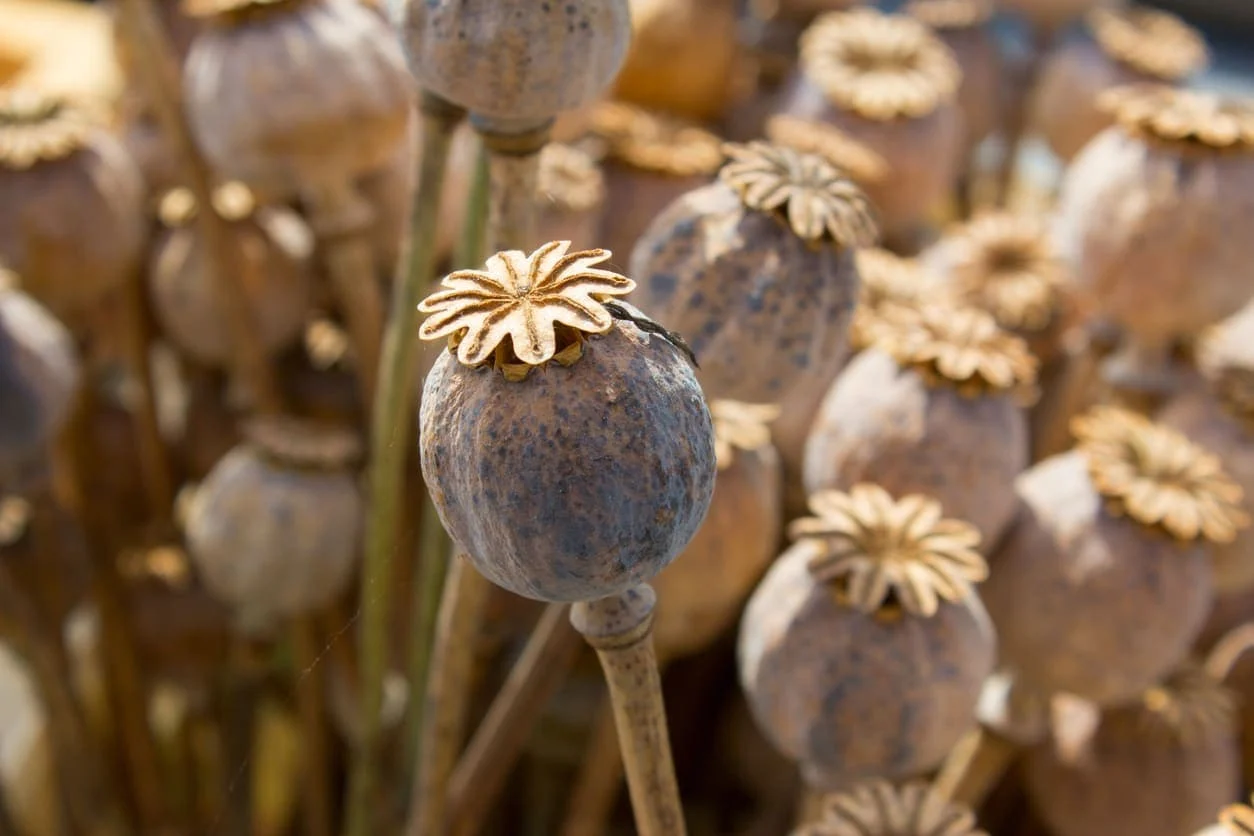
Self-Seeding Flowers: Effortless Beauty That Returns Every Year When I first fell in love with gardening, my mother came to Read more
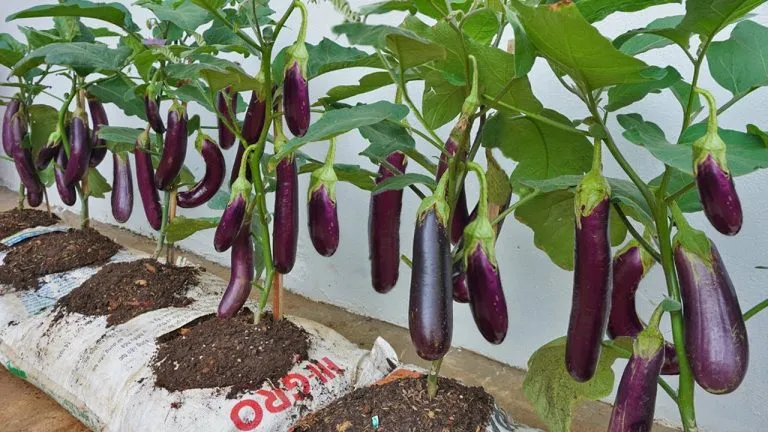
Exploring the World of Eggplants: A Gardener's Guide Eggplants, with their divisive nature, are often a subject of culinary debate. Read more

If you don't often get the chance to rejuvenate in the midst of nature, there's an alternative: introducing plants to Read more

The Importance and Care of House Plants House plants not only serve as a significant decorative element but also play Read more

Orchids are renowned for their stunning blooms and are a favorite among indoor plant enthusiasts. However, getting these temperamental beauties Read more
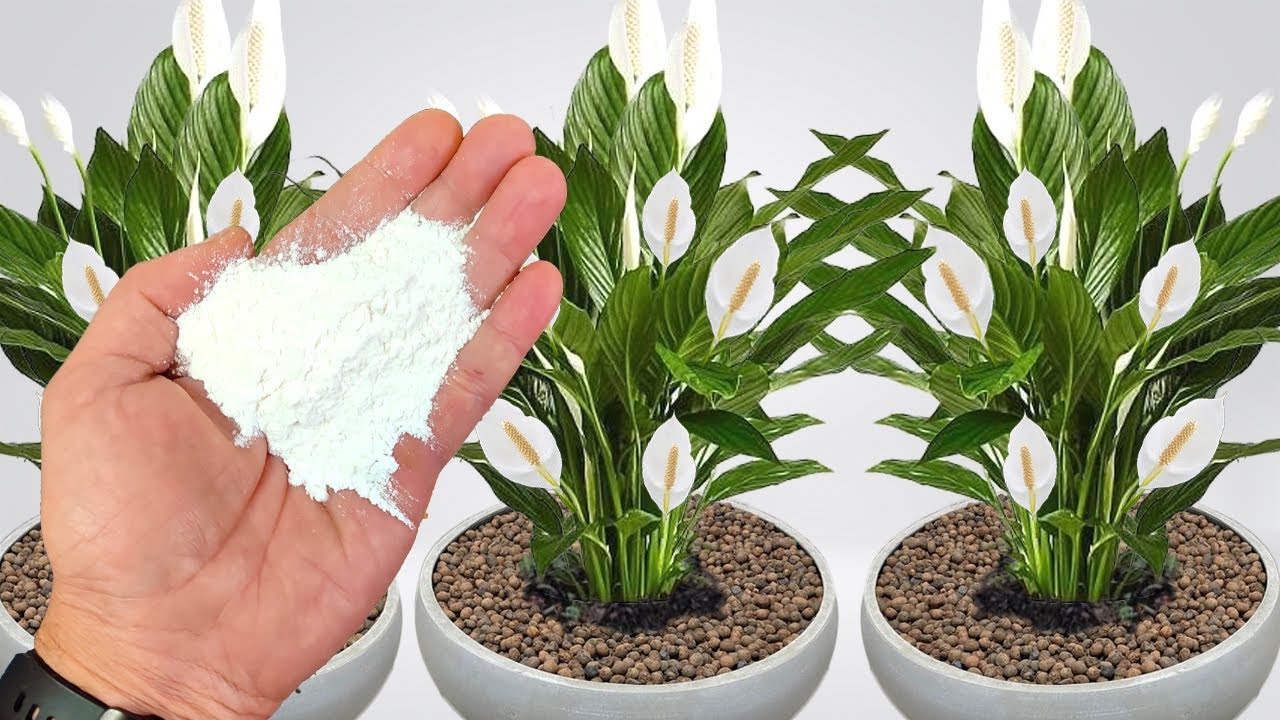
Are you searching for an affordable and eco-friendly alternative to chemical fertilizers? An unexpectedly powerful solution might already be in Read more
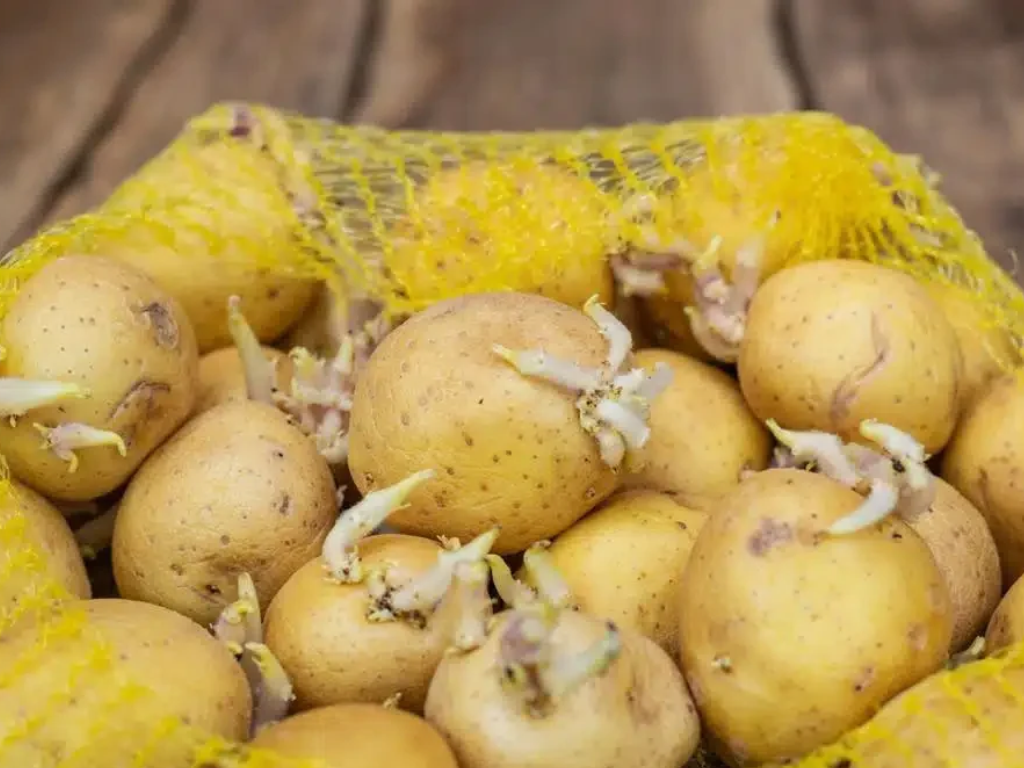
Three Little-Known Tips to Keep Your Potatoes in Perfect Condition Choosing the Right Location for Storage The way you store Read more
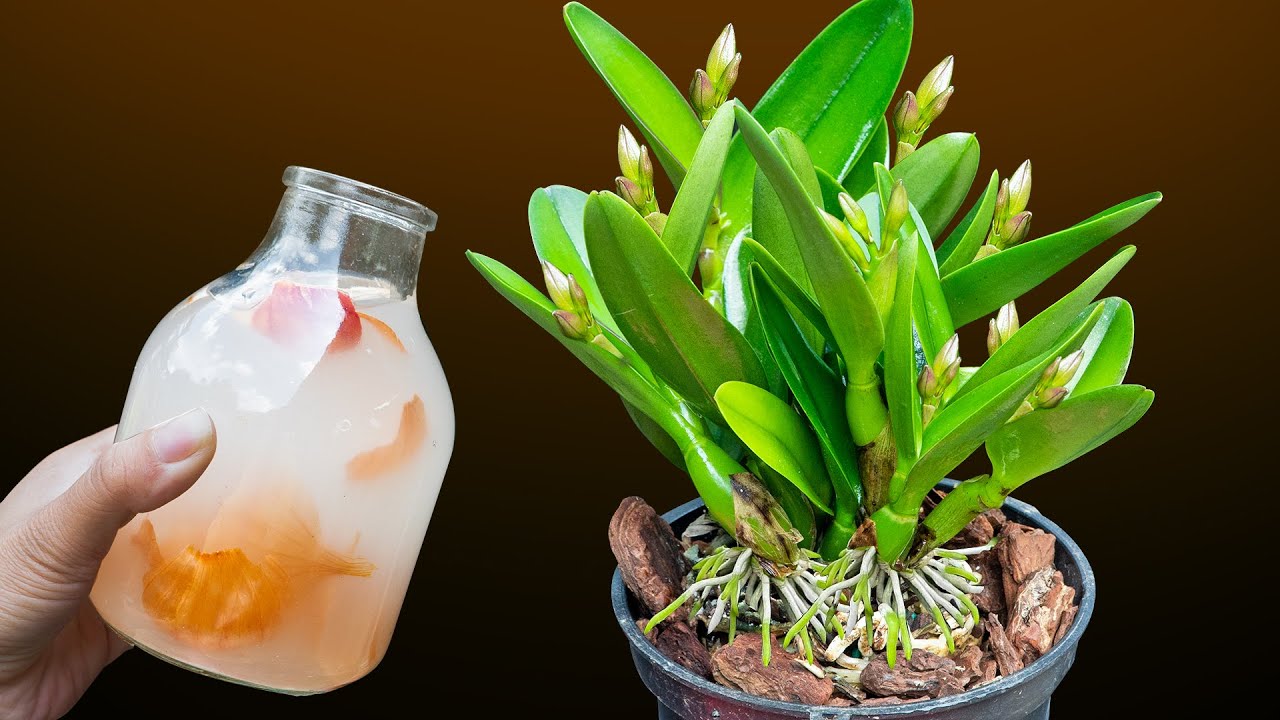
Orchids, admired for their exotic beauty and vast variety, demand specific care to flourish. While many growers rely on commercial Read more

Navigating Aloe Vera Care: Bypassing Usual Oversights Aloe vera, celebrated for its therapeutic properties and eye-catching demeanor, is occasionally compromised Read more
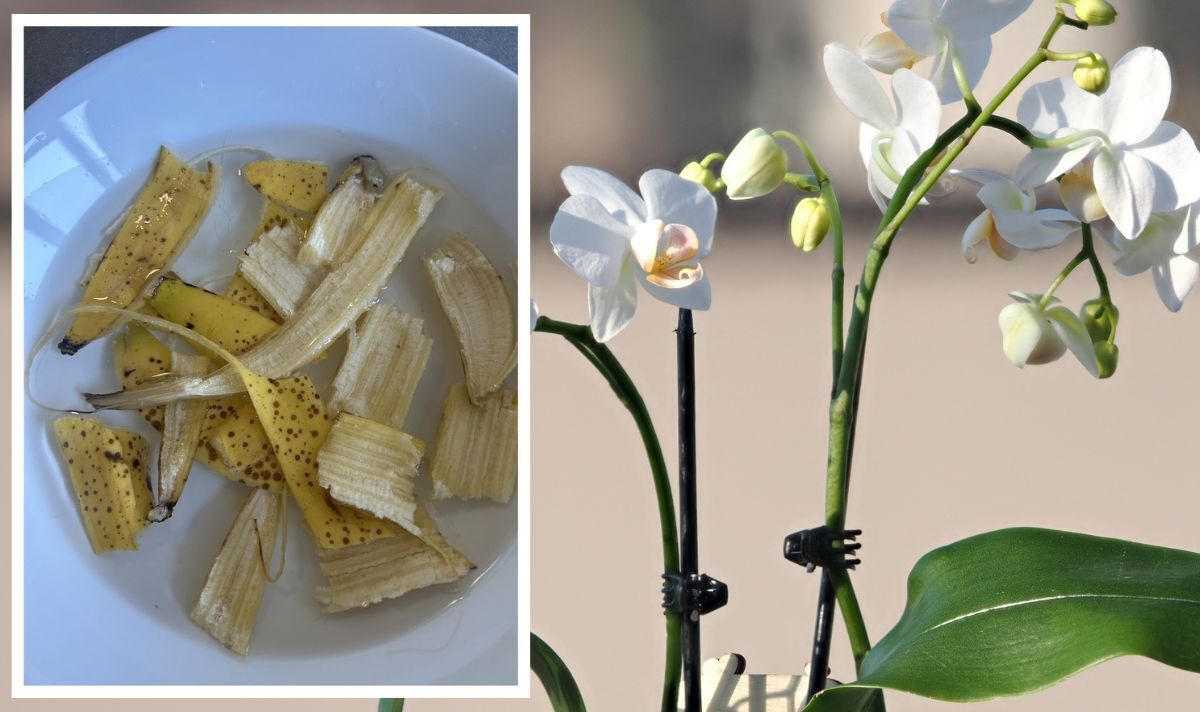
Orchids rank among the most exquisite houseplants cherished by many, yet they are often recognized for their delicacy and their Read more

Caring for orchids, known for their exquisite and delicate nature, involves a precise approach to hydration. Orchids differ from typical Read more

Different perspectives exist on various aspects of nature, and this holds true for the dandelion, often dismissed as a mere Read more

Transforming Garlic Peels into Gold for Gardeners: In the rhythm of kitchen prep, garlic peels are often discarded without a Read more
