
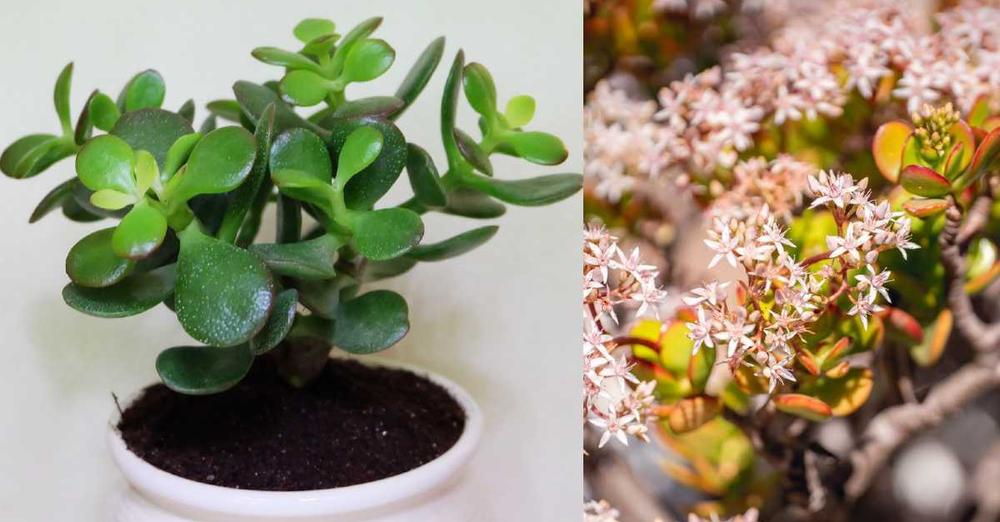
The jade plant boasts stunning foliage, making it an excellent choice for enhancing both garden landscapes and indoor environments. Beyond its visual charm, this plant has long been celebrated as a symbol of good luck, holding a prestigious place in the principles of Feng Shui.
Featuring thick, fleshy green leaves and sturdy stems, the jade plant naturally draws attention with its vibrant presence. Furthermore, it produces delicate star-shaped flowers that can range in color from pristine white to soft violet, adding an elegant and lively touch to its appearance.

Typically, jade plant flowers bloom in clusters at the tips of branches during late winter and into early spring. However, the plant must reach a certain level of maturity before flowering can occur. Experts in horticulture note that it generally takes about 10 years for a jade plant to blossom, although exceptions exist where flowering happens earlier.
To promote the blooming process, it is essential to provide the plant with ideal growing conditions. This involves maintaining moderate humidity levels and shielding the plant from excessive direct sunlight exposure.
Proper Fertilization

Providing adequate nutrition is crucial for a jade plant’s growth and flowering potential. This can be done by enriching the soil with compost or organic fertilizers. For best results, feed the plant with African violet fertilizer once a month during the spring and summer months to ensure it receives optimal nourishment.
Watering Techniques

One of the most frequent errors in jade plant care is overwatering, often done with the assumption that more water is better. To avoid this mistake, only water the plant when the soil or growing medium has completely dried out. When watering, use a generous amount of water to guarantee thorough drainage, preventing waterlogging and root rot.
Embrace a Slight Chill

Specialists recommend moving the jade plant to a cooler section of your home during late autumn to encourage healthy growth and flowering. However, it is important to protect the plant from frost by avoiding placement in exposed outdoor areas where freezing might occur.
Ideal Placement for a Jade Plant

Jade plants thrive indoors when positioned in bright areas of rooms such as living rooms or dining spaces. Nevertheless, direct sunlight should be avoided as it can scorch the leaves. The plant prefers consistent warmth for most of the year to maintain optimal health.
Unlike some houseplants that flourish in kitchens or bathrooms, the jade plant does not do well in these areas. Bathrooms typically present excess humidity, and kitchens expose the plant to heat fluctuations, both of which can hinder growth and flowering.
If you opt to grow your jade plant outdoors, it can succeed well provided it is not subjected to direct sunlight for prolonged periods each day.
Pest Control for Jade Plants

Like many plants, jade plants are vulnerable to pests and diseases such as mites, mealybugs, snails, fungal infections, and root rot caused by excessive watering. To safeguard your plant against these threats, carefully monitor your watering routines, especially during colder seasons when plants are more sensitive.
If pests do infest the jade plant, natural pesticides offer effective remedies. One simple but powerful solution involves mixing one tablespoon of baking soda with one teaspoon of grated mild soap and one liter of water. Place the mixture in a spray bottle, shake well, and apply it to the affected areas of the plant.
Revitalizing a Jade Plant

Excessive leaf drop from your jade plant can indicate a problem beneath the surface. While some leaf shedding is normal as part of the plant’s natural renewal cycle, it should happen gradually and be accompanied by new leaf growth.
If significant leaf loss occurs, it might signal issues such as overwatering or underwatering, poor drainage causing water to stagnate, low-quality soil, inadequate light exposure, infestation by pests, or abrupt temperature shifts. Identifying these problems is key to reviving your jade plant.
Check the soil moisture before watering. If the soil is overly damp, wait until it dries out, as the plant can recover if the roots are intact. Conversely, if the leaves look shriveled and parched, the plant likely needs water—apply a thorough watering until excess drains from the pot bottom. Effective drainage is vital both within the pot and the surrounding soil to prevent root damage.
Propagating a Jade Plant

To propagate a jade plant, start by taking a cutting. Cut the tip of a branch that has multiple leaves and allow the cutting to air cure for at least a day. Then, plant the cutting in the middle of a pot filled with well-draining, slightly moist, and loose soil, creating an ideal environment for root development and growth.
Do you have indoor plants? They have a unique ability to infuse life and color into any environment, whether it’s Read more

For gardening enthusiasts, it's a known fact that many plants thrive in humid and warm climates conducive to their growth. Read more
Growing Chayote from Supermarket Fruit: Abundant Harvests Made Easy If you've ever strolled through the produce aisle and spotted a Read more
Mother-in-law’s tongue, commonly known as Sansevieria, is renowned for its resilience and remarkable air-purifying qualities. It is an ideal choice Read more

Introducing 15 Health-Enhancing Indoor Plants for a Vibrant Home Oasis Embrace a selection of indoor plants that bring more than Read more
Are you searching for an affordable and eco-friendly alternative to chemical fertilizers? An unexpectedly powerful solution might already be in Read more
Ginger, renowned for its distinct flavor and numerous health advantages, is a fundamental ingredient in many culinary traditions around the Read more
If your Christmas cactus has stayed healthy throughout the year but produced only a few flowers last winter, October might Read more
Originating from the arid regions of the Middle East, the pistachio tree (Pistacia vera) is a hardy desert plant celebrated Read more

In the culinary world, garlic is a staple ingredient that is hard to do without. Cultivating it benefits many plants Read more

Lavender, a charming addition to any garden, is known for its enchanting aroma and vibrant purple hues. This plant comes Read more

Excessive moisture within a house can arise due to capillary action, infiltration, or the phenomenon of condensation. The latter is Read more
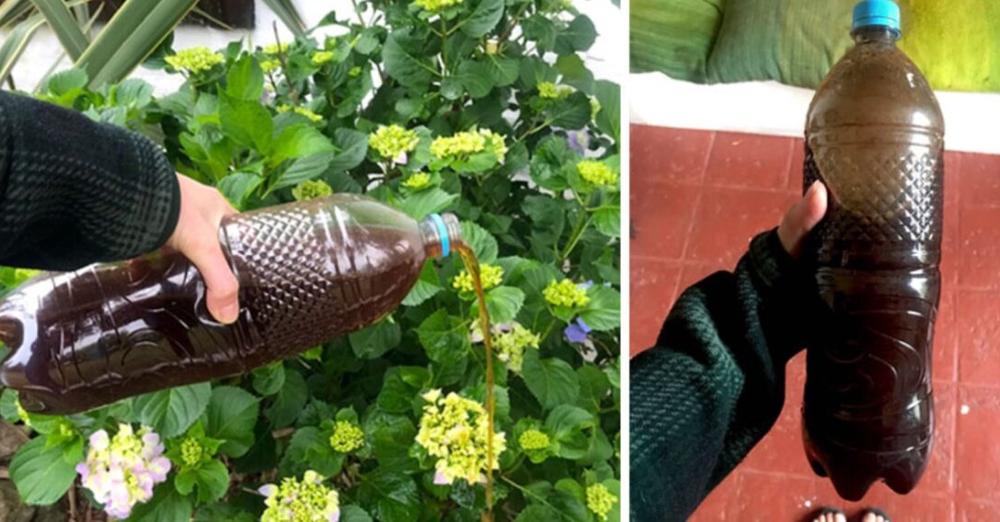
As sustainability and eco-consciousness continue to rise in importance in our daily lives, discovering alternative methods to fertilize our gardens Read more
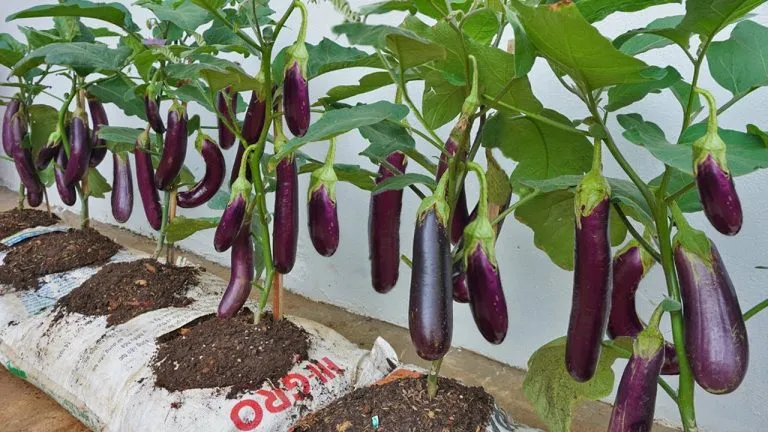
Exploring the World of Eggplants: A Gardener's Guide Eggplants, with their divisive nature, are often a subject of culinary debate. Read more

The Curious Case of Tomato Slices: A Journey from Kitchen Scrap to Sprout As someone always game for a gardening Read more
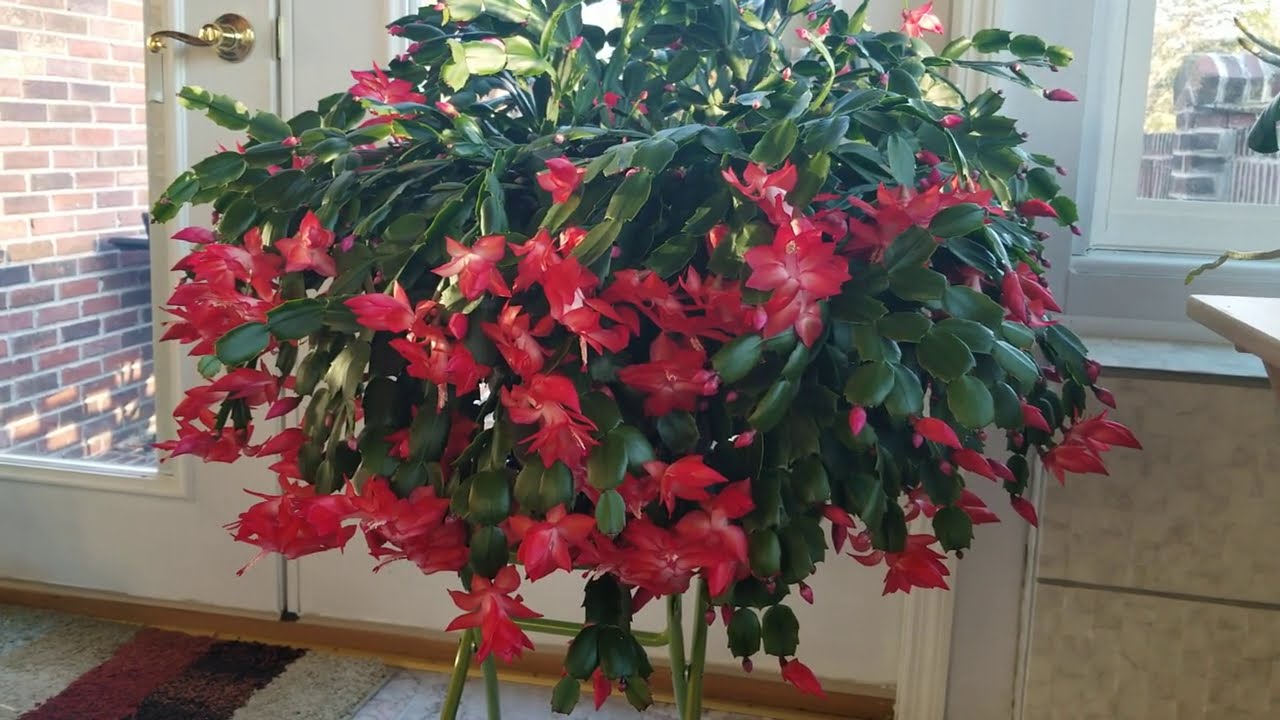
Christmas cacti don’t adhere to the typical “feed once a month and forget it” approach that many houseplants follow. Because Read more
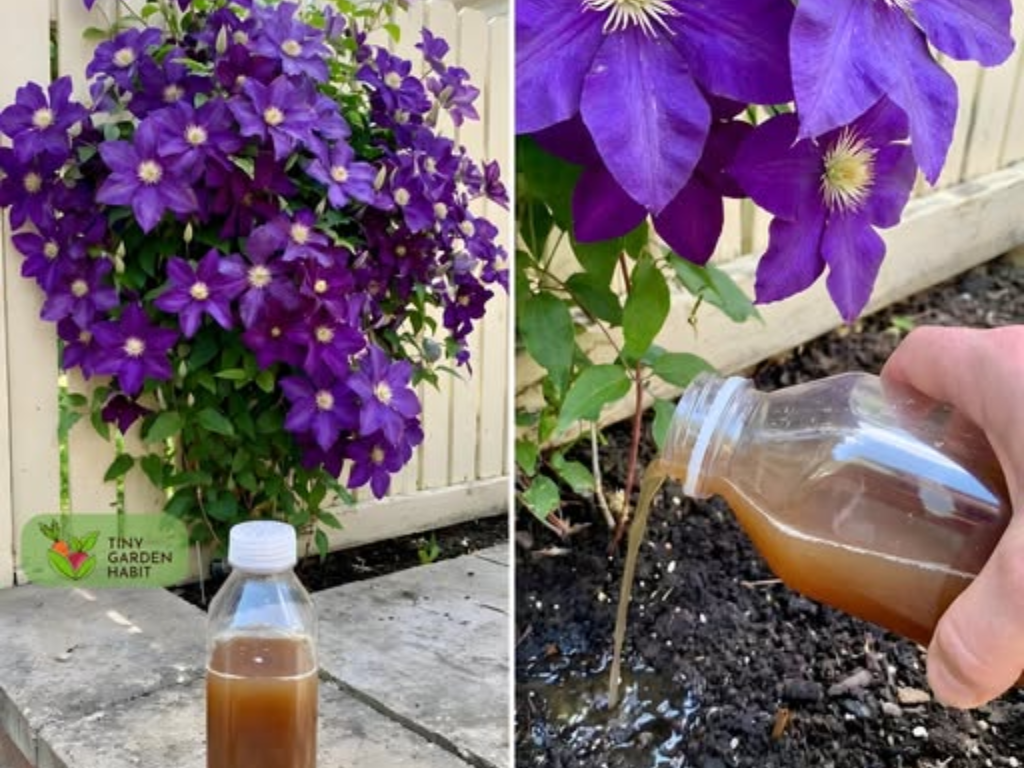
Clematis plants are fundamentally simple organisms, almost mechanical in nature, driven by basic principles of plant hydraulics and a kind Read more
Orchids, celebrated for their exotic beauty and remarkable variety, require tailored care to flourish. While most growers rely on commercial Read more

Different perspectives exist on various aspects of nature, and this holds true for the dandelion, often dismissed as a mere Read more
Discover how a simple kitchen ingredient can effectively repel pests, combat diseases, and promote healthier growth in your plants. Snake Read more

Unlocking the Flowering Potential of Anthuriums Anthuriums are renowned for their stunning, heart-shaped blooms which, under ideal conditions, can grace Read more
Orchids, with over 28,000 unique species, provide a fascinating insight into the immense diversity found in nature. Originating from the Read more
Quick Victory: The Ultimate Homemade Insecticide to Say Goodbye to Ants Have you ever encountered an invading army of ants Read more
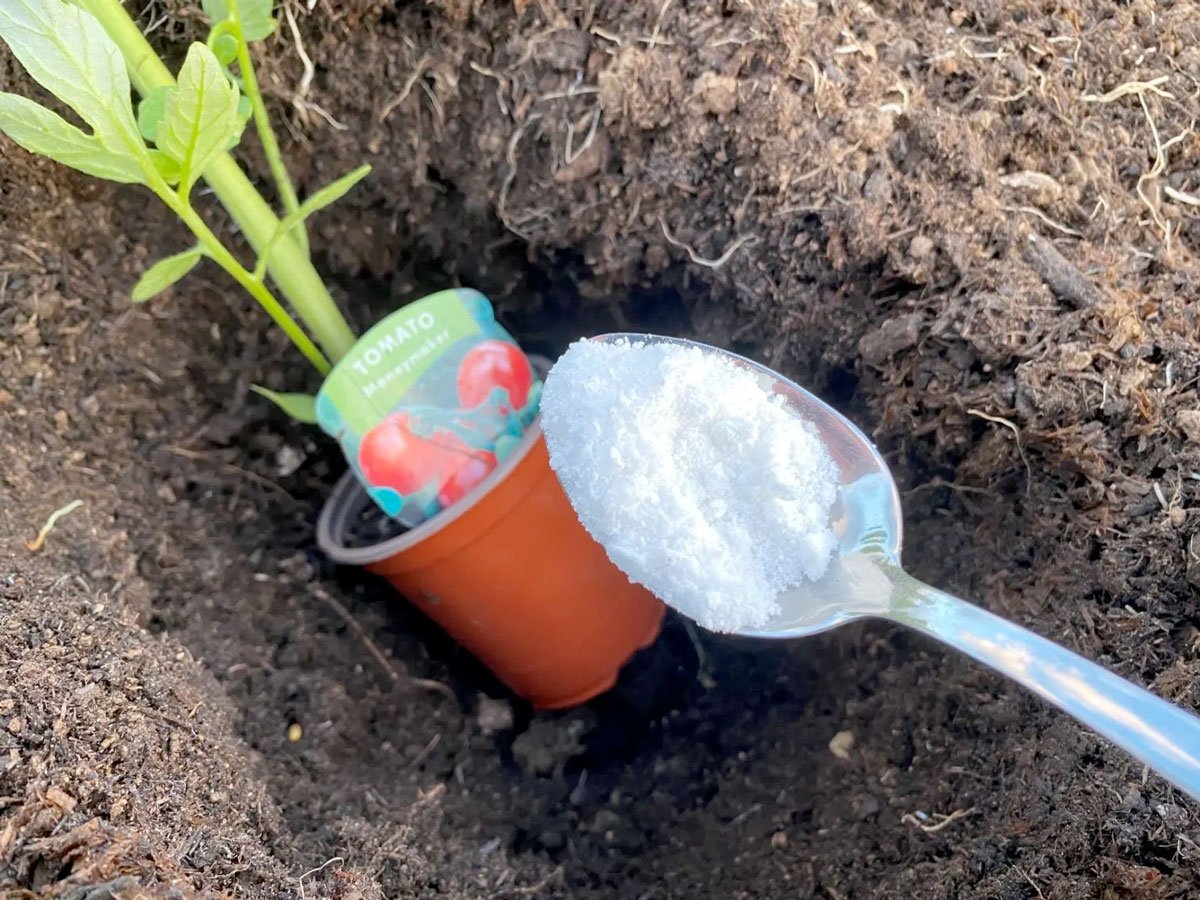
When it comes to gardening, enthusiasts are always eager to discover effective and affordable methods to boost plant growth and Read more
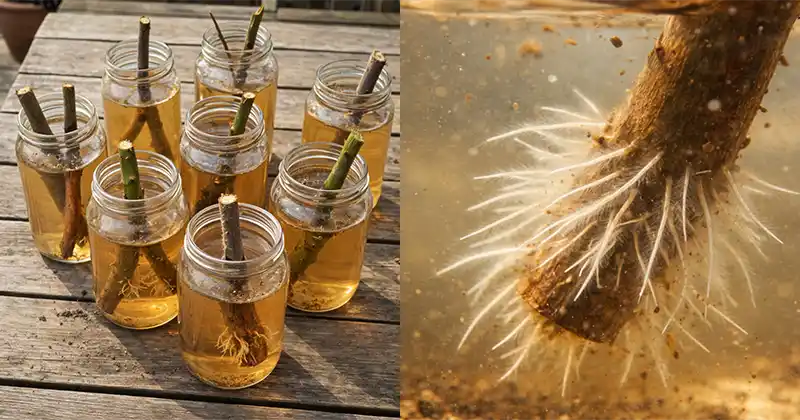
Growing new plants from root cuttings is like discovering a true shortcut in gardening. A single healthy parent plant can Read more
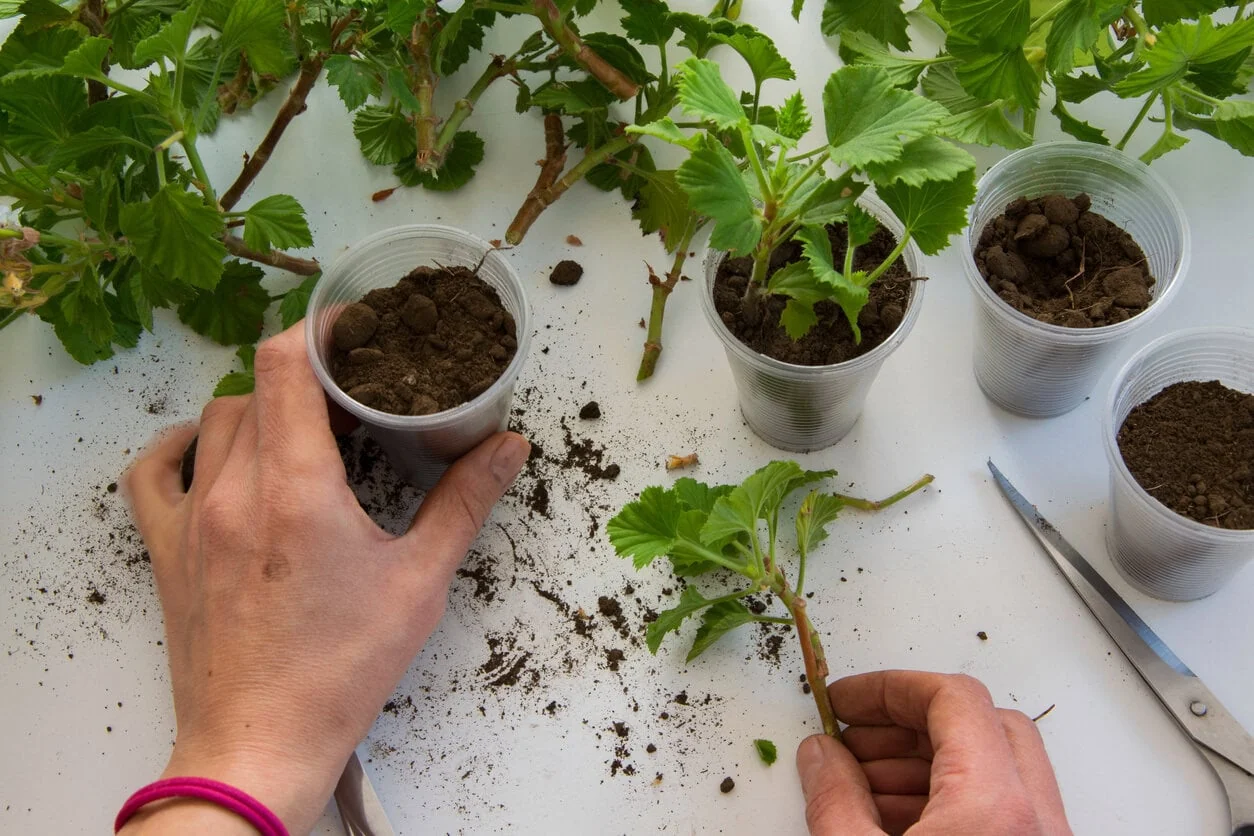
Some years, the effort put into gardening seems barely worth it, but this autumn, the value of gardening becomes clear. Read more
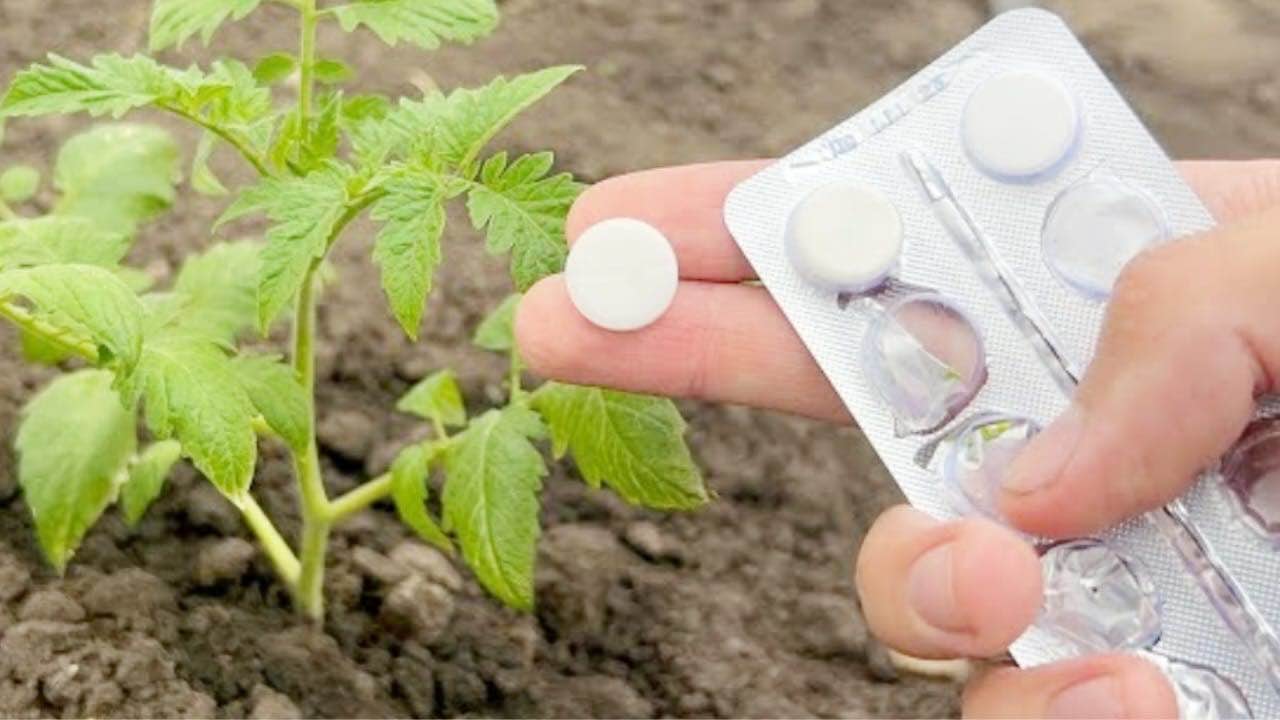
Have you ever noticed how a tomato freshly picked from your garden tastes far superior to one bought off a Read more
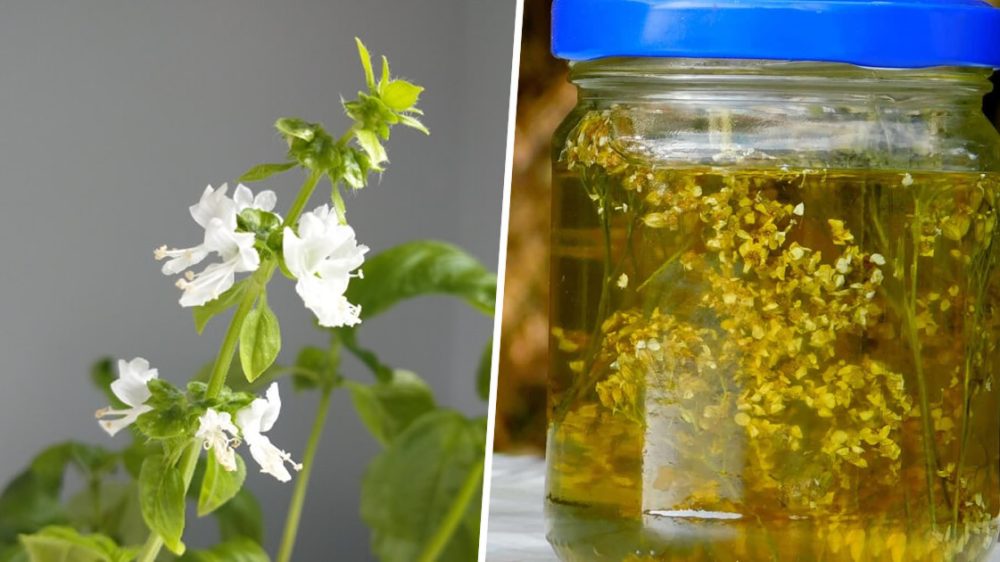
Basil, a cherished herb celebrated in culinary traditions around the globe, is best known for its fragrant leaves. Yet, its Read more

Mastering Chilli Cultivation in Diverse Climates: A Detailed Guide It may seem unlikely, but growing chillies across different climates is Read more
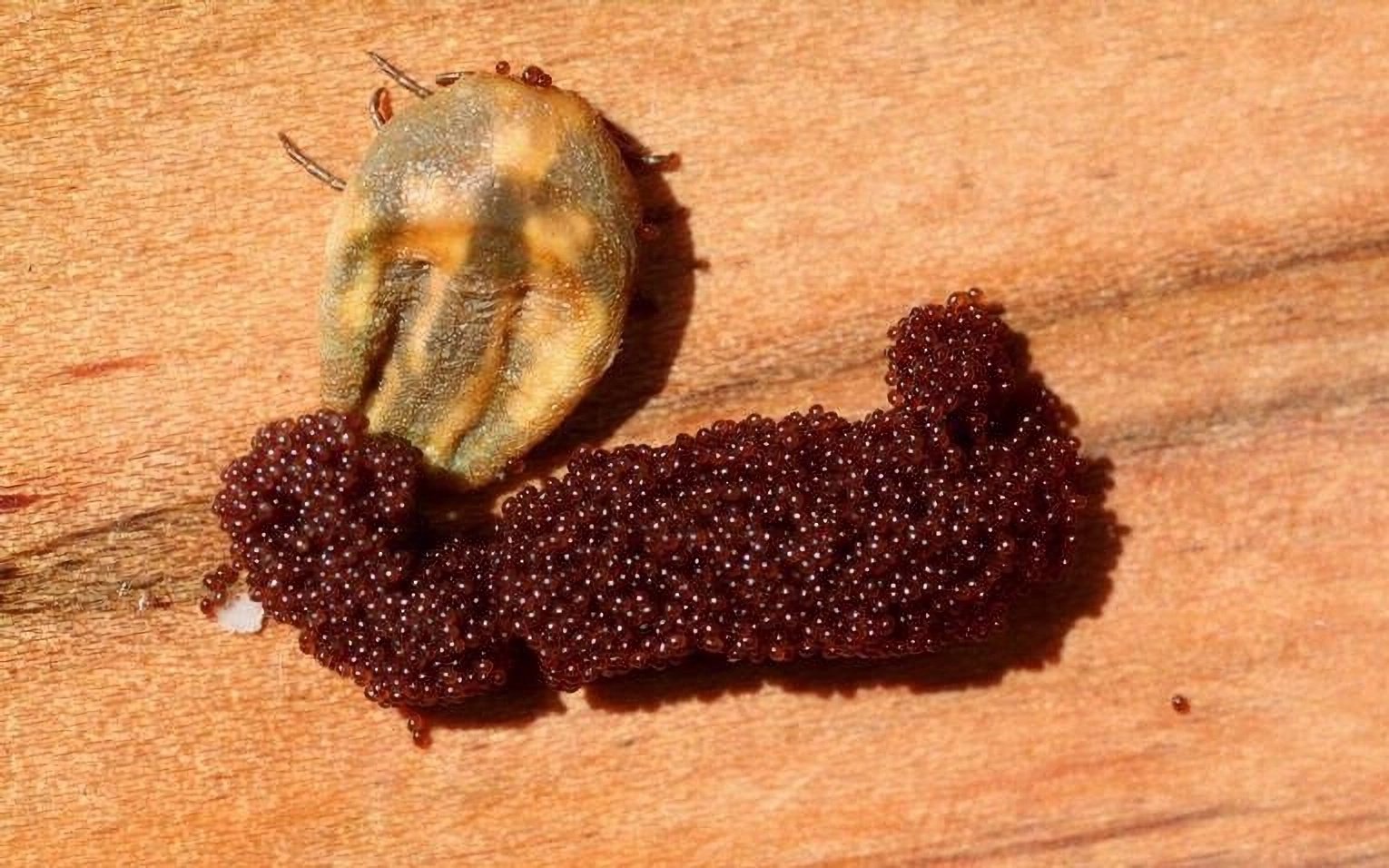
Imagine spending a relaxing afternoon in your backyard, only to stumble upon an unexpected and unwelcome discovery—a cluster of tiny Read more

If you don't often get the chance to rejuvenate in the midst of nature, there's an alternative: introducing plants to Read more
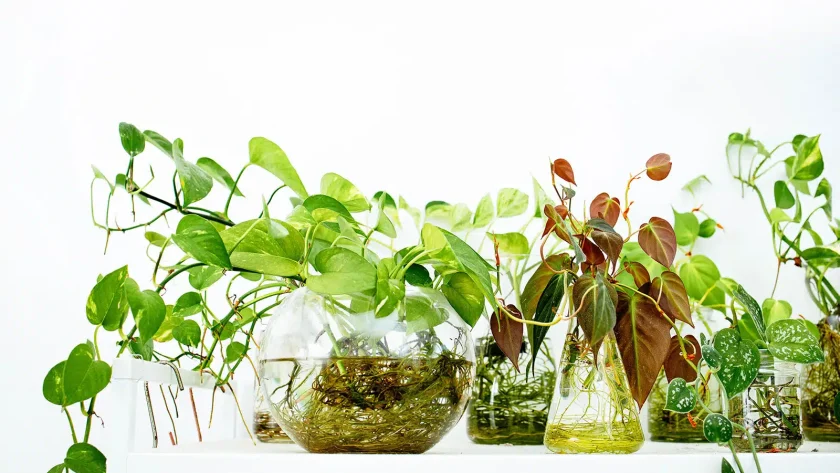
Searching for a distinctive method to incorporate some foliage into your home or workplace? Try cultivating plants hydroponically! Not only Read more
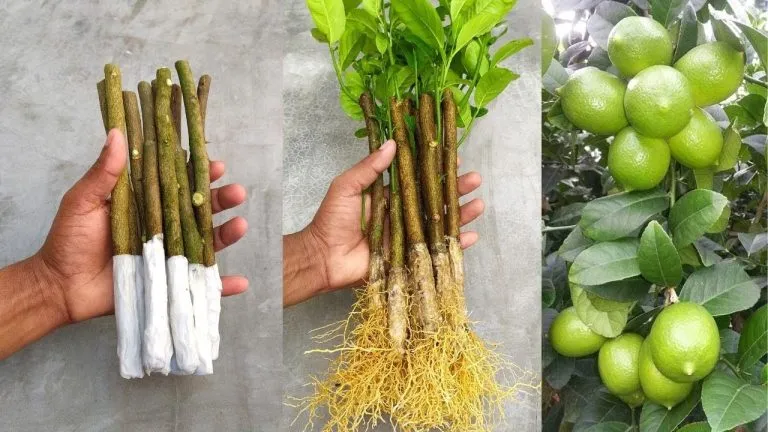
Cultivating lemon trees in your garden or home brings not only visual charm but also the practical advantage of homegrown Read more

Cultivating an Avocado Plant Indoors: A Step-by-Step Guide Nurturing an avocado seed into a blossoming plant within the confines of Read more
Indoor Plants and Their Benefits Indoor plants not only enhance the decor but also bring a touch of lush greenery. Read more
Deadly Nightshade (Atropa belladonna): The Mysterious and Dangerous Plant with a Dark Legacy At first glance, Deadly Nightshade (Atropa belladonna) Read more

Cultivating Zucchini in Containers: A Comprehensive Guide Zucchini is a popular vegetable for gardening aficionados and novices alike. It's simple Read more

Get a Head Start on Your Garden: Indoor Sowing for Colder Climates There's no need to wait for spring's embrace Read more
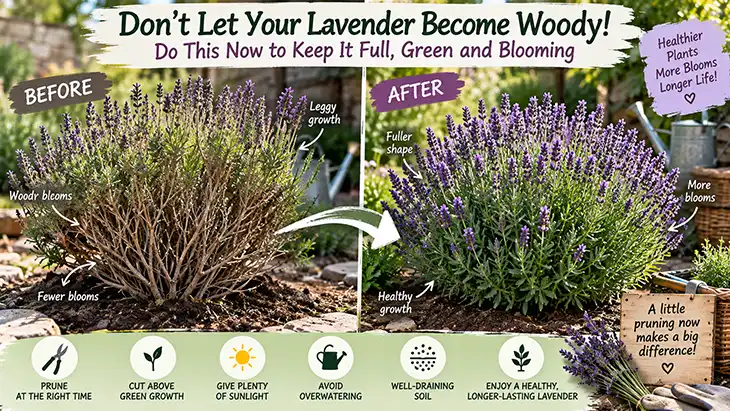
When lavender plants are young, they often present an almost perfect image: a compact shrub with silvery-green foliage, a delightful Read more

Turmeric is a staple ingredient in Asian cuisine. This vibrant yellow spice, often used to flavor curries and stews, is Read more
