

Using Baking Soda for Plant Care
To care for your plants or your vegetable garden, have you considered the DIY approach? Baking soda is particularly effective for treating and maintaining your plants. Let’s explore its applications for gardening.
Whether it’s your vegetable garden or your indoor plants, this white powder is incredibly effective. You’ll be amazed to discover its properties for your plants!
Applications of Baking Soda for Plants
Baking soda is a formidable DIY product for your garden. It has multiple uses and works effectively to ensure your plants are healthy. This white powder can serve both as a curative and preventive remedy, provided you know how to use it correctly for your plants. Its recommended use for gardening is mainly because, unlike chemical plant protection products, this kitchen staple is safe for your young plants as well as the environment.
This powder, typically used for cooking, will soon become a must-have if you know how to use it for your plants. Baking soda should be in every budding gardener’s toolkit because it deeply cleans plants due to its potent disinfectant action. Thus, it’s highly effective as a treatment for plants suffering from fungal infections. This DIY fungicide fights hard against mold, which are microorganisms that can proliferate rapidly. To combat them effectively, it’s essential to act timely and eliminate them.
Using Baking Soda for Plants: Benefits and Applications
1. How to Eliminate Spores with Baking Soda
The Right Way to Use: To harness the power of this effective remedy against mold, it’s essential to use baking soda correctly and in the right dosage.
Preparation and Application:
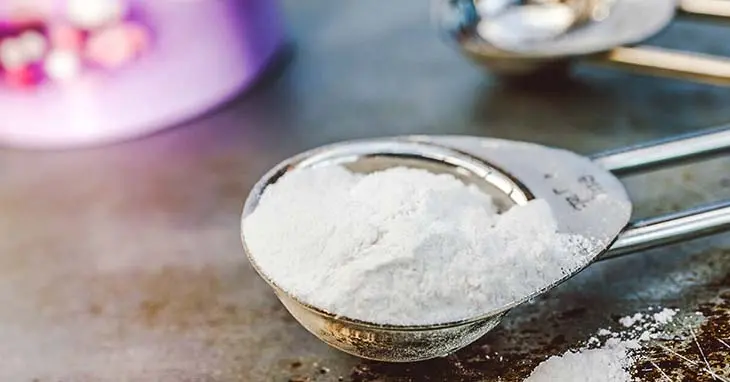
In a bowl, combine a liter of water with a teaspoon of this disinfectant powder and three teaspoons of olive or horticultural oil. The oil ensures the powder sticks to the leaves.
Mix until the solution is liquid and consistent. Pour into a spray bottle.
Spray the solution directly onto plants affected by fungi, starting from the top and moving downwards. This helps strengthen the plant and eliminates accumulated fungi.
For best results, apply this treatment during low temperatures and high humidity. To combat contamination, spray your plants once a week with this solution. Prepare the solution freshly before use as baking soda can lose its effectiveness if stored for long periods. This solution also acts preventively against the emergence of these pathogenic microorganisms.
2. Baking Soda: An Insect Repellent
Did you know this white powder repels insects? Many insects despise its scent. To utilize its properties, sprinkle it using a sieve. This can help you get rid of pests like cockroaches, ants, and garden slugs.
3. Baking Soda for Longer-Lasting Cut Flowers
If you’ve picked flowers to decorate your home, baking soda can enhance their longevity. It makes the flowers more resilient, ensuring they wilt much later than when placed in just plain water.
4. Weed Control with Baking Soda
Baking soda is not only perfect for treating sick plants but is also effective against weeds. An eco-friendly preventive measure you shouldn’t ignore for your garden or vegetable patch. Sprinkle the baking soda between garden paths and patio slabs to prevent and slow the growth of weeds.
Unlocking the Benefits of Baking Soda in Gardening
Enhancing the Flavor of Your Tomatoes with Sodium Bicarbonate
If you’re growing tomatoes, baking soda offers an eco-friendly way to make a noticeable difference. It endows the fruits with a sweeter taste. The reason? This white powder reduces soil acidity levels. For best results, sprinkle baking soda on the soil around the tomato plant, and repeat the procedure halfway through the fruit’s growth.
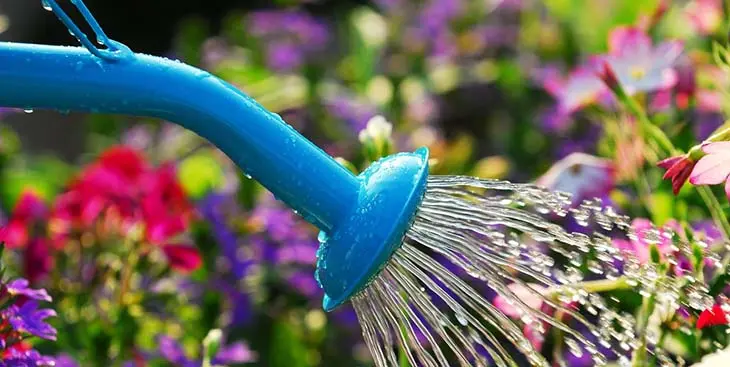
Refreshing Your Compost with Baking Soda
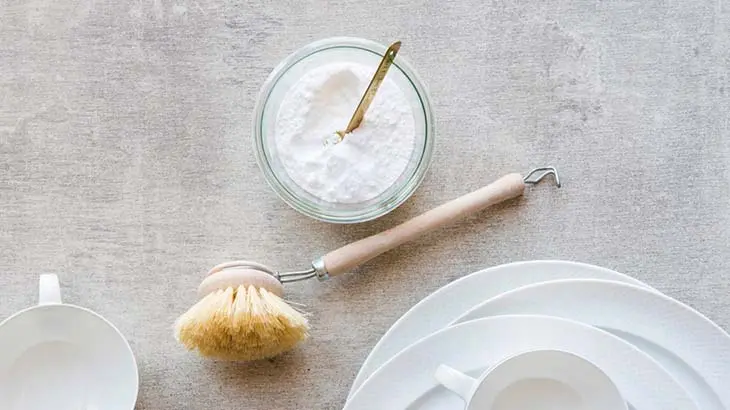
Move away from chemicals and use baking soda to get rid of any foul smells from your home-made organic compost. Simply add two tablespoons of the powder to your compost pile, and the odors will be neutralized.
Baking soda, often associated with household chores, acts as a protector and treatment for your plants. It can replace numerous other products, leading to significant savings in your gardening routine.

Gardening: The Harmony of Craft and Nature Gardening brings out a dance between human creativity and the wonders of nature. Read more

Wild Medicinal Plants: Harnessing the Hidden Virtues of Earth’s Greenery In the wilderness of our environment—ranging from the expanse of Read more

In this exploration, we uncover eight homemade, natural solutions that act as effective rooting agents for plant propagation through cuttings. Read more

Neem oil is a completely natural product, derived from a plant native to India. It contains azadirachtin, a potent compound Read more

Lavender, a charming addition to any garden, is known for its enchanting aroma and vibrant purple hues. This plant comes Read more

If you don't often get the chance to rejuvenate in the midst of nature, there's an alternative: introducing plants to Read more
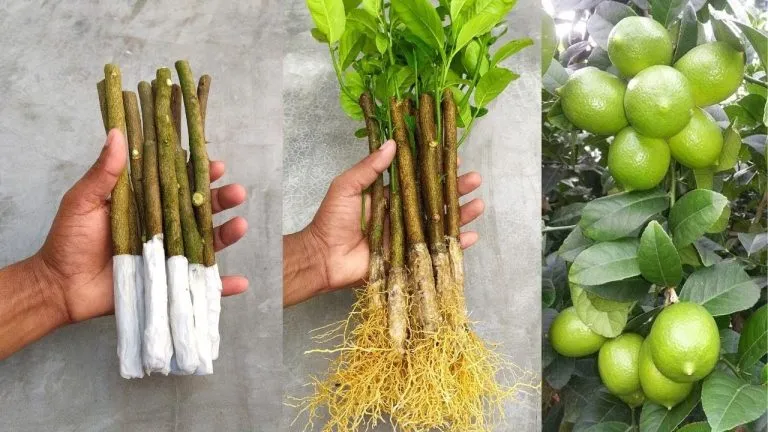
Cultivating lemon trees in your garden or home brings not only visual charm but also the practical advantage of homegrown Read more
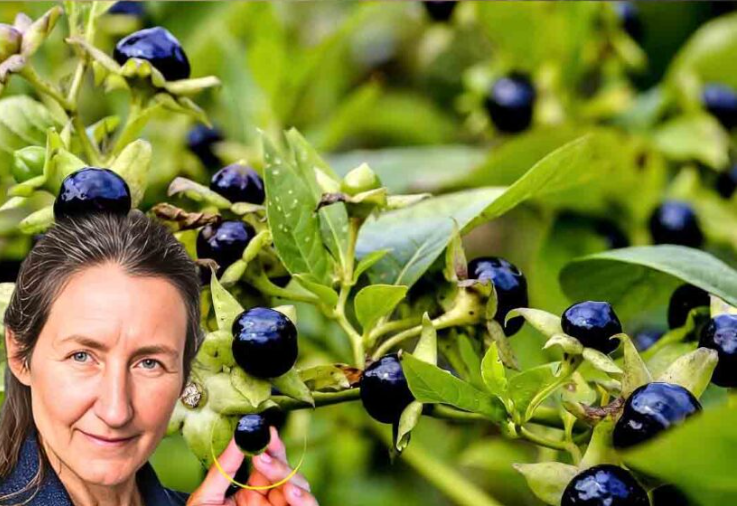
Deadly Nightshade (Atropa belladonna): The Mysterious and Dangerous Plant with a Dark Legacy At first glance, Deadly Nightshade (Atropa belladonna) Read more

Bananas are a delightful treat, but their peels can be a garden's treasure. Rather than discarding banana peels into compost, Read more

Tea, the staple of morning routines and afternoon breaks, may have a second life beyond the cup that's often ignored. Read more

Turmeric is a staple ingredient in Asian cuisine. This vibrant yellow spice, often used to flavor curries and stews, is Read more

Indoor Plants: A Decorative Air Purifier Indoor plants have become an essential part of modern decor, increasingly sought-after to greenify Read more
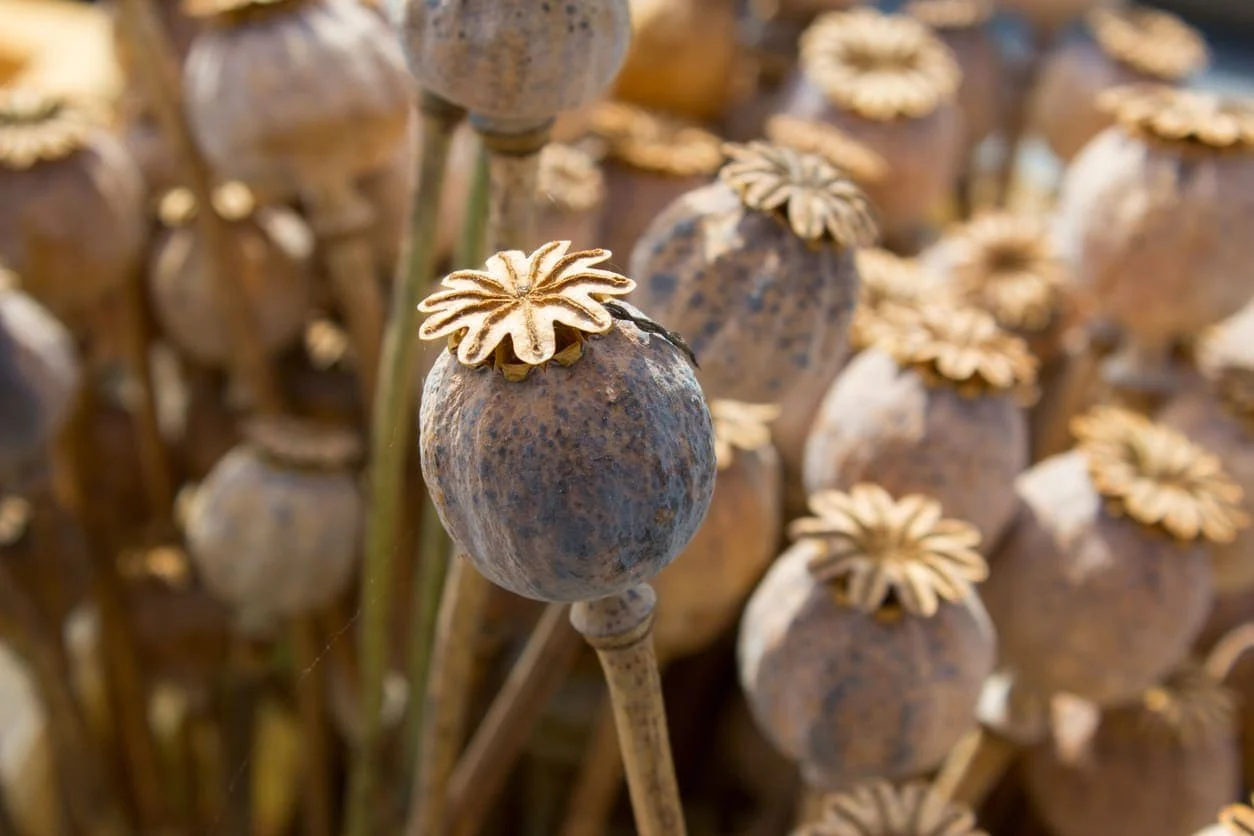
Self-Seeding Flowers: Effortless Beauty That Returns Every Year When I first fell in love with gardening, my mother came to Read more
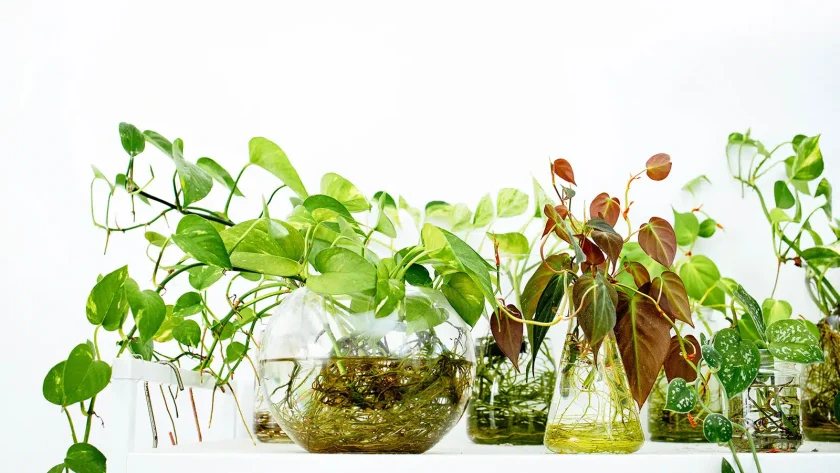
Searching for a distinctive method to incorporate some foliage into your home or workplace? Try cultivating plants hydroponically! Not only Read more
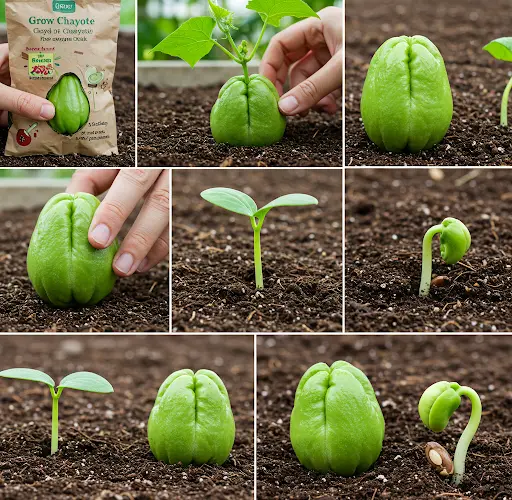
Growing Chayote from Supermarket Fruit: Abundant Harvests Made Easy If you've ever strolled through the produce aisle and spotted a Read more

For gardening enthusiasts, it's a known fact that many plants thrive in humid and warm climates conducive to their growth. Read more

Unlocking the Flowering Potential of Anthuriums Anthuriums are renowned for their stunning, heart-shaped blooms which, under ideal conditions, can grace Read more

In the culinary world, garlic is a staple ingredient that is hard to do without. Cultivating it benefits many plants Read more

Understanding Fertilizers for Plants Fertilizer is a product that can be spread or mixed into the soil to provide plants Read more

Orchids, with a staggering 28,000 unique species, beautifully demonstrate nature's rich tapestry of diversity. Originating from the Orchidaceae lineage, these Read more

Cultivating Zucchini in Containers: A Comprehensive Guide Zucchini is a popular vegetable for gardening aficionados and novices alike. It's simple Read more

The Importance and Care of House Plants House plants not only serve as a significant decorative element but also play Read more

Different perspectives exist on various aspects of nature, and this holds true for the dandelion, often dismissed as a mere Read more

Orchids, celebrated for their intricate beauty and variety, need particular attention for optimal growth. In the realm of orchid care, Read more

Growing avocados can be a gratifying experience, especially when you cultivate them right in your backyard. While starting avocados from Read more

Orchids, with their array of species and hybrids exceeding 25,000, stand as a testament to botanical beauty. Cultivators and hobbyists Read more

How to Reuse Barbecue Ashes After enjoying a barbecue outdoors on a sunny day, the tendency is often to discard Read more
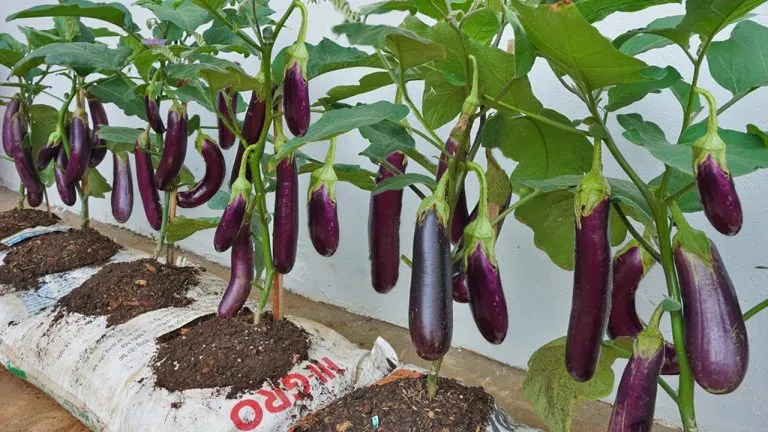
Exploring the World of Eggplants: A Gardener's Guide Eggplants, with their divisive nature, are often a subject of culinary debate. Read more
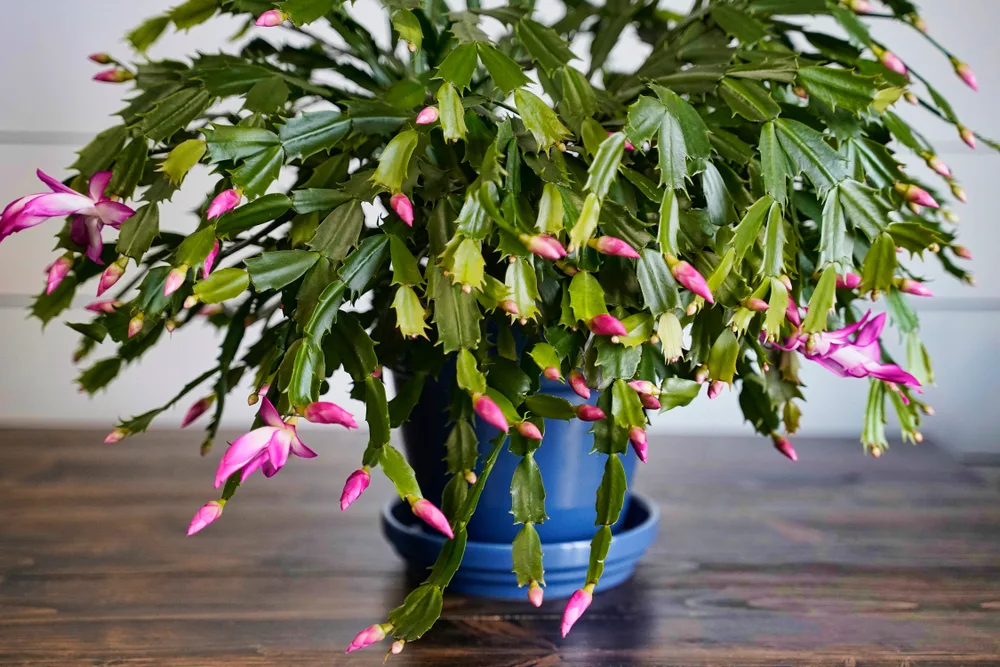
Unlocking the Mystery of the Festive Cactus The festive cactuses often baffle indoor gardeners. There's a lingering myth that these Read more

Cultivating an Avocado Plant Indoors: A Step-by-Step Guide Nurturing an avocado seed into a blossoming plant within the confines of Read more

The Curious Case of Tomato Slices: A Journey from Kitchen Scrap to Sprout As someone always game for a gardening Read more

Transforming Garlic Peels into Gold for Gardeners: In the rhythm of kitchen prep, garlic peels are often discarded without a Read more

Using White Vinegar for Garden Maintenance Gardening is never an easy task. Planting, weeding, and watering plants and flowers require Read more

Insect-Repelling Greenery: Your Natural Home Defense Transform your home into a sanctuary free from the annoyance of insects such as Read more
Easy Clove Growing: From Seed to Spice – A Beginner’s Guide Cloves are among the most treasured spices in the Read more

Excessive moisture within a house can arise due to capillary action, infiltration, or the phenomenon of condensation. The latter is Read more
The Incredible Healing Power of Billygoat Weed (Ageratum conyzoides): 15 Health Benefits You Should Know About Billygoat weed, also known Read more

The Wonders of Blueberries: A Guide to Growing and Enjoying This Nutrient-Rich Fruit Mildly sweet, the blueberry is a dark Read more
Indoor Plants and Their Benefits Indoor plants not only enhance the decor but also bring a touch of lush greenery. Read more

Introducing 15 Health-Enhancing Indoor Plants for a Vibrant Home Oasis Embrace a selection of indoor plants that bring more than Read more
