
Nature provides us with countless remedies in the form of wild medicinal plants, surrounding us everywhere we go.
These healing plants pepper our meadows, forests, and even emerge robustly in our own gardens. Their inherent power is tremendous, yet it is often overlooked or underestimated.
Many of these herbs find their way into our diets or herbal teas and infusions; some common examples are dandelion leaves, goosefoot, nettle, raspberry leaves, horsetail, and notably, plantain.
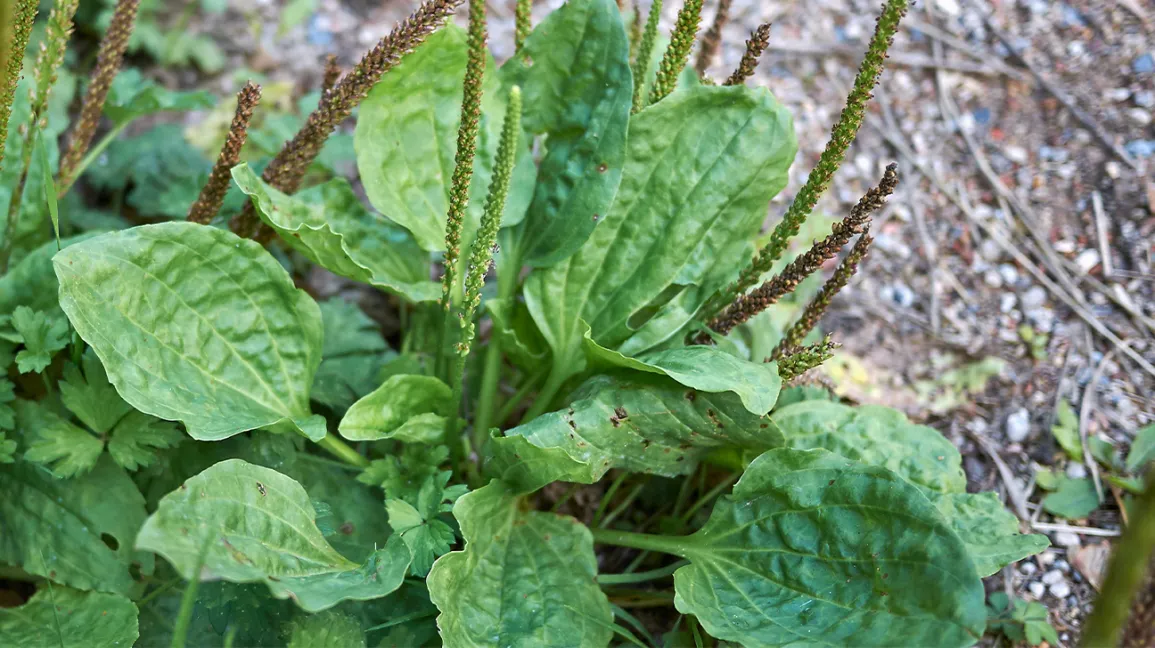
This plantain is not related to bananas, despite the similarity in name. Even if you have never used it, chances are you have seen it growing nearby.
Both Plantago lanceolata (ribwort plantain) and Plantago major (broadleaf or greater plantain) are common garden greens packed with potent health benefits. However, their virtues have somewhat faded from modern wellness trends.
Curious about how to tap into the magic of these natural remedies?
Begin cultivating an interest in botany, seek out clean locations free from pollutants or chemicals to gather plants, and embark on your journey of botanical exploration and collection.
Guide to Harvesting Plantain
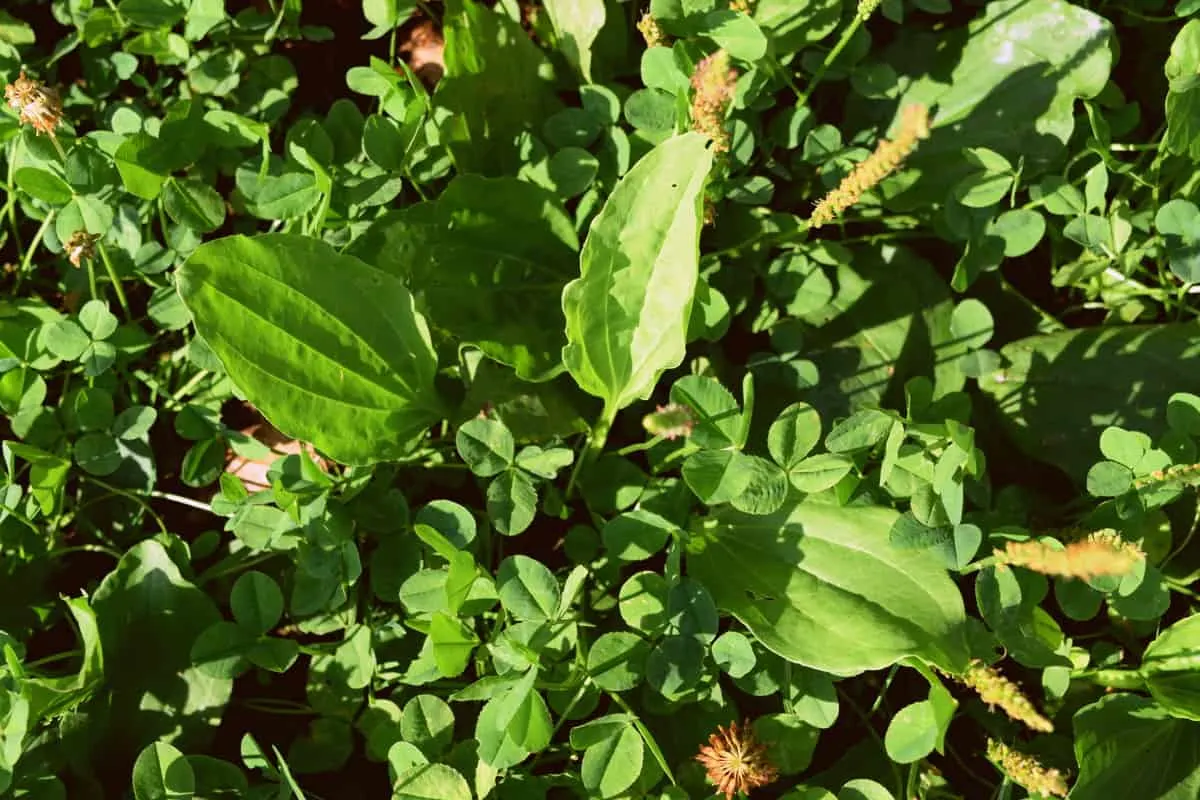
Once you have identified the characteristic plantain leaves and noted their abundance, it is time to harvest.
Carefully remove the leaves from the base of the plant, either by hand or with gardening scissors for convenience.
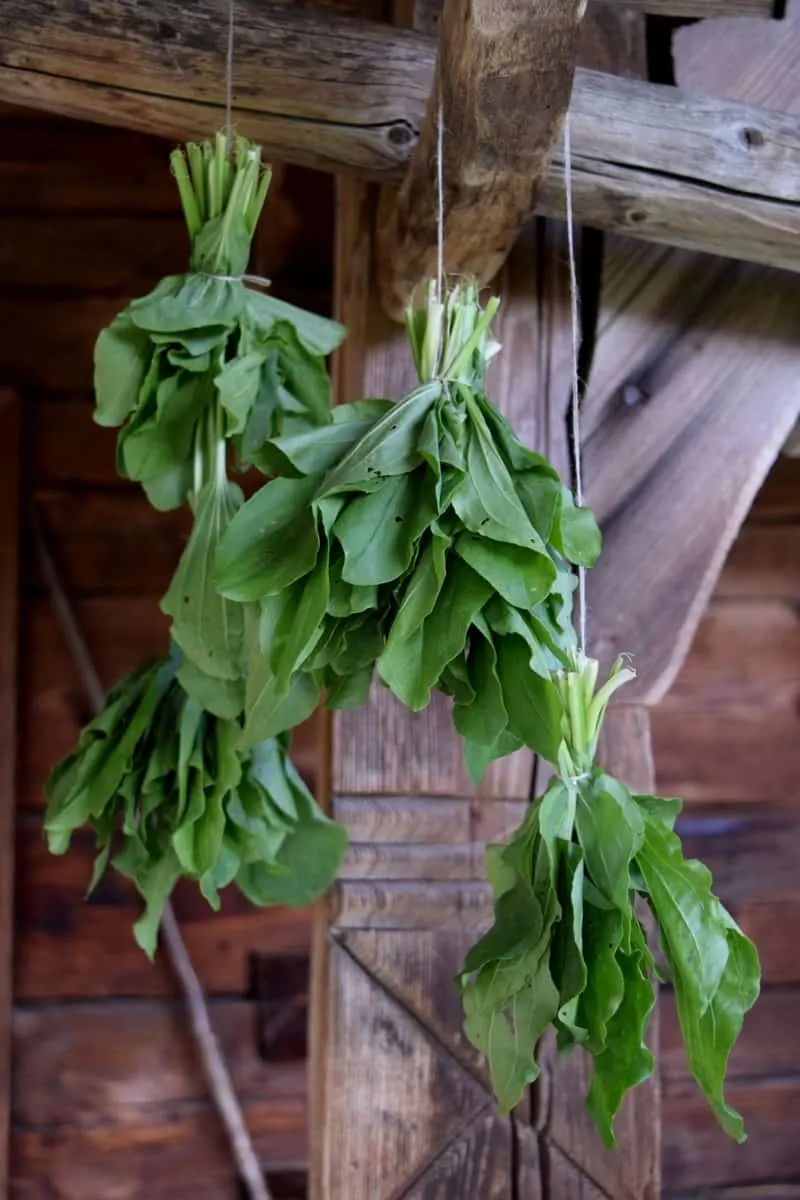
If you plan to use the leaves fresh, simply follow your recipe’s instructions. However, for preservation and future use, gently wash the leaves if necessary, then air-dry them in small bundles or employ a dehydrator if you have access to one.
The Healing Power of Plantain
Infusions made from plantain leaves have long been a trusted natural remedy for ailments such as sore throats and stubborn dry coughs. This humble plant also acts as a natural immune system booster, particularly valuable as temperatures drop.
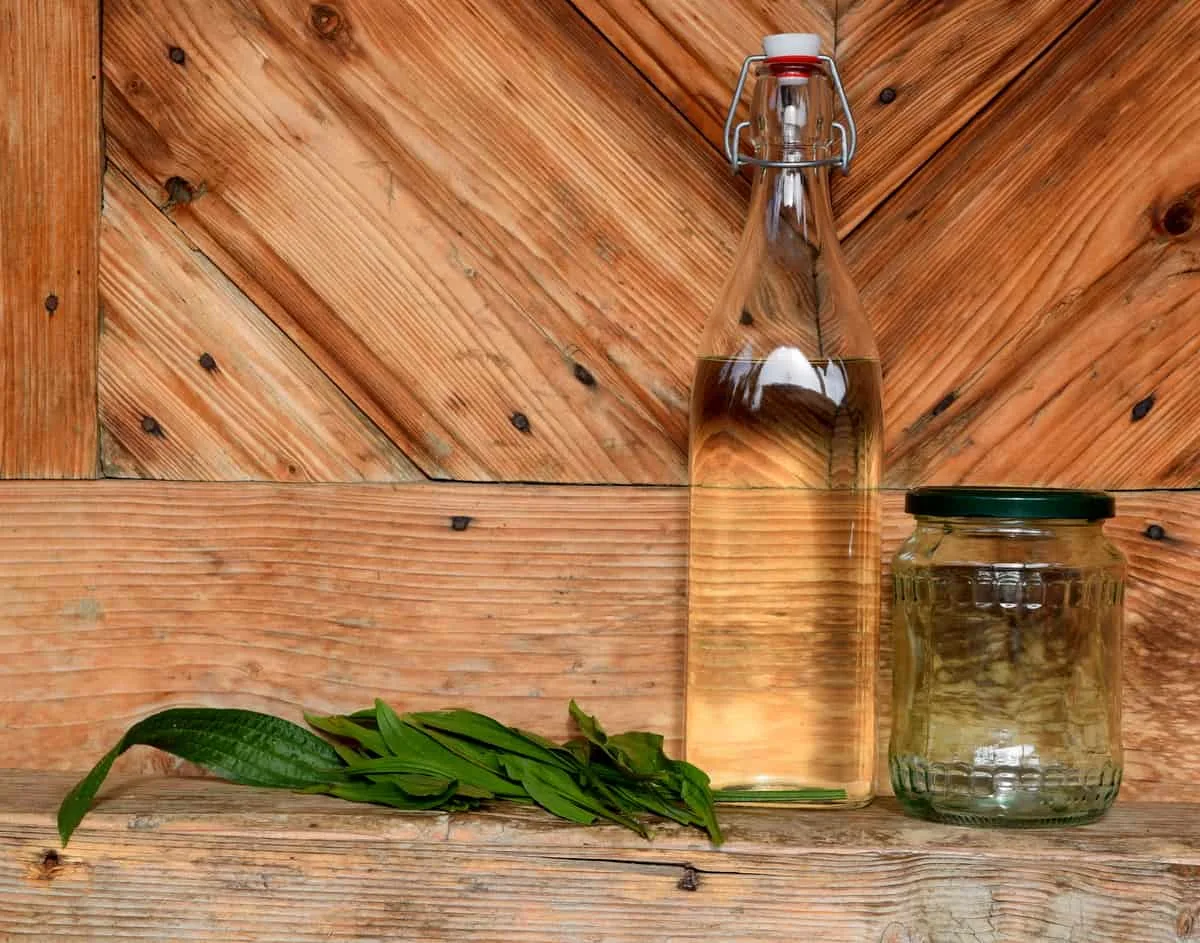
There are countless methods to craft a tincture, but all start with the essential process: soaking the herb in alcohol, storing it in darkness, and later straining it for use whenever necessary.
Here is a detailed guide to help you make your own plantain tincture:
1. Selecting the Right Ingredients
Choosing Where to Forage: Collect fresh plantain flowers and leaves, whether broadleaf or ribwort varieties. It is always advisable to use what grows locally. Although their medicinal qualities are closely aligned, combining both types may enhance the overall effectiveness.
2. Preparing the Plantain
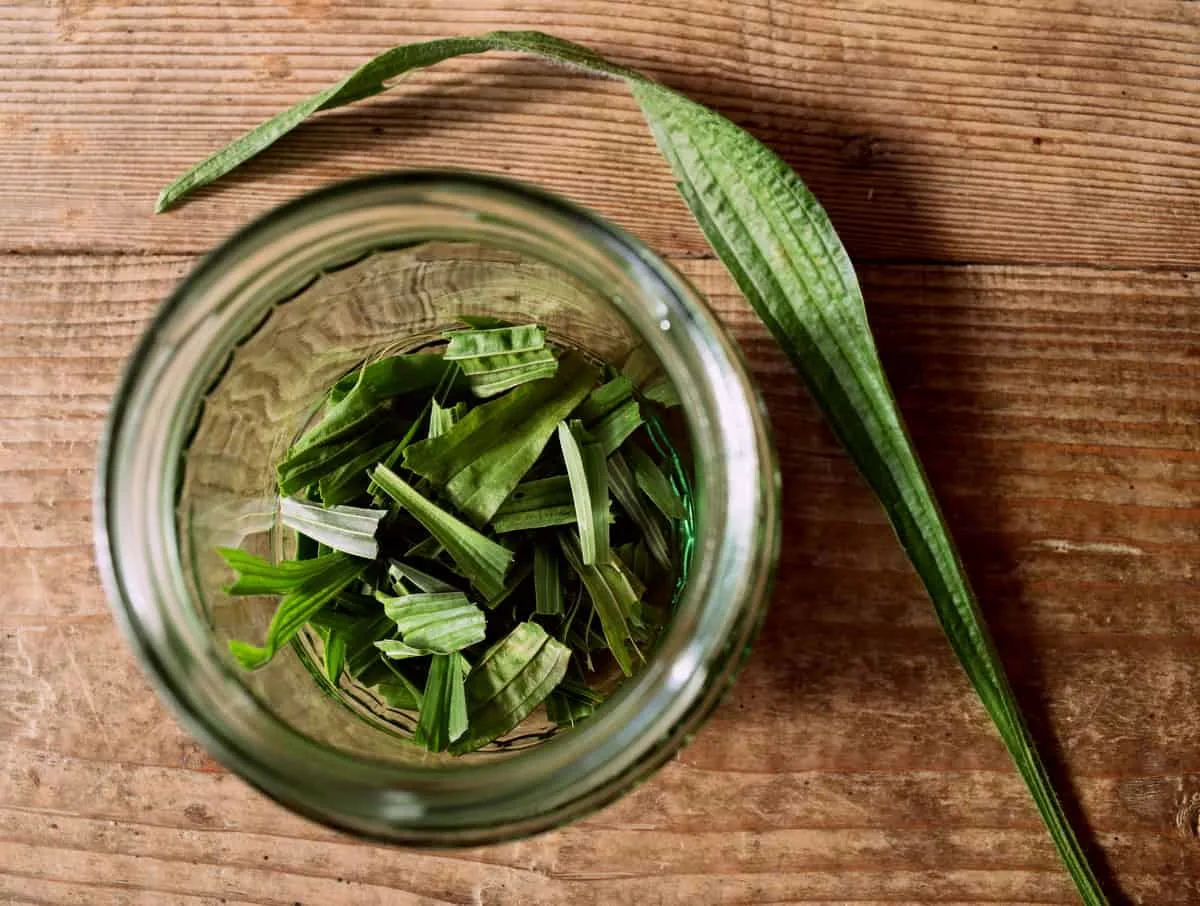
Processing Method: Tear the plantain leaves by hand or crush them gently using a mortar and pestle. Once prepared, place the plant material into a sterilized container to ensure purity.
3. Adding the Alcohol
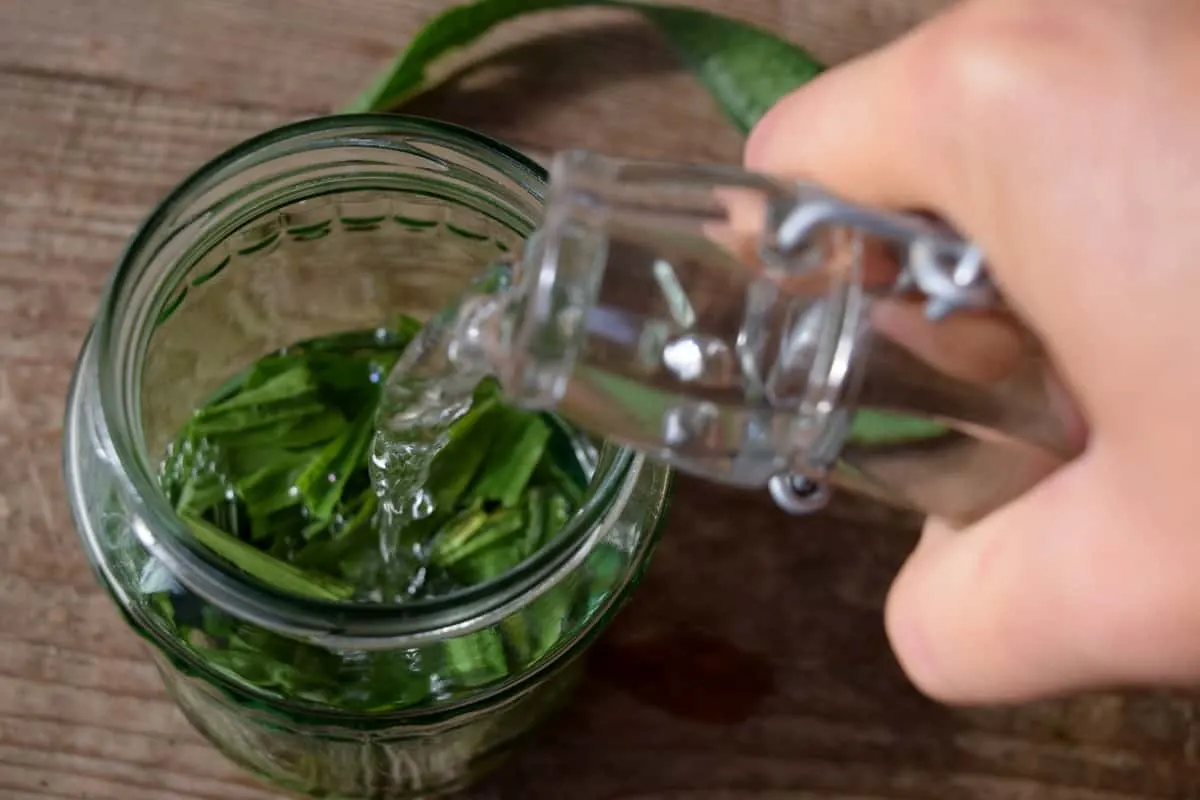
Choosing Your Alcohol: Pour vodka made from grain or potatoes, or alternatively fruit brandy, over the plantain at a ratio of approximately 2 parts alcohol to 1 part fresh plantain leaves. While exact measurements are not critical, trusting your instincts and local knowledge helps, especially because herb potency may vary depending on location and season.
4. Letting It Infuse
Storage Instructions: Secure the container with a tight lid and place it in a cool, shaded area for four to six weeks, allowing the alcohol to extract the plant’s medicinal properties.
Dosage and Safety Considerations
For adults, a typical dose is around 1 ml, not exceeding three doses per day.
Always label every jar clearly! This precaution cannot be overstressed. Over time, tinctures tend to look similar in color, but their uses and properties can differ widely.
For example, in our collection of holistic health remedies, we keep a shepherd’s purse tincture known for controlling bleeding and easing hemorrhoid discomfort, alongside yarrow tincture famed for improving blood circulation and alleviating varicose veins.
Proper labeling is essential to avoid accidental misuse or health risks.
Discovering the Versatility of Plantain
Instead of removing plantain from your garden as a weed, consider harvesting it regularly to create an array of herbal preparations.

Foraging marks a meaningful step toward self-reliance and independence. Once you have confidently identified several beneficial wild plants, you can transform them into useful forms such as oils, salves, tinctures, and poultices.
Using Plantain Poultices: A Natural Remedy
The Best Season
Summer is the perfect time to utilize plantain poultices, especially since insect bites and stings are more common and can cause irritation.
How to Apply
For itchy or inflamed bites, simply pick a clean plantain leaf, rinse it thoroughly, then chew it into a pulp. Spread this paste over the bite and cover with a cloth or bandage. Allow it to sit for a few hours, reapplying as needed until the discomfort diminishes.
Flavor and Benefits
Though plantain has a mild bitterness, it is still palatable and widely recognized for its healing attributes. This poultice is also effective for assisting the recovery of minor wounds.
Winter Care
For insect bites occurring in colder months, keeping a prepared plantain salve on hand can be a vital remedy.
The Benefits of Plantain-Infused Oil
Beyond Poultices: Taking a step beyond direct application of crushed leaves, infusing plantain into carrier oils such as olive oil, almond oil, or coconut oil enriches its healing properties.
Uses: This infused oil is a versatile aid for various skin issues, providing relief from irritations, minor burns, and other superficial injuries.
Eco-Friendly Approach: Working closely with your natural environment to harvest wild herbs offers a green treasure trove. For instance, comfrey not only serves medicinal purposes but also makes an excellent natural fertilizer. Never underestimate the power of common garden weeds!
How to Prepare Plantain Oil Infusion
- Collect fresh leaves on a dry afternoon to avoid moisture-related problems.
- Tear or cut the leaves into smaller pieces.
- Spread the leaves out on a clean surface overnight to wilt slightly.
- Place the wilted leaves into a clean glass jar.
- Pour in extra-virgin olive oil or your preferred carrier oil to fully submerge the plant material.
Storage Tips
Store the jar in a dark, cool place for approximately four to six weeks, allowing the oil to absorb the plant’s beneficial compounds. Afterward, strain the leaves out, then use the oil either in various recipes or apply it directly to the skin to soothe and heal.
Plantain-Infused Vinegar: Multipurpose and Practical
A Versatile Remedy: Plantain-infused vinegars serve multiple purposes, including culinary uses, natural cleaning agents, laundry fresheners, and healing applications.
Relieving Sunburn: Prolonged sun exposure can cause painful sunburns. A simple yet effective natural remedy involves infusing fresh or dried plantain leaves in apple cider vinegar, creating a soothing solution.
Additional Benefits: This infused vinegar can also be used as a rinse to calm an itchy, dry scalp.
Lavender and Plantain Lotion: Gentle Skin Care
Healing Attributes
Plantain is prized for its ability to heal skin inflammation and conditions such as eczema.
How to Make
- In peak growing season, harvest and dry a generous amount of plantain leaves from your garden to ensure a steady supply.
- Prepare a plantain-infused oil by steeping the dried leaves for four to six weeks.
- Use the infused oil to create a soothing lotion aimed at alleviating skin irritations.
DIY Plantain Lip Balm: A Natural Cosmetic Alternative
Why Make Your Own?
If you are looking to avoid the common menthol-scented lip balms typically found in stores, making your own natural balm could be the answer.
Essential Ingredients
- Herbs: Dried calendula, comfrey, and plantain leaves
- Base Components: Beeswax, shea butter, cocoa butter, and castor oil
Benefits of DIY
Creating your own lip balm allows you to control every ingredient, ensuring a safe, natural, and effective product. Additionally, having these ingredients available means you can easily branch out into crafting other homemade cosmetics and herbal remedies.
Plantain Bath Salts: Rejuvenating Soaks for Relaxation
Why Use Bath Salts?
After a long day filled with chores or caring for your household, nothing compares to the restorative power of a relaxing bath.
Ingredients Needed
- Optional: Essential oils for fragrance and additional benefits
- Chopped plantain leaves, either fresh or dried
- Lavender flowers to promote calm and tranquility
How to Use
To avoid mess, place all ingredients into a tightly woven cotton bag before immersing it in bathwater. This prevents any residual plant matter from entering your drain while still allowing the beneficial properties to infuse the water.
Plantain Lotion Bars: Nourishing Relief for Dry Skin
Addressing Dry Skin
If you struggle with persistent dryness, crafting your own moisturizing lotion bars can be a highly effective solution.
Ingredients
- Shea butter
- Coconut oil
- Beeswax
- Optional: Plantain-infused oil for enhanced skin benefits
Plantain Salve: A Natural First Aid Essential
Why It’s Important
Plantain salve is an indispensable addition to any natural first aid kit, providing a wide variety of skin healing benefits.
Ingredients
- Fresh or dried plantain leaves
- Coconut oil as a carrier
- Beeswax to solidify the salve
- Essential oils such as tea tree or lavender for added antiseptic and soothing properties
Note: Although creating this salve requires some effort and time, the quality and effectiveness of the finished product make it well worth the investment.
Edible Plantain: A Nutritional Treasure Often Forgotten
Ways to Enjoy Plantain in Food
- Young, tender leaves can be chopped fresh and added to salads for a nutritious boost.
- Plantain seeds can be toasted lightly and eaten as a wholesome snack.
- Plantain has traditionally been used as a remedy for dry coughs, especially during the cold winter months.
Availability and Foraging Tips
Although plantain is a common herb, it may not always be readily available when you need it most. For this reason, it’s advisable to forage and gather it during summer so you can prepare winter essentials like salves, ointments, and lip balms.
Finding Plantain When It’s Not Nearby
If you’re unable to locate fresh plantain in your area, don’t worry. Dried plantain leaves are easily found online, providing access to this natural healing herb whenever needed for your remedies.
Snake plants, scientifically known as Dracaena trifasciata and previously classified as Sansevieria, are favored houseplants admired for their resilience and Read more
Orchids rank among the most exquisite houseplants cherished by many, yet they are often recognized for their delicacy and their Read more
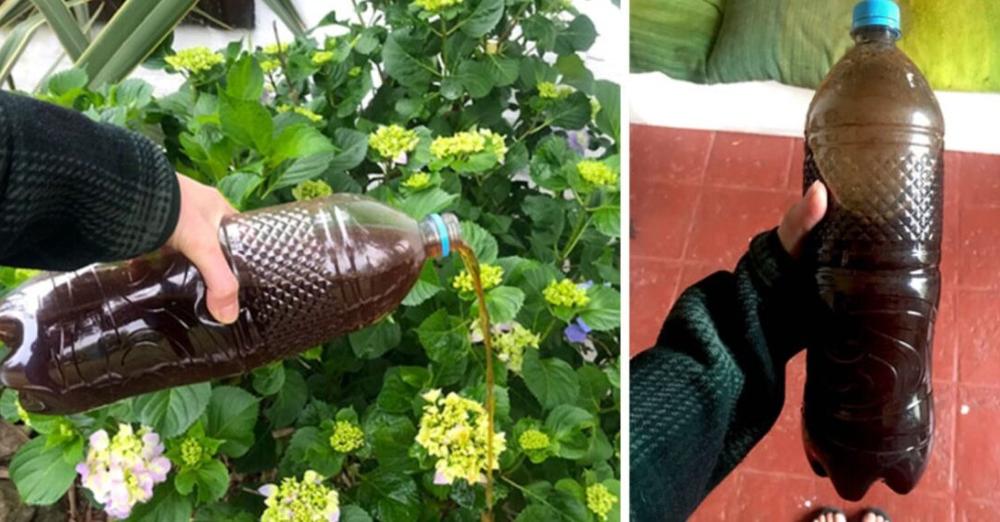
As sustainability and eco-consciousness increasingly shape our everyday habits, discovering alternative methods to fertilize our gardens grows ever more essential. Read more
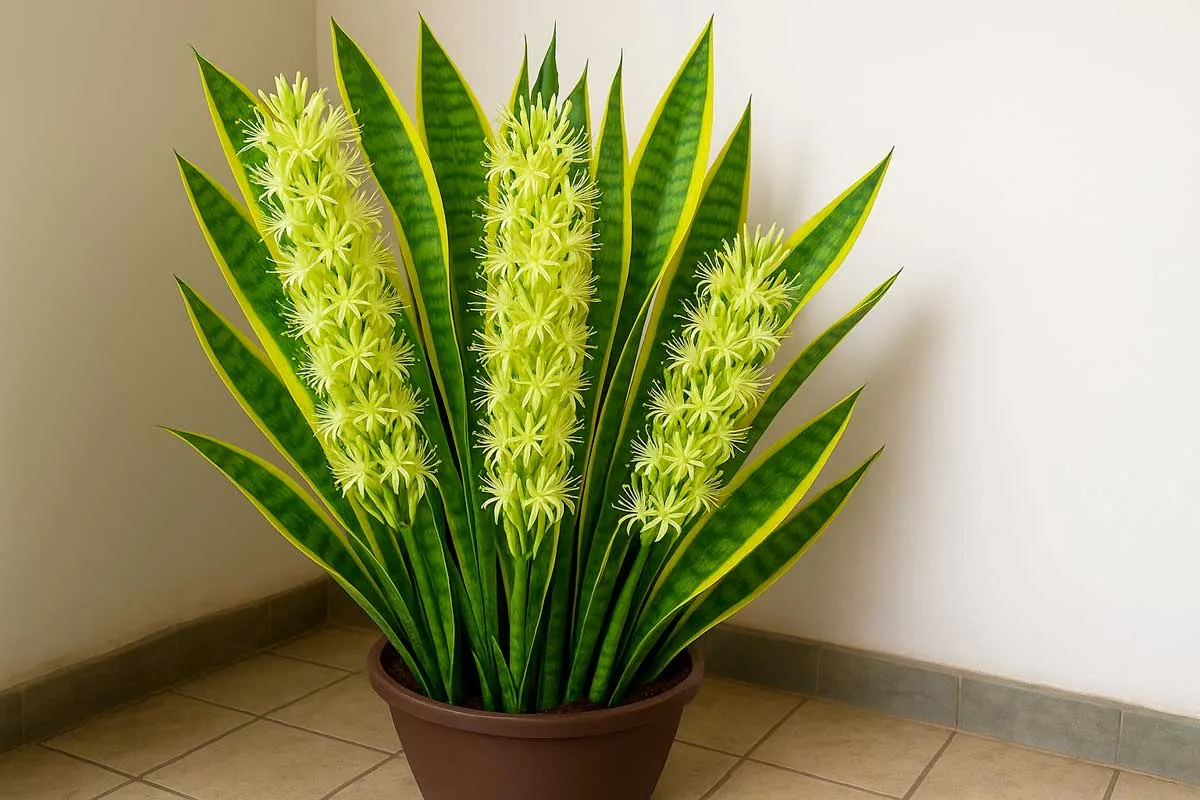
Mother-in-law’s tongue, commonly known as Sansevieria, is renowned for its resilience and remarkable air-purifying qualities. It is an ideal choice Read more

Transforming Garlic Peels into Gold for Gardeners: In the rhythm of kitchen prep, garlic peels are often discarded without a Read more

Get a Head Start on Your Garden: Indoor Sowing for Colder Climates There's no need to wait for spring's embrace Read more
Sleep is a vital component of our overall health, serving as the foundation for a productive and energized day. Yet, Read more
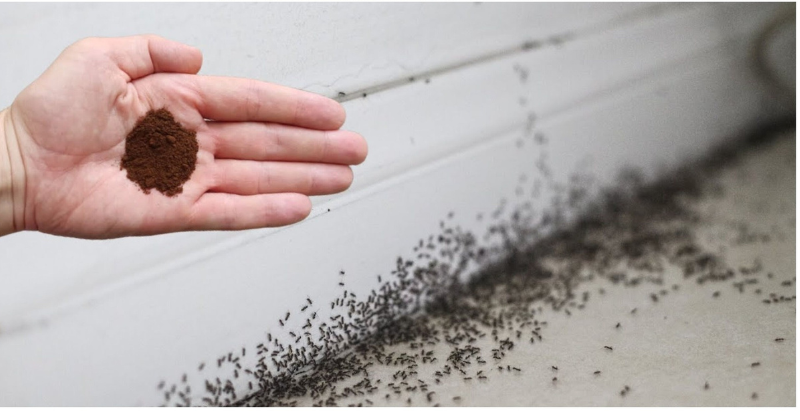
Quick Victory: The Ultimate Homemade Insecticide to Say Goodbye to Ants Have you ever encountered an invading army of ants Read more

Orchids, with their array of species and hybrids exceeding 25,000, stand as a testament to botanical beauty. Cultivators and hobbyists Read more

Unlocking the Flowering Potential of Anthuriums Anthuriums are renowned for their stunning, heart-shaped blooms which, under ideal conditions, can grace Read more
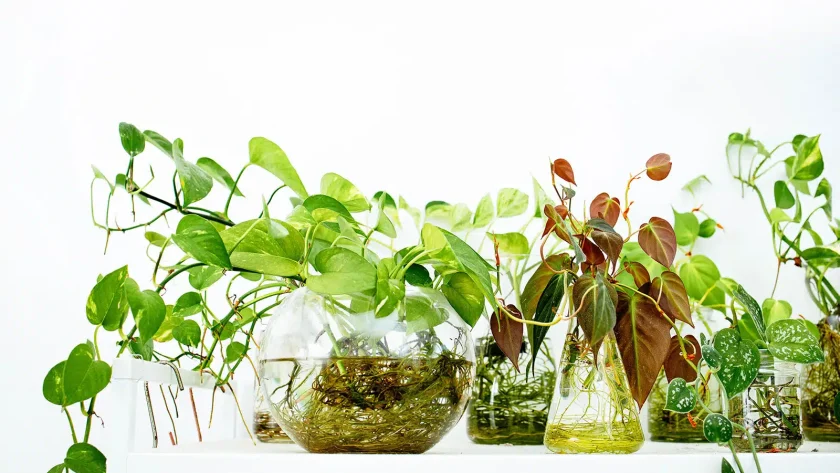
Searching for a distinctive method to incorporate some foliage into your home or workplace? Try cultivating plants hydroponically! Not only Read more

Navigating Aloe Vera Care: Bypassing Usual Oversights Aloe vera, celebrated for its therapeutic properties and eye-catching demeanor, is occasionally compromised Read more

Understanding Fertilizers for Plants Fertilizer is a product that can be spread or mixed into the soil to provide plants Read more
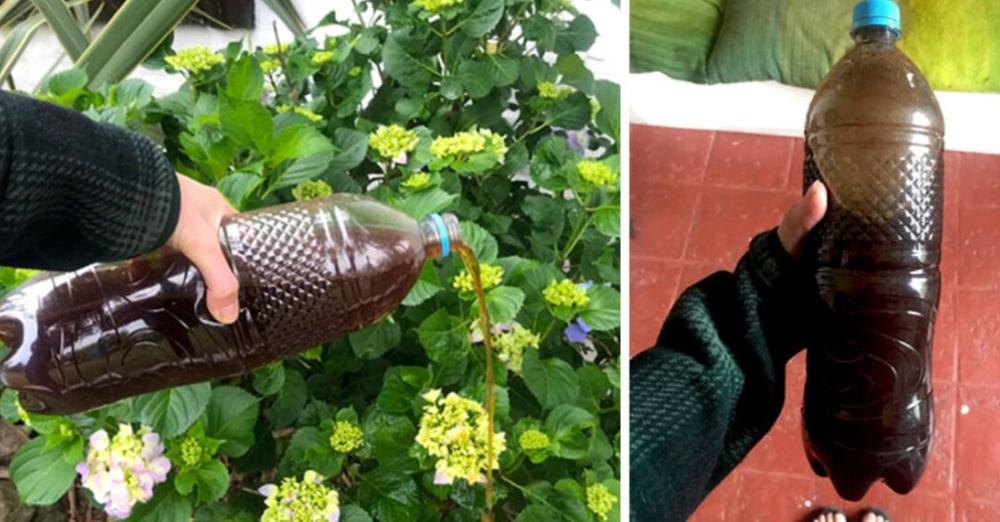
As sustainability and eco-consciousness continue to play a vital role in our everyday lives, discovering alternative methods to fertilize our Read more

Using White Vinegar for Garden Maintenance Gardening is never an easy task. Planting, weeding, and watering plants and flowers require Read more
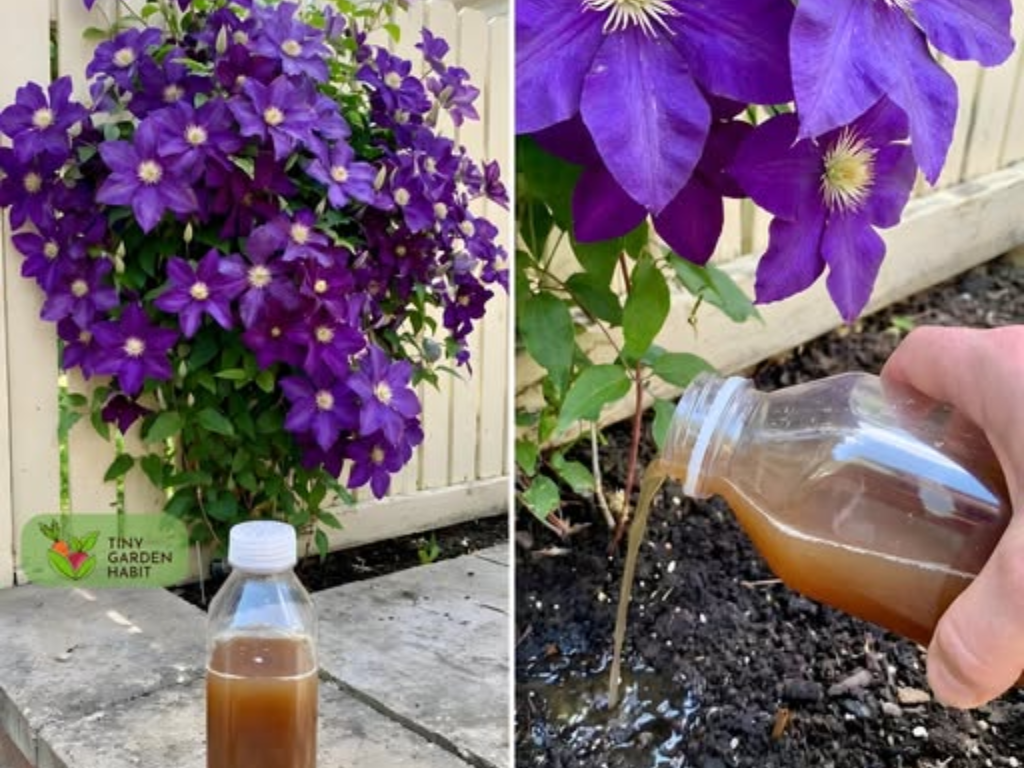
Clematis plants are fundamentally simple organisms, almost mechanical in nature, driven by basic principles of plant hydraulics and a kind Read more
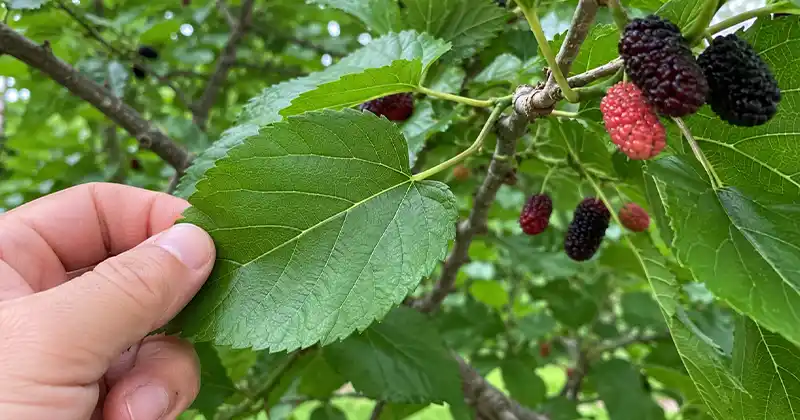
Mulberry trees are best known for their sweet summer berries, yet the leaves they produce hold far greater potential as Read more
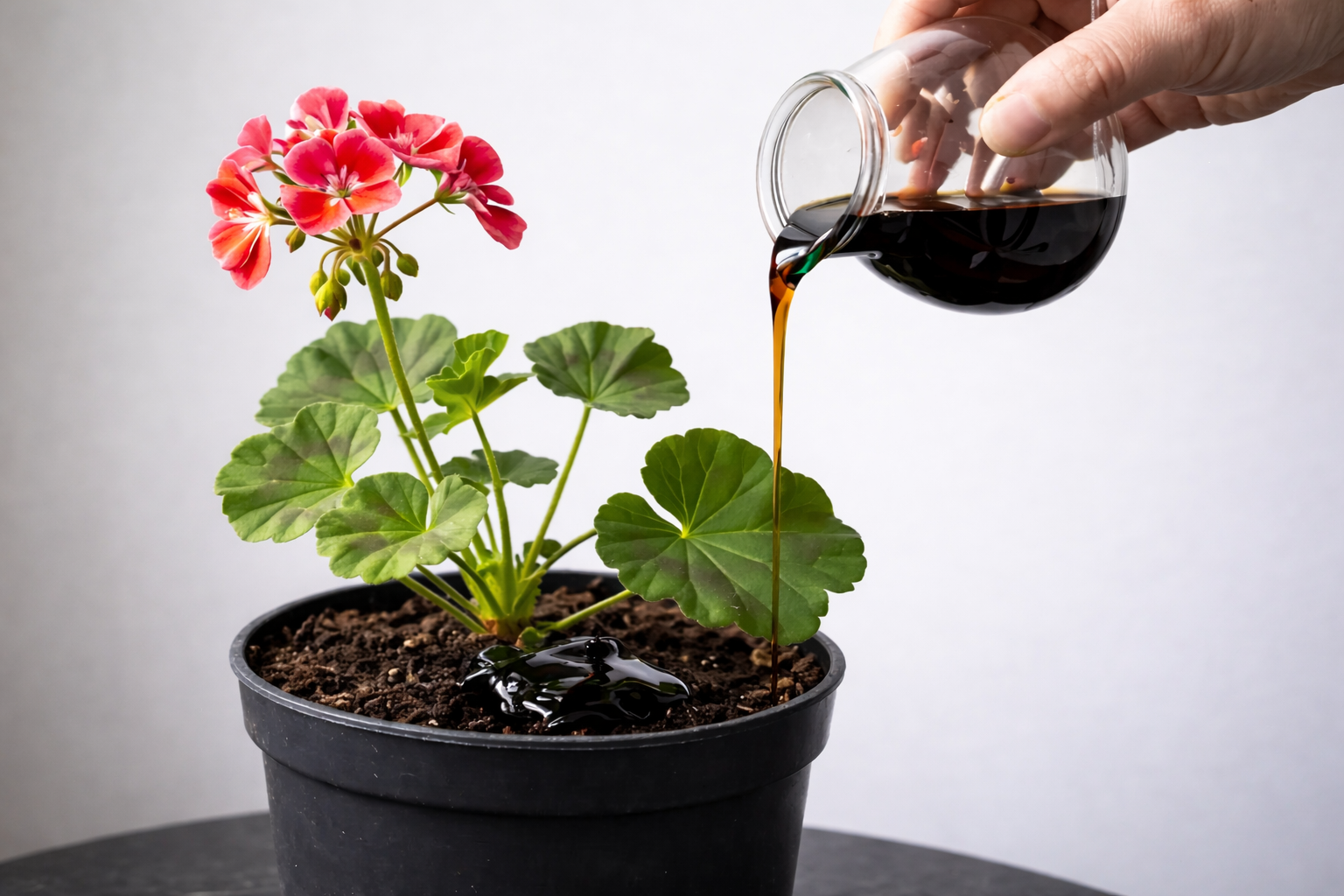
Having geraniums adorned with vibrant blooms for months—sometimes lasting even longer than anticipated—is not a feat reserved solely for expert Read more

Mastering Chilli Cultivation in Diverse Climates: A Detailed Guide It may seem unlikely, but growing chillies across different climates is Read more
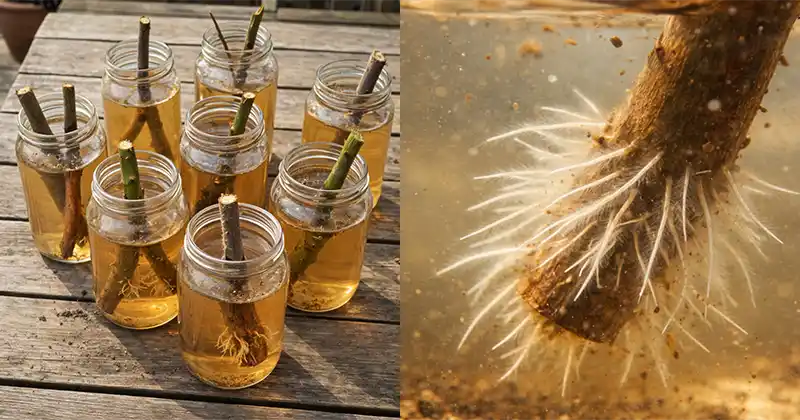
Growing new plants from root cuttings is like discovering a true shortcut in gardening. A single healthy parent plant can Read more
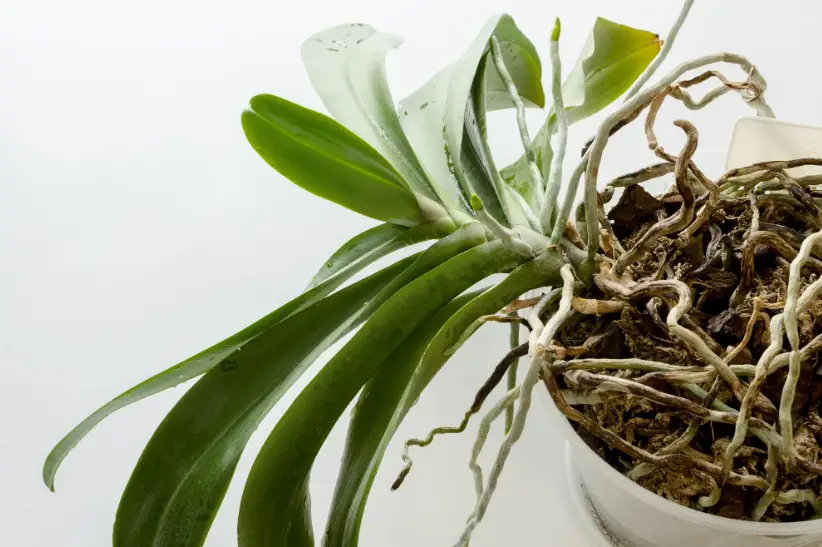
Have you noticed your orchid displaying signs of distress or appearing sickly, seemingly on the brink of death? Don’t lose Read more

The Curious Case of Tomato Slices: A Journey from Kitchen Scrap to Sprout As someone always game for a gardening Read more
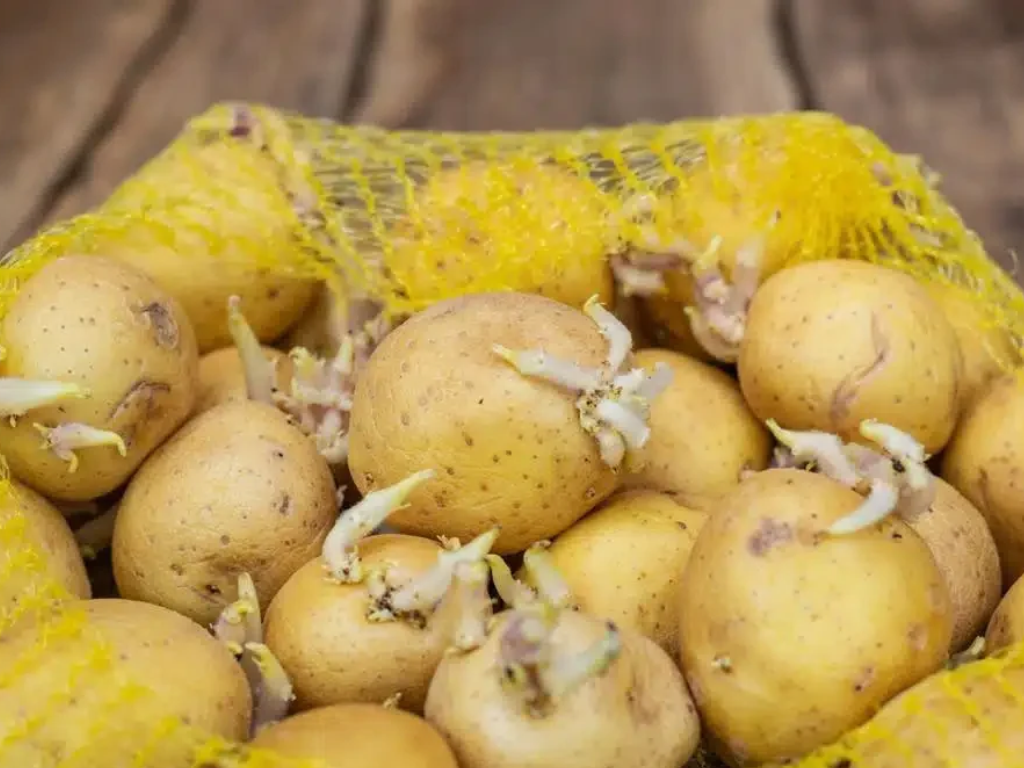
Three Little-Known Tips to Keep Your Potatoes in Perfect Condition Choosing the Right Location for Storage The way you store Read more
Lucky Bamboo: The Zen Symbol of Your Prosperity You have likely seen this elegant green stalk, often gifted in a Read more
Discover how a simple kitchen ingredient can effectively repel pests, combat diseases, and promote healthier growth in your plants. Snake Read more
Often overshadowed by the fruit itself, the banana flower—also known as the banana blossom or banana heart—appears as a deep Read more
As sustainability and eco-consciousness continue to rise in importance in our daily lives, discovering alternative methods to fertilize our gardens Read more
Kalanchoe, a stunning and adaptable succulent plant, is admired not only for its ornamental beauty but also for its strong Read more
Some years, the effort put into gardening seems barely worth it, but this autumn, the value of gardening becomes clear. Read more

Indoor Plants: A Decorative Air Purifier Indoor plants have become an essential part of modern decor, increasingly sought-after to greenify Read more
Orchids, admired for their exotic beauty and vast variety, demand specific care to flourish. While many growers rely on commercial Read more

Tea, the staple of morning routines and afternoon breaks, may have a second life beyond the cup that's often ignored. Read more
Exploring the World of Eggplants: A Gardener's Guide Eggplants, with their divisive nature, are often a subject of culinary debate. Read more
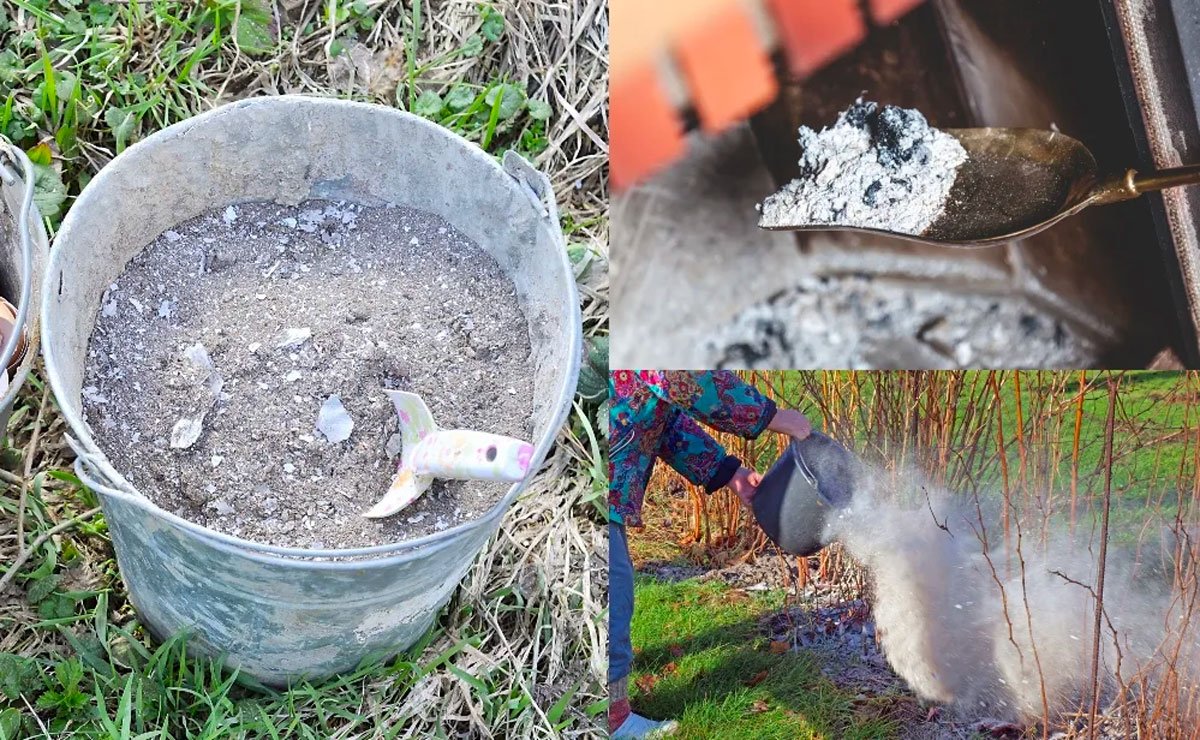
Wood ash is a valuable byproduct generated from burning firewood or wood pellets, offering numerous beneficial properties that can be Read more

Cultivating Zucchini in Containers: A Comprehensive Guide Zucchini is a popular vegetable for gardening aficionados and novices alike. It's simple Read more

Excessive moisture within a house can arise due to capillary action, infiltration, or the phenomenon of condensation. The latter is Read more
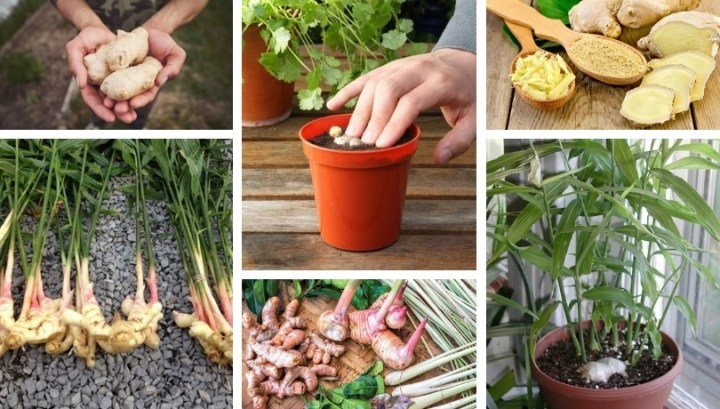
Ginger, renowned for its distinct flavor and numerous health advantages, is a fundamental ingredient in many culinary traditions around the Read more

If you don't often get the chance to rejuvenate in the midst of nature, there's an alternative: introducing plants to Read more
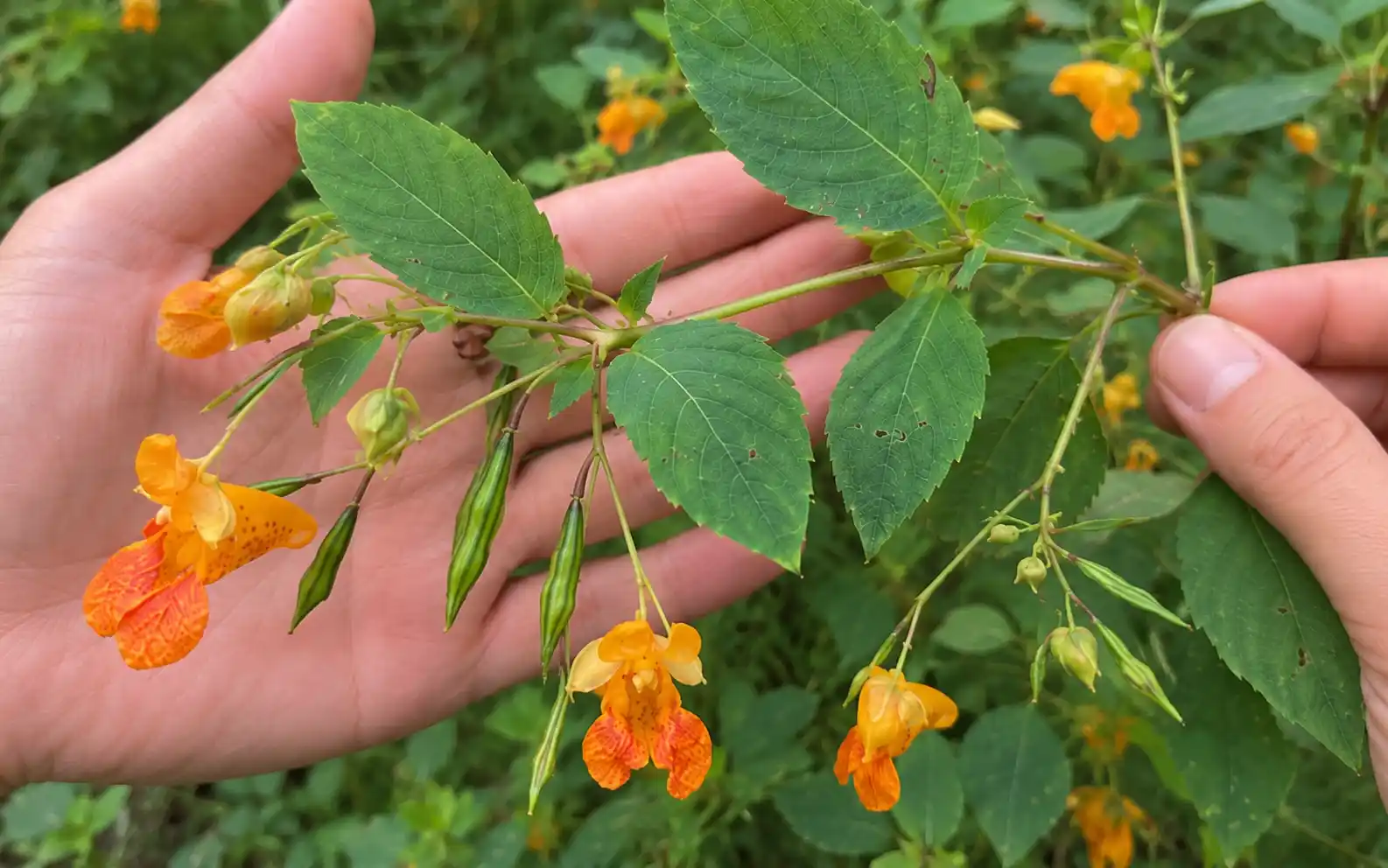
Safety and Medical Disclaimer: The information provided in this article is intended solely for educational and informational purposes. We disclaim Read more

Orchids, with a staggering 28,000 unique species, beautifully demonstrate nature's rich tapestry of diversity. Originating from the Orchidaceae lineage, these Read more
