
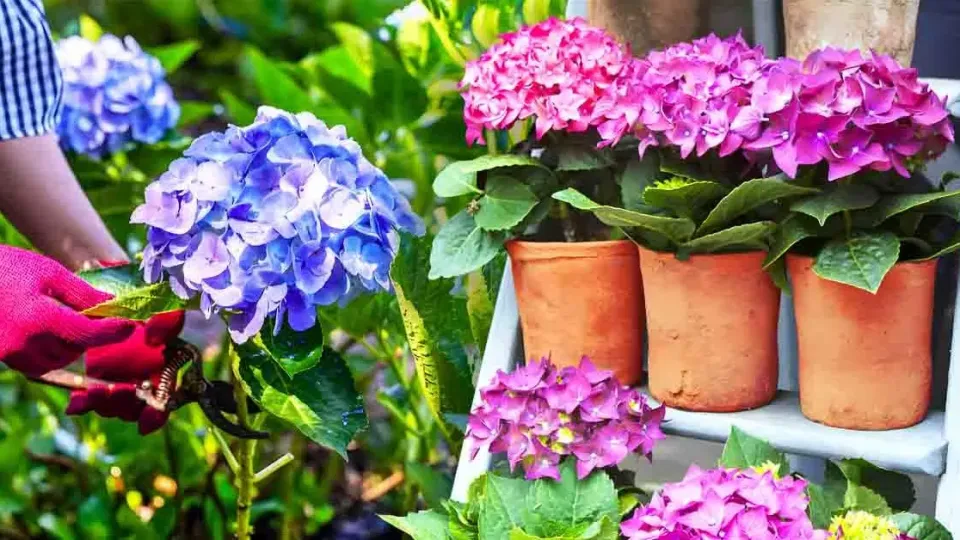
Hydrangeas, with their breathtaking blooms, stand out as one of the most enchanting deciduous flowering bushes. If you’ve wandered through a nursery, you’ll note that these beauties often carry a hefty price tag, typically ranging between $25 and $50. This price point might nudge you to consider propagating your own plants through stem cuttings, allowing you to nurture a multitude of hydrangeas without emptying your wallet.

Remarkably, hydrangeas are ideally suited for propagation through cuttings. Unlike several other bushy plants, they exhibit rapid growth, blossoming into full-fledged flowering shrubs in just about a year.
Ideal Timing for Hydrangea Cuttings
While gardening enthusiasts have varied opinions on the perfect time for cuttings across different hydrangea varieties (like big-leaf, oak-leaf, smooth, and panicle), a common consensus is that spring stands out as the optimal time. This season witnesses a surge in the plant’s metabolic activity and growth, offering ample time for the cuttings to evolve into mature plants by fall.
It’s advisable to snip cuttings either early in the morning or during the evening to avoid the midday heat, which can stress the freshly cut stem.
Although some gardeners experiment with cuttings in the late summer or fall for indoor growth, this method generally poses more challenges and yields less success.
Understanding Hydrangea Varieties
- Hydrangea macrophylla (big leaf hydrangea): This variety reaches a height of 6 to 10 feet, showcasing flowers ranging from blue to pink to white. Suitable for USDA zones 5 to 11, cuttings from this type are often successful both in early fall and spring.
- Hydrangea arborescens (smooth hydrangea): A moderate grower, this variety stands 3 to 5 feet tall with pristine white blooms. While it thrives in zones 3 to 9, propagation is often via root cuttings, though stems can also be used.
- Hydrangea quercifolia (oakleaf hydrangea): This type can grow up to 8 feet, adorned with white flowers. It flourishes in zones 5 to 9. For best results, snip cuttings from non-flowering stems in early spring and nurture them in pots until the roots are well-established.
- Hydrangea paniculata (panicle hydrangea): Towering between 8 to 15 feet, this variety exhibits flowers transitioning from white to pink. It’s best suited for zones 3 to 8, with spring being the prime time for cuttings.
Before diving into propagation, it’s beneficial to acquaint yourself with the distinct hydrangea types and their specific requirements. It’s essential to remember that each species boasts various cultivars, each exuding its own charm.
Essentials for Propagation Tools:
- Precise pruning shears
- Protective gardening gloves
Materials:
- Rubbing alcohol and cotton ball for sterilization
- Rooting powder
- A spacious 8-10 inch terra cotta pot
- Sterile soil meant for seed starting.
A Step-by-Step Guide to Growing Hydrangeas from Cuttings

1. Sterilize Your Shears
For a healthy start, make sure your pruning shears are clean. Dip a cotton ball in rubbing alcohol and thoroughly wipe the blades and handle. This step will safeguard your new plant against potential fungal diseases.

2. Snip a Healthy Green Branch
From a mature hydrangea, identify a vibrant green branch that hasn’t sprouted flower buds yet. Refrain from choosing older, rigid stems. The ideal length of the cutting is between 6 and 8 inches, and it should be taken roughly 2 inches beneath a leaf node.

3. Pare Down the Leaves
With your sterilized pruners, retain only the topmost two to four leaves and delicately remove the rest, ensuring the main stem remains untouched. Trim half of each of the upper leaves, using either the pruners or a pair of scissors.

4. Immerse in Rooting Hormone
Though optional, dipping the freshly cut end of the branch into a rooting hormone powder can significantly enhance the probability of rooting success.

5. Pot Preparation
Pick a pot based on the number of cuttings and your space constraints. Typically, an 8-10 inch terra-cotta pot should suffice.
Fill the chosen pot with a seed-starting potting mix. Once done, ensure the mix is moist but not waterlogged. Alternatives like vermiculite or coarse sand can also be used.

6. Set the Cutting in Place
Insert the cutting into the moistened mix, burying it up to where the remaining leaves begin. Ensure the mix is firm around the stems, then water adequately.
Encase the potted cuttings within a clear plastic bag, ensuring it’s not too tight. Place it in an area with bright indirect sunlight. Direct sun exposure can be detrimental, as it may overheat the cuttings, leading to rot.
Regularly check the potting mix’s moisture level, ensuring it remains moist but not overly wet.

7. Move to Larger Pots
In about four weeks, you should notice roots sprouting from your hydrangea cuttings. As they develop further and showcase new green growth, it’s time to transfer them either to individual pots with regular potting soil or directly to your garden if they’re sufficiently grown.
Now, your new hydrangeas can be treated as mature plants, with a recommended watering routine of once a week.
8. Introducing Them to Your Garden

When relocating your new hydrangeas to your garden, ensure they have room to flourish. A spacing of 4 to 6 feet between each plant is ideal. If you plant them during the fall, expect blossoming shrubs in the following growth season.
Pro Tip
The magic of big leaf hydrangeas (Hydrangea macrophylla) is that you can influence their bloom colors! By adjusting the soil pH using specific soil enhancers, you can achieve blue flowers in acidic soils and pink blooms in alkaline ones.


Indoor Plants: A Decorative Air Purifier Indoor plants have become an essential part of modern decor, increasingly sought-after to greenify Read more
Mulberry trees are best known for their sweet summer berries, yet the leaves they produce hold far greater potential as Read more
As sustainability and eco-consciousness continue to play a vital role in our everyday lives, discovering alternative methods to fertilize our Read more
Exploring the World of Eggplants: A Gardener's Guide Eggplants, with their divisive nature, are often a subject of culinary debate. Read more
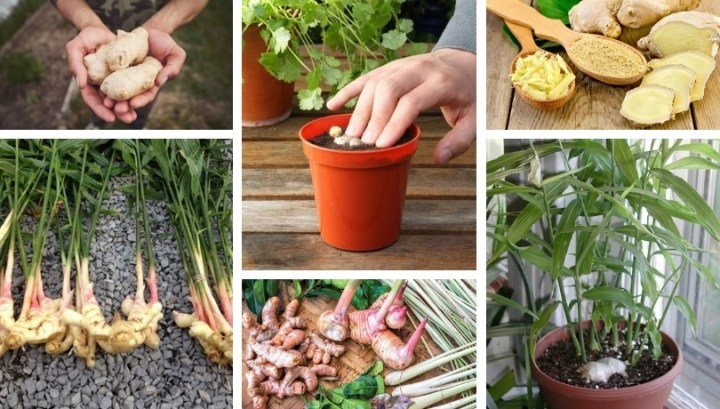
Ginger, renowned for its distinct flavor and numerous health advantages, is a fundamental ingredient in many culinary traditions around the Read more
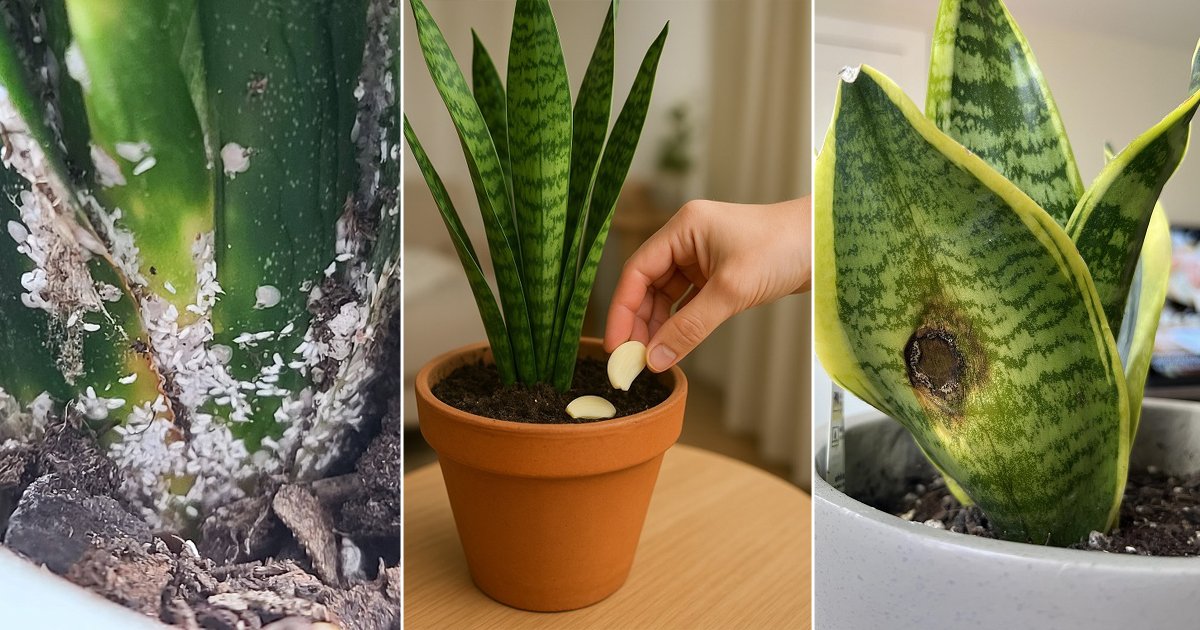
Discover how a simple kitchen ingredient can effectively repel pests, combat diseases, and promote healthier growth in your plants. Snake Read more

Different perspectives exist on various aspects of nature, and this holds true for the dandelion, often dismissed as a mere Read more
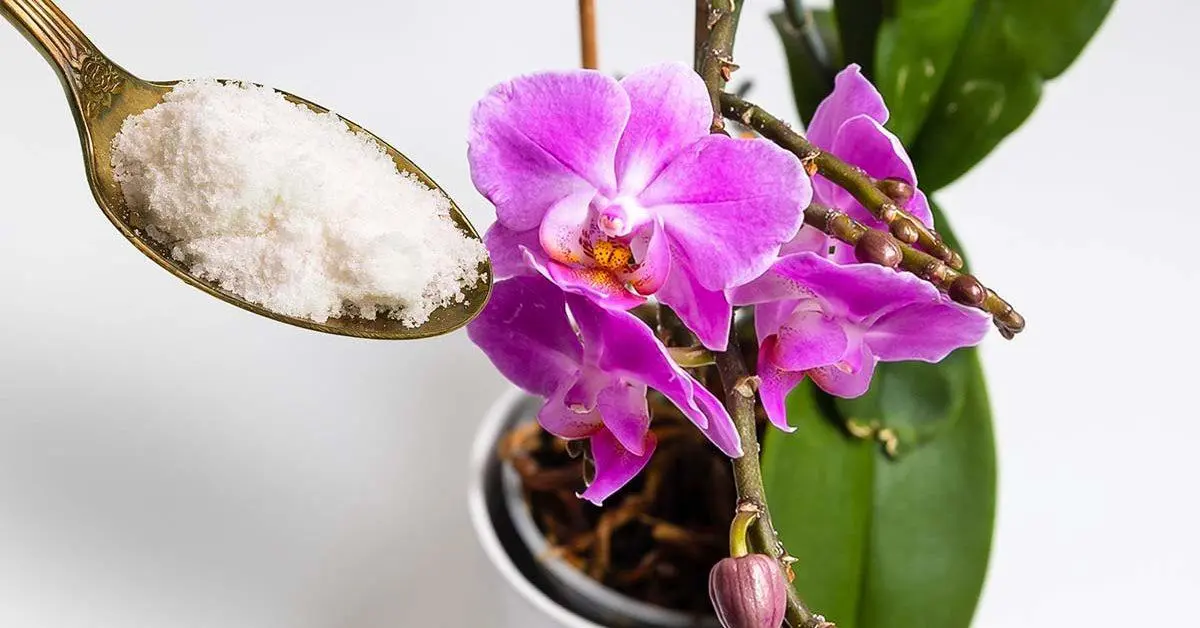
Do you have indoor plants? They have a unique ability to infuse life and color into any environment, whether it’s Read more
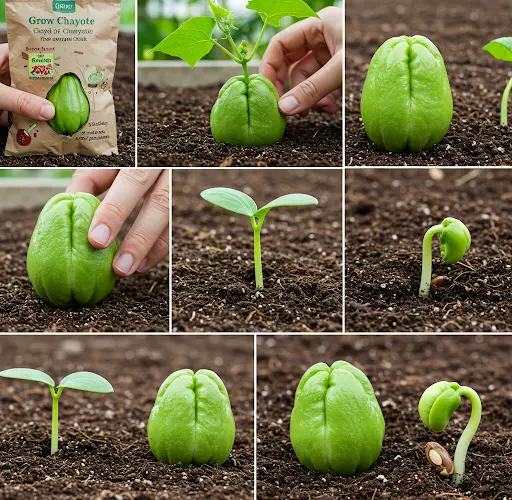
Growing Chayote from Supermarket Fruit: Abundant Harvests Made Easy If you've ever strolled through the produce aisle and spotted a Read more
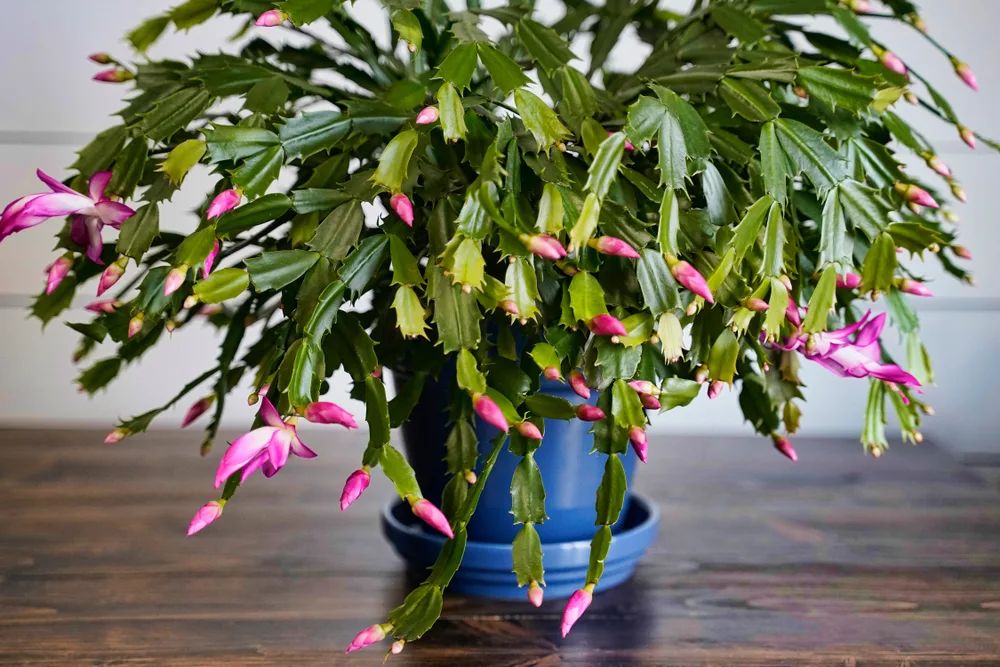
Unlocking the Mystery of the Festive Cactus The festive cactuses often baffle indoor gardeners. There's a lingering myth that these Read more
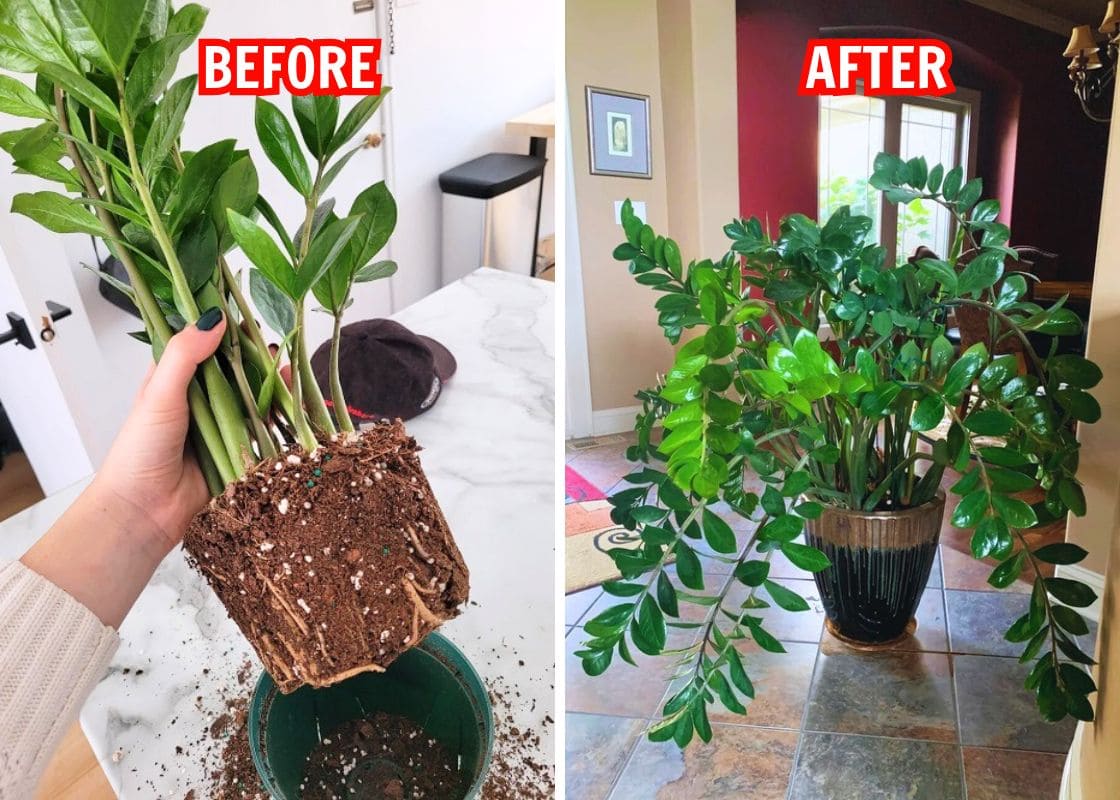
The ZZ plant (Zamioculcas zamiifolia) has earned its reputation as one of the most resilient houseplants available. It can endure Read more
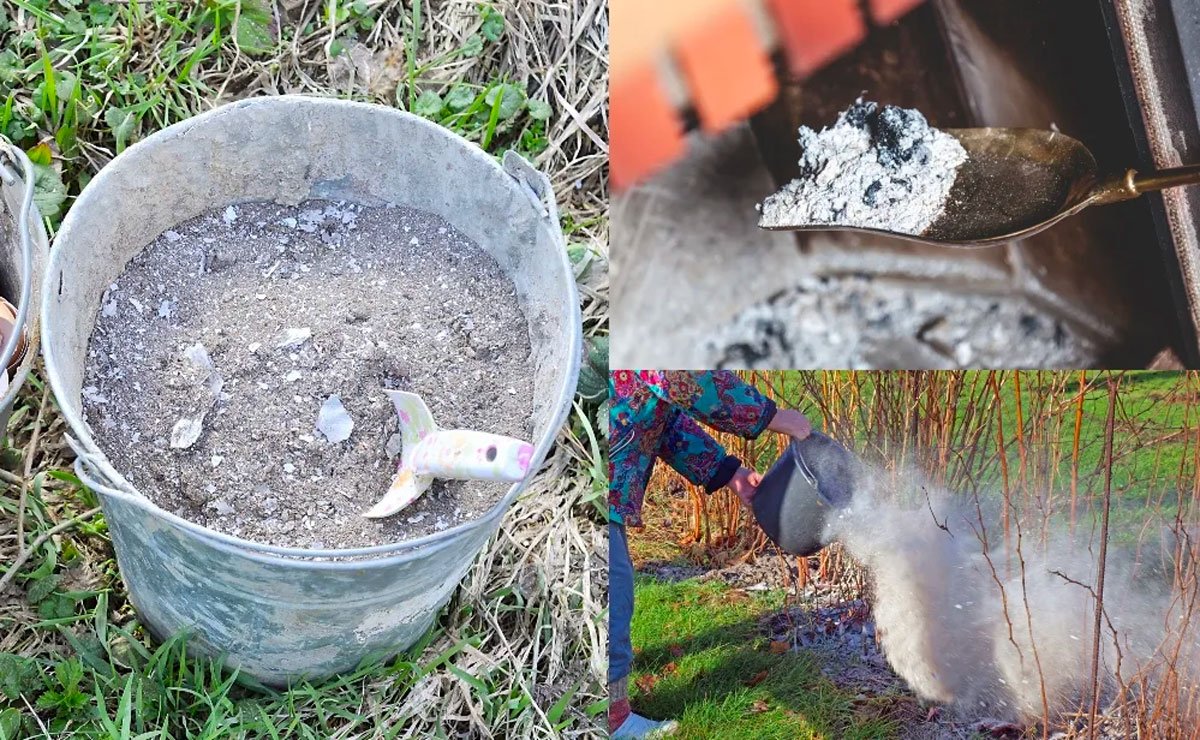
Wood ash is a valuable byproduct generated from burning firewood or wood pellets, offering numerous beneficial properties that can be Read more
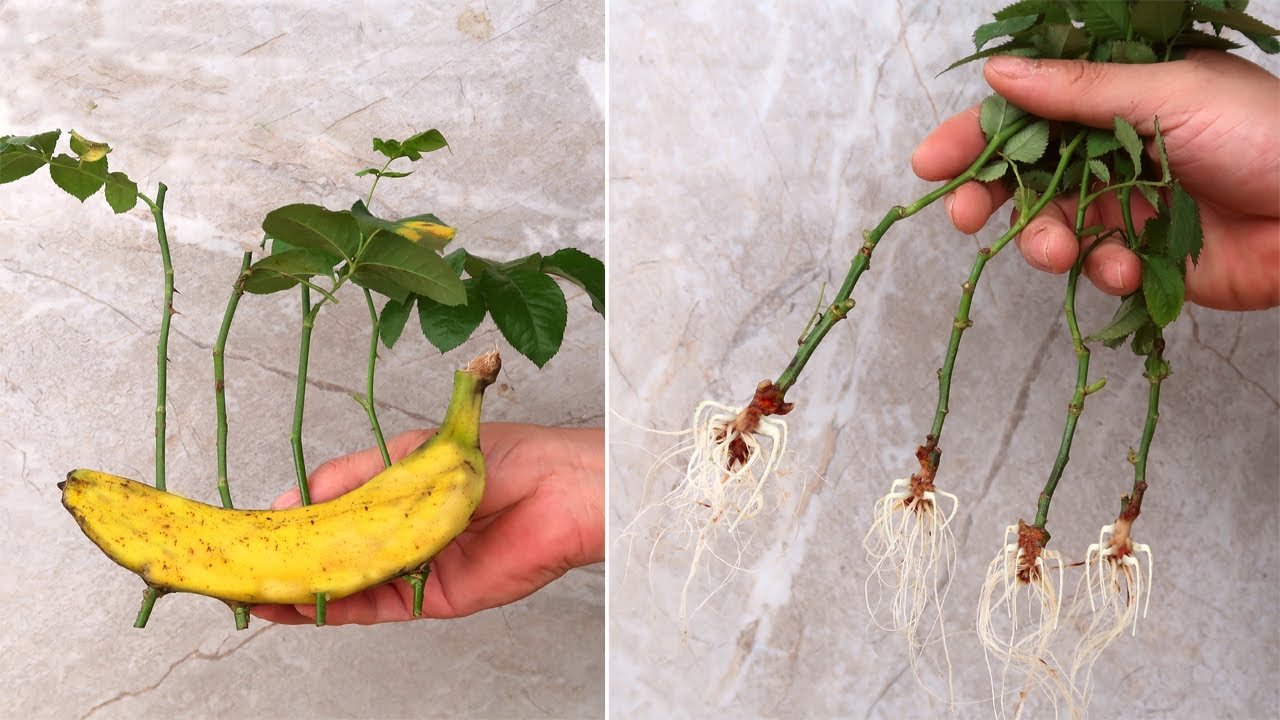
Growing roses from cuttings is an affordable and gratifying method to enlarge your garden, and incorporating a banana into the Read more
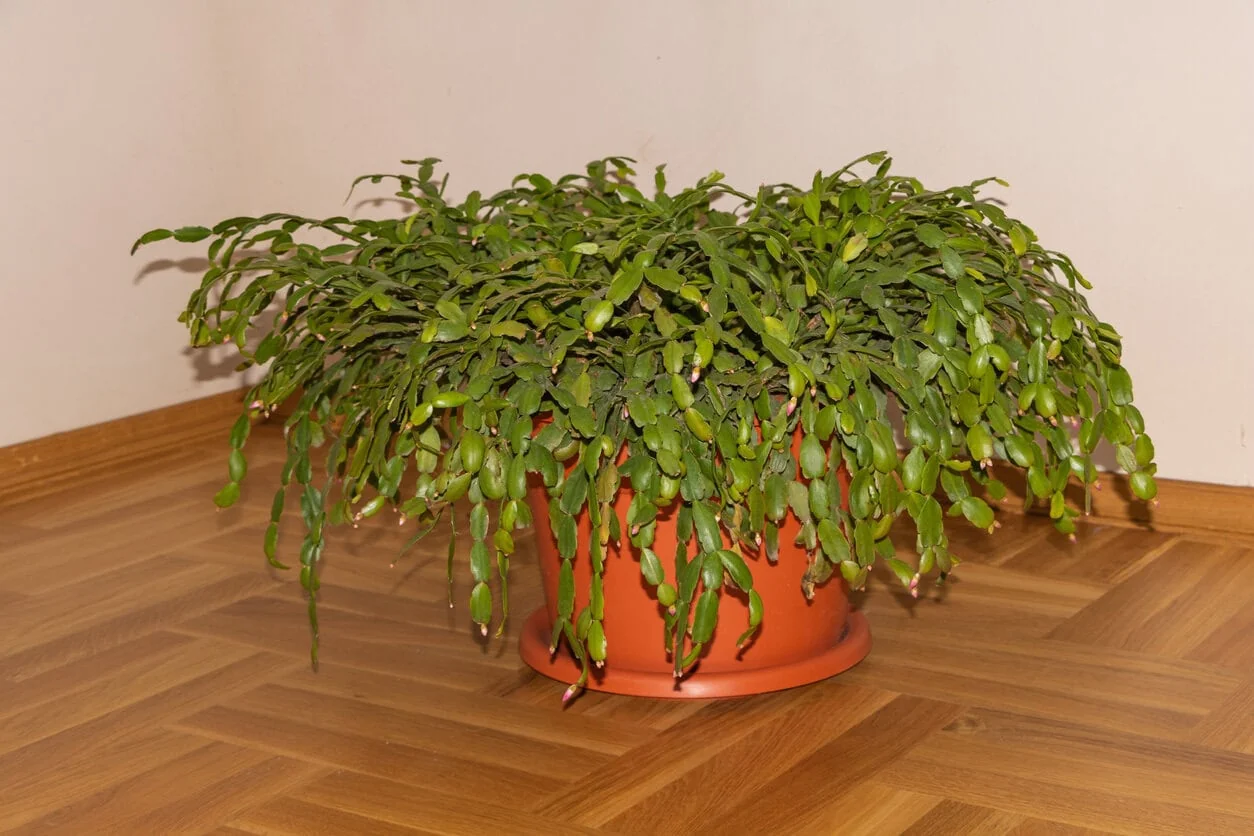
You have probably found yourself here because you are tired of seeing your Christmas cactus looking like the Ghost of Read more
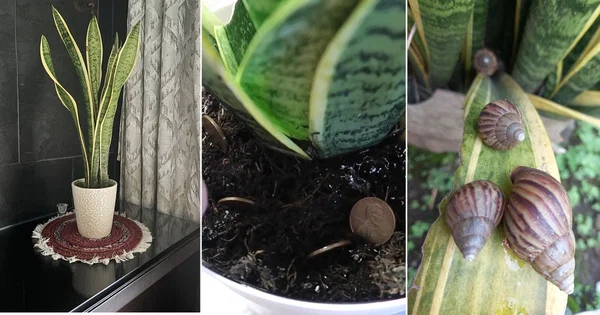
Gardeners constantly explore simple and inventive ways to enhance the health of their plants. One unconventional technique that has sparked Read more
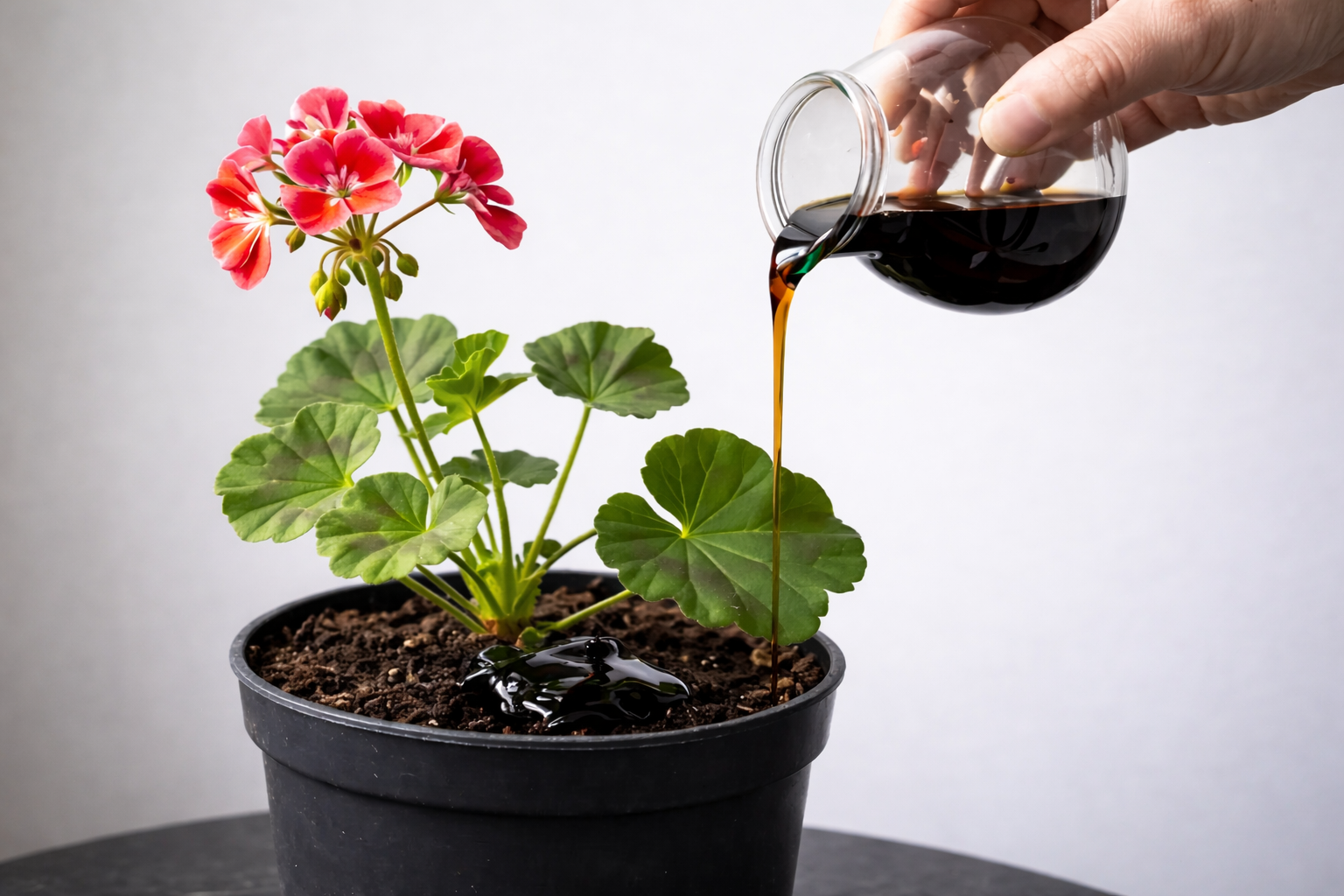
Having geraniums adorned with vibrant blooms for months—sometimes lasting even longer than anticipated—is not a feat reserved solely for expert Read more
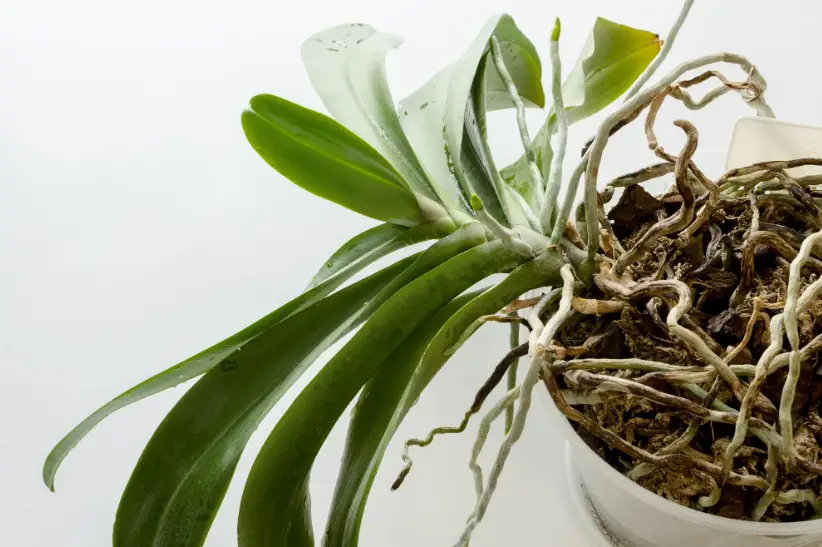
Have you noticed your orchid displaying signs of distress or appearing sickly, seemingly on the brink of death? Don’t lose Read more
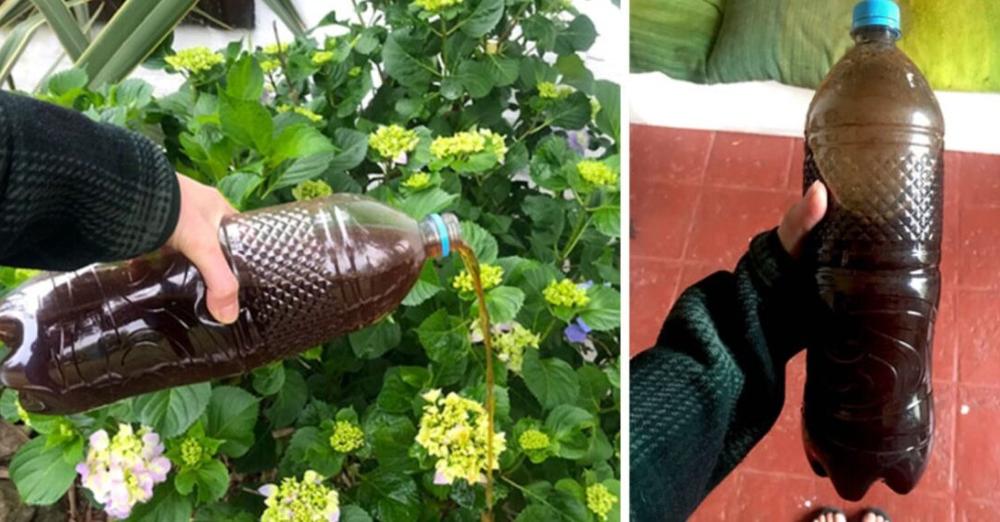
As sustainability and eco-consciousness increasingly shape our everyday habits, discovering alternative methods to fertilize our gardens grows ever more essential. Read more
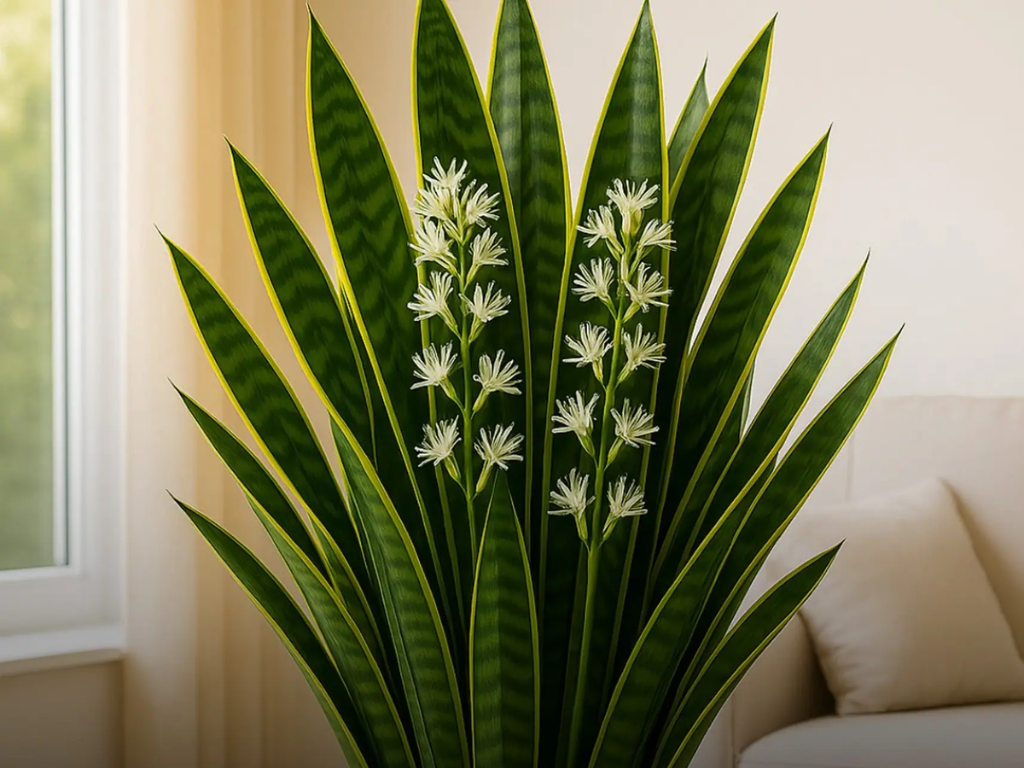
The Advantages of the Snake Plant Indoors You can find it everywhere: in welcoming living rooms, modern offices, as well Read more
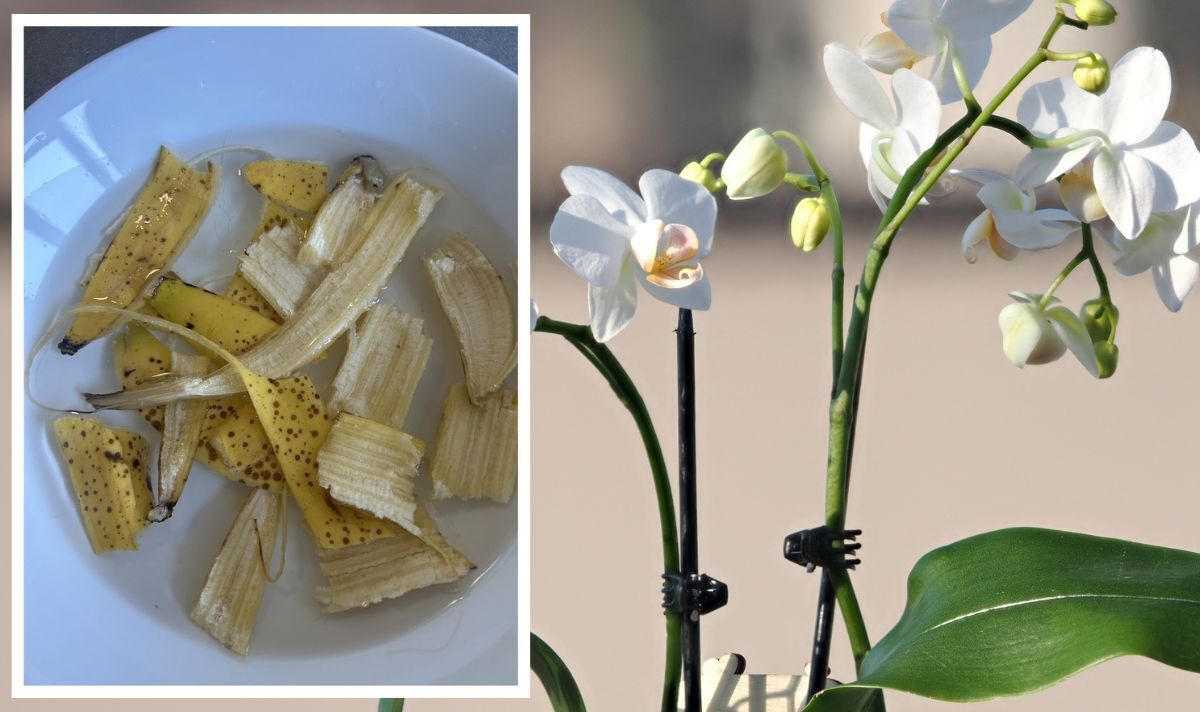
Orchids rank among the most exquisite houseplants cherished by many, yet they are often recognized for their delicacy and their Read more
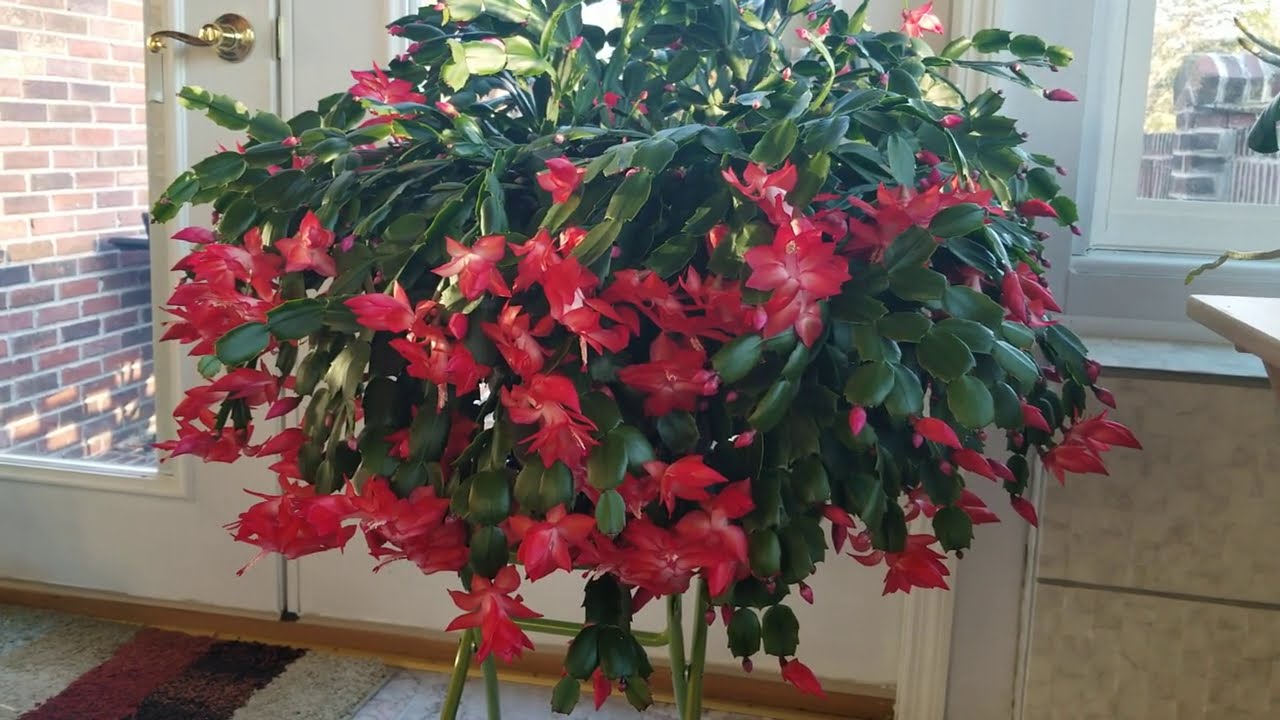
Christmas cacti don’t adhere to the typical “feed once a month and forget it” approach that many houseplants follow. Because Read more
Kalanchoe, a stunning and adaptable succulent plant, is admired not only for its ornamental beauty but also for its strong Read more
Pepper plants are a favorite addition to any home garden, offering an impressive variety of flavors, colors, and levels of Read more
Lucky Bamboo: The Zen Symbol of Your Prosperity You have likely seen this elegant green stalk, often gifted in a Read more
Orchids are among the most cherished ornamental plants worldwide, admired for their exotic flowers, graceful forms, and blooms that last Read more
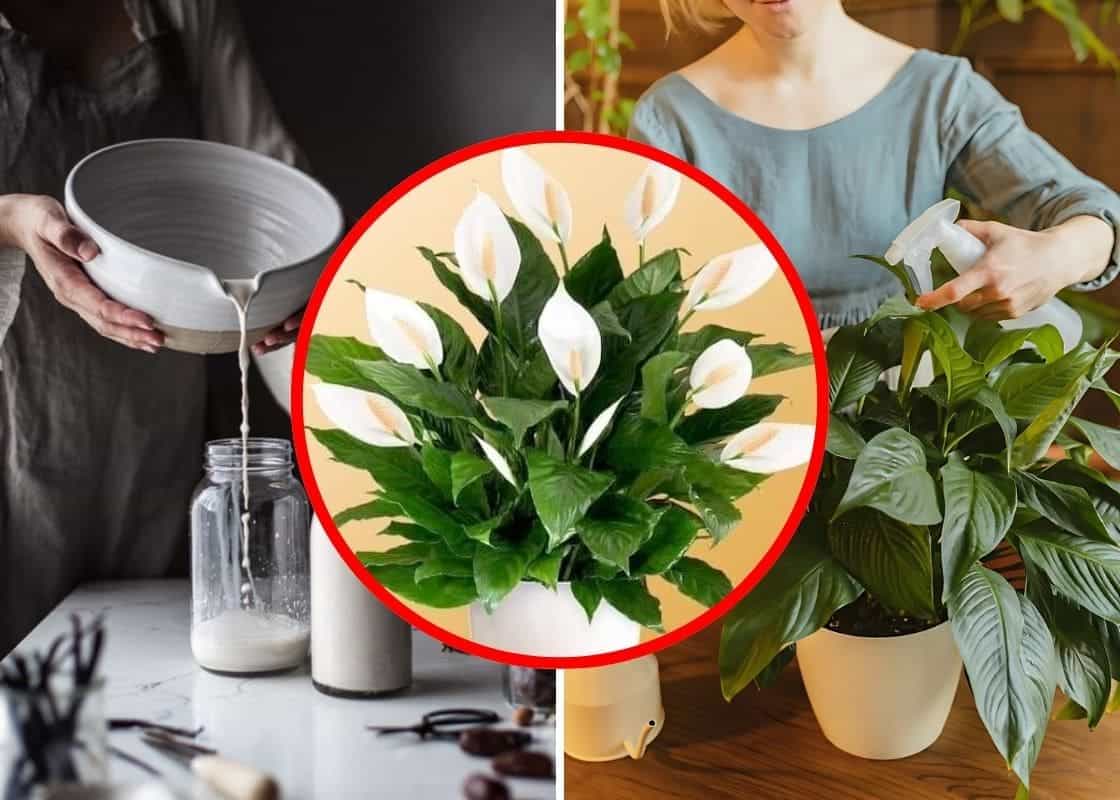
Peace lilies (Spathiphyllum) rank among the most cherished indoor plants, and it’s easy to understand why. Their shiny, deep green Read more
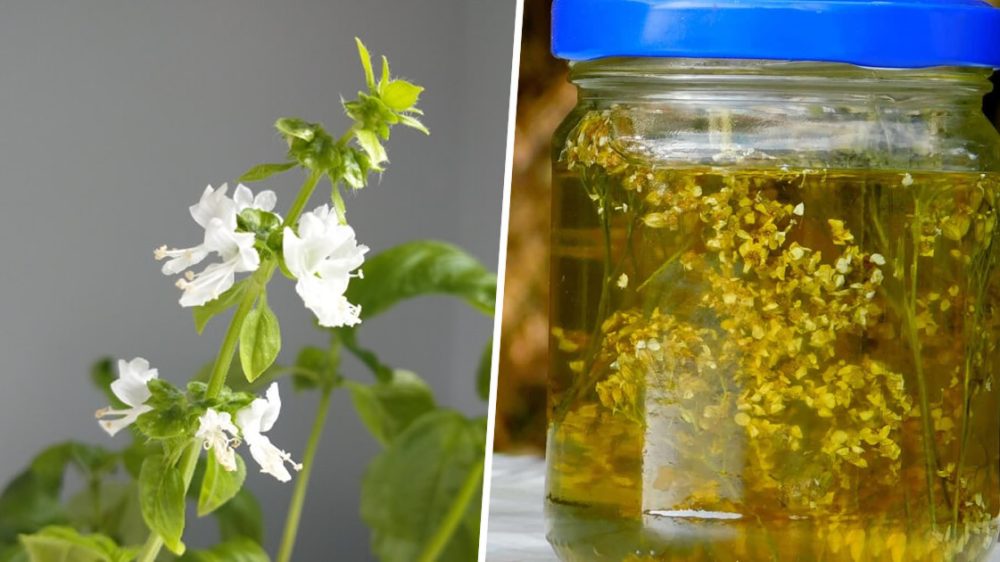
Basil, a cherished herb celebrated in culinary traditions around the globe, is best known for its fragrant leaves. Yet, its Read more
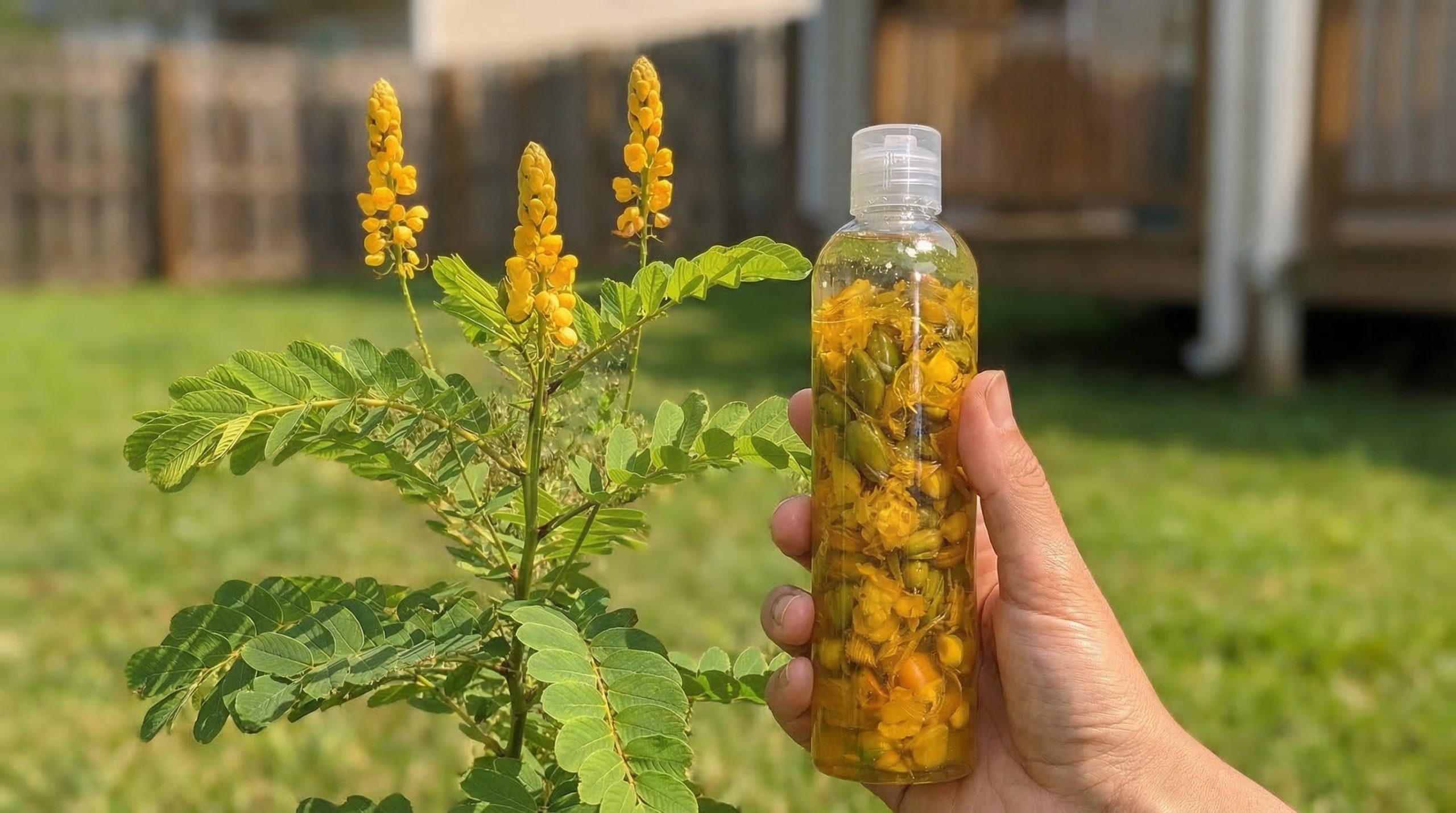
Senna alata, widely known as the Candle Bush, Ringworm Bush, or Empress Candle Plant, is a visually captivating tropical shrub Read more
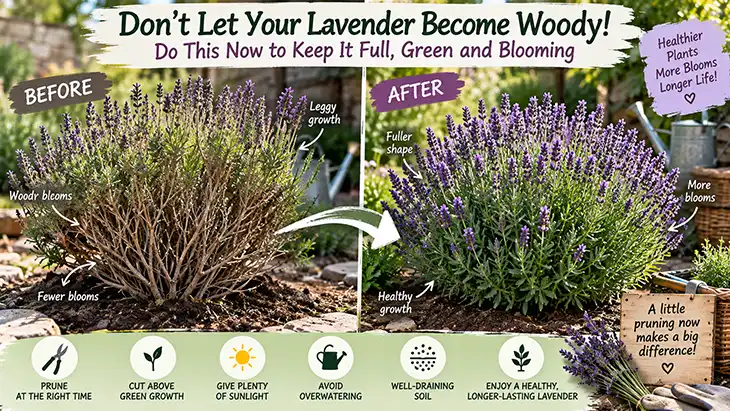
When lavender plants are young, they often present an almost perfect image: a compact shrub with silvery-green foliage, a delightful Read more
Orchids, celebrated for their exotic beauty and remarkable variety, require tailored care to flourish. While most growers rely on commercial Read more
Florists and rose lovers alike understand that the allure of roses need not be ephemeral. It is entirely possible to Read more

Neem oil is a completely natural product, derived from a plant native to India. It contains azadirachtin, a potent compound Read more

Lavender, a charming addition to any garden, is known for its enchanting aroma and vibrant purple hues. This plant comes Read more

If you don't often get the chance to rejuvenate in the midst of nature, there's an alternative: introducing plants to Read more

Cultivating Zucchini in Containers: A Comprehensive Guide Zucchini is a popular vegetable for gardening aficionados and novices alike. It's simple Read more
Cultivating lemon trees in your garden or home brings not only visual charm but also the practical advantage of homegrown Read more

Using Baking Soda for Plant Care To care for your plants or your vegetable garden, have you considered the DIY Read more

In this exploration, we uncover eight homemade, natural solutions that act as effective rooting agents for plant propagation through cuttings. Read more

Tea, the staple of morning routines and afternoon breaks, may have a second life beyond the cup that's often ignored. Read more
Imagine spending a relaxing afternoon in your backyard, only to stumble upon an unexpected and unwelcome discovery—a cluster of tiny Read more
