

Turmeric is a staple ingredient in Asian cuisine. This vibrant yellow spice, often used to flavor curries and stews, is surprisingly easy to grow at home. In this article, we’ll guide you on how to cultivate turmeric right in your living space.
A Common Misconception:
If you think turmeric is one of those ingredients that’s hard to grow at home, think again. Similar to ginger, which can be cultivated from its rhizome, turmeric can be grown easily in a garden or even on your balcony.
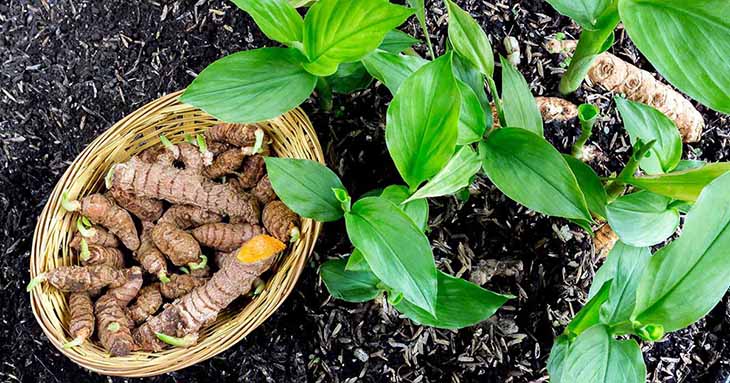
About Turmeric:
While “turmeric” is mainly recognized as a culinary term, it originally refers to the tropical plant from which it is derived. Native to Southeast Asia and India, it belongs to the Zingiberaceae family. This plant is responsible for producing the popular spice many are familiar with. It is also sometimes referred to as “Indian saffron.”
Planting Conditions:
To successfully grow this perennial herbaceous plant, you must ensure a few conditions:
- A rich, draining, and moist soil.
- A location that is sunny but sheltered from strong winds. Direct sunlight, however, is not recommended.
Planting and Blooming Period:
The ideal time to plant turmeric falls between February and May. Its blooming season starts in June and ends in September. You can cultivate it in pots using sandy loam or directly in the ground. It’s worth noting that inflorescences, or the complete flower head of a plant, begin to emerge after three years.
Bonus Tip:
If you’re interested in cultivating plants that don’t require sunlight, here’s a selection of 10 indoor plants.

Cultivating Turmeric
Optimal Care and Conditions:
To best maintain and grow this perennial plant, follow these conditions:
Ensure the substrate remains adequately moist. Whenever you feel the plant needs watering, mist its leaves with rainwater.
At the start of spring, consider changing the potting mix if you’re growing the plant in a container.
Apply liquid fertilizer every month during the blooming period, as the plant requires phosphorus.
Regularly remove any dry stems and dead leaves.

Multiplication of Turmeric
Turmeric propagation is best done during spring. To do this, divide a rhizome, ensuring it has one or more buds.
Harvesting Turmeric:
Once the leaves become dry, the turmeric harvest can begin. To extract the spice, start by boiling the rhizomes to soften their skin. Gently peel off the skin and place the rhizomes in a container, exposing them to the sun. Once dry, they will be much easier to grind.
Other Uses for Turmeric:
Beyond its culinary applications, turmeric can also serve as an ornamental plant or be utilized for its aromatic properties. Additionally, it’s a natural anti-inflammatory with digestive, antioxidant properties, and offers numerous health benefits.
Pests and Diseases:
The foliage may sometimes be prone to red spider mites. To prevent this, spray the plant with a fermented nettle purée.
Avoid over-watering as the rhizome could rot. To counteract this, ensure the use of a well-draining potting mix.
Indoor Plants and Their Benefits Indoor plants not only enhance the decor but also bring a touch of lush greenery. Read more

If you don't often get the chance to rejuvenate in the midst of nature, there's an alternative: introducing plants to Read more
Growing Chayote from Supermarket Fruit: Abundant Harvests Made Easy If you've ever strolled through the produce aisle and spotted a Read more

Different perspectives exist on various aspects of nature, and this holds true for the dandelion, often dismissed as a mere Read more

In this exploration, we uncover eight homemade, natural solutions that act as effective rooting agents for plant propagation through cuttings. Read more

Growing avocados can be a gratifying experience, especially when you cultivate them right in your backyard. While starting avocados from Read more

Bananas are a delightful treat, but their peels can be a garden's treasure. Rather than discarding banana peels into compost, Read more

The Curious Case of Tomato Slices: A Journey from Kitchen Scrap to Sprout As someone always game for a gardening Read more

Caring for orchids, known for their exquisite and delicate nature, involves a precise approach to hydration. Orchids differ from typical Read more

Orchids are renowned for their stunning blooms and are a favorite among indoor plant enthusiasts. However, getting these temperamental beauties Read more
Exploring the World of Eggplants: A Gardener's Guide Eggplants, with their divisive nature, are often a subject of culinary debate. Read more

Transforming Garlic Peels into Gold for Gardeners: In the rhythm of kitchen prep, garlic peels are often discarded without a Read more
Unlocking the Mystery of the Festive Cactus The festive cactuses often baffle indoor gardeners. There's a lingering myth that these Read more

Neem oil is a completely natural product, derived from a plant native to India. It contains azadirachtin, a potent compound Read more
Easy Clove Growing: From Seed to Spice – A Beginner’s Guide Cloves are among the most treasured spices in the Read more
Cultivating lemon trees in your garden or home brings not only visual charm but also the practical advantage of homegrown Read more

Cultivating an Avocado Plant Indoors: A Step-by-Step Guide Nurturing an avocado seed into a blossoming plant within the confines of Read more
Self-Seeding Flowers: Effortless Beauty That Returns Every Year When I first fell in love with gardening, my mother came to Read more

How to Reuse Barbecue Ashes After enjoying a barbecue outdoors on a sunny day, the tendency is often to discard Read more

Orchids, with their array of species and hybrids exceeding 25,000, stand as a testament to botanical beauty. Cultivators and hobbyists Read more
Deadly Nightshade (Atropa belladonna): The Mysterious and Dangerous Plant with a Dark Legacy At first glance, Deadly Nightshade (Atropa belladonna) Read more

Get a Head Start on Your Garden: Indoor Sowing for Colder Climates There's no need to wait for spring's embrace Read more

Wild Medicinal Plants: Harnessing the Hidden Virtues of Earth’s Greenery In the wilderness of our environment—ranging from the expanse of Read more

Using Baking Soda for Plant Care To care for your plants or your vegetable garden, have you considered the DIY Read more

Navigating Aloe Vera Care: Bypassing Usual Oversights Aloe vera, celebrated for its therapeutic properties and eye-catching demeanor, is occasionally compromised Read more

Understanding Fertilizers for Plants Fertilizer is a product that can be spread or mixed into the soil to provide plants Read more

Gardening: The Harmony of Craft and Nature Gardening brings out a dance between human creativity and the wonders of nature. Read more

Tea, the staple of morning routines and afternoon breaks, may have a second life beyond the cup that's often ignored. Read more

Indoor Plants: A Decorative Air Purifier Indoor plants have become an essential part of modern decor, increasingly sought-after to greenify Read more

Excessive moisture within a house can arise due to capillary action, infiltration, or the phenomenon of condensation. The latter is Read more

In the culinary world, garlic is a staple ingredient that is hard to do without. Cultivating it benefits many plants Read more

Lavender, a charming addition to any garden, is known for its enchanting aroma and vibrant purple hues. This plant comes Read more

Cultivating Zucchini in Containers: A Comprehensive Guide Zucchini is a popular vegetable for gardening aficionados and novices alike. It's simple Read more

The Importance and Care of House Plants House plants not only serve as a significant decorative element but also play Read more

Orchids, with a staggering 28,000 unique species, beautifully demonstrate nature's rich tapestry of diversity. Originating from the Orchidaceae lineage, these Read more

Orchids, celebrated for their intricate beauty and variety, need particular attention for optimal growth. In the realm of orchid care, Read more

Unlocking the Flowering Potential of Anthuriums Anthuriums are renowned for their stunning, heart-shaped blooms which, under ideal conditions, can grace Read more
Hydrangeas, with their breathtaking blooms, stand out as one of the most enchanting deciduous flowering bushes. If you've wandered through Read more

Insect-Repelling Greenery: Your Natural Home Defense Transform your home into a sanctuary free from the annoyance of insects such as Read more

The Wonders of Blueberries: A Guide to Growing and Enjoying This Nutrient-Rich Fruit Mildly sweet, the blueberry is a dark Read more
