

In the culinary world, garlic is a staple ingredient that is hard to do without. Cultivating it benefits many plants as it combats a plethora of pests. Isn’t it tempting to grow it at home to always have it on hand? Don’t worry, it’s not as complicated as you might think. Here, discover the fastest way to root garlic and enjoy its benefits.
How to Plant Garlic in Water?
Today, discover our guide on how to plant garlic in water and enjoy an endless supply at home – with minimal effort and added savings! You’ll find it’s a simple and quick trick. What will you need? A bulb of garlic, a plastic bottle, scissors, and water.
No green thumb? No worries, even beginners can get started easily. Just follow these 8 steps to the letter:
Step 1:
Get a clove of garlic. You can easily find it in your usual supermarket or from your greengrocer. Make sure the bulbs are large enough, fresh, and not too dry. This way, you can multiply them from their roots.
Step 2:
Make a slit in the top of the garlic bulb. Make sure to perform this operation with disinfected scissors or a knife. This will initiate the germination process to give birth to a new plant. Tip: cut the top part and not the center to help keep the garlic intact.
Step 3:
Take a small plastic bottle, cut off its neck with a sharp tool. This is where you’ll introduce the whole garlic bulb, keeping it curled up.

Step 4:
Fill the bottle with water and place the garlic bulb in it, root down and cut side up. Ensure the bottle’s water properly touches the bulb’s base, allowing the roots to develop optimally.
Warning:
It’s important to keep this bottle in a well-lit location and exposed to morning sunlight.
Step 5:
This step is crucial as it pertains to root development. Over a few days, monitor the bulb’s changes, as this is when roots start growing in the bottle’s water. It’s essential to check the water’s condition. If it becomes dark or cloudy at any point, replace it immediately with clean water.
Step 6:
Over the days, the garlic bulb will grow upward and the roots downward, filling the bottle. You should notice abundant green growth. From there, you can start harvesting the roots for daily culinary needs.

Step 7:
Want more bulbs? Start a planting process. Separate the bulbs and clusters of cloves you want to plant and prepare a pot with good substrate.
Step 8:
Now, cultivate them as individual plants. Specifically, fill the pot, ensuring enough space for growth. Plant the garlic bulbs, ensuring they’re spaced apart.
Water them adequately (but not excessively!), and place them where they get ample sunlight.
And there you have it! One thing is certain; there’s nothing more satisfying than tasting food you’ve grown yourself.
Growing and Harvesting Garlic: Essential Tips and FAQs
General Information on Growing Garlic
Garlic tends to grow better in soil rich in organic matter.
The pot with garlic bulbs should be exposed to sunlight for at least 6 hours.
Key Point: Never let the soil dry out. Always keep the substrate moist but not excessively, or the garlic may rot.
When is the Best Time to Plant Garlic?
There are two periods in the year suitable for sowing garlic heads: October to November and January to March.
The soil or substrate should be light for effective drainage, ensuring water doesn’t stagnate.
How Long Does It Take to Grow Garlic?
Growing garlic requires patience! Expect around 8 to 9 months for a planted garlic clove to develop into a fully grown head ready for harvest.
When to Harvest Garlic?
The ideal time depends on several key criteria:
The number of green leaves on the plant. When over half the leaves are dry, the plant is considered mature.
Consider the size of the specific garlic cloves based on the variety being cultivated.
Reminder: A sunny day without impending rainfall is perfect for harvesting garlic heads. Once harvested, bulbs should be kept in the shade or dried for 7 to 10 days. Dry leaves should be cleaned off, and the roots trimmed (leaving a quarter on the bulb).
FAQs
1. When should garlic be planted in winter?
Always aim to plant your garlic just before the year’s first frost, but not right before a significant freeze. Since garlic doesn’t tolerate extreme heat, it’s better to plant it as temperatures start cooling. Typically, the best time in winter is between September and November.
2. When is the best time to sow garlic?
This plant requires minimal moisture and is easy to maintain. There are two ideal planting seasons: October to November and January to March. Over time, you’ll see the leaves grow. As for the lunar calendar, some beliefs suggest that the rising or setting moon influences plant growth. The recommendation is to plant during the waning moon for better quality, while harvesting during the waxing moon is believed to produce stronger, more vibrant plants with increased disease resistance. However, the climate isn’t that crucial even though garlic is a drought-tolerant plant. On the other hand, colder conditions make the garlic spicier, enhancing its flavor.
3. What are the watering conditions?
In winter, watering garlic is often unnecessary because cold seasons naturally maintain good soil moisture, and it’s usually marked by significant rainfall. However, during dry winters or springs, occasional watering is advised, especially during prolonged dry spells. The soil should always be moistened but never overwatered, as the bulb may rot. Generally, garlic is resilient to pests and diseases, although some larvae might sometimes attack the bulb. To prevent such issues, preventive treatments can be initiated from mid-April or even the end of the month when temperatures mellow and humidity increases.
Have you noticed your orchid displaying signs of distress or appearing sickly, seemingly on the brink of death? Don’t lose Read more
Basil, a cherished herb celebrated in culinary traditions around the globe, is best known for its fragrant leaves. Yet, its Read more

Growing avocados can be a gratifying experience, especially when you cultivate them right in your backyard. While starting avocados from Read more

Bananas are a delightful treat, but their peels can be a garden's treasure. Rather than discarding banana peels into compost, Read more

Orchids, with a staggering 28,000 unique species, beautifully demonstrate nature's rich tapestry of diversity. Originating from the Orchidaceae lineage, these Read more
The ancient custom of drinking tea has been cherished by cultures around the world for centuries. Yet, surprisingly few people Read more
You carefully plan your getaway, pack your bags, double-check your tickets… and just as you are about to close the Read more

The Importance and Care of House Plants House plants not only serve as a significant decorative element but also play Read more
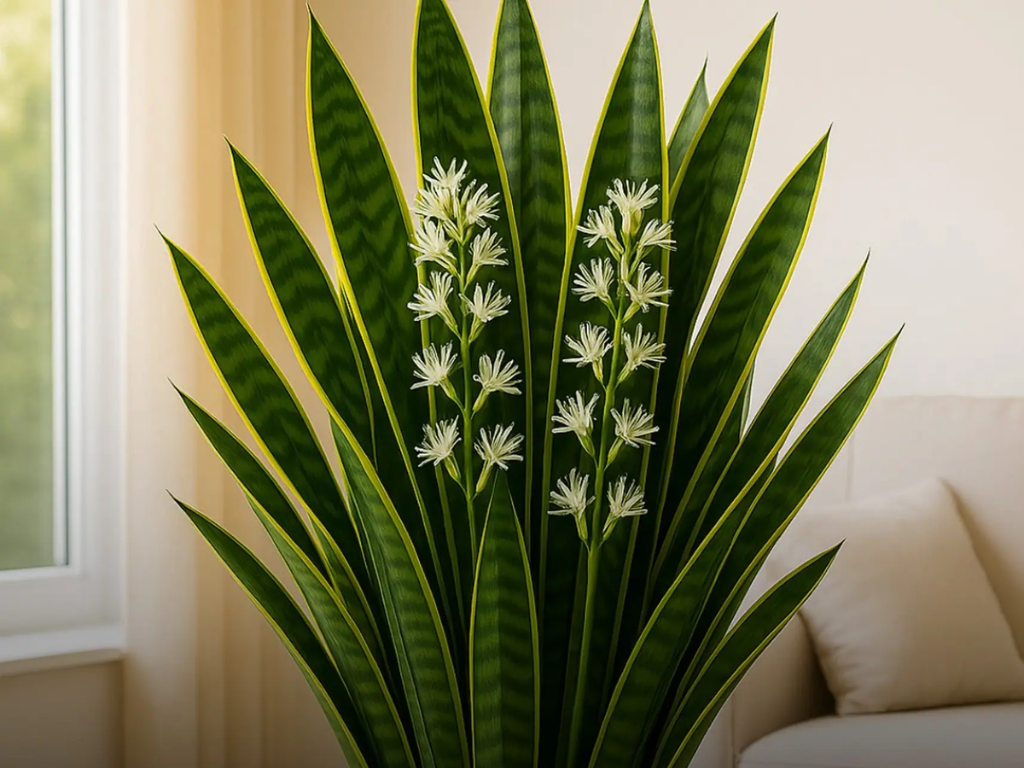
The Advantages of the Snake Plant Indoors You can find it everywhere: in welcoming living rooms, modern offices, as well Read more

Gardening: The Harmony of Craft and Nature Gardening brings out a dance between human creativity and the wonders of nature. Read more
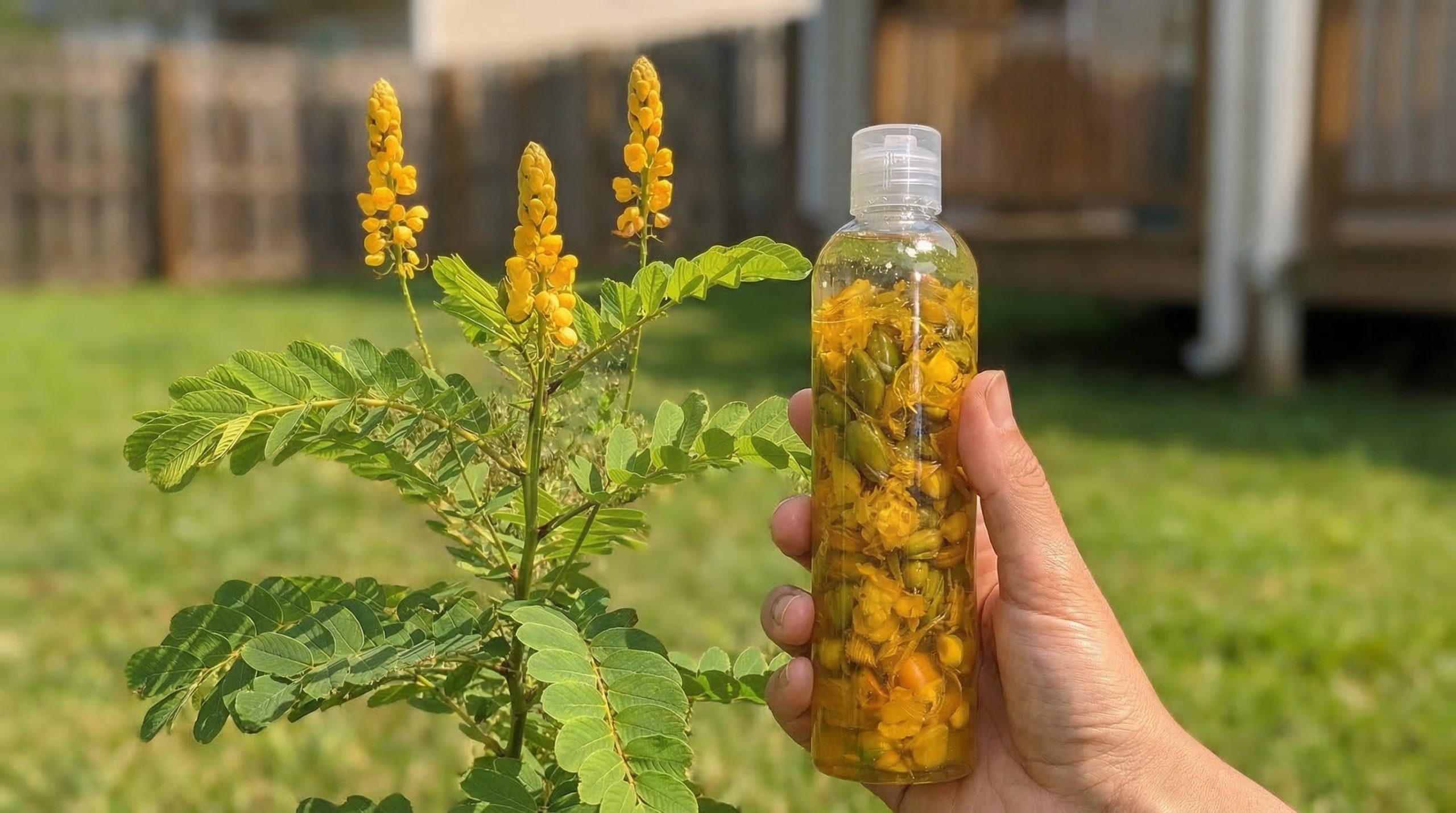
Senna alata, widely known as the Candle Bush, Ringworm Bush, or Empress Candle Plant, is a visually captivating tropical shrub Read more
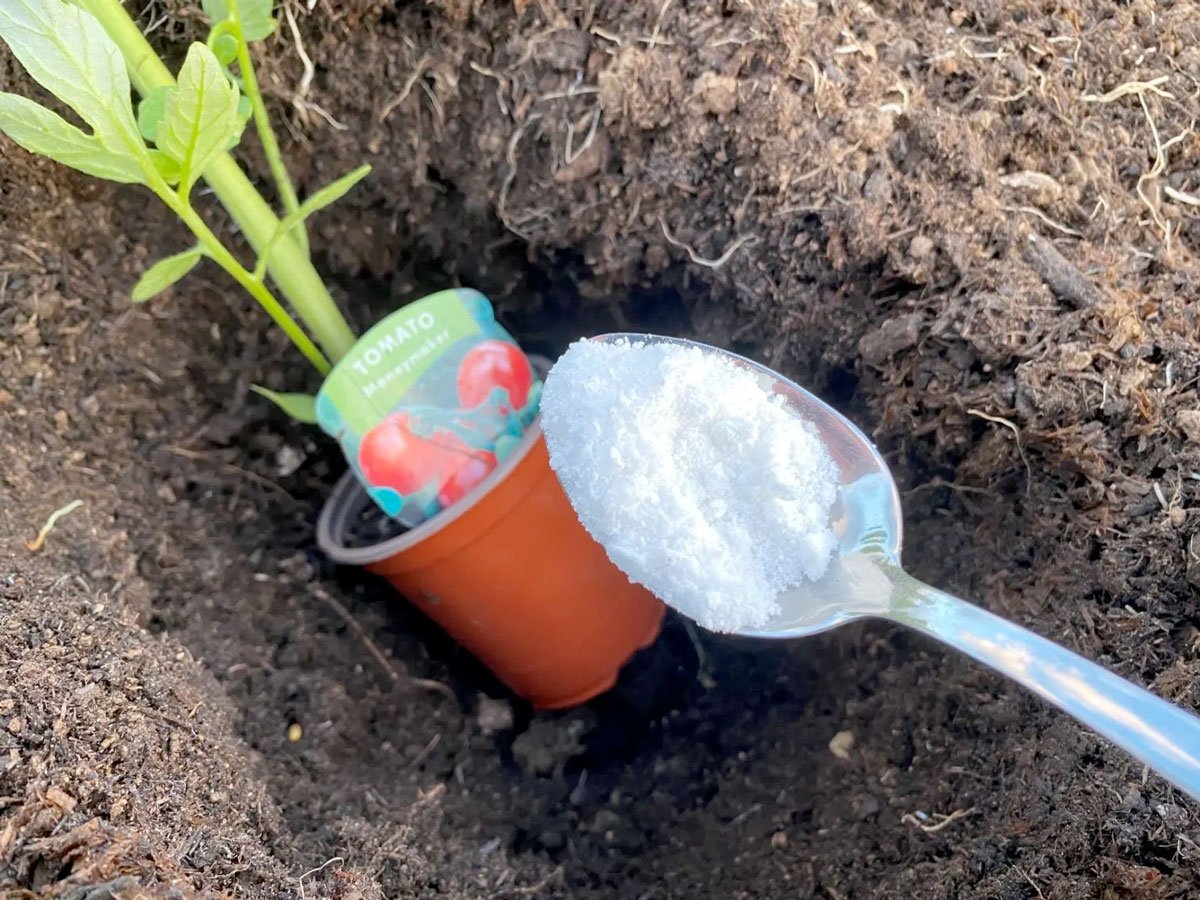
When it comes to gardening, enthusiasts are always eager to discover effective and affordable methods to boost plant growth and Read more
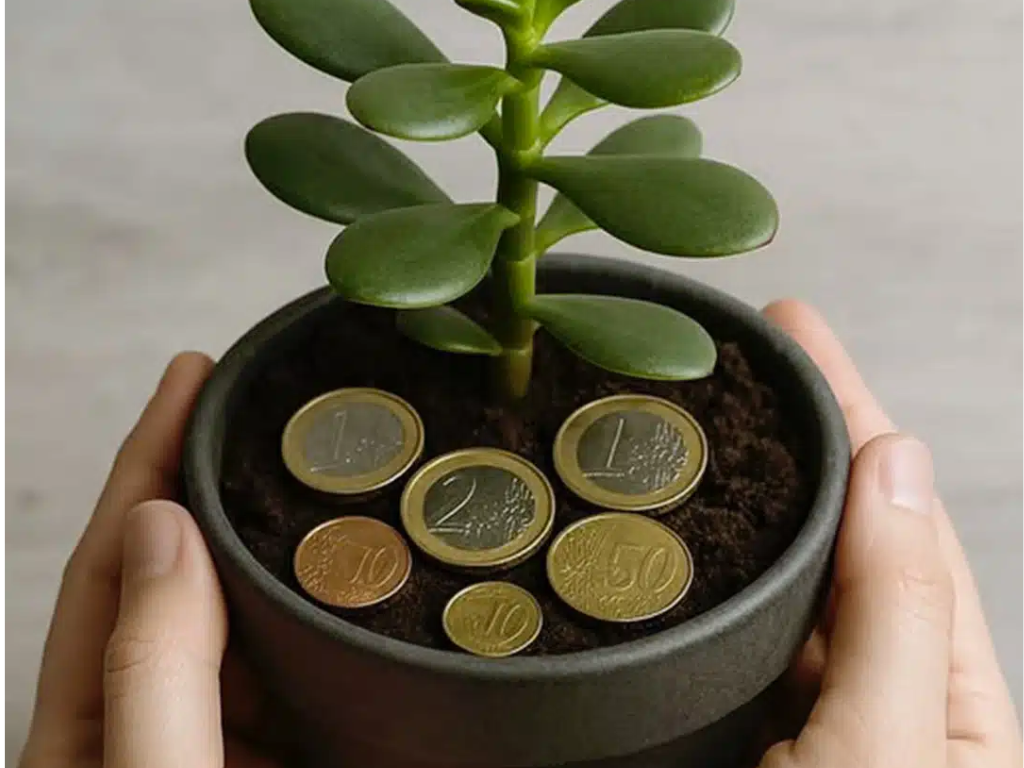
Lucky Bamboo: The Zen Symbol of Your Prosperity You've likely seen this elegant green stalk, often gifted in a vase Read more
As sustainability and eco-consciousness increasingly shape our everyday habits, discovering alternative methods to fertilize our gardens grows ever more essential. Read more
Experienced gardeners are well-acquainted with the practice of turning kitchen scraps into valuable gardening resources. Among these scraps, potato peelings, Read more
The jade plant boasts stunning foliage, making it an excellent choice for enhancing both garden landscapes and indoor environments. Beyond Read more
Wood ash is a valuable byproduct generated from burning firewood or wood pellets, offering numerous beneficial properties that can be Read more
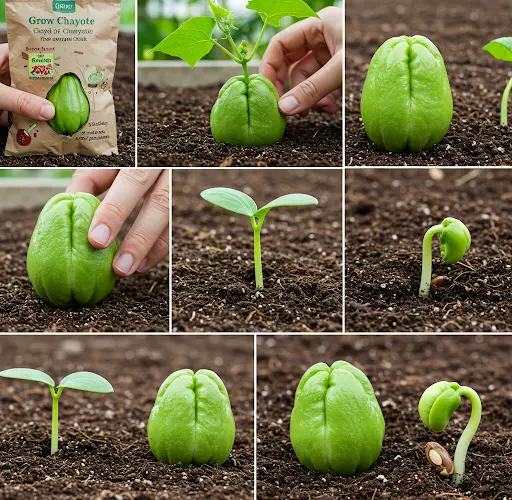
Growing Chayote from Supermarket Fruit: Abundant Harvests Made Easy If you've ever strolled through the produce aisle and spotted a Read more
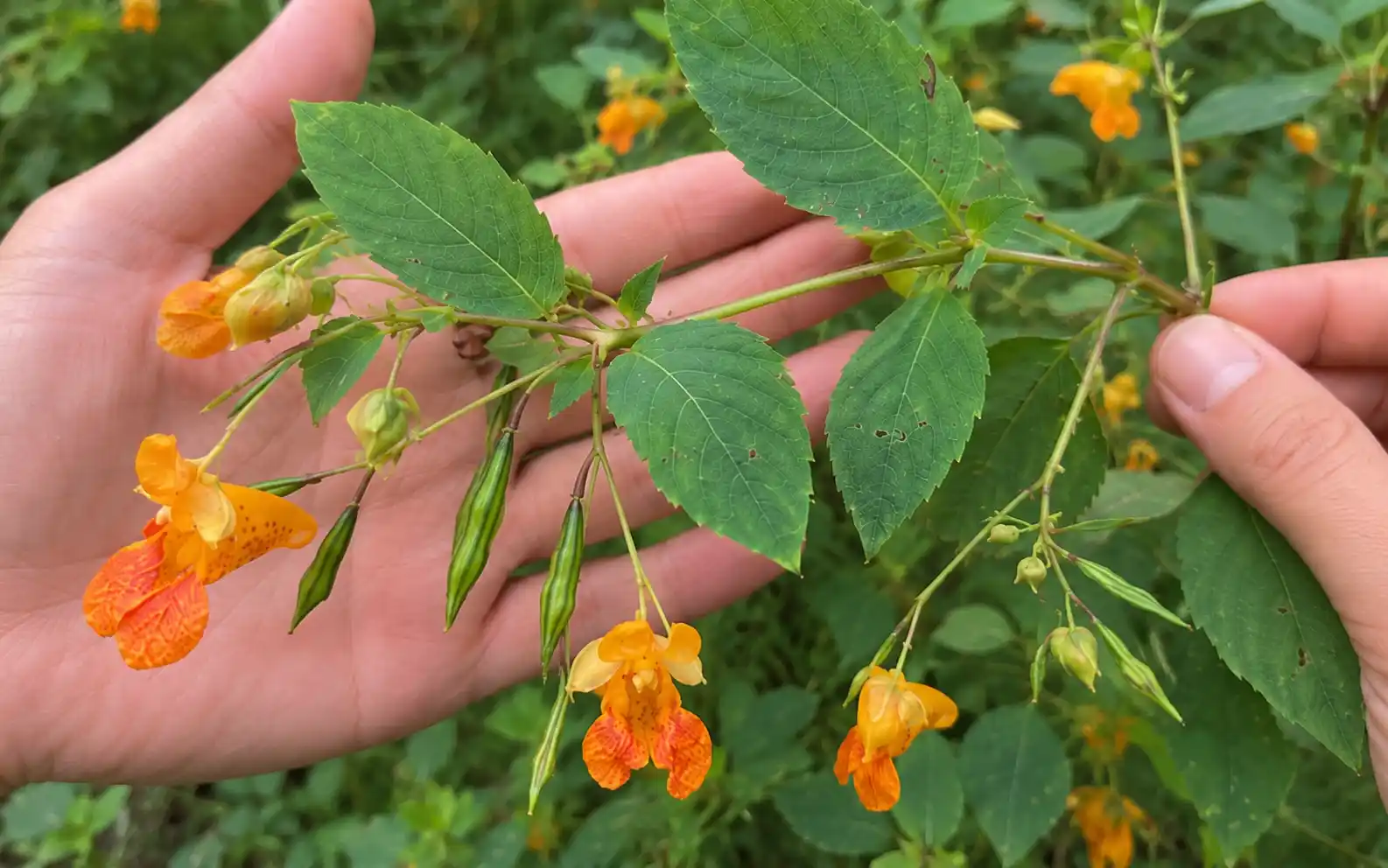
Safety and Medical Disclaimer: The information provided in this article is intended solely for educational and informational purposes. We disclaim Read more

Orchids, with their array of species and hybrids exceeding 25,000, stand as a testament to botanical beauty. Cultivators and hobbyists Read more
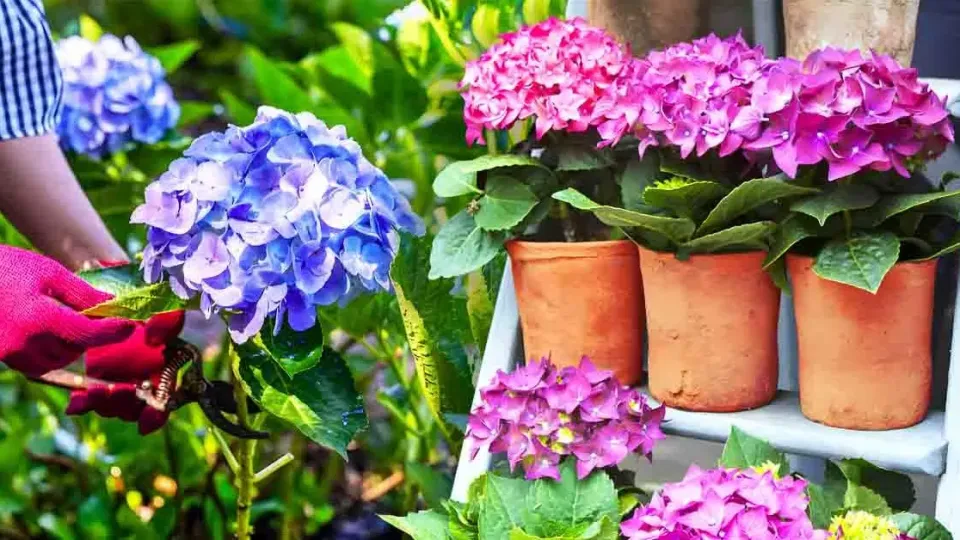
Hydrangeas, with their breathtaking blooms, stand out as one of the most enchanting deciduous flowering bushes. If you've wandered through Read more

In this exploration, we uncover eight homemade, natural solutions that act as effective rooting agents for plant propagation through cuttings. Read more

An Exceptional Camouflage: Master of Natural Disguise The Gaboon viper showcases an extraordinarily refined camouflage. Its intricate patterns perfectly resemble Read more
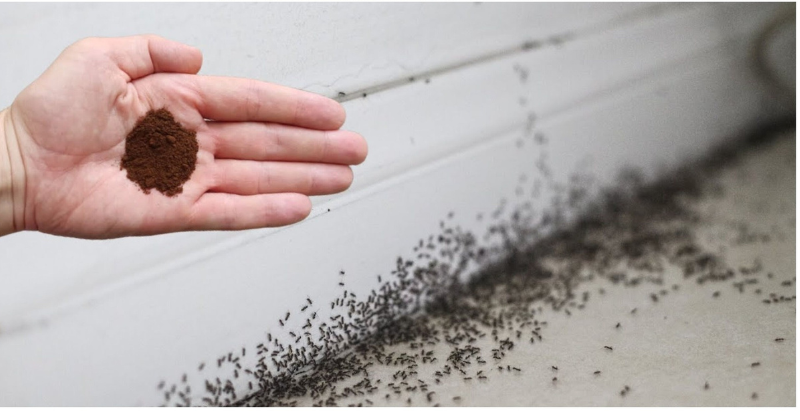
Quick Victory: The Ultimate Homemade Insecticide to Say Goodbye to Ants Have you ever encountered an invading army of ants Read more
Florists and rose lovers alike understand that the allure of roses need not be ephemeral. It is entirely possible to Read more
Lucky Bamboo: The Zen Symbol of Your Prosperity You have likely seen this elegant green stalk, often gifted in a Read more
Why Do Certain Plants Purify the Air Inside Our Homes? Imagine having a small air purification station right on your Read more

The Curious Case of Tomato Slices: A Journey from Kitchen Scrap to Sprout As someone always game for a gardening Read more

Excessive moisture within a house can arise due to capillary action, infiltration, or the phenomenon of condensation. The latter is Read more
Cucumbers are a widely loved vegetable, known for their long, sprawling vines that can easily take up a large portion Read more

Using Baking Soda for Plant Care To care for your plants or your vegetable garden, have you considered the DIY Read more

Orchids, celebrated for their intricate beauty and variety, need particular attention for optimal growth. In the realm of orchid care, Read more
Are you searching for an affordable and eco-friendly alternative to chemical fertilizers? An unexpectedly powerful solution might already be in Read more

Using White Vinegar for Garden Maintenance Gardening is never an easy task. Planting, weeding, and watering plants and flowers require Read more
Orchids are among the most cherished ornamental plants worldwide, admired for their exotic flowers, graceful forms, and blooms that last Read more
Rosemary is incredibly resilient... truly very robust! If you have ever had the unfortunate experience of adding too much to Read more

Mastering Chilli Cultivation in Diverse Climates: A Detailed Guide It may seem unlikely, but growing chillies across different climates is Read more
Christmas cacti don’t adhere to the typical “feed once a month and forget it” approach that many houseplants follow. Because Read more

Turmeric is a staple ingredient in Asian cuisine. This vibrant yellow spice, often used to flavor curries and stews, is Read more
Originating from the arid regions of the Middle East, the pistachio tree (Pistacia vera) is a hardy desert plant celebrated Read more
