
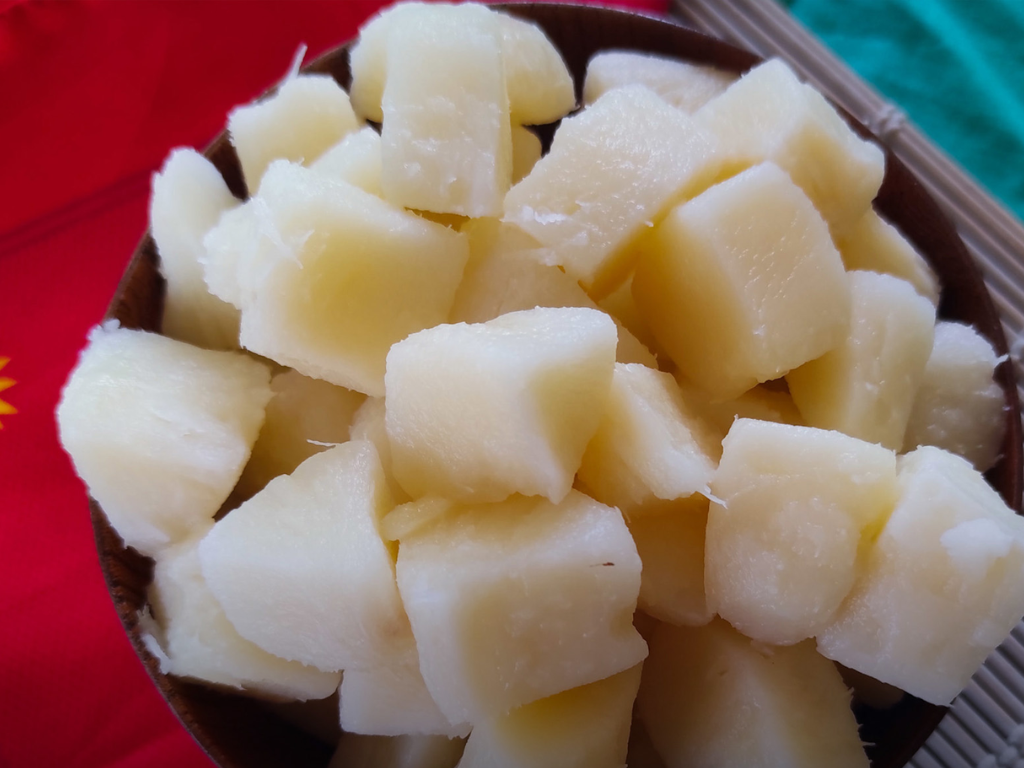
Cassava: A Widely Consumed Food That Can Sometimes Be Dangerous

Cassava is a vital food staple for over 800 million people worldwide, especially in Africa, Latin America, and Asia. However, this staple food conceals a potential danger: its roots contain compounds that can transform into cyanide if not properly prepared. According to the World Health Organization (WHO), approximately 200 deaths each year are linked to poisoning from improperly prepared cassava. Fortunately, by strictly following processes such as soaking, cooking, or fermenting, cassava becomes entirely safe for consumption.
Fugu: A High-Risk Japanese Culinary Experience
This famous pufferfish fascinates thrill-seeking food enthusiasts. Its danger comes from an extremely potent toxin, roughly 200 times more toxic than cyanide. Even the smallest mistake during its preparation can cause rapid paralysis leading swiftly to death. This is why only trained and certified Japanese chefs are authorized to prepare and serve fugu. Each year, around fifty fugu poisoning cases are reported.
Starfruit: An Attractive Yet Potentially Hazardous Fruit
This star-shaped fruit is prized for its high vitamin C content but also contains neurotoxins. In individuals with kidney disorders, these substances accumulate quickly, causing severe neurological problems that can be fatal in the most extreme cases. Therefore, it is crucial to avoid starfruit if you have impaired kidney function.
The Seeds of Certain Fruits: Toxic Cores Not to Be Underestimated
Fruits like cherries, apricots, and apples are delicious, but their seeds demand careful caution. These seeds contain compounds that release cyanide when chewed or crushed. Accidentally swallowing a whole seed generally doesn’t pose a problem, but consuming them in larger quantities can be toxic.
Green Potatoes: A Common Hazard to Watch Out For

When potatoes are exposed to light, they turn green and produce a substance called solanine, which is toxic. Consuming large amounts can cause vomiting, mental confusion, and even paralysis. To avoid any risk, it is crucial to peel potatoes thoroughly and discard those with green coloration.
“Raw” Cashew Nuts: A Dangerous Misnomer
Despite their name, so-called “raw” cashew nuts are not truly raw as they are pre-steamed. Truly raw cashews contain urushiol, an irritating substance also found in poison sumac. They must only be consumed after proper processing to eliminate this toxic compound.
Nutmeg: A Precious Spice to Handle with Caution

Commonly used in gratins, nutmeg can quickly become toxic if taken in large quantities. Just two teaspoons can cause hallucinations, nausea, and confusion lasting several days. Therefore, it is highly recommended to use nutmeg sparingly.
Wild Mushrooms: Exercising Caution Against Poisoning Risks
Every autumn, many enthusiasts gather wild mushrooms, but confusing edible and toxic varieties leads to numerous severe poisonings yearly. When in doubt, the golden rule is to avoid consuming the gathered mushroom.
Rhubarb: Delicious in Pies, but Its Leaves Are Toxic
The stalks of rhubarb are much loved in cooking, but its leaves must be strictly avoided. Rich in oxalic acid, the leaves can cause serious kidney problems if consumed excessively. To safely enjoy this vegetable-fruit, it is advisable to peel the stalks well and completely remove the leaves.
Raw Red Beans: Careful Cooking Is Essential
Red beans are perfectly safe once thoroughly cooked, but raw they contain a dangerous toxin called phytohaemagglutinin. Insufficient cooking can cause severe digestive issues. It is imperative always to boil them for at least ten minutes before eating.
Eating is a pleasure, but always with full awareness of potential risks.

Goldenberries, also known as Physalis or Uchuva, are small, orange-yellow fruits enclosed in a delicate, papery husk. Originating from the Read more

How to Make Powerful Super Glue from Styrofoam: The Hidden Chemistry Behind This Viral Trick In a world where DIY Read more

Kyllinga brevifolia: A Natural Remedy for Health and Wellness Kyllinga brevifolia, commonly known as green kyllinga or shortleaf spikesedge, is Read more
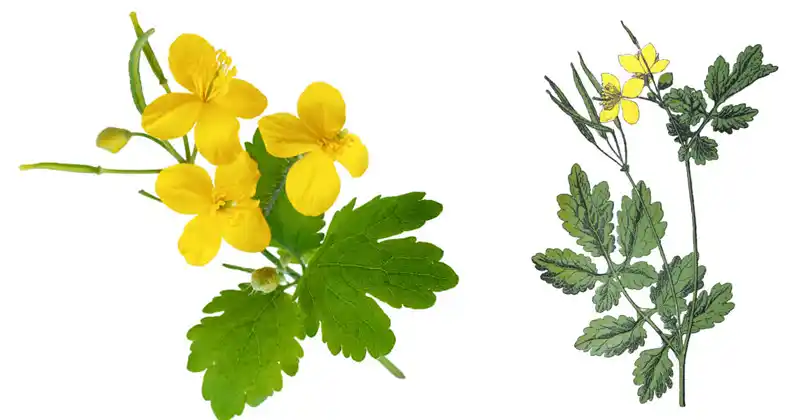
For centuries, Chelidonium majus, commonly known as Greater Celandine, has held a special place in traditional herbal medicine. Recognized by Read more

Why is the Thickness Gauge Still Essential? The thickness gauge is far more than just an accessory; it proves to Read more

Uncovering the Hidden Mysteries in Everyday Objects Why do certain objects evoke such surprise and curiosity? Whether it’s opening an Read more

The Hidden Power of Pomegranate Peel: 10 Health Benefits and How to Use It Pomegranate is often celebrated for its Read more

Most of us believe we understand baking soda well. It rests quietly in a kitchen cupboard, freshens the refrigerator, rescues Read more

Grape Hyacinth (Muscari): A Beautiful Flower You Can Eat – But Only If You Know Which One The grape hyacinth, Read more

The ingenuity of Swedish furniture design, particularly evident in the flat-pack phenomenon, has transformed how we furnish our homes with Read more

We experienced several miscarriages. Each time, it was a silent grief, almost invisible to the eyes of others. I learned Read more

A Puzzle Deceptive in Its Simplicity When mentioning "2 mothers," "2 daughters," "1 grandmother," and "1 granddaughter," the immediate image Read more
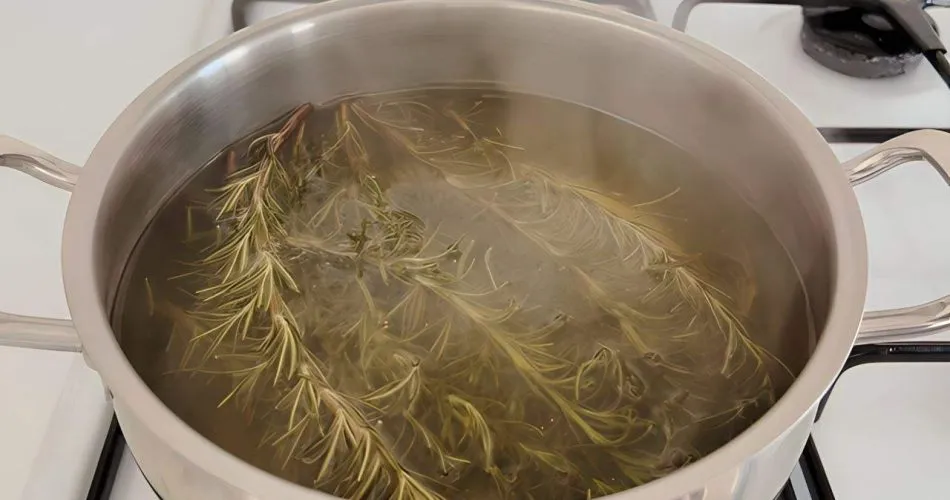
Rosemary is a herb renowned not only for its fragrant aroma in cooking but also for its extensive health advantages, Read more

Understanding, anticipating, and supporting your dog through every stage of their life is essential to providing them with the best Read more
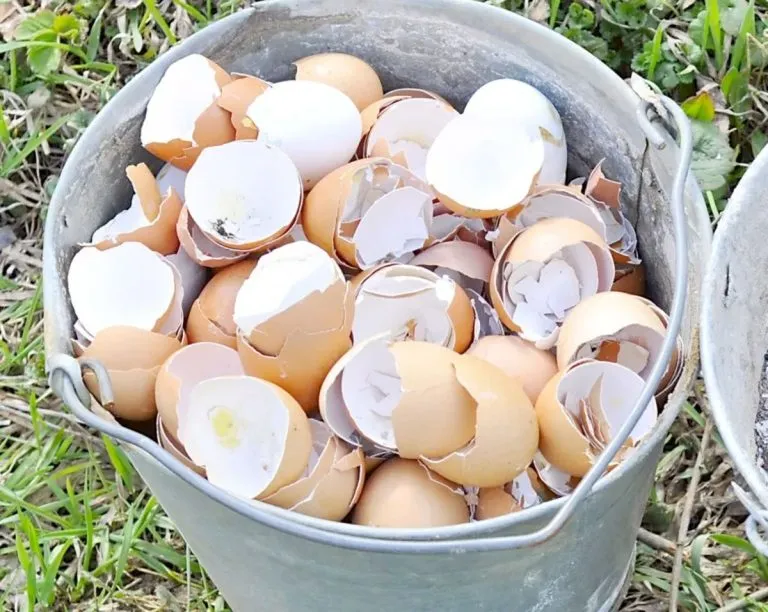
Unlocking the Garden Potential of Eggshells: 10 Innovative Applications Eggshells, often seen as fragile protectors of eggs, are also a Read more

An Invention Born from a Passion for Cooking At the end of the 19th century, the importance placed on healthy Read more

Max, a True Fighter The dog advanced cautiously, drawn in by gentle words and a piece of bread offered kindly. Read more

The Dog’s Nose: An Organ of Exceptional Sensitivity While humans explore the world primarily through vision, dogs scrutinize it mainly Read more

When "Need" Takes on a Whole New Meaning For a long time, having a woman in a man’s life was Read more
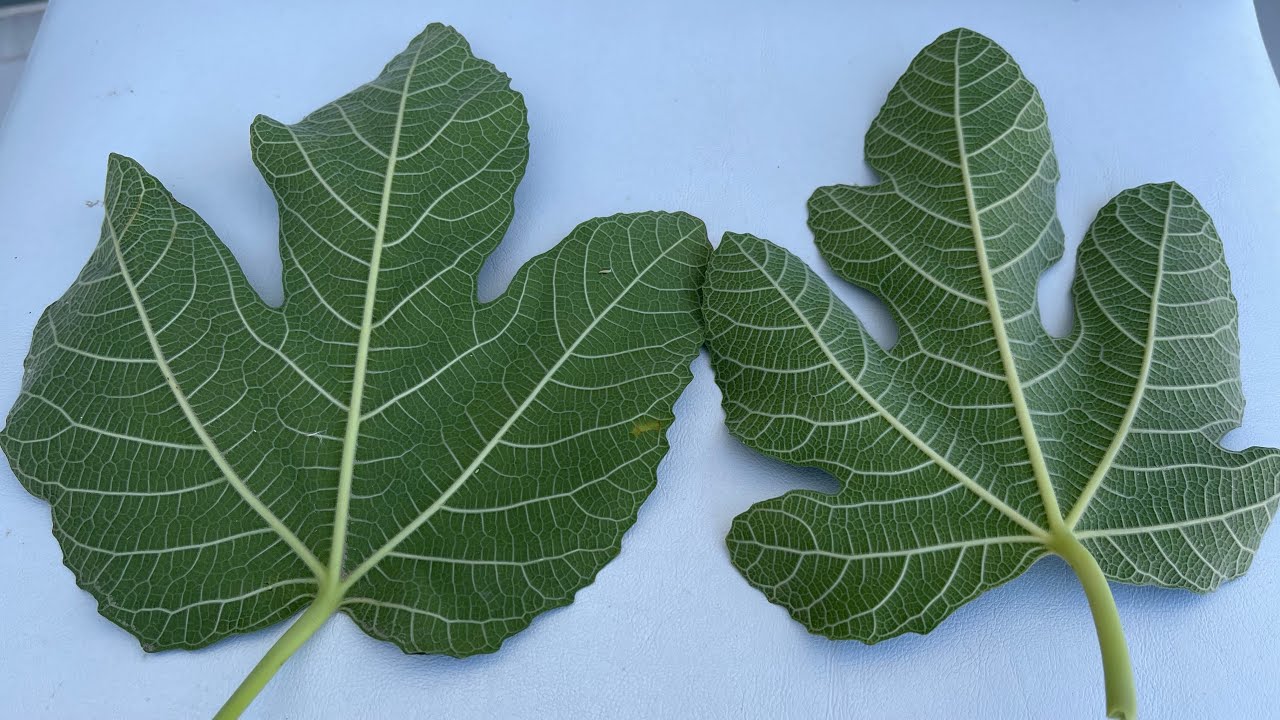
Fig leaves, often overlooked behind the sweet and flavorful fruit they accompany, are an incredible source of numerous health benefits. Read more
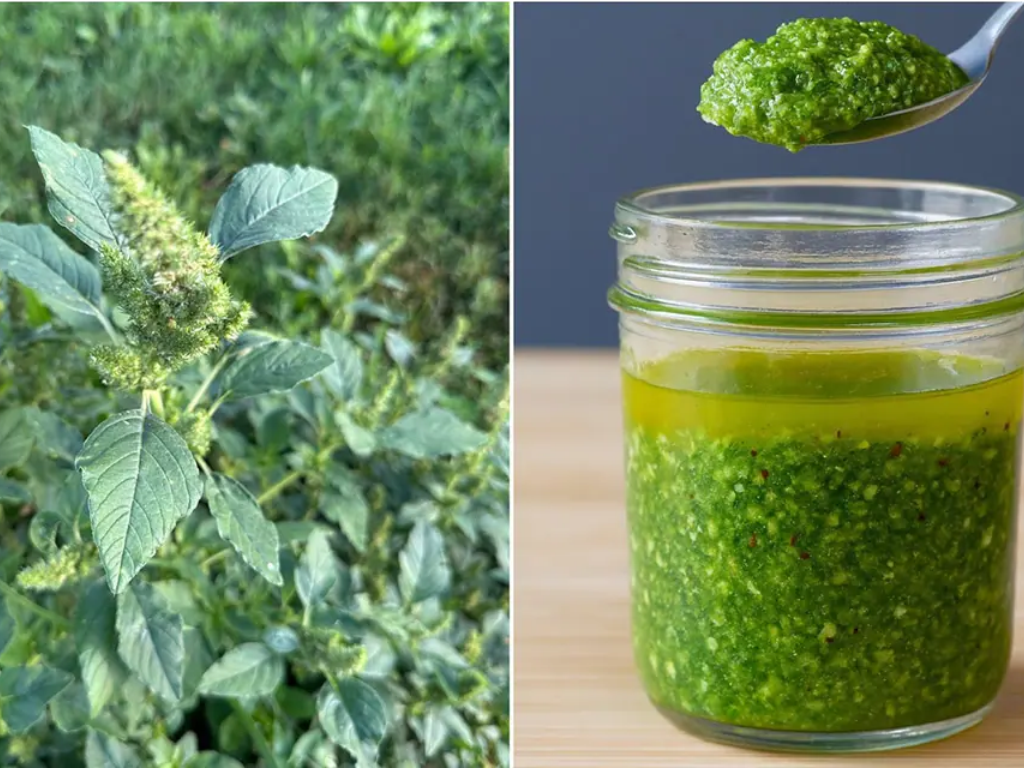
An Unexpected Nutritional Treasure in Your Own Garden Amaranth, often referred to as the "wild spinach", far exceeds its role Read more

A True Nutritional Treasure in Every Bite Beef tongue stands out primarily for its remarkable nutritional richness. It is an Read more
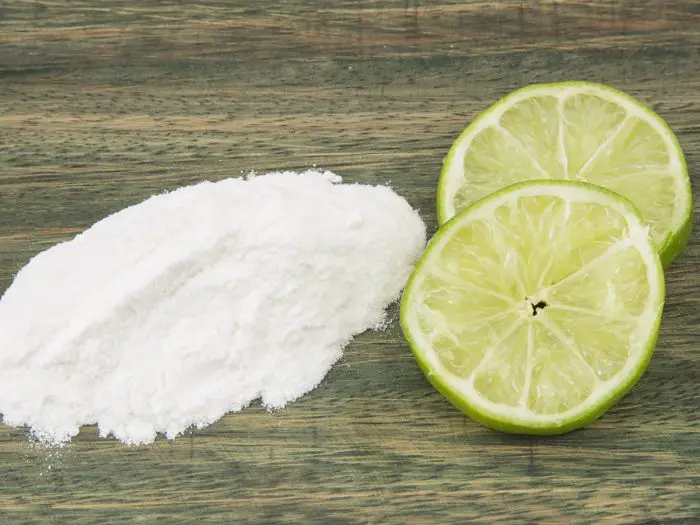
Baking soda and lemon peels are two household items often overlooked but incredibly powerful when combined. This natural duo can Read more

Two Years in the Freezer: Is It Really Too Late? It is common to assume that a long storage date Read more

How to Detect Hidden Cameras in a Hotel Room? Hidden cameras can be disguised within seemingly harmless objects, including hotel Read more

Every winter, countless orange peels end up in the trash. But what if you could transform these fragrant scraps into Read more

Many people make the mistake of believing that continuously boiling water will save energy once the kettle is already hot. Read more

Unveiling the Secrets of Burning Bay Leaves in Your Home The age-old tradition of burning bay leaves, once prevalent in Read more

A Fully Integrated Member of Its Tribe Social relationships hold a significant place in the life of a cat. When Read more

Mullein (Verbascum thapsus), a tall, woolly plant often seen growing along roadsides and in open fields, has been treasured for Read more

The Benefits of Combining Eggs and Coffee: A Nutritious and Energizing Pair When it comes to starting your day right, Read more

Why Do We Consistently Wake Up at the Same Time During the Night? Nighttime awakenings can stem from various causes: Read more

A Vibrant Coat, More Than Just a Visual Trait Before delving into the nature of these cats, let us first Read more

How to Clean Bathroom Tiles Quickly and Effectively Cleaning bathroom tiles is a task we all love to postpone. It Read more

Purslane (Verdolaga) is no longer a garden menace but a valuable gem! This remarkable plant is reclaiming its place in Read more

You have probably come across an intriguing object whose purpose completely eluded you. Whether it was a discovery in a Read more

Tomatoes, a staple in kitchens worldwide, are loved for their versatility and rich flavor. However, their perishable nature often leads Read more

Have you ever encountered this unusual practice of sprinkling cinnamon powder in front of your front door? At first glance, Read more
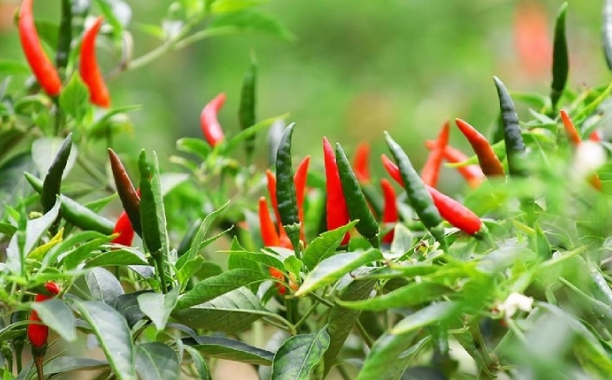
Discover the Untapped Potential of Chili Pepper Leaves: Nutritional Powerhouse for Your Health and Kitchen When you think of chili Read more

How to Detect Drafts Around Your Windows? Before making any adjustments, it is essential to confirm that your windows are Read more
