
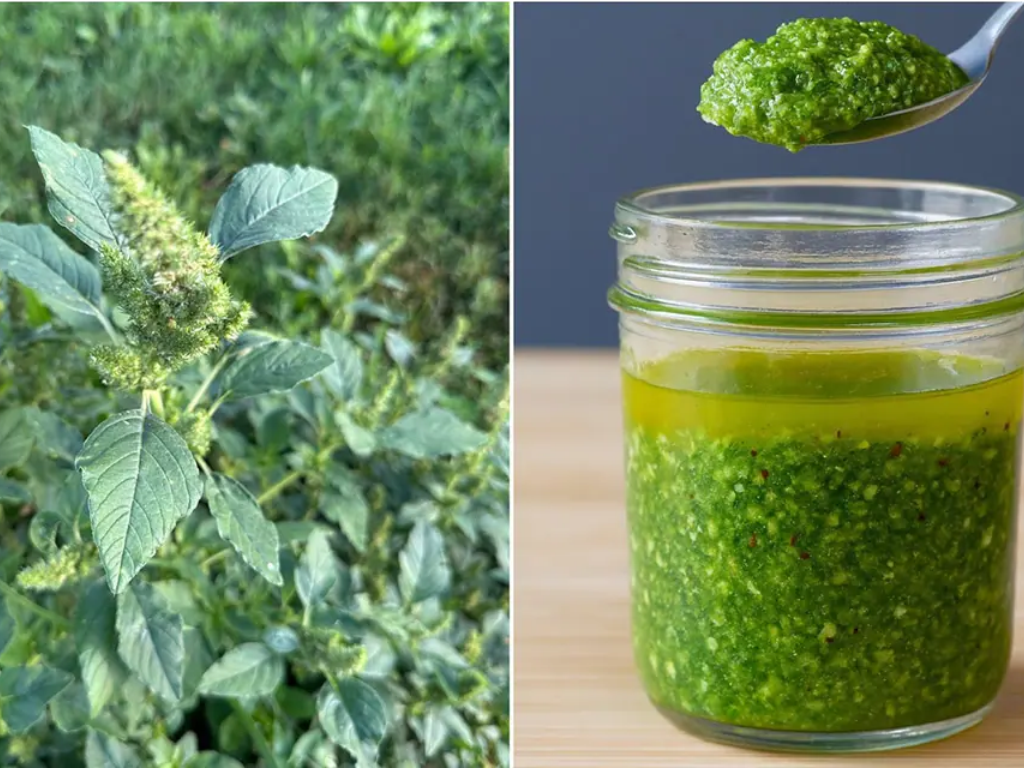
An Unexpected Nutritional Treasure in Your Own Garden

Amaranth, often referred to as the “wild spinach”, far exceeds its role as a mere ornamental plant. This ancient plant, long valued in herbal medicine, is truly a treasure trove of essential nutrients vital to our everyday health. Discover ten compelling reasons to welcome this plant into your diet:
Long-lasting Bone Strengthening
Rich in calcium, amaranth significantly contributes to bone strength and helps prevent osteoporosis, a benefit especially valuable after the age of 40.
Heart Protection and Balance
Its abundance of fiber, antioxidants, and potassium supports blood pressure regulation and helps maintain healthy cholesterol levels, promoting cardiovascular well-being.
A Daily Boost of Energy
Thanks to its iron content, it prevents anemia while naturally supporting your vitality and endurance throughout the day.
A Shield for Your Immune System
The vitamin C found in amaranth strengthens the body’s natural defenses, making it ideal during winter months or periods of increased fatigue.
Enhanced Eye Protection
With its vitamin A, it helps preserve visual health, especially important in the face of prolonged screen exposure and aging.
Easier Daily Digestion
The abundant fiber promotes healthy intestinal transit, prevents constipation, and thereby supports optimal digestive comfort.
A Natural Soother Against Inflammation
Traditionally used to alleviate joint pain, amaranth acts as a gentle plant-based anti-inflammatory remedy.
An Antioxidant Fortress
It fights effectively against oxidative stress, which is a primary factor in premature cellular aging.
A Full Spectrum of Vitamins
Vitamins A, C, K, along with iron and magnesium, make this plant a true nutritional powerhouse that should not be overlooked.
Radiant and Revitalized Skin
The antioxidants contained in amaranth help maintain skin elasticity and reduce visible signs of fatigue, contributing to a healthy, glowing complexion.
How to Easily Include Amaranth in Your Cooking?

Good news: amaranth can be prepared just like spinach! Its mild taste with a subtle earthy nuance fits perfectly into many recipes. Here are some simple ideas to include it in your meals:
- In a salad: young raw leaves are delicious mixed with arugula or lettuce.
- Sautéed: a drizzle of olive oil and a clove of garlic is all it takes to bring out its full flavor.
- In a green smoothie: for a vitamin-packed boost during breakfast.
- In soups or creamy purees: it adds softness and a beautiful color to your dish.
- As an infusion or homemade juice: a unique way to enrich your mineral intake.
Our Favorite Recipe: Green Amaranth Smoothie

Ingredients:
- 1 handful of young, well-washed amaranth leaves
- 1 ripe banana
- ½ French apple or pear
- 50 g of spinach or kale
- ½ small cucumber
- 1 tablespoon of chia or flax seeds (optional)
- 200 ml of coconut water or unsweetened plant milk
- 1 teaspoon of honey (if desired)
- A few ice cubes
Preparation:
Blend all the ingredients until you achieve a perfectly smooth texture. Serve chilled.
The result: a vitamin-rich drink, perfect to start your day with energy and wellness!
A Garden Tip Not to Forget

If amaranth grows in your garden, prefer harvesting the young leaves, which are more tender and flavorful. Avoid picking from areas exposed to chemical treatments, and be sure to wash the leaves thoroughly before consuming them.
Ready to change your perspective on this “weed”?
Amaranth might soon become your natural ally for wellness and beauty, simple and effective.

The Art of Container Flower Combinations Designing with flowers in pots is a delightful blend of horticulture and floral design. Read more

Creating a fresh and inviting atmosphere in your kitchen doesn't require expensive air fresheners or synthetic scents. With just a Read more

Faced with increasingly harsh industrial detergents, consumers are turning back to traditional products that are healthier and have long proven Read more

The Final Blow Within Her Own Home Returning home from work, Phoebe had hoped to find a dinner prepared or Read more

Garlic's Aromatic Enigma: Its Transformation When Burnt The unmistakable scent of garlic is well-known in kitchens worldwide. Esteemed for its Read more

Who among us would like to live in a stifled and dirty home, where unpleasant cooking odors and impurities invade Read more
Grape Hyacinth (Muscari): A Beautiful Flower You Can Eat – But Only If You Know Which One The grape hyacinth, Read more

8 Surprising Benefits of Water Cloves You Probably Didn’t Know About Cloves are widely recognized for their warm, spicy aroma Read more

Cassava: An Essential Plant at the Heart of a Deadly Paradox Whether in the form of flour, tapioca pearls, or Read more

This content is for informational purposes only. For medical advice or diagnosis, please consult a professional. Most people recognize aloe Read more
The Hidden Power of Bottlebrush: 15 Benefits and Easy Homemade Uses Nature often hides extraordinary healing power in plain sight—and Read more

Kyllinga brevifolia: A Natural Remedy for Health and Wellness Kyllinga brevifolia, commonly known as green kyllinga or shortleaf spikesedge, is Read more

How to Clean a Glass Shower Door Naturally and Keep It Shining Longer Several areas of the bathroom are exposed Read more
Are Lilacs Edible? Health Benefits of the Beautiful Syringa Blossoms With their sweet fragrance and delicate clusters of flowers, lilacs Read more

Effective Methods to Eliminate Maggots and Prevent Their Return Vinegar: An Essential Natural Repellent To quickly rid yourself of maggots, Read more

In today's digital age, it's a common sight in households and offices: chargers left in outlets without their corresponding devices. Read more

Mimosa Pudica, commonly known as the “Sensitive Plant” or “Touch-Me-Not,” is famous for its unique reaction to touch—its leaves fold Read more

Why Do We Consistently Wake Up at the Same Time During the Night? Nighttime awakenings can stem from various causes: Read more

When "Need" Takes on a Whole New Meaning For a long time, having a woman in a man’s life was Read more

Unwanted Houseguest: The Fly The fly is arguably the most disliked insect on Earth, primarily due to its bothersome traits. Read more

A House Offered for Free, But You Must Move It Yourself In Sweden, a peculiar story is capturing attention: Göran Read more

Lactuca serriola, commonly known as prickly lettuce, is a plant that often goes unnoticed, dismissed as a mere weed. However, Read more

Salt: An Overlooked Treasure in the Home Since ancient times, salt was so valuable that it was even used as Read more

You bought a bag of potatoes, and a few weeks later, you find that they’ve started to sprout? Don’t panic! Read more

Shepherd’s Purse (Capsella bursa-pastoris): A Medicinal Herb with Powerful Benefits Shepherd’s Purse, known botanically as Capsella bursa-pastoris, is a small, Read more

Eager to master the art of nurturing a Peace Lily? Known scientifically as Spathiphyllum Wallisii, this enchanting plant is often Read more

The Disguise Test One morning, Mr. Delaunay put on worn-out clothes, covered himself in dust, and let his beard grow, Read more

Ageratum conyzoides, commonly known as Billygoat Weed or Goatweed, is a flowering plant native to tropical regions of the Americas Read more

Airport staff and baggage handlers have an in-depth understanding of the behind-the-scenes processes involved in handling luggage. Today, they share Read more
Bull Thistle (Cirsium vulgare): A Wild Plant with Surprising Benefits The bull thistle (Cirsium vulgare) is often dismissed as a Read more

Purple Deadnettle (Lamium purpureum): Benefits, Uses & How to Make Tea Often overlooked or mistaken for an ordinary weed, Purple Read more

Why Traditional Household Cleaners Aren't Enough Often praised for their effectiveness, commercial cleaning products don't always succeed in removing stubborn Read more

The Amazing Benefits of Sumac and How to Use It Sumac is more than just a flavorful spice—it’s a powerful Read more

Unveiling the Secrets of Burning Bay Leaves in Your Home The age-old tradition of burning bay leaves, once prevalent in Read more

The Hidden Power of Pomegranate Peel: 10 Health Benefits and How to Use It Pomegranate is often celebrated for its Read more

Ingenious Uses for Expired Cornstarch A Natural Cleaner for Windows and Surfaces Did you know that cornstarch can easily substitute Read more

When a Simple Pistachio Shell Takes on the Appearance of a Monster It all begins with the desire to clean Read more

Mullein (Verbascum thapsus), a tall, woolly plant often seen growing along roadsides and in open fields, has been treasured for Read more

A Visual Challenge That Sparks Thought This type of visual puzzle captivates through its dual effect: it sharpens observational skills, Read more

Why It's Crucial to Clean Your Oven and How to Do It Naturally The Importance of Cleaning Your Oven The Read more
