

How to Detect Hidden Cameras in a Hotel Room?

Hidden cameras can be disguised within seemingly harmless objects, including hotel televisions. Fortunately, there are a few simple methods to uncover them:
Using your smartphone: In a darkened room, activate your phone’s camera and slowly scan the area. A tiny red light or an unusual reflection on the screen may reveal the presence of an infrared camera.
Conducting a careful inspection: Observe your television and all electronic devices closely. Unusual openings such as ventilation holes or dark panels could be concealing a tiny lens.
Radio signal detectors: For frequent travelers, investing in an RF detector is an effective solution. These devices identify the waves emitted by wireless cameras.
The Risks of Connected TVs in Hotels

More and more hotels equip their rooms with smart TVs connected to the Internet. However, if these devices lack adequate security, they expose users to significant risks. Hackers can:
Intercept your login credentials for platforms such as Netflix or YouTube.
Track and record your activity to collect sensitive data.
Install malicious software that spies on your browsing habits.
The most effective way to protect yourself against these digital intrusions is to turn off, or even unplug, the TV upon arrival. Without power, any hidden device cannot function.
Why Turn Off the TV? Other Good Reasons

Beyond protecting your privacy, disconnecting the television offers several additional benefits:
Avoid hidden fees: Some hotels charge extra fees for accessing certain TV services, and an accidental button press can trigger these charges.
Reduce digital pollution: As we are constantly surrounded by screens, taking a break helps preserve mental well-being.
Save energy: Turning off the TV when not in use contributes to responsible, eco-friendly behavior by reducing unnecessary electricity consumption.
Adopt This Simple and Useful Habit
Next time you enter a hotel room, take a few moments to unplug the television. This simple act can significantly enhance your security and peace of mind. After all, it’s better to prevent problems than to endure their consequences, isn’t it?

Tomatoes, a staple in kitchens worldwide, are loved for their versatility and rich flavor. However, their perishable nature often leads Read more

A House Offered for Free, But You Must Move It Yourself In Sweden, a peculiar story is capturing attention: Göran Read more

Faced with increasingly harsh industrial detergents, consumers are turning back to traditional products that are healthier and have long proven Read more
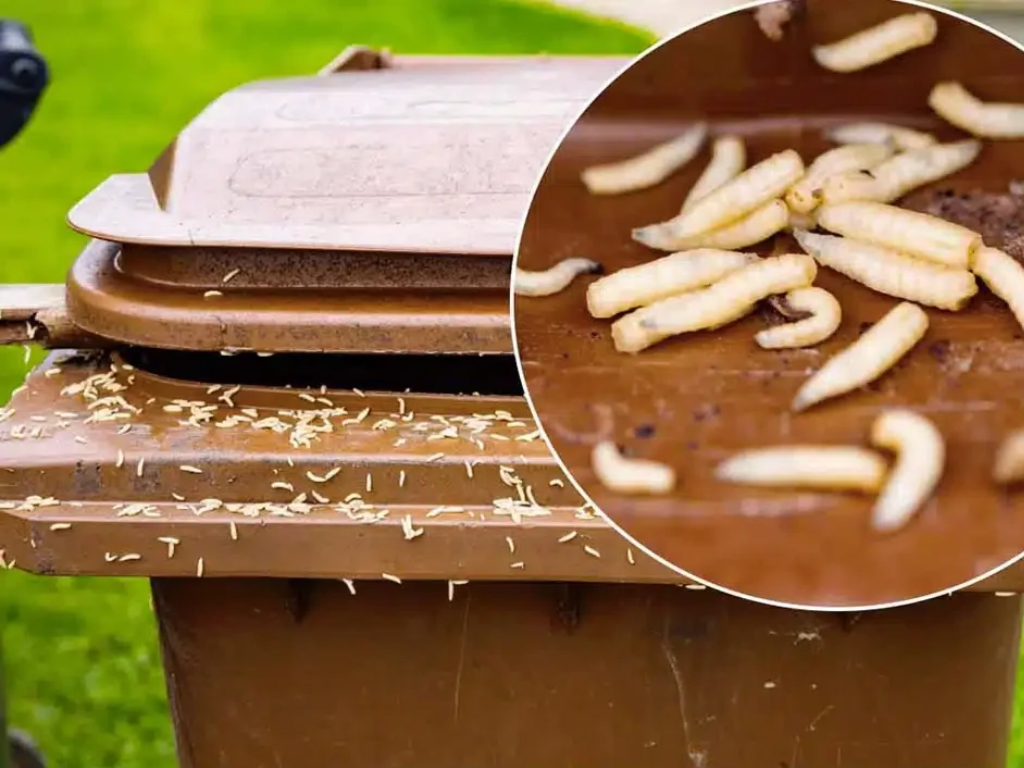
Effective Methods to Eliminate Maggots and Prevent Their Return Vinegar: An Essential Natural Repellent To quickly rid yourself of maggots, Read more
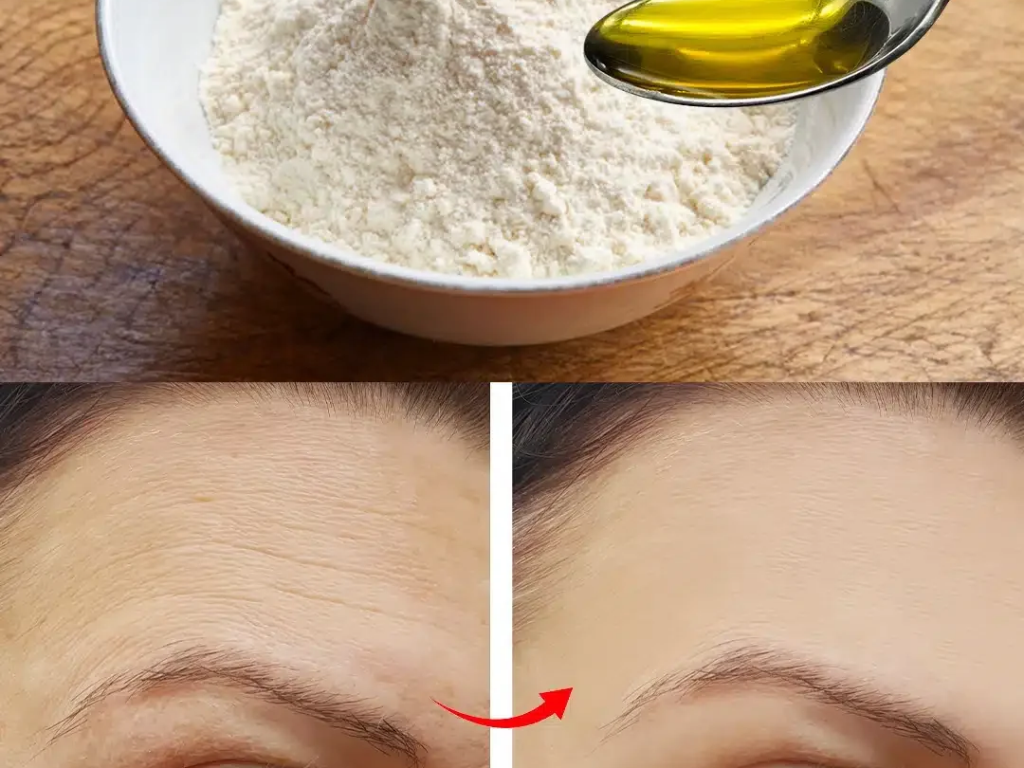
Ingenious Uses for Expired Cornstarch A Natural Cleaner for Windows and Surfaces Did you know that cornstarch can easily substitute Read more
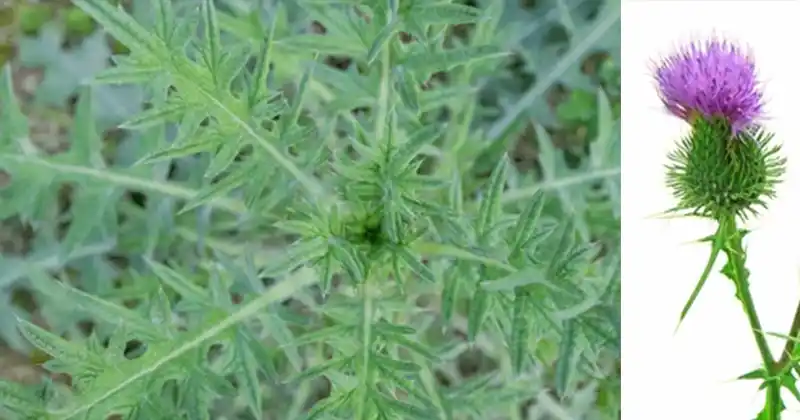
Bull Thistle (Cirsium vulgare): A Wild Plant with Surprising Benefits The bull thistle (Cirsium vulgare) is often dismissed as a Read more

Horseweed (Erigeron canadensis): 20 Amazing Benefits and How to Use It Horseweed, also known as Erigeron canadensis or Canadian fleabane, Read more
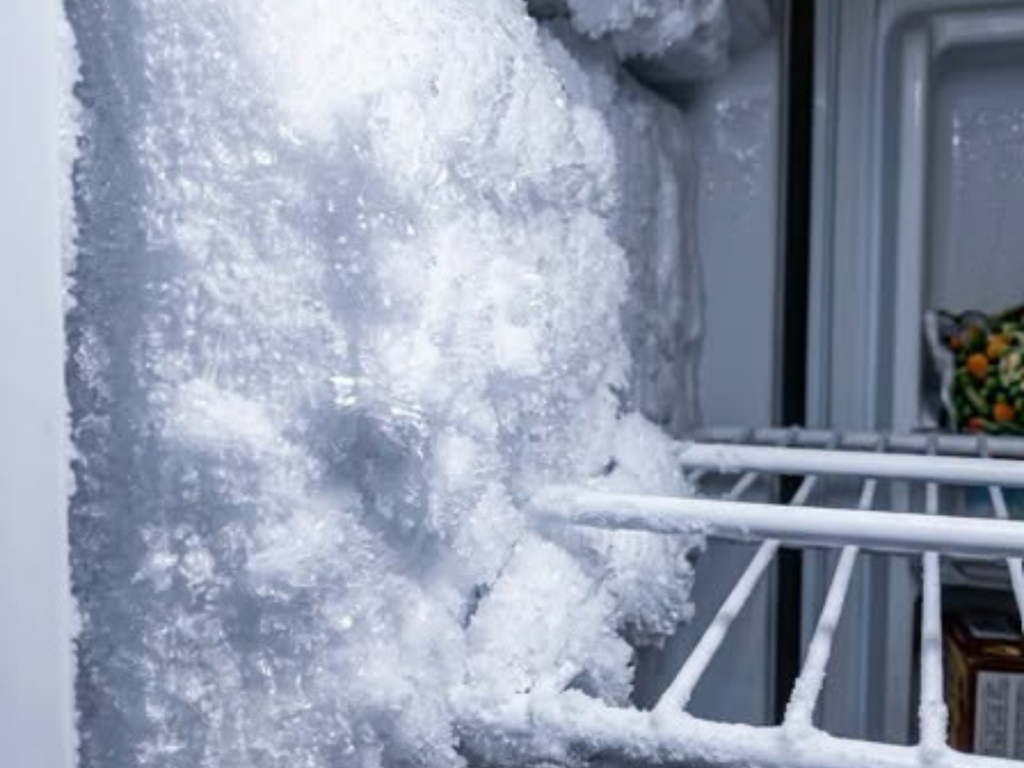
Defrosting a freezer is often viewed as a lengthy and tedious task involving ice packs and patience being thoroughly tested. Read more

The Art of Container Flower Combinations Designing with flowers in pots is a delightful blend of horticulture and floral design. Read more

Red Clover: 15 Amazing Benefits and How to Use This Healing Herb Red clover (Trifolium pratense) is more than just Read more
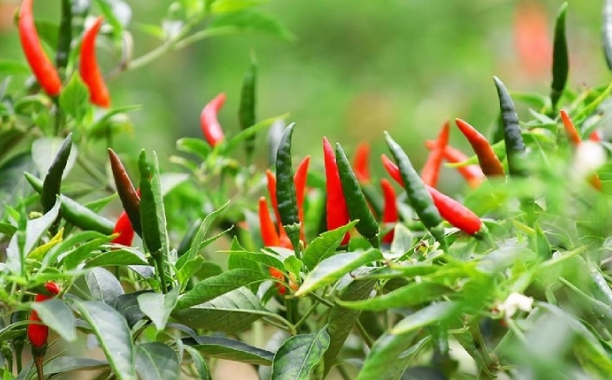
Discover the Untapped Potential of Chili Pepper Leaves: Nutritional Powerhouse for Your Health and Kitchen When you think of chili Read more
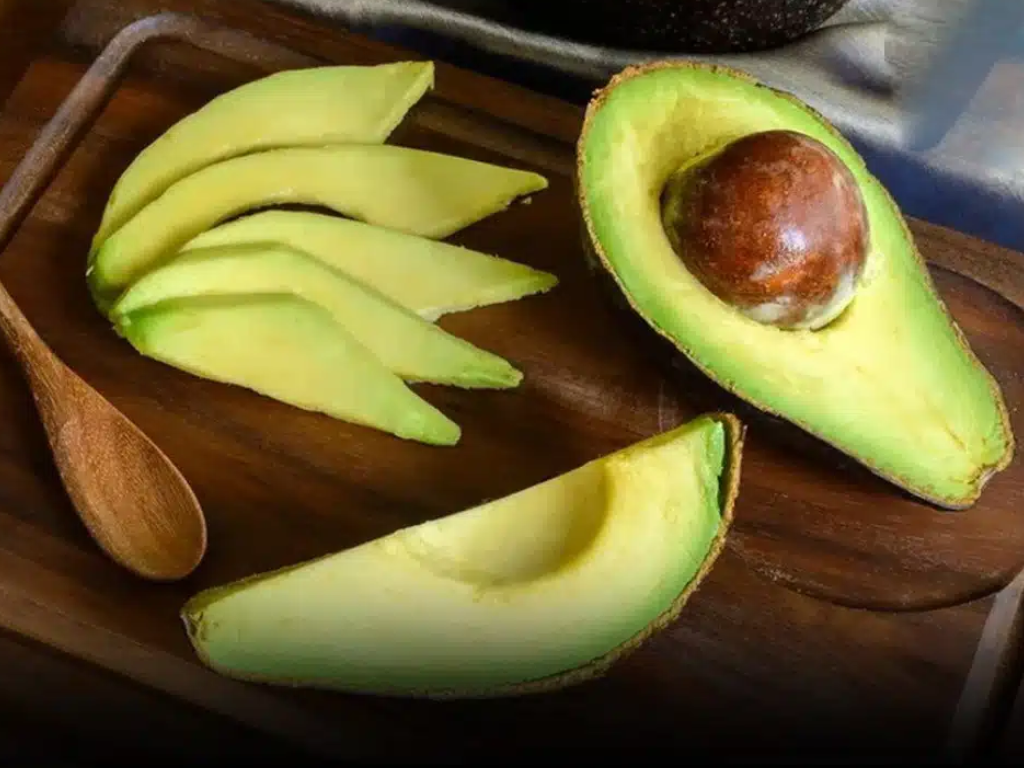
Individuals with Allergies or Sensitivities If you suffer from allergies, it is important to be cautious with avocado! This fruit Read more

Why It's Crucial to Clean Your Oven and How to Do It Naturally The Importance of Cleaning Your Oven The Read more

8 Surprising Benefits of Water Cloves You Probably Didn’t Know About Cloves are widely recognized for their warm, spicy aroma Read more
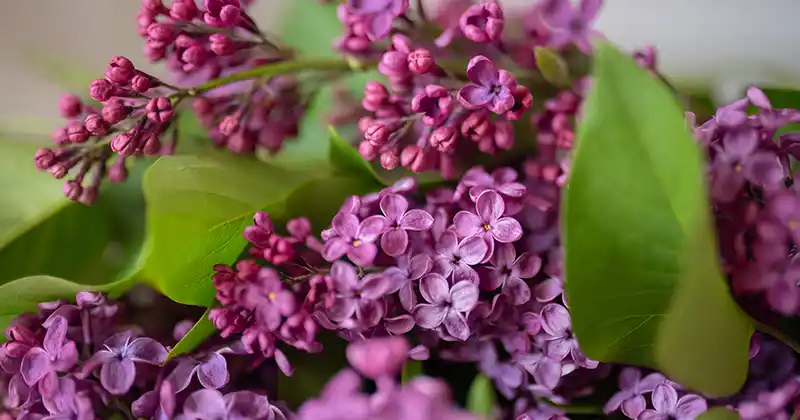
Are Lilacs Edible? Health Benefits of the Beautiful Syringa Blossoms With their sweet fragrance and delicate clusters of flowers, lilacs Read more
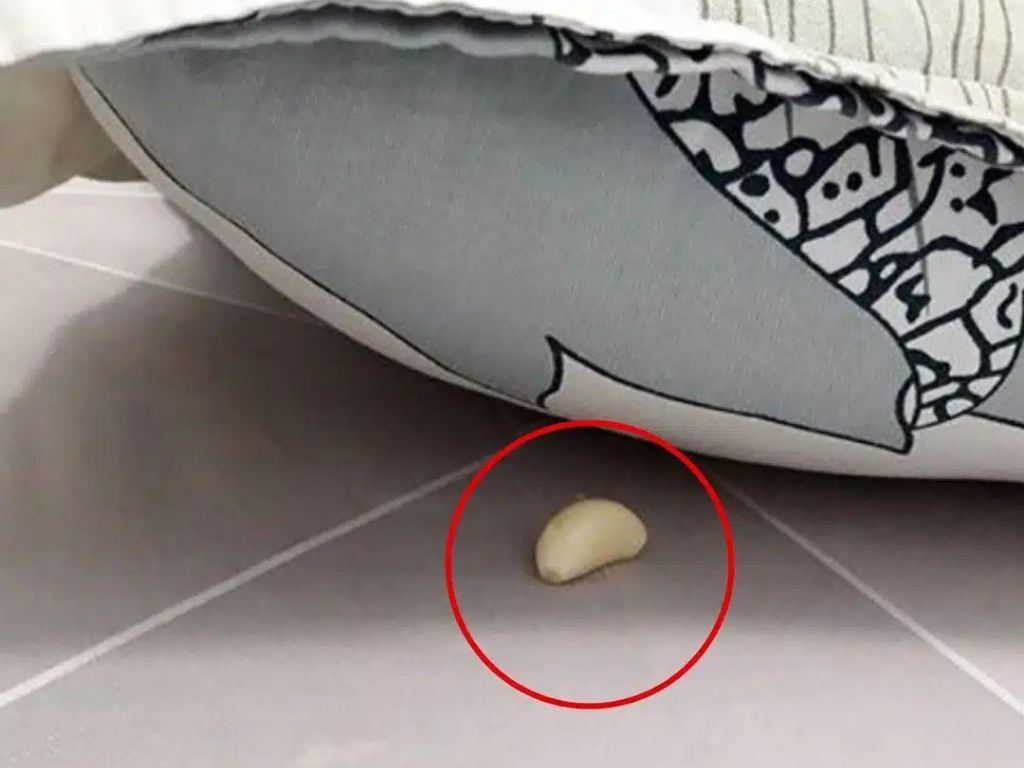
Garlic: An Ancient Remedy for Better Sleep Since ancient times, garlic has been recognized not only as an essential culinary Read more

The Secret Language of Burglars: A Discreet Warning Signal Burglars use an actual coding system to identify their targets. They Read more
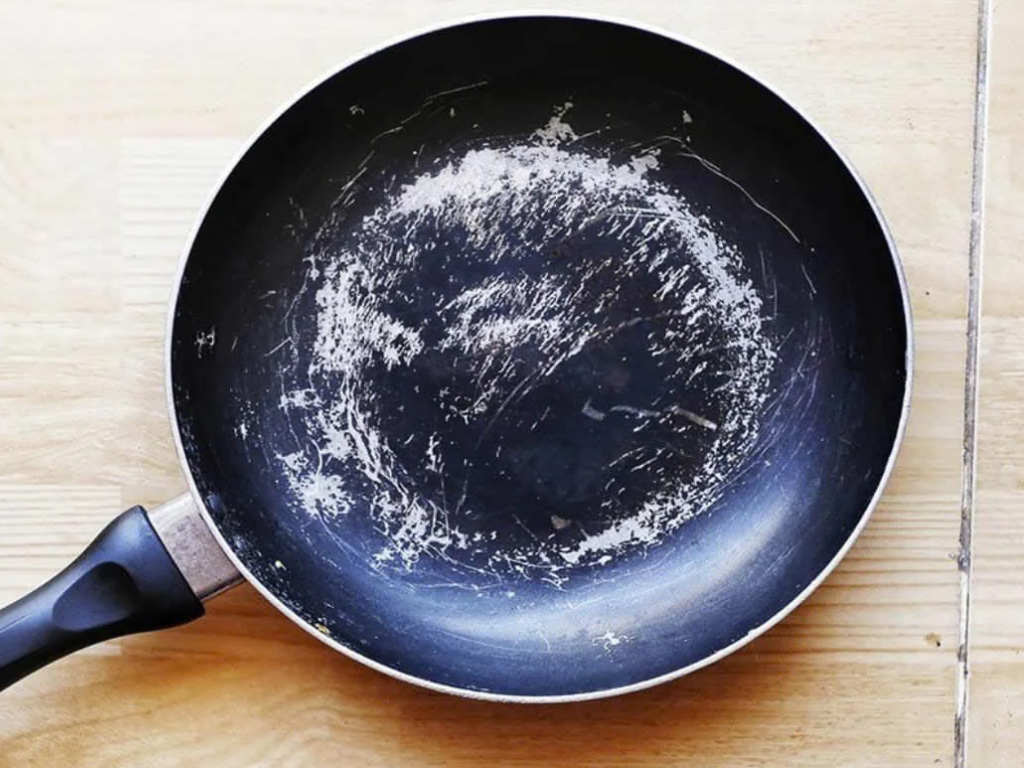
The Secret of Seasoning: An Essential Traditional Method What if the key to reviving a frying pan lay in an Read more

The Amazing Benefits of Sumac and How to Use It Sumac is more than just a flavorful spice—it’s a powerful Read more

Eager to master the art of nurturing a Peace Lily? Known scientifically as Spathiphyllum Wallisii, this enchanting plant is often Read more
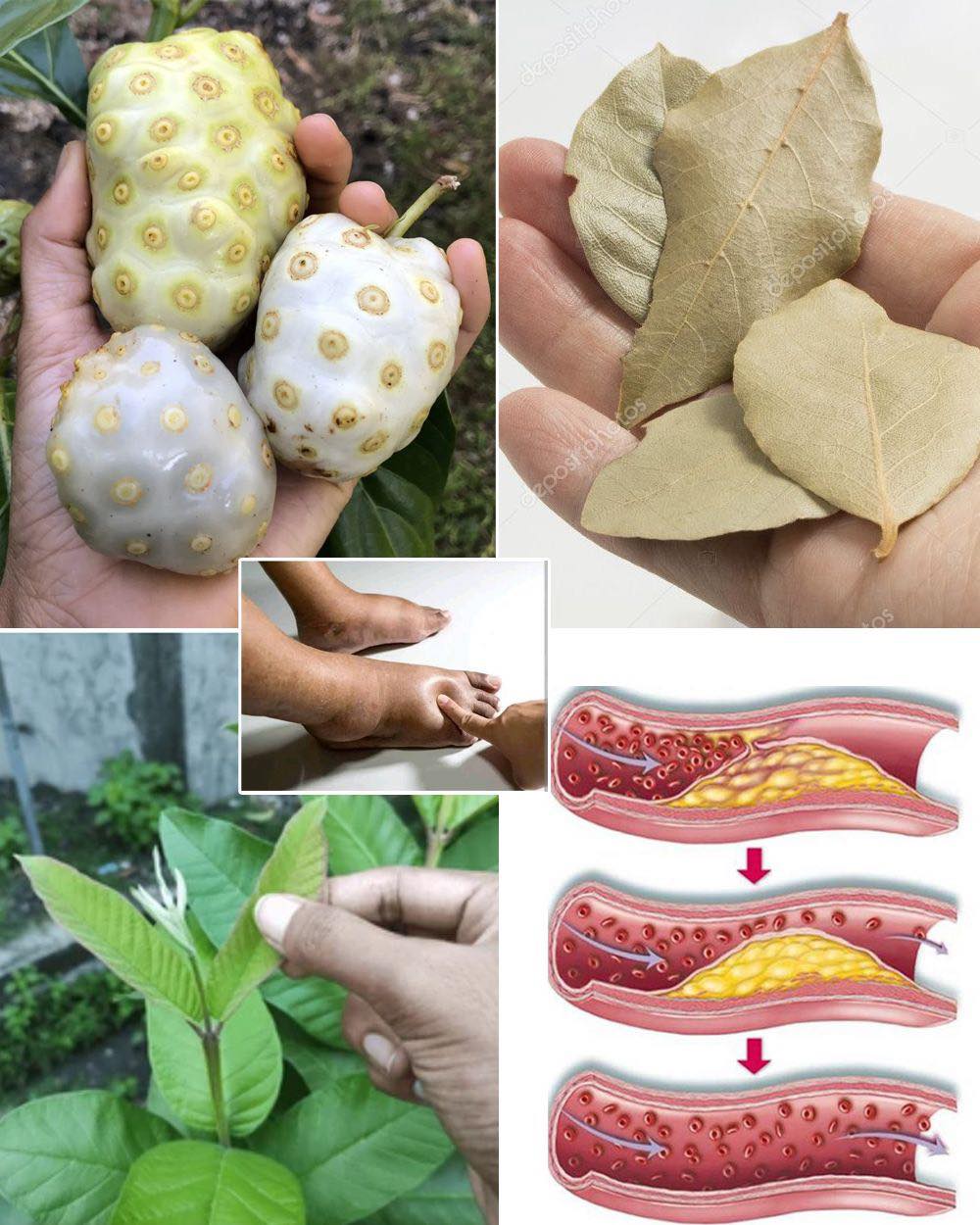
The Ultimate Healing Tonic: A Powerful Natural Drink for Swollen Feet, Diabetes & Poor Circulation Chronic swelling in the feet, Read more

A Heartbreaking Message Lilo, a gentle and affectionate dog, was found wandering with a leash around her neck and a Read more
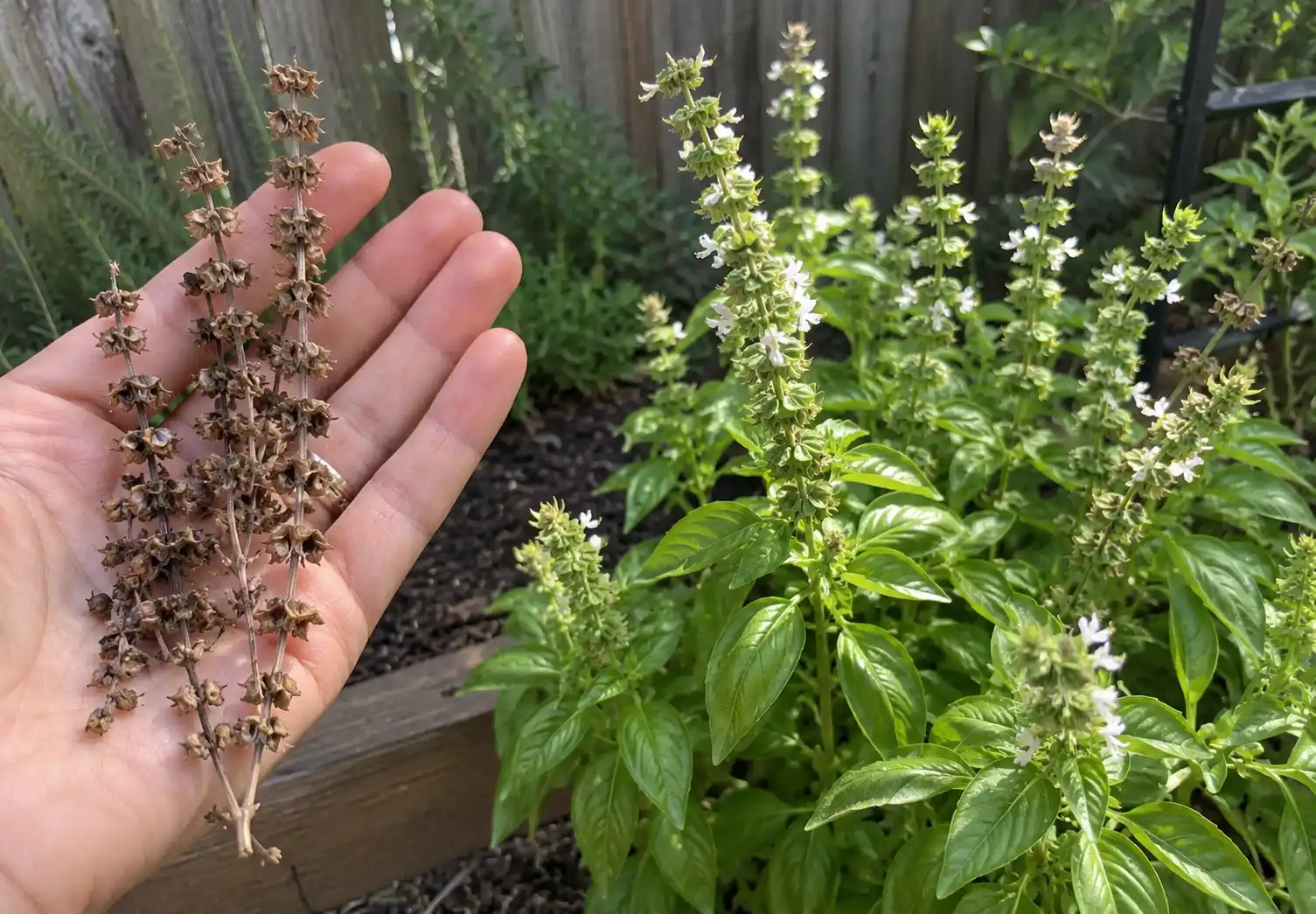
Basil seeds, often referred to as sabja or tukmaria, come from sweet basil. Though tiny, they hold an exceptional nutritional Read more

Ever wish your home could keep that fresh, clean scent for more than a few hours? There’s a simple, natural Read more
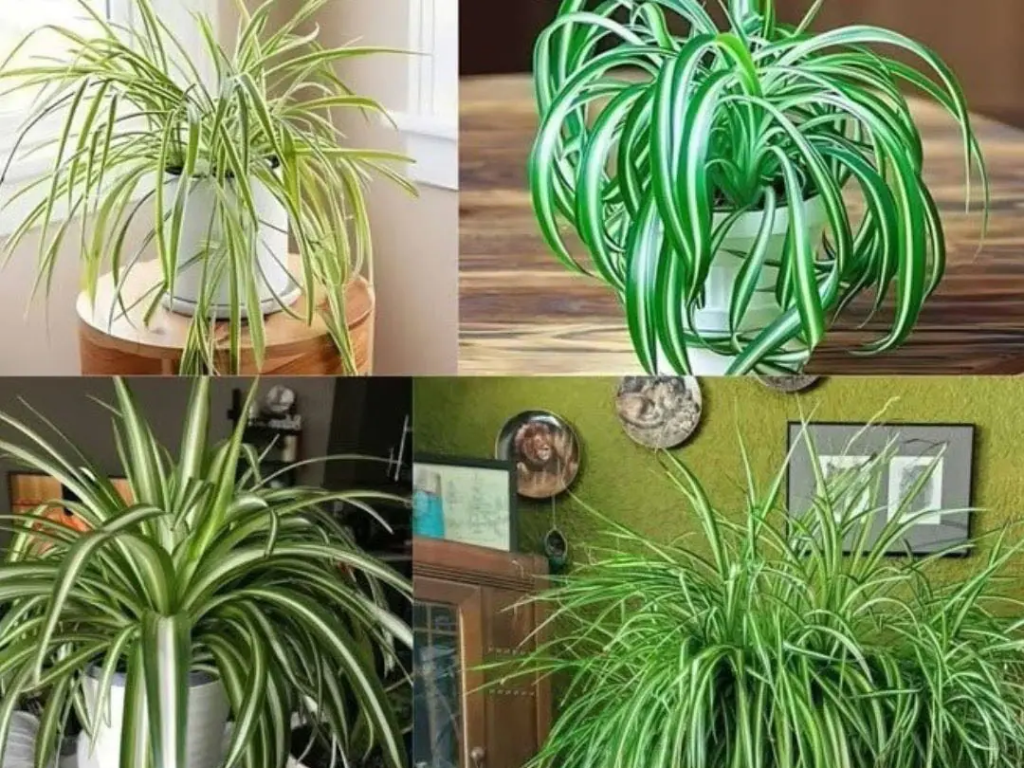
A Natural Ally for a Healthier and More Pleasant Home We admire the spider plant for its delicate and soothing Read more

Why Traditional Household Cleaners Aren't Enough Often praised for their effectiveness, commercial cleaning products don't always succeed in removing stubborn Read more
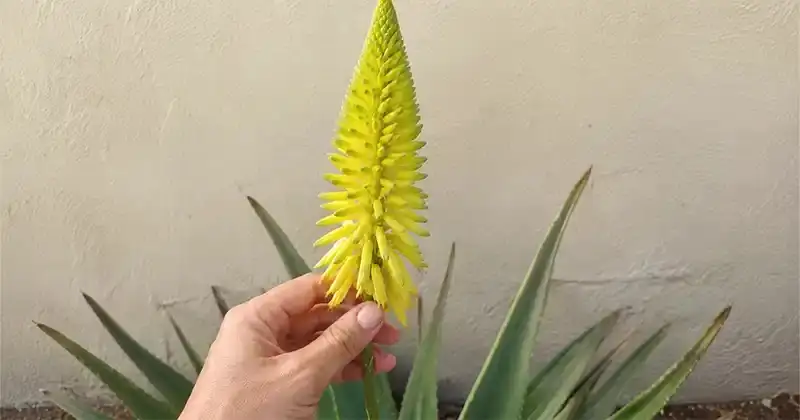
This content is for informational purposes only. For medical advice or diagnosis, please consult a professional. Most people recognize aloe Read more
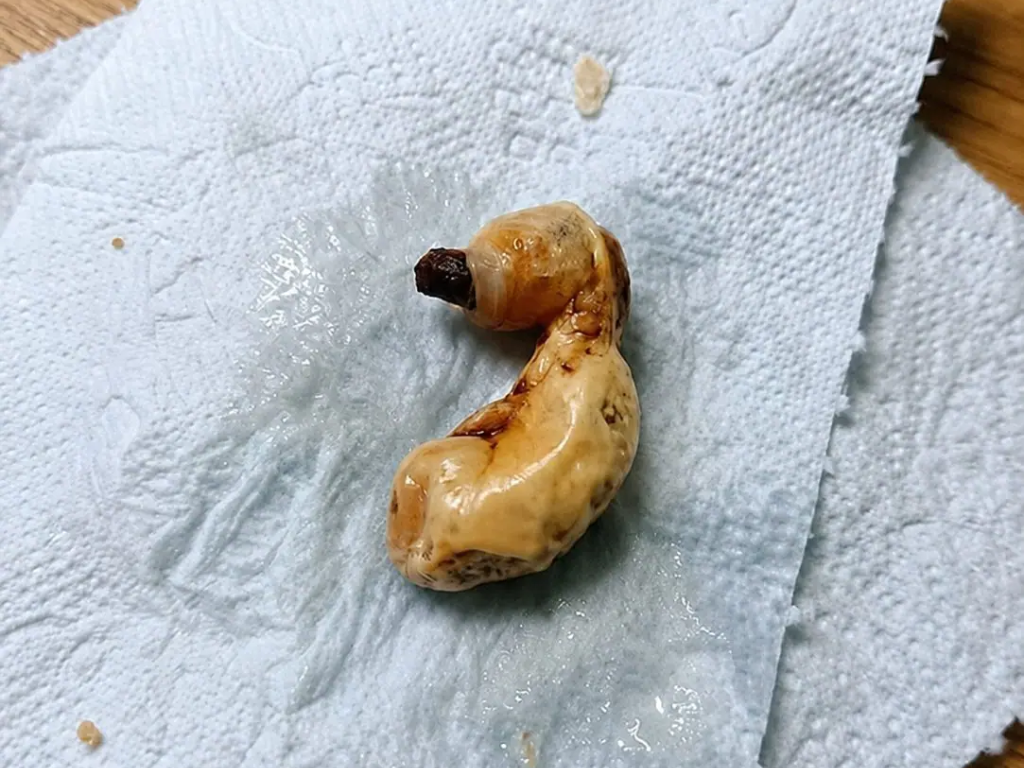
When a Simple Pistachio Shell Takes on the Appearance of a Monster It all begins with the desire to clean Read more

You bought a bag of potatoes, and a few weeks later, you find that they’ve started to sprout? Don’t panic! Read more

Lina’s room remains untouched by time, as if she had just left yesterday: colored pencils scattered across the desk, an Read more

Perfumed Tissues: An Easy DIY Technique The Joy of Scented Tissues: Paper tissues are handy in daily life. While some Read more

Clogged Shower Drain? Try Baking Soda! Experiencing a stagnant pool of water after a refreshing shower can be a mood Read more

Kyllinga brevifolia: A Natural Remedy for Health and Wellness Kyllinga brevifolia, commonly known as green kyllinga or shortleaf spikesedge, is Read more
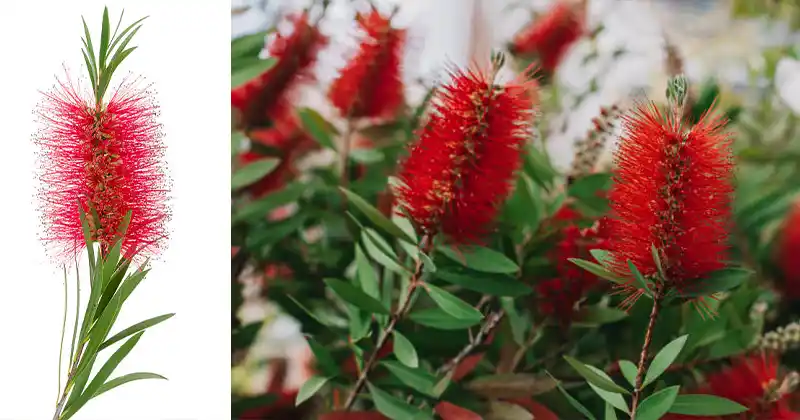
The Hidden Power of Bottlebrush: 15 Benefits and Easy Homemade Uses Nature often hides extraordinary healing power in plain sight—and Read more

A Puzzle Deceptive in Its Simplicity When mentioning "2 mothers," "2 daughters," "1 grandmother," and "1 granddaughter," the immediate image Read more

Purslane (Verdolaga) is no longer a garden menace but a valuable gem! This remarkable plant is reclaiming its place in Read more

Transforming Garlic Peels into Gold for Gardeners: In the rhythm of kitchen prep, garlic peels are often discarded without a Read more

The Brown Marmorated Stink Bugs: A Nuisance Difficult to Ignore Originating from Asia, these insects have found a favorable environment Read more

Datura stramonium, commonly known as Jimson weed, thorn apple, or devil's trumpet, is a plant native to North America but Read more

10 Secrets You Need to Know Before Eating Okra Okra, also known as “lady’s finger,” is a green, pod-shaped vegetable Read more
