
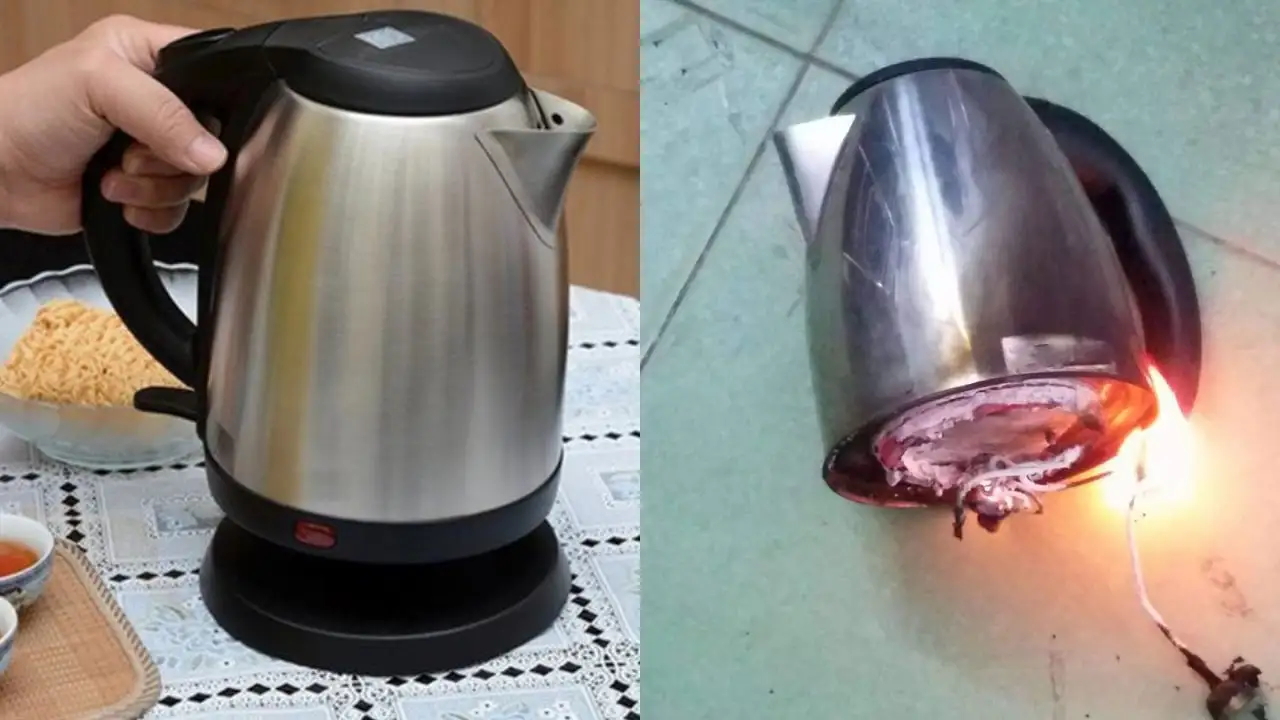
Many people make the mistake of believing that continuously boiling water will save energy once the kettle is already hot. However, boiling water nonstop causes the heating element of the electric kettle to become excessively hot, which leads to rapid burnout. It is much better to allow the kettle to rest between boiling sessions so that the heating element can cool down properly.
In many cases, if you boil water for an extended period, the thermal relay will automatically cut the power to the kettle, even if it remains plugged in and the indicator light is off. You will need to wait until the kettle cools down before you can use it again safely.
Boiling Water Beyond the Manufacturer’s Specified Levels
Boiling too much water can cause the boiling water to overflow from the kettle, spilling onto the heating element and potentially causing an electrical short circuit. Conversely, boiling too little water means the boiling water will evaporate more quickly, increasing the risk that the kettle could dry out. This dry boiling can lead to overheating, electric short circuits, and is a serious safety hazard.
Every electric kettle includes markings that indicate the maximum and minimum water levels required for safe boiling. These markings are usually horizontal lines measured in milliliters and can be easily found on the kettle body.
In addition to numerical markings, there are also “Max” and “Min” labels, representing the maximum and minimum water levels respectively. You can quickly observe these notations on the kettle’s exterior to adjust the water level accordingly before boiling.
Not Covering or Closing the Lid When Boiling Water

This mistake not only wastes electricity but also takes longer to bring the water to a boil. Electric kettles are designed with an automatic shut-off function that only activates when the lid is securely closed. Therefore, if the water is allowed to continue boiling without the lid properly closed, it poses a high risk of explosion and can severely damage the kettle.
Using the Electric Kettle for Cooking Food
Electric kettles are specifically designed to boil water and are not suitable for cooking tasks such as boiling eggs, making soup, or heating milk. Using the kettle for these other purposes can cause residue and impurities to accumulate inside, significantly shortening its lifespan. Moreover, the food prepared may not be fully cooked or heated evenly.
Using a Kettle with Obstructions
When the kettle has obstructions, its ability to absorb heat from the heating element is reduced, which results in a longer boiling time. Additionally, excessive buildup can damage the thermal sensor, causing the kettle to shut off prematurely, even before the water reaches boiling point.
For this reason, after using the kettle for some time, it is important to clean the inside thoroughly to remove any accumulation. This regular maintenance ensures safe operation and prolongs the durability of the kettle.
Pouring Out the Water Immediately After Boiling

After the water has boiled, it is common for people to pour out all the water from the kettle. This should be avoided because, even after turning off the power switch, the heating element continues to radiate heat.
If all the water is poured out immediately, the heating element can deteriorate quickly. The recommended practice is to leave about 20 ml of water inside the kettle, wait for it to cool down completely, and then pour out the remaining water.
Pouring All the Water Into Your Cup Immediately After Boiling
Pouring all the water from the kettle into your cup immediately after boiling is a common mistake. When the water reaches 100 degrees Celsius, the electric kettle automatically switches off, but the heating element inside still radiates heat.
Pouring all the water immediately can cause a sudden temperature change in the heating element, which shortens its lifespan.

Restore the Shine to Your Dull Leather Whether it’s worn-out shoes, tired leather bags, or a sofa that has lost Read more

Pigweed, also known as amaranth, is a leafy green plant that has been cherished in various cultures for its nutrient-rich Read more
The Daisy: An Expression of Joyful Living and Authenticity If you find yourself especially captivated by the daisy, it is Read more

Cleaning Grease Off Kitchen Wooden Cabinets: Effective Techniques Removing dirt and embedded grease stains from kitchen wooden cabinets isn't always Read more

The Disguise Test One morning, Mr. Delaunay put on worn-out clothes, covered himself in dust, and let his beard grow, Read more

8 Surprising Benefits of Water Cloves You Probably Didn’t Know About Cloves are widely recognized for their warm, spicy aroma Read more

How can a simple homemade mixture really help make your teeth whiter? Here is the secret that has already captivated Read more

We experienced several miscarriages. Each time, it was a silent grief, almost invisible to the eyes of others. I learned Read more

Understanding, anticipating, and supporting your dog through every stage of their life is essential to providing them with the best Read more

Have you ever encountered this unusual practice of sprinkling cinnamon powder in front of your front door? At first glance, Read more

The Silent Enemy: Tartar and Bacteria Tartar is a common affliction affecting our teeth. It forms from the gradual hardening Read more
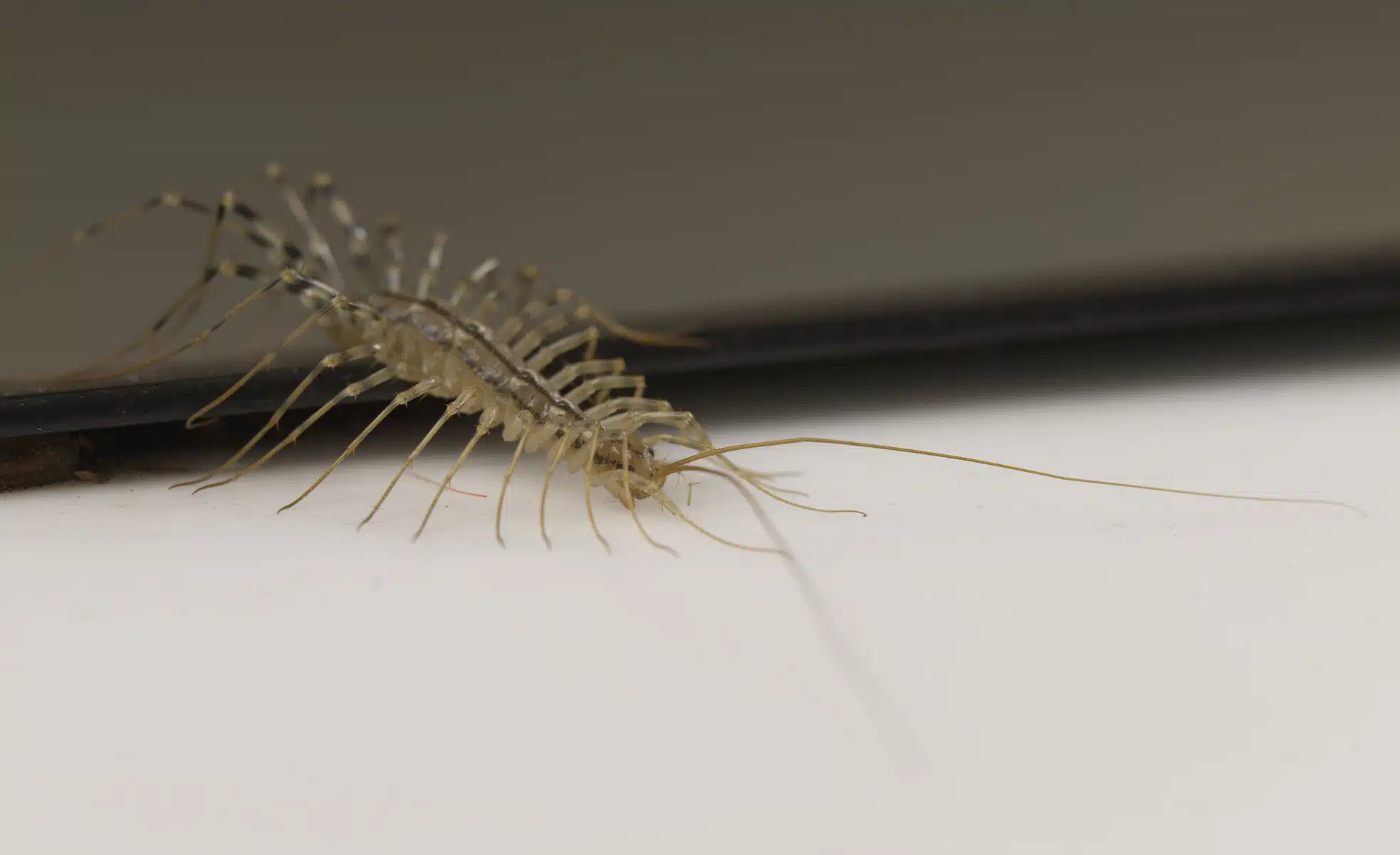
A Quiet and Efficient Predator in Your Home The domestic house centipede (Scutigera coleoptrata) is often regarded as a frightening Read more

The ingenuity of Swedish furniture design, particularly evident in the flat-pack phenomenon, has transformed how we furnish our homes with Read more
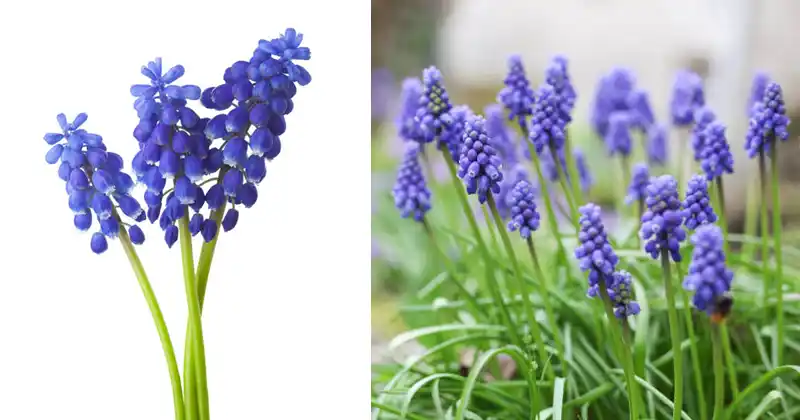
Grape Hyacinth (Muscari): A Beautiful Flower You Can Eat – But Only If You Know Which One The grape hyacinth, Read more

How to Detect Drafts Around Your Windows? Before making any adjustments, it is essential to confirm that your windows are Read more

Timeless Elegance That Transcends Generations Choosing black often reflects a profound pursuit of refinement and sophistication. This color goes beyond Read more

You bought a bag of potatoes, and a few weeks later, you find that they’ve started to sprout? Don’t panic! Read more
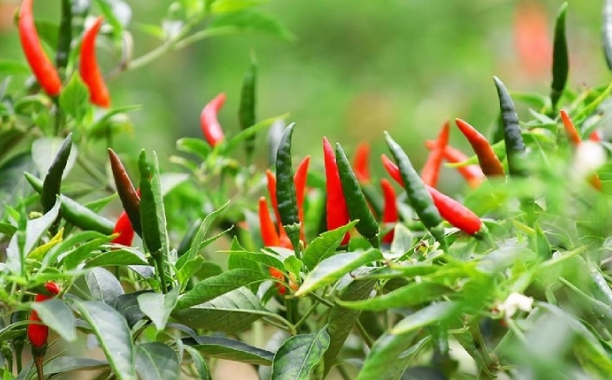
Discover the Untapped Potential of Chili Pepper Leaves: Nutritional Powerhouse for Your Health and Kitchen When you think of chili Read more

The Spool of Thread: A Silent Relic of a Bygone Era Let us take a moment to journey back to Read more
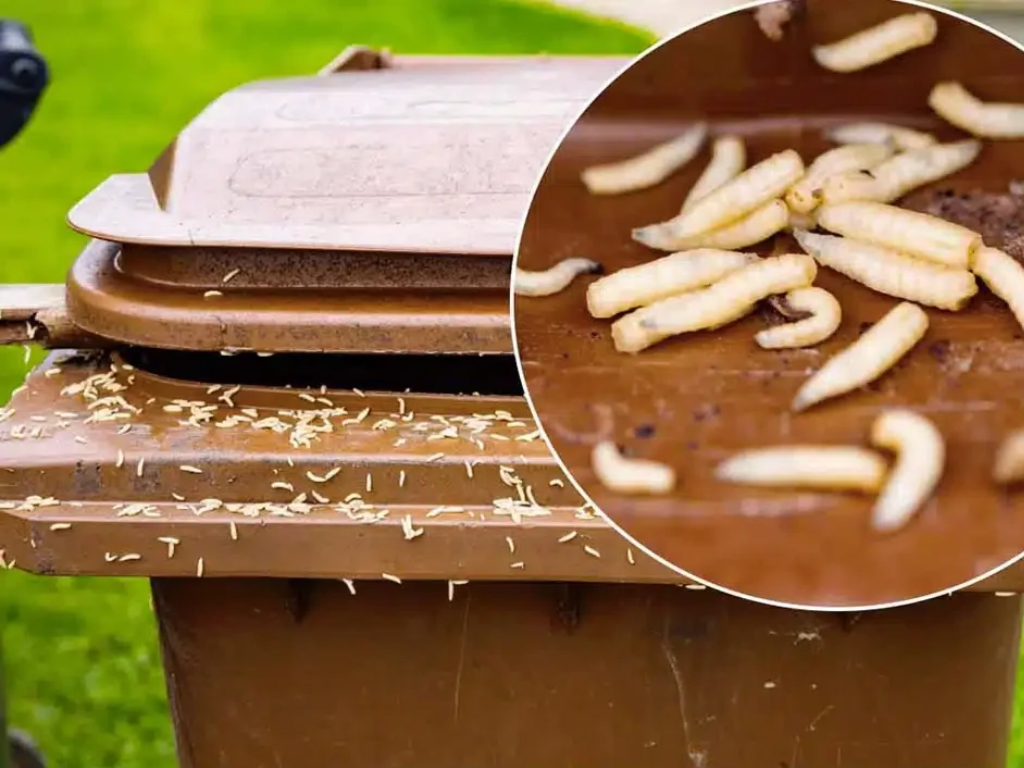
Effective Methods to Eliminate Maggots and Prevent Their Return Vinegar: An Essential Natural Repellent To quickly rid yourself of maggots, Read more

Why does your sleep become fragile precisely between 3 a.m. and 5 a.m.? Is it due to a peculiarity of Read more

Why Do We Consistently Wake Up at the Same Time During the Night? Nighttime awakenings can stem from various causes: Read more

10 Secrets You Need to Know Before Eating Okra Okra, also known as “lady’s finger,” is a green, pod-shaped vegetable Read more

When Affection Triumphs Over Blood Ties Sharaine and Wilson Caraballo, warm-hearted parents of a large family with five children, opened Read more

Before your next journey, it might be worth reexamining some of your packing habits. What a luggage professional has revealed Read more

A Bold Dream Transformed into an Unexpected Haven of Peace At some point in our lives, we have all dreamed Read more
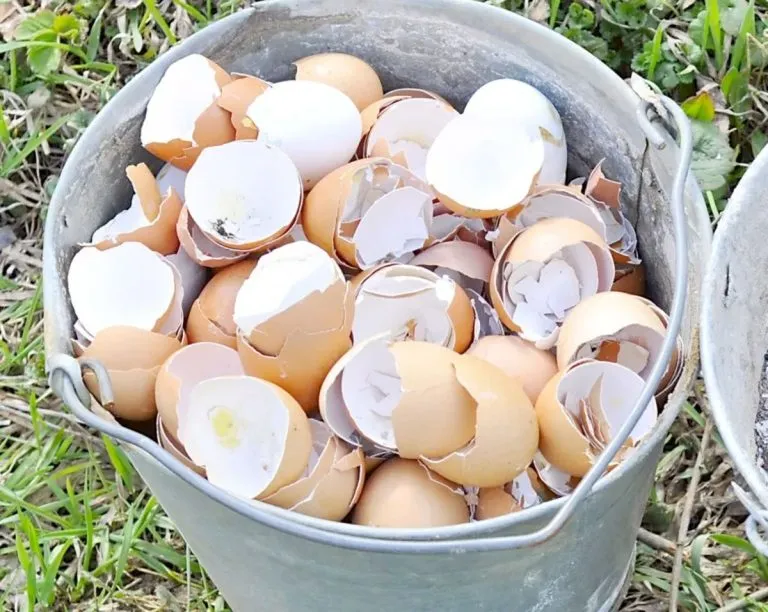
Unlocking the Garden Potential of Eggshells: 10 Innovative Applications Eggshells, often seen as fragile protectors of eggs, are also a Read more

Perfumed Tissues: An Easy DIY Technique The Joy of Scented Tissues: Paper tissues are handy in daily life. While some Read more

Inheritance in France: A Protected Share, Untouchable Even in Cases of Conflict In France, there is a fundamental legal principle Read more
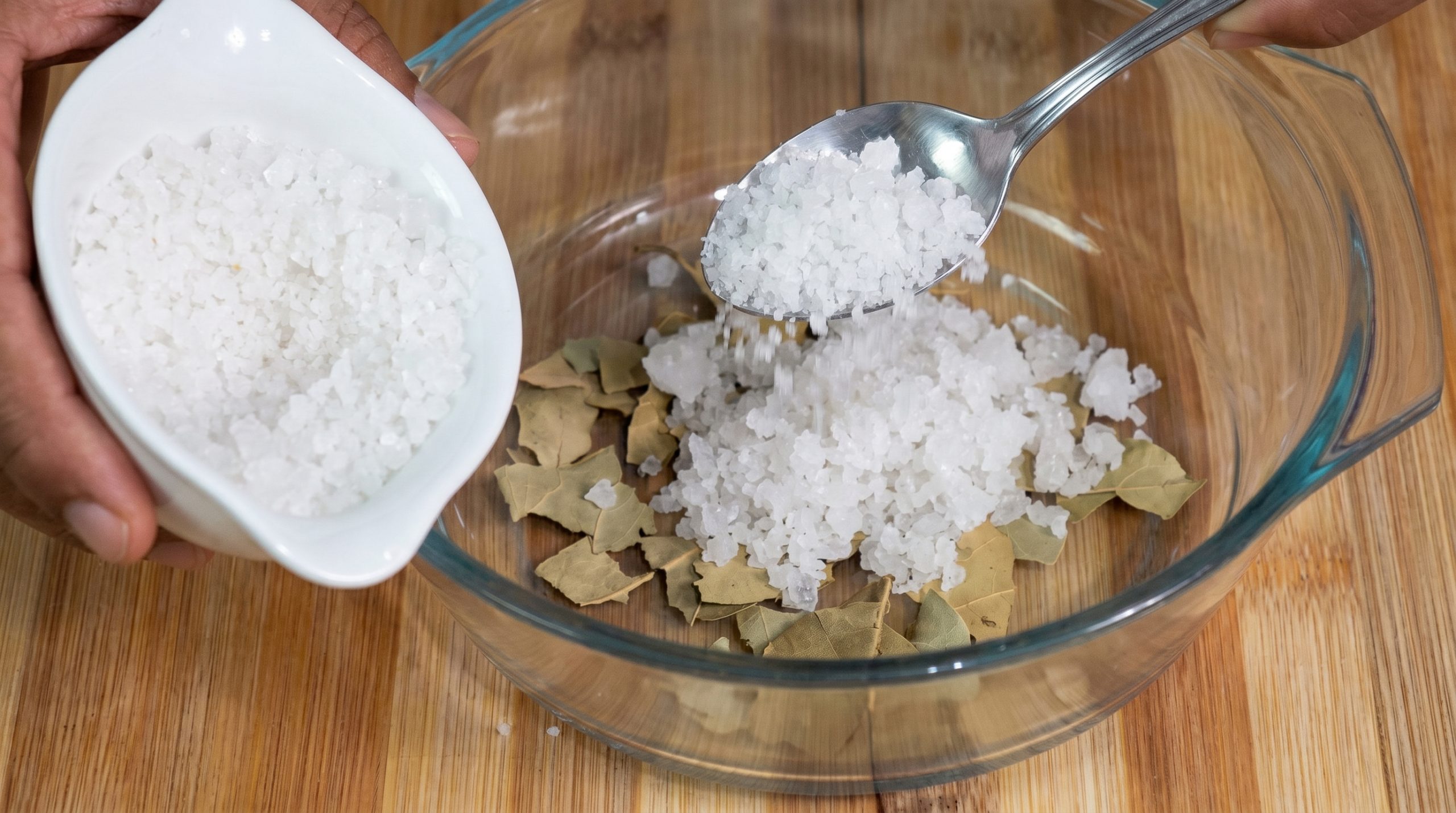
For centuries, the bay leaf has stood as a symbol of protection, wisdom, and soothing comfort. Salt, by contrast, represents Read more

Goldenberries, also known as Physalis or Uchuva, are small, orange-yellow fruits enclosed in a delicate, papery husk. Originating from the Read more

In today's digital age, it's a common sight in households and offices: chargers left in outlets without their corresponding devices. Read more

Embracing Organic Gardening with Homemade Onion Elixir The shifting trends in horticulture are leaning heavily towards eco-conscious choices, prompting gardeners Read more

Lactuca serriola, commonly known as prickly lettuce, is a plant that often goes unnoticed, dismissed as a mere weed. However, Read more

Red Clover: 15 Amazing Benefits and How to Use This Healing Herb Red clover (Trifolium pratense) is more than just Read more

In the realm of gardening, we often stick to traditional methods like basking in sunlight, diligent watering, and soil enriched Read more

A Vibrant Coat, More Than Just a Visual Trait Before delving into the nature of these cats, let us first Read more

Sometimes, certain births resonate far beyond the boundaries of the family, capturing the attention of the wider public. This was Read more

Castor Leaves: A Natural Treasure to Rediscover Used for centuries in traditional medicines around the world, castor leaves are experiencing Read more
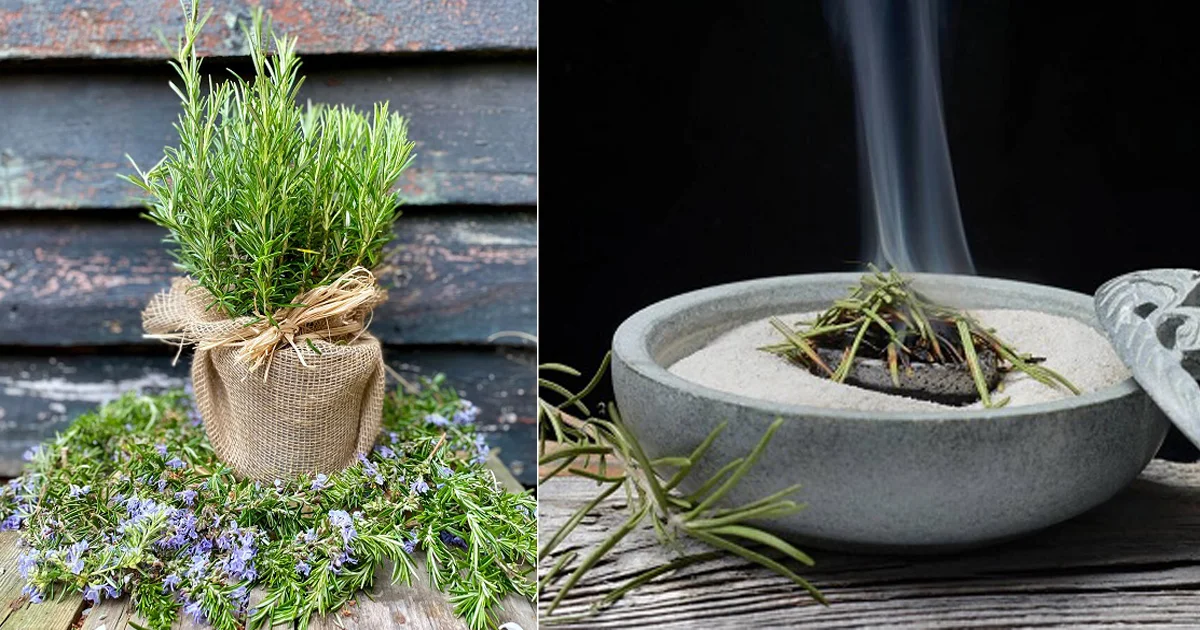
Rosemary, scientifically identified as Rosmarinus officinalis, is widely recognized not only for its role in cooking but also for its Read more
