

The Dog’s Nose: An Organ of Exceptional Sensitivity
While humans explore the world primarily through vision, dogs scrutinize it mainly through their sense of smell. This is not just a figure of speech: a dog possesses several hundred million olfactory receptors, far more than the few million available to humans. This vast disparity allows them to capture olfactory information that completely escapes us.
When your dog sniffs a person, it does not merely detect a simple scent of perfume or soap. Instead, it interprets a complex blend of natural chemical substances emitted by the body. These olfactory cues reveal not only the identity of the individual but also their emotional state and even recent physiological changes. Quite an impressive ability, isn’t it?
Why Certain Parts of the Body Attract Dogs More
Dogs pay special attention to specific areas of the body rich in apocrine sweat glands. These glands secrete chemical substances densely packed with information. For a dog, sniffing these particular zones is akin to reading an especially detailed identification card, similar to a handshake among humans.
This behavior is neither a judgment nor a negative intention. It stems simply from natural curiosity, which is efficient and entirely logical within their communication style. For the dog, there is no embarrassment or discomfort—just an instinctive need to gather information.
Do Dogs Detect Changes in Our Bodies?
Here lies the most fascinating part: research shows that dogs can perceive chemical variations linked to several bodily and emotional states, including:
– Stress or anxiety – Fear or excitement – Hormonal fluctuations – Pregnancy – Certain illnesses or disorders – Side effects of medical treatments
It is important to clarify that a dog is not a doctor and does not diagnose diseases. However, if your dog shows an unusual or intense olfactory interest, it can sometimes be intriguing and warrant closer attention.
A Natural and Generally Harmless Behavior
In the vast majority of cases, this sniffing behavior is entirely normal. Puppies and young dogs are especially curious and use this sensory tool to learn the social codes that guide their interactions. This behavior only becomes problematic if it becomes excessive or difficult to control.
How to Take a Compassionate Approach to This Behavior
If your dog bothers your guests with its sniffing, don’t panic. There are several simple tricks to manage this gently:
– Distract your dog with a toy or treat. – Train them with commands such as “sit” or “leave it.” – Consistently reward calm and composed greetings. – Provide an alternative activity when visitors arrive.
It is essential to avoid punishment, as sanctions may confuse your dog or even cause anxiety without resolving the issue.
When Should You Consider Consulting a Specialist?
Occasional sniffing is perfectly natural. However, if your dog suddenly becomes insistent on a specific person or unusually focused on a particular area, stay vigilant. If this behavior is accompanied by other unusual signs in yourself, it is advisable to seek advice from a healthcare professional.
Keep in mind that your dog is not judging you. It is simply analyzing you, relying on its extraordinary olfactory organ.

Cleaning Grease Off Kitchen Wooden Cabinets: Effective Techniques Removing dirt and embedded grease stains from kitchen wooden cabinets isn't always Read more

Restore the Shine to Your Dull Leather Whether it’s worn-out shoes, tired leather bags, or a sofa that has lost Read more

Purple Deadnettle (Lamium purpureum): Benefits, Uses & How to Make Tea Often overlooked or mistaken for an ordinary weed, Purple Read more

Juniper, a versatile and aromatic plant, has been valued for centuries for its culinary, medicinal, and therapeutic uses. Known for Read more

Bathroom Mold: Causes and Solutions Ideal Environment for Mold Growth Bathroom surfaces are prime locations for mold growth. Moisture accumulates Read more
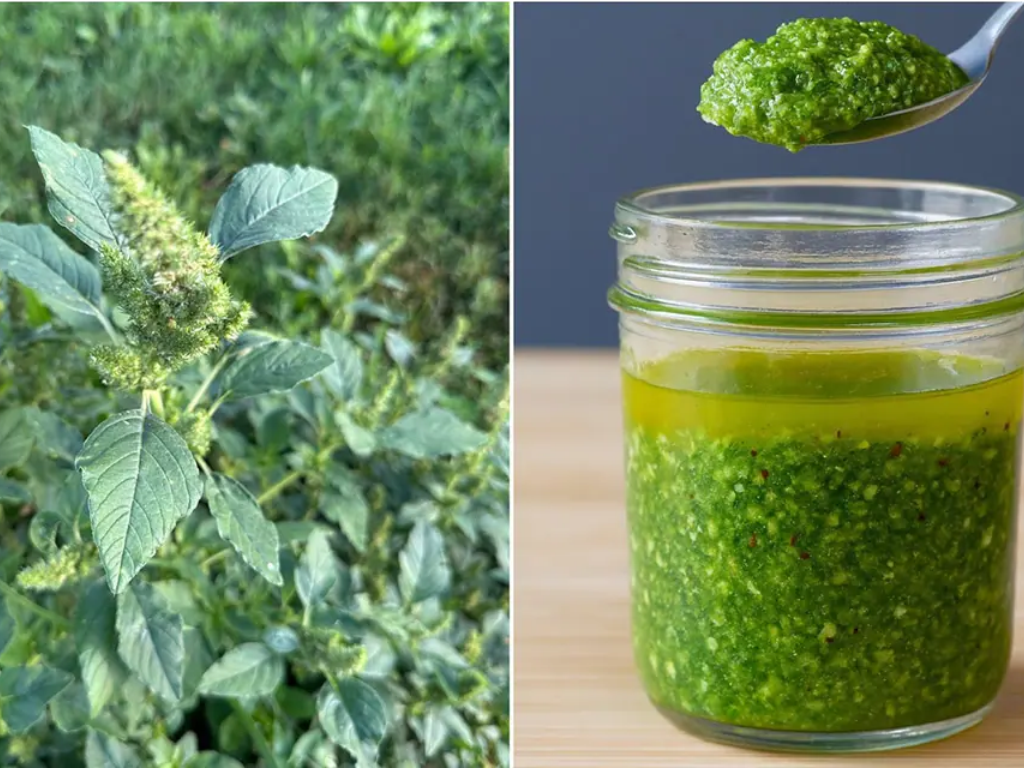
An Unexpected Nutritional Treasure in Your Own Garden Amaranth, often referred to as the "wild spinach", far exceeds its role Read more

Why Do We Consistently Wake Up at the Same Time During the Night? Nighttime awakenings can stem from various causes: Read more
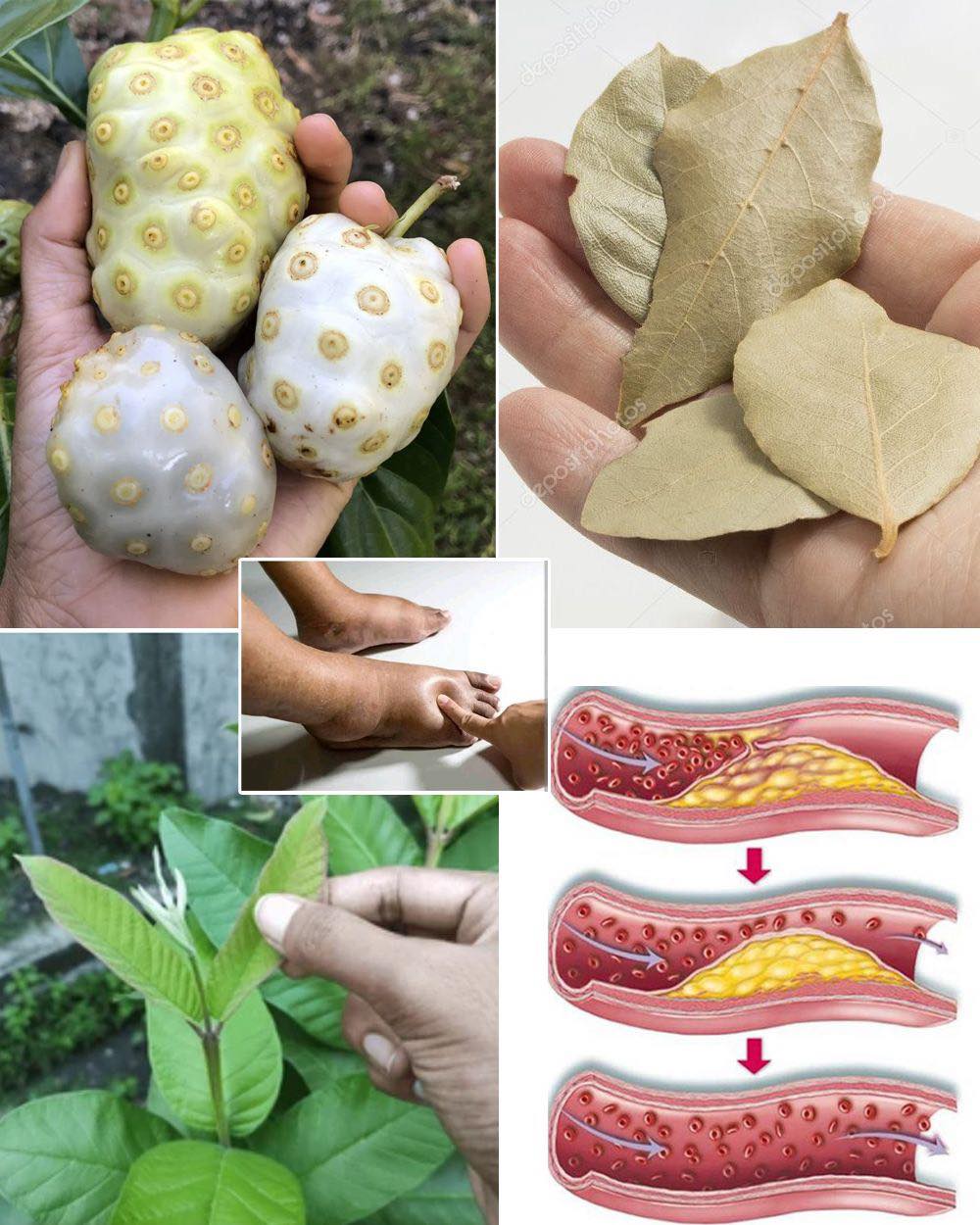
The Ultimate Healing Tonic: A Powerful Natural Drink for Swollen Feet, Diabetes & Poor Circulation Chronic swelling in the feet, Read more

Sida acuta, also known as “common wireweed,” is a hardy plant often found in fields and roadsides. While it may Read more

You bought a bag of potatoes, and a few weeks later, you find that they’ve started to sprout? Don’t panic! Read more

The Power of Hawthorn (Genus Crataegus): A Natural Ally for Heart and Cholesterol Health Hawthorn, belonging to the genus Crataegus, Read more

The Final Blow Within Her Own Home Returning home from work, Phoebe had hoped to find a dinner prepared or Read more

Cultivating veggies and herbs indoors is more than just a productive task; it's a delightful and aesthetic journey. The magic Read more

Faced with increasingly harsh industrial detergents, consumers are turning back to traditional products that are healthier and have long proven Read more
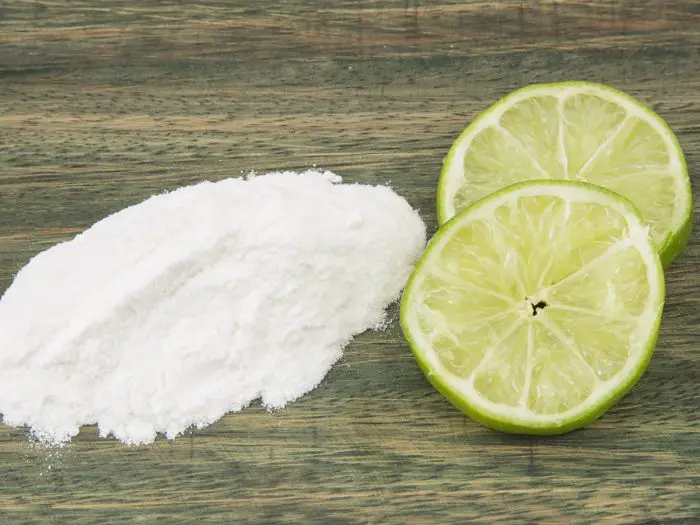
Baking soda and lemon peels are two household items often overlooked but incredibly powerful when combined. This natural duo can Read more

How can a simple homemade mixture really help make your teeth whiter? Here is the secret that has already captivated Read more

Euphorbia hirta, commonly known as the “Asthma-plant,” is a medicinal herb renowned in traditional medicine for its diverse health benefits, Read more
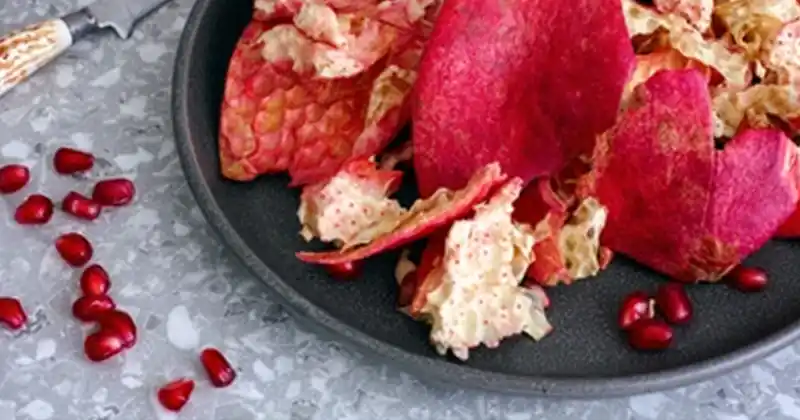
The Hidden Power of Pomegranate Peel: 10 Health Benefits and How to Use It Pomegranate is often celebrated for its Read more

Embracing Organic Gardening with Homemade Onion Elixir The shifting trends in horticulture are leaning heavily towards eco-conscious choices, prompting gardeners Read more

Lactuca serriola, commonly known as prickly lettuce, is a plant that often goes unnoticed, dismissed as a mere weed. However, Read more

Understanding, anticipating, and supporting your dog through every stage of their life is essential to providing them with the best Read more

In today's digital age, it's a common sight in households and offices: chargers left in outlets without their corresponding devices. Read more

Datura stramonium, commonly known as Jimson weed, thorn apple, or devil's trumpet, is a plant native to North America but Read more
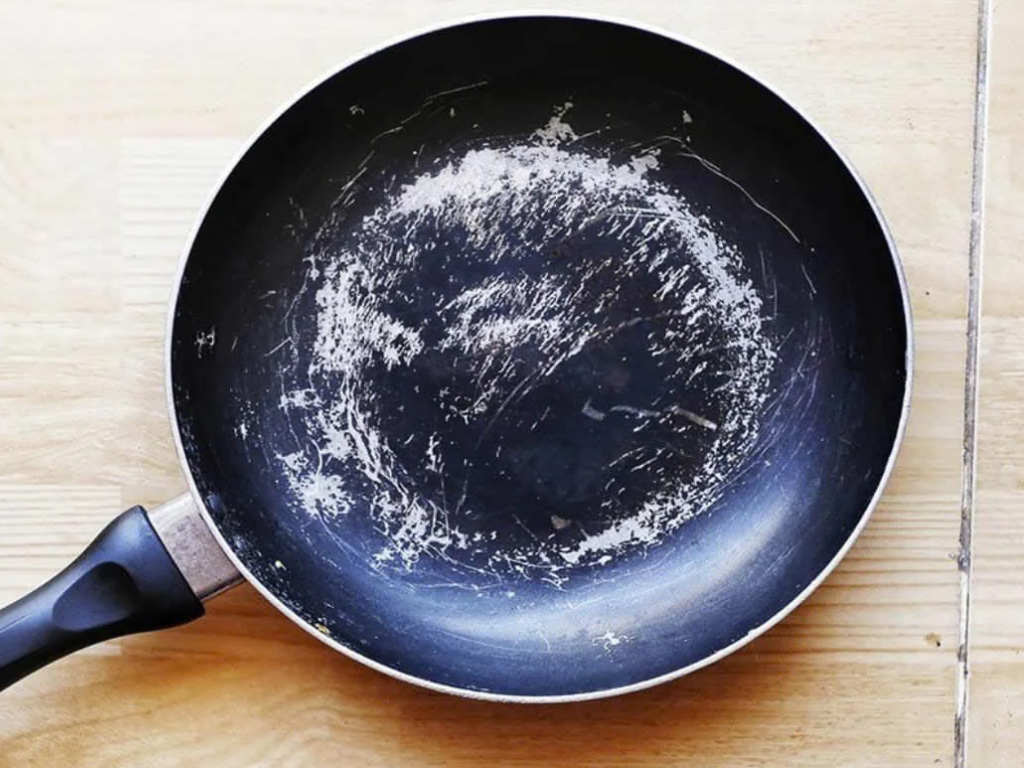
The Secret of Seasoning: An Essential Traditional Method What if the key to reviving a frying pan lay in an Read more
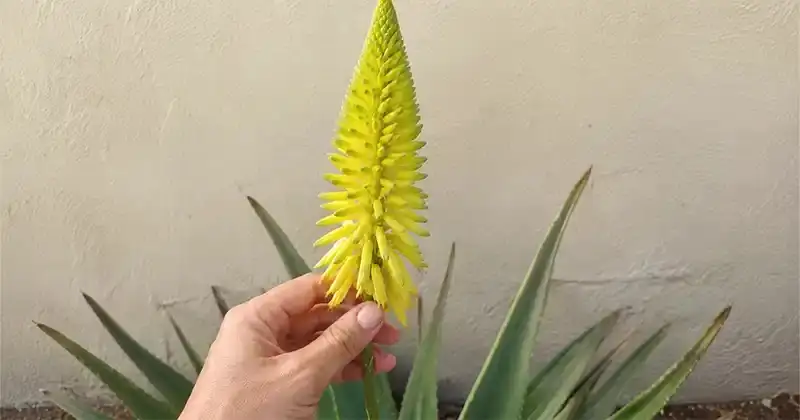
This content is for informational purposes only. For medical advice or diagnosis, please consult a professional. Most people recognize aloe Read more

How to Detect Drafts Around Your Windows? Before making any adjustments, it is essential to confirm that your windows are Read more

How to Make Powerful Super Glue from Styrofoam: The Hidden Chemistry Behind This Viral Trick In a world where DIY Read more
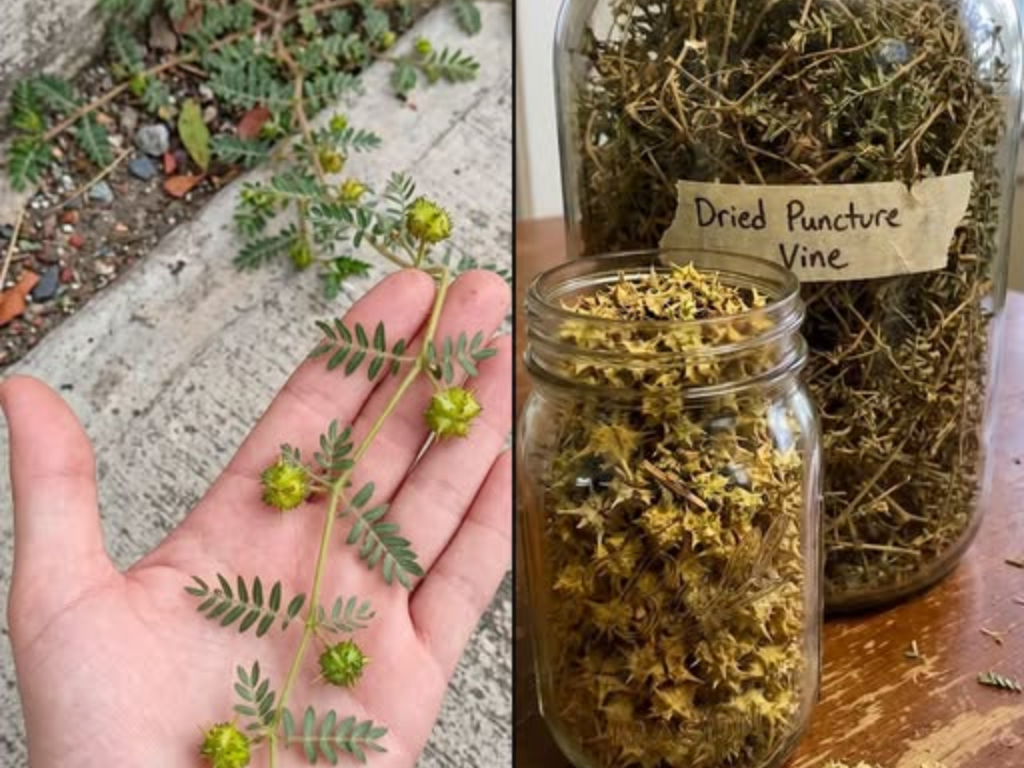
Warning: The information provided in this article is solely for educational and informational purposes. It is based on traditional herbal Read more

Why Do Some People Wash Their Ground Beef? The practice of washing ground beef often comes from a good intention: Read more

Defrosting a freezer is often viewed as a lengthy and tedious task involving ice packs and patience being thoroughly tested. Read more
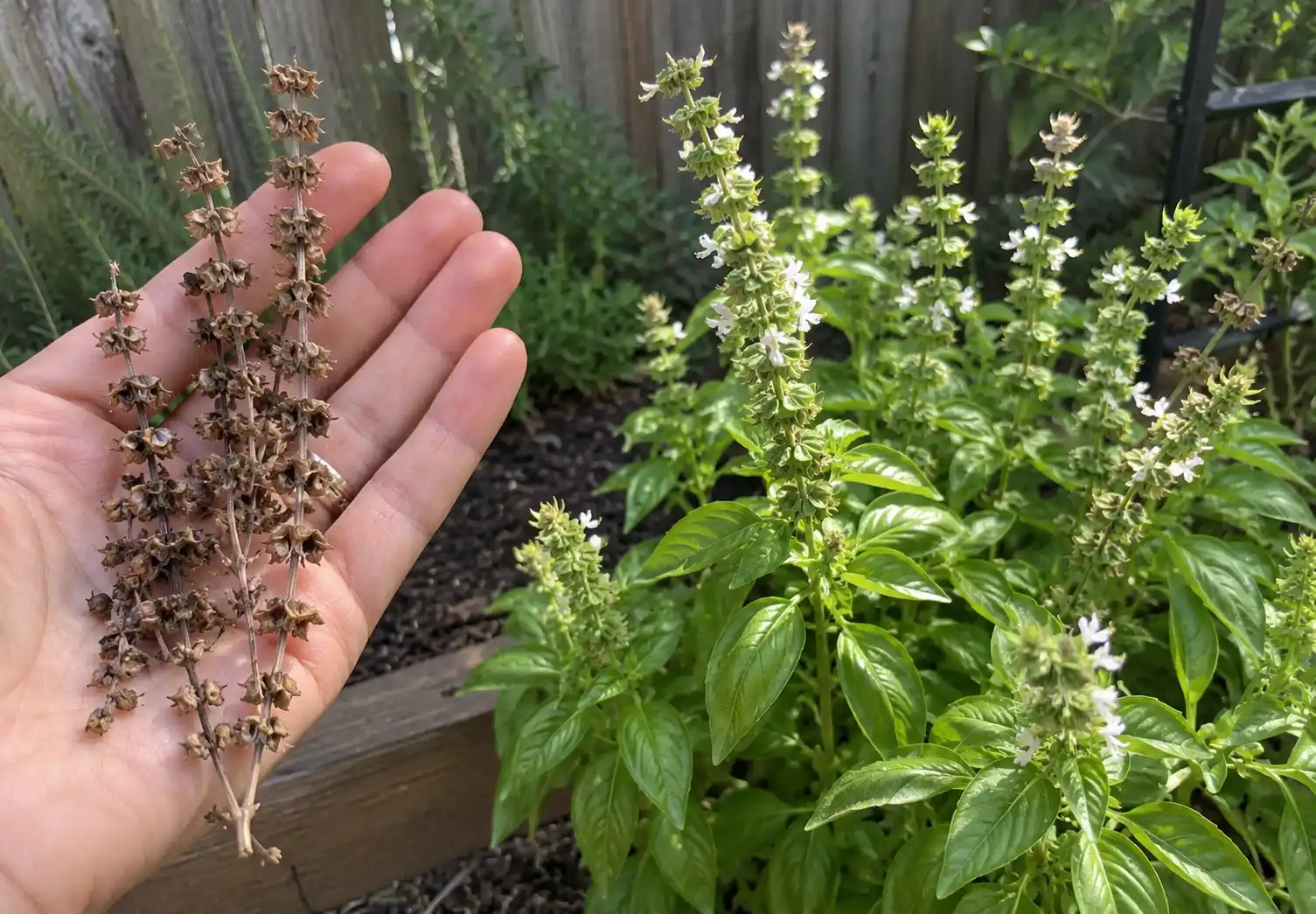
Basil seeds, often referred to as sabja or tukmaria, come from sweet basil. Though tiny, they hold an exceptional nutritional Read more

Risks Associated with Using Boiling Water in Plumbing Premature Deterioration of Materials Frequently pouring boiling water down your sink can Read more

The Dog's Nose: A True Superpower It is well known that dogs possess an extraordinary sense of smell. Yet the Read more

Guava is often hailed as a superfruit, but did you know that its leaves also pack an extraordinary punch in Read more

Pigweed, also known as amaranth, is a leafy green plant that has been cherished in various cultures for its nutrient-rich Read more
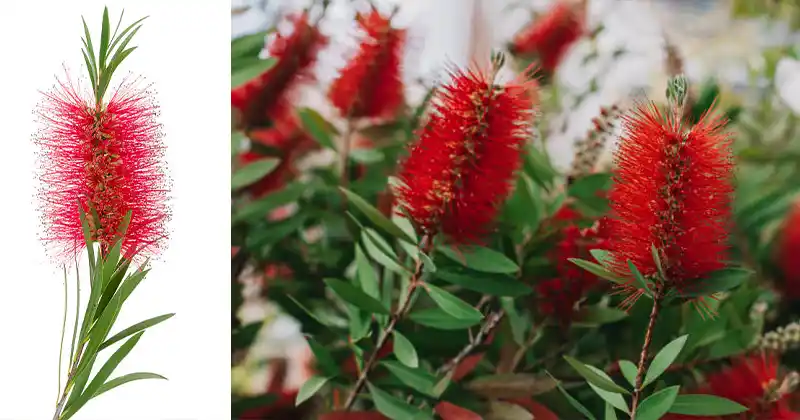
The Hidden Power of Bottlebrush: 15 Benefits and Easy Homemade Uses Nature often hides extraordinary healing power in plain sight—and Read more

Many families choose to place their washing machine in the bathroom to take advantage of the floor drain. However, it Read more

The Importance of Curtain Cleaning in Your Home Generally, when cleaning the house, after dusting the furniture, one often overlooks Read more

Cassava: An Essential Plant at the Heart of a Deadly Paradox Whether in the form of flour, tapioca pearls, or Read more

Sweet Violet (Viola odorata): 25 Incredible Benefits & How to Use It Sweet violet (Viola odorata), also known as wood Read more
