

Why Do We Consistently Wake Up at the Same Time During the Night?

Nighttime awakenings can stem from various causes: stress, difficult digestion, or even inadequate sleep hygiene. However, when these awakenings repeat regularly, it may be your body’s way of sending an important message.
Here are four conditions that could be the underlying cause of these interruptions during your sleep.
Four Often Underestimated Conditions Linked to Nighttime Awakenings
1. Cardiovascular Disorders: When Your Heart Sounds the Alarm

The connection between heart diseases and sleep disturbances is widely recognized. If you frequently wake up feeling chest tightness, palpitations, or difficulty breathing, this may serve as an early warning of hypertension or a cardiovascular condition.
Why Does This Happen?
During the night, the body is supposed to rest. If your heart struggles to maintain effective blood circulation, it may trigger awakening to draw your attention to this dysfunction.
What to Watch Closely:
If these recurrent symptoms occur, it is strongly recommended to consult a healthcare professional promptly.
2. Liver Dysfunction: A Liver’s Warning Signal

According to traditional Chinese medicine, waking between 1 and 3 a.m. could indicate an overloaded liver. This vital organ primarily works at night to detoxify the body.
Possible Causes:
Excessive consumption of fatty foods, overindulgence in alcohol, and diseases like hepatic steatosis—commonly referred to as “fatty liver”—can all contribute to this overload.
Symptoms to Consider:
Persistent fatigue, bloating, headaches, or difficulty digesting food may reveal a burdened liver.
3. Stress and Mental Disorders: Anxiety Disturbing Your Sleep

Anxiety and depression are common causes of nighttime awakenings. Chronic stress leads to excessive production of cortisol, the stress hormone, keeping the brain in a constant state of alert. This can profoundly disrupt sleep by making it difficult to fall asleep and causing repeated awakenings.
Warning Signs:
- Sudden awakening with a sense of panic
- Accelerated heart rate
- Difficulty falling back asleep
How to Act?
Incorporating relaxation techniques before bedtime can greatly help:
- Meditation
- Deep breathing exercises
- Writing in a journal to soothe the mind
4. Glycemic Imbalance: A Lack of Energy That Pulls You From Sleep

Diabetes or significant fluctuations in blood glucose levels can cause sudden awakenings in the middle of the night.
Underlying Cause:
Nocturnal hypoglycemia sends an alert signal to the body, waking you up to demand energy intake.
Associated Symptoms:
- Night sweats
- Palpitations
- Strong hunger upon waking
What Solution Should You Choose?
It is advisable to adjust your diet by limiting overly sugary meals in the evening and favoring the consumption of proteins and fibers to stabilize blood sugar levels.
What to Do If You Wake Up Every Night at the Same Hour?

Regularly waking at 3 or 4 a.m. should not be taken lightly.
- Closely observe your symptoms: Are you also experiencing palpitations, fatigue, anxiety, or bloating?
- Adjust your diet: Avoid alcohol and excessive sugar before sleep.
- Manage your stress: Reduce screen time and practice relaxation techniques.
- Consult a doctor: If these awakenings persist and come with other symptoms, a medical evaluation is necessary.
Conclusion: A Bodily Signal Never to Be Ignored
Frequent awakenings at the same time each night might seem inconsequential, yet when this becomes a recurrent habit, it can signal significant underlying health issues.
Whether it involves a cardiac, hepatic, mental problem, or glycemic imbalance, these nocturnal awakenings deserve serious attention.
Learning to listen to your body and adopting healthy lifestyle habits can truly make a difference in reclaiming peaceful sleep and preserving your long-term health.

The Amazing Benefits of Sumac and How to Use It Sumac is more than just a flavorful spice—it’s a powerful Read more
The Hidden Power of Bottlebrush: 15 Benefits and Easy Homemade Uses Nature often hides extraordinary healing power in plain sight—and Read more
Grape Hyacinth (Muscari): A Beautiful Flower You Can Eat – But Only If You Know Which One The grape hyacinth, Read more

Inheritance in France: A Protected Share, Untouchable Even in Cases of Conflict In France, there is a fundamental legal principle Read more
Unlocking the Garden Potential of Eggshells: 10 Innovative Applications Eggshells, often seen as fragile protectors of eggs, are also a Read more

How can a simple homemade mixture really help make your teeth whiter? Here is the secret that has already captivated Read more

The Importance of Curtain Cleaning in Your Home Generally, when cleaning the house, after dusting the furniture, one often overlooks Read more

Cleaning Grease Off Kitchen Wooden Cabinets: Effective Techniques Removing dirt and embedded grease stains from kitchen wooden cabinets isn't always Read more

How to Clean Bathroom Tiles Quickly and Effectively Cleaning bathroom tiles is a task we all love to postpone. It Read more
Thyme is known by some as the “enemy of toxins,” and it has been part of stories since ancient Greece. Read more
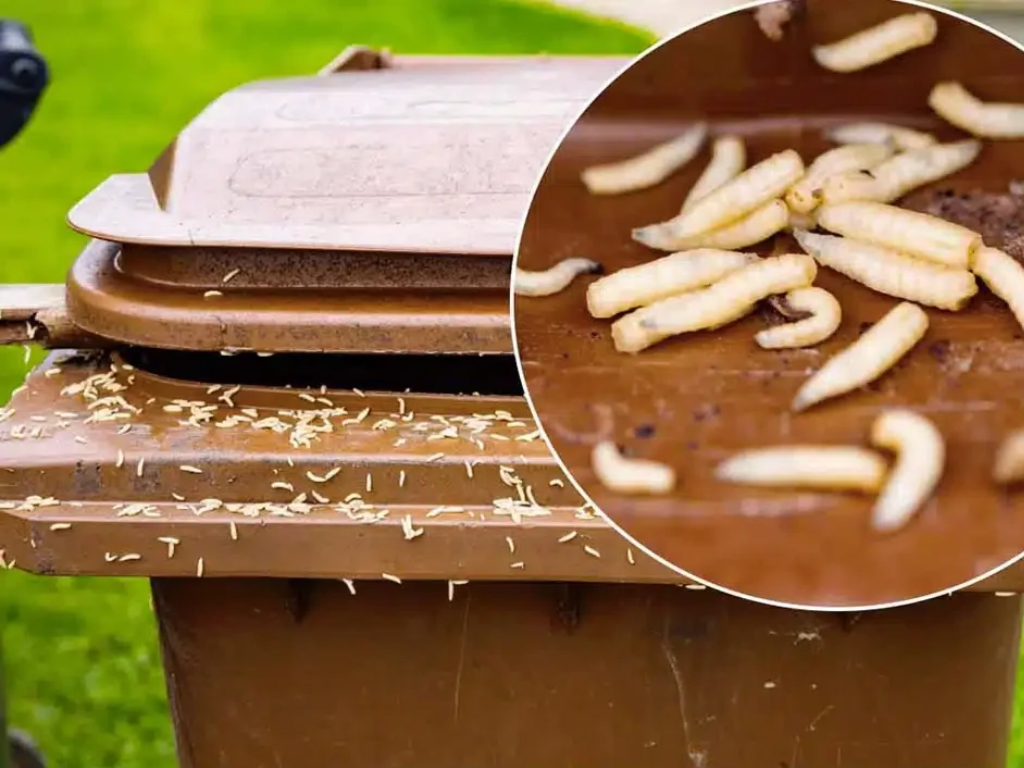
Effective Methods to Eliminate Maggots and Prevent Their Return Vinegar: An Essential Natural Repellent To quickly rid yourself of maggots, Read more

Highland flowers, often found in remote, elevated regions, are more than just a visual delight. These resilient blooms, thriving in Read more

Understanding, anticipating, and supporting your dog through every stage of their life is essential to providing them with the best Read more

Lina’s room remains untouched by time, as if she had just left yesterday: colored pencils scattered across the desk, an Read more

Mullein (Verbascum thapsus), a tall, woolly plant often seen growing along roadsides and in open fields, has been treasured for Read more

How to Clean a Glass Shower Door Naturally and Keep It Shining Longer Several areas of the bathroom are exposed Read more

When Affection Triumphs Over Blood Ties Sharaine and Wilson Caraballo, warm-hearted parents of a large family with five children, opened Read more

How to Detect Drafts Around Your Windows? Before making any adjustments, it is essential to confirm that your windows are Read more

A Visual Challenge That Sparks Thought This type of visual puzzle captivates through its dual effect: it sharpens observational skills, Read more

A Heartbreaking Message Lilo, a gentle and affectionate dog, was found wandering with a leash around her neck and a Read more
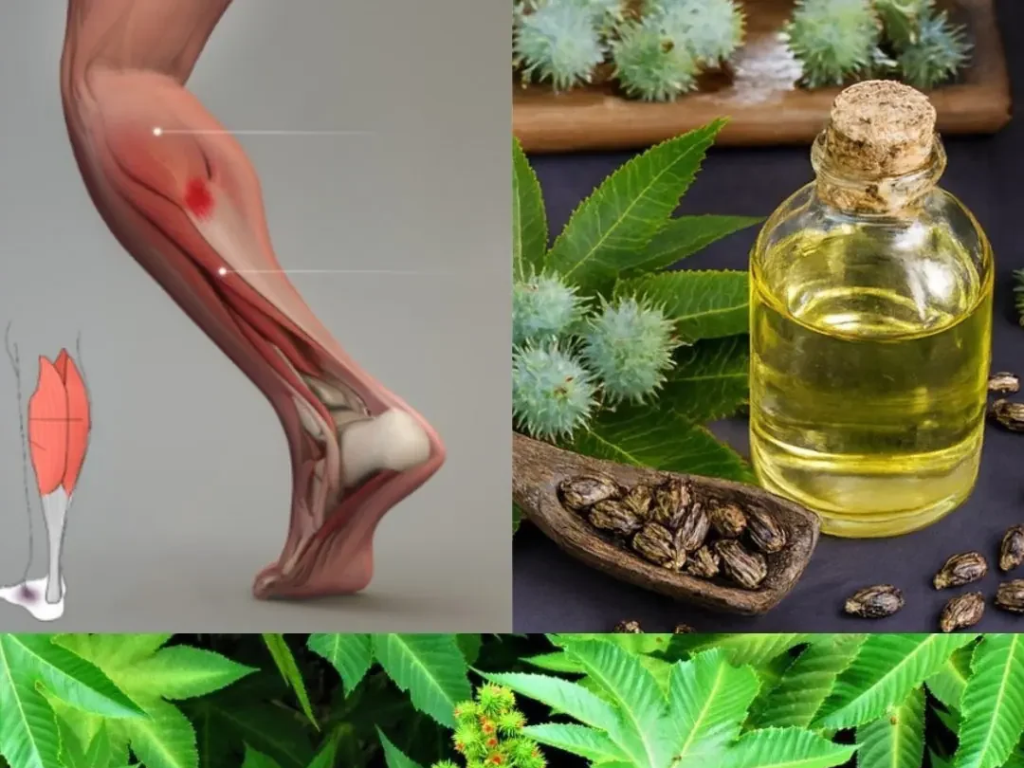
Castor Leaves: A Natural Treasure to Rediscover Used for centuries in traditional medicines around the world, castor leaves are experiencing Read more

The Benefits of Combining Eggs and Coffee: A Nutritious and Energizing Pair When it comes to starting your day right, Read more

Risks Associated with Using Boiling Water in Plumbing Premature Deterioration of Materials Frequently pouring boiling water down your sink can Read more
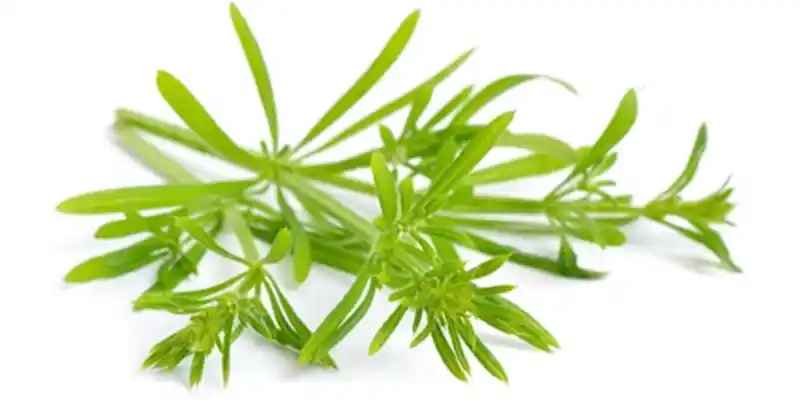
Cleavers (Galium aparine): The Herbal Remedy for Detox and Lymphatic Health Cleavers, also known as Galium aparine, is a humble Read more

A True Nutritional Treasure in Every Bite Beef tongue stands out primarily for its remarkable nutritional richness. It is an Read more

A Quiet and Efficient Predator in Your Home The domestic house centipede (Scutigera coleoptrata) is often regarded as a frightening Read more

What Is the Purpose of the Overflow Hole in a Sink? The small, often overlooked hole located near the edge Read more

Lactuca serriola, commonly known as prickly lettuce, is a plant that often goes unnoticed, dismissed as a mere weed. However, Read more

Perfumed Tissues: An Easy DIY Technique The Joy of Scented Tissues: Paper tissues are handy in daily life. While some Read more
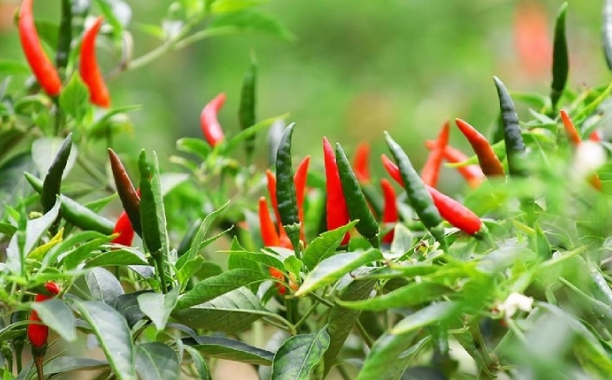
Discover the Untapped Potential of Chili Pepper Leaves: Nutritional Powerhouse for Your Health and Kitchen When you think of chili Read more

Why Is a Temperature of 40°C Not Enough to Effectively Eliminate Bacteria? Many people consider 40°C to be a balanced Read more

Shepherd’s Purse (Capsella bursa-pastoris): A Medicinal Herb with Powerful Benefits Shepherd’s Purse, known botanically as Capsella bursa-pastoris, is a small, Read more

The Secret Language of Burglars: A Discreet Warning Signal Burglars use an actual coding system to identify their targets. They Read more

Mimosa Pudica, commonly known as the “Sensitive Plant” or “Touch-Me-Not,” is famous for its unique reaction to touch—its leaves fold Read more

Guava is often hailed as a superfruit, but did you know that its leaves also pack an extraordinary punch in Read more

Unveiling the Secrets of Burning Bay Leaves in Your Home The age-old tradition of burning bay leaves, once prevalent in Read more

In the realm of gardening, we often stick to traditional methods like basking in sunlight, diligent watering, and soil enriched Read more

How to Make Powerful Super Glue from Styrofoam: The Hidden Chemistry Behind This Viral Trick In a world where DIY Read more

Cultivating veggies and herbs indoors is more than just a productive task; it's a delightful and aesthetic journey. The magic Read more

How to Detect Hidden Cameras in a Hotel Room? Hidden cameras can be disguised within seemingly harmless objects, including hotel Read more
