

Understanding, anticipating, and supporting your dog through every stage of their life is essential to providing them with the best possible existence.
Does a Dog’s Size Really Influence Its Lifespan?

In the animal kingdom, larger species generally tend to have longer lifespans. Yet, when it comes to dogs, the opposite is often true! On average, smaller breeds tend to live longer than their larger counterparts. Researchers remain divided over the precise reasons, but it appears that large dogs age faster and are more susceptible to age-related diseases.
Small breeds: between 12 and 18 years, or even more
Medium size: around 10 to 13 years
Large breeds: typically between 8 and 12 years
The 10 Dog Breeds That Live the Longest

Certain breeds clearly stand out in terms of longevity. Here are those that rank among the longest-lived:
Chihuahua: 14 to 20 years
Yorkshire Terrier: 16 to 20 years
Dachshund: 14 to 20 years
Toy Poodle: 14 to 20 years
Cockapoo (Cocker/Poodle mix): 12 to 18 years
Jack Russell Terrier: 13 to 16 years
Lhasa Apso: 14 to 20 years
Pomeranian: 12 to 16 years
Scottish Collie: 12 to 16 years
Havanese: 14 to 16 years
Breeds with a Shorter Lifespan: Attention Required
Some breeds, often larger in stature, have a shorter expected lifespan and deserve particular care and vigilance:
Dogue de Bordeaux: 5 to 8 years
Great Dane: 6 to 8 years
Bernese Mountain Dog: 6 to 8 years
Irish Wolfhound: 6 to 10 years
Saint Bernard: 8 to 10 years
Neapolitan Mastiff: 7 to 9 years
Newfoundland: 8 to 10 years
This does not mean they cannot lead a happy and healthy life. However, it is important to be well-prepared for these realities and to provide them with a suitable and nurturing living environment.
Four Keys to Ensuring Your Dog a Long and Fulfilling Life

Tailored Physical Activity

All dogs need exercise, but not all in the same way. For example, a Border Collie will burn much more energy than a French Bulldog. Daily outings, appropriate games, off-leash walks in secure areas… physical activity is essential for their balance, just as it is for us.
Balanced and Appropriate Nutrition

Health also depends on good nutrition. Whether your dog eats kibble, canned food, or homemade meals, it is essential to provide them with:
High-quality proteins
Essential vitamins and minerals
Balanced portions to avoid overweight
Overweight remains one of the major enemies of canine lifespan.
Regular and Rigorous Veterinary Follow-up

An annual check-up can prevent many health problems. Vaccinations, parasite treatments, dental checks, weight monitoring, early disease detection: prevention is always better than cure. Some breeds require even more vigilance, especially as they age.
Hygiene and a Healthy Environment

Regularly brushing their coat, rinsing their paws after walks, cleaning ears and teeth… these small daily habits help avoid many problems. Also remember to frequently clean bowls, toys, and bedding to maintain a clean and healthy living environment.
Recognizing the Signs of Aging in Your Dog

Just like humans, your dog’s body changes with time. Here are some common signs indicating they are aging:
Decline in vision, cloudier eyes
Difficulty getting up or climbing stairs
Less enthusiasm for playing or going out
Deeper and longer sleep
More frequent urination
Fatty lumps under the skin (lipomas, generally benign)
Being attentive to these changes allows you to adjust care, diet, and outings to maintain your companion’s comfort for as long as possible.
Mixed Breeds or Purebred: A Notable Difference in Lifespan
Dogs from mixed breeds often live longer than purebred dogs. Why? Greater genetic diversity reduces the risk of hereditary diseases. This natural advantage of their “mix” protects them from certain vulnerabilities.
In Summary: Your Attention Is the Best Guarantee of Their Longevity
No matter how many years life offers you with your dog, you hold the keys to making their life longer and more enjoyable. Healthy nutrition, daily love, and regular care make up a winning trio.
And you, what breed is your dog? Share it in the comments or share this article with your fellow animal enthusiasts!
Effective Methods to Eliminate Maggots and Prevent Their Return Vinegar: An Essential Natural Repellent To quickly rid yourself of maggots, Read more
Warning: The information provided in this article is solely for educational and informational purposes. It is based on traditional herbal Read more

Before your next journey, it might be worth reexamining some of your packing habits. What a luggage professional has revealed Read more
The Hidden Power of Pomegranate Peel: 10 Health Benefits and How to Use It Pomegranate is often celebrated for its Read more

Cultivating veggies and herbs indoors is more than just a productive task; it's a delightful and aesthetic journey. The magic Read more

The Art of Container Flower Combinations Designing with flowers in pots is a delightful blend of horticulture and floral design. Read more

Ageratum conyzoides, commonly known as Billygoat Weed or Goatweed, is a flowering plant native to tropical regions of the Americas Read more

A Puzzle Deceptive in Its Simplicity When mentioning "2 mothers," "2 daughters," "1 grandmother," and "1 granddaughter," the immediate image Read more
Grape Hyacinth (Muscari): A Beautiful Flower You Can Eat – But Only If You Know Which One The grape hyacinth, Read more

Mimosa Pudica, commonly known as the “Sensitive Plant” or “Touch-Me-Not,” is famous for its unique reaction to touch—its leaves fold Read more
Ingenious Uses for Expired Cornstarch A Natural Cleaner for Windows and Surfaces Did you know that cornstarch can easily substitute Read more

Garlic's Aromatic Enigma: Its Transformation When Burnt The unmistakable scent of garlic is well-known in kitchens worldwide. Esteemed for its Read more

Tackling Dog Urine Odor: A Comprehensive Guide The joy of having a canine companion is undeniable, but alongside it come Read more

Clogged Shower Drain? Try Baking Soda! Experiencing a stagnant pool of water after a refreshing shower can be a mood Read more

Shepherd’s Purse (Capsella bursa-pastoris): A Medicinal Herb with Powerful Benefits Shepherd’s Purse, known botanically as Capsella bursa-pastoris, is a small, Read more
Garlic Mustard (Alliaria petiolata): 20 Surprising Benefits and Homemade Uses Garlic mustard (Alliaria petiolata) is often dismissed as a stubborn Read more
The Hidden Power of Bottlebrush: 15 Benefits and Easy Homemade Uses Nature often hides extraordinary healing power in plain sight—and Read more

The ingenuity of Swedish furniture design, particularly evident in the flat-pack phenomenon, has transformed how we furnish our homes with Read more
Restore the Shine to Your Dull Leather Whether it’s worn-out shoes, tired leather bags, or a sofa that has lost Read more

How to Detect Drafts Around Your Windows? Before making any adjustments, it is essential to confirm that your windows are Read more
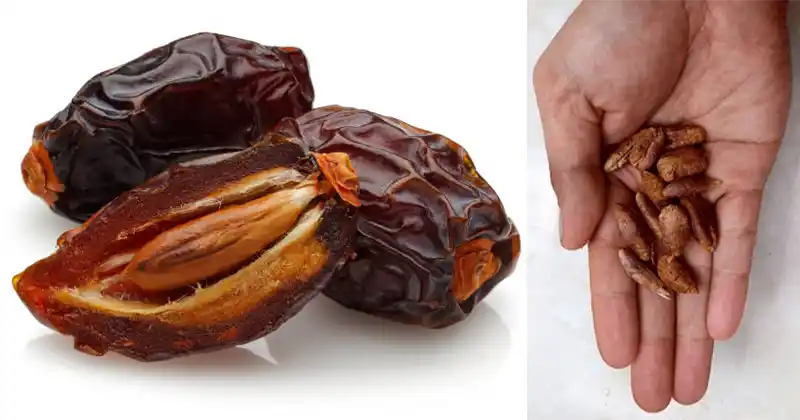
When you sink your teeth into a soft, caramel-sweet date, the last thing on your mind is usually the tough Read more

Sweet Violet (Viola odorata): 25 Incredible Benefits & How to Use It Sweet violet (Viola odorata), also known as wood Read more
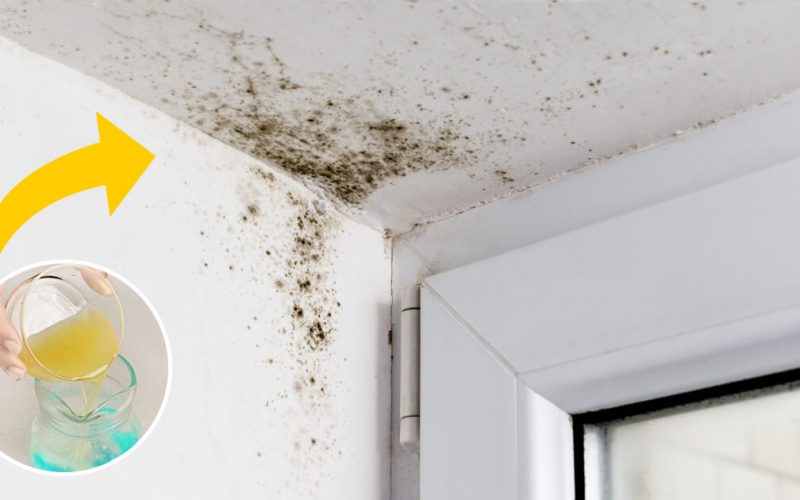
Often, due to poor ventilation or certain climatic conditions, dreaded mold can develop on the walls of our homes. In Read more

Datura stramonium, commonly known as Jimson weed, thorn apple, or devil's trumpet, is a plant native to North America but Read more

Avocados are celebrated for their creamy texture, rich flavor, and numerous health benefits. While typically enjoyed raw, grilling avocados introduces Read more

Euphorbia hirta, commonly known as the “Asthma-plant,” is a medicinal herb renowned in traditional medicine for its diverse health benefits, Read more
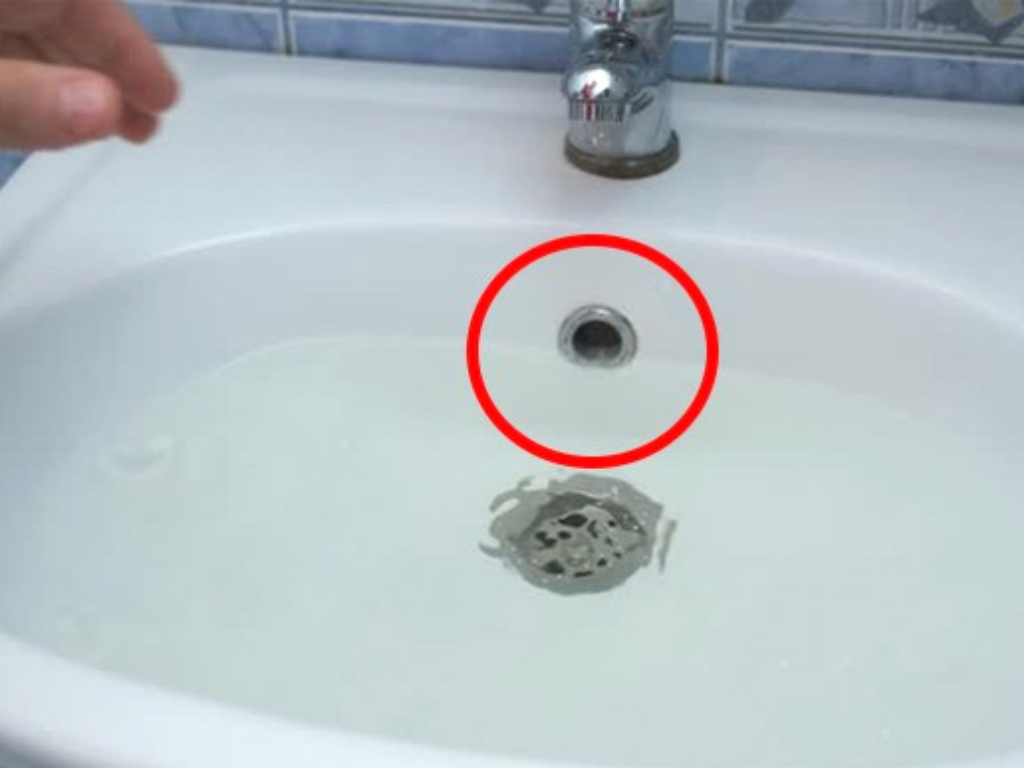
What Is the Purpose of the Overflow Hole in a Sink? The small, often overlooked hole located near the edge Read more

Eager to master the art of nurturing a Peace Lily? Known scientifically as Spathiphyllum Wallisii, this enchanting plant is often Read more

Unwanted Houseguest: The Fly The fly is arguably the most disliked insect on Earth, primarily due to its bothersome traits. Read more

Dented Car Body: How to Fix It Yourself Over time, the body of your car can endure a lot. From Read more

A Fully Integrated Member of Its Tribe Social relationships hold a significant place in the life of a cat. When Read more
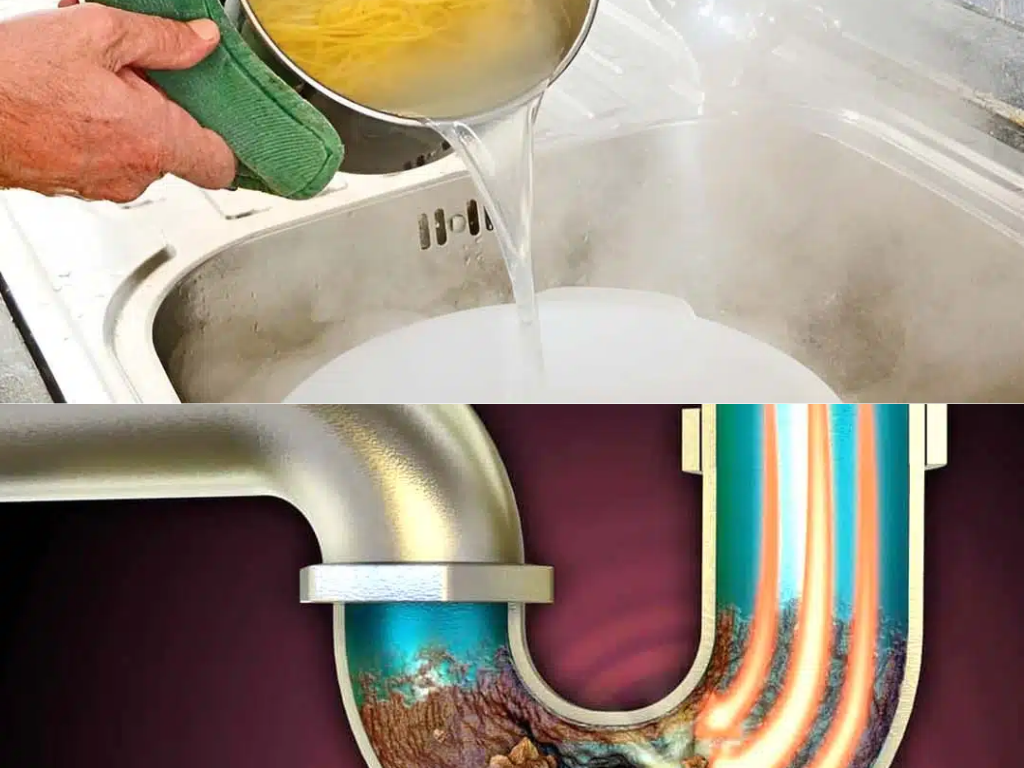
Risks Associated with Using Boiling Water in Plumbing Premature Deterioration of Materials Frequently pouring boiling water down your sink can Read more

Lactuca serriola, commonly known as prickly lettuce, is a plant that often goes unnoticed, dismissed as a mere weed. However, Read more
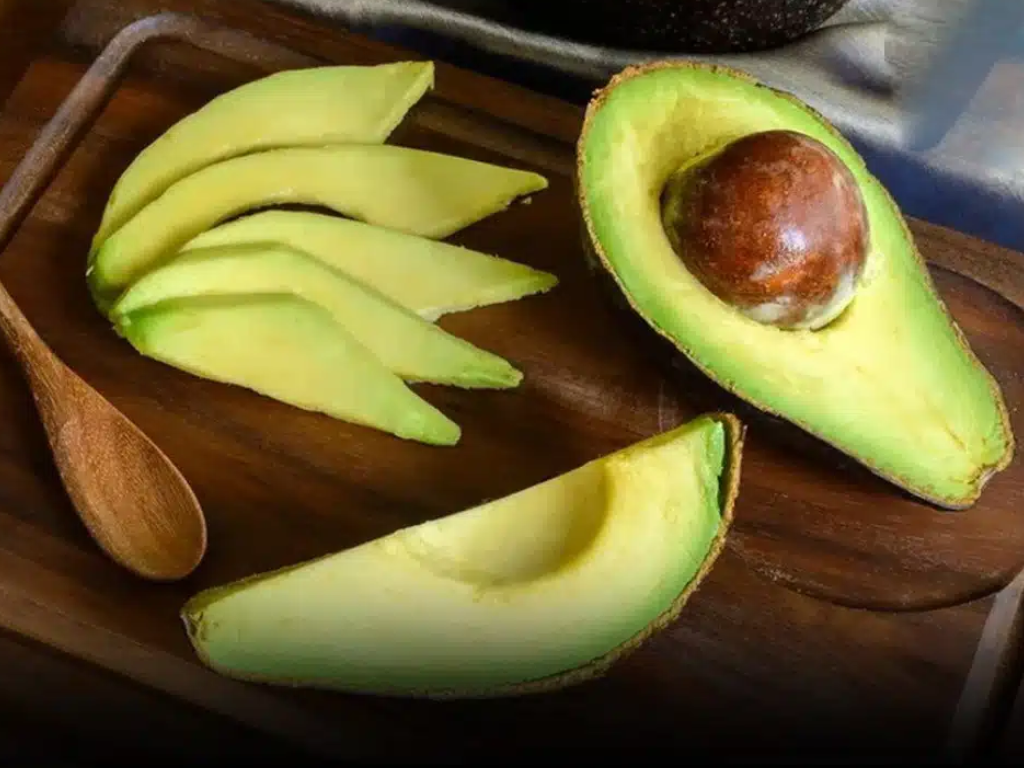
Individuals with Allergies or Sensitivities If you suffer from allergies, it is important to be cautious with avocado! This fruit Read more

When Affection Triumphs Over Blood Ties Sharaine and Wilson Caraballo, warm-hearted parents of a large family with five children, opened Read more

Red Clover: 15 Amazing Benefits and How to Use This Healing Herb Red clover (Trifolium pratense) is more than just Read more

Who among us would like to live in a stifled and dirty home, where unpleasant cooking odors and impurities invade Read more

How to Detect Hidden Cameras in a Hotel Room? Hidden cameras can be disguised within seemingly harmless objects, including hotel Read more

The Spool of Thread: A Silent Relic of a Bygone Era Let us take a moment to journey back to Read more

Mullein (Verbascum thapsus), a tall, woolly plant often seen growing along roadsides and in open fields, has been treasured for Read more
