
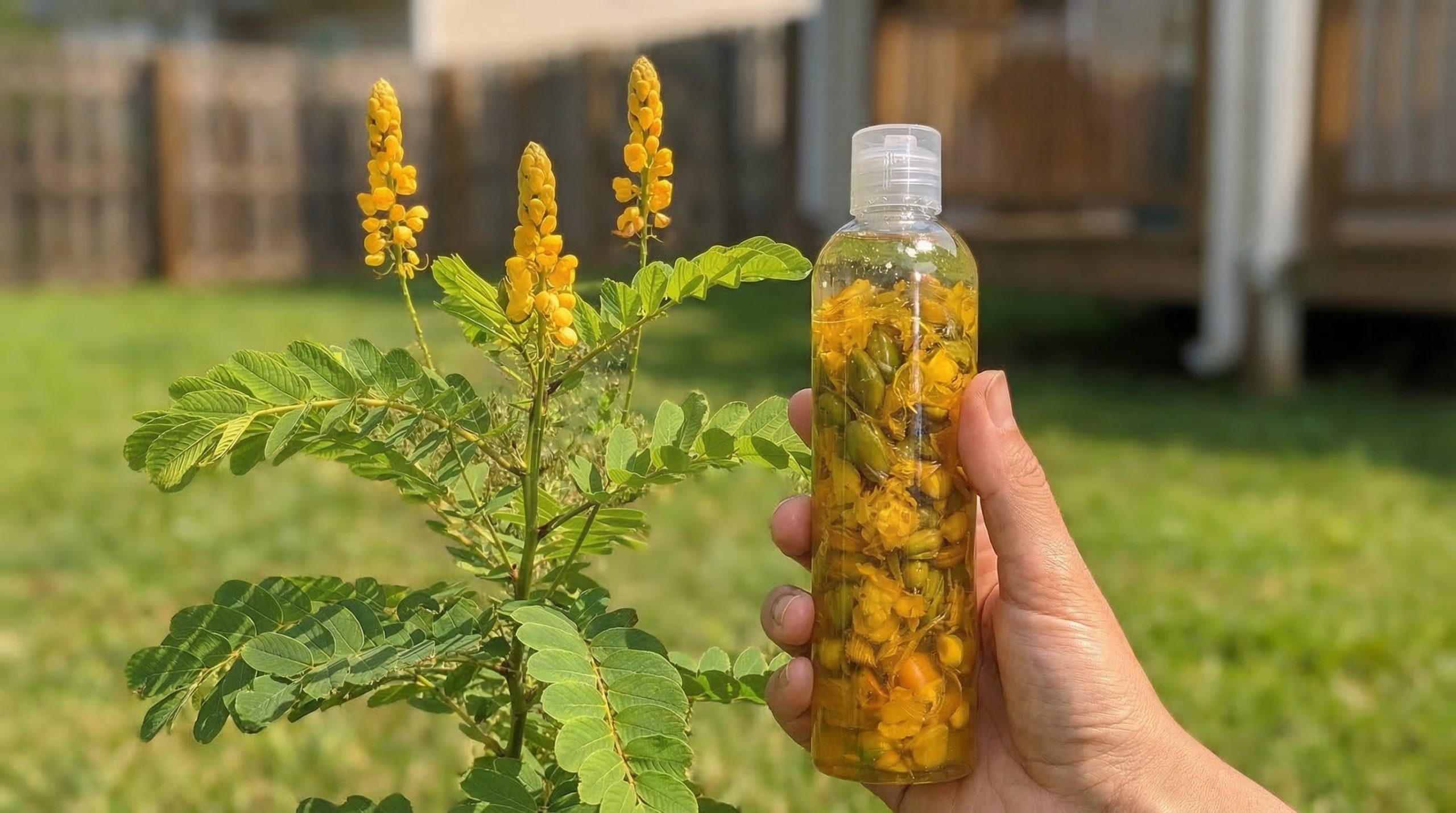
Senna alata, widely known as the Candle Bush, Ringworm Bush, or Empress Candle Plant, is a visually captivating tropical shrub famous for its tall spikes adorned with vivid yellow flowers. Beyond its ornamental appeal, this plant has been highly regarded in traditional medicine for its exceptional ability to aid skin health and fight fungal infections effectively.
For countless centuries, communities spanning Africa, Asia, and South America have depended on Senna alata as a natural remedy to alleviate skin irritations, inflammation, and various infections. The renewed modern interest in herbal medicine has brought this plant back into the spotlight, celebrated for offering potent yet natural healing solutions that are easy to prepare and utilize in the comfort of home.
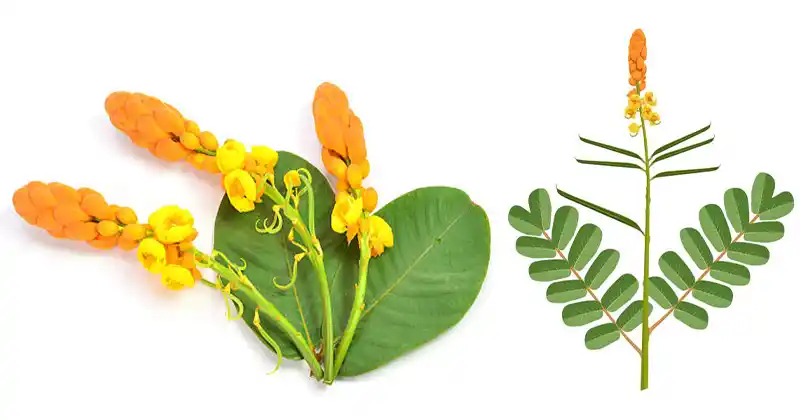
The Antifungal Power of Senna Alata
The most acclaimed advantage of Senna alata lies in its powerful antifungal properties. Its leaves harbor natural compounds like chrysophanol and aloe-emodin, which actively inhibit fungal growth and help restore balance to the skin areas affected by fungal infections.
Common Skin Conditions It May Help With
Ringworm infections are some of the most frequent skin issues treated with this plant. Traditional herbalists often prepare fresh leaf applications that diminish fungal spread and soothe irritation effectively.
Eczema-like skin inflammations are another condition that may benefit from topical use of this plant, owing to its calming and antimicrobial properties that help reduce flare-ups.
Tinea versicolor, a fungal condition resulting in patches of discolored skin, is also frequently managed using Senna alata preparations in traditional healing practices.
Dandruff caused by fungal imbalances on the scalp could see improvement when this plant’s extracts are used as a rinsing treatment.
Minor skin infections, redness, and itching may be alleviated due to the plant’s inherent anti-inflammatory compounds, offering gentle relief.
Since its active ingredients function similarly to mild antifungal creams, many people prefer Senna alata as a gentle, natural alternative to synthetic medications for treating common fungal skin issues.
Additional Benefits of Senna Alata
Supports Natural Wound Healing
The antimicrobial qualities of Senna alata assist in keeping minor skin wounds free from harmful bacteria, which can promote quicker healing and reduce the risk of infection.
Natural Anti-Inflammatory Effects
Preparations made from the leaves, when applied topically, have the potential to reduce swelling, redness, and discomfort caused by rashes or insect bites, thus offering soothing relief.
Traditional Digestive Support
In small doses, this plant has traditionally been brewed as a mild herbal tea known to support digestion and help ease occasional constipation due to its gentle laxative effect.
Scalp and Hair Care
When used on the scalp in the form of rinses or pastes, Senna alata can help alleviate dandruff resulting from fungal imbalance and restore comfort to irritated scalp skin.
Natural Skin Cleansing
Extracts and preparations from the leaves are also used to cleanse the skin by removing impurities and maintaining a healthier skin environment, thus promoting overall skin wellness.
How to Use Senna Alata at Home
There are several straightforward ways to safely and effectively use Senna alata for skin care and general wellness at home.
Fresh Leaf Paste
This method is a traditional and widely used remedy for fungal infections including ringworm or itchy skin patches.
Begin by thoroughly washing fresh leaves, then crush them into a dense green paste. If needed, add a few drops of water or coconut oil to adjust the consistency to your liking.
Apply this paste directly onto the affected skin areas and leave it on for about 20 to 30 minutes before rinsing gently with warm water. This treatment can be repeated once or twice daily until noticeable improvement occurs.

Herbal Ointment
An herbal ointment or infused oil made from Senna alata leaves offers prolonged relief from dry, itchy, or irritated skin conditions.
Chop fresh leaves and gently heat them in coconut oil or shea butter for approximately 10 to 15 minutes over low heat. Once the mixture cools down, strain it and store in a clean container for regular use.
This ointment can be applied multiple times throughout the day to provide continuous soothing effects on persistent skin irritations.
Herbal Bath
An herbal bath infusion made with Senna alata leaves can be very comforting and help relieve extensive itching or skin discomfort.
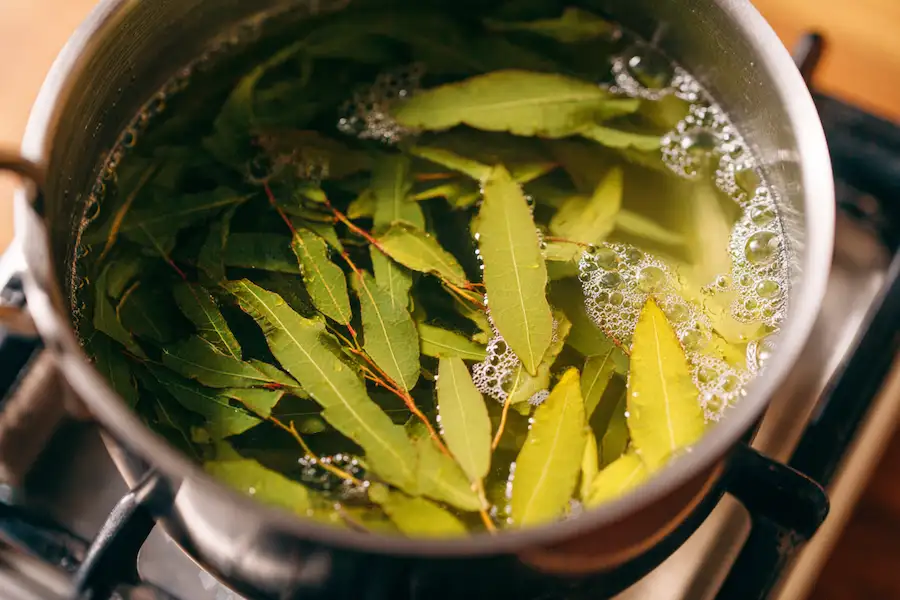
Boil two handfuls of leaves in water for about 10 minutes, then pour the strained liquid into your bathwater. Soak in this soothing bath for 15 to 20 minutes to experience relief and relaxation.
Scalp Rinse
This preparation is commonly utilized for fungal-related dandruff and scalp inflammations.
Boil the leaves in water and let the solution cool. After straining, pour the rinse slowly over your scalp following shampooing, allowing it to sit for a few minutes before rinsing off.
Mild Digestive Tea
In traditional herbal practice, small amounts of Senna alata leaves are brewed into a mild tea to assist digestive function.
Steep one or two small leaves in hot water for several minutes. Due to the plant’s natural laxative properties, this tea should only be consumed occasionally and in moderation.
Precautions
Although Senna alata has a well-documented history of safe traditional use, there are several important precautions to observe.
Do not apply the plant directly onto open wounds, as it can cause irritation or adverse effects in such cases.
Always conduct a patch test before using it extensively on the skin, especially if you have sensitive or allergy-prone skin.
Limit internal consumption, as the plant’s potent laxative effect can be too strong if overused.
Pregnant or breastfeeding women should avoid consuming this plant internally unless advised otherwise by a qualified healthcare provider.
If any irritation, allergic reaction, or worsening of symptoms occurs, discontinue use immediately and consult a medical professional.
Disclaimer
The information presented here is intended solely for educational purposes and is not a substitute for professional medical advice. While Senna alata enjoys widespread use in traditional medicine, individual reactions may vary considerably.
Always consult a qualified healthcare professional before beginning any herbal remedy, especially if you are pregnant, breastfeeding, currently taking medications, or managing a chronic health condition.
Final Thoughts
Senna alata stands as one of nature’s most effective herbal allies for enhancing skin health. Its natural antifungal and anti-inflammatory qualities provide valuable support in addressing common skin ailments with simple, homemade remedies.
From fresh leaf pastes to calming herbal baths, this extraordinary plant continues to offer accessible, time-honored treatments that promote wellness and skin vitality worldwide.
Snake plants (Dracaena trifasciata, formerly known as Sansevieria trifasciata) are renowned for their remarkable resilience. No matter if they receive Read more
Orchids, with over 28,000 unique species, provide a fascinating insight into the immense diversity found in nature. Originating from the Read more

In this exploration, we uncover eight homemade, natural solutions that act as effective rooting agents for plant propagation through cuttings. Read more
Growing new plants from root cuttings is like discovering a true shortcut in gardening. A single healthy parent plant can Read more
Growing Chayote from Supermarket Fruit: Abundant Harvests Made Easy If you've ever strolled through the produce aisle and spotted a Read more
The jade plant boasts stunning foliage, making it an excellent choice for enhancing both garden landscapes and indoor environments. Beyond Read more

If you don't often get the chance to rejuvenate in the midst of nature, there's an alternative: introducing plants to Read more
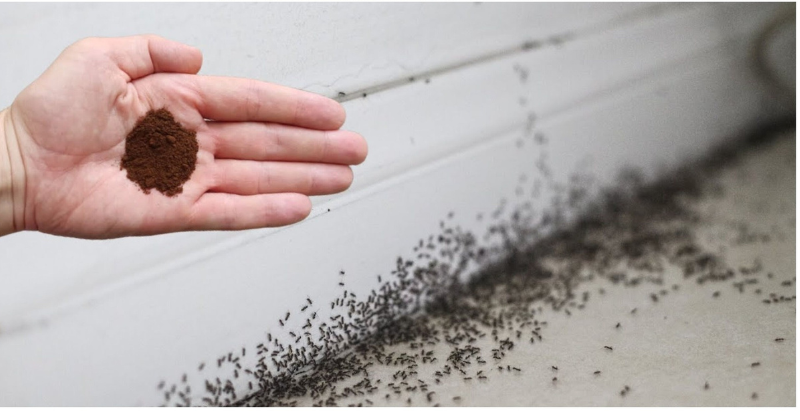
Quick Victory: The Ultimate Homemade Insecticide to Say Goodbye to Ants Have you ever encountered an invading army of ants Read more

Cultivating an Avocado Plant Indoors: A Step-by-Step Guide Nurturing an avocado seed into a blossoming plant within the confines of Read more

The Wonders of Blueberries: A Guide to Growing and Enjoying This Nutrient-Rich Fruit Mildly sweet, the blueberry is a dark Read more
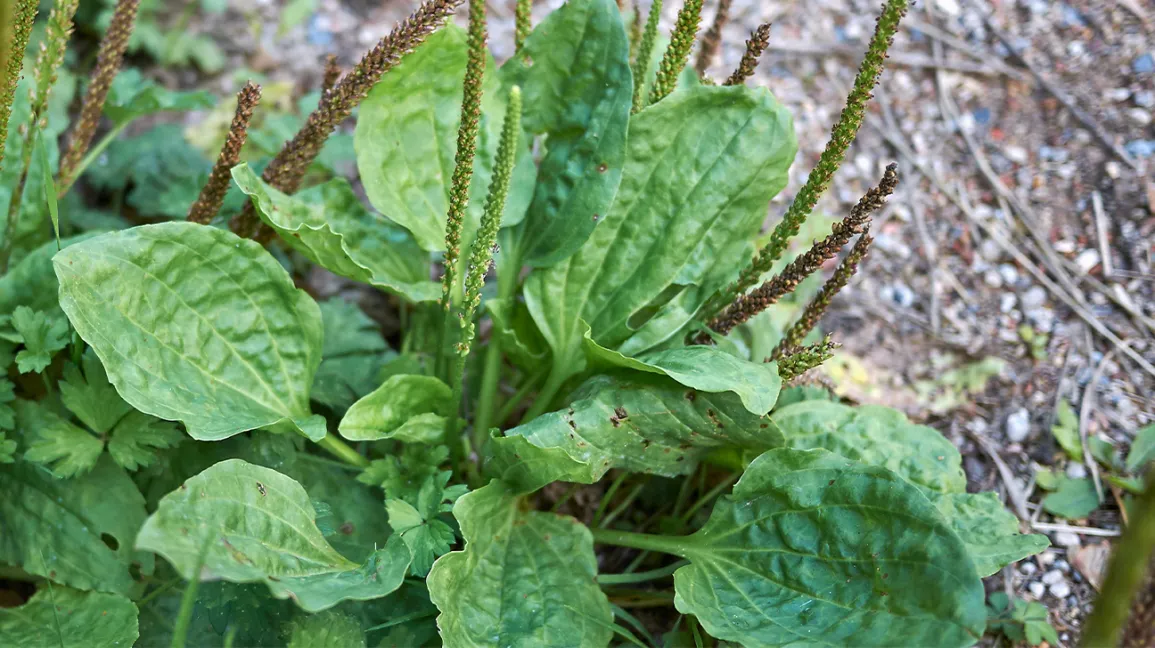
Nature provides us with countless remedies in the form of wild medicinal plants, surrounding us everywhere we go. These healing Read more
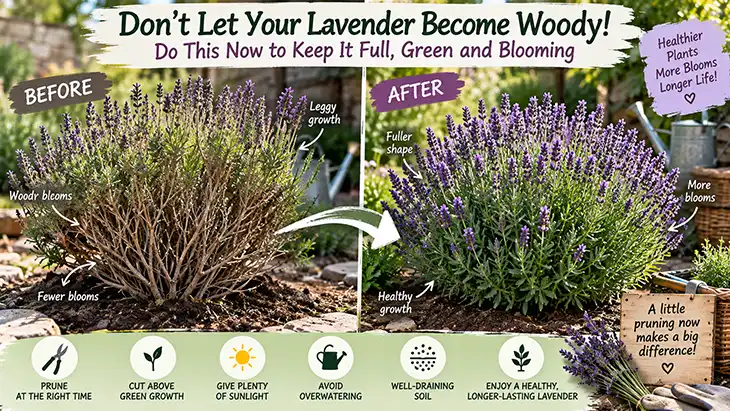
When lavender plants are young, they often present an almost perfect image: a compact shrub with silvery-green foliage, a delightful Read more

Transforming Garlic Peels into Gold for Gardeners: In the rhythm of kitchen prep, garlic peels are often discarded without a Read more
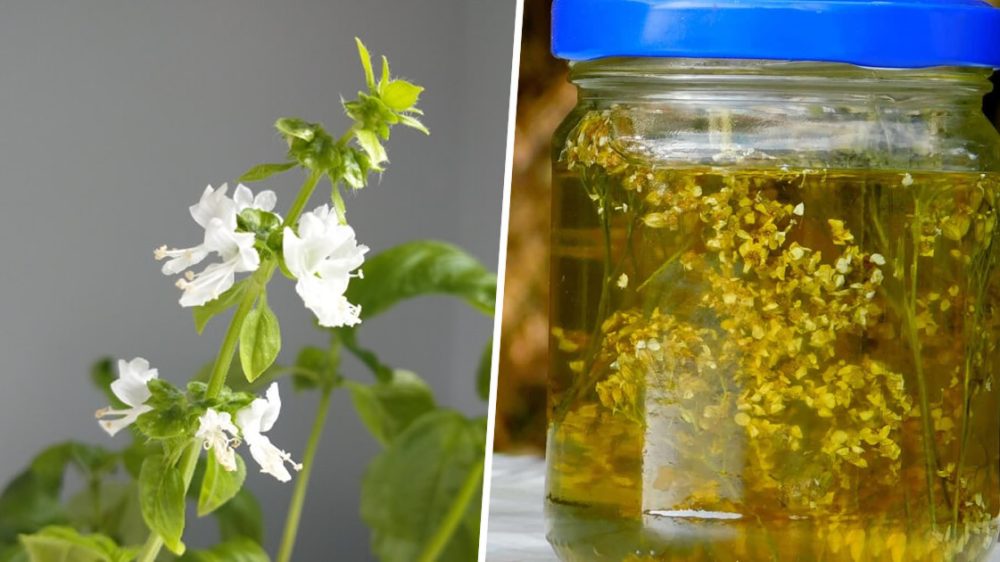
Basil, a cherished herb celebrated in culinary traditions around the globe, is best known for its fragrant leaves. Yet, its Read more

How to Reuse Barbecue Ashes After enjoying a barbecue outdoors on a sunny day, the tendency is often to discard Read more

Orchids, with a staggering 28,000 unique species, beautifully demonstrate nature's rich tapestry of diversity. Originating from the Orchidaceae lineage, these Read more

Understanding Fertilizers for Plants Fertilizer is a product that can be spread or mixed into the soil to provide plants Read more

Wild Medicinal Plants: Harnessing the Hidden Virtues of Earth’s Greenery In the wilderness of our environment—ranging from the expanse of Read more

Get a Head Start on Your Garden: Indoor Sowing for Colder Climates There's no need to wait for spring's embrace Read more
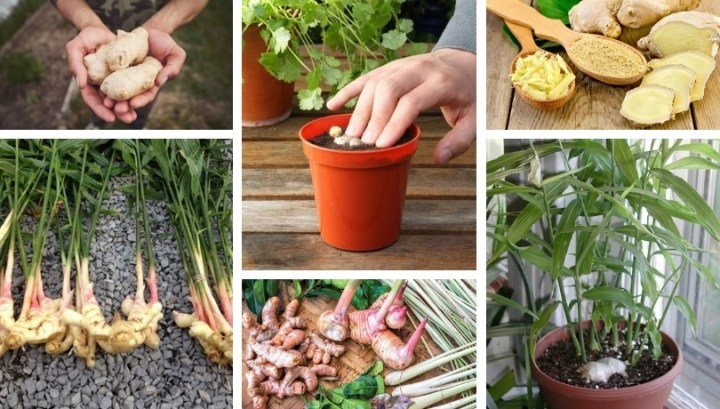
Ginger, renowned for its distinct flavor and numerous health advantages, is a fundamental ingredient in many culinary traditions around the Read more
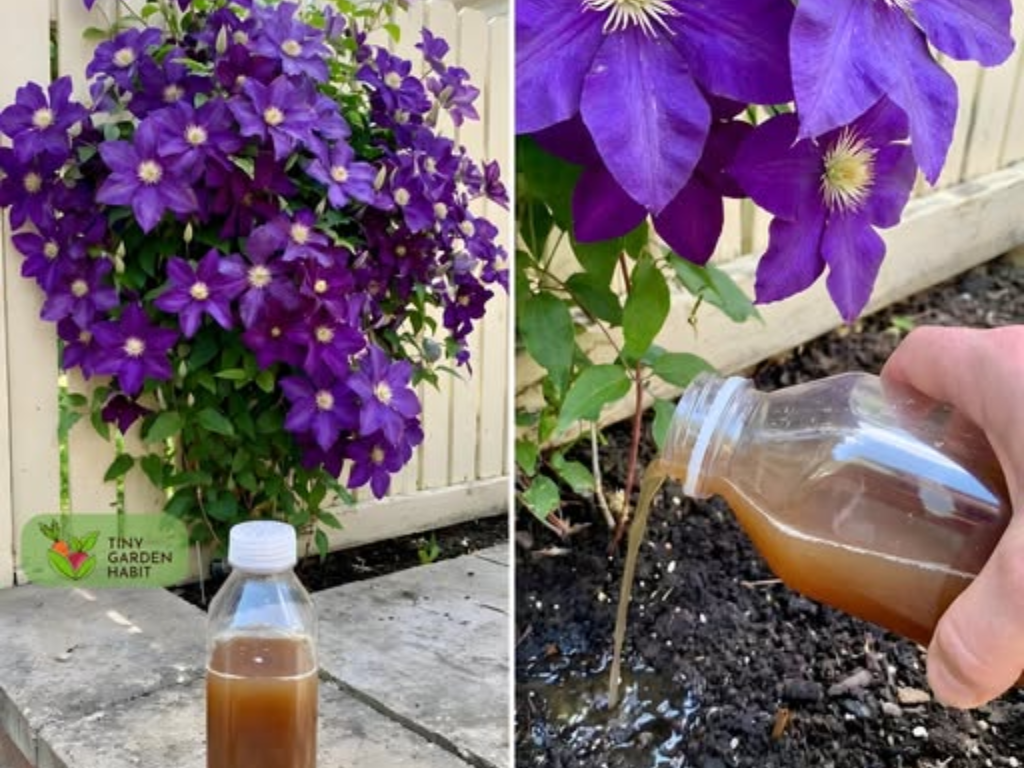
Clematis plants are fundamentally simple organisms, almost mechanical in nature, driven by basic principles of plant hydraulics and a kind Read more
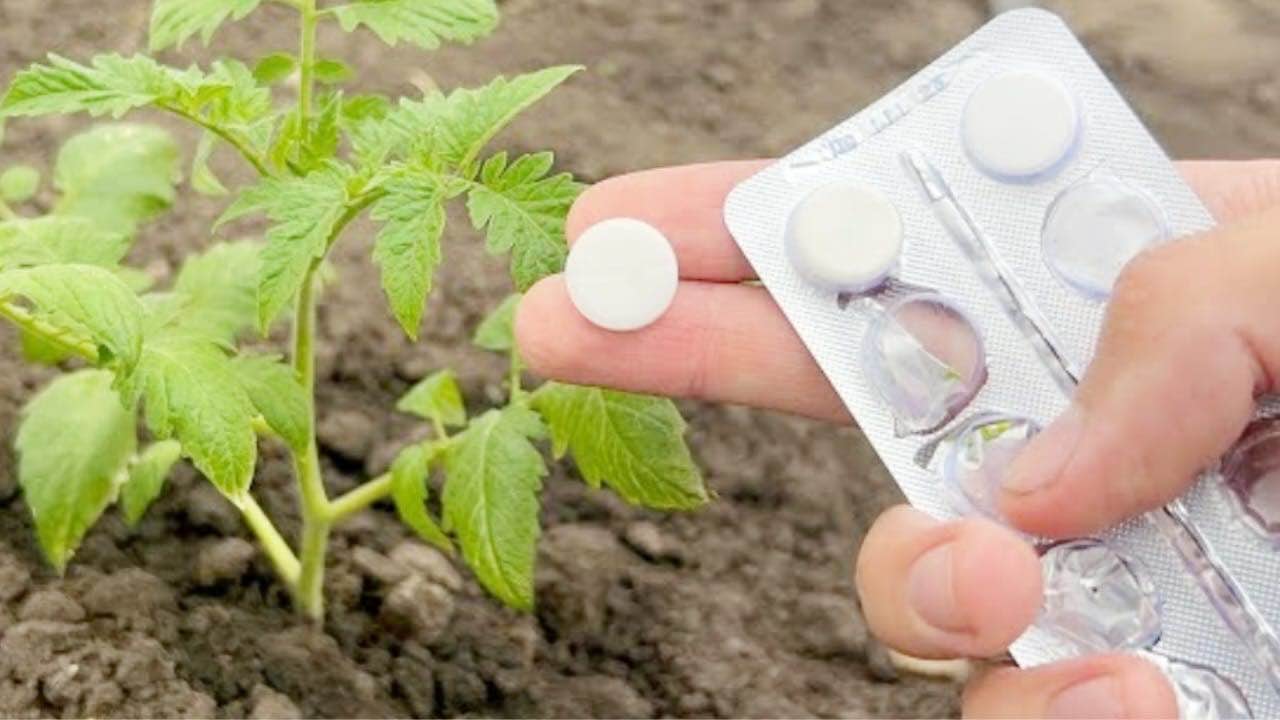
Have you ever noticed how a tomato freshly picked from your garden tastes far superior to one bought off a Read more

Cultivating Zucchini in Containers: A Comprehensive Guide Zucchini is a popular vegetable for gardening aficionados and novices alike. It's simple Read more
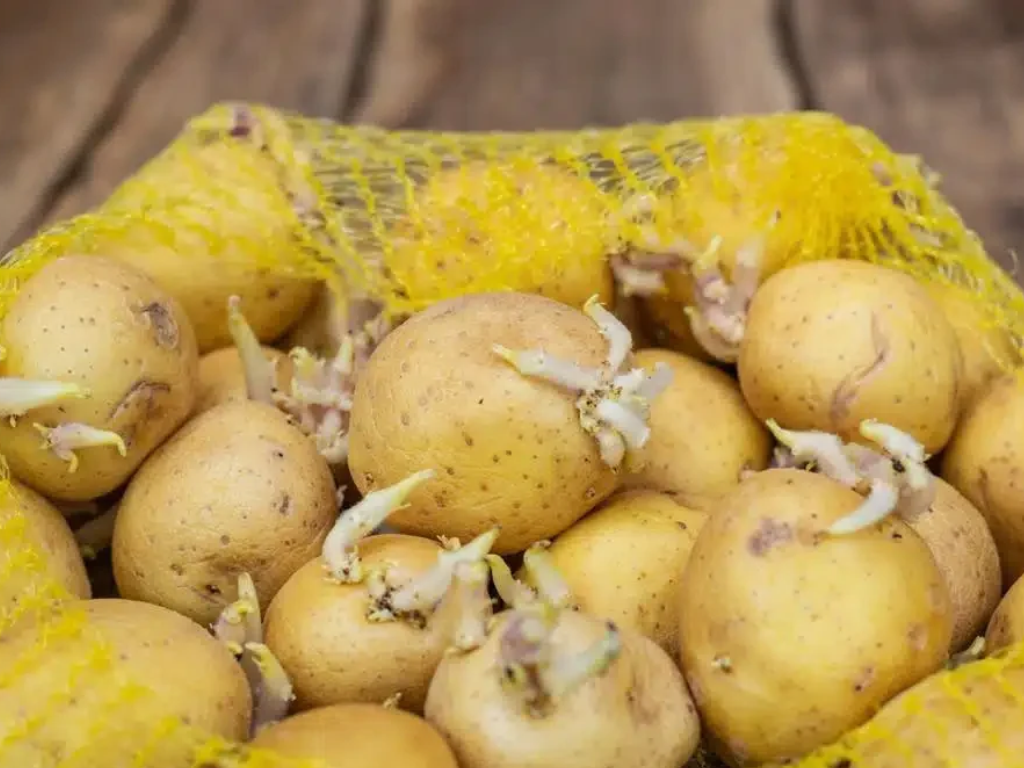
Three Little-Known Tips to Keep Your Potatoes in Perfect Condition Choosing the Right Location for Storage The way you store Read more
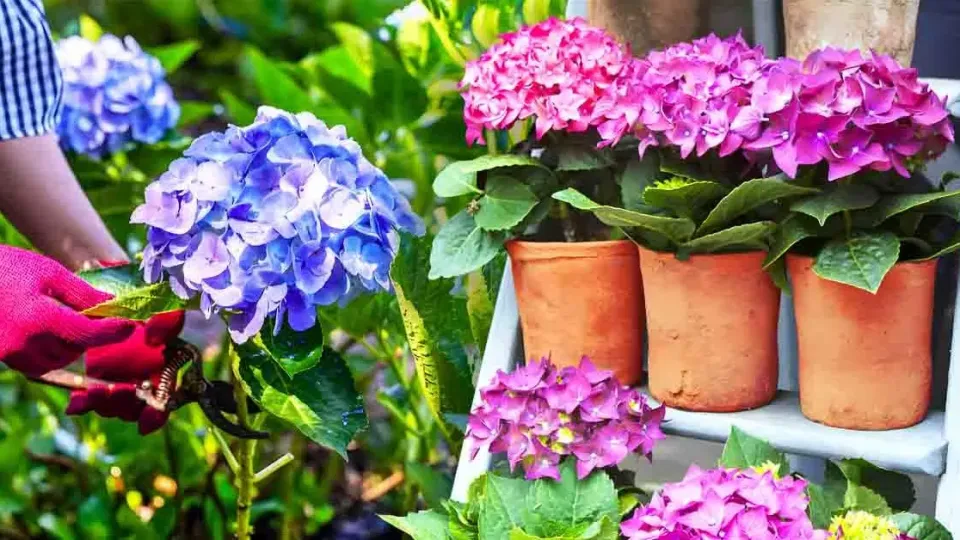
Hydrangeas, with their breathtaking blooms, stand out as one of the most enchanting deciduous flowering bushes. If you've wandered through Read more

As sustainability and eco-consciousness continue to rise in importance in our daily lives, discovering alternative methods to fertilize our gardens Read more

Indoor Plants: A Decorative Air Purifier Indoor plants have become an essential part of modern decor, increasingly sought-after to greenify Read more

Unlocking the Flowering Potential of Anthuriums Anthuriums are renowned for their stunning, heart-shaped blooms which, under ideal conditions, can grace Read more

The Importance and Care of House Plants House plants not only serve as a significant decorative element but also play Read more

Different perspectives exist on various aspects of nature, and this holds true for the dandelion, often dismissed as a mere Read more

In the culinary world, garlic is a staple ingredient that is hard to do without. Cultivating it benefits many plants Read more
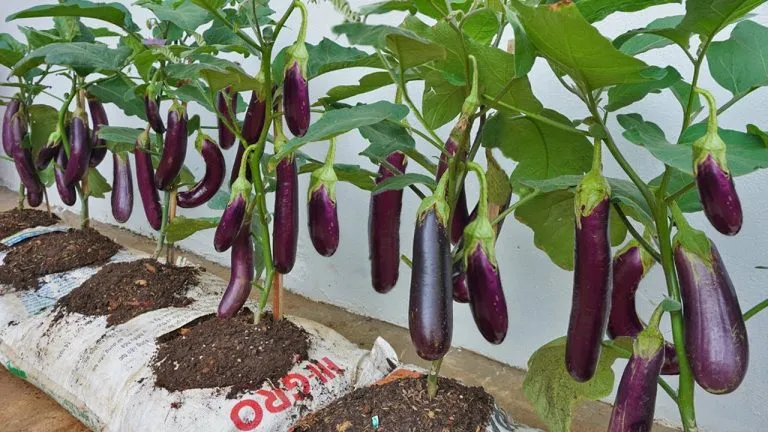
Exploring the World of Eggplants: A Gardener's Guide Eggplants, with their divisive nature, are often a subject of culinary debate. Read more

Using White Vinegar for Garden Maintenance Gardening is never an easy task. Planting, weeding, and watering plants and flowers require Read more
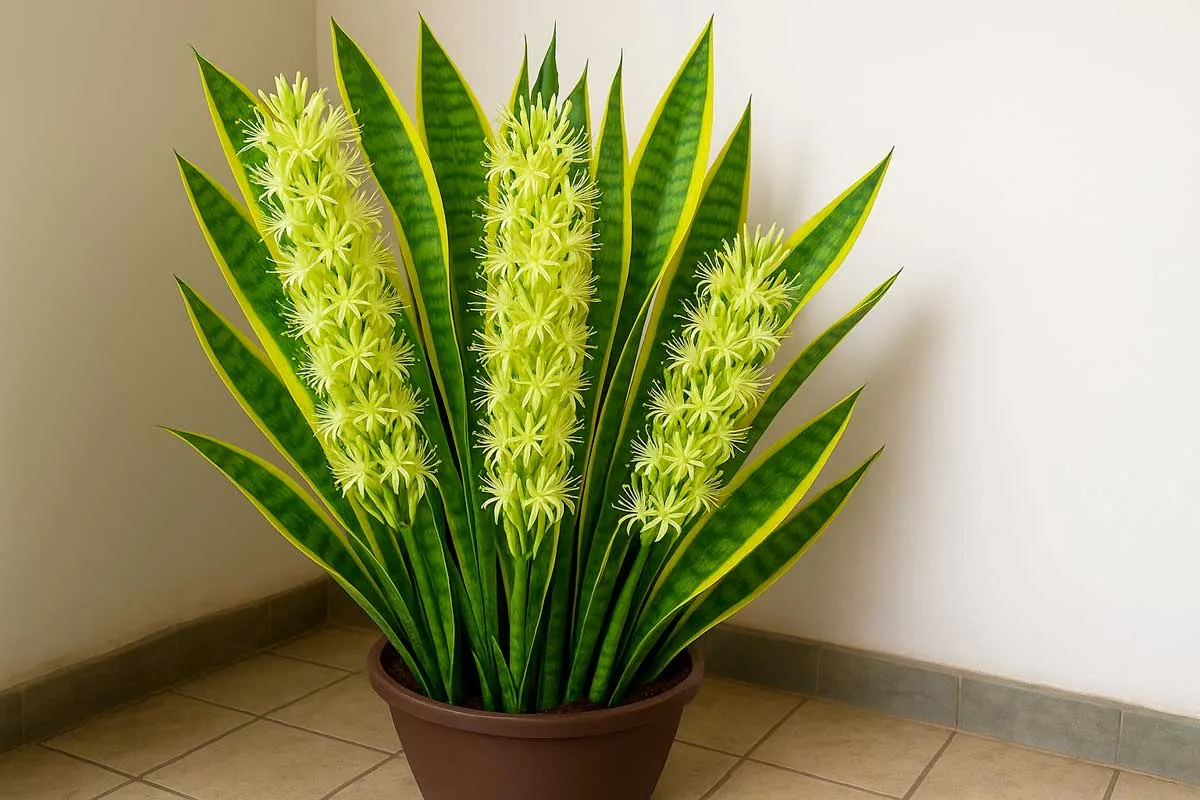
Mother-in-law’s tongue, commonly known as Sansevieria, is renowned for its resilience and remarkable air-purifying qualities. It is an ideal choice Read more

Excessive moisture within a house can arise due to capillary action, infiltration, or the phenomenon of condensation. The latter is Read more

Bananas are a delightful treat, but their peels can be a garden's treasure. Rather than discarding banana peels into compost, Read more
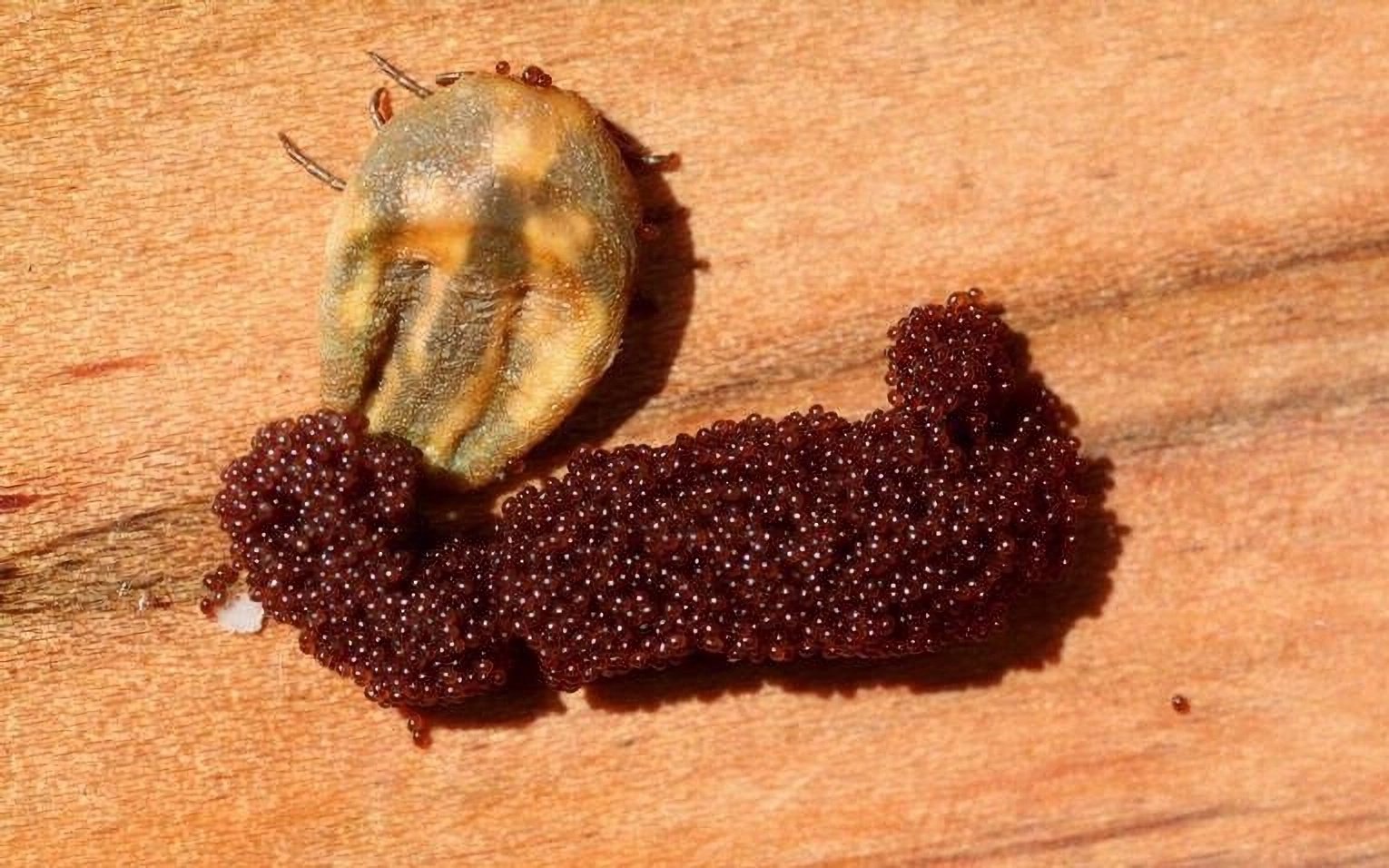
Imagine spending a relaxing afternoon in your backyard, only to stumble upon an unexpected and unwelcome discovery—a cluster of tiny Read more

Orchids, with their array of species and hybrids exceeding 25,000, stand as a testament to botanical beauty. Cultivators and hobbyists Read more
Indoor Plants and Their Benefits Indoor plants not only enhance the decor but also bring a touch of lush greenery. Read more
Peace lilies (Spathiphyllum) rank among the most cherished indoor plants, and it’s easy to understand why. Their shiny, deep green Read more
